Chapter Notes: Resources

What are Resources?
Resources are anything that is useful and helps people meet their needs. These can be natural resources like air, water, and trees, or human-made resources like buildings, machines, and tools. Even people themselves, with their skills and knowledge, are valuable resources.
Key Points
Resource Value and Importance: The value of a resource depends on its usefulness. Some resources, like metals, hold economic value, while others, such as scenic landscapes, improve our quality of life and well-being.
Impact of Technology on Resource Value: Technological progress can increase the value of resources over time, making them more useful or profitable.
Commercializing Traditional Remedies: Traditional remedies can gain significant value if they are patented and marketed by companies, showing how innovation adds value to existing resources.
- Human Creativity as a Resource: People are essential resources due to their creativity, knowledge, and inventions, which drive the discovery and creation of new resources.
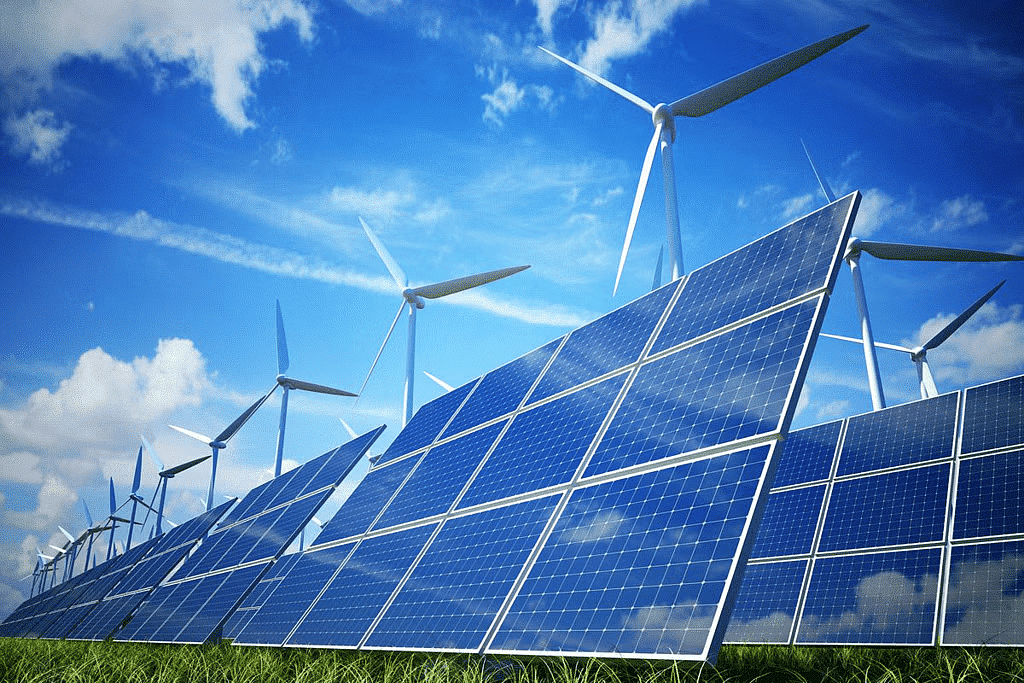 Wind and Solar Energy Resources
- Emerging Resources: New resources, like wind and solar energy, are continuously being discovered and developed, providing alternative and renewable energy sources.
- Historical Innovations and Resource Use: Inventions such as fire and the wheel have revolutionized how we use resources throughout history.
- Modern Technology and Natural Resources: Technologies like hydroelectric power highlight how natural elements, such as water, can be harnessed to create valuable resources through innovation.
Types of Resources
Resources are classified based on their origin and nature into three main categories:
- Natural Resources
- Human-made Resources
- Human Resources
Types of Resources
1. Natural Resources
Natural resources are those that are drawn directly from nature without significant modification. They are often free gifts of nature and can be used as they are, or sometimes require tools or technology for their optimal use.
Examples:
- Air
- Water
- Soil
- Minerals
Try yourself: Which type of resources are drawn from nature and used without much modification?
Categories of Natural Resources
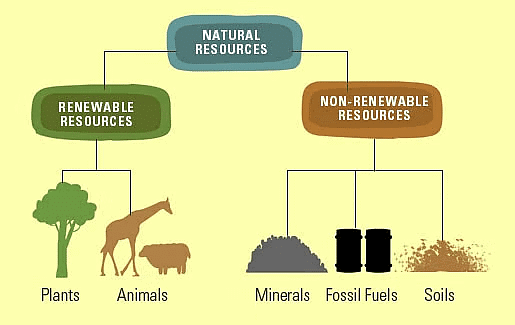 Natural Resources1. Renewable Resources
Renewable resources can be replenished or renewed naturally in a short period. They include unlimited resources like solar and wind energy. However, careless use can impact their availability. For instance, despite being renewable, water sources are drying up in some parts of the world.
Examples:
- Solar energy
- Wind energy
- Forests
Distribution of Natural Resources:
Natural resources are unevenly distributed across the globe. This is due to varying physical factors like terrain, climate, and altitude.
2. Non-renewable Resources
Non- renewable resources exist in limited stock and, once exhausted, take thousands of years to renew, far beyond a human lifespan.
Examples:
- Coal
- Petroleum
- Natural gas
2. Human Made Resources
When natural resources are transformed by human skills and technology, they become human-made resources. Technology, like computers and phones, is also a human-made resource that helps people perform tasks more efficiently.
Examples:
- Roads
- Machinery
- Vehicles
- Technology (like computers, phones)
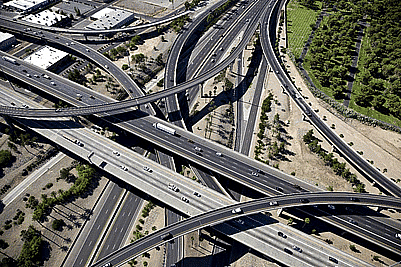 Roads are Human Made Resources.
Try yourself: Which of the following is an example of a renewable resource?
3. Human Resources
Human resources refer to people and their abilities, both mental and physical. People are a special resource because they have the capacity to transform natural materials into valuable resources.
- There are differing views regarding the treatment of humans as a resource, but one cannot deny that it is the skills of humans that help in transforming physical material into a valuable resource.
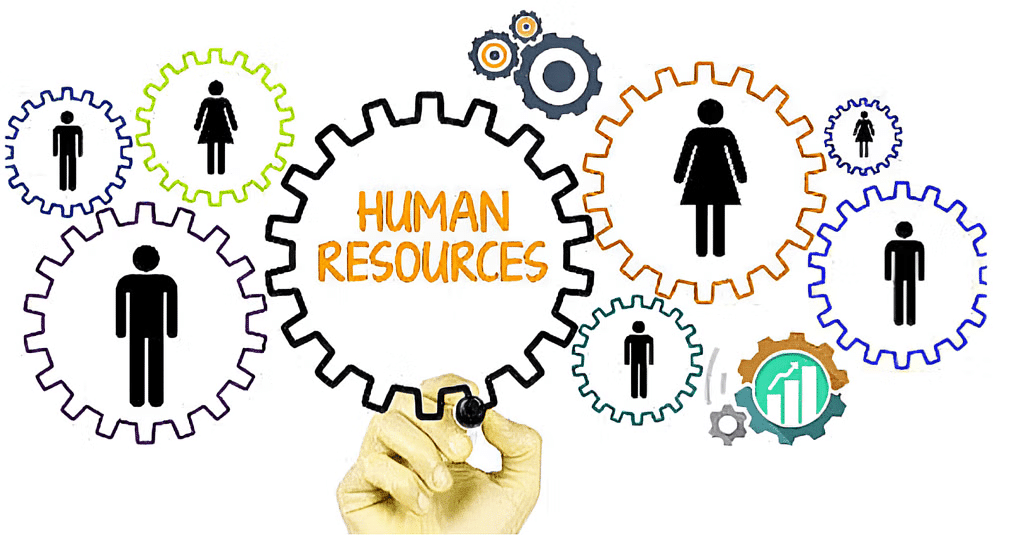
- People can make the best use of nature to create more resources when they have the knowledge, skill, and the technology to do so.
- Human beings are a special resource, and education and health help in making them a valuable resource.
- Human Resource Development (HRD) focuses on enhancing the capabilities of individuals to enable them to contribute more effectively.
Conserving Resources
Both renewable and non-renewable resources are at risk of becoming scarce if not used wisely. Even replenishable resources, like water and forests, can become limited if overused, while non-renewable resources, such as fossil fuels, can be exhausted completely.
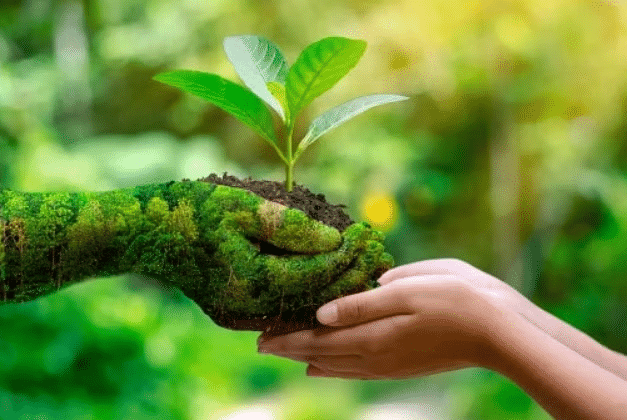
- Even replenishable resources, like water and forests, can become limited if overused, while non-renewable resources, such as fossil fuels, can be exhausted completely.
- This is why resource conservation is crucial. It means using resources thoughtfully and allowing them time to renew.
Achieving a balance between utilizing resources for current needs and conserving them for future generations is known as sustainable development.
Everyone plays a role in this effort, and individuals can contribute by:
- Reducing consumption of resources
- Recycling materials to prevent waste
- Reusing items to extend their lifeEvery person's actions are important because all lives are interconnected. By preserving the Earth's life-support systems, we ensure a better future for both the planet and its inhabitants.
Our Responsibility: To protect the environment and secure resources for future generations,
It is our duty to:
- Use renewable resources sustainably
- Conserve the biodiversity of life on Earth
- Minimize damage to natural ecosystems
Principles of Sustainable Development
- Respect and care for all forms of life
- Enhance the quality of human life
- Preserve the vitality and diversity of Earth's ecosystems
- Reduce depletion of natural resources
- Encourage responsible attitudes toward the environment
- Empower communities to care for their local environments
By embracing these principles, we can collectively work toward a sustainable and healthier planet.
FAQs on Chapter Notes: Resources
| 1. What are the different types of resources and how do they differ from each other? |  |
| 2. Why do some countries have more natural resources than others and how does this affect their development? | |
| 3. What's the difference between renewable and non-renewable resources and which ones will run out? | |
| 4. How are resources classified as biotic and abiotic, and what examples fit each category? | |
| 5. What role do human resources play in turning raw materials into finished products for the economy? | |