Food - Where does it Come from? Class 6 Notes Science
| Table of contents |

|
| Food & Nutrition |
|
| Food Variety |
|
| Food Materials and Sources |
|
| Plant Parts and Animal Products as Food |
|
| What do Animals Eat? |
|
| Frequently Asked Questions |
|

Food & Nutrition
Food is essential for providing the necessary nutrition required for the growth and maintenance of life in humans, animals, and plants.
A balanced diet is crucial as it supplies the vitamins and minerals needed for the proper functioning of our bodies.
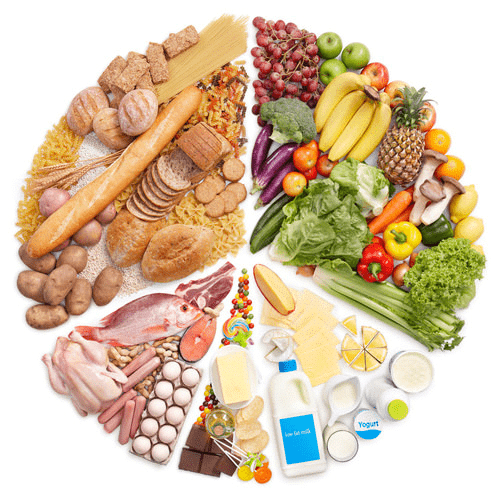 Balanced Diet gives us Complete Nutrition
Sources of Food
- Food comes from various sources, primarily plants and animals.
- These sources offer different types of nutrients that are vital for our health.
Functions of Food in Our Body
- Energy Supply: Food is the primary source of energy for our bodies, enabling us to perform various activities throughout the day.
- Growth and Development: Food is essential for our growth, especially in children and adolescents who are still developing. It provides the necessary nutrients for building and expanding body tissues.
- Repair and Maintenance: Food helps in the repair and replacement of damaged cells and tissues in the body. This is crucial for recovery from injuries and for maintaining overall health.
- Immune Support: Consuming a balanced diet is vital for strengthening our immune system. Food provides the necessary vitamins, minerals, and other nutrients that help protect the body against infections and diseases.
Food Variety
We eat a wide range of foods, including rice, bread, vegetables, eggs, butter, sweets, cheese, fruits, pulses, and meat. Each of these foods contains different ingredients that contribute to our diet.
Ingredients of Food
- Materials needed to prepare any food item are called ingredients. Two or more than two ingredients are needed to prepare a dish.
- Examples:
(i) To prepare boiled rice, rice and water are used, so rice and water are the ingredients for boiled rice.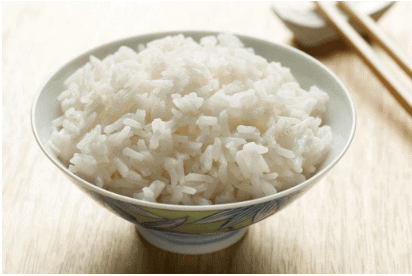 (ii) To make a chapatti, the required ingredients are atta (flour) and water.
 Flour(iii) To cook vegetable curry, the ingredients needed include vegetables, salt, water, and spices.
Food Materials and Sources
As we said, food comes in a variety of forms, each come from different sources.
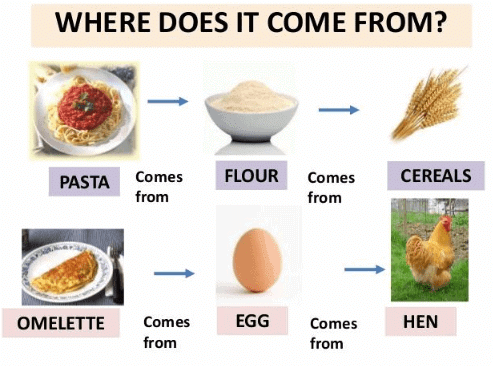
Food Items
- We consume a variety of food items every day, and each of these items requires specific ingredients for its preparation.
- For instance, to make chicken curry, we need ingredients like chicken, spices, oil or ghee, and water.
Food Sources
- Food ingredients are sourced from either plants or animals, resulting in plant products and animal products.
- For example, rice is obtained from paddy plants, while chicken comes from animals.
- Salt is a mineral that does not come from plants or animals, and water is not considered a food source.
- Other common food sources include fruits, vegetables, grains, dairy products, and pulses.
Plant Parts and Animal Products as Food
Food from Plant Source
Rice, wheat, vegetables, fruits, etc. are obtained from plant sources. We get these ingredients from certain parts of different plants.
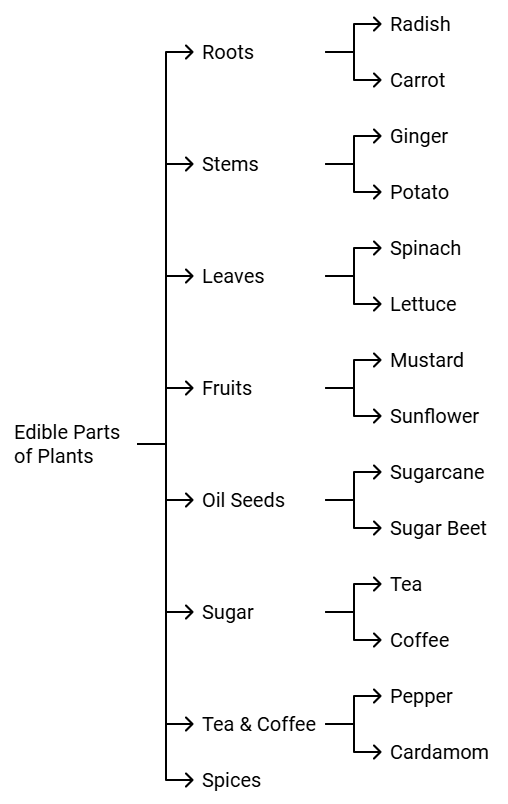 Some examples of edible plant parts are shown below:
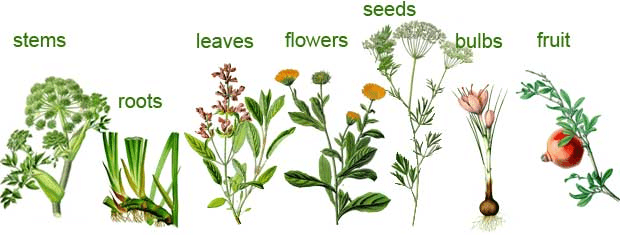 Edible Parts of Plants
(a) Root: We eat the root of radish, carrot, turnip, sweet potato, beet, etc.
(b) Stem: In certain plants, the stem grows underground and store the food. Ginger, potato(underground stem), and onion are stems of plants in which food is stored. So, we eat the stem of ginger, potato, onion, etc.
(c) Leaf: Spinach, Lettuce, Trigonella, etc. We eat the leaves of these plants
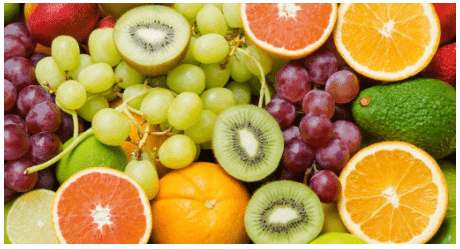
(d) Fruits: Orange, grapes, kiwi, apple etc. We eat fruits from these plants.
 Fruits(e) Oil Seeds: Seeds of many plants are used to extract oil.
Example: Mustard oil is extracted from seeds of the mustard plant. Similarly, sunflower oil, coconut oil, groundnut oil, soyabean oil, etc. are obtained from seeds of respective plants.
(f) Sugar: We get sugar from sugarcane and sugar beet plant.
(g) Tea & Coffee: These are common beverages. Tea is obtained from leaves, while coffee is obtained from seeds.
(h) Spices: They have no nutritive value and are used for adding flavour to food. The major spices are pepper, cardamom, ginger, turmeric. Other spices are cloves, saffron, fennel, cumin, coriander, asafoetida, and fenugreek.
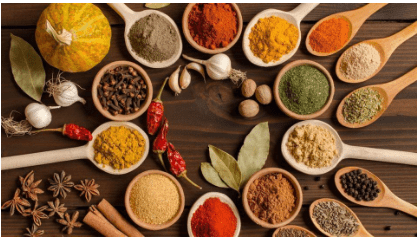 Spices
Foods from Animal Source
We get various foods from animals, including milk, eggs, meat, honey, and fish. Buffaloes and cows are the main sources of milk, while hens and ducks provide eggs.
- Meat: We obtain meat from animals such as goats, chickens, and hens. Both eggs and meat are rich in protein, which is essential for our body.
- Fish: Fish is a significant source of food for many communities living near the coast.
(a) Honey: Honey is produced by honeybees from the nectar of flowers. It is packed with sugar, minerals, and enzymes, making it a nutritious food.
(b) Autotrophs: Plants are called autotrophs because they make their own food through a process known as photosynthesis. The term "autotroph" comes from the Greek words "auto," meaning self, and "troph," meaning nourishment or food.
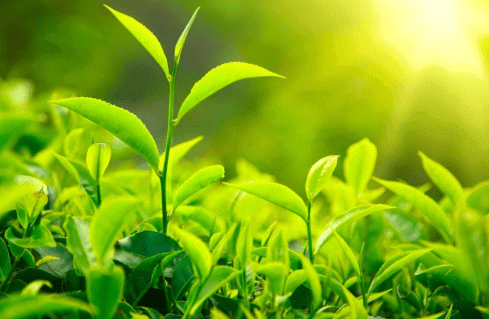 Green Plants: Autotrophs
(c) Heterotrophs: Animals, including humans, are known as heterotrophs because they do not produce their own food. Instead, they rely on eating food made by plants or food derived from plants.
What do Animals Eat?
Animals are called consumers in the food web. They depend on plants for food and shelter because plants are the main producers. Animals need plants, either directly or indirectly.
Food Habits of Animals
Food habits refer to the way living organisms eat or what they choose to eat. For example, a rabbit's food habit involves eating grass or other plants.
Types of Heterotrophs
- Herbivores: These animals eat only grass and plant materials. Examples include cows, elephants, camels, deer, and goats.
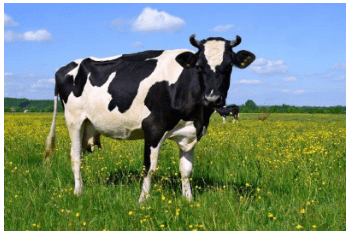 Herbivore
- Carnivores: These animals eat the flesh of other animals. Examples include lions, jackals, frogs, tigers, lizards, and snakes.
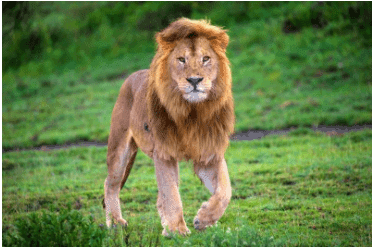 Carnivore
- Omnivores: These animals eat both plants and meat. Examples include crows, monkeys, bears, humans, and sparrows.
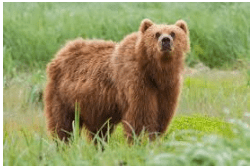 Omnivore
- Scavengers: These animals feed on the remains of dead animals.
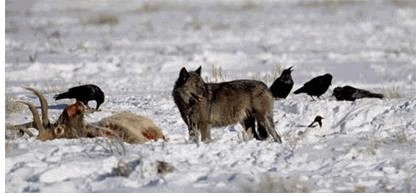 Scavenger
Frequently Asked Questions
Q.1. Explain the importance of food for living organisms.
Ans: Food is necessary for all living organisms for various reasons:
- It provides the energy required for different activities.
- It aids in growth.
- It helps in protecting us from infections and diseases.
Q.2. What are the two main sources of food?
Ans: The two main sources of food are:
- Plants: We get fruits, vegetables, pulses, and other food items from plants.
- Animals: We obtain milk, eggs, meat, and other food products from animals.
Q.3. Describe the types of animals based on what they eat.
Ans: Animals can be classified into three main types based on their diet:
- Herbivores: These animals eat plants. Examples include cows, goats, rabbits, deer, and elephants.
- Carnivores: These animals eat other animals. Examples include dogs, cats, lions, tigers, and bears.
- Omnivores: These animals eat both plants and other animals. Humans are a common example of omnivores.
- Scavenging animals: These animals eat the remains of dead animals. Examples include leopards, hyenas, and raccoons.
|
26 videos|28 docs|9 tests
|
FAQs on Food - Where does it Come from? Class 6 Notes Science
| 1. What are the different food sources for humans? |  |
| 2. Why is food variety important in a diet? | |
| 3. What parts of plants are commonly consumed as food? | |
| 4. What types of food do animals generally eat? | |
| 5. How do we ensure a sustainable food supply? | |




Summary
,study material
,Semester Notes
,practice quizzes
,mock tests for examination
,past year papers
,video lectures
,Previous Year Questions with Solutions
,shortcuts and tricks
,Important questions
,Extra Questions
,Objective type Questions
,Food - Where does it Come from? Class 6 Notes Science
,Viva Questions
,Exam
,MCQs
,Free
,ppt
,Sample Paper
,Food - Where does it Come from? Class 6 Notes Science
,Food - Where does it Come from? Class 6 Notes Science
;




Study Notes: Food - Where does it Come from? Free PDF Download
Importance of Study Notes: Food - Where does it Come from?
Study Notes: Food - Where does it Come from?
Study Notes: Food - Where does it Come from? Class 5 Questions
Study Study Notes: Food - Where does it Come from? on the App
|
© EduRev
|
Education Revolution
|


|




within 7 days!