NCERT Solutions Continuity & Differentiability


Exercise 5.1
Q1: Prove that the function

Ans:
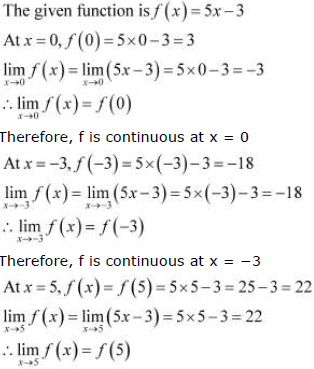
Therefore, f is continuous at x = 5.
Q2: Examine the continuity of the function

Ans:
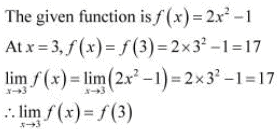
Thus, f is continuous at x = 3.
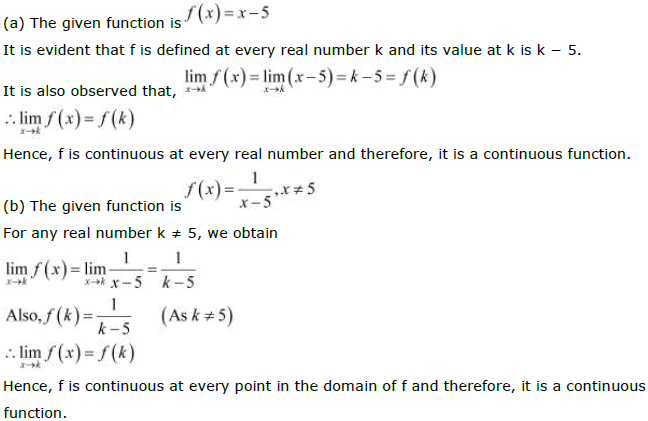
Q3: Examine the following functions for continuity.
(a)

(b)
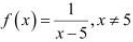
(c)
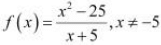
(d)

Ans:
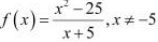
(c) The given function is
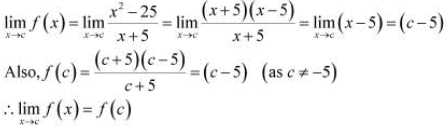
For any real number c ≠ -5, we obtain
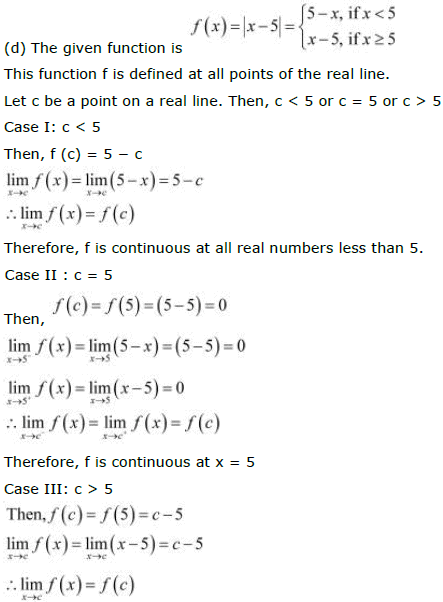
Therefore, f is continuous at all real numbers greater than 5.
Hence, f is continuous at every real number and therefore, it is a continuous function.
Q4: Prove that the function

Ans: The given function is f (x) = xn.
It is evident that f is defined at all positive integers n, and its value at n is nn.
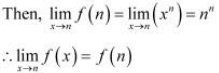
Therefore, f is continuous at n, where n is a positive integer.
Q5: Is the function f defined by
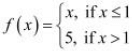
Ans: The given function f is
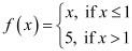
At x = 0,
It is evident that f is defined at 0 and its value at 0 is 0.
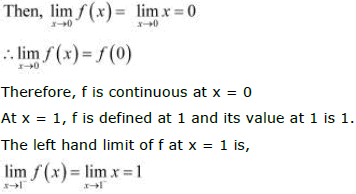
The right hand limit of f at x = 1 is,
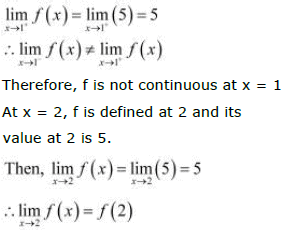
Therefore, f is continuous at x = 2.
Q6: Find all points of discontinuity of f, where f is defined by
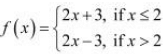
Ans: The given function f is
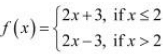
It is evident that the given function f is defined at all the points of the real line.
Let c be a point on the real line. Then, three cases arise.
(i) c < 2
(ii) c > 2
(iii) c = 2
Case (i) c < 2
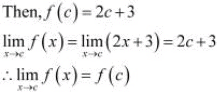
Therefore, f is continuous at all points x such that x < 2.
Case (ii) c > 2
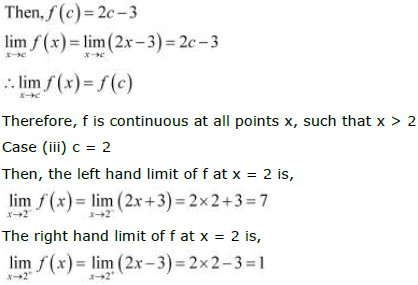
It is observed that the left and right hand limits of f at x = 2 do not coincide.
Therefore, f is not continuous at x = 2.
Hence, x = 2 is the only point of discontinuity of f.
Q7: Find all points of discontinuity of f, where f is defined by
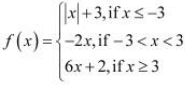
Ans: The given function f is
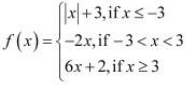
The given function f is defined at all the points of the real line.
Let c be a point on the real line.
Case I:
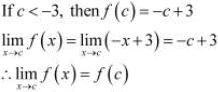
Therefore, f is continuous at all points x such that x < -3.
Case II:
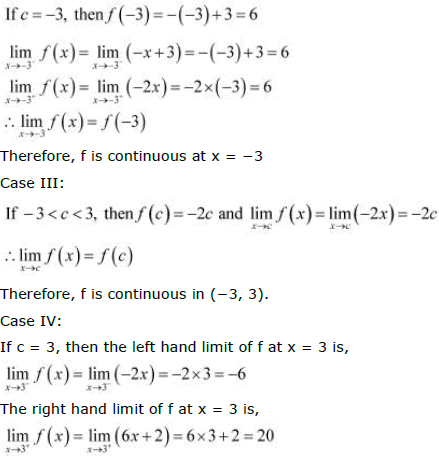
It is observed that the left and right hand limits of f at x = 3 do not coincide.
Therefore, f is not continuous at x = 3.
Case V:

Therefore, f is continuous at all points x such that x > 3.
Hence, x = 3 is the only point of discontinuity of f.
Q8: Find all points of discontinuity of f, where f is defined by
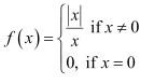
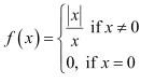
Ans: The given function f is
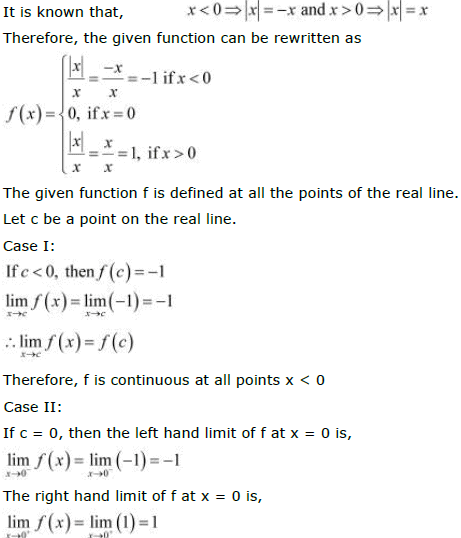
It is observed that the left and right hand limits of f at x = 0 do not coincide.
Therefore, f is not continuous at x = 0.
Case III:
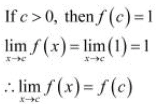
Therefore, f is continuous at all points x such that x > 0.
Hence, x = 0 is the only point of discontinuity of f.
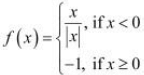
Q9: Find all points of discontinuity of f, where f is defined by
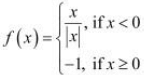
Ans: The given function f is
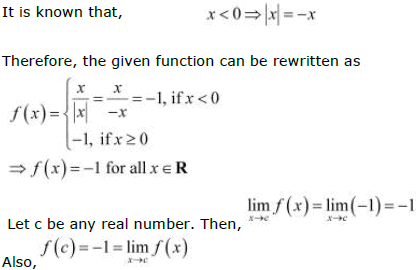
Therefore, the given function is a continuous function.
Hence, the given function has no point of discontinuity.
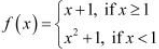
Q10: Find all points of discontinuity of f, where f is defined by
Ans:
The given function f is
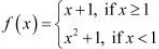
The given function f is defined at all the points of the real line.
Let c be a point on the real line.
Case I:
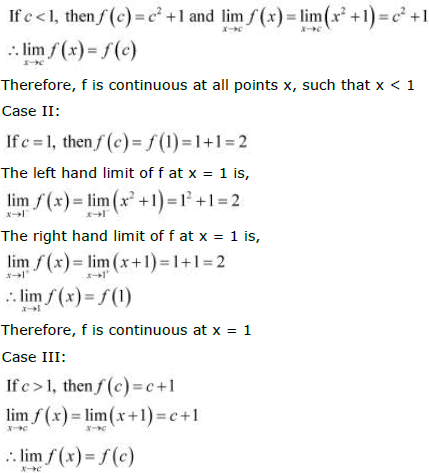
Therefore, f is continuous at all points x such that x > 1.
Hence, the given function f has no point of discontinuity.
Q11: Find all points of discontinuity of f, where f is defined by
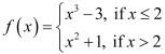
Ans: The given function f is
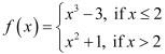
The given function f is defined at all the points of the real line.
Let c be a point on the real line.
Case I:
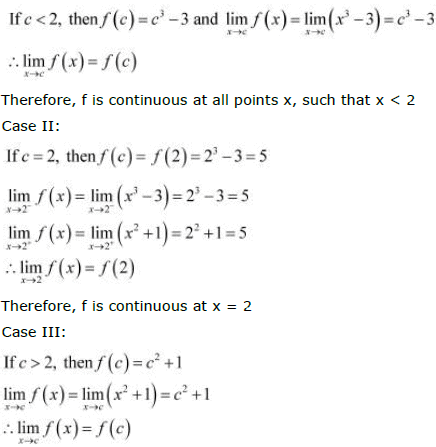
Therefore, f is continuous at all points x such that x > 2.
Thus, the given function f is continuous at every point on the real line.
Hence, f has no point of discontinuity.
Question 12: Find all points of discontinuity of f, where f is defined by
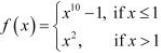
Ans: The given function f is
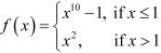
The given function f is defined at all the points of the real line.
Let c be a point on the real line.
Case I:
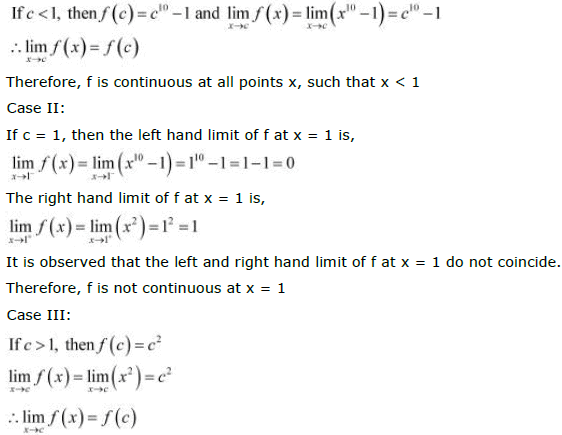
Therefore, f is continuous at all points x such that x > 1.
Thus, from the above observation, it can be concluded that x = 1 is the only point of discontinuity of f.
Q13: Is the function defined by
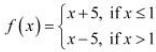
Ans: The given function is
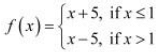
The given function f is defined at all the points of the real line.
Let c be a point on the real line.
Case I:
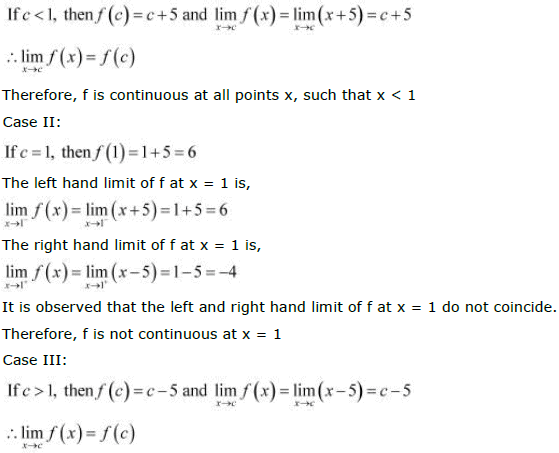
Therefore, f is continuous at all points x such that x > 1.
Thus, from the above observation, it can be concluded that x = 1 is the only point of
discontinuity of f.
Q14: Discuss the continuity of the function f, where f is defined by
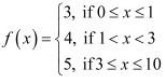
Ans: The given function is
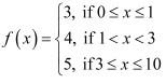
The given function is defined at all points of the interval [0, 10].
Let c be a point in the interval [0, 10].
Case I:
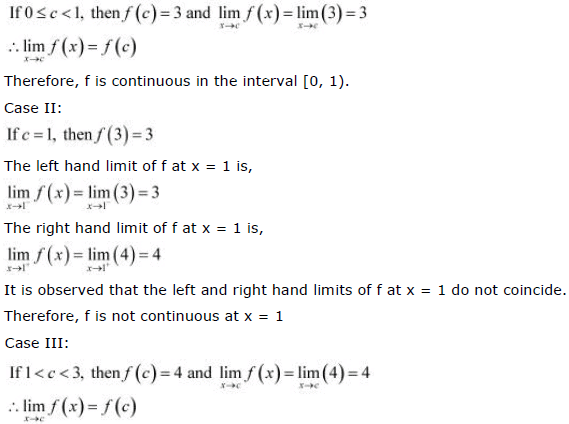
Therefore, f is continuous at all points of the interval (1, 3).
Case IV:
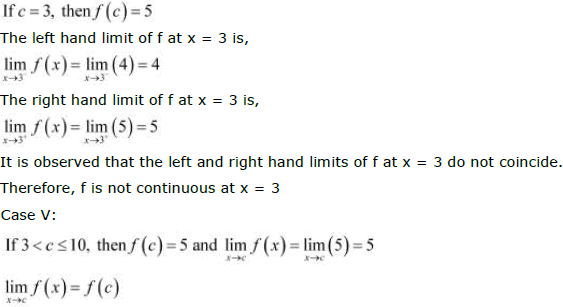
Therefore, f is continuous at all points of the interval (3, 10].
Hence, f is not continuous at x = 1 and x = 3.
Q15: Discuss the continuity of the function f, where f is defined by
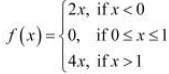
Ans: The given function is
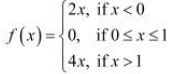
The given function is defined at all points of the real line.
Let c be a point on the real line.
Case I:
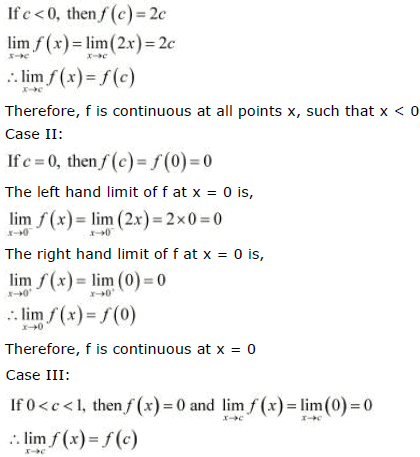
Therefore, f is continuous at all points of the interval (0, 1).
Case IV:
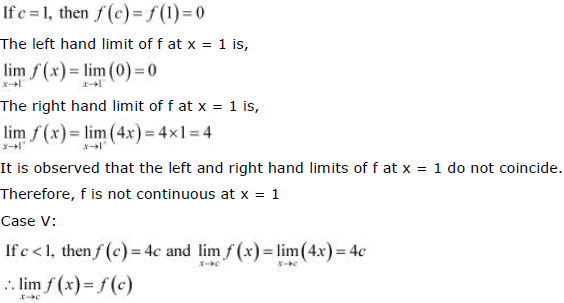
Therefore, f is continuous at all points x such that x > 1.
Hence, f is not continuous only at x = 1.
Q16: Discuss the continuity of the function f, where f is defined by
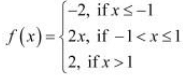
Ans: The given function f is
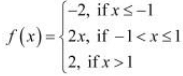
The given function is defined at all points of the real line.
Let c be a point on the real line.
Case I:
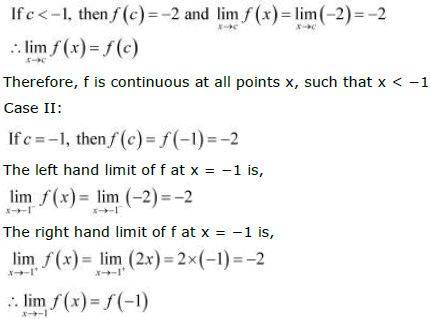
Therefore, f is continuous at x = -1.
Case III:
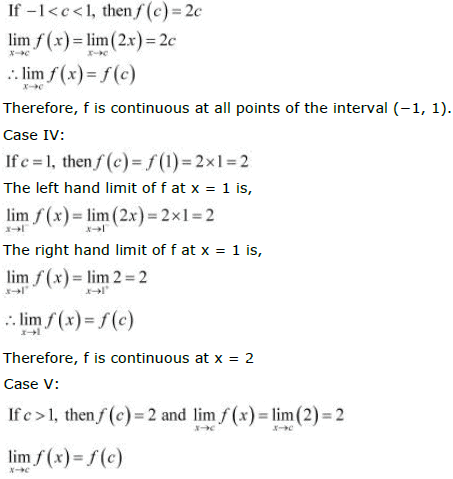
Therefore, f is continuous at all points x such that x > 1.
Thus, from the above observations, it can be concluded that f is continuous at all points of the real line.
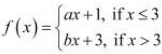
Q17: Find the relationship between a and b so that the function f defined by is continuous at x = 3.
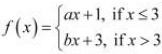
Ans: The given function f is
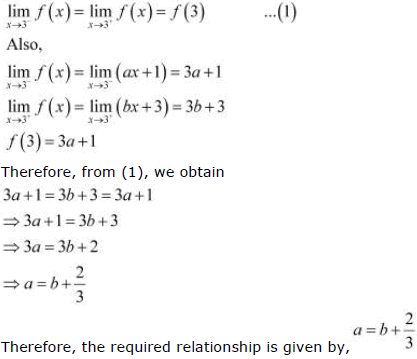
If f is continuous at x = 3, then
Q18: For what value of is the function defined by
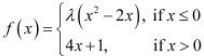
Ans: The given function f is
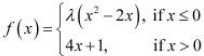
If f is continuous at x = 0, then
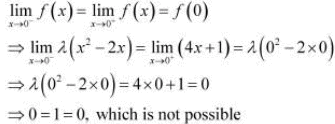
Therefore, there is no value of λ for which f is continuous at x = 0. At x = 1,
f (1) = 4x + 1 = 4 × 1 + 1 = 5.
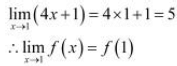
Therefore, for any values of λ, f is continuous at x = 1.
Q19: Show that the function defined by g(x)= x-[x] is discontinuous at all integral point. Here [x] denotes the greatest integer less than or equal to x.
Ans: The given function is g(x)= x-[x].
It is evident that g is defined at all integral points.
Let n be an integer.
Then,
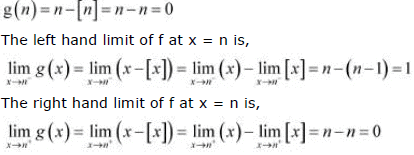
It is observed that the left and right hand limits of f at x = n do not coincide.
Therefore, f is not continuous at x = n.
Hence, g is discontinuous at all integral points.
Q20: Is the function defined by

Ans: The given function is

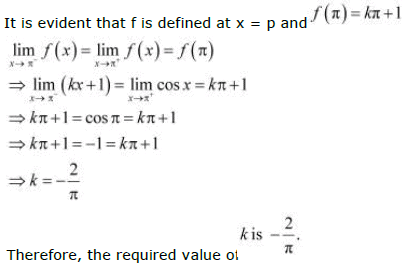
It is evident that f is defined at x = p.
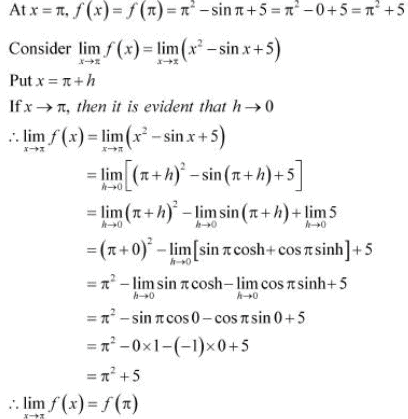
Therefore, the given function f is continuous at x = π.
Q21: Discuss the continuity of the following functions.
(a) f (x) = sin x + cos x
(b) f (x) = sin x - cos x
(c) f (x) = sin x × cos x
Ans: It is known that if g and h are two continuous functions, then
g+h, g-h, and g·h are also continuous.
It has to be proved first that g (x) = sin x and h (x) = cos x are continuous functions.
Let g (x) = sin x.
It is evident that g (x) = sin x is defined for every real number.
Let c be a real number. Put x = c + h.
If x → c, then h → 0.
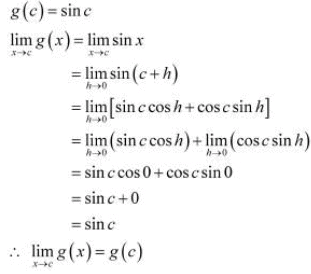
Therefore, g is a continuous function.
Let h (x) = cos x.
It is evident that h (x) = cos x is defined for every real number.
Let c be a real number. Put x = c + h.
If x → c, then h → 0. h (c) = cos c.
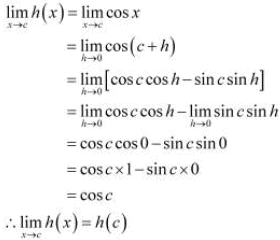
Therefore, h is a continuous function.
Therefore, it can be concluded that
(a) f (x) = g (x) + h (x) = sin x + cos x is a continuous function.
(b) f (x) = g (x) - h (x) = sin x - cos x is a continuous function.
(c) f (x) = g (x) × h (x) = sin x × cos x is a continuous function.
Q22: Discuss the continuity of the cosine, cosecant, secant and cotangent functions,
Ans: It is known that if g and h are two continuous functions, then
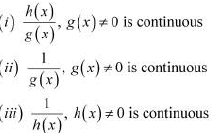
It has to be proved first that g (x) = sin x and h (x) = cos x are continuous functions. Let g (x) = sin x.
It is evident that g (x) = sin x is defined for every real number.
Let c be a real number. Put x = c + h. Therefore, g is a continuous function.
Let h (x) = cos x.
It is evident that h (x) = cos x is defined for every real number.
Let c be a real number. Put x = c + h.
If x → c, then h → 0.
Therefore, h (x) = cos x is a continuous function.
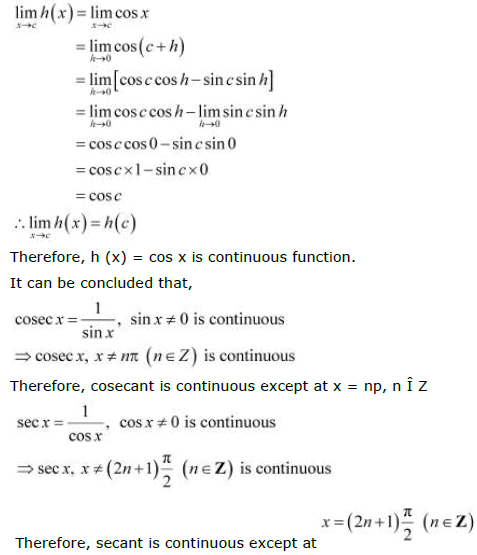
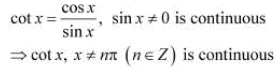
Therefore, cotangent is continuous except at x = nπ, n ∈ Z.
Q23: Find the points of discontinuity of f, where
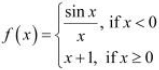
Ans:
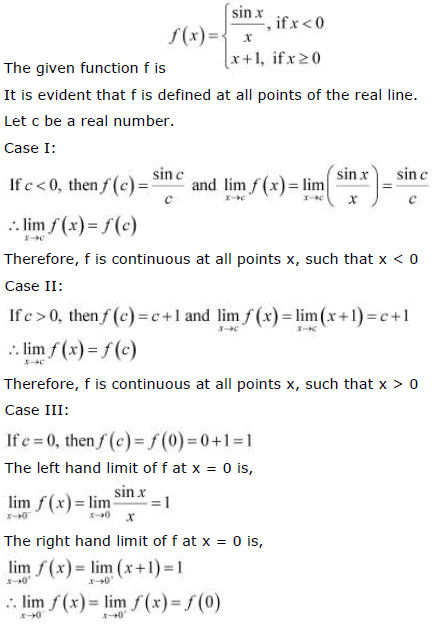
Therefore, f is continuous at x = 0.
From the above observations, it can be concluded that f is continuous at all points of the real line.
Thus, f has no point of discontinuity.
Q24:Determine if f defined by
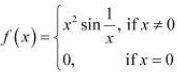
Ans: The given function f is
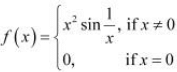
It is evident that f is defined at all points of the real line.
Let c be a real number.
Case I:
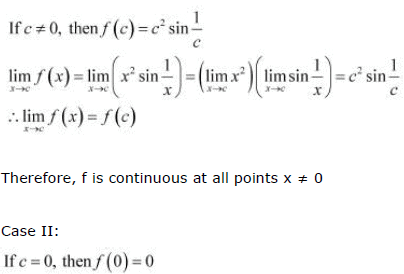
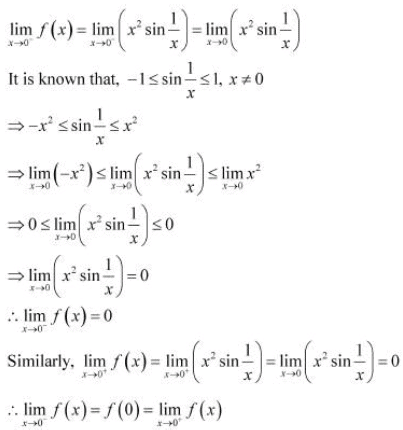
Therefore, f is continuous at x = 0.
From the above observations, it can be concluded that f is continuous at every point of the real line.
Thus, f is a continuous function.
Q25: Examine the continuity of f, where f is defined by
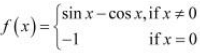
Ans: The given function f is
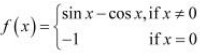
It is evident that f is defined at all points of the real line.
Let c be a real number.
Case I:
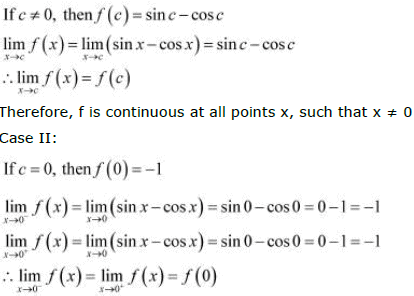
Therefore, f is continuous at x = 0.
From the above observations, it can be concluded that f is continuous at every point of the real line.
Thus, f is a continuous function.
Q26: Find the values of k so that the function f is continuous at the indicated point.
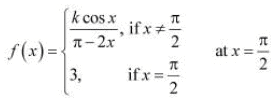
Ans:
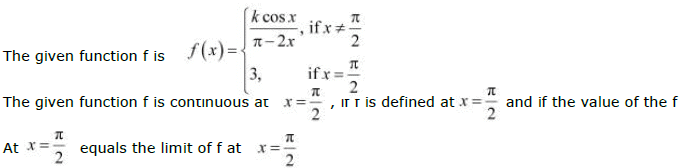
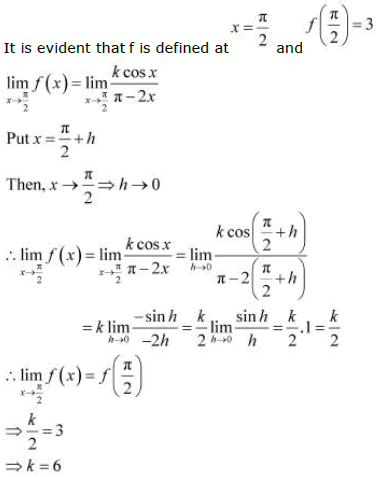
Therefore, the required value of k is 6.
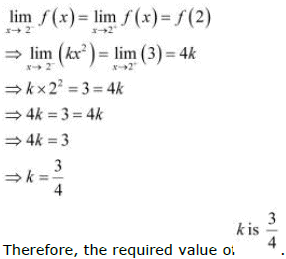
Question 27: Find the values of k so that the function f is continuous at the indicated point.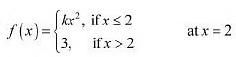
Ans: The given function is
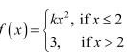
The given function f is continuous at x = 2, if f is defined at x = 2 and if the value of f at x = 2 equals the limit of f at x = 2.
It is evident that f is defined at x = 2 and f(2) = k(2)2 = 4k.
Q28: Find the values of k so that the function f is continuous at the indicated point.

Ans: The given function is

The given function f is continuous at x = p, if f is defined at x = p and if the value of f at x = p equals the limit of f at x = p.
Q29: Find the values of k so that the function f is continuous at the indicated point.
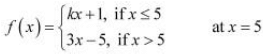
Ans: The given function f is
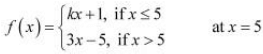
The given function f is continuous at x = 5, if f is defined at x = 5 and if the value of f at x = 5 equals the limit of f at x = 5.
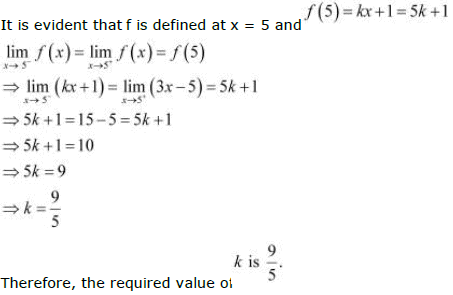
Q30: Find the values of a and b such that the function defined by
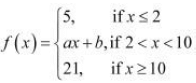
Ans: The given function f is
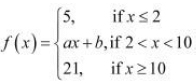
It is evident that the given function f is defined at all points of the real line.
If f is a continuous function, then f is continuous at all real numbers.
In particular, f is continuous at x = 2 and x = 10.
Since f is continuous at x = 2, we obtain
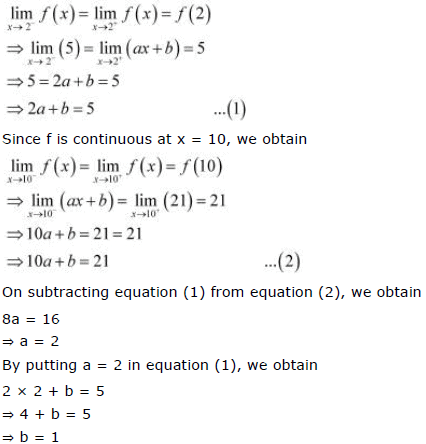
Therefore, the values of a and b for which f is a continuous function are 2 and 1 respectively.
Q31: Show that the function defined by f(x) = cos (x2) is a continuous function.
Ans: The given function is f (x) = cos (x2).
This function f is defined for every real number and f can be written as the composition of two functions as,
f = g ∘ h, where g (x) = cos x and h (x) = x2.
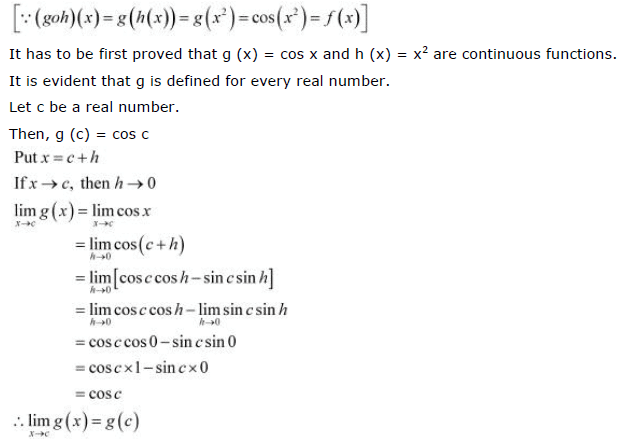
Therefore, g (x) = cos x is continuous function.
h (x) = x2.
Clearly, h is defined for every real number.
Let k be a real number, then h (k) = k2.
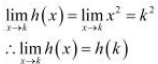
Therefore, h is a continuous function.
It is known that for real-valued functions g and h, such that (g ∘ h) is defined at c, if g is continuous at h(c) and if h is continuous at c, then (g ∘ h) is continuous at c.
Therefore,

Q32: Show that the function defined by

Ans: The given function is

This function f is defined for every real number and f can be written as the composition of two functions as,
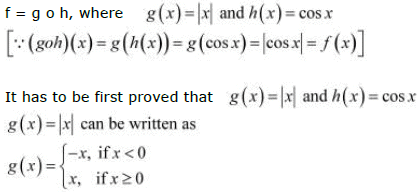
Clearly, g is defined for all real numbers.
Let c be a real number.
Case I:
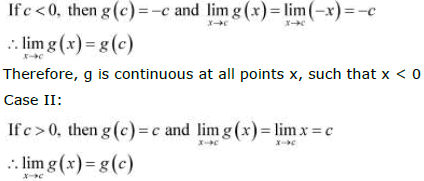
Therefore, g is continuous at all points x such that x > 0.
Q33: Examine that sin|x| is a continuous function.
Ans:

This function f is defined for every real number and f can be written as the composition of two functions as,
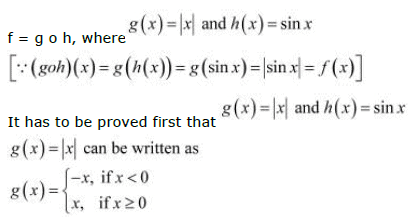
Clearly, g is defined for all real numbers.
Let c be a real number.
Case I:
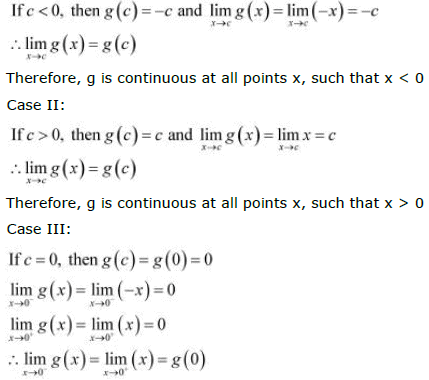
Therefore, g is continuous at x = 0.
From the above three observations, it can be concluded that g is continuous at all points. h (x) = sin x.
It is evident that h (x) = sin x is defined for every real number.
Let c be a real number. Put x = c + k.
If x → c, then k → 0. h (c) = sin c.
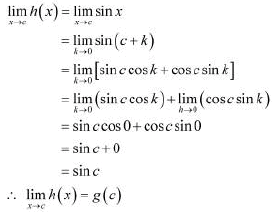
Therefore, h is a continuous function.
It is known that for real-valued functions g and h, such that (g ∘ h) is defined at c, if g is continuous at h(c) and if h is continuous at c, then (g ∘ h) is continuous at c.

Q34: Find all the points of discontinuity of f defined by
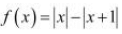
Ans: The given function is
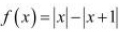
The two functions, g and h, are defined as
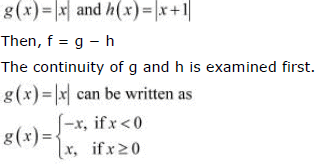
Clearly, g is defined for all real numbers.
Let c be a real number.
Case I:
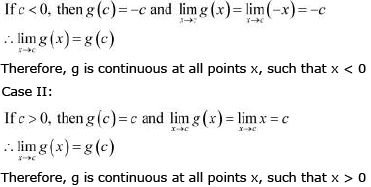
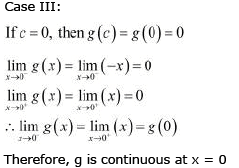
From the above three observations, it can be concluded that g is continuous at all
Case II:

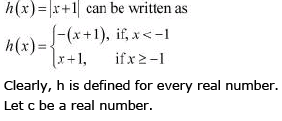
Clearly, h is defined for every real number.
Let c be a real number.
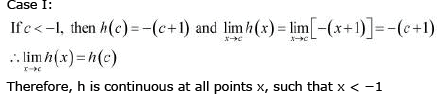
Case I:

Therefore, h is continuous at all points x such that x < -1.
Case III:
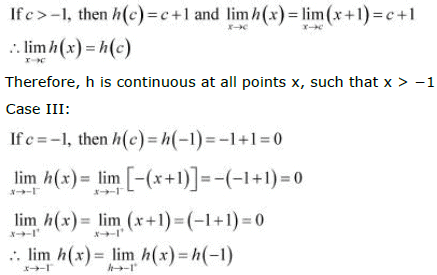
Therefore, h is continuous at x = -1.
From the above three observations, it can be concluded that h is continuous at all points of the real line. g and h are continuous functions. Therefore, f = g - h is also a continuous function.
Therefore, f has no point of discontinuity.
Exercise 5.2
Continuity & Differentiability
Question 1: Differentiate the functions with respect to x.

Answer
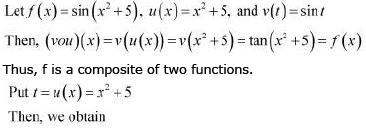
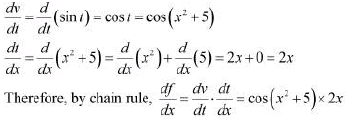
Question 2: Differentiate the functions with respect to x. cos(sinx)
Answer

Thus, f is a composite function of two functions.
Put t = u (x) = sin x.
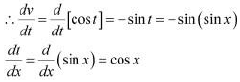

By chain rule,
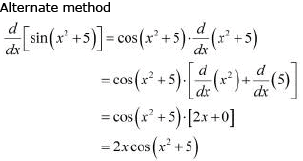
Alternate method


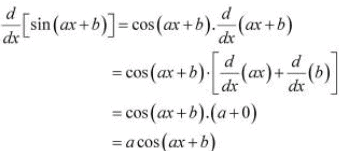
Question 3: Differentiate the functions with respect to x.
sin(ax + b)
Answer
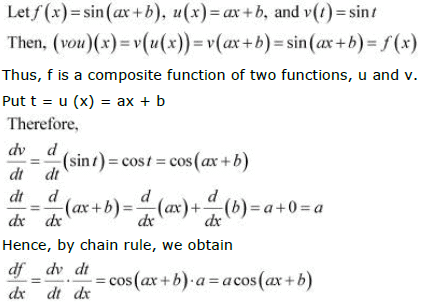
Alternate method
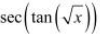
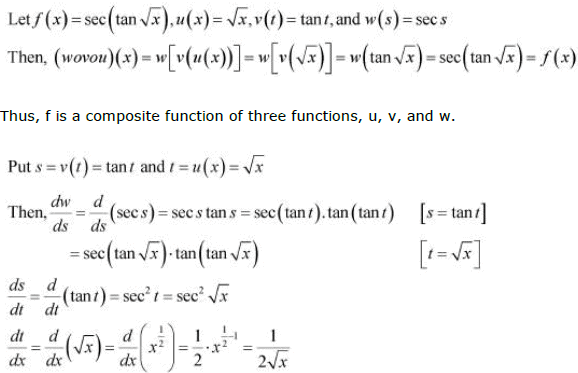
Question 4: Differentiate the functions with respect to x.
Answer
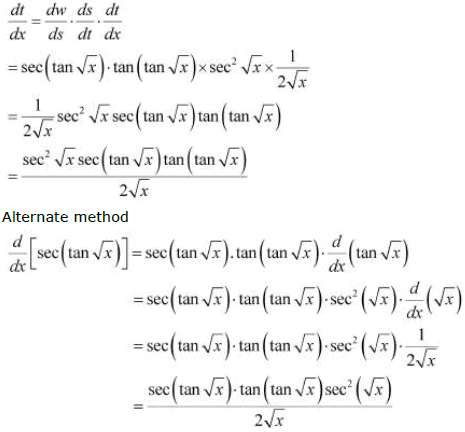
Hence, by chain rule, we obtain
Question 5: Differentiate the functions with respect to x.

Answer
The given function is
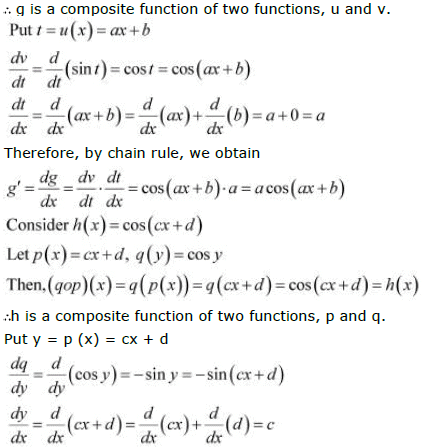
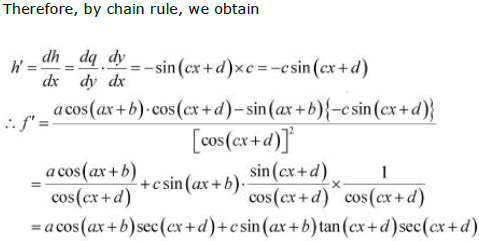
Put y = p (x) = cx + d.
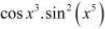
Question 6: Differentiate the functions with respect to x.
Answer
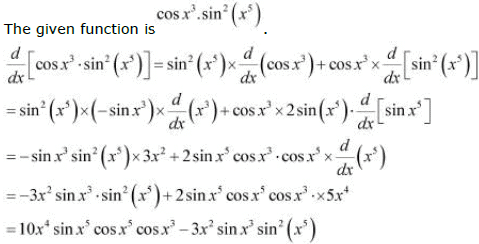
Question 7: Differentiate the functions with respect to x.

Answer
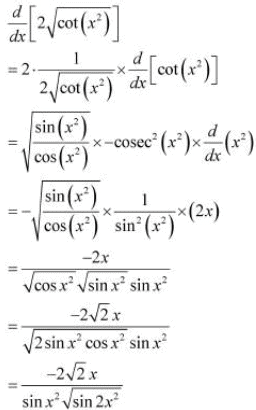
Question 8: Differentiate the functions with respect to x.

Answer
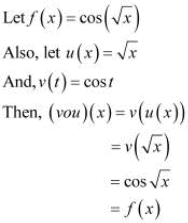
Clearly, f is a composite function of two functions, u and v, such that
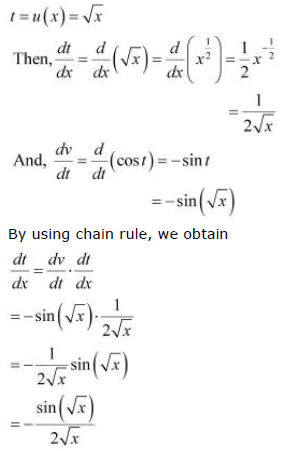
Alternate method
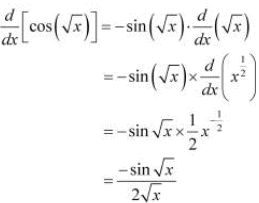
Question 9:
Prove that the function f given by
Answer
The given function is

It is known that a function f is differentiable at a point x = c in its domain if both

To check the differentiability of the given function at x = 1,
consider the left hand limit of f at x = 1
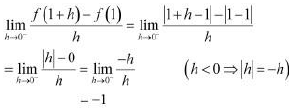
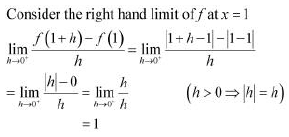
Since the left and right hand limits of f at x = 1 are not equal, f is not differentiable at x = 1.
Question 10:
Prove that the greatest integer function 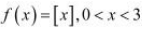
Answer
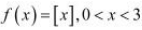
The given function f is
It is known that a function f is differentiable at a point x = c in its domain if both

To check the differentiability of the given function at x = 1, consider the left hand limit of f at x = 1
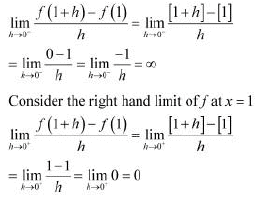
Since the left and right hand limits of f at x = 1 are not equal, f is not differentiable at x = 1.
To check the differentiability of the given function at x = 2, consider the left hand limit of f at x = 2
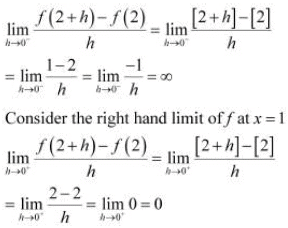
Since the left and right hand limits of f at x = 2 are not equal, f is not differentiable at x = 2.
Exercise 5.3
Continuity & Differentiability
Question 1:

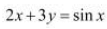
Answer
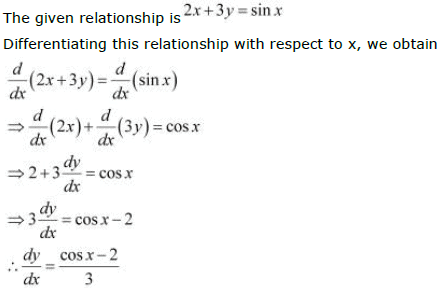
Question 2:

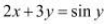
Answer
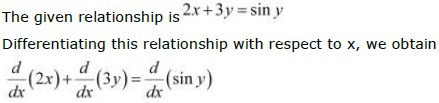
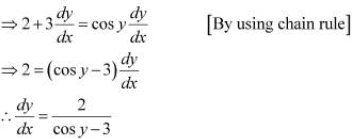
Question 3:

Answer
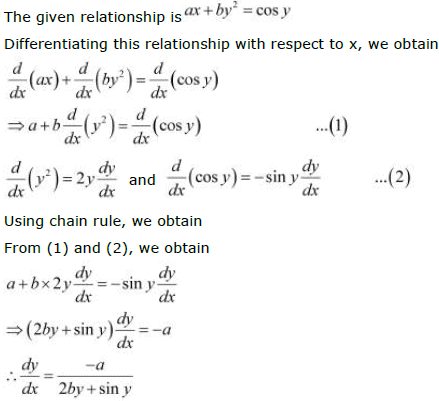
Question 4:

Answer
The given relationship is
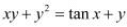
Differentiating this relationship with respect to x, we obtain
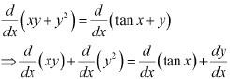


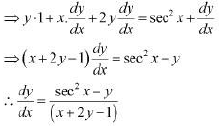
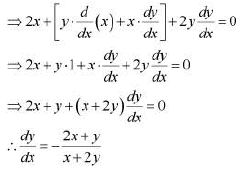
Question 5:
Find

Answer
The given relationship is x2 +xy +y2 = 100.
Differentiating this relationship with respect to x, we obtain
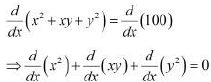
[Derivative of constant function is 0].
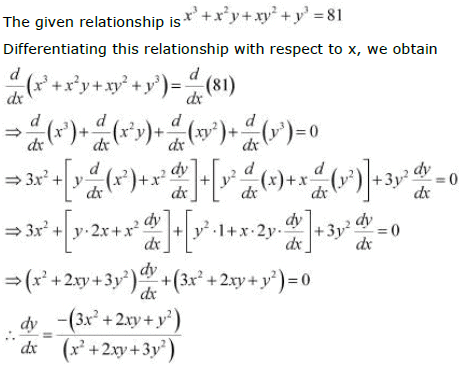
Question 6:

Answer
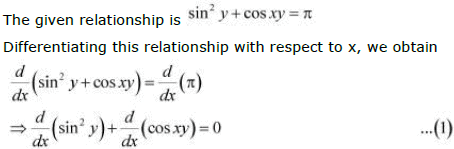
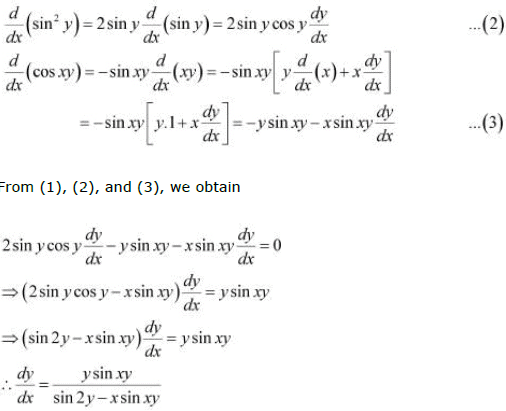
Question 7:

Answer
Using chain rule, we obtain
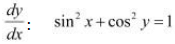
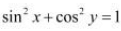
Question 8:
Find
Answer
The given relationship is
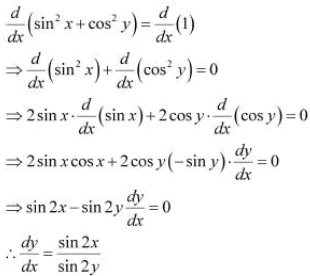
Differentiating this relationship with respect to x, we obtain
Question 9:
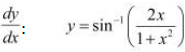
Find
Answer
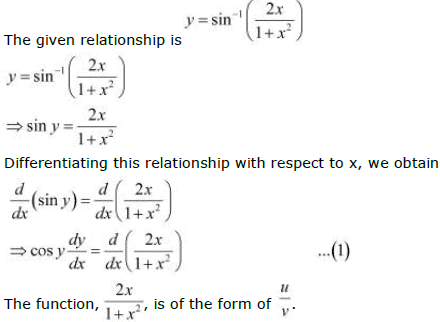
Therefore, by quotient rule, we obtain
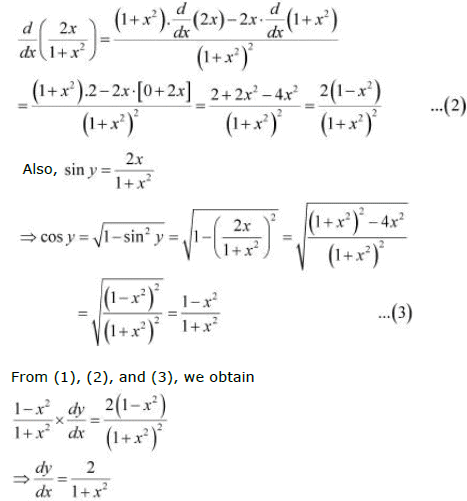
Question 10:

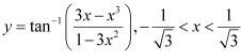
Answer

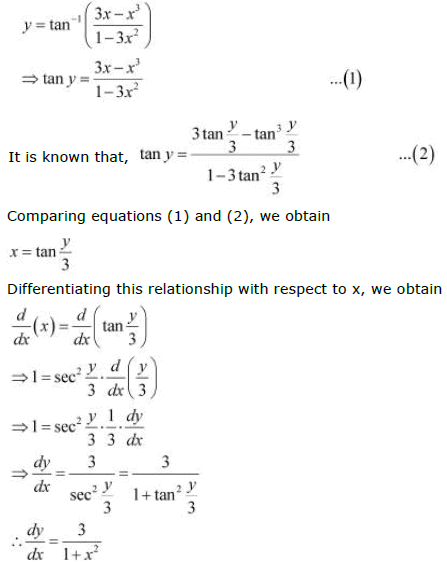
Question 11:

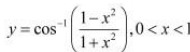
Answer
The given relationship is,
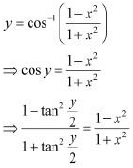
On comparing L.H.S. and R.H.S. of the above relationship, we obtain tan(y/2) = x.
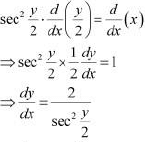
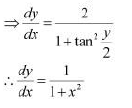
Differentiating this relationship with respect to x, we obtain
Question 12:

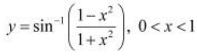
Answer
The given relationship is
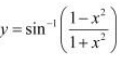
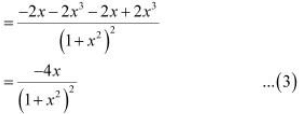
From (1), (2), and (3), we obtain
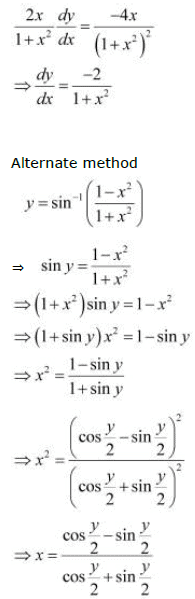
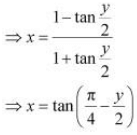
Differentiating this relationship with respect to x, we obtain
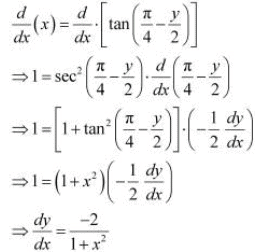
Question 13:

Answer
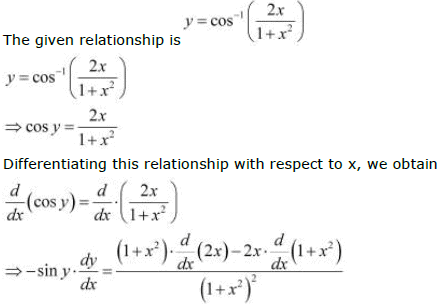
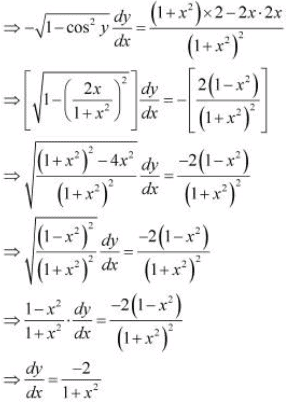
Question 14:
Find

Answer
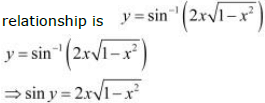
Differentiating this relationship with respect to x, we obtain
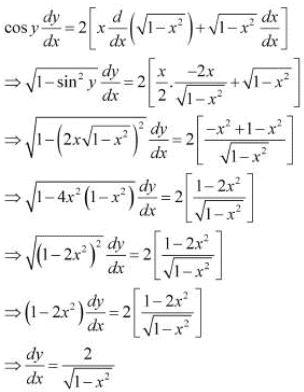
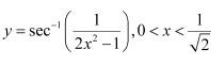
Question 15:
Find dy/dx
Answer
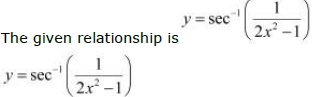
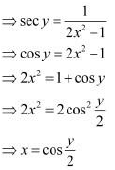
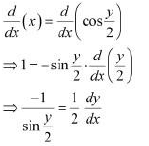
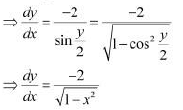
Differentiating this relationship with respect to x, we obtain
Exercise 5.4
Q1: Differentiate the following w.r.t. x:

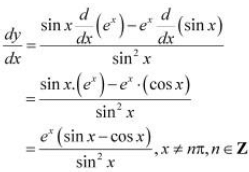
Ans: Let y =

By using the quotient rule, we obtain
Q2: Differentiate the following w.r.t. x: esin-1x
Ans: Let y = esin-1x.
By using the chain rule, we obtain
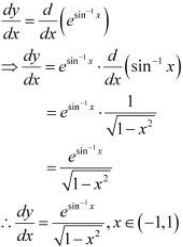
Q3: Differentiate the following w.r.t. x:

Ans: Let y =

By using the chain rule, we obtain

Q4: Differentiate the following w.r.t. x: sin(tan-1e-x)
Ans: Let y = sin(tan-1e-x).
By using the chain rule, we obtain
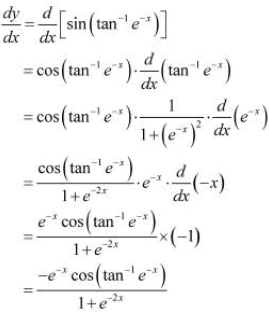
Q5: Differentiate the following w.r.t. x: log(cosex)
Ans: Let y = log(cosex).
By using the chain rule, we obtain
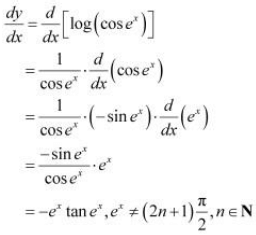
Q6: Differentiate the following w.r.t. x:
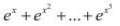
Ans:
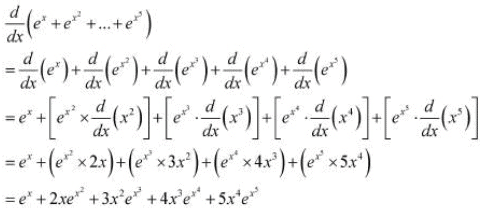
Q7: Differentiate the following w.r.t. x:

Ans: Let
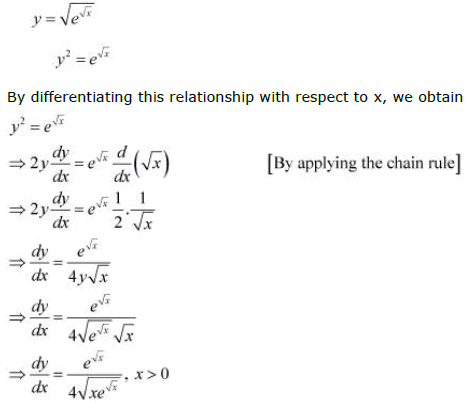
Q8: Differentiate the following w.r.t. x:
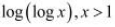
Ans: Let y =
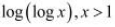
By using the chain rule, we obtain
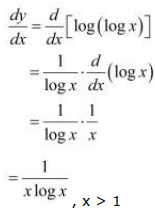
Q9: Differentiate the following w.r.t. x:

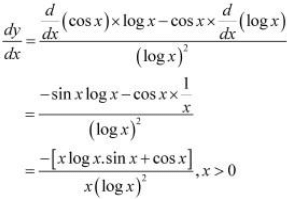
Ans: Let y =

By using the quotient rule, we obtain
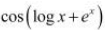
Q10: Differentiate the following w.r.t. x:
Ans: Let y =
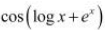
By using the chain rule, we obtain
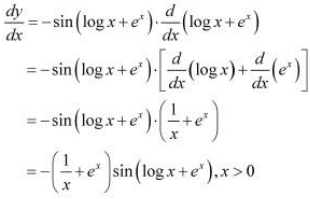
Exercise 5.5
Continuity & Differentiability
Question 1: Differentiate the function with respect to x.

Answer
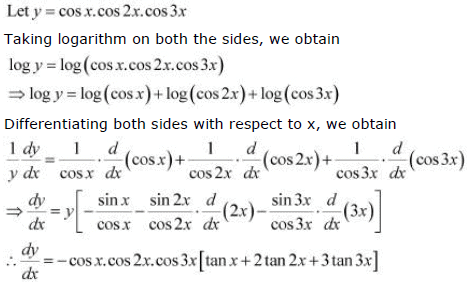
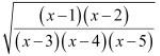
Question 2: Differentiate the function with respect to x.
Answer
Let y =
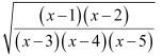
Taking logarithm on both the sides, we obtain
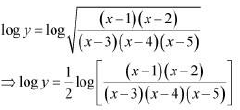

Differentiating both sides with respect to x, we obtain
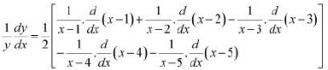
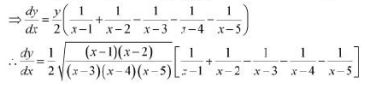
Question 3: Differentiate the function with respect to x.

Answer
Let y =

Taking logarithm on both the sides, we obtain

Differentiating both sides with respect to x, we obtain
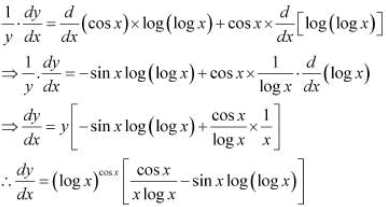
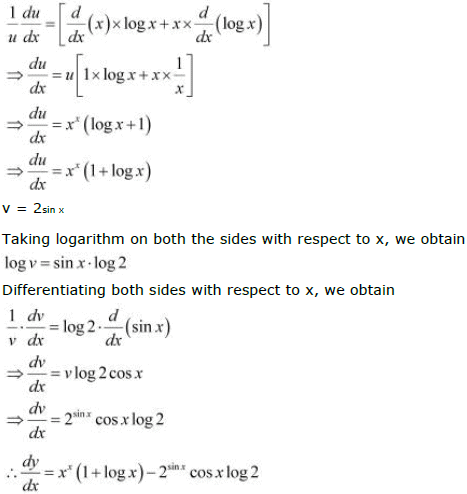
Question 4: Differentiate the function with respect to x. xx - 2sinx
Answer
Let y =

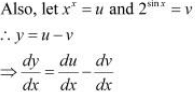
u = xx.
Taking logarithm on both the sides, we obtain
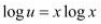
Differentiating both sides with respect to x, we obtain
Question 5: Differentiate the function with respect to x.

Answer
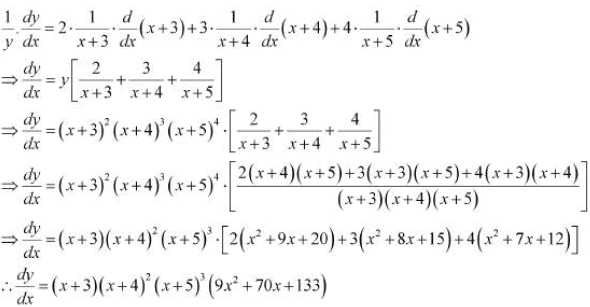
Let y =

Taking logarithm on both the sides, we obtain

Differentiating both sides with respect to x, we obtain
Question 6: Differentiate the function with respect to x.
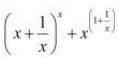
Answer
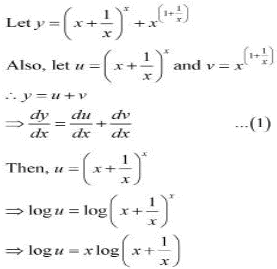
Differentiating both sides with respect to x, we obtain
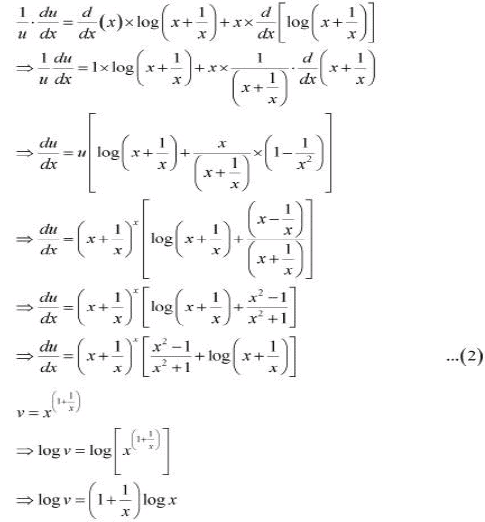
Differentiating both sides with respect to x, we obtain
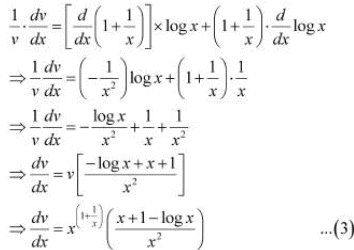
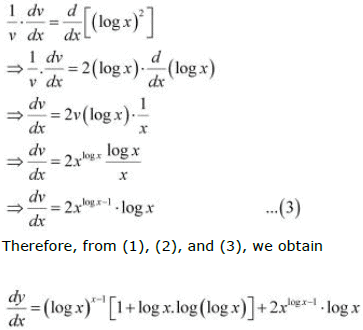
Therefore, from (1), (2), and (3), we obtain

Question 7: Differentiate the function with respect to x.
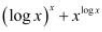
Answer
Let y =
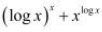
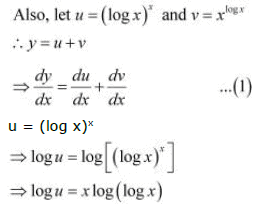
Differentiating both sides with respect to x, we obtain
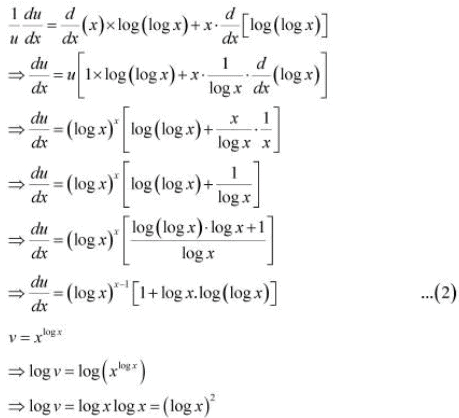
Differentiating both sides with respect to x, we obtain
Question 8: Differentiate the function with respect to x.
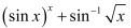
Answer
Let y =
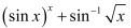
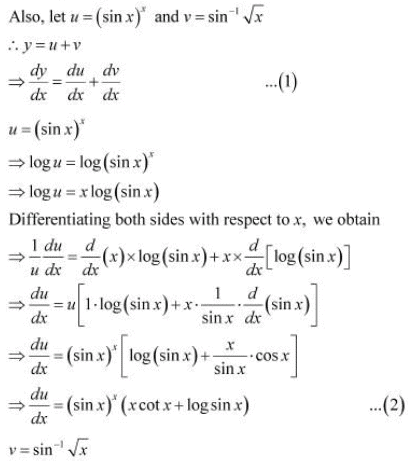
Differentiating both sides with respect to x, we obtain
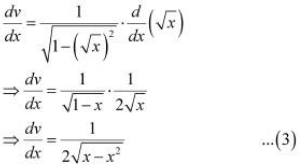
Therefore, from (1), (2), and (3), we obtain

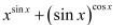
Question 9: Differentiate the function with respect to x.
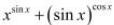
Answer
Let y =
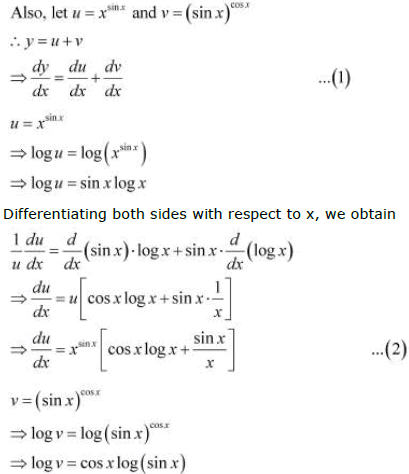
Differentiating both sides with respect to x, we obtain
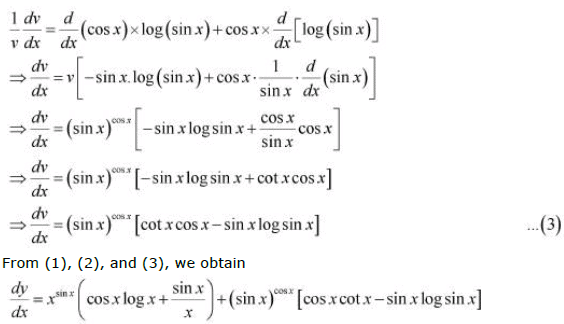
Question 10: Differentiate the function with respect to x.

Answer
Let y =

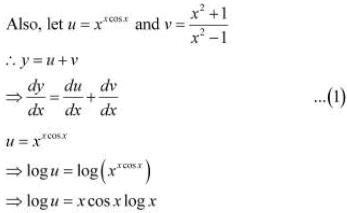
Differentiating both sides with respect to x, we obtain
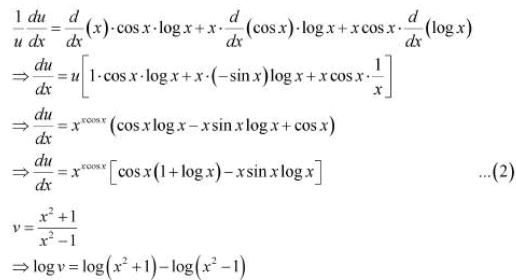
Differentiating both sides with respect to x, we obtain
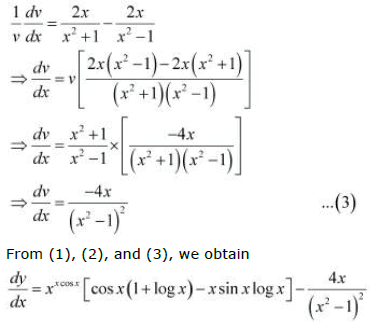
Question 11: Differentiate the function with respect to x.
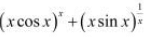
Answer
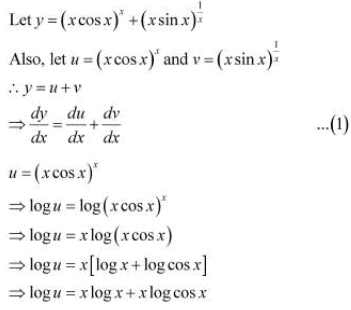
Differentiating both sides with respect to x, we obtain
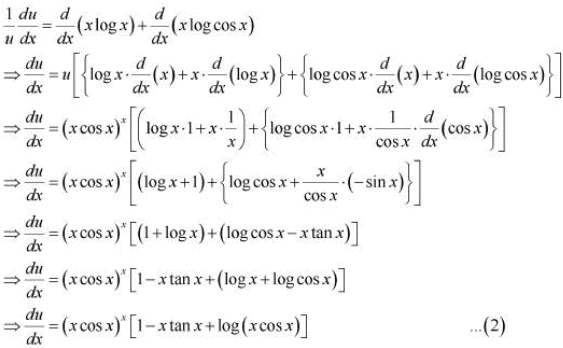
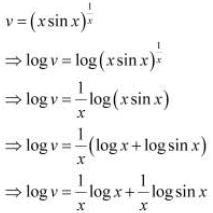
Differentiating both sides with respect to x, we obtain
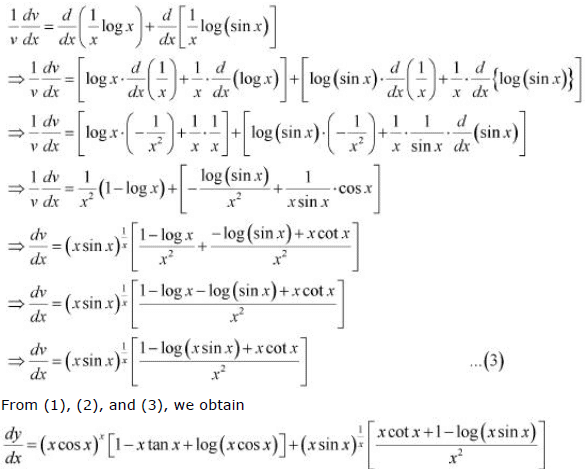
Question 12:
Find


Answer
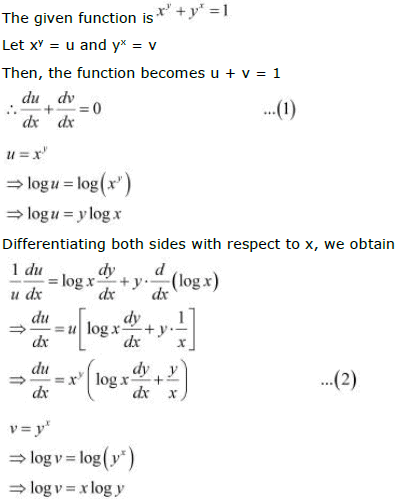
Differentiating both sides with respect to x, we obtain
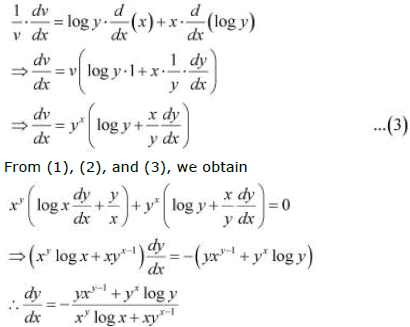
Question 13:
Find

Answer
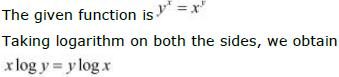
Differentiating both sides with respect to x, we obtain
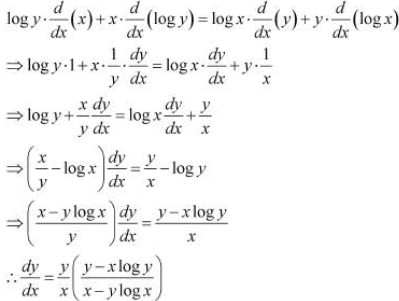
Question 14:
Find
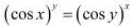
Answer
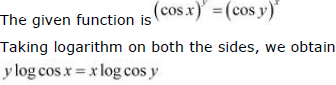
Differentiating both sides, we obtain
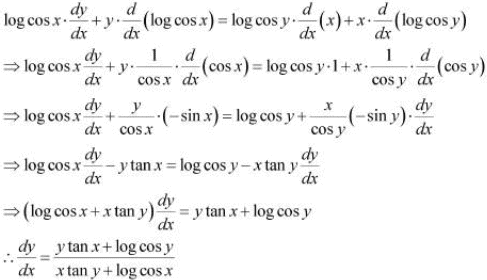
Question 15:
Find


Answer
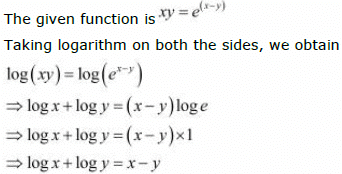
Differentiating both sides with respect to x, we obtain
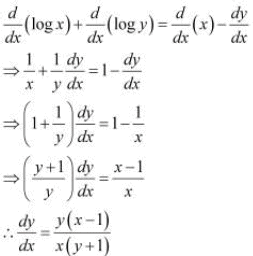
Question 16:
Find the derivative of the function given by

hence find

Answer
The given relationship is

Taking logarithm on both the sides, we obtain

Differentiating both sides with respect to x, we obtain
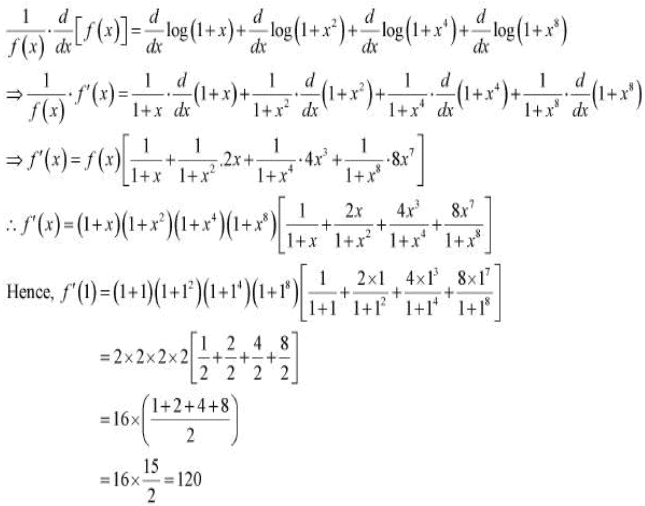
Question 17:
Differentiate
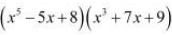
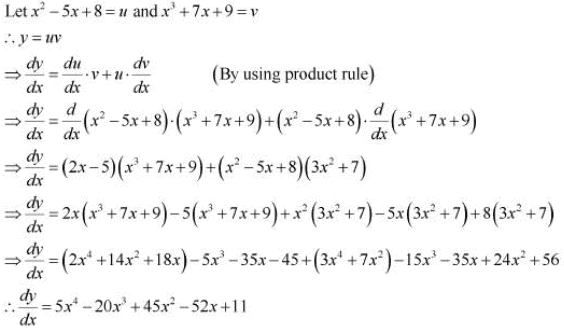
(i) By using product rule.
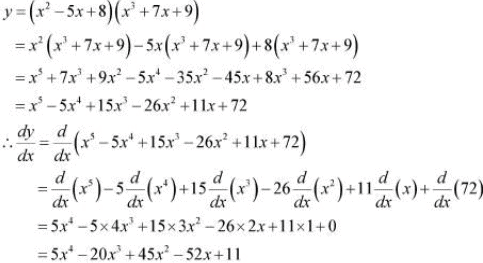
(ii) By expanding the product to obtain a single polynomial.
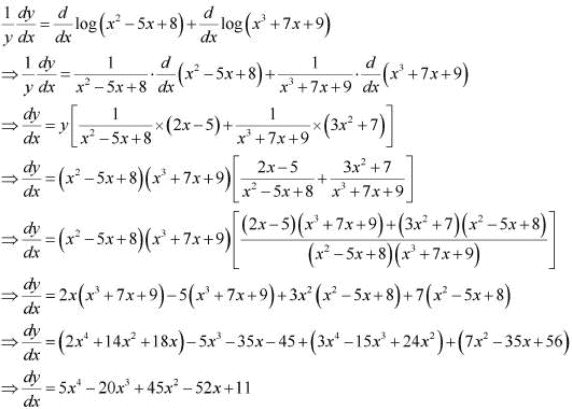
(iii By logarithmic differentiation.
Do they all give the same answer?
Answer
Let y =
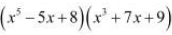
(i)
(ii)
( iii)

Taking logarithm on both the sides, we obtain

Differentiating both sides with respect to x, we obtain
From the above three observations, it can be concluded that all the results of

Question 18: If u, v and w are functions of x, then show that

in two ways-first by repeated application of product rule, second by logarithmic
differentiation.
Answer
Let
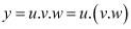
By applying product rule, we obtain
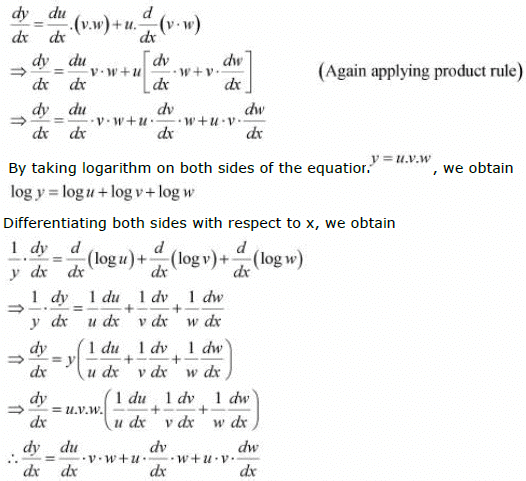
Exercise 5.6
Continuity & Differentiability
Question 1:
If x and y are connected parametrically by the equation, without eliminating the
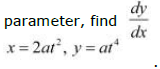
Answer
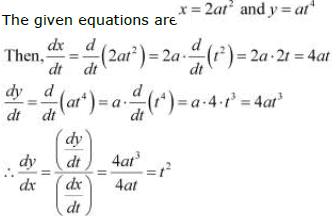
Question 2: If x and y are connected parametrically by the equation, without eliminating the
parameter, find

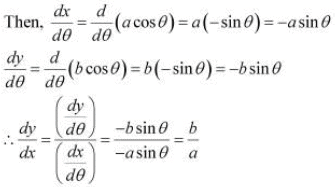
.x = a cos θ, y = b cos θ
Answer
The given equations are x = a cos θ and y = b cos θ.
Question 3: If x and y are connected parametrically by the equation, without eliminating the
parameter, find

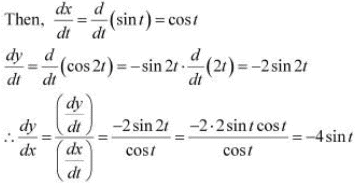
.x = sin t, y = cos 2t
Answer
The given equations are x = sin t and y = cos 2t.
Question 4:
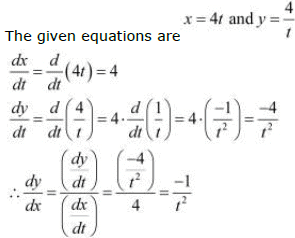
If x and y are connected parametrically by the equation, without eliminating the


Answer
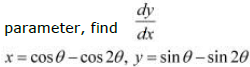
Question 5: If x and y are connected parametrically by the equation, without eliminating the
Answer
The given equations are

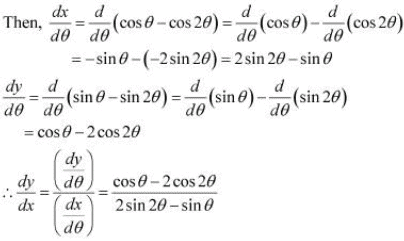
Question 6: If x and y are connected parametrically by the equation, without eliminating the
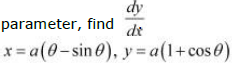
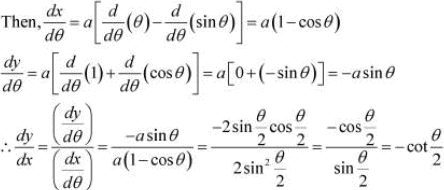
Answer
The given equations are

Question 7: If x and y are connected parametrically by the equation, without eliminating the
parameter, find
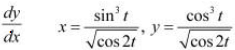
Answer
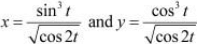
The given equations are
Question 8: If x and y are connected parametrically by the equation, without eliminating the
parameter, find


Answer
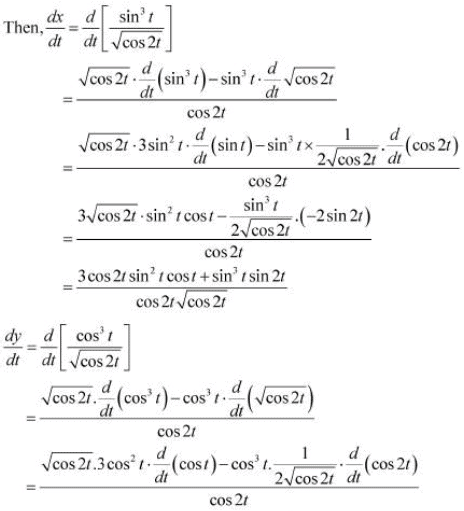
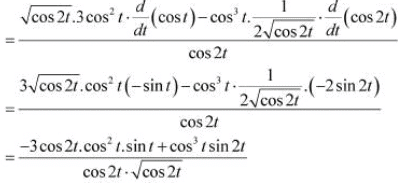
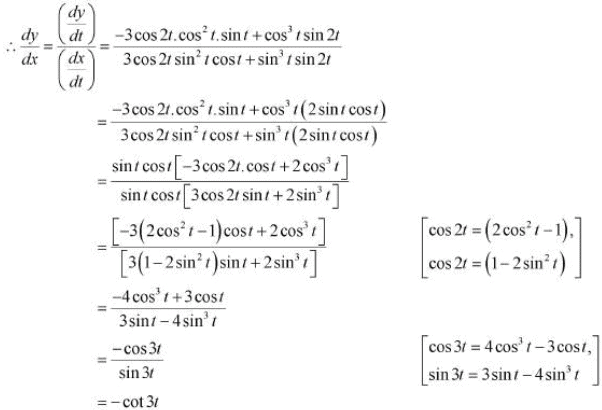
The given equations are

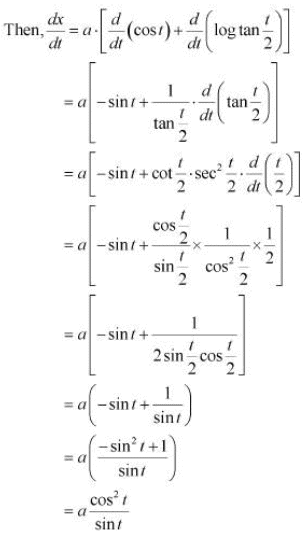
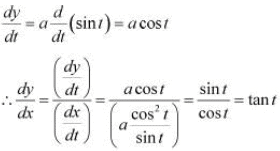
Question 9: If x and y are connected parametrically by the equation, without eliminating the
parameter, find

Answer
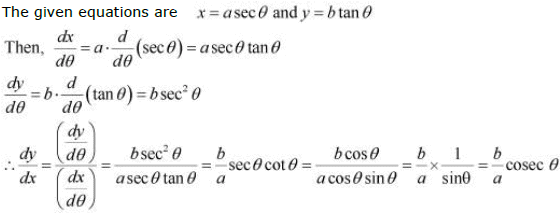
Question 10: If x and y are connected parametrically by the equation, without eliminating the
parameter, find

Answer
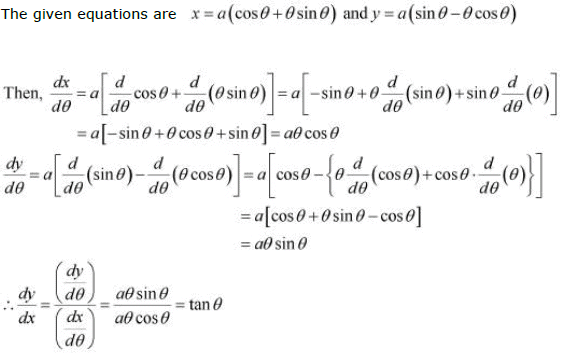
Question 11:
If

Answer
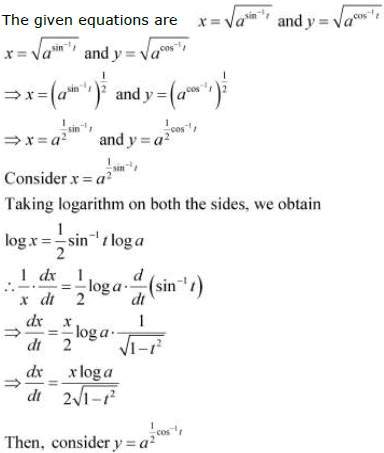
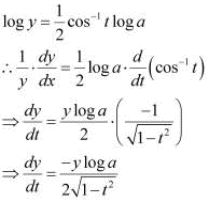
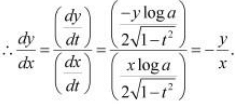
Hence, proved.
Exercise 5.7
Continuity & Differentiability
Question 1: Find the second order derivatives of the function.

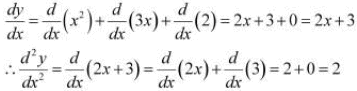
Answer
Let y =

Then,
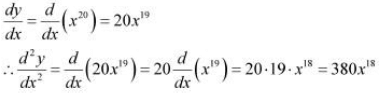
Question 2: Find the second order derivatives of the function. x20
Answer
Let y = x20.
Then,
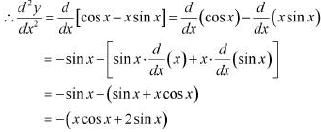
Question 3: Find the second order derivatives of the function. x.cos x
Answer
Let y = x.cos x.
Then,


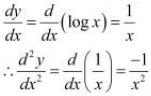
Question 4: Find the second order derivatives of the function. log x
Answer
Let y = log x.
Then,
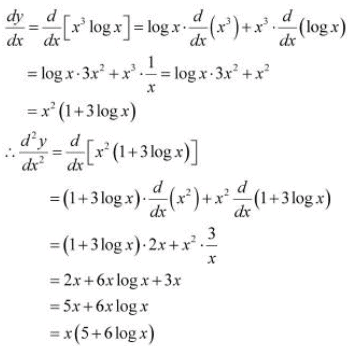
Question 5: Find the second order derivatives of the function. x3 log x
Answer
Let y = x3 log x.
Then,
Question 6: Find the second order derivatives of the function.

Answer
Let y =

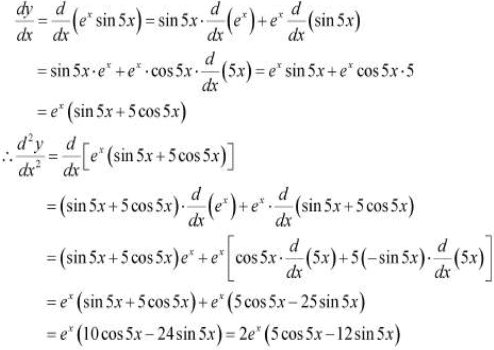
Question 7: Find the second order derivatives of the function.

Answer
Let y =

Then,
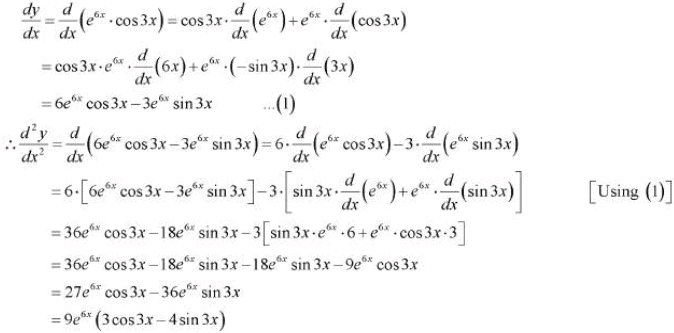
Question 8: Find the second order derivatives of the function.

Answer
Let y =

Then,
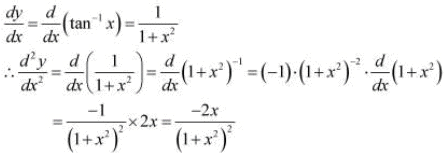
Question 9: Find the second order derivatives of the function.

Answer
Let y =

Then,
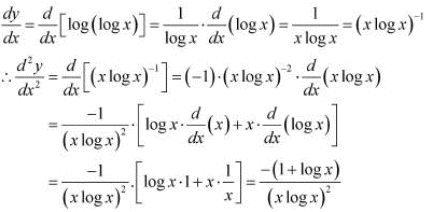
Question 10: Find the second order derivatives of the function.

Answer
Let y =

Then,
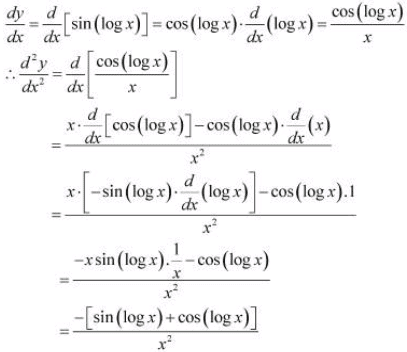
Question 11: If

Answer
It is given that,

Then,
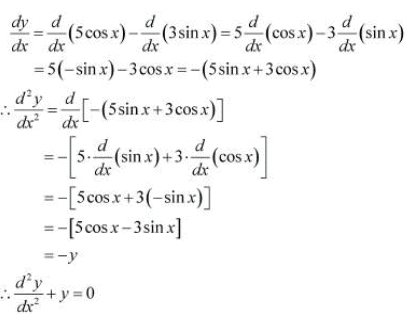
Hence, proved.
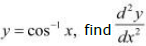
Question 12:
If
Answer
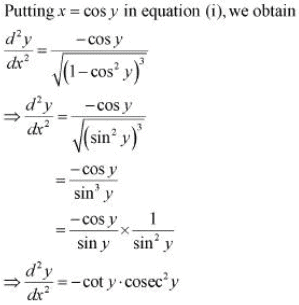
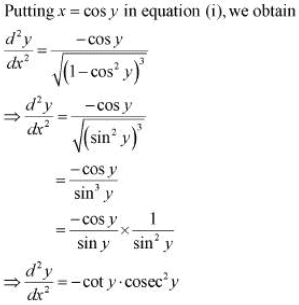
It is given that,

Then,
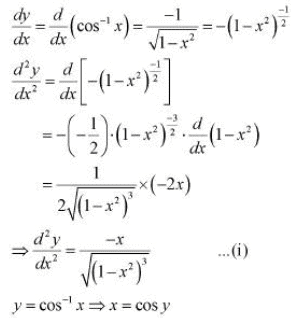
Question 13:
If

Answer
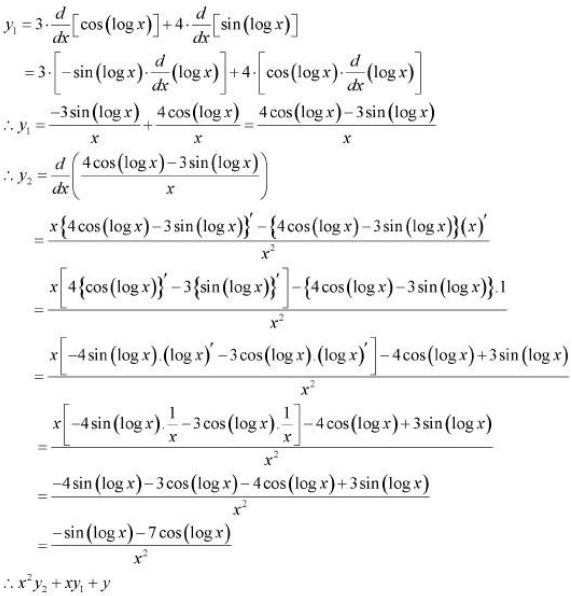
It is given that,

Then,
Hence, proved.
Question 14:
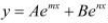
If
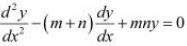
Answer
It is given that,
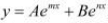
Then,
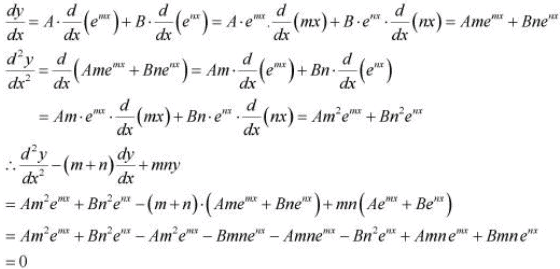
Hence, proved.
Question 15:
If


Answer
It is given that,

Then,
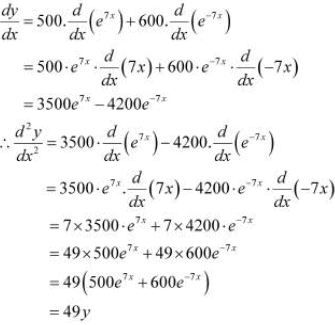
Hence, proved.
Question 16:
If


Answer
The given relationship is


Taking logarithm on both the sides, we obtain

Differentiating this relationship with respect to x, we obtain
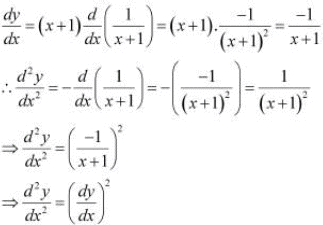
Hence, proved.
Question 17:
If


Answer
The given relationship is

Then,
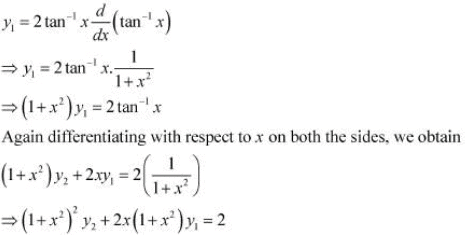
Hence, proved.
FAQs on NCERT Solutions Continuity & Differentiability
| 1. What's the difference between continuity and differentiability in JEE maths? |  |
| 2. How do I check if a function is continuous at a specific point? | |
| 3. Why do functions with sharp corners fail the differentiability test? | |
| 4. What are the key formulas I need to remember for continuity and differentiability? | |
| 5. Can a function be differentiable but not continuous, or must continuity come first? | |





