NCERT Solutions - Citizenship

Q1: Citizenship as full and equal membership of a political community involves both rights and obligations. Which rights could citizens expect to enjoy in most democratic state today? What kind of obligation will they have to their state and fellow citizens?
Ans: Citizens in most democratic states can expect a set of basic civil, political and social rights. These typically include:
- Civil Rights: Personal liberty, freedom of speech and expression, freedom of religion, and protection from arbitrary arrest or discrimination.
- Political Rights: The right to vote and stand for elections, and the right to form or join political parties and participate in public life.
- Legal Equality: Equal treatment before the law and equal protection of the law irrespective of caste, religion, gender or economic status.
- Social and Economic Rights: Access to basic public services such as education, healthcare, social security and a minimum standard of living.
- Right to Security: Protection of life and property and safety from violence and criminal acts.
Citizens also have both legal and moral obligations towards the state and fellow citizens. These include:
- Obeying Laws: Respecting and following the constitution and laws enacted by the state.
- Participation: Taking part in democratic processes such as voting, public debate and civic institutions.
- Paying Taxes: Contributing to the public finances that fund common services and infrastructure.
- Respect for Others: Tolerating diverse views, protecting the rights of others and avoiding actions that harm the community.
- Protection of Common Resources: Conserving public goods and the environment, and preserving cultural heritage.
In short, rights and obligations are complementary: rights ensure individual dignity and participation, while obligations sustain the common life of the community.
Q2: All citizens may be granted equal rights but all may not be able to equally exercise them. Explain.
Ans: Although constitutions grant formal equality, several practical barriers can prevent citizens from exercising their rights equally. Key reasons include:
- Poverty: People living in poverty often lack the money, time and resources to use entitlements such as education, healthcare or legal remedies.
- Illiteracy and Lack of Awareness: Those who cannot read or are unaware of their rights cannot access schemes or take part in democratic processes effectively.
- Discrimination: Social prejudices based on caste, gender, religion or disability can restrict access to jobs, schools or public services.
- Documentation and Identity: Without identity documents or a permanent address, people may be unable to register to vote, claim benefits or prove citizenship.
- Geographical Isolation: People in remote or under-served areas may lack schools, courts or hospitals.
Because of these obstacles, the state often needs to adopt special measures - such as affirmative action, targeted welfare schemes, legal aid, and outreach programmes - so that formal rights become meaningful for all citizens.
- Urban Slum Dwellers: Slum-dwellers perform essential low-wage jobs but often live in hazardous, overcrowded conditions with few basic services. Lack of a permanent address or identity documents can prevent them from exercising political rights (for example, voting) and claiming social welfare. While non-governmental organisations and policy initiatives try to help, many barriers remain.
- Tribal Communities: Many tribal and forest-dwelling communities depend on natural resources for their livelihood. Development projects, displacement and weakened access to forests or common lands threaten their survival. Though laws and schemes exist to protect their rights, implementation gaps and conflicting development priorities often limit their effective enjoyment of rights.
True equality therefore requires policies that recognise these different starting points and provide support so that all citizens can actually use their rights.
Q3: Write a short note on any two struggles for full enjoyment of citizen rights which have taken place in India in recent years. Which rights were being claimed in each case?
Ans:
- Dalit Rights Struggles: Dalit movements and protests have sought protection from caste-based discrimination, violence and social exclusion. Demonstrations and campaigns - including those around incidents such as Bhima-Koregaon and other local struggles - have pressed for better enforcement of laws, accountability for crimes against Dalits, and effective implementation of reservation and welfare measures. The principal rights claimed include the right to dignity, the right to equal treatment, and access to education, jobs and political representation.
- Women's Reservation Movement: Movements demanding greater representation of women in elected bodies have focused on securing a statutory reservation for women in the Lok Sabha and state legislative assemblies. The demand for roughly 33% reservation seeks to expand women's presence in decision-making institutions. Rights claimed here include the right to equal political participation, the right to decision-making roles and broader gender equality in public life.
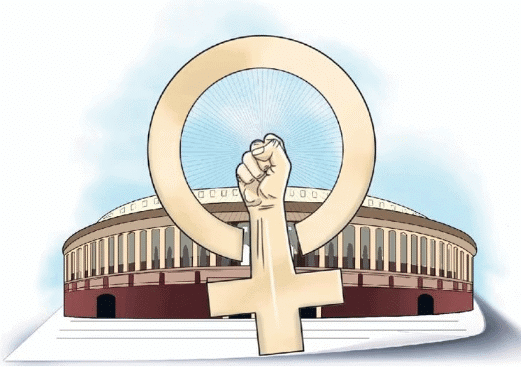
Both struggles highlight how social mobilisation presses the state to make formal rights real on the ground and to ensure that marginalised groups participate fully in public life.
Q4: What are some of the problems faced by refugees? In what ways could the concept of global citizenship benefit them?
Ans: Refugees face multiple problems across legal, social and material dimensions. Important difficulties include:
- Forced Displacement: Refugees flee violence, persecution, natural disasters or famine and are often unable to return home. Many host states do not have the capacity or willingness to accept large numbers of refugees.
- Poor Living Conditions: Refugees often live in camps or informal settlements with limited shelter, sanitation, healthcare and education. Restrictions on work and movement can make life precarious.
- Legal and Social Exclusion: Many refugees lack legal status, making it hard to access services, work legally or secure long-term housing. They may face xenophobia and social exclusion in host communities.
The United Nations High Commissioner for Refugees (UNHCR) and other agencies provide protection and assistance, but gaps remain. The idea of global citizenship could help in the following ways:
- Cross-border Cooperation: Global citizenship encourages states and international organisations to coordinate responses and share responsibility for refugee protection.
- Guaranteed Basic Rights: It could promote the principle that refugees should have access to certain basic rights - such as education, healthcare and the right to work - regardless of their host country.
- Long-term Solutions: Global frameworks can support durable solutions like resettlement, local integration and safe return when conditions allow, rather than leaving refugees in prolonged limbo.
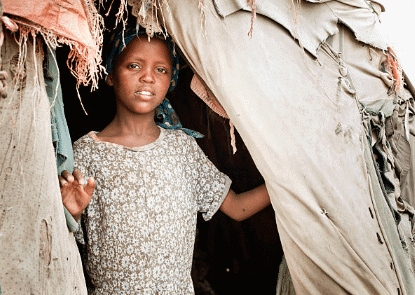
In short, global citizenship emphasises shared responsibility and common standards that can improve refugees' safety, dignity and opportunities.
Q5: Migration of people to different regions within the country is often resisted by the local inhabitants. What are some of the contributions that the migrants could make to the local economy?
Ans: Internal migrants contribute to local economies in several important ways:
- Labour Force: Migrants supply essential labour for construction, transport, domestic work, street vending and small-scale manufacturing - jobs that local labour markets often cannot fill.
- Economic Support and Services: Through their work, migrants keep many services affordable and help local businesses operate smoothly, from small shops to larger informal markets.
- Entrepreneurship and Small Businesses: Migrants often start small enterprises - such as tailoring, food stalls, repair shops or textile work - which create jobs and add to the local economic base.
- Remittances and Demand: Earnings sent back to families or spent locally increase demand for goods and services, supporting other enterprises and public revenues.
Thus, rather than being merely a burden, migrants often sustain vital economic functions, spur local entrepreneurship and broaden the pool of skills available to a region.
Q6: "Democratic citizenship is a project rather than an accomplished fact even in countries like India which grant equal citizenship". Discuss some of the issues regarding citizenship being raised in India today.
Ans: Democratic citizenship remains a work in progress in India because several practical and political issues challenge the full realisation of equal citizenship. Some key issues are:
- Refugees and Displacement: People displaced by conflict or persecution - whether from neighbouring countries or within the region - often face uncertain legal status. While India has given refuge to some persecuted persons, many displaced groups remain without clear pathways to citizenship.
- Illegal Migration and Security Concerns: Large-scale or irregular migration raises questions about border control, identity verification and security. At the same time, concerns about crime and trafficking must be balanced with the rights of genuine migrants and refugees.
- Statelessness and Documentation: Lack of birth registration, identity documents or clear legal status leaves some people effectively stateless or unable to access basic services. Administrative and legal measures are needed to prevent exclusion on the basis of missing documentation.
These challenges show that granting formal citizenship is only the first step. Ensuring that all citizens can equally enjoy rights and participate fully in public life requires sustained policy effort, legal safeguards and social change.
FAQs on NCERT Solutions - Citizenship
| 1. What is citizenship and how is it different from nationality? |  |
| 2. How can a foreigner become an Indian citizen through naturalisation? | |
| 3. Can Indian citizenship be revoked or lost, and under what circumstances? | |
| 4. What are the differences between citizenship by birth and citizenship by descent? | |
| 5. What rights and duties do Indian citizens have according to the Constitution? | |





