NCERT Solutions: Components of Food

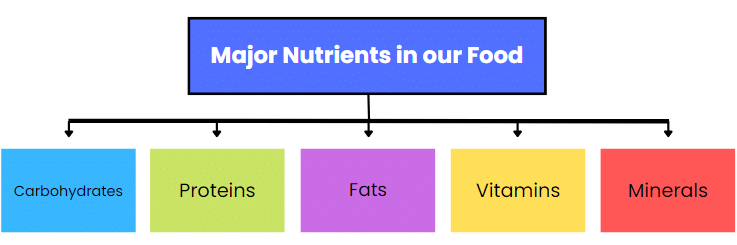
Q1. Name the major nutrients in our food.
Ans: The major nutrients in our food are carbohydrates, proteins, fats, vitamins, and minerals. In addition, food contains dietary fibre and water, both of which are essential for the body.
Carbohydrates and fats provide energy; proteins help in growth and repair; vitamins and minerals regulate body processes; dietary fibre aids digestion; and water acts as a medium for chemical reactions and helps maintain body temperature and fluid balance.
Q2. Name the following:
(a) The nutrients which mainly give energy to our body.
(b) The nutrients that are needed for the growth and maintenance of our body.
(c) A vitamin required for maintaining good eyesight.
(d) A mineral that is required for keeping our bones healthy.
Ans:
(a) The nutrients which mainly give energy to our body - Carbohydrates and Fats
(b) The nutrients that are needed for the growth and maintenance of our body - Proteins
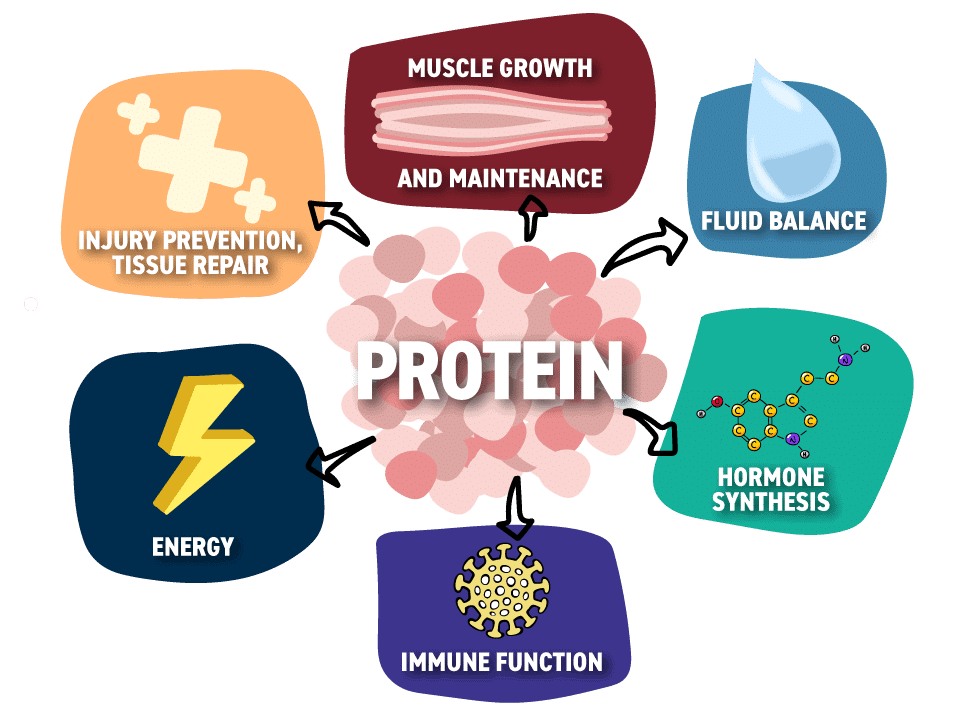 Importance of Protein
(c) A vitamin required for maintaining good eyesight - Vitamin A
(d) A mineral that is required for keeping our bones healthy - Calcium
Q3. Name two foods each rich in:
(a) Fats
(b) Starch
(c) Dietary fibre
(d) Protein
Ans:
(a) Fats:
Butter
- Butter is a dairy product made from cream.
- It is high in fat and provides concentrated energy.
Nuts
- Nuts such as almonds and walnuts contain healthy fats (unsaturated fats).
- They supply energy and some vitamins and minerals useful for health.
(b) Starch:
Rice
- Rice is a staple food rich in starch, which supplies energy for daily activities.
- It is easy to digest and commonly eaten in many regions.
Potatoes
- Potatoes are high in starch and are filling.
- They can be prepared in many ways and provide sustained energy.
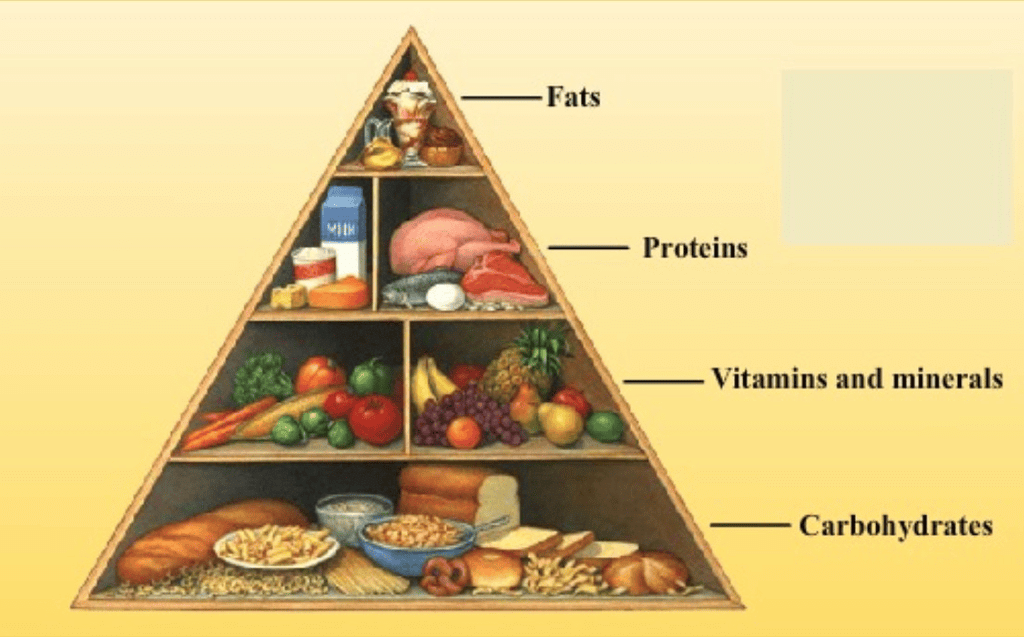 Food Pyramid
(c) Dietary Fibre:
Fruits (like apples)
- Apples and other fruits contain soluble and insoluble fibre that help in digestion.
- Fibre keeps the digestive system healthy and helps prevent constipation.
Vegetables (like spinach)
- Leafy vegetables such as spinach are good sources of fibre and other nutrients.
- Regular intake of fibre-rich vegetables supports a healthy digestive system.
(d) Protein:
Chicken
- Chicken is a lean meat that provides high-quality animal protein.
- Protein from chicken helps build and repair muscles and other tissues.
Lentils
- Lentils (dal) are rich in plant protein and fibre.
- They are an important protein source, especially for vegetarians.
Q4. Tick (√) the statements that are correct.
(a) By eating rice alone, we can fulfill the nutritional requirement of our body. ( )
(b) Deficiency diseases can be prevented by eating a balanced diet. ( )
(c) Balanced diet for the body should contain a variety of food items. ( )
(d) Meat alone is sufficient to provide all nutrients to the body. ( )
Ans:
(a) (X)
(b) Deficiency diseases can be prevented by eating a balanced diet. (√)
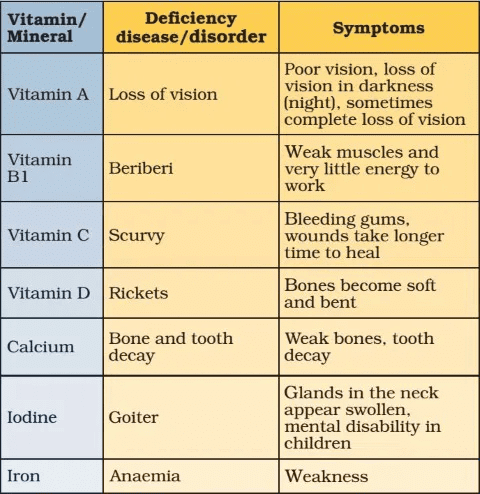 Deficiency Diseases
(c) Balanced diet for the body should contain a variety of food items. (√)
(d) Meat alone is sufficient to provide all nutrients to the body. (X)
Q5. Fill in the blanks.
(a) ______ is caused by a deficiency of Vitamin D.
(b) Deficiency of ______ causes a disease known as beriberi.
(c) Deficiency of Vitamin C causes a disease known as ______.
(d) Night blindness is caused due to deficiency of ______ in our food.
Ans:
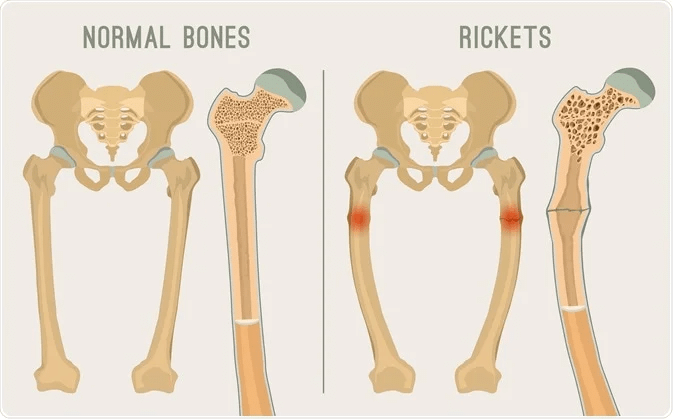
(a) Rickets is caused by a deficiency of Vitamin D.
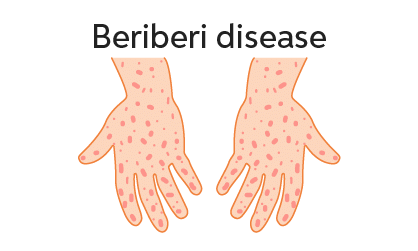
(b) Deficiency of Vitamin B1 causes a disease known as beriberi.
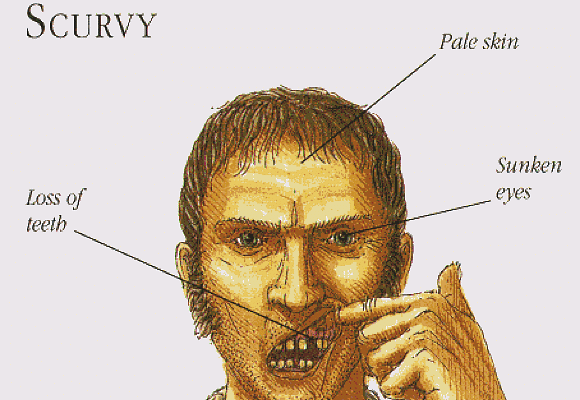
(c) Deficiency of Vitamin C causes a disease known as scurvy.
(d) Night blindness is caused due to deficiency of Vitamin A in our food.
FAQs on NCERT Solutions: Components of Food
| 1. What are the main components of food and why do we need each one? |  |
| 2. How can I identify which foods contain proteins and carbohydrates in my daily diet? | |
| 3. What's the difference between simple and complex carbohydrates for BPSC exam preparation? | |
| 4. Why do people often confuse fats with being unhealthy when they're actually essential? | |
| 5. How should I remember the functions of different vitamins and minerals for my exam? | |