NCERT Solutions - The Summer of the Beautiful White Horse

Quick Recap
- The Summer of the Beautiful White Horse is written by William Saroyan. It is about two Armenian boys - Aram and Mourad who belong to the Garoghlanian family. Their tribe is known for its honesty.
They are poor and can hardly earn money for food. They both long to ride a horse. Mourad had taken a horse from a farmer a month ago.
One early morning, he brought it to the window of Aram and asked him to come along for a ride. They rode the horse for many days. When Aram realises the horse is not theirs, he is shocked but mentally reconciles the act because of his love for horses.
One day the owner of the horse, John Byro, comes to his house to complain about his missing horse to Uncle Khosrove.
On their way back to hide the horse in a deserted vineyard, they meet the owner and feel guilty. The next morning, they return the horse to the owner's barn.
Q1: You will probably agree that this story does not have a breathless adventure and exciting action. Then what in your opinion makes it interesting?
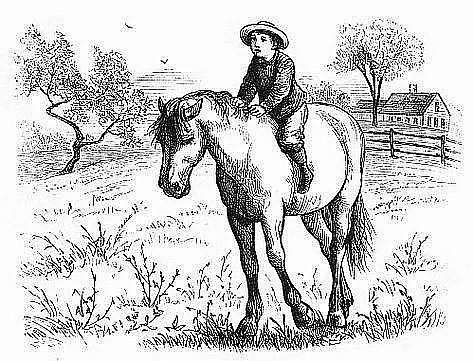
Ans: The Summer of the Beautiful White Horse is told from the viewpoint of a nine-year-old boy. At that age, imagination is vivid and even small events become romantic and full of meaning. For the young narrator, a ride on a beautiful white horse fulfils a long-cherished dream. Mourad's arrival on the horse and his invitation to Aram turn an ordinary incident into a personal adventure for the boys. Hiding and riding the horse, and the boys' private sense of triumph, supply the emotional excitement that draws the reader in.
Although there is no dramatic action in plot terms, the narrative holds our interest through its psychological insight into childhood. The boys' intense love for horses, their belief in family honour, and their particular view that riding the horse is not the same as stealing money, all create moral complexity that is quietly compelling. Strong characterisation - especially of Uncle Khosrove and Mourad - and vivid descriptive passages further increase the appeal.
Q2:Did the boys return the horse because they were conscience-stricken or because they were afraid?
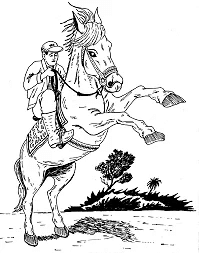
Ans: The narrative gives no sign that the boys returned the horse out of fear. There is no suggestion that they were frightened of being caught or of any external punishment. Equally, they were not tormented by remorse in the usual sense. For them, taking the horse for a ride did not feel equivalent to stealing money; it was an act born of their passion for horses. The narrator explicitly distinguishes between stealing money and borrowing a horse to ride - the latter, in his mind, was not theft unless they tried to sell the animal. The decisive motive for returning the horse was pride in their family's reputation. Mourad, despite enjoying the horse for weeks, refused to keep it once the owner's visit made the matter personal. He would not compromise the Garoghlanians' long-standing reputation for honesty, so he decided the horse must be put back.
Q3: "One day back there in the good old days when I was nine and the world was full of every imaginable kind of magnificence, and life was still a delightful and mysterious dream..." The story begins in a mood of nostalgia. Can you narrate some incidents from your childhood that might make an interesting story?
Ans: I come from a small, happy family of three who shared a love of travel. During a stay in the Garhwal hills near Ranikhet, my parents suggested I should study at a residential school there. The idea filled me with mixed feelings: I was excited by the prospect of a new adventure, yet anxious about living away from home. Years later, when I reached Grade 7, my parents began to look for a suitable boarding school for my higher studies. I felt both happy and scared at the thought of leaving home permanently. As a boarder on visits home I always enjoyed myself, but I remained aware that I was only a temporary guest and would have to leave again soon. Those first experiences of excitement, longing and the small embarrassments of being away from home would make an interesting, nostalgic childhood episode.
Q4: The story revolves around characters who belong to a tribe in Armenia. Mourad and Aram are members of the Garoghlanian family. Now locate Armenia and Assyria on the atlas and prepare a write-up on the Garoghlanian tribes. You may write about people, their names, traits, geographical and economic features as suggested in the story.
Ans: A few points about the Garoghlanian family as presented by Saroyan:
This family is a fictional creation by William Saroyan, introduced in his book My Name Is Aram (1940). The Garoghlanians are Armenian by heritage. In the narrative they are portrayed as very poor but proud, and they are universally respected for their honesty. Hospitality and large family gatherings are part of their social life. The culture suggested in the account values honour, trust and forgiveness. Economically, they appear to manage on meagre means, yet their reputation and moral code are what define them most strongly.
Frequently Asked Questions
Q1: To which tribe did Mourad and Aram belong? Which traits of the tribe are highlighted in the story 'The Summer of the Beautiful White Horse'?
Ans: Mourad and Aram belonged to the Garoghlanian family. The Garoghlanians are depicted as very poor but noted for their honesty and pride. They adhere to strong moral values: they prefer to do what is right, avoid dishonourable acts, and are trusted by others in their community.
Q2: What are the unique traits of the Garoghlanian tribe?
Ans: The distinctive traits of the Garoghlanians are their poverty combined with an unwavering reputation for honesty. They are proud, principled and trustworthy; members of the family would not knowingly steal or betray another person's trust.
Q3: Why was Aram delighted and frightened at the same time when he saw his cousin Mourad on a beautiful white horse?
Ans: Aram was thrilled because a beautiful white horse represented a long-held dream: he wanted to ride. At the same time he felt a little frightened by Mourad's calm, serious manner - described as "the pious stillness and humour" - and by the strangeness of seeing Mourad on a horse that clearly exceeded their means. The mixture of wonder and unease made Aram both delighted and afraid.
Q4:
"I have an understanding with a horse."
"Horses understand me."
"I have a way with a horse."
How do you think, had Mourad developed an understanding with the horse and what was the result?
Ans: Mourad showed tenderness and patience with the horse: he would put his arms around it, press his nose against its muzzle and pat it. A wild or frightened horse is not easy to tame, but Mourad's care and attention gradually won the animal's trust. As a result the horse became more manageable and better tempered; even John Byro later noticed it seemed stronger and calmer than before.
Q5: How did Uncle Khosrove react to John Byro's complaint about the theft of his horse?
Ans: When John Byro spoke about his missing white horse, Uncle Khosrove reacted with irritation and dismissal rather than sympathy. He minimised the loss by saying "It's no harm. What is the loss of a horse?" and displayed contempt for the concern over money. His flippant and proud attitude angered Byro and made the situation worse.
Q6: Why did farmer John Byro stalk out of the house, slamming the screen door?
Ans: John Byro was already upset about his missing horse. Uncle Khosrove's indifferent remarks - repeating "It's no harm. Pay no attention to it" and saying "I spit on money" - were offensive to Byro. He felt hurt and insulted, so he left the house in anger, slamming the screen door behind him.
FAQs on NCERT Solutions - The Summer of the Beautiful White Horse
| 1. Who are the main characters in The Summer of the Beautiful White Horse and what's their relationship? |  |
| 2. Why does Mourad steal the horse and what does this reveal about his character in NCERT Class 11 English? | |
| 3. What is the significance of the white horse as a symbol in this CBSE Class 11 story? | |
| 4. How does Aram's perspective change throughout the summer with Mourad's secret? | |
| 5. What does the ending of The Summer of the Beautiful White Horse suggest about honesty and theft in the narrative? | |