Summary: Indigo

Key Points of the Story
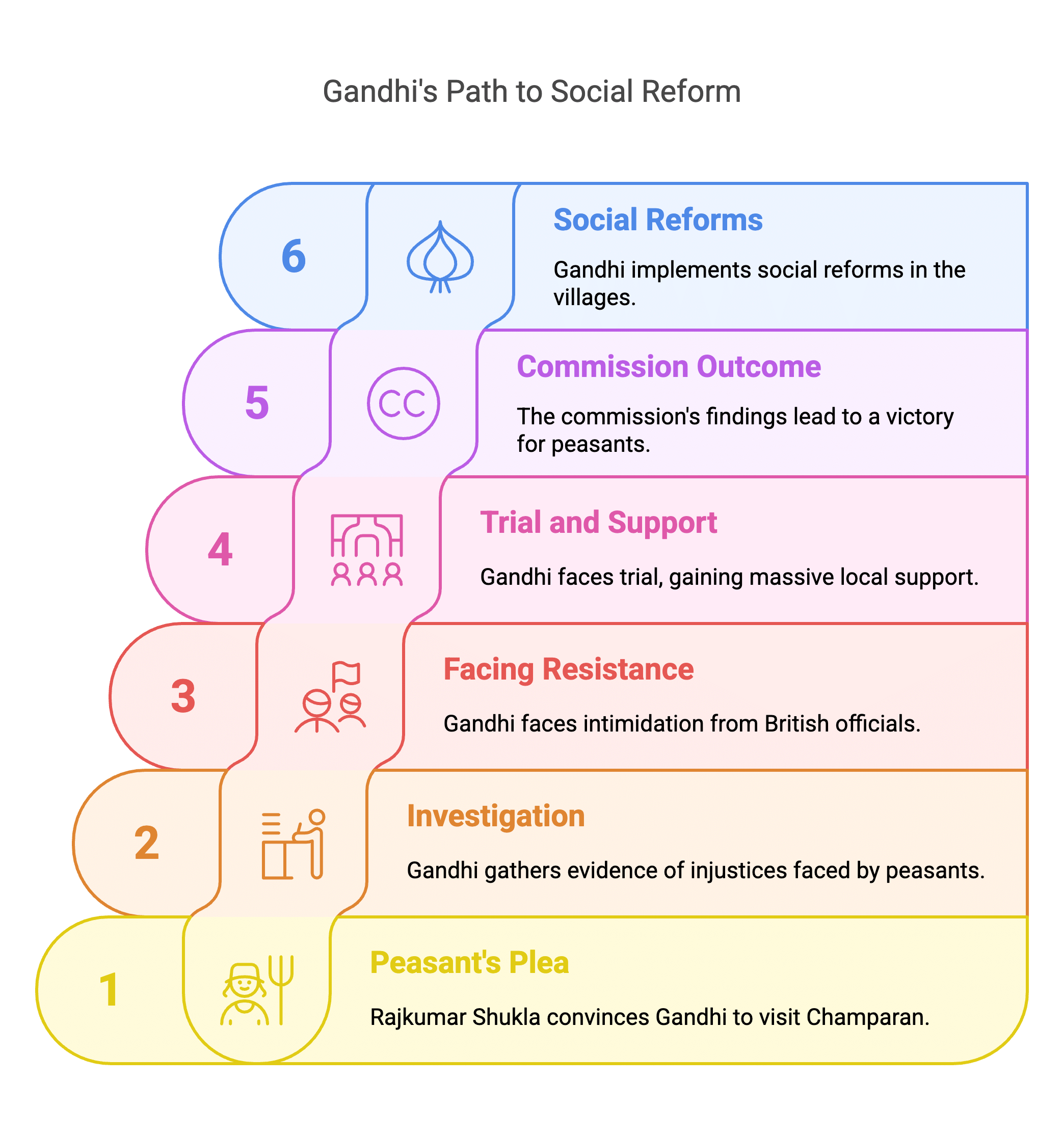
- Rajkumar Shukla persistently convinces Gandhi to visit Champaran to fight against the injustice faced by indigo sharecroppers.
- Gandhi defies British orders, faces trial, and uses civil disobedience, gaining massive peasant support
- Lawyers join Gandhi, feeling ashamed. He declares "Champaran battle won" as case is dropped
- Official inquiry forces landlords to refund 25% of the money. Peasants gain courage, the indigo system ends
- Gandhi started schools, health care, and hygiene reforms in villages for overall upliftment
- Rejects foreign help, teaches self-reliance. Champaran becomes turning point in Gandhi's freedom fight
Detailed Summary
In 1942, during a visit to Gandhi's ashram in Sevagram, Gandhi shared the story of his involvement in the Champaran movement of 1917, which marked a significant turning point in his fight against British rule. It all began when a persistent peasant named Rajkumar Shukla convinced Gandhi to visit Champaran, a district in Bihar, where the local peasants were oppressed by British landlords.
The Champaran peasants were sharecroppers, forced to grow indigo on a portion of their land and surrender the entire crop as rent. When synthetic indigo was developed in Germany, the landlords demanded compensation to release the peasants from this arrangement. Many illiterate peasants, unaware of this new development, signed agreements but later wanted their money back.
Gandhi visited Champaran to investigate the situation, despite resistance from British officials who tried to intimidate him. He gathered extensive evidence of the injustices faced by the sharecroppers and received strong support from local peasants and lawyers. When the British authorities attempted to evict him, Gandhi chose to stay and face trial, drawing massive support from the local populace.
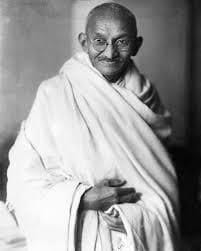 Gandhi's non-violent protest and civil disobedience led to the appointment of an official commission to investigate the issue, which included Gandhi as the representative of the peasants. The commission's findings compelled the landlords to refund part of the money to the peasants, marking a significant victory. This episode demonstrated the power of non-violent resistance and boosted the confidence of the Indian people.
During his stay in Champaran, Gandhi also addressed the social and cultural issues of the villages. He established schools, improved sanitation, and provided medical aid, embodying his holistic approach to social reform.
The Champaran episode underscored Gandhi's philosophy of intertwining political action with social service, emphasizing self-reliance and the need for Indians to stand up for their rights. It also highlighted the importance of not depending on foreign assistance, as exemplified by Gandhi's rejection of help from the English pacifist, Charles Freer Andrews.
This movement not only alleviated the immediate suffering of the Champaran peasants but also set a precedent for future civil rights movements in India, showcasing Gandhi's method of non-violent resistance and his commitment to justice and human dignity.
Theme/Message
Theme: The story "Indigo" shows how Mahatma Gandhi fought against unfair treatment of poor farmers using peace, truth, and smart talks. It is about being a strong leader who helps weak people get justice without violence. Gandhi mixed big political fights with small daily helps like schools, health, and cleanliness to make people truly free and brave.
Message: Real freedom starts when people lose their fear. Even simple actions can bring big wins if we stand up for what is right. We must depend on ourselves, not others, and help the poor in real ways. Gandhi teaches that listening to our heart (conscience) is stronger than any law or power. Justice comes not just from courts, but from giving courage and rights to common people. As he said, "You must rely on yourselves to win the battle." Self-reliance and care for others go hand in hand for true change.
Difficult Words
- Tenacity - Persistence or determination
- Sharecropper - Farmer
- Indigo - A plant used for dye
- Commissioner - Official in charge of a specific area
- Desertion - Abandonment of duty or responsibility
- Civil disobedience - Nonviolent resistance against unjust laws
- Conscience - Inner sense of what is right or wrong
- Coerced - Forced or compelled
- Prestige - Status or reputation
- Liberation - Freedom from oppression
FAQs on Summary: Indigo
| 1. What is the main theme of Indigo by Louis Fischer? |  |
| 2. Why did indigo farmers suffer so much under British planters in the story? | |
| 3. How did Gandhi's intervention change the situation for indigo cultivators in Champaran? | |
| 4. What does the Indigo summary teach about the power of non-violence and collective action? | |
| 5. Who were the key characters involved in the indigo farmers' struggle besides Gandhi? | |