Understanding Light, Reflection and Vision

What is Light?
Light is a type of energy emitted by self-luminous bodies, which can travel through various media. It plays a crucial role in enabling us to see the world around us.
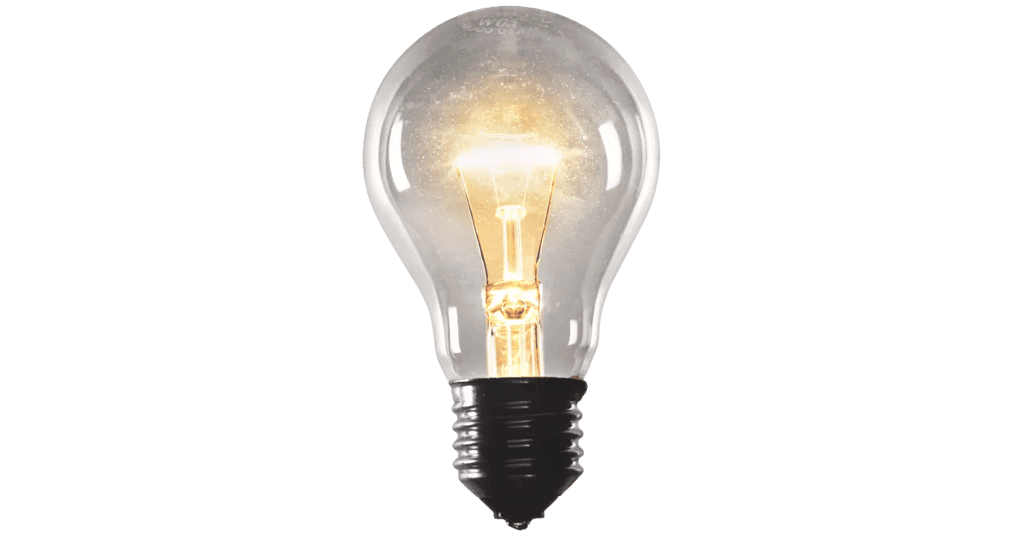
- Luminous objects emit their own light. Objects that do not emit light themselves are known as non-luminous objects; instead, they reflect the light that falls upon them.
- Our ability to perceive objects relies on the process of light reflecting off an object and entering our eyes, making it visible.
Try yourself: What is the key distinction between luminous and non-luminous objects?
Reflection of Light
Mirrors have the ability to alter the direction of incident light. The light ray that falls on a mirror is referred to as the incident light ray, while the ray that bounces back after reflection is called the reflected light ray.
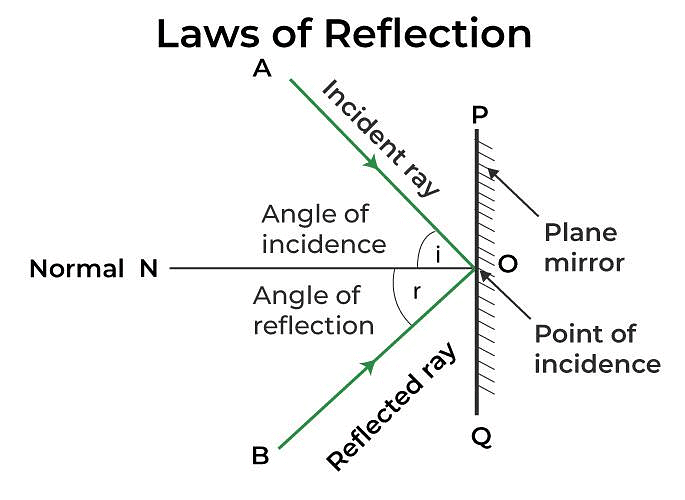
- Point of Incidence: The point where the incident ray strikes the mirror is known as the point of incidence.
- Normal: A line drawn perpendicular to the mirror at this point is called the normal.
- Laws of Reflection: According to the laws of reflection, the incident ray, the normal, and the reflected ray lie within the same plane, with the angle of incidence being equal to the angle of reflection.
Try yourself: According to the laws of reflection, what relationship do the incident ray, the normal, and the reflected ray have?
Regular, Diffused & Multiple Reflections
- Regular Reflection: Light rays are commonly depicted as parallel rays. When the reflected rays remain parallel after reflection from a surface, it is termed regular reflection. The reflection from a plane mirror is an example of regular reflection.
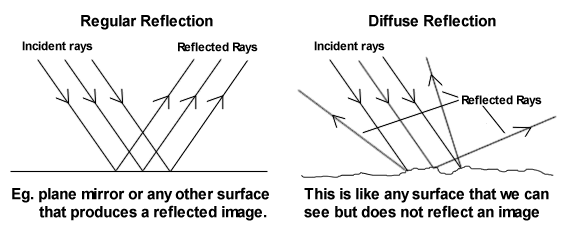
- Diffused Reflection: On the other hand, if the reflected rays are not parallel but scattered, it is known as diffused reflection or irregular reflection. Diffused reflection occurs when light interacts with an uneven surface.
- Multiple Reflections: Multiple reflections occur when a reflected light ray is further reflected upon encountering another surface. Periscopes utilize multiple reflections and are employed in submarines, war tanks, and bunkers to observe objects that are not directly visible. In barber shops, we can see the back of our heads through multiple reflections between two mirrors. Kaleidoscopes create beautiful patterns by utilizing multiple reflections.
Try yourself: When a reflected light ray is further reflected upon encountering another surface, it is called:
Light, Vision & The Human Eye
Our ability to perceive objects relies on both light and our eyes.
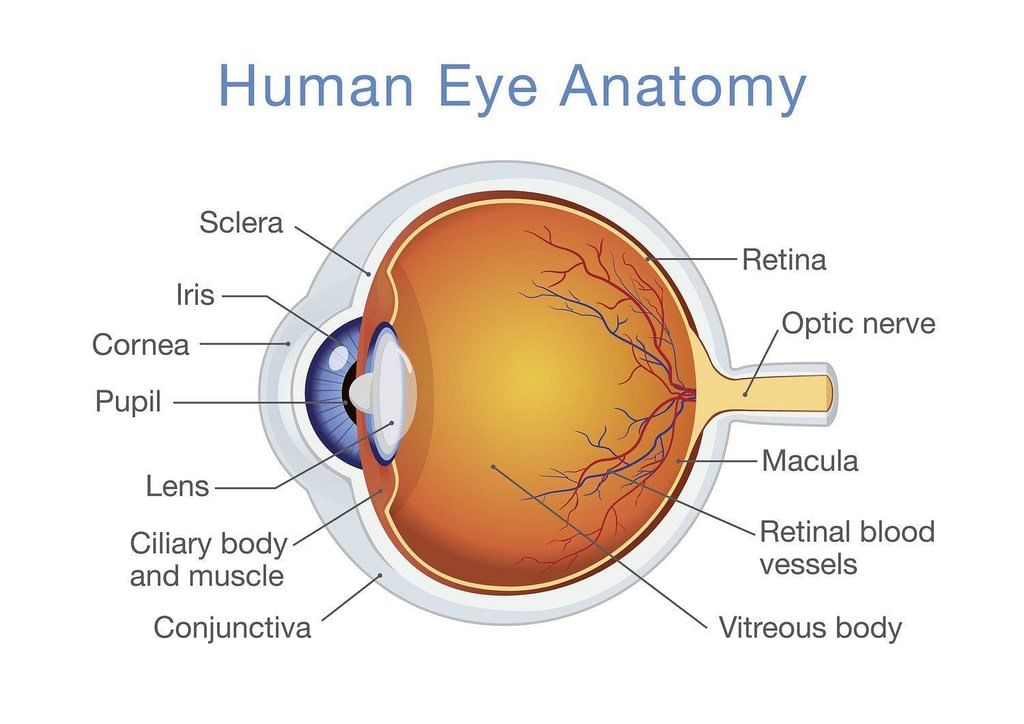
- Cornea: The human eye is approximately spherical in shape, with a transparent front part called the cornea.
- Iris: Behind the cornea lies the iris, a muscular structure that controls the size of the pupil, which is a small opening. The iris regulates the amount of light entering the eye.
- Lens: The eye also contains a lens located behind the pupil, which is thicker in the middle.
- Retina: The lens converges light onto the retina, a layer of nerves that transmit visual sensations to the brain via the optic nerve.
- Cone and Rod Cells: Two types of cells, cones, and rods, are present in the retina. Cones are sensitive to bright light and are responsible for color perception, while rods are sensitive to dim light.
- Blind Spot: There is a region where the optic nerve and the retina meet, known as the blind spot, which lacks sensory cells.
Visual Impairments and Communication
The impression of an image on the retina lasts for a fraction of a second. By flashing 16 still images of an object before the eye per second, the brain perceives the object as moving.
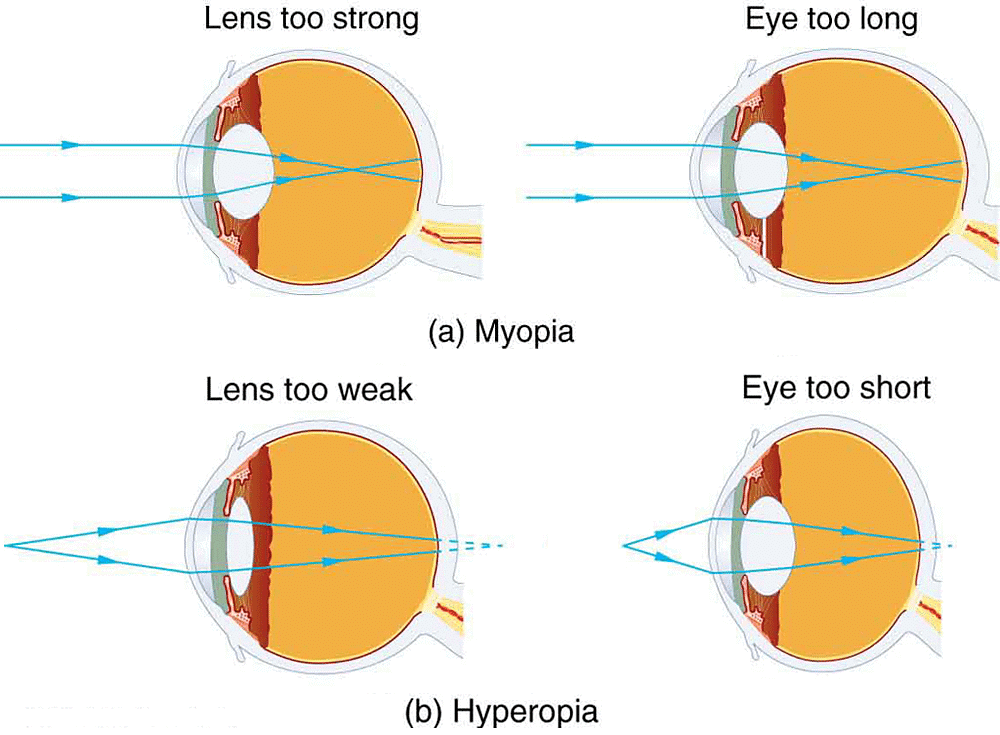
- Eyelids: The eyelids protect the eye from dust particles.
- Power of Accommodation: The eye possesses the ability to form clear images of objects at varying distances, known as the power of accommodation.
- Clear Vision: For a normal eye, the distance for clear vision is approximately 25 cm, but this can vary among individuals and with age.
- Corrective Lenses: Corrective lenses can be used to address nearsightedness or farsightedness.
- Cataracts can cause foggy vision and dimness in older individuals.
- Some people are visually impaired from birth and rely on Braille to read and communicate.
FAQs on Understanding Light, Reflection and Vision
| 1. Why does a mirror form a virtual image instead of a real one? |  |
| 2. How does the angle of incidence relate to the angle of reflection in CBSE Class 8 science? | |
| 3. What's the difference between real images and virtual images formed by mirrors? | |
| 4. Why can't we see objects in complete darkness even if they're right in front of us? | |
| 5. How does the cornea and lens work together to form clear images on the retina? | |





