Short Answer Questions: Sectors of the Indian Economy

Ques 1: Using examples from your area, compare and contrast the activities and functions of the private and public sectors.
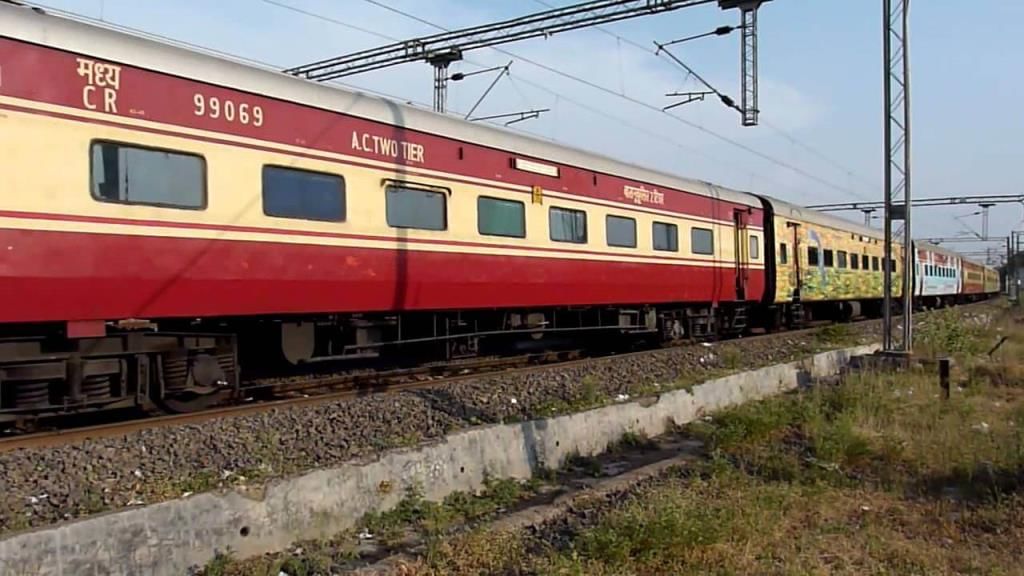
Ans: Public sector: These are organisations owned, controlled or funded by the government. They aim to provide essential services and public welfare rather than only profit. Key points:
- Ownership and control: Owned by the government (central, state or local).
- Objectives: Provide basic services, build infrastructure, ensure equitable access and protect strategic interests.
- Finance and scale: Often require large capital and long-term investment; funded by public funds, budgetary support or public borrowing.
- Examples: MTNL, Railways, state transport buses, municipal water supply and public hospitals.
Private sector: These organisations are owned by individuals or private firms and operate mainly to earn profit. Key points:
- Ownership and control: Owned by private individuals, partnerships or companies.
- Objectives: Profit motive, efficiency and competition in the market.
- Flexibility and performance: Often quicker decision-making and customer-oriented services.
- Examples: BSES, private airlines, local private schools, clinics and private shops.
Comparison summary: The public sector focuses on welfare, large-scale infrastructure and services that may not be profitable but are essential; the private sector focuses on profit, efficiency and market-driven services. Both sectors complement each other in a mixed economy.
Ques 2: Explain how public sector contributes to the economic development of a nation.
Ans: The public sector plays several important roles in economic development. Main contributions:
- Building essential infrastructure: It provides power, transport, irrigation and communication (for example, Railways, NTPC, state electricity boards), which are necessary for other economic activities.
- Undertaking large and strategic projects: It invests in heavy industries and sectors requiring huge capital and long gestation periods (iron and steel, petroleum, fertilisers) that private firms may avoid.
- Generating employment: Public enterprises create direct and indirect jobs, helping reduce unemployment.
- Promoting regional development: By setting up units in backward or remote areas, it reduces regional imbalances and promotes balanced growth.
- Stabilising prices and ensuring supply: It produces essential goods and services to prevent shortages and control price volatility.
- Providing social welfare and services: Public sector units often supply education, health and basic amenities at affordable rates.
These roles together create a foundation for sustained economic growth and social development.
Ques 3: The workers in the unorganised sector need protection on the following issues : wages, safety and health. Explain with examples.
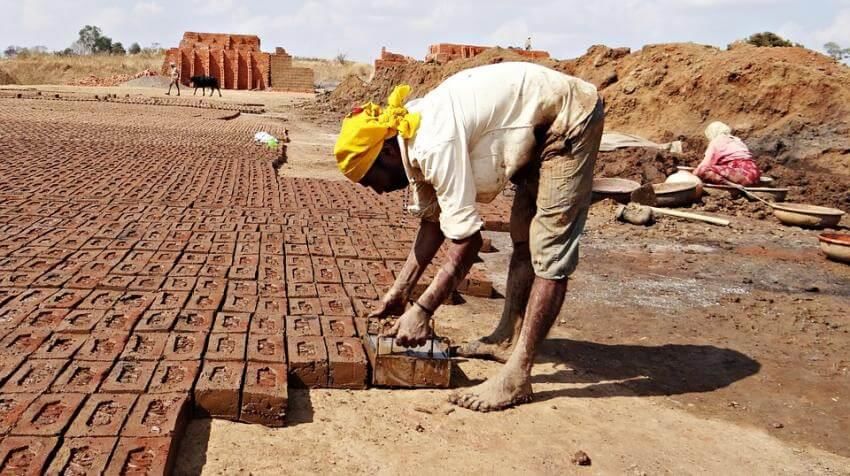
Ans: Workers in the unorganised sector (for example, construction labourers, domestic workers, street vendors, agricultural labourers, rickshaw pullers and home-based workers) face serious problems and need protection in the following ways:
- Wages: They are often paid very low and irregular wages. Many do not get minimum wages or overtime pay. Protection needed: enforcement of minimum wage laws, timely payment, and access to grievance redressal.
- Safety: Many unorganised workers work in hazardous conditions (construction sites, small workshops) without safety equipment. Protection needed: safety regulations, provision of protective gear, and regular safety inspections.
- Health: They lack medical benefits and sick leave, and work in unhygienic conditions that lead to illness. Protection needed: basic health coverage, workplace health standards and access to clinics or health camps.
How protection can be ensured:
- Legal measures: Extension and enforcement of labour laws and social security schemes to unorganised workers.
- Institutional support: Registration of workers, formation of worker collectives or unions, and local welfare boards.
- Awareness and access: Informing workers about rights, simplifying access to schemes, and helping them use courts or labour departments when exploited.
These steps help reduce exploitation, improve living and working conditions, and offer social security to unorganised workers.
FAQs on Short Answer Questions: Sectors of the Indian Economy
| 1. What are the three sectors of the Indian economy? |  |
| 2. What is the contribution of the primary sector to the Indian economy? | |
| 3. What is the secondary sector of the Indian economy? | |
| 4. What is the significance of the tertiary sector in the Indian economy? | |
| 5. How can the Indian government promote the growth of the primary sector? | |





