SSC CGL Exam  >  SSC CGL Notes  >   Tier 2 - Study Material, Online Tests, Previous Year  >  NCERT Solution (Part - 4) - Recording of Transactions-I

NCERT Solution (Part - 4) - Recording of Transactions-I

Page No 94:

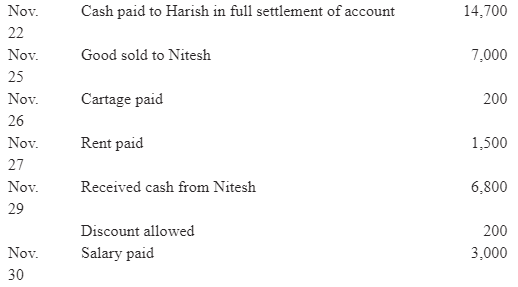
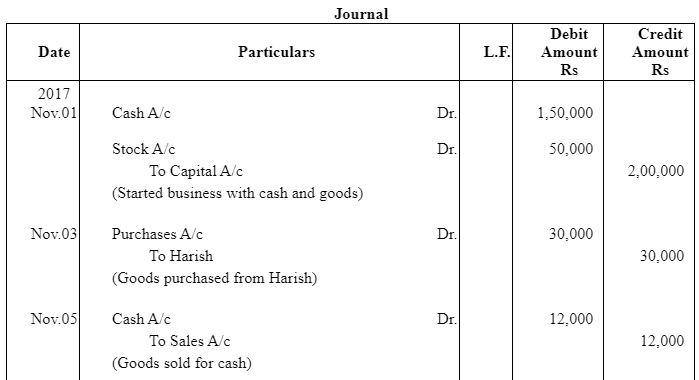
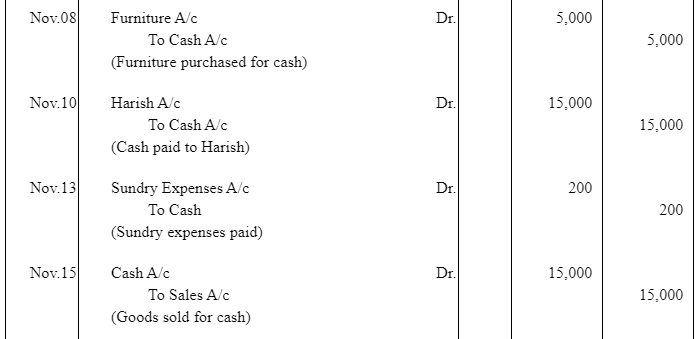
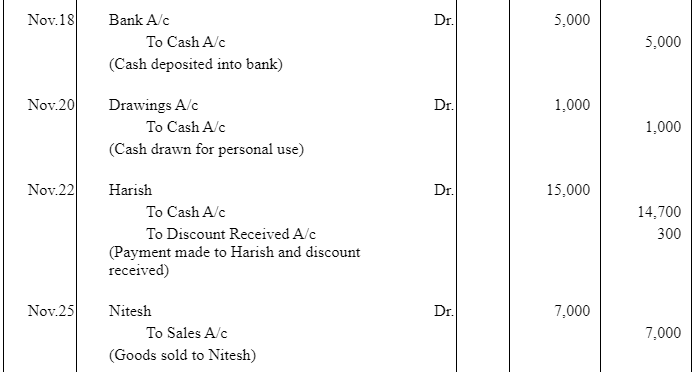
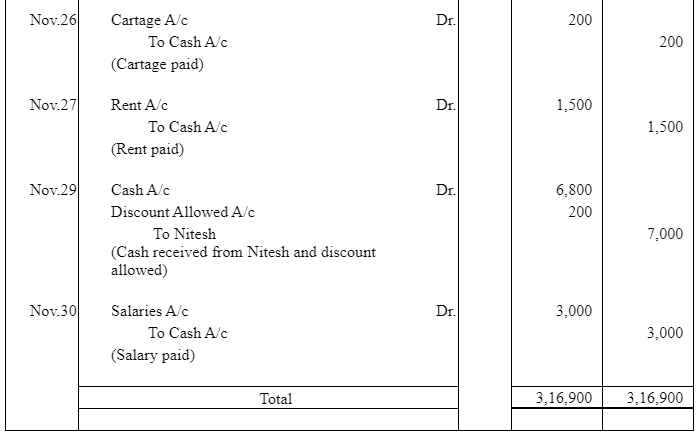
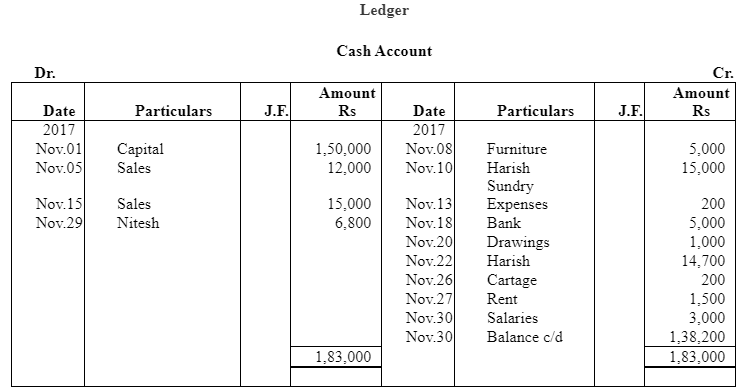
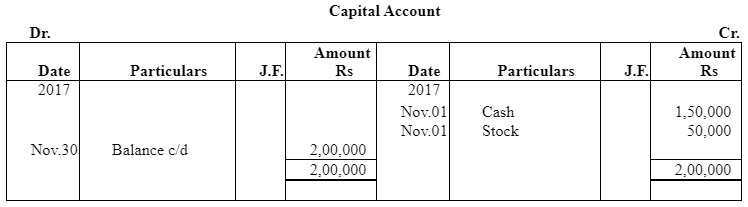
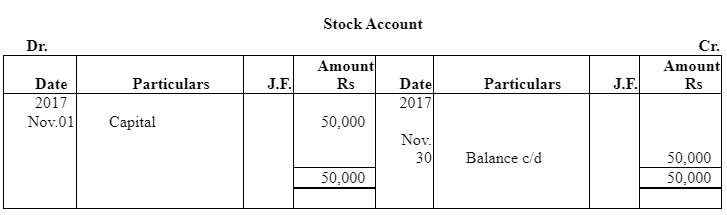
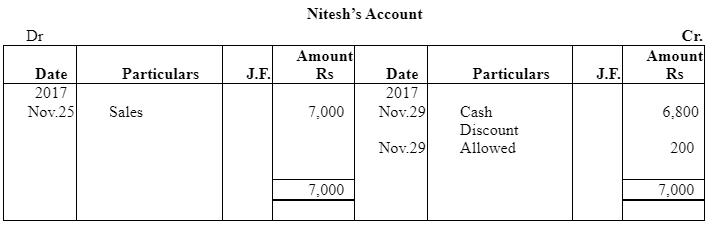
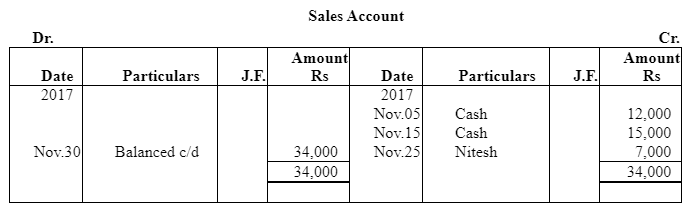
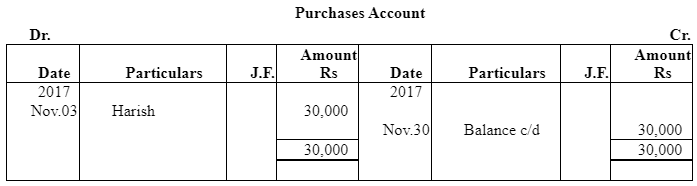
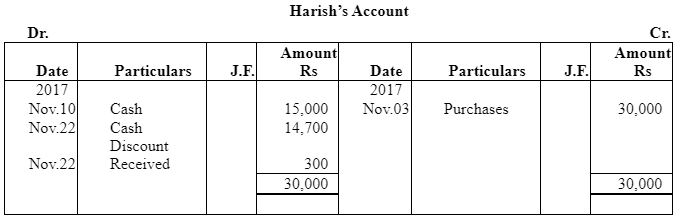
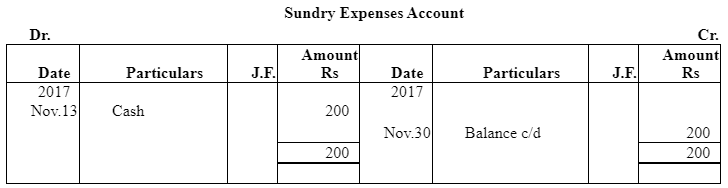
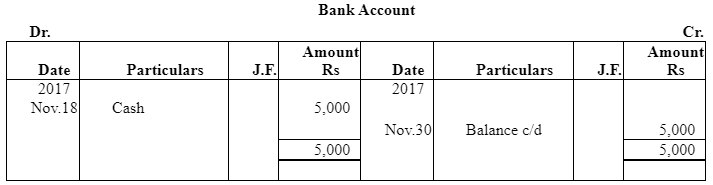
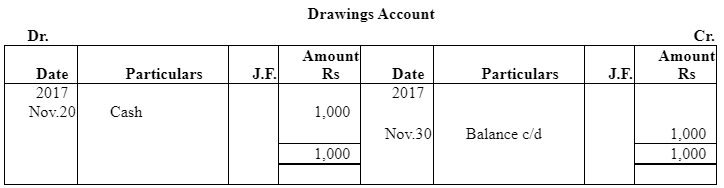
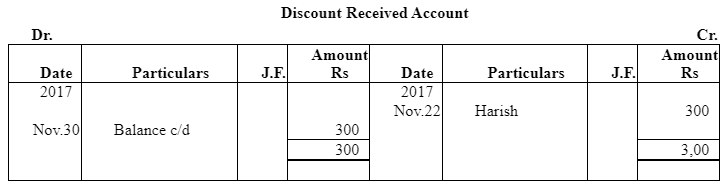
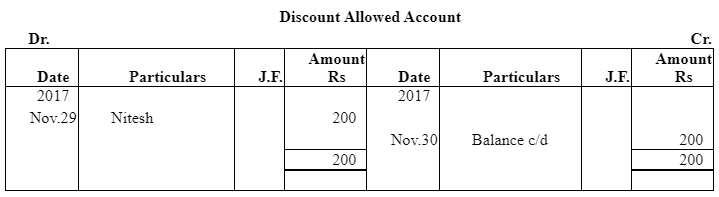
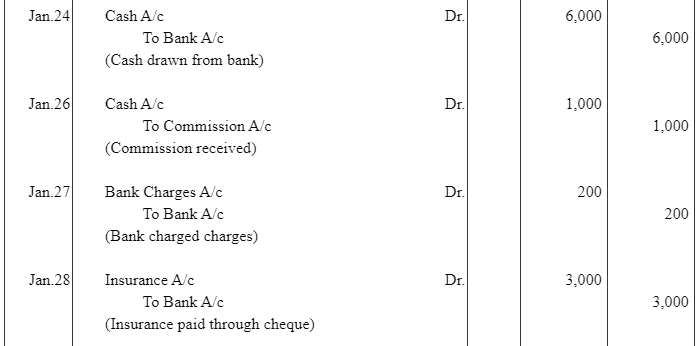
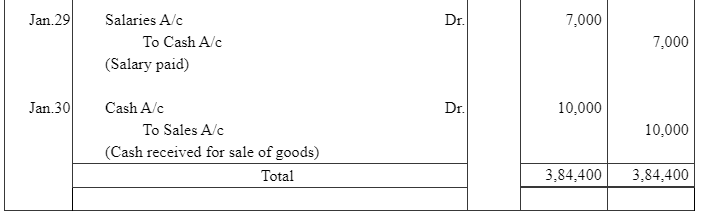
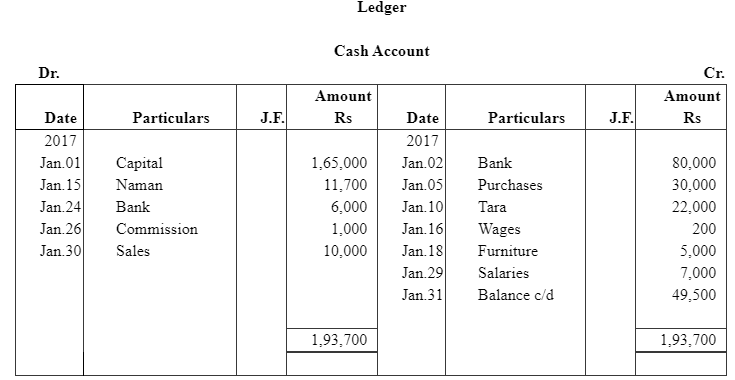
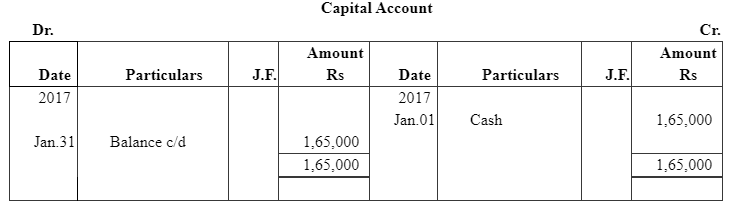
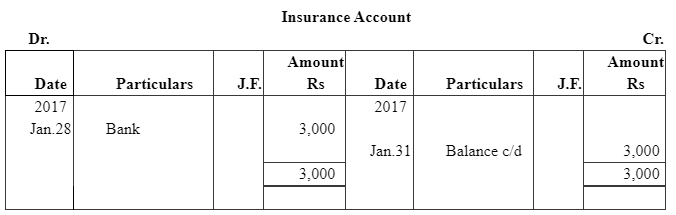
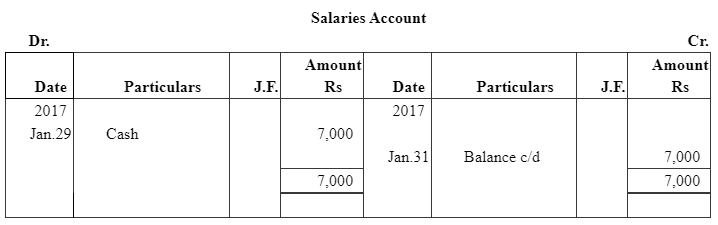
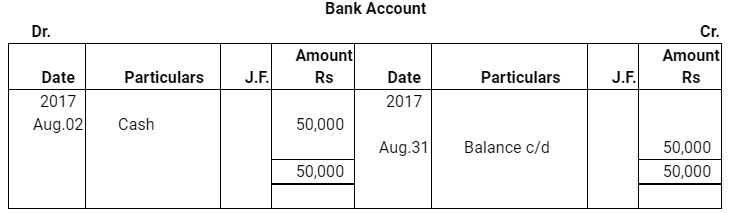
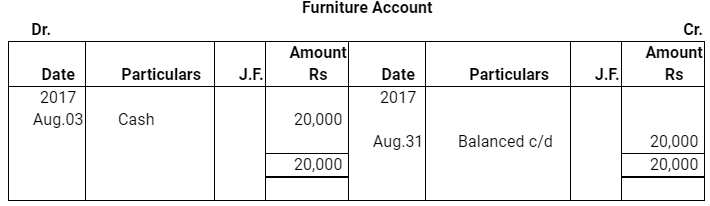
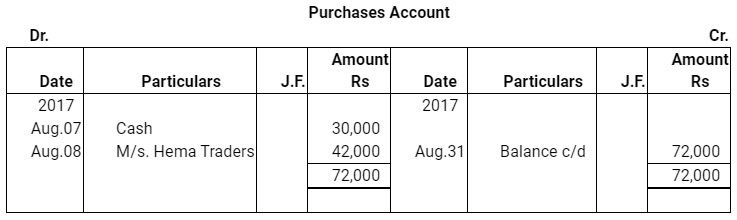
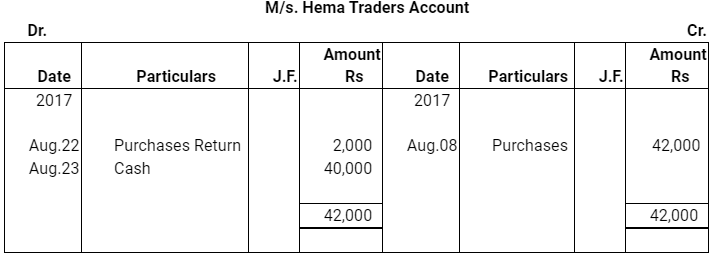
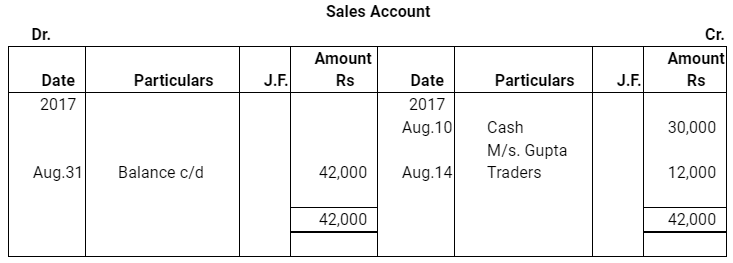
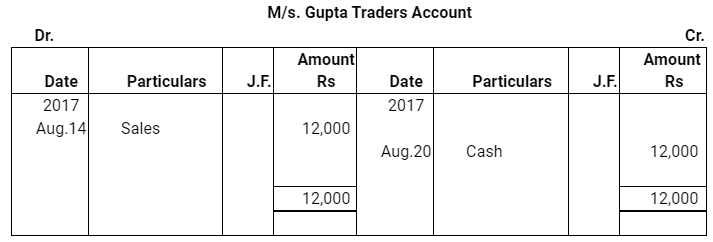
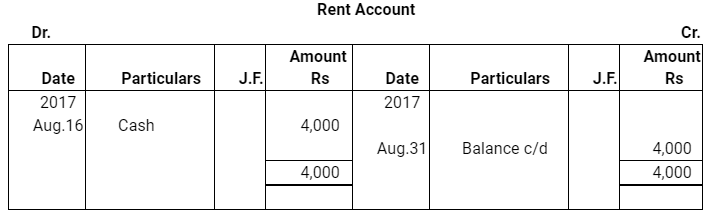
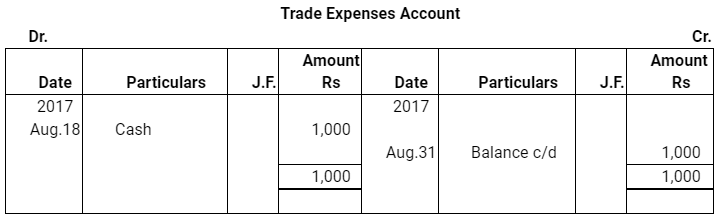
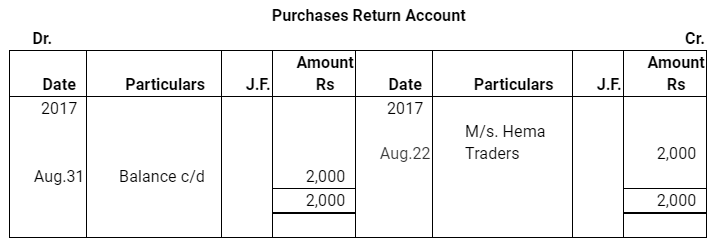
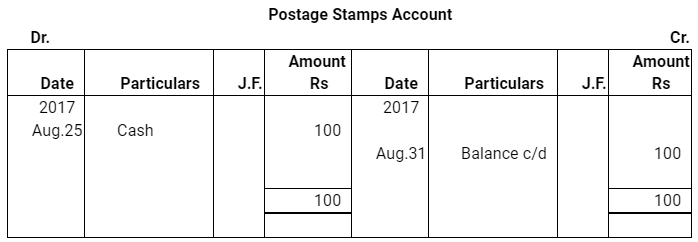
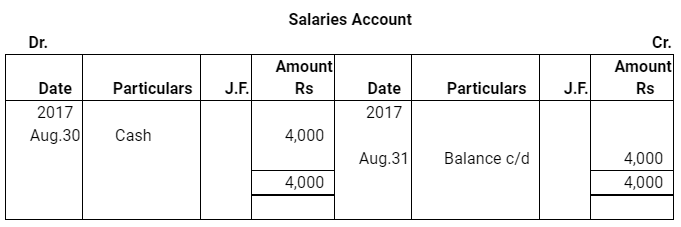
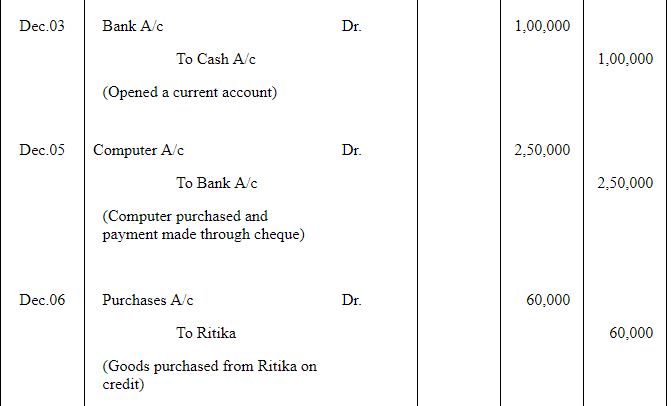
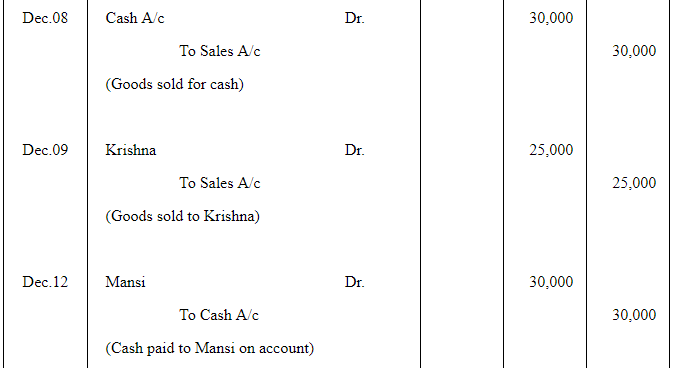
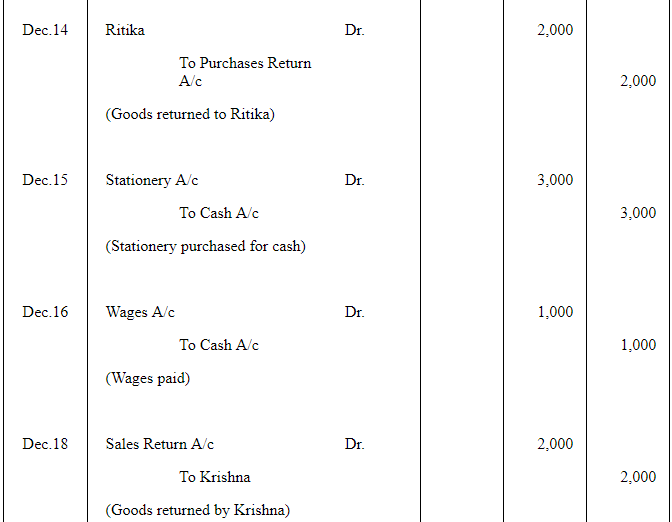
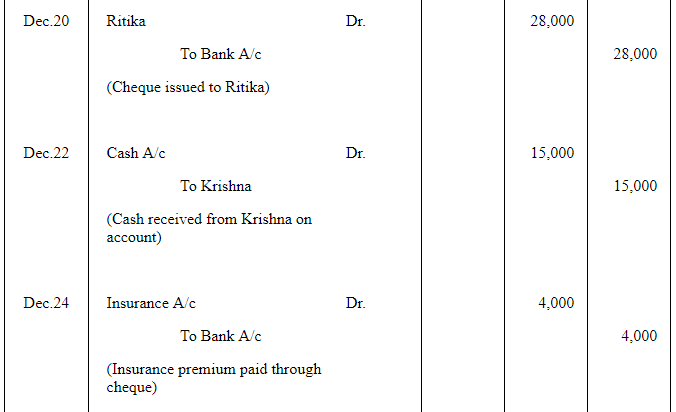
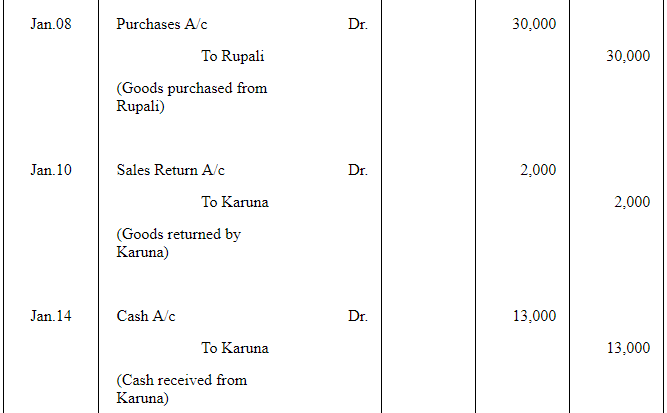
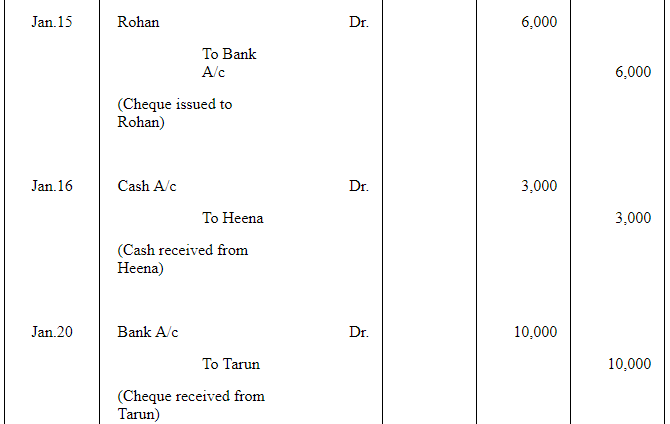
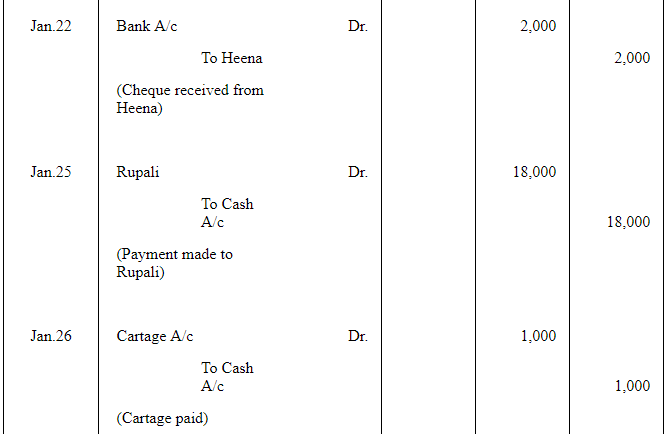
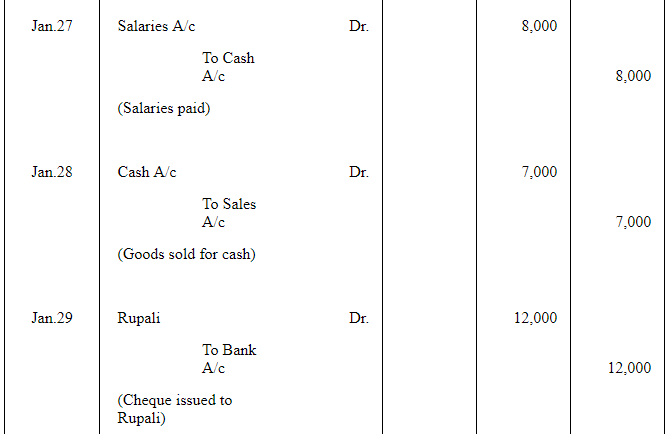
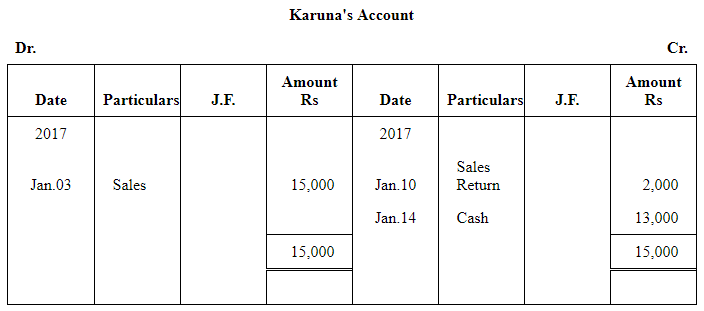
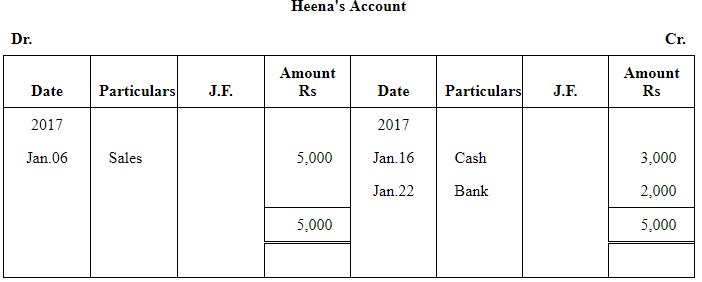
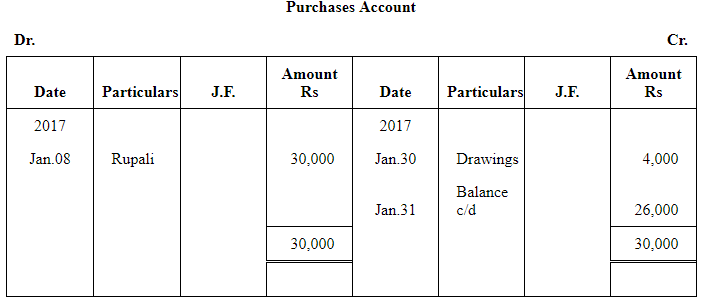
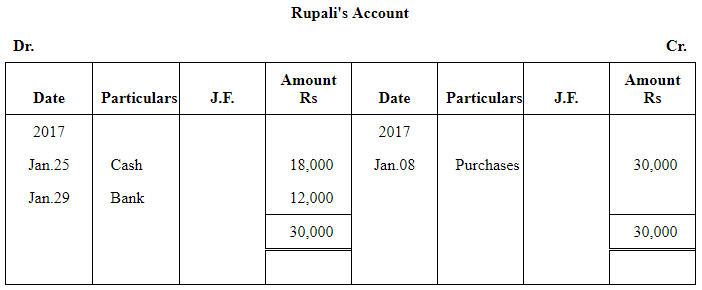
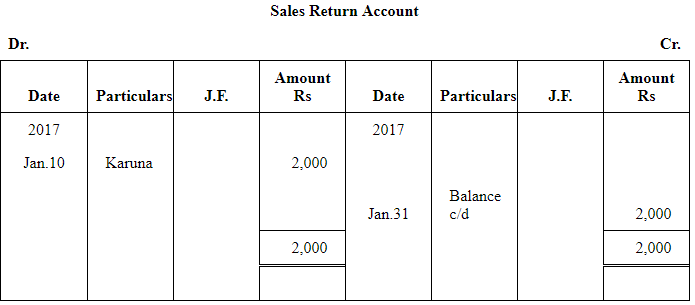
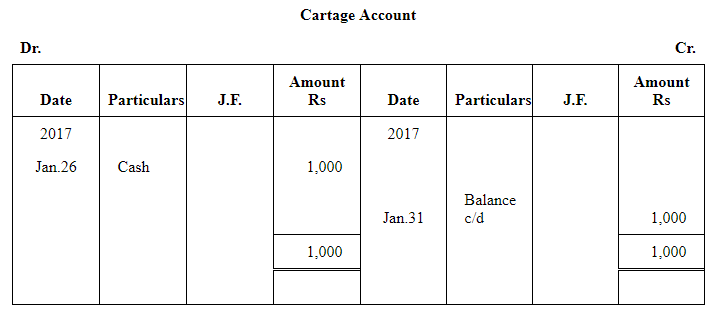
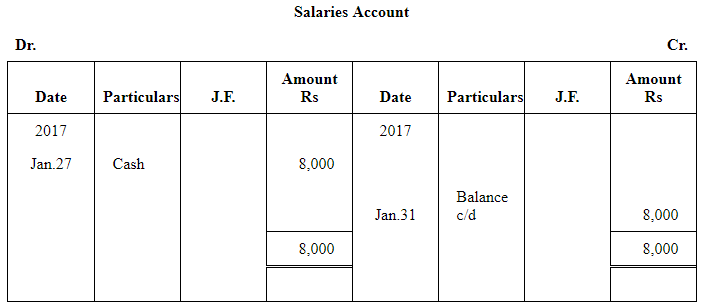
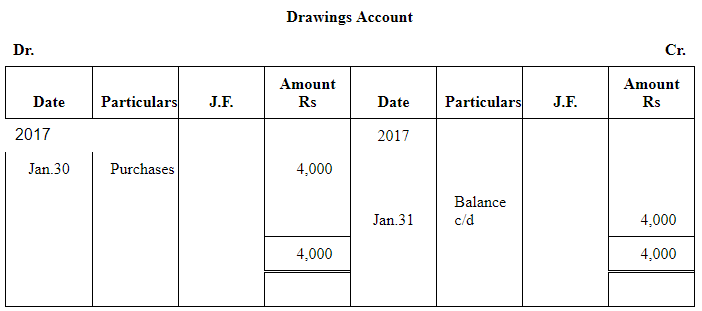
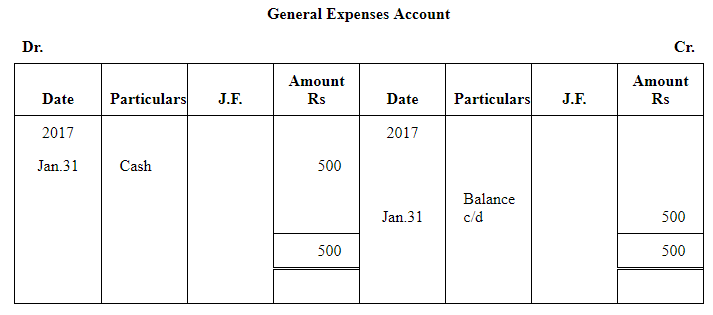
Q16 : Journalise the following transactions, post to the ledger:
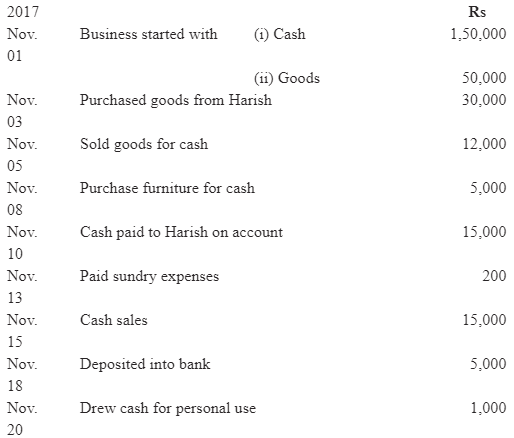
 NCERT Solution (Part - 4) - Recording of Transactions-I

NCERT Solution (Part - 4) - Recording of Transactions-I


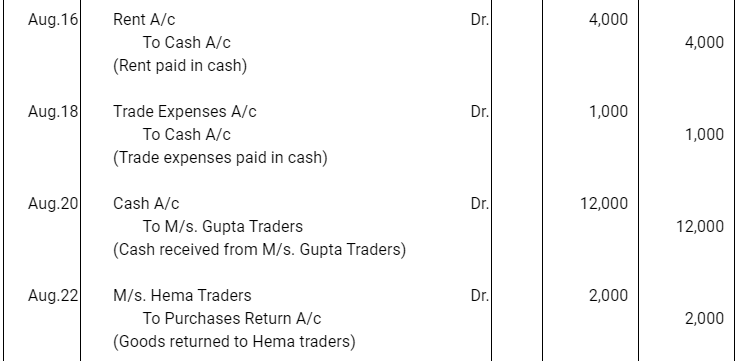
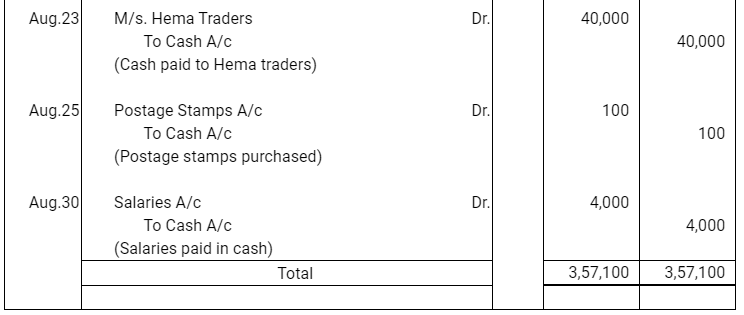
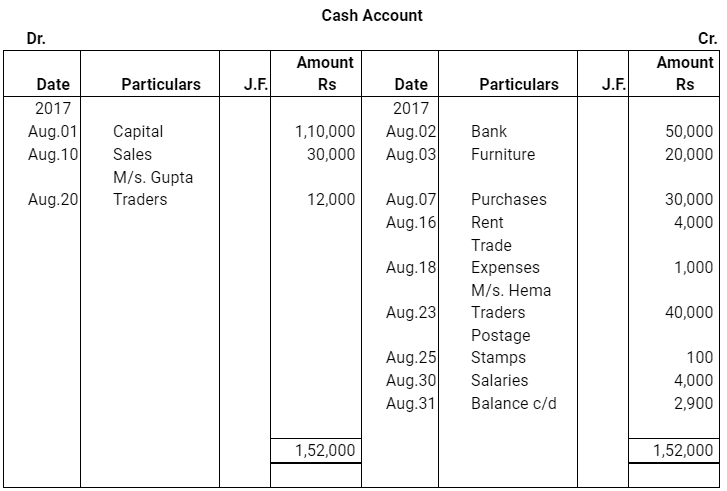
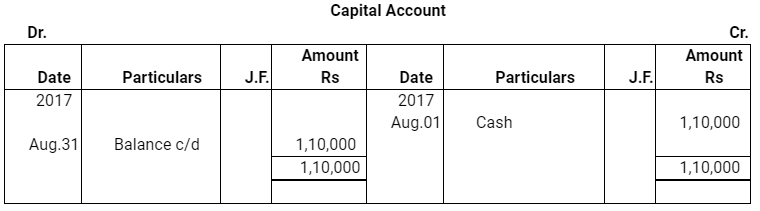
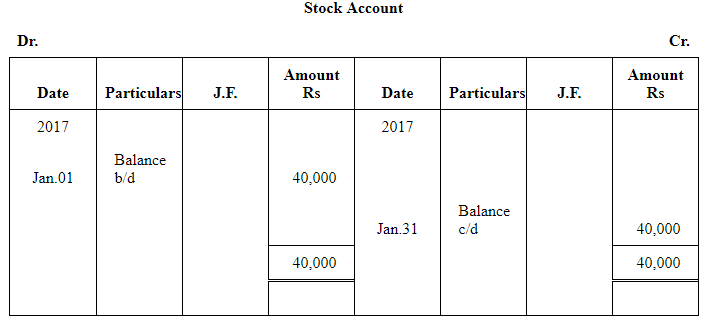
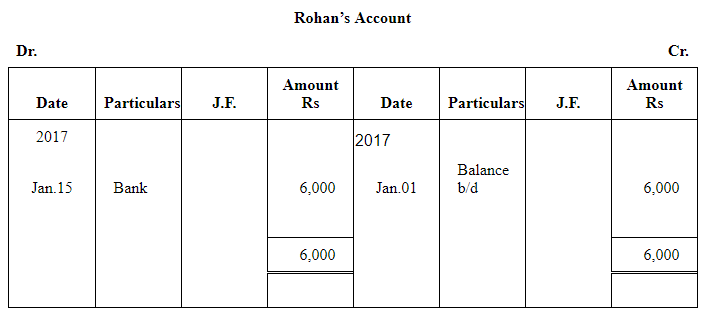
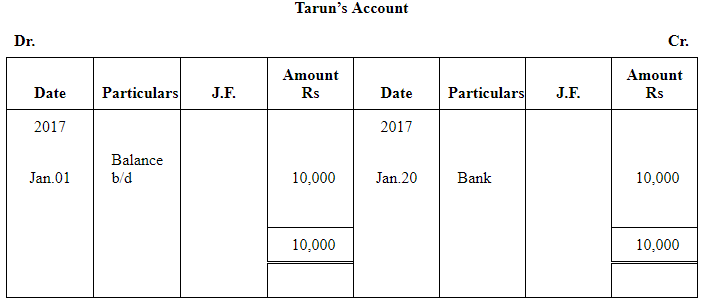
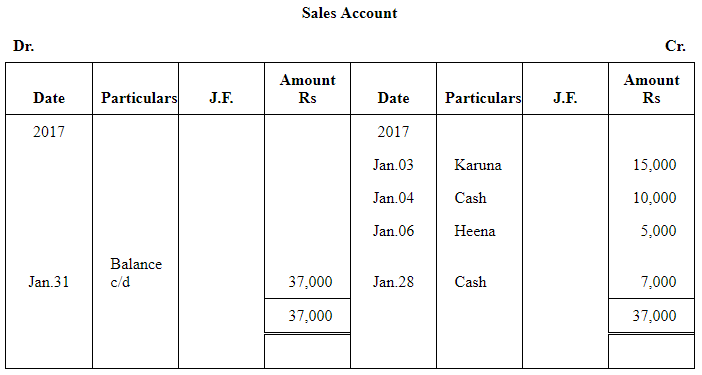
 Answer :NCERT Solution (Part - 4) - Recording of Transactions-I
NCERT Solution (Part - 4) - Recording of Transactions-I

NCERT Solution (Part - 4) - Recording of Transactions-I

NCERT Solution (Part - 4) - Recording of Transactions-I

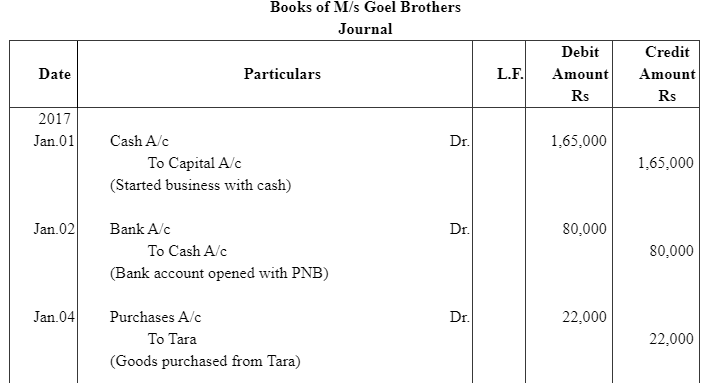
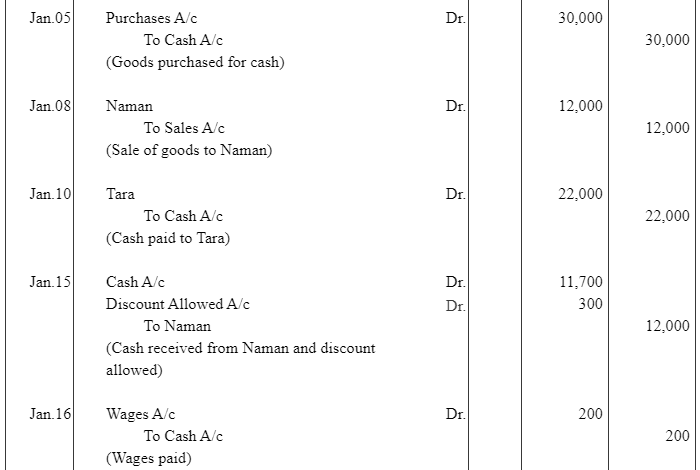
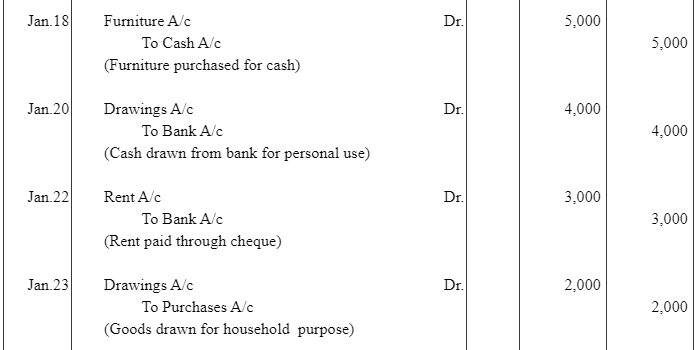
Q 17 :  Journalise the following transactions is the journal of M/s. Goel Brothers and post them to the ledger.
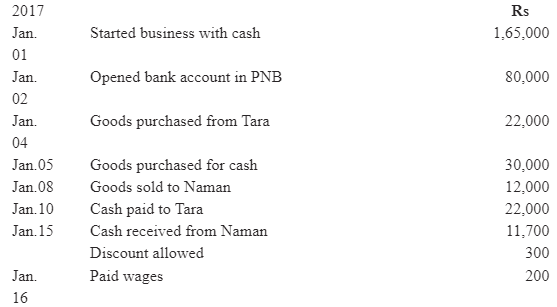
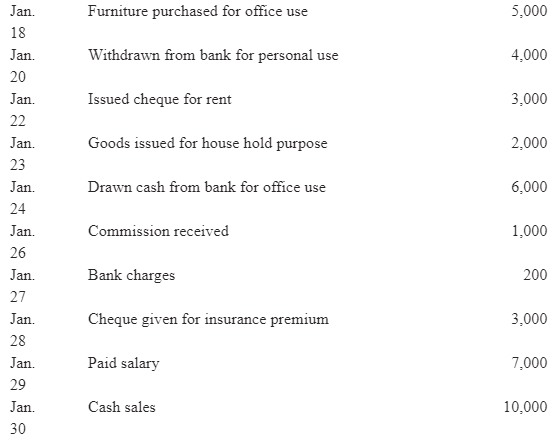
NCERT Solution (Part - 4) - Recording of Transactions-I

Answer : 
NCERT Solution (Part - 4) - Recording of Transactions-I

NCERT Solution (Part - 4) - Recording of Transactions-I

NCERT Solution (Part - 4) - Recording of Transactions-I

NCERT Solution (Part - 4) - Recording of Transactions-I

NCERT Solution (Part - 4) - Recording of Transactions-I

NCERT Solution (Part - 4) - Recording of Transactions-I

NCERT Solution (Part - 4) - Recording of Transactions-I

NCERT Solution (Part - 4) - Recording of Transactions-I


Q18 :
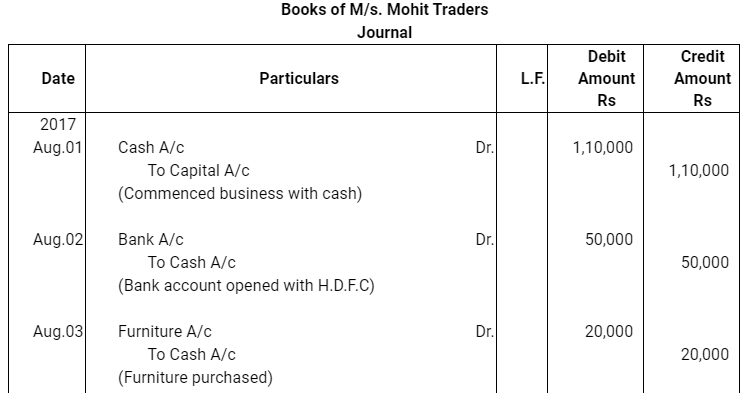
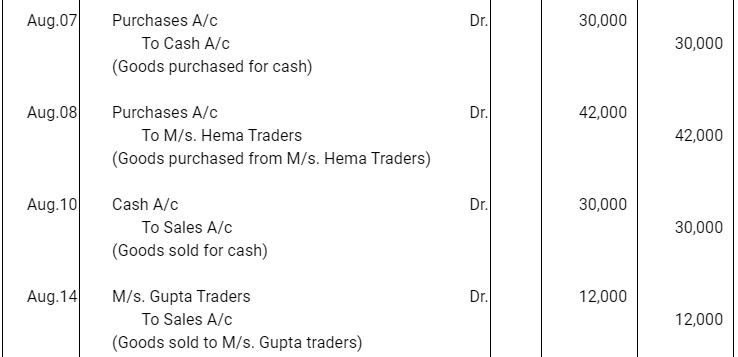
 Give journal entries of M/s. Mohit traders; post them to the Ledger from the following  transactions:
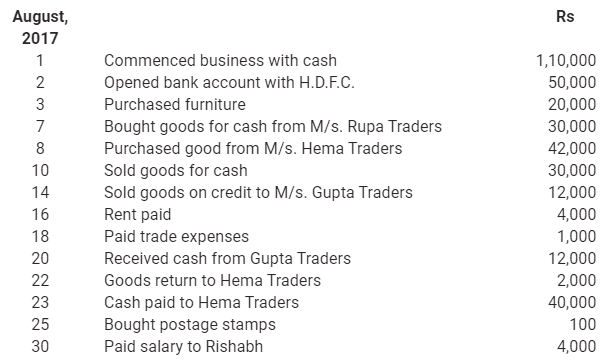
NCERT Solution (Part - 4) - Recording of Transactions-I

Answer:

NCERT Solution (Part - 4) - Recording of Transactions-I

NCERT Solution (Part - 4) - Recording of Transactions-I

NCERT Solution (Part - 4) - Recording of Transactions-I

NCERT Solution (Part - 4) - Recording of Transactions-I

NCERT Solution (Part - 4) - Recording of Transactions-I

NCERT Solution (Part - 4) - Recording of Transactions-I

NCERT Solution (Part - 4) - Recording of Transactions-I

NCERT Solution (Part - 4) - Recording of Transactions-I

NCERT Solution (Part - 4) - Recording of Transactions-I

NCERT Solution (Part - 4) - Recording of Transactions-I

NCERT Solution (Part - 4) - Recording of Transactions-I

NCERT Solution (Part - 4) - Recording of Transactions-I

NCERT Solution (Part - 4) - Recording of Transactions-I

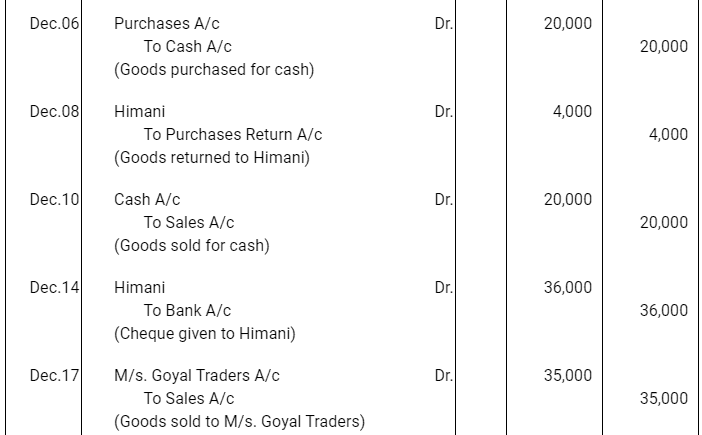
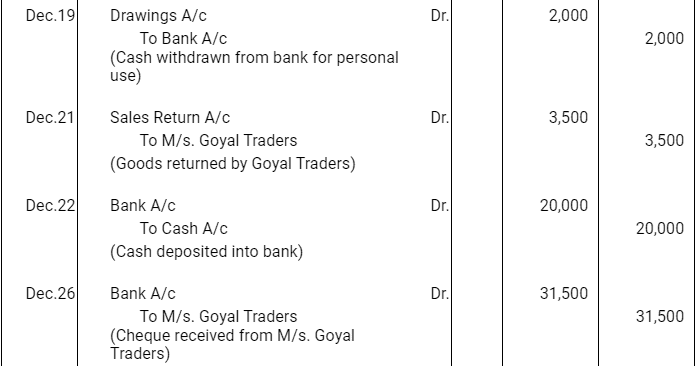
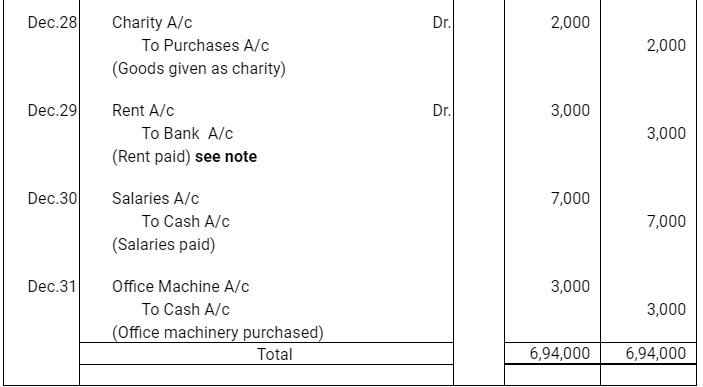
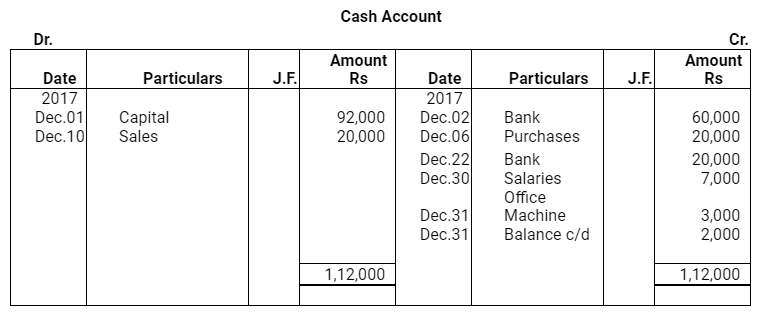
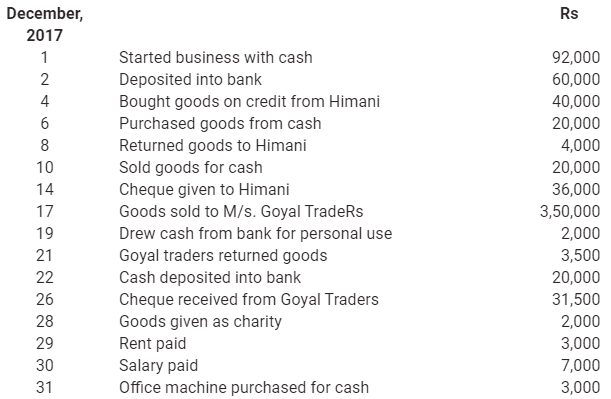
Q19 :
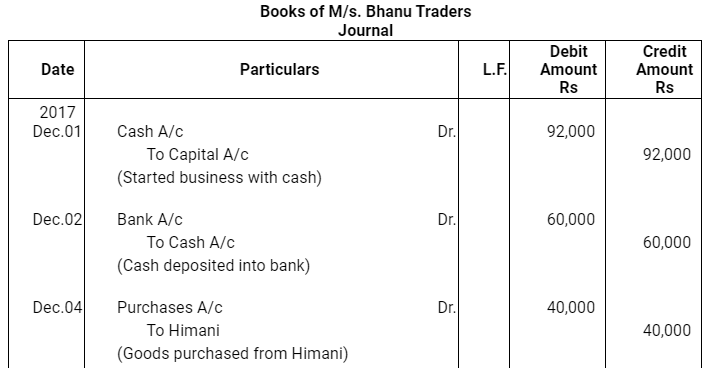
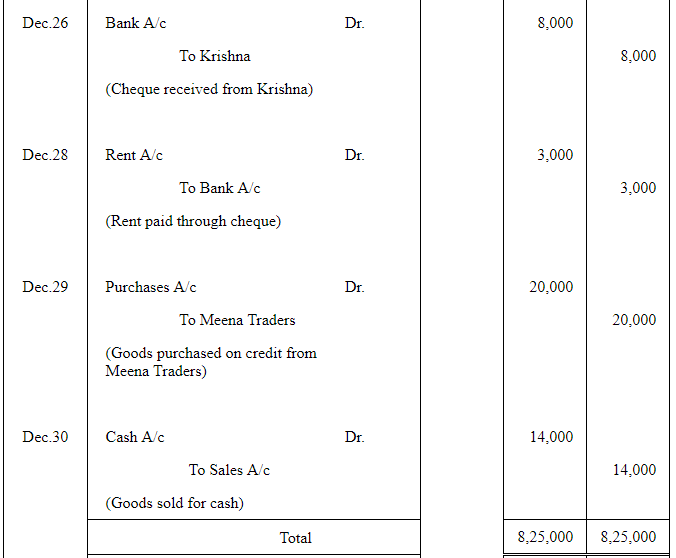
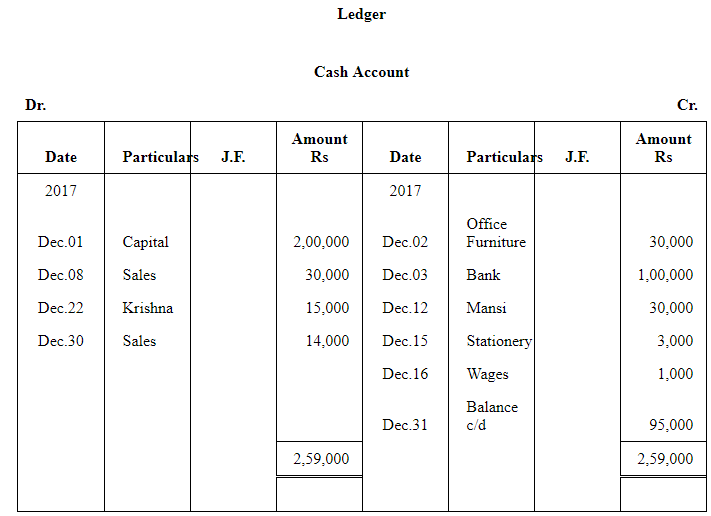
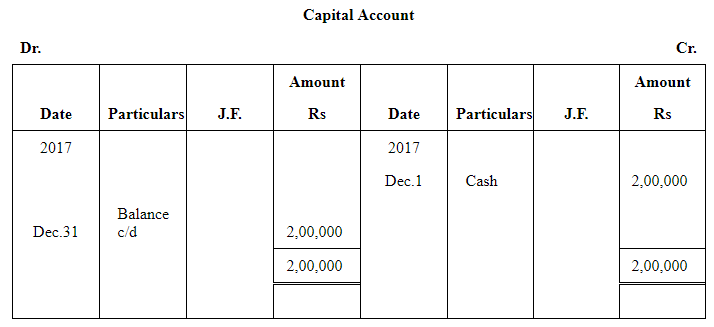
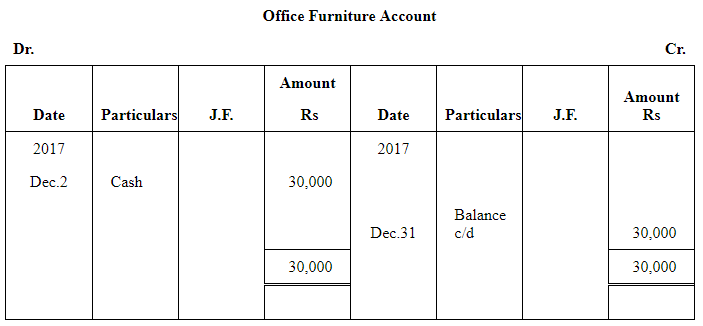
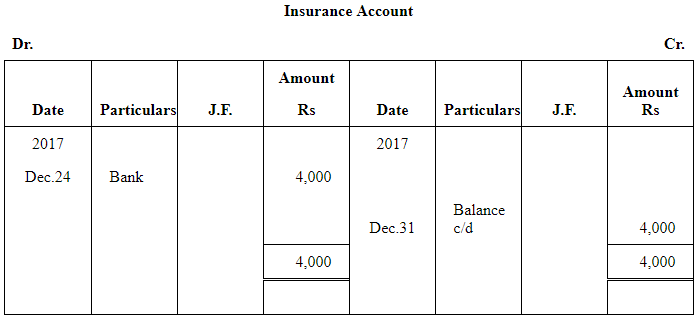
Journalise the following transaction in the Books of the M/s. Bhanu Traders and Post them into the Ledger.
NCERT Solution (Part - 4) - Recording of Transactions-I
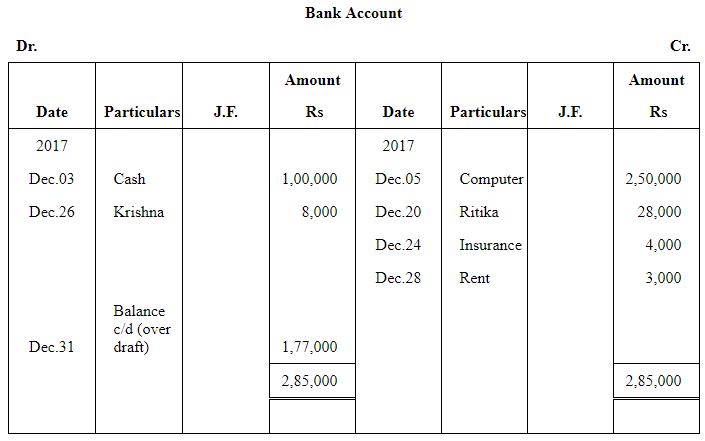
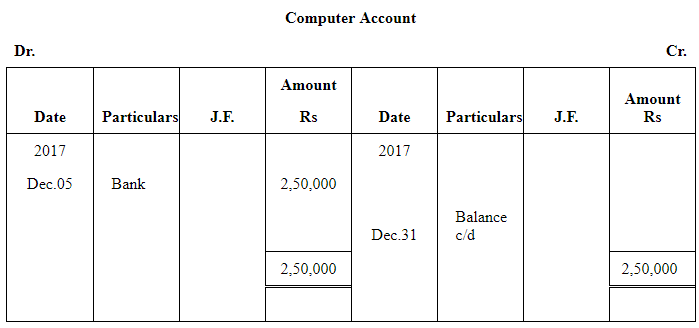
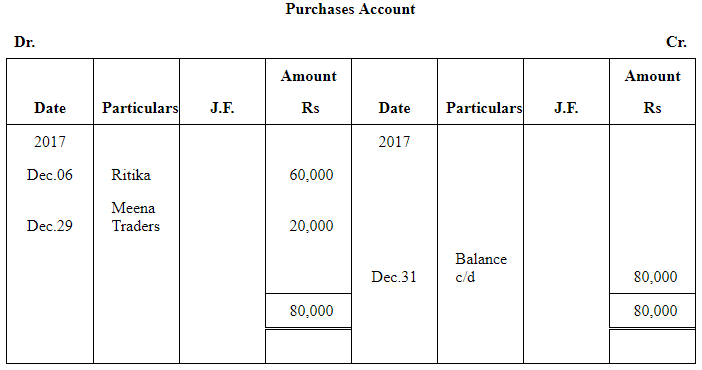
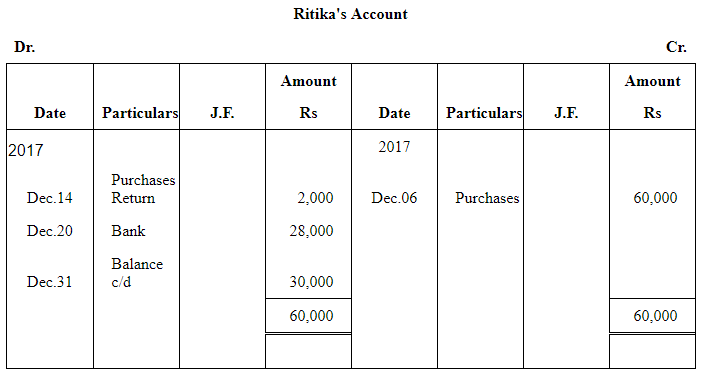
Answer :

NCERT Solution (Part - 4) - Recording of Transactions-I 
NCERT Solution (Part - 4) - Recording of Transactions-I

NCERT Solution (Part - 4) - Recording of Transactions-I

NCERT Solution (Part - 4) - Recording of Transactions-I

NCERT Solution (Part - 4) - Recording of Transactions-I

NCERT Solution (Part - 4) - Recording of Transactions-I

NCERT Solution (Part - 4) - Recording of Transactions-I

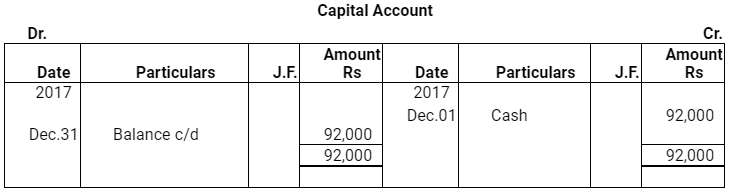
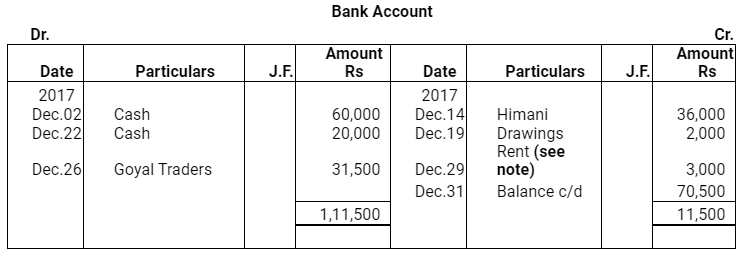
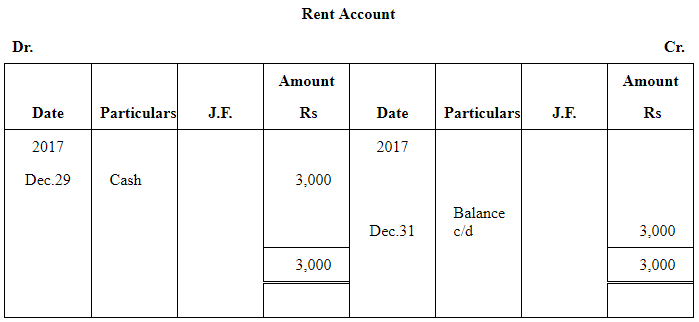
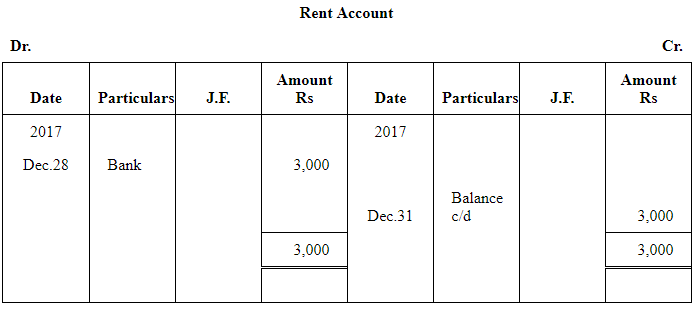
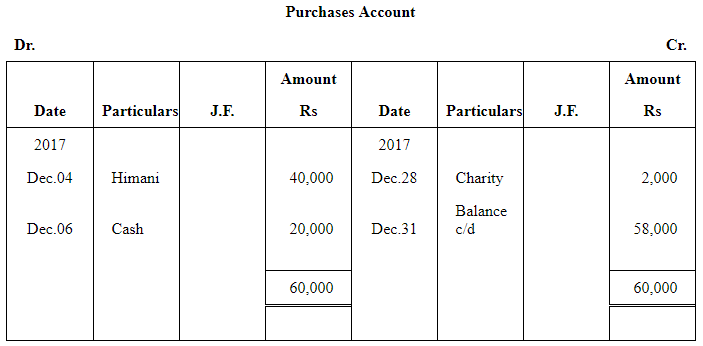
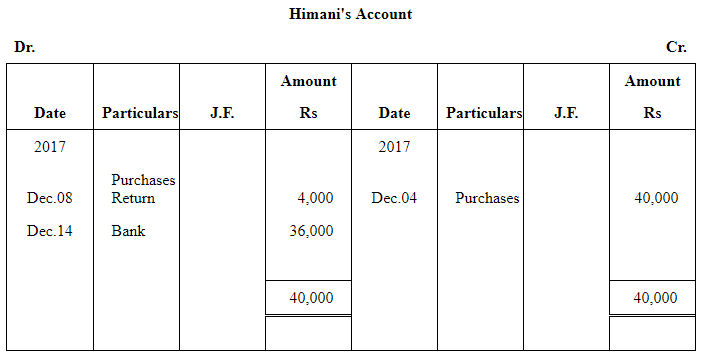
Note: For transaction on December 29, 2017, it has been assumed that the rent of Rs 3,000 is paid through cheque. If instead the rent would have been paid in cash, the cash account would have shown a credit (negative) balance and that is logically not correct.
NCERT Solution (Part - 4) - Recording of Transactions-I

NCERT Solution (Part - 4) - Recording of Transactions-I

 NCERT Solution (Part - 4) - Recording of Transactions-I

NCERT Solution (Part - 4) - Recording of Transactions-I

NCERT Solution (Part - 4) - Recording of Transactions-I

NCERT Solution (Part - 4) - Recording of Transactions-I

NCERT Solution (Part - 4) - Recording of Transactions-I

NCERT Solution (Part - 4) - Recording of Transactions-I

NCERT Solution (Part - 4) - Recording of Transactions-I

NCERT Solution (Part - 4) - Recording of Transactions-I

NCERT Solution (Part - 4) - Recording of Transactions-I


Page No 96:

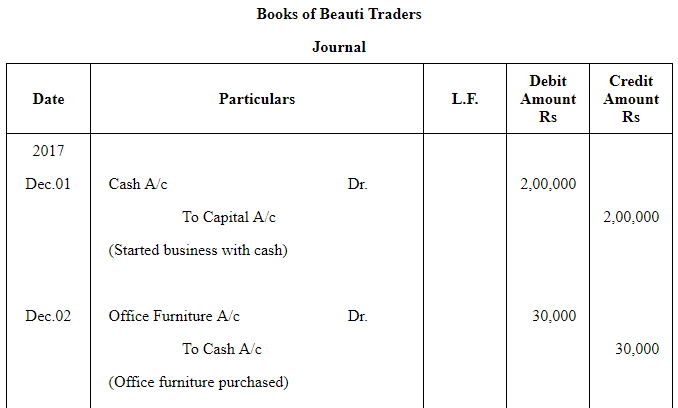
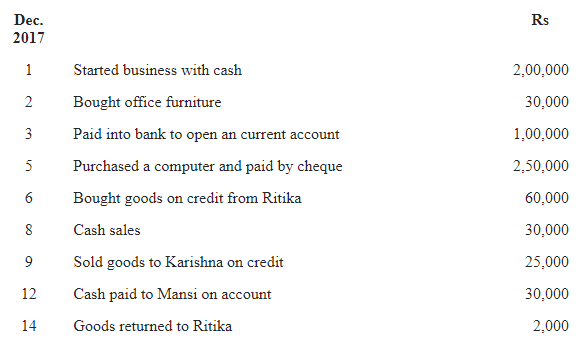
Q20 : Journalise the following transaction in the Book of M/s. Beauti tradeRs Also post them in the ledger.
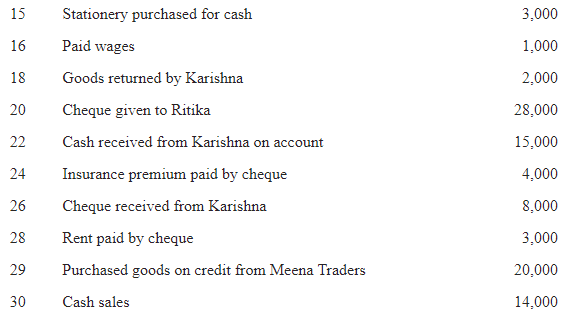
NCERT Solution (Part - 4) - Recording of Transactions-I

Answer :
NCERT Solution (Part - 4) - Recording of Transactions-I

NCERT Solution (Part - 4) - Recording of Transactions-I

NCERT Solution (Part - 4) - Recording of Transactions-I

NCERT Solution (Part - 4) - Recording of Transactions-I

NCERT Solution (Part - 4) - Recording of Transactions-I

NCERT Solution (Part - 4) - Recording of Transactions-I

NCERT Solution (Part - 4) - Recording of Transactions-I

NCERT Solution (Part - 4) - Recording of Transactions-I

NCERT Solution (Part - 4) - Recording of Transactions-I

NCERT Solution (Part - 4) - Recording of Transactions-I

NCERT Solution (Part - 4) - Recording of Transactions-I

NCERT Solution (Part - 4) - Recording of Transactions-I

NCERT Solution (Part - 4) - Recording of Transactions-I

NCERT Solution (Part - 4) - Recording of Transactions-I

NCERT Solution (Part - 4) - Recording of Transactions-I

NCERT Solution (Part - 4) - Recording of Transactions-I

NCERT Solution (Part - 4) - Recording of Transactions-I

NCERT Solution (Part - 4) - Recording of Transactions-I

NCERT Solution (Part - 4) - Recording of Transactions-I

NCERT Solution (Part - 4) - Recording of Transactions-I

NCERT Solution (Part - 4) - Recording of Transactions-I

NCERT Solution (Part - 4) - Recording of Transactions-I

NCERT Solution (Part - 4) - Recording of Transactions-I


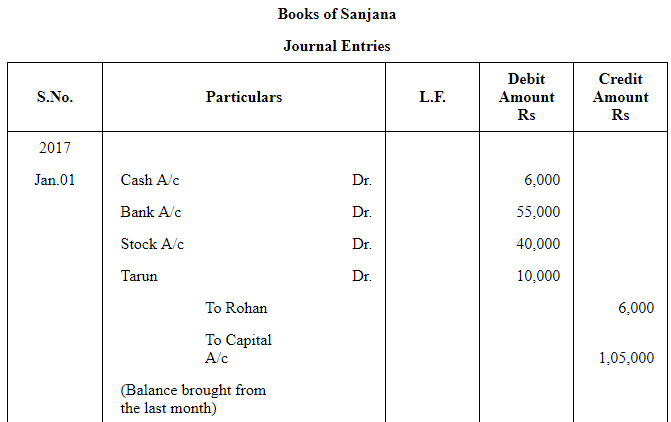
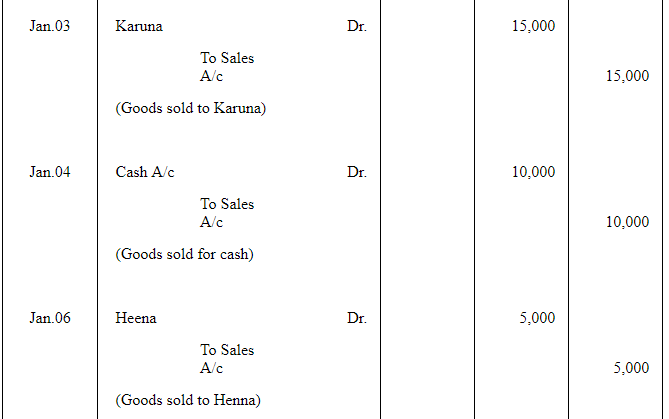
Q21 : Journalise the following transaction in the books of Sanjana and post them into the ledger:
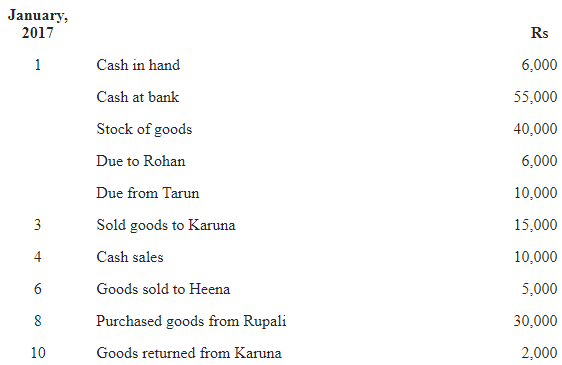
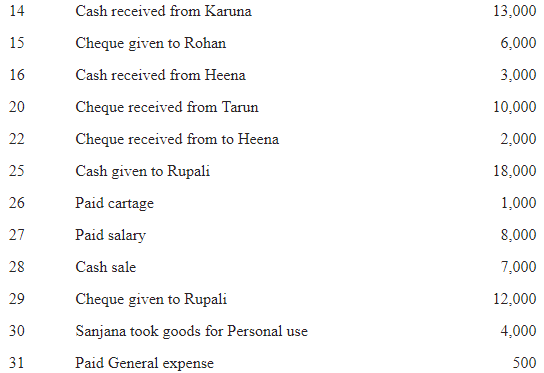
NCERT Solution (Part - 4) - Recording of Transactions-I

Answer :


NCERT Solution (Part - 4) - Recording of Transactions-I

NCERT Solution (Part - 4) - Recording of Transactions-I

NCERT Solution (Part - 4) - Recording of Transactions-I

NCERT Solution (Part - 4) - Recording of Transactions-I

NCERT Solution (Part - 4) - Recording of Transactions-I

NCERT Solution (Part - 4) - Recording of Transactions-I

NCERT Solution (Part - 4) - Recording of Transactions-I

NCERT Solution (Part - 4) - Recording of Transactions-I

NCERT Solution (Part - 4) - Recording of Transactions-I

NCERT Solution (Part - 4) - Recording of Transactions-I

NCERT Solution (Part - 4) - Recording of Transactions-I

NCERT Solution (Part - 4) - Recording of Transactions-I

NCERT Solution (Part - 4) - Recording of Transactions-I

NCERT Solution (Part - 4) - Recording of Transactions-I

NCERT Solution (Part - 4) - Recording of Transactions-I

NCERT Solution (Part - 4) - Recording of Transactions-I

NCERT Solution (Part - 4) - Recording of Transactions-I

NCERT Solution (Part - 4) - Recording of Transactions-I

Page No 97:

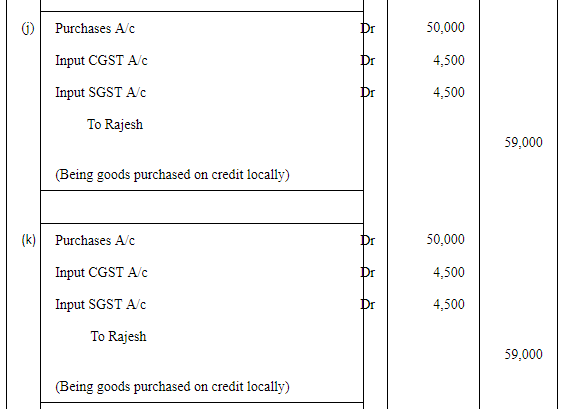
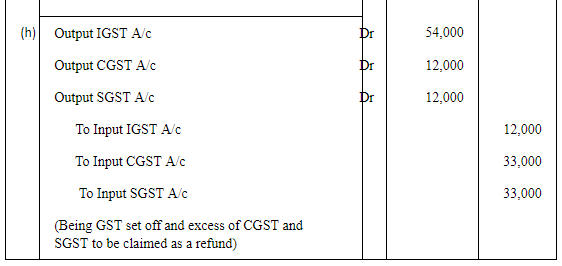
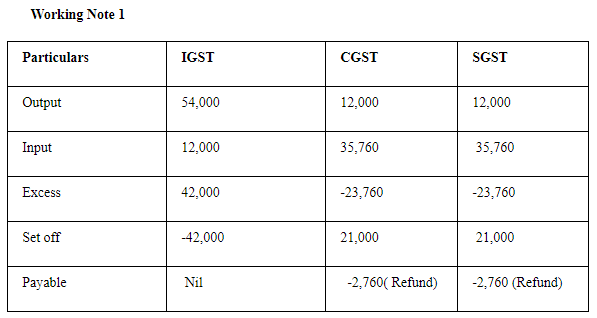
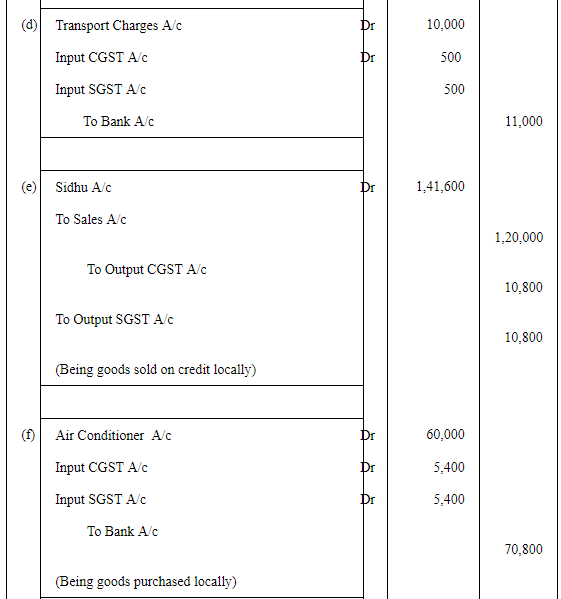
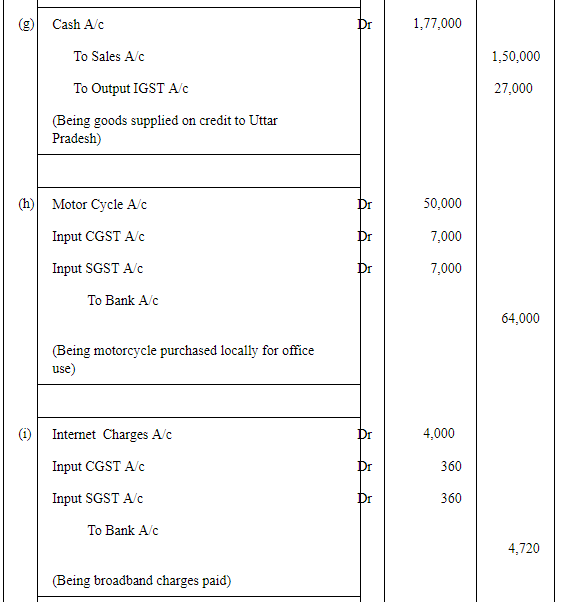
Question 22:Record journal entries for the following transactions in the books of Anudeep of Delhi:
(a) Bought goods Rs. 2,00,000 from Kanta of Delhi (CGST @ 9%, SGST @ 9%)
(b) Bought goods Rs. 1,00,000 for cash from Rajasthan (IGST @ 12%)
(c) Sold goods Rs. 1,50,000 to Sudhir of Punjab (IGST @ 18%)
(d) Paid for Railway Transport Rs. 10,000 (CGST @ 5%, SGST @ 5%)
(e) Sold goods Rs. 1,20,000 to Sidhu of Delhi (CGST @ 9%, SGST @ 9%)
(f) Bought Air-Condition for office use Rs. 60,000 (CGST @ 9%, SGST @ 9%)
(g) Sold goods Rs. 1,50,000 for cash to Sunil to Uttar Pradesh (IGST 18%)
(h) Bought Motor Cycle for business use Rs. 50,000 (CGST 14%, SGST @ 14%)
(i) Paid for Broadband services Rs. 4,000 (CGST @ 9%, SGST @ 0%)
(j) Bought goods Rs. 50,000 from Rajesh, Delhi (CGST @ 9%, SGST @ 9%)
ANSWER:
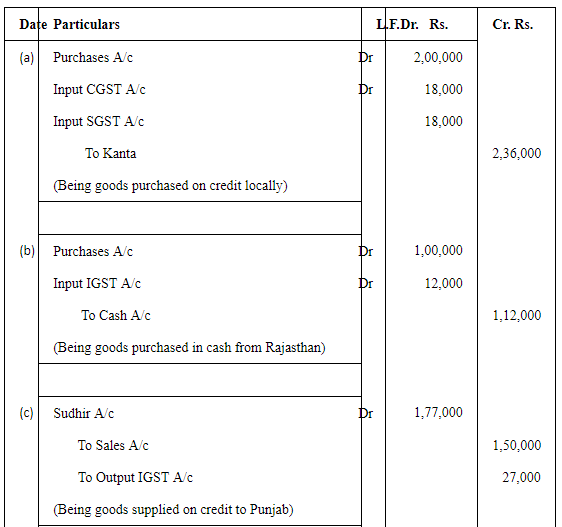
NCERT Solution (Part - 4) - Recording of Transactions-I

NCERT Solution (Part - 4) - Recording of Transactions-I

NCERT Solution (Part - 4) - Recording of Transactions-I

NCERT Solution (Part - 4) - Recording of Transactions-I

The document NCERT Solution (Part - 4) - Recording of Transactions-I is a part of the SSC CGL Course SSC CGL Tier 2 - Study Material, Online Tests, Previous Year.
All you need of SSC CGL at this link: SSC CGL

FAQs on NCERT Solution (Part - 4) - Recording of Transactions-I

1. What is the difference between debit and credit in recording transactions?
Ans. Debit represents money going out or an increase in assets and expenses, while credit represents money coming in or an increase in liabilities and revenue. In double-entry bookkeeping, every transaction has both a debit and credit side that must balance. Understanding this fundamental principle is essential for accurate transaction recording and maintaining balanced accounts.
2. How do I identify which account to debit and which to credit in a journal entry?
Ans. Use the golden rules of accounting: debit the receiver and credit the giver for personal accounts; debit what comes in and credit what goes out for real accounts; debit all expenses and losses, credit all incomes and gains for nominal accounts. Classifying accounts correctly before recording ensures proper double-entry bookkeeping and error-free ledger entries.
3. Why does every debit entry need a corresponding credit entry in transaction recording?
Ans. Double-entry bookkeeping requires equal debits and credits to maintain the accounting equation: Assets = Liabilities + Capital. This system ensures internal checks, prevents errors, and provides complete financial records. Each transaction affects two accounts simultaneously, reflecting its dual economic impact and preserving the fundamental balance of financial statements.
4. What's the correct way to record transactions in the journal before posting to the ledger?
Ans. Journal entries follow a fixed format: date, account titles with amounts in debit and credit columns, and a brief narration. Record the debited account first, then the credited account indented below. This chronological documentation creates an audit trail before ledger posting, making transaction tracking transparent and systematic throughout the accounting process.
5. How can I avoid common mistakes when classifying personal accounts, real accounts, and nominal accounts?
Ans. Personal accounts involve people or entities and always follow debit receiver, credit giver rules. Real accounts represent tangible or intangible assets-debit increases, credit decreases. Nominal accounts cover income and expenses-debit losses and expenses, credit gains and income. Referring to flashcards or mind maps on EduRev helps reinforce these distinctions and prevents classification errors during transaction recording.
Explore Courses for SSC CGL exam
Get EduRev Notes directly in your Google search
Related Searches
shortcuts and tricks, Viva Questions, NCERT Solution (Part - 4) - Recording of Transactions-I, Exam, past year papers, ppt, study material, video lectures, NCERT Solution (Part - 4) - Recording of Transactions-I, Important questions, Objective type Questions, Summary, NCERT Solution (Part - 4) - Recording of Transactions-I, Free, Semester Notes, MCQs, Previous Year Questions with Solutions, pdf , mock tests for examination, practice quizzes, Extra Questions, Sample Paper;