NCERT Solutions: Nazism and the Rise of Hitler

Q1: Describe the problems faced by the Weimar Republic.
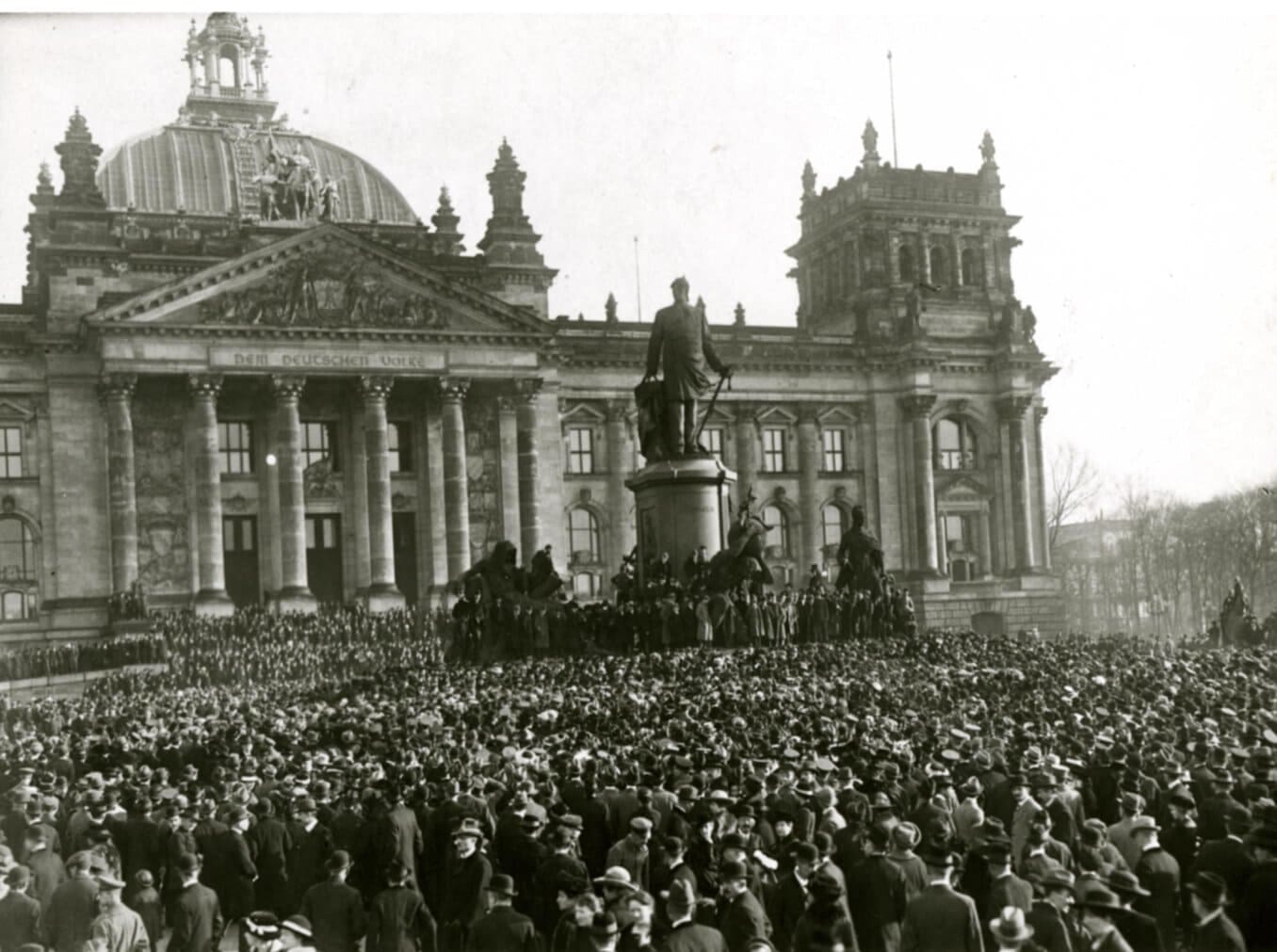
Ans: After Germany lost World War I, Emperor Wilhelm II abdicated, and the Weimar Republic was formed. The Republic faced the following problems:
- Versailles Treaty: The treaty that ended the war, took German territories, and resources, and required 6 billion pounds in reparations, making the Republic unpopular.
- Economic Crisis: War debts depleted gold reserves, causing the German mark to fall and prices to soar.
- Political Flaws: The Weimar Republic had a weak constitution with issues like proportional representation and Article 48, which allowed the President to rule by decree during emergencies. This made it hard for the Republic to handle economic crises effectively.
 Q2: Discuss why Nazism became popular in Germany by 1930.
Ans: The end of World War I brought significant changes to Germany's political landscape, and the newly formed Weimar Republic faced many challenges right from the start.
- One of the biggest problems was the Great Depression. The Weimar Republic did little to address the economic crisis, and this created an opportunity for Hitler to present himself as a saviour to the German people, who were suffering from economic hardship and political instability.
- Hitler's powerful speeches promised to build a strong nation, reverse the injustices of the Versailles Treaty, restore the dignity of the German people, and create jobs for everyone. These promises gave people hope.
- Nazi propaganda was also very effective. The use of red banners with the Swastika, the Nazi salute, and enthusiastic applause during rallies made Nazism increasingly popular among the people.
Q3: What are the peculiar features of Nazi thinking?
Ans: The Nazi thinking was synonymous with Hitler's worldview. The features of such thinking are as follows:
- Nazi ideology ranked races with Nordic Germans at the top and Jews at the bottom, while others were placed in between.
- They wanted more land (Lebensraum) for Germany, even if it meant taking it from others.
- Nazis twisted Darwin's theory to justify that only the strongest races should survive.
- They valued 'racial purity,' deeming those with disabilities and certain ethnic groups as undesirable and subject to extermination.
- They saw war as a means to prove German superiority and rejected peace as weak.
Q4: Explain why Nazi propaganda was effective in creating a hatred for Jews.
Ans: The Nazi propaganda was highly effective in creating hatred for the Jews due to the following reasons:
- The Nazis used language and media very carefully to spread their ideas. They claimed Jews were inferior and undesirable.
- They took advantage of old Christian hatred of Jews, who were blamed for killing Christ, to increase German prejudice against them.
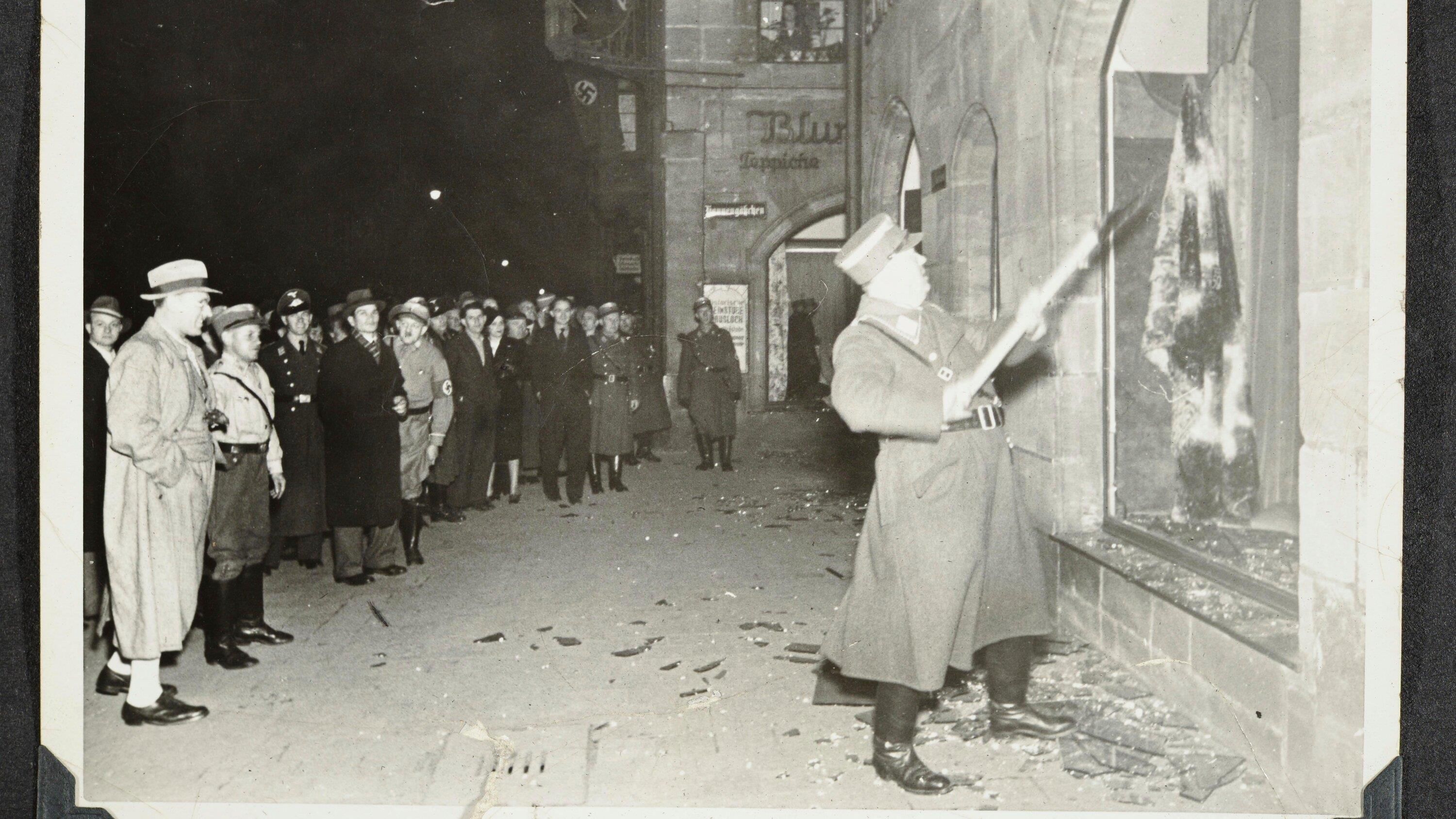
- Nazis taught children to hate Jews from a young age, firing Jewish teachers and expelling Jewish students.
- They made propaganda films, like "The Eternal Jew," to reinforce negative stereotypes and hatred of Jews.
Such kinds of propaganda made the Germans believe that the Jews were inferior to them.
Q5: Explain the role of women in Nazi society. Return to Chapter 1 on the French Revolution. Write a paragraph comparing and contrasting the role of women in the two periods.
Ans:
- In Nazi Germany, women were expected to look after the home and raise pure-blooded Aryan children. They were told to stay away from work or politics and focus on motherhood. Women who produced racially 'desirable' children were given awards like the Bronze, Silver, and Gold Crosses. Those who had relations with Jews or other 'undesirables' were punished and publicly shamed.
- In contrast, during the French Revolution, women actively fought for equal rights and freedom. They formed political clubs, demanded education, and raised their voices for equality and liberty. However, unlike the Nazis, the French revolutionary government later banned their political clubs, though women's struggle for rights continued.
Q6: In what ways did the Nazi state seek to establish total control over its people?
Ans:
- The Nazi state established total control over its people through laws, fear, and propaganda. After becoming Chancellor in 1933, Hitler used the Fire Decree to suspend civil rights like freedom of speech and press. The Enabling Act gave him full powers to rule by decree and ban all political parties except the Nazi Party.
- Special police forces like the Gestapo (secret police), SS (protection squads), and SA (storm troopers) were created to crush opposition. The media, education, and films were controlled to spread Nazi ideas and create hatred against Jews. Fear, imprisonment, and violence ensured that no one could oppose the Nazi rule.
FAQs on NCERT Solutions: Nazism and the Rise of Hitler
| 1. Why did Hitler blame Jewish people for Germany's problems after World War I? |  |
| 2. What were the main ideas of Nazism that made it different from other political movements in 1920s Germany? | |
| 3. How did the Great Depression help Hitler come to power in Germany? | |
| 4. What does the term "Lebensraum" mean and why was it important to Hitler's plans for Germany? | |
| 5. How did Hitler use propaganda and the Hitler Youth movement to control German society and build support for Nazism? | |