NCERT Solutions: Forest Society & Colonialism

Q1. Discuss how the changes in forest management in the colonial period affected the following groups of people:
(a) Shifting cultivators
(b) Nomadic and pastoralist communities
(c) Firms trading in timber/forest produce
(d) Plantation owners
(e) Kings/British officials engaged in shikar (hunting)
Ans:
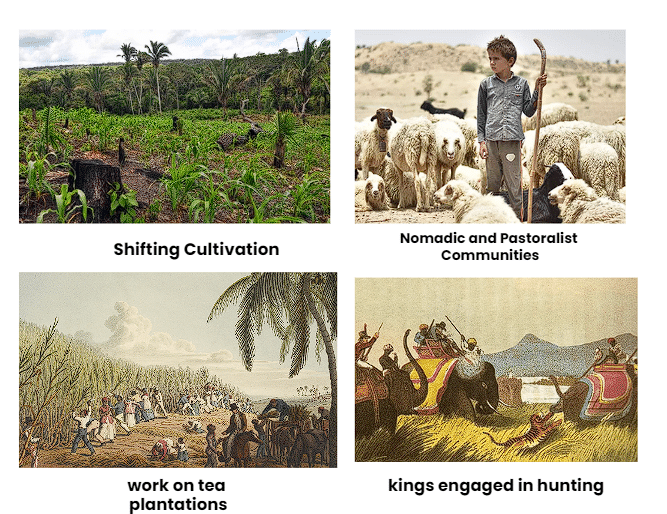
(a) Shifting Cultivators: During the colonial era, new forest regulations prohibited shifting cultivation. Indigenous communities that had relied on this traditional farming practice for generations suffered severe livelihood losses. Without land rights, the ban forced many to abandon their way of life, migrate, and seek alternative work. Numerous former shifting cultivators ended up laboring on tea plantations as a result.
(b) Nomadic and Pastoralist Communities: Nomadic and pastoral communities rely on forests for their survival. Under British rule, new forest laws stripped them of their traditional rights to graze livestock and collect natural resources. Activities like hunting or gathering forest produce-including grass, bamboo, spices, and honey-were outlawed unless approved. As a result, these forest-dependent groups lost their means of living and were even labeled "criminal tribes." Many were forced to take up labor in government-run factories, plantations, or timber mills to survive.
(c) Firms Trading in Timber/Forest Produce: In India, trade in forest products was not new. We have records that show that Adivasi communities trading in goods like hides, horns, silk cocoons, ivory, bamboo, spices, fibres, grasses, gums and traded through nomadic communities like the banjaras. After the coming of the British, trade was completely controlled by the government. The British government gave the European companies the sole right to trade in forest products.
(d) Plantation Owners: Under British rule, plantation owners acquired forest land at low costs. They hired local tribal people as workers, paying them very little. Government rules prevented these workers from returning to their villages, trapping them in the plantations. This system gave owners both cheap land and cheap labor, making their businesses highly profitable during colonial times.
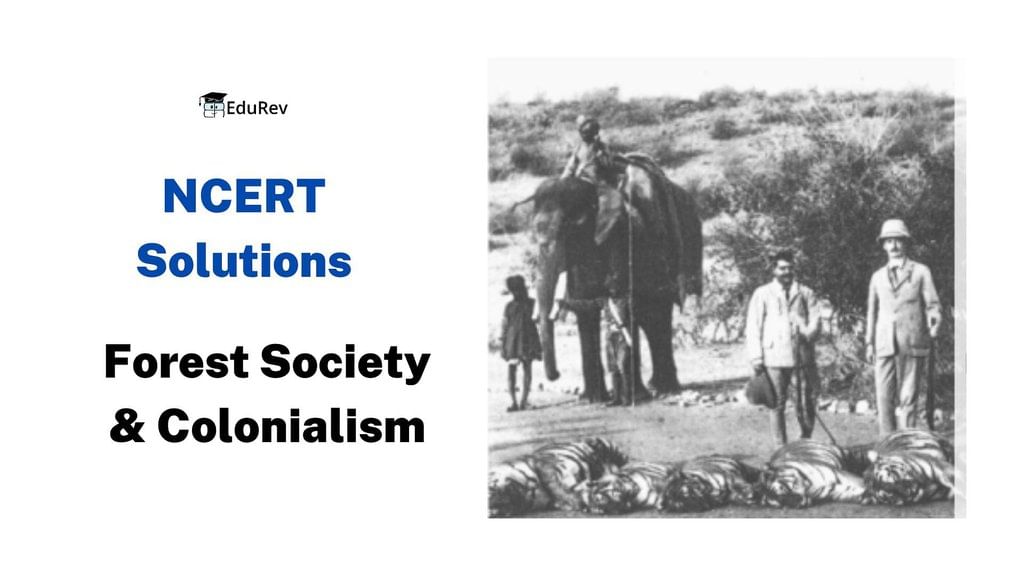
(e) Kings/British Officials Engaged in Shikar:Forest laws banned hunting of deer, partridges, and small animals. People who lived near the forests were deprived of their livelihood and food because of this ban. Contrary to this ban, hunting of big animals like the tiger, leopard and wolves became a sport for the kings and the British. The British felt that by killing dangerous animals they could civilize India. The indiscriminate hunting by the British and the kings almost made certain species of animals extinct.
Q2. What are the similarities between colonial management of the forests in Bastar and in Java?
Ans: The similarities between the colonial management of forests in Bastar and in Java include the following:
- Restriction of traditional practices: Both in Bastar and Java, the colonial government imposed restrictions on local practices such as shifting cultivation, hunting, and the collection of forest produce.
- Exploitation of the local population: In both regions, villagers faced increased rents and demands for free labour and goods by colonial officials, resulting in their suffering.
- Forced labour in forest management: In Bastar, villagers were required to work for free in the forest department, while in Java, the Dutch introduced the Blandongdiensten system, which required villagers to provide free labour and resources for cutting and transporting timber.
- Creation of forest villages: Both regions saw the establishment of forest villages, where villagers were allowed to stay in the forests but had to work for the colonial government, either directly or indirectly through systems like the Blandongdiensten in Java.
Q3. Between 1880 and 1920, forest cover in the Indian subcontinent declined by 9.7 million hectares, from 108.6 million hectares to 98.9 million hectares. Discuss the role of the following factors in this decline:
(i) Railways
(ii) Shipbuilding
(iii) Agricultural expansion
(iv) Commercial farming
(v) Tea/Coffee plantations
(vi) Adivasis and other peasant users
Ans:
(i) Railways: The expansion of the railways became a necessity as trade and transportation increased. Wood was needed as fuel to run the steam locomotives. Wood was also needed to lay railway line sleepers, which held the tracks together. So, forests were destroyed to provide the wood needed for the expansion of the railways
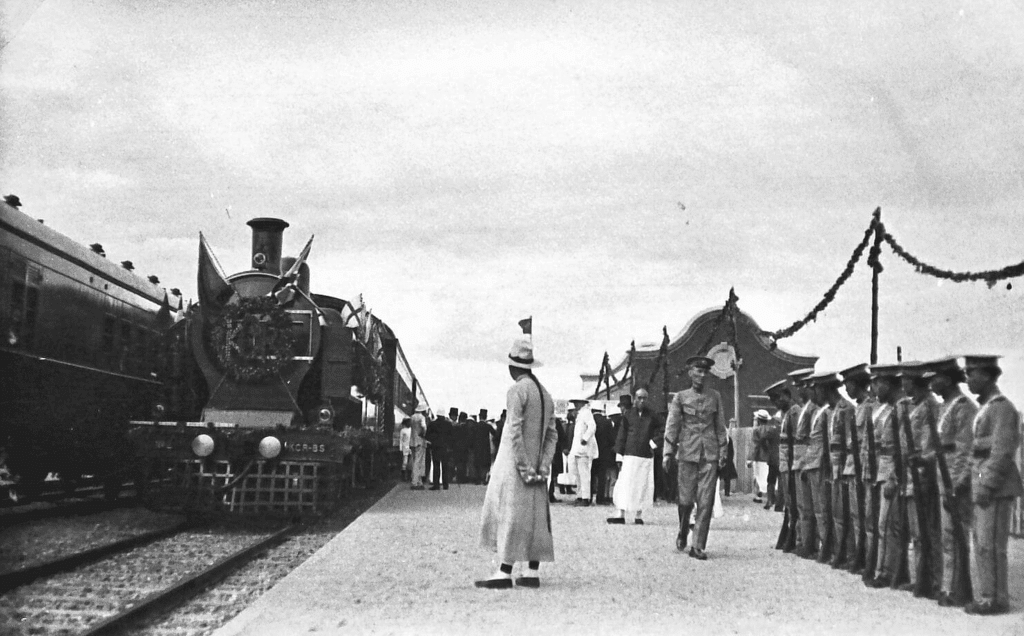 Railways during British Rule
(ii) Shipbuilding: In England, from the early 19th century, oak forests were disappearing. It created a shortage of timber for the Royal Navy. Ships could not be built without a regular supply of strong and durable timber. Ships were necessary for the protection of overseas colonies and trade. Within a decade, trees were cut on a large scale, and timber was exported from India.
 Shipbuliding
(iii) Agricultural expansion: As the population increased over the centuries, demand for food also increased. To meet the increased demand for food more land had to be cultivated. If more land had to be cultivated, forests had to be destroyed and brought under the plough. So, forests were cleared to meet agricultural expansion.
(iv) Commercial farming: The British encouraged the production of commercial crops like jute, sugar, wheat and cotton. The demand for these crops increased in 19th-century Europe, where food grains were needed for a growing population and raw materials for industries.
(v) Tea/Coffee plantations: To meet the growing needs for tea, coffee and rubber, large areas of forests were cleared for their plantation. The colonial government took over the forests and gave vast areas to European planters at cheap rates. These areas were planted with tea, coffee and rubber.
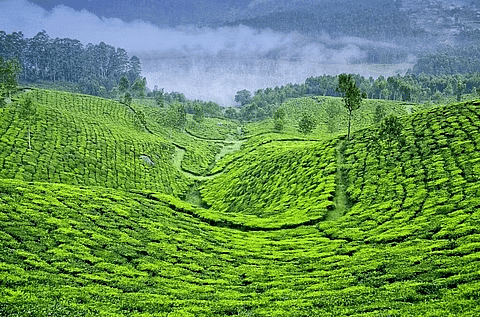 Tea/Coffee Plantations
(vi) Adivasis and other peasant users: The forest-dwelling Adivasis depended on the forests for their livelihood. They had always protected the forest lands. However, forest laws introduced by the colonial government stripped them of their rights over these lands. As a result, they had limited influence in preventing deforestation between 1880 and 1920. Meanwhile, other peasant communities seized the opportunity to expand agricultural land by clearing forests.
Q4. Why are forests affected by wars?
Ans: During wars, huge quantities of timber were cut to meet war needs. In India, working plans were abandoned, and the forest department cut trees freely for the British war industries. In Java, the Dutch followed a scorched-earth policy, burning sawmills and teak logs before the Japanese arrived. Later, the Japanese exploited the forests recklessly. As a result, large forest areas were destroyed and could not regenerate.
FAQs on NCERT Solutions: Forest Society & Colonialism
| 1. How did British colonial policies change the way forests were used in India during the 19th century? |  |
| 2. What was the Jhum cultivation system and why did colonial administrators oppose it? | |
| 3. How did the Forest Act of 1878 impact tribal and forest communities in colonial India? | |
| 4. What was the relationship between deforestation and the expansion of railways in colonial India? | |
| 5. Why did forest resistance movements emerge among tribal groups during the colonial period? | |





