NCERT Solutions: Food Security in India

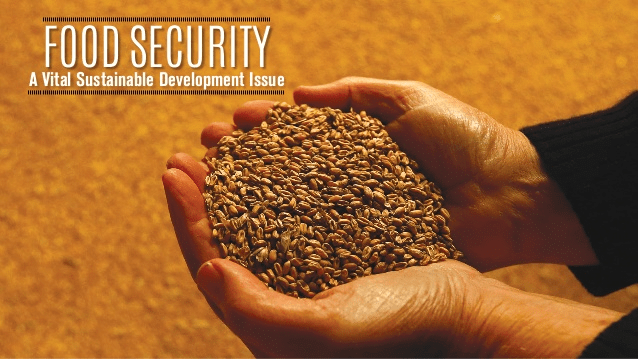
Q1. How is food security ensured in India?
Ans: Food security in India is ensured when its three main dimensions are taken care of. These dimensions are:
Availability of food - Presence of enough food for all persons.
Accessibility of food - Absence of barriers to obtaining food.
Affordability of food - The ability of all persons to buy food of acceptable quality.
Food security in India is supported by the following factors.
- Self-sufficiency of food grains - Over the last few decades India has become largely self-sufficient in food grains because farmers grow a variety of crops across different regions, increasing national production.
- Food-security system - The government maintains availability through a planned food-security system. This includes procuring food grains, maintaining a buffer stock, and distributing supplies to the poor through the public distribution system (PDS).
- Implementation of poverty-alleviation programmes - Schemes with an explicit food-security component, such as mid-day meals in schools and food-for-work programmes, help improve access to food for vulnerable groups.
- Involvement of cooperatives and NGOs - Cooperatives (for example, Mother Dairy and Amul) and many non-governmental organisations assist the government by supplying, distributing and supporting access to food and related services.
Q2. Which are the people more prone to food insecurity?
Ans: A large section of people in India face food and nutrition insecurity. The worst affected groups include:
- People in low-income occupations such as traditional crafts, small-scale services and subsistence farming, especially those without secure land ownership.
- Workers in the informal sector who have unstable jobs, low wages or seasonal employment.
- Socially disadvantaged groups such as Scheduled Castes (SCs), Scheduled Tribes (STs) and some Other Backward Classes (OBCs) who face long-standing economic disadvantages.
- People living in areas with high poverty, poor infrastructure, isolation or frequent natural calamities.
- Those especially vulnerable because of physiological needs and dependence, such as pregnant and nursing mothers, and children under five years of age.
Q3. Which states are more food insecure in India?
Ans: Economically backward states with a high incidence of poverty show greater food insecurity. These include eastern and south-eastern parts of Uttar Pradesh, Bihar, Jharkhand, Odisha, West Bengal, Chhattisgarh and parts of Madhya Pradesh and Maharashtra. These states account for a large share of the country's food-insecure population.
Q4. Do you believe that Green Revolution has made India self-sufficient in food grains? How?
Ans: The Green Revolution helped India become self-sufficient in food grains in several ways:
- Introduction of high-yielding varieties (HYVs) of seeds in the late 1960s, combined with greater use of chemical fertilisers, improved irrigation and better farm practices, raised yields of wheat and rice substantially.
- Higher crop yields reduced the need for imports and built up national availability, allowing India to meet its own food-grain requirements.
- Greater food production reduced the risk of famines and helped stabilise supplies even in difficult weather years.
- The increased and steady availability of food grains enabled the government to create and operate a robust food-security framework, including procurement and distribution systems that protect vulnerable populations.
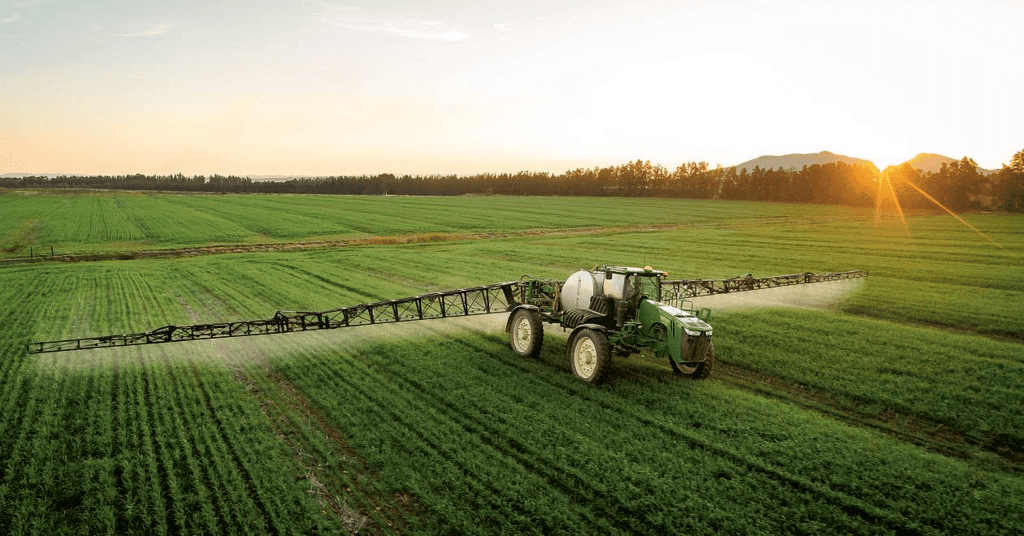 Green Revolution in India
 Q5. "A section of people in India are still without food". Explain.
Ans: Although India is self-sufficient in overall food-grain production, many people remain food insecure mainly because of poverty and failures in distribution systems:
- Landless labourers, casual urban workers, and many households among SCs and STs who live below the poverty line often cannot afford sufficient food.
- Leakages and malpractices in the Public Distribution System (PDS) - such as diversion of grains to the open market - reduce the quantity available to entitled families.
- Often the quality of grains at some ration shops is poor, which discourages use and reduces effective access.
- Widespread poverty, unemployment and unequal access to resources and services explain why some people go hungry despite overall abundance.
Q6. What happens to the supply of food when there is a disaster or a calamity?
Ans: When a disaster or calamity strikes an area, local food-grain production usually falls. This creates a shortage in the affected region and pushes up prices. Higher prices reduce the ability of many poor households to buy sufficient food. If the disaster covers a large area or continues for a long time, shortages and high prices can lead to widespread hunger and, in extreme cases, famine. A well-maintained buffer stock and prompt relief measures help reduce these impacts.
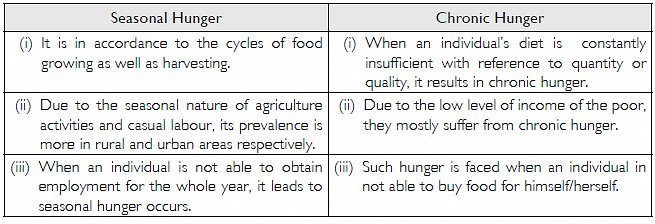
Q7. Differentiate between seasonal hunger and chronic hunger?
Ans: Seasonal hunger and chronic hunger differ in their causes, duration and effects. Key differences are:
- Seasonal hunger - Occurs at certain times of the year, often in the lean season before the harvest when work and food availability decline. It is temporary and linked to seasonal loss of income or food supply.
- Chronic hunger - Is long-term and persistent. It results from enduring poverty, low income, lack of access to food and services, leading to continuous under-nutrition and long-lasting health effects.
Q8. What has our government done to provide food security to the poor? Discuss any two schemes launched by the government?
Ans: The Government of India has launched several schemes to improve food security. Two important schemes are:
Antyodaya Anna Yojana (AAY): Launched in December 2000, this scheme targets the poorest families among the Below Poverty Line (BPL) population. Initially it covered one crore families, providing subsidised food grains (for example, very low rates for wheat and rice). The allocation per family was later raised and the number of beneficiaries increased in subsequent years to cover more households.
Annapurna Scheme (APS): Launched in 2000, this scheme targets indigent senior citizens (aged 65 and above) who are not receiving old-age pensions. It provides 10 kg of food grains per month free of cost to each eligible senior citizen to ensure basic nutrition.
Q9. Why is a buffer stock created by the government?
Ans: The government creates a buffer stock of food grains to stabilise supply and prices. The procured stock can be used to supply food to deficit areas, to distribute to the poor at prices lower than the market price, and to meet shortages during adverse weather or during calamities. A buffer stock therefore helps prevent sharp price rises and reduces the risk of shortage for vulnerable populations.
Q10. Write notes on:
(a) Minimum support price
(b) Buffer stock
(c) Issue price
(d) Fair-price shops
Ans: (a) Minimum support price - The Minimum Support Price (MSP) is the price at which the government purchases food grains from farmers. Its aims are to encourage production and to build procurement stocks. However, higher MSPs for rice and wheat have encouraged many farmers to shift land from coarse grains to these crops, which raises procurement costs for the government.
(b) Buffer stock - A buffer stock is the quantity of food grains (mainly wheat and rice) procured and held by the government, usually through the Food Corporation of India. It is used to supply food to deficit regions, to stabilise prices and to provide relief during shortages or calamities.
(c) Issue price - The issue price is the subsidised price at which the government distributes procured food grains to eligible families through the PDS. This price is set below market rates to make food affordable for poorer households.
(d) Fair-price shops - Fair-price shops (ration shops) are government-regulated outlets that distribute subsidised food items such as grains, sugar and kerosene to ration-card holders. These shops are intended to ensure that poor families can buy essential items at controlled prices.
Q11. What are the problems of the functioning of ration shops?
Ans: The main problems in the functioning of many ration shops are:
- The quantity of food grains available through ration shops is often insufficient to meet the needs of poor families, forcing them to buy extra from the market.
- Some ration shop dealers divert grains to the open market for higher profits, leading to leakages and corruption.
- The quality of grains supplied at certain ration shops is poor and therefore not used by beneficiaries.
- Many homeless or highly mobile people are unable to obtain ration cards because they lack a permanent residential address, and so they are excluded from PDS benefits.
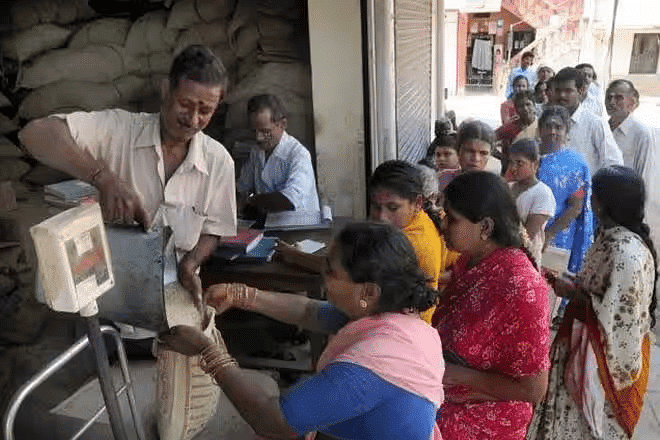 Ration Shop
 Q12. Write a note on the role of cooperatives in providing food and related items.
Ans: Role of cooperatives in food security:
- Cooperatives play a crucial supporting role alongside the government in ensuring food availability and fair distribution, especially in several southern and western states.
- In some states, a large share of fair-price shops are run by cooperatives; for example, about 94% of fair-price shops in Tamil Nadu are cooperative-run, which helps reduce leakages and improve service.
- Organisations such as Mother Dairy sell milk and vegetables at government-regulated prices, improving access to affordable perishables in cities like Delhi.
- Amul, through the White Revolution, greatly increased milk production and availability across the country, showing how cooperative organisation can improve food supplies.
- Institutes like the Academy of Development Science (ADS) support food security by establishing grain banks and training NGOs, which strengthens local and state-level food-security action.
FAQs on NCERT Solutions: Food Security in India
| 1. What exactly is food security and why does India struggle with it? |  |
| 2. How does the Public Distribution System help ensure food security in India? | |
| 3. What's the difference between chronic hunger and seasonal hunger in the Indian context? | |
| 4. Why do farmers in India sometimes destroy crops despite food insecurity concerns? | |
| 5. What role do buffer stocks and grain storage play in India's food security strategy? | |