NCERT Solutions: Minerals & Energy Resources

Q1: Multiple choice questions
(i) Which one of the following minerals are formed by the decomposition of rocks, leaving a residual mass of weathered material?
(a) coal
(b) bauxite
(c) gold
(d) zinc
Ans: (b)
Explanation: Bauxite forms from the intense weathering and decomposition of surface rocks in tropical and subtropical climates. Soluble elements are leached away, leaving behind a residual concentration of aluminium-bearing minerals called bauxite.
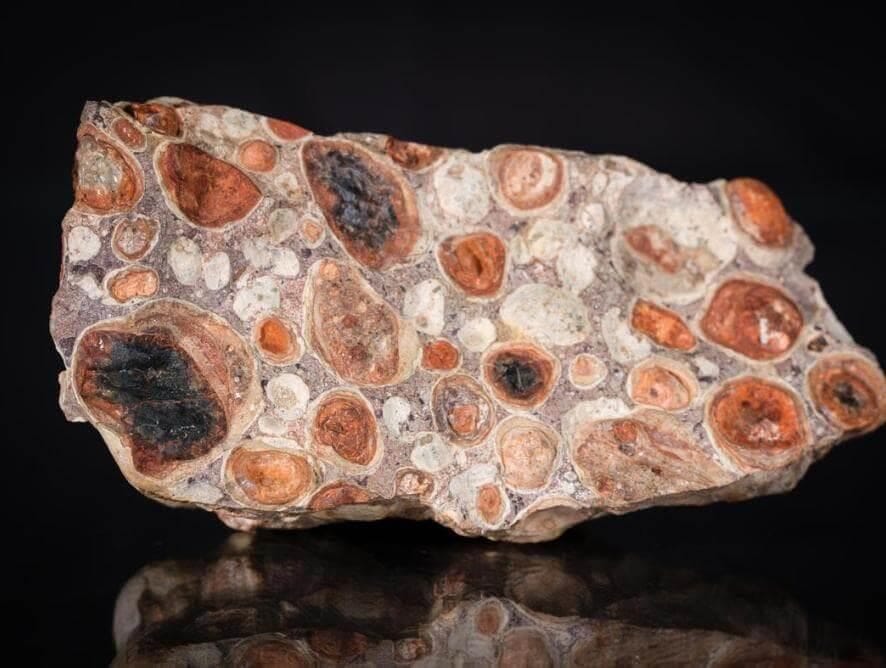 Bauxite
(ii) Koderma, in Jharkhand, is the leading producer of which one of the following minerals?
(a) Bauxite
(b) Mica
(c) Iron ore
(d) Copper
Ans: (b)
Explanation: Koderma lies in the northern Chota Nagpur plateau where large mica deposits occur. The Koderma-Gaya-Hazaribagh belt is a major mica-producing area. Mica is also found in parts of Rajasthan and Andhra Pradesh.
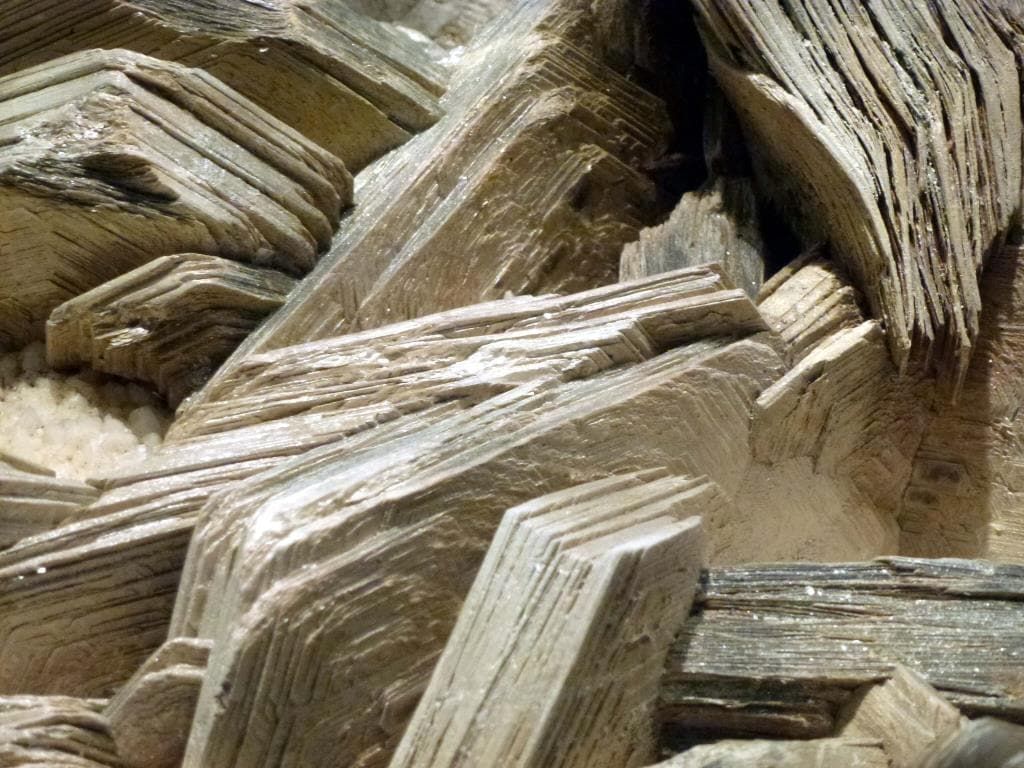 Mica
Mica(iii) Minerals are deposited and accumulated in the strata of which of the following rocks?
(a) sedimentary rocks
(b) metamorphic rocks
(c) igneous rocks
(d) none of the above
Ans: (a)
Explanation: Sedimentary rocks form by the deposition and accumulation of material in layers or strata. Minerals can be deposited and concentrated within these horizontal layers, which is why many mineral deposits are associated with sedimentary rocks.
(iv) Which one of the following minerals is contained in the Monazite sand?
(a) oil
(b) uranium
(c) thorium
(d) coal
Ans: (c)
Explanation: Monazite sand contains thorium-bearing minerals. Thorium occurs in beach sands such as those along the Kerala coast and in some other regions, and it is important as a fuel for certain types of nuclear power generation.
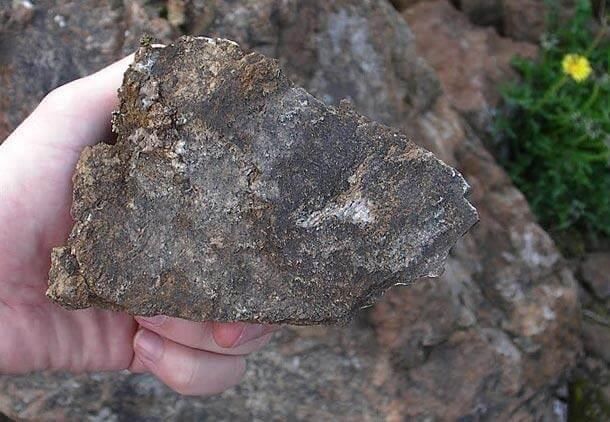 Thorium
Q2: Answer the following questions in about 30 words.
(i) Distinguish between the following in not more than 30 words.
(a) Ferrous and non-ferrous minerals
(b) Conventional and non-conventional sources of energy.
(ii) What is a mineral?
(iii) How are minerals formed in igneous and metamorphic rocks?
(iv) Why do we need to conserve mineral resources?
Ans: (i)
(a) Ferrous minerals are metallic minerals that contain iron (Fe) in appreciable amounts, for example, pyrite. Non-ferrous minerals are metallic minerals that do not contain iron, for example, gold (Au).
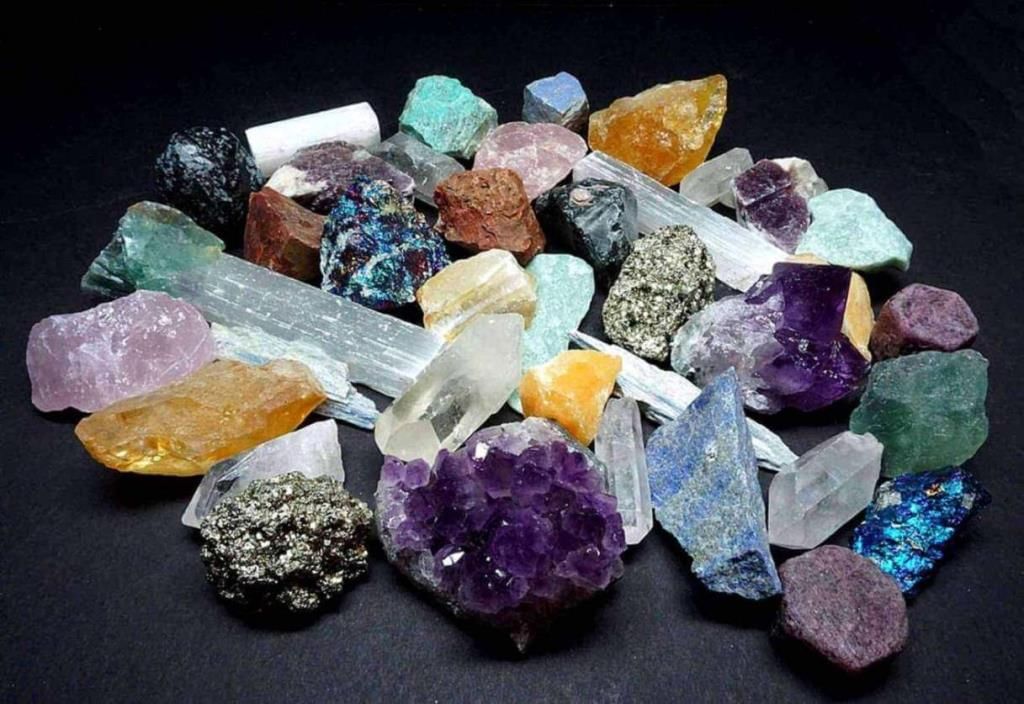 Minerals
(b) Sources of Energy:
| Conventional | Non-conventional |
| (i) They make use of non-renewable sources of energy. | They make use of renewable sources of energy. |
| (ii) They are expensive. | They are cheaper. |
| (iii) They can cause pollution; e.g., coal, petroleum, natural gas, electricity, etc. | No pollution is caused by them; e.g., the solar, wind, tidal, geothermal, biogas, etc. |
(ii) Minerals are solid, inorganic, naturally occurring substances with a definite chemical composition and a regular atomic structure. They vary in hardness and appearance, from diamond to talc.
(iii) Minerals in igneous and metamorphic rocks often form when molten or gaseous material forces its way up into cracks and cavities. As this material cools and solidifies, minerals crystallise in veins, while larger concentrations are called lodes.
(iv) We need to conserve mineral resources for these reasons:
(i) Minerals take millions of years to form and are essentially finite and non-renewable.
(ii) Continued extraction increases costs as ores are taken from greater depths.
(iii) Quality of ore generally decreases with depth, making extraction less economical over time.
Q3: Answer the following questions in about 120 words.
(a) Describe the distribution of coal in India.
Ans: Coal Distribution in India
- Coal is India's most abundant fossil fuel and is central to the country's energy and industrial needs.
- There are three main types of coal:
1. Lignite: Low-grade brown coal, mainly found in Neyveli, Tamil Nadu.
2. Bituminous: The most commonly used coal for energy and metallurgical purposes.
3. Anthracite: High-quality hard coal with high carbon content. - Coal occurs mainly in two geological groups:
1. Gondwana coal: Over 200 million years old and found chiefly in the Damodar Valley of West Bengal and Jharkhand; important coalfields here include Jharia, Raniganj and Bokaro.
2. Tertiary coal: Younger (about 55 million years) and found in parts of the north-east such as Meghalaya and Assam. - Because coal is bulky and loses weight on burning, many heavy industries and thermal power plants are located close to coalfields to reduce transport costs.
(b) Why do you think that solar energy has a bright future in India?
Ans:
- Abundant sunlight: India's tropical location gives it high solar insolation, making solar power a reliable option across much of the country.
- Rural electrification: Solar systems can provide decentralised power to villages and remote areas where grid supply is unreliable or absent.
- Environmental benefits: Solar energy reduces dependence on firewood and fossil fuels, lowering pollution and protecting forests.
- Agricultural advantages: Reduced use of dung for fuel leaves more organic manure for fields, helping to maintain soil fertility and farm productivity.
FAQs on NCERT Solutions: Minerals & Energy Resources
| 1. What are the different types of minerals? |  |
| 2. How are minerals extracted from the earth? | |
| 3. What is the significance of energy resources in our daily life? | |
| 4. What are the major sources of energy in India? | |
| 5. How do minerals and energy resources impact the economy? | |





