NCERT Solutions: Lifelines of National Economy

Q1: Multiple choice questions
(i) Which two of the following extreme locations are connected by the east-west corridor?
(a) Mumbai and Nagpur
(b) Silcher and Porbandar
(c) Mumbai and Kolkata
(d) Nagpur and Siliguri
Ans: (b) Silcher and Porbandar
Explanation: The East-West Corridor is a National Highway project that links the far east of the country with the far west. It runs from Silchar in Assam to Porbandar in Gujarat, providing a continuous road link across the breadth of India and improving long-distance road connectivity for passengers and freight.
(ii) Which mode of transportation reduces trans-shipment losses and delays?
(a) Railways
(b) Roadways
(c) Pipeline
(d) Waterways
Ans: (c) Pipeline
Explanation: Pipelines carry liquids and gases directly from source to destination without repeated loading and unloading. This continuous flow reduces handling, minimises losses and delays, and is therefore preferred for transporting oil, natural gas and similar products over long distances.
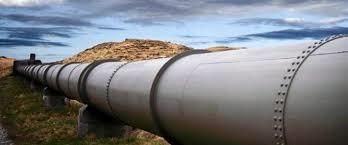 Pipeline
(iii) Which one of the following states is not connected with the H.V.J. pipeline?
(a) Madhya Pradesh
(b) Maharashtra
(c) Gujarat
(d) Uttar Pradesh
Ans: (b) Maharashtra
Explanation: The Hazira-Vijaipur-Jagdishpur (H.V.J.) pipeline runs mainly through Gujarat, Madhya Pradesh and Uttar Pradesh to transport natural gas. Maharashtra is not on the main route of this pipeline, so it is not connected to the H.V.J. system.
(iv) Which one of the following ports are the deepest land-locked and well-protected port along with the east cost?
(a) Chennai
(b) Paradwip
(c) Tuticorin
(d) Vishakhapatnam
Ans: (d) Vishakhapatnam
Explanation: Visakhapatnam (Vishakhapatnam) Port on the east coast is naturally deep and well protected by surrounding hills. Its depth and sheltered harbour make it suitable for handling large ships and heavy cargo, giving it strategic importance among east-coast ports.
(v) Which one of the following are the most important modes of transportation in India?
(a) Pipeline
(b) Railways
(c) Roadways
(d) Airways
Ans: (b) Railways
Explanation: Railways form the backbone of India's transport system for both passengers and freight. They are well suited for carrying large volumes over long distances at relatively low cost, linking production centres, markets and ports across the country.
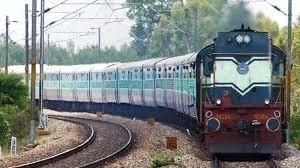 Railways
(vi) Which one of the following terms is used to describe trade between two or more countries?
(a) Internal trade
(b) International trade
(c) External trade
(d) Local trade
Ans: (b) International trade
Explanation: International trade is the buying and selling of goods, services and capital across national borders. It allows countries to access goods not produced domestically, expand markets for their producers, and benefit from comparative advantages.
Q2: Answer the following questions in about 30 words.
(i) State any three merits of roadways.
Ans: Merits of roadways:
(a) Construction costs are usually lower than for railways.
(b) Roads can be built through hilly, undulating or dissected terrain where laying rail tracks is difficult.
(c) They provide door-to-door service with low loading costs, making short-distance movement convenient.
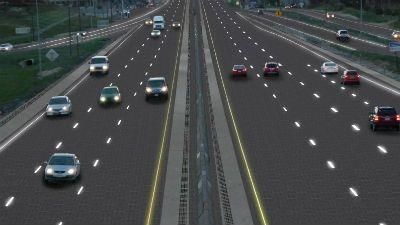 Roadways
(ii) Where and why is rail transport the most convenient means of transportation?
Ans: In the northern plains, rail transport is most convenient because the terrain is flat, population density is high and agricultural production is large. These conditions make railways efficient and profitable for moving both passengers and freight.
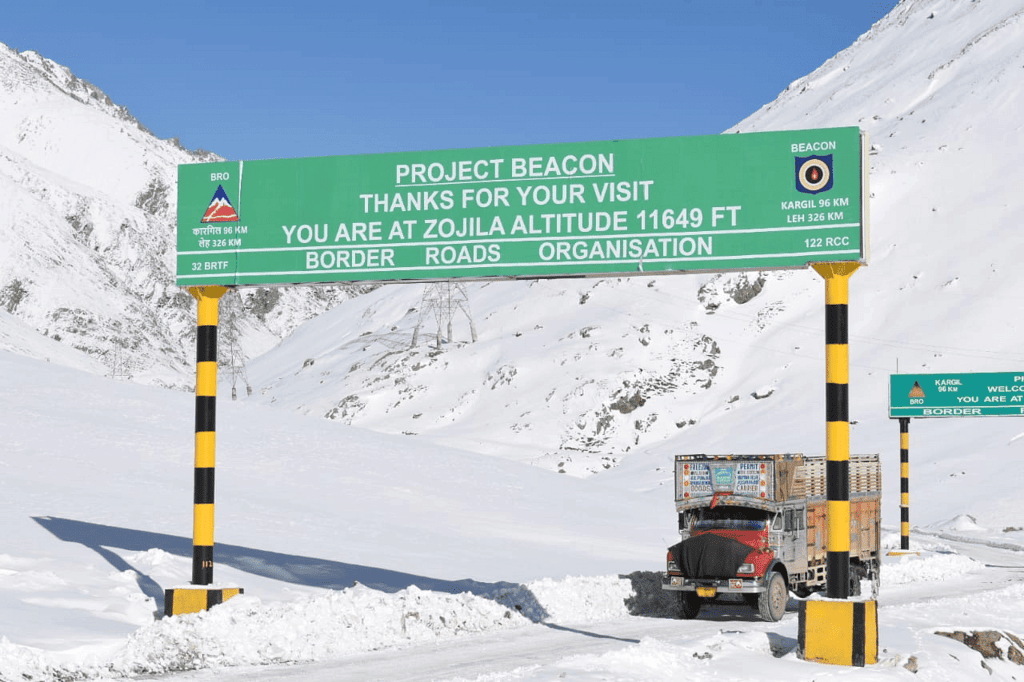
(iii) What is the significance of the border roads?
Ans: The Border Roads Organisation, set up in 1960, constructs and maintains roads in border areas, particularly in the north and northeast. Such roads improve accessibility in difficult terrain, strengthen defence movement and promote economic development in remote regions.
(iv) What is meant by trade? What is the difference between international and local trade?
Ans: Trade is the movement of goods and services for economic benefit. International trade occurs between two or more countries via sea, air or land, while local trade takes place within a country in towns, cities and villages.
Q3: Answer the following questions in about 120 words.
(i) Why are the means of transportation and communication called the lifelines of a nation and its economy?
Ans:
- Transport systems move goods and services from areas of supply to areas of demand, linking producers and consumers.
- They deliver raw materials to industries and distribute finished goods to markets, supporting industrial and agricultural development.
- Good transport brings people from different regions closer, facilitating business, sightseeing and pilgrimage.
- Efficient communication connects regions within the country and links the country with the world, promoting trade and cultural exchange.
- Improved transport and communication raise living standards by enabling market access, employment opportunities and faster delivery of services, so they are rightly called the lifelines of a nation and its economy.
(ii) Write a note on the changing nature of international trade in the last fifteen years.
Ans: Changing nature of international trade:
- Trade has shifted from being largely bilateral to becoming more open and multilateral, with freer movement of goods, services, capital and workers.
- Globalisation has allowed foreign producers to sell in other countries and has reduced many import restrictions.
- The World Trade Organization (WTO) promotes agreements that regulate both goods and services at an international level.
- There has been an increase in exports of agricultural products, minerals and manufactured goods, and a rise in imports such as petroleum.
- Information and knowledge trade-like software and services-has grown rapidly; India has become a major exporter of information technology and BPO services, earning substantial foreign exchange.
FAQs on NCERT Solutions: Lifelines of National Economy
| 1. What are the key components of the lifelines of the national economy? |  |
| 2. How does transportation contribute to the national economy? | |
| 3. What role does communication play in the lifelines of the national economy? | |
| 4. Why is trade considered a lifeline of the national economy? | |
| 5. How does the development of infrastructure impact the lifelines of the national economy? | |





