NCERT Solutions: Globalisation & the Indian Economy


Page - 57
Q1: Complete the following statement to show how the production process in the garment industry is spread across countries:
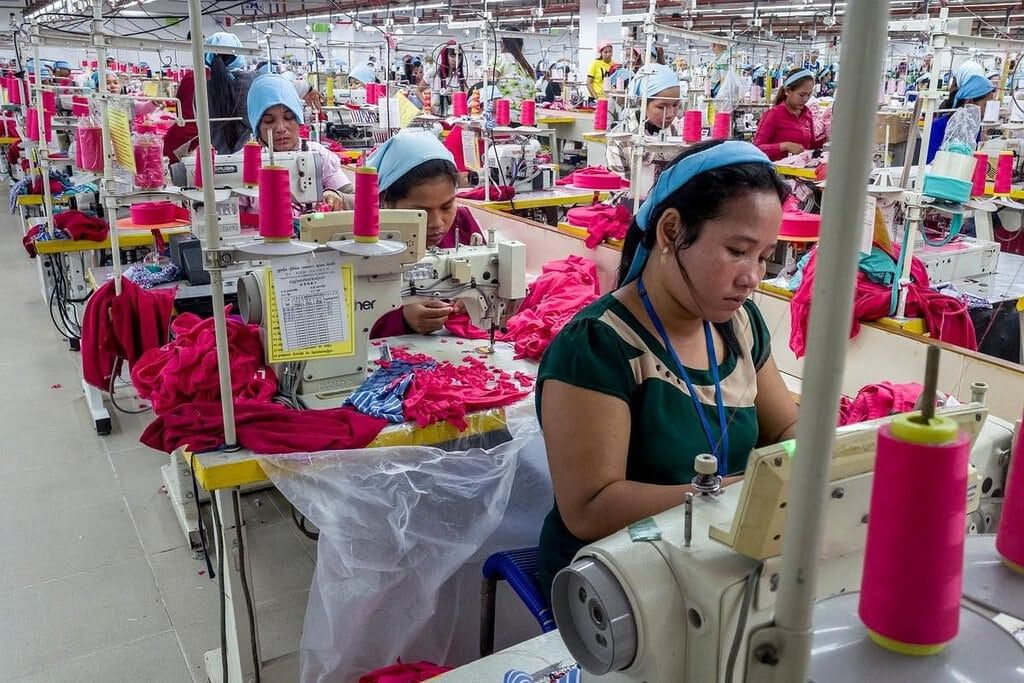
The brand tag says 'Made in Thailand' but they are not Thai products. We dissect the manufacturing process and look for the best solution at each step. We are doing it globally. In making garments, the company may, for example, get cotton fibre from Korea, ........
Ans: The tag says 'Made in Thailand,' but the products are made from parts and services sourced worldwide. For example, cotton fibre from Korea, yarn from Taiwan, cloth from Hong Kong, stitching in Thailand. This way of organising production - using the best or cheapest inputs from different countries - is called global production or a global value chain. It helps firms reduce costs, use specialised skills available in different places, and produce high-quality garments at competitive prices while each country or firm focuses on tasks it does best.
 Cotton fiber
Page - 59
Q1: Would you say Ford Motors is a MNC? Why?
Ans: Yes. A multinational corporation (MNC) is a company that operates in more than one country, with production or business facilities outside its home country. Ford Motors fits this definition because it operates in 26 countries worldwide, including India and is involved in international trade and investment. It sells cars in different markets, owns or controls production units abroad, and makes business decisions that affect several countries.
Q2: What is foreign investment? How much did Ford Motors invest in India?
Ans: Foreign investment is money put into businesses, factories or assets in one country by individuals or firms from another country. It can be used to build factories, buy shares, or establish new companies abroad.
Ford Motors invested Rs. 1,700 crore in India to set up a large production plant near Chennai in collaboration with Mahindra and Mahindra. This investment was used for building the plant, buying machinery and creating jobs locally.
Q3: By setting up their production plants in India, MNCs such as Ford Motors tap the advantage not only of the large markets that countries such as India provide, but also the lower costs of production. Explain the statement.
Ans:
- Access to large markets: By producing in India, MNCs can sell directly to a large and growing domestic market, reducing transport costs and import duties on finished goods.
- Lower production costs: India often offers cheap labour costs favorable government policies, and availability of raw materials.
- Proximity to regional markets: A plant in India can serve nearby markets (for example, China), making distribution faster and cheaper.
- Local supplier networks: Using local suppliers for parts and services cuts procurement costs and shortens delivery times.
Q4: Why do you think the company wants to develop India as a base for manufacturing car components for its global operations? Discuss the following factors:
(a) cost of labour and other resources in India
(b) the presence of several local manufacturers who supply auto parts to Ford Motors
(c) closeness to a large number of buyers in India and China
Ans:
(a) Labour and other production costs in India are generally lower than in many developed countries. Lower wages, affordable land and utilities reduce the overall cost of making components.
(b) A well-developed network of local suppliers provides ready access to many parts and services. This lowers procurement costs, ensures faster supplies and helps Ford integrate local firms into its global supply chain.
(c) Being based in India places production close to two very large markets - India and China . This reduces transport time and cost to major buyers and allows faster response to market demand in the region.
Q5: In what ways will the production of cars by Ford Motors in India lead to interlinking of production?
Ans:
The production of cars by Ford Motors in India leads to interlinking of production in the following ways:
- Use of Components from Different Countries: Ford Motors sources many car components such as engines, electronics, tyres, and seats from different countries. These parts are assembled in India, linking production across nations.
- Participation of Local Industries: Indian companies supply parts like batteries, glass, rubber parts, and steel components. This connects small and medium Indian industries with a global manufacturer.
- Global Supply Chain: The production process is spread across multiple countries, where each country specialises in producing specific components. This creates a global network of production.
- Export and Import Linkages: Cars manufactured in India may be exported to other countries, while some high-technology parts are imported, further interlinking production internationally.
- Services and Support Activities: Apart from manufacturing, activities such as transport, advertising, banking, insurance, and IT services are also involved, linking different sectors of the economy.
Q6: In what ways is an MNC different from other companies?
Ans: An MNC differs from a purely domestic company in several ways:
- Geographic reach: An MNC operates in multiple countries through subsidiaries, branches, or affiliates.
- Decision making: Strategic decisions are taken with a global perspective, not just for one country.
- Sources of capital and technology: MNCs often have greater access to international finance, advanced technology and management practices.
- Scale and integration: They operate on a larger scale and integrate production and marketing across countries.
- Impact on local economies: MNCs can influence local employment, suppliers and policies because of their size and investment.
Q7: Nearly all major multinationals are American, Japanese or European, such as Nike, Coca-Cola, Pepsi, Honda, Nokia. Can you guess why?
Ans: Historically, many large MNCs originated in industrialised countries for reasons such as:
- Early industrialisation and capital accumulation that allowed firms to grow large.
- Advanced technology, better research and development, and managerial skills.
- Access to large home markets and colonial or trade links that helped firms expand overseas.
- Supportive business environment and strong financial institutions in those countries.
These strengths made it easier for firms from the United States, Japan and Europe to become global leaders.
 Multinational Company
Page - 61
Q1: What was the main channel connecting countries in the past? How is it different now?
Ans: In the past, countries were mainly connected through foreign trade. These relied on ships, caravans and long, slow journeys, so trade and communication were much slower.
Today, countries are connected by MNCs, foreign trade and investment , sea , land ,air transport, container shipping, fast road and rail links, and digital networks such as the internet. Advances in communication, transport technologies and logistics have made trade faster, cheaper and more frequent, and have allowed services and information to move quickly across borders.
Q2: Distinguish between foreign trade and foreign investment.
Ans:
- Foreign trade: The exchange of goods and services across international borders. Example: a company in India exporting textiles to Europe or importing machinery from Germany.
- Foreign investment: When individuals or firms from one country invest money in business assets or enterprises in another country.
Examples include building a factory abroad, buying shares in a foreign company, or establishing a joint venture.
Q3: In recent years China has been importing steel from India. Explain how the import of steel by China will affect:
(a) steel companies in China.
(b) steel companies in India.
(c) industries buying steel for production of other industrial goods in China.
Ans:
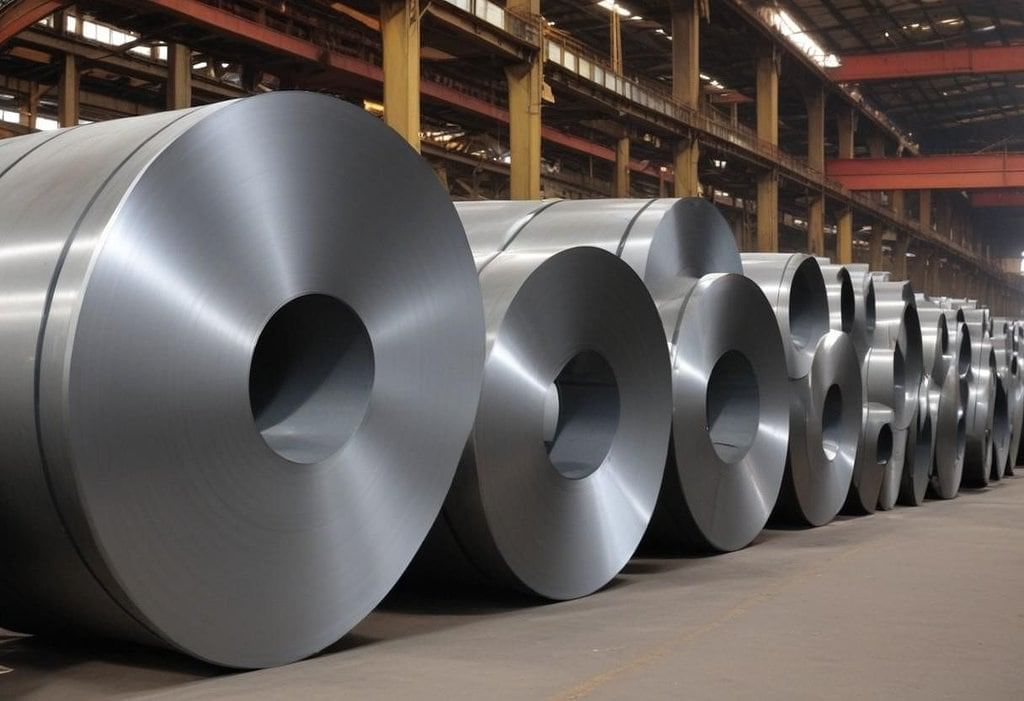
(a) Steel companies in China may face greater competition from Indian imports. This can lead to pressure on domestic prices and profit margins. Some Chinese firms may reduce production, improve efficiency, specialise in higher value products, or merge to remain competitive.
(b) Steel companies in India benefit because they gain new export markets. Increased demand from China can raise production, improve capacity utilisation and profits, and encourage investment to expand or modernise plants.
(c) Industries in China that buy steel - such as construction, machinery or automobile industries - may get cheaper steel supplies. Lower input costs can reduce their production costs, improve competitiveness and possibly lower prices for consumers. However, reliance on imports may also affect domestic steel suppliers and supply security.
Q4: How will the import of steel from India into the Chinese markets lead to integration of markets for steel in the two countries? Explain.
Ans: The import of steel from India links the two countries markets in several ways:
- Price signals: Indian export prices influence Chinese market prices and vice versa, leading to more similar price levels across the two markets.
- Supply chains: Indian producers become part of the supply chain for Chinese manufacturers, creating ongoing trade relations.
- Quality and standards alignment: Indian producers may adapt to Chinese quality requirements, leading to common standards.
- Information flow: Buyers and sellers in both countries share market information, which makes the markets more connected and responsive.
Over time these links make the steel markets in India and China more interdependent.
 Steel
SteelPage - 62
Q1: What is the role of MNCs in the globalization process?
Ans: Multinational corporations (MNCs) help drive globalisation by:
- Facilitating the movement of goods, services, technology, and capital across borders.
- Creating jobs and transferring managerial and technical skills to host countries.
- Introducing advanced technologies and production methods that increase productivity.
- Building global supply networks that integrate production stages across countries.
Q2: What are the various ways in which countries can be linked?
Ans: Countries can be linked through:
- Trade linkages: Exchanging goods and services through imports and exports.
- Financial linkages: Investments, loans, and financial flows between countries.
- Technological linkages: Sharing and adopting technologies, research, and development.
- Cultural linkages: Exchange of ideas, media, food, language and lifestyle.
- Political linkages: Diplomatic relations, treaties and participation in international organisations.
- Through Multinational Companies (MNCs): MNCs operate in more than one country. They link countries by sourcing raw materials, producing goods, and selling products across national boundaries.
Q3: Choose the correct option.
Globalization, by connecting countries, shall result in
(a) lesser competition among producers.
(b) greater competition among producers.
(c) no change in competition among producers.
Ans: (b)
Explanation: Globalisation opens markets to foreign firms and products. Producers must now compete not only with local firms but also with international ones, which increases competition. This typically forces firms to improve quality, lower costs, or specialise to survive in the larger market.
Page - 64
Q1: What do you understand by liberalisation of foreign trade?
Ans: Liberalisation of foreign trade means reducing or removing restrictions such as high tariffs, import quotas and complex licensing so that goods and services can move more freely across countries. The aim is to increase trade, encourage competition and improve efficiency in the economy.
Q2: Tax on imports is one type of trade barrier. The government could also place a limit on the number of goods that can be imported. This is known as quotas. Can you explain, using the example of Chinese toys, how quotas can be used as trade barriers? Do you think this should be used? Discuss.
Ans: Quotas limit imports to protect domestic producers from cheap foreign goods like Chinese toys. This helps protect domestic toy makers from being overwhelmed by cheap imports. However, quotas raise prices for consumers and reduce choice. Whether quotas should be used depends on goals: they may be justified temporarily to protect emerging domestic industries, but long-term use can reduce efficiency and harm consumers. A better approach can be to improve domestic competitiveness through support for technology, skills and infrastructure while gradually opening markets.
Page - 66
Q1: Fill in the blanks.
WTO was started at the initiative of developed countries. The aim of the WTO is to facilitate international trade and resolve trade disputes. WTO establishes rules regarding trade tariffs, quotas, and trade-related policies for all countries, and sees that member countries follow these rules and engage in fair trade practices. In practice, trade between countries is not always fair due to varying levels of protectionism and subsidies. Developing countries like India have been pressured to liberalize their economies, whereas developed countries, in many cases, have continued to provide protection to their producers.
Q2: What do you think can be done so that trade between countries is more fair?
Ans: To make trade fairer, countries should agree on and implement clear rules that prevent unfair practices such as excessive subsidies, dumping and discriminatory tariffs. Strengthening international institutions (like the WTO) to enforce rules, offering technical assistance to developing countries, and phasing in reforms to allow industries time to adjust can make trade fairer for all.
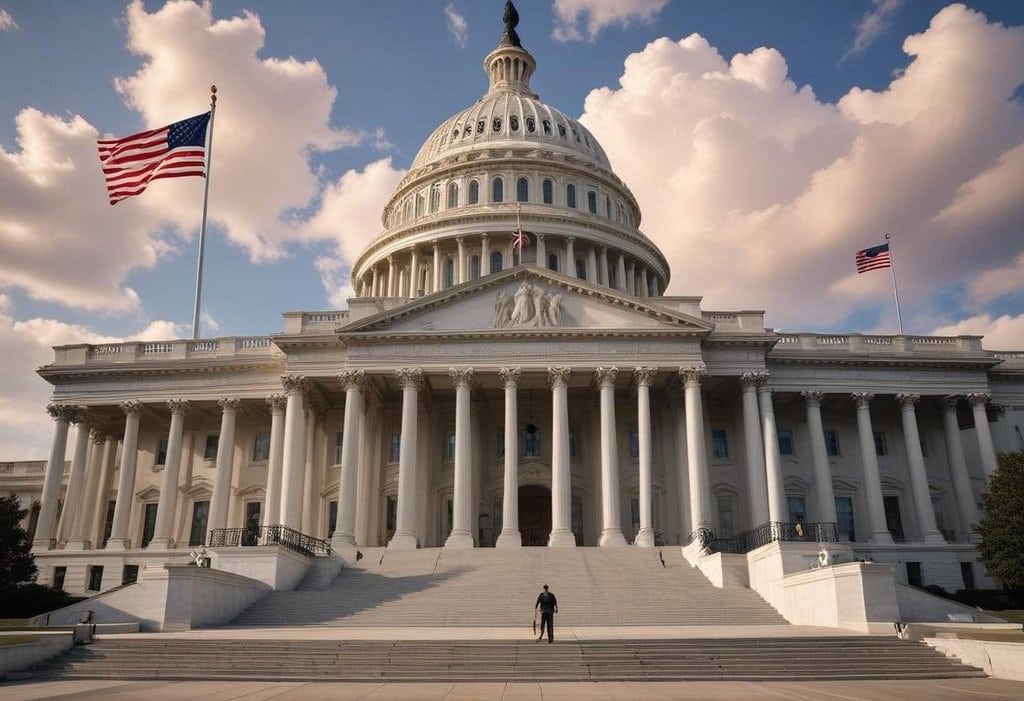
Q3: In the above example, we saw that the US government gives massive sums of money to farmers for production. At times, governments also give support to promote production of certain types of goods, such as those which are environmentally friendly. Discuss whether these are fair or not.
Ans: Subsidies that distort world markets (for example, large farm payments) are generally seen as unfair because they allow producers to sell at artificially low prices, harming producers in other countries. However, subsidies aimed at public goods - such as support for environmentally friendly production - can be justified if they correct market failures or promote global benefits like lower pollution. International rules and careful design of subsidies can help balance fairness with policy goals such as sustainability.
 US Government
Page - 67
Q1: How has competition benefited people in India?
Ans: Competition has benefited people in India by:
- Encouraging firms to improve quality and lower prices, which helps consumers.
- Increasing variety and availability of goods and services.
- Stimulating innovation and better production methods.
- Creating jobs and opportunities where firms expand or modernise.
Q2: Should more Indian companies emerge as MNCs? How would it benefit the people in the country?
Ans: Yes. When Indian companies grow into MNCs they can:
- Bring back higher profits and foreign exchange to India.
- Create jobs at home and abroad through expansion.
- Transfer technology and management skills to the domestic economy.
- Enhance India's presence and influence in global markets.
- MNCs can also contribute to the economy through foreign exchange earnings and infrastructure development.
Q3: Why do governments try to attract more foreign investment?
Ans: Governments try to attract foreign investment to boost economic growth, create jobs, and improve infrastructure. Foreign investment brings in money, technology, and management skills that can help local industries grow and become more productive. It also strengthens trade relations with other countries and increases foreign exchange reserves.
Q4: In Chapter 1, we saw what may be development for one may be destructive for others. The setting of SEZs has been opposed by some people in India. Find out who are these people and why are they opposing it.
Ans:
- Farmers oppose SEZs because they lose land and livelihood.
- Environmental activists concerned about ecological damage and loss of farmland.
- Small producers and workers who fear displacement or unfair labour practices.
These groups worry that SEZs prioritise industrial and commercial gains over social welfare and environmental protection, and that benefits may be unequally distributed.
Page - 68
Q1: What are the ways in which Ravi's small production unit was affected by rising competition?
Ans: Ravi's unit faced several problems:
- Lower sales because cheaper or better-quality imports took customers away.
- Falling profits as he had to reduce prices to compete.
- Pressure to improve quality and cut costs, which may require new investments or skills.
Q2: Should producers such as Ravi stop production because their cost of production is higher compared to producers in other countries? What do you think?
Ans: No. Instead of stopping production, small producers like Ravi should try to become more competitive by improving efficiency, upgrading technology, accessing better raw materials, improving marketing, and taking advantage of government schemes for training and credit. These steps can help them survive and grow.
Q3: Recent studies point out that small producers in India need three things to compete better in the market:
(a) better roads, power, water, raw materials, marketing and information network
(b) improvements and modernisation of technology
(c) timely availability of credit at reasonable interest rates.
Ans:
(a) Can you explain how these three things would help Indian producers?
Ans: These improvements help by lowering production and transport costs, ensuring steady supplies, improving product quality and helping firms reach more buyers. Together they raise productivity and competitiveness.
(b) Do you think MNCs will be interested in investing in these? Why?
Ans: Yes. MNCs invest where infrastructure and supply networks reduce their costs and where reliable suppliers and services exist. Good infrastructure and technology make a location more attractive for foreign investment.
(c) Do you think the government has a role in making these facilities available? Why?
Ans: Yes. The government plays a key role by investing in public infrastructure, providing incentives for modernisation, supporting training programmes and ensuring easy access to credit. These measures create a business-friendly environment that benefits small producers.
(d) Can you think of any other step that the government could take? Discuss.
Ans: The government could simplify regulations and reduce red tape, promote cluster development for small firms, support research and development, offer targeted subsidies for upgrading technology, and improve market linkages so small firms can sell directly in larger markets.
Page - 70
Q1: In what ways has competition affected workers, Indian exporters, and foreign MNCs in the garment industry?
Ans:
- Workers: Face low wages and no job security as employers seek lower costs; some may benefit from new jobs when firms expand.
- Indian exporters: Must meet international quality and price standards, which can increase exports but also requires investment in technology and skills and pressure to cut costs.
- Foreign MNCs: Streamline production, shift manufacturing to low-cost locations, and focus on efficiency and global supply chains to remain competitive.
Q2: What can be done so that workers get a fair share of globalization's benefits?
Ans:
- Government: Enforce labour laws, set and monitor minimum wages, improve social protection and ensure safe working conditions.
- Employers: Provide training, fair pay and stable contracts where possible.
- MNCs: Follow ethical labour standards in their supply chains and invest in worker training.
- Workers: Form or join trade unions, seek skill development and negotiate collectively for better terms.
Q3: One of the present debates in India is whether companies should have flexible policies for employment. Based on what you have read in the chapter, summarise the point of view of the employers and workers.
Ans: Employers favour flexible employment because it allows them to adjust labour to changing demand, lower costs and remain competitive. Workers oppose excessive flexibility because it creates job insecurity, lower incomes and fewer benefits. A balanced approach is needed that protects workers while allowing firms some flexibility to operate efficiently.
Page - 72
Q1: What do you understand by globalisation? Explain in your own words.
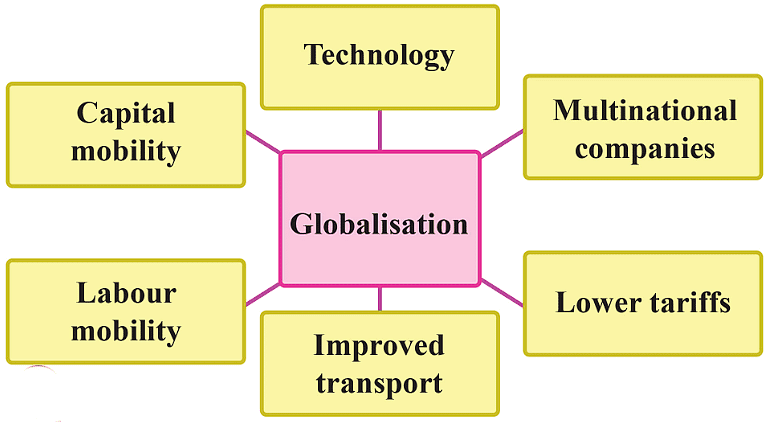
Ans: Globalisation is the increasing connection and Integration of countries through trade, foreign investment and MNCs. It means businesses and cultures interact more closely across borders, so products, information and technologies become available in many parts of the world.
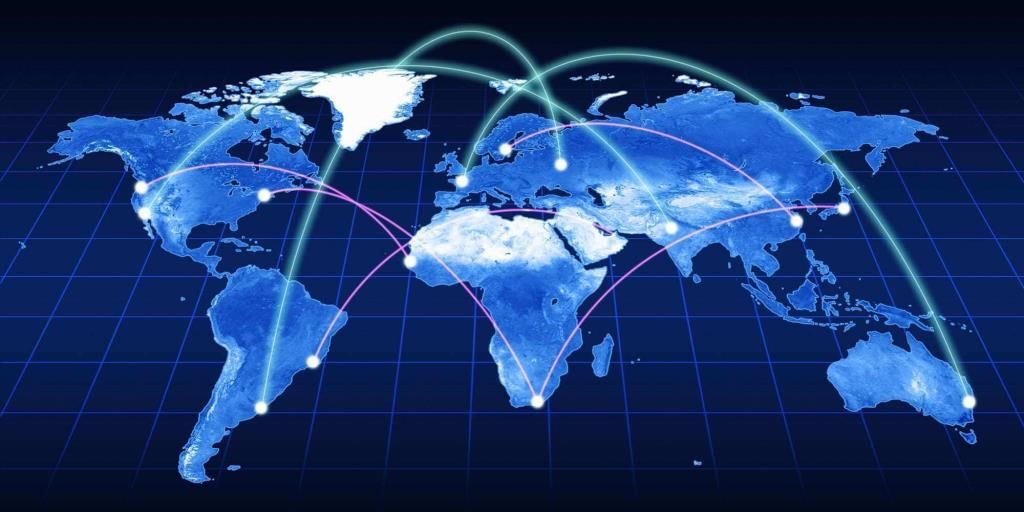
Globalisation can be seen in everyday life - for example, foreign films, music, clothes or food becoming popular locally, or electronics made from parts sourced from several countries. A smartphone you use may have been designed in one country, assembled in another and have apps from many more; this shows how globalisation links different economies and people.
Q2: What were the reasons for putting barriers to foreign trade and foreign investment by the Indian government? Why did it wish to remove these barriers?
Ans:
(A) Foreign Trade
- The government had put restrictions on many imports to protect domestic producers from foreign competition and conserve foreign exchange.
- Imports were often allowed only for essential items such as machinery, fertilisers and petroleum, helping the country acquire necessary technology and build domestic capability.
(B) Foreign Investment
- By 1991 India had built some technological capability but still restricted large foreign investment earlier to protect local industries.
- The government later wanted to remove these barriers so Indian producers could compete globally, benefit from capital, technology and managerial skills, and improve overall performance.
- Liberalisation aimed to encourage an unrestricted exchange of capital, technology and experience with other countries to boost growth.
Q3: How would flexibility in labour laws help companies?
Ans:
- Flexible hiring allows firms to employ workers for short periods when work is heavy and reduce staff when demand falls, lowering overall labour costs.
- Firms can respond quickly to market changes, negotiate wages to match productivity, and manage seasonal variations in demand.
Q4: What are the various ways in which MNCs set up, or control, production in other countries?
Ans: The factories or production units of Multinational Companies are often set up close to markets where labour and other inputs are available at low cost. After entering a country they may:
- Form joint ventures with local companies to combine local knowledge and foreign capital.
- Buy existing local companies and modernise them with new technology and management.
- Place orders with many small producers who make goods sold under the MNC's brand name worldwide.
Q5: Why do developed countries want developing countries to liberalise their trade and investment? What do you think should the developing countries demand in return?
Ans:
(a) Developed countries push for liberalisation so they can sell their goods and services more easily in developing countries and gain larger markets for their products.
(b)
- Developing countries should ask for fair trade rules in return: reduction of unfair subsidies in developed countries, removal of discriminatory trade barriers, and access to technology and markets on fair terms.
- They should seek technical assistance and time-bound arrangements to protect vulnerable sectors while they become globally competitive.
Q6: "The impact of globalisation has not been uniform." Explain this statement.
Ans:
(a) Positive impact:
- Consumers have more choice and often better quality goods at lower prices.
- Standards of living have improved for some through higher incomes and better products.
- Foreign investment has created new jobs and introduced new technologies in developing countries.
- Some firms have grown into large, internationally successful companies.
(b) Negative impact:
- Large projects and SEZs have displaced communities and affected livelihoods in some places.
- Flexible labour practices have sometimes made workers' jobs less secure and reduced benefits.
- Small producers who cannot compete with large firms or imports may be forced to close, causing unemployment.
Q7: How has the liberalisation of trade and investment policies helped the globalisation process?
Ans:
- It made it easier to import and export goods, increasing trade volumes.
- Companies can now establish factories and offices in other countries more easily, increasing foreign direct investment.
- MNC activities and investments have linked production and markets across countries, increasing economic integration.
- Overall, liberalisation has brought countries into closer economic contact, accelerating globalisation.
Q8: How does foreign trade lead to the integration of markets across countries? Explain with an example other than those given here.
Ans:
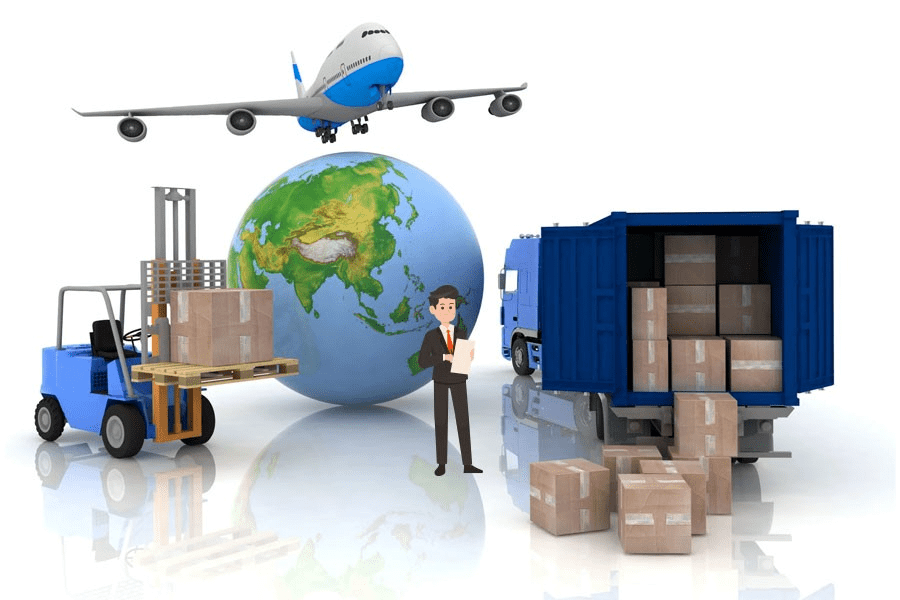
- Foreign trade allows producers to sell beyond their domestic market, reaching customers in other countries.
- Buyers can choose products from many countries, increasing competition and quality.
- Producers in different countries compete closely, which reduces price gaps and brings markets closer.
- This leads to information sharing, similar standards and common supply chains, integrating markets across countries.
Q9: Globalisation will continue in the future. Can you imagine what the world would be like twenty years from now? Give reasons for your answer.
Ans: In twenty years, globalisation may lead to:
- More efficient production and wider spread of technology, raising output and incomes in many countries.
- Greater competition and more choice for consumers, with better products at lower prices.
- Increased international cooperation in areas such as trade, environment and technology, though challenges like inequality will remain.
Reasons include continued technological progress, growing entrepreneurship in developing countries, and expanding domestic markets which encourage producers to integrate with global markets.
Q10: Supposing you find two people arguing: One is saying globalisation has hurt our country's development. The other is telling, globalisation is helping India develop. How would you respond to these organisations?
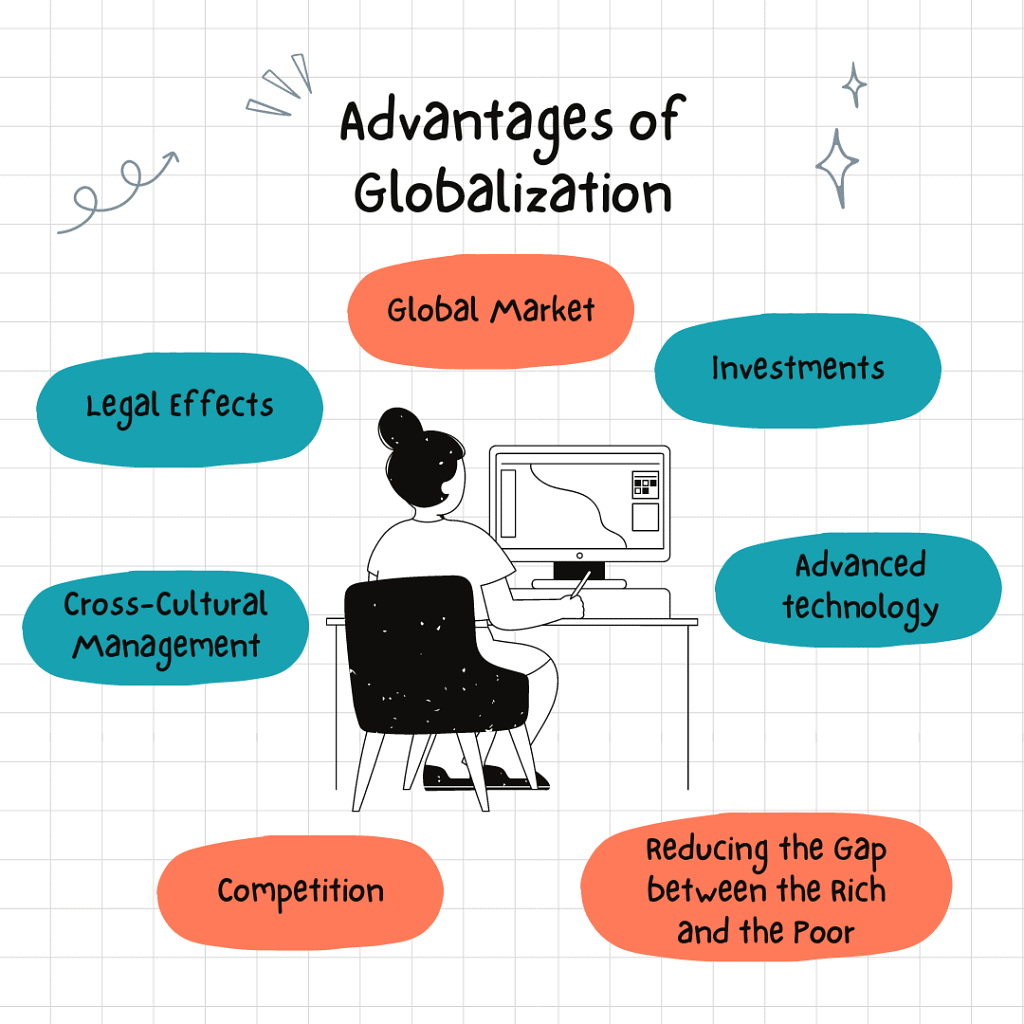
Ans: Globalisation has both benefits and costs:
Benefits:
• Increased trade and access to foreign goods and services.
• Higher quality products and better technologies.
• Inflow of foreign capital and export-led growth.
• Greater employment opportunities in new industries.
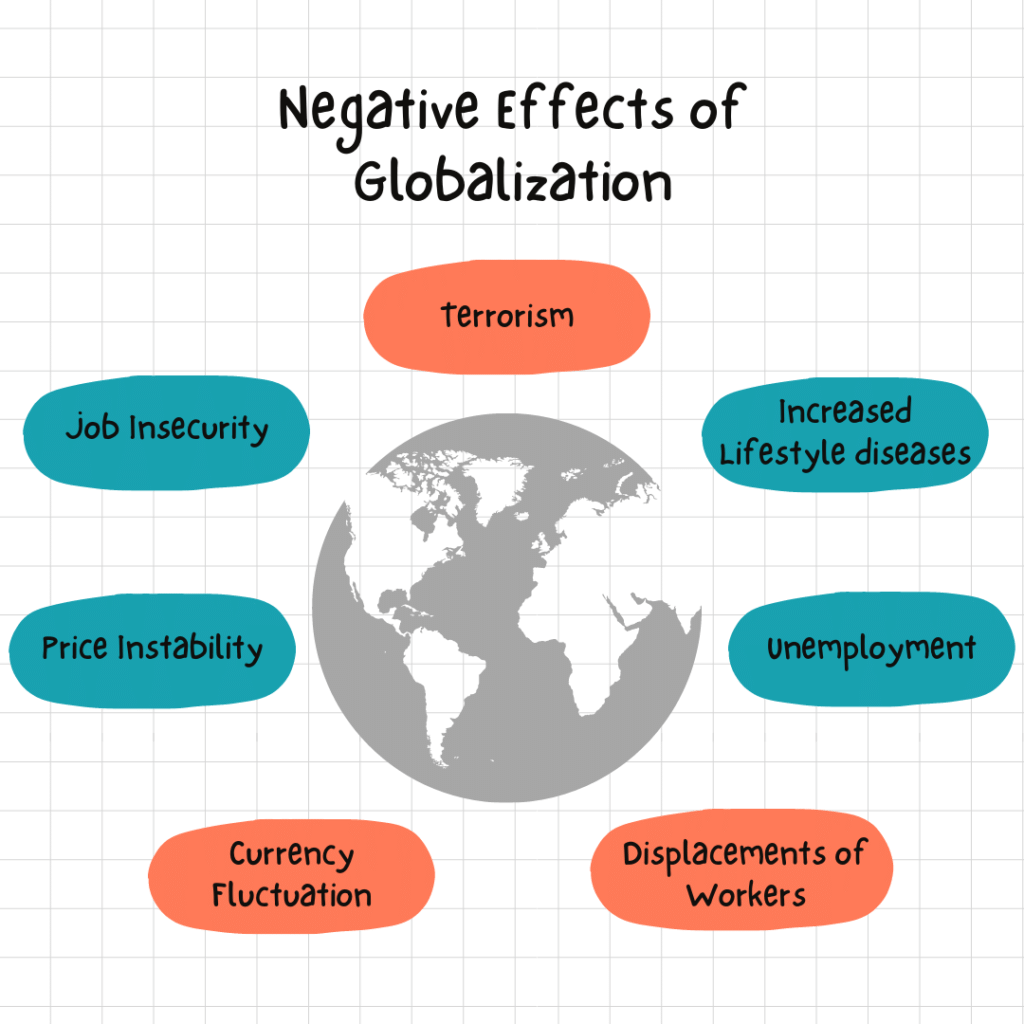
Costs / Concerns:
• Uneven benefits - not all regions or groups gain equally.
• Possible environmental damage and displacement from large projects.
• Increase in income inequality within and across countries.
So, both speakers are partly right: globalisation has helped development in many ways but also created real problems that need to be managed through good policies.
Q11: Fill in the blanks.
Indian buyers have a greater choice of goods than they did two decades back. This is closely associated with the process of ______________. Markets in India are selling goods produced in many other countries. This means there is increasing ______________ with other countries. Moreover, the rising number of brands that we see in the markets might be produced by MNCs in India. MNCs are investing in India because _____________. While consumers have more choices in the market, the effect of rising _______________ and ______________has meant greater ________________among the producers.
Ans: Indian buyers have a greater choice of goods than they did two decades back. This is closely associated with the process of globalisation. Markets in India are selling goods produced in many other countries. This means there is increasing trade with other countries.
Moreover, the rising number of brands that we see in the markets might be produced by MNCs in India. MNCs are investing in India because of cheaper production costs. While consumers have more choices in the market, the effect of rising demand and purchasing power has meant greater competition among the producers.
Q12: Match the following.
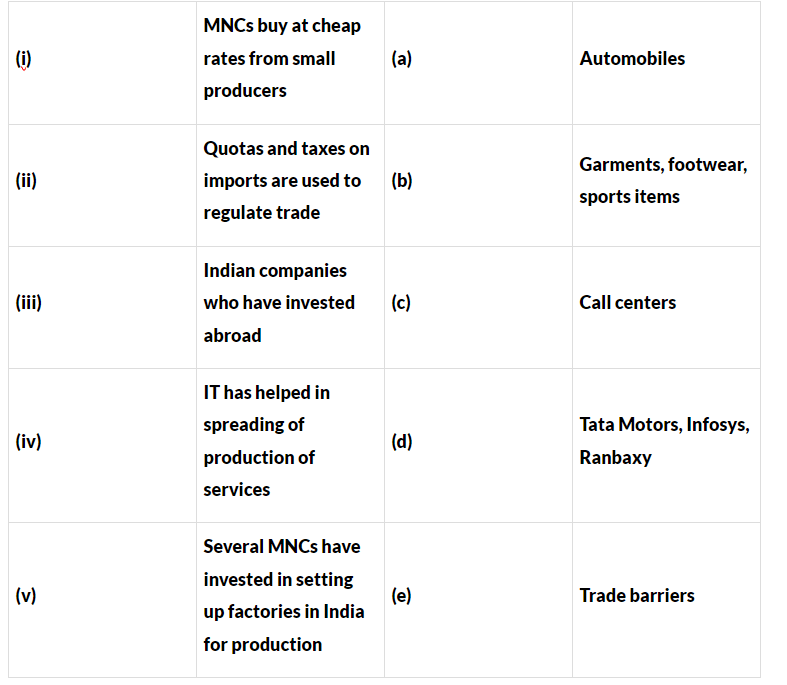
Ans:
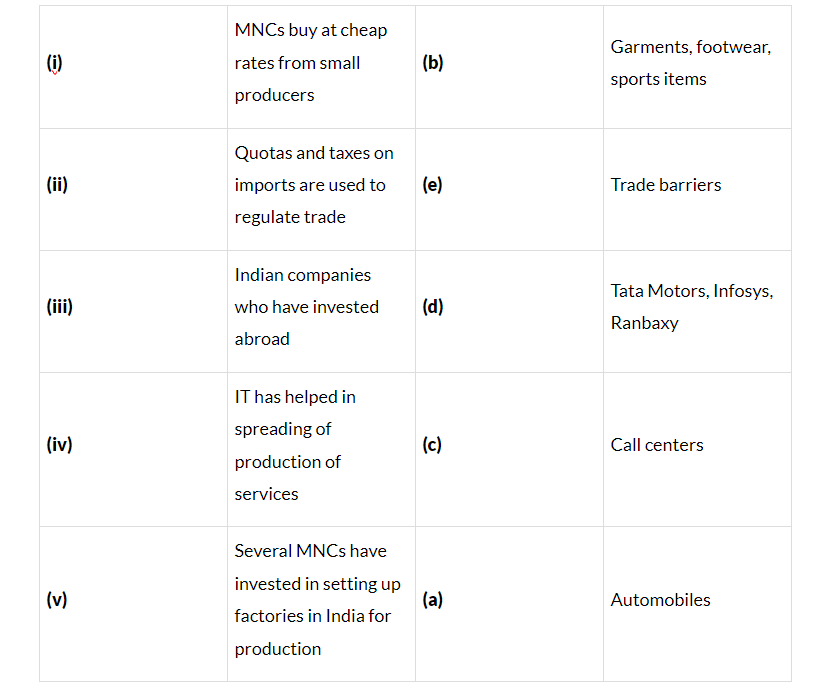
Page - 73
Q13: Choose the most appropriate option.
(i) The past two decades of globalisation has seen rapid movements in
(a) goods, services and people between countries.
(b) goods, services and investments between countries.
(c) goods, investments and people between countries.
Ans: Ans: (b)
Explanation: In recent decades, trade in goods and services has expanded greatly and foreign direct investment (investment across borders) has also increased rapidly. While people do move internationally, the largest and fastest flows in this period have been goods, services and investments.
(ii) The most common route for investments by MNCs in countries around the world is to
(a) set up new factories.
(b) buy existing local companies.
(c) form partnerships with local companies.
Ans: (ii) (b)
Explanation: Buying existing local companies is often the fastest way for an MNC to enter a new market because it gives immediate access to customers, distribution networks and local knowledge. It can be quicker and less risky than starting a completely new factory.
(iii) Globalisation has led to improvement in living conditions
(a) of all the people
(b) of people in the developed countries
(c) of workers in the developing countries
(d) none of the above
Ans: (iii) (d)
Explanation: The effects of globalisation are mixed. While some people and regions have seen improved living standards, others have not benefited or have even been disadvantaged. Therefore, it is not correct to say globalisation has uniformly improved living conditions for everyone in any single group listed; its impact varies across groups and places.
FAQs on NCERT Solutions: Globalisation & the Indian Economy
| 1. What is globalization and how does it affect the Indian economy? |  |
| 2. What are the positive impacts of globalization on India? | |
| 3. What are the negative consequences of globalization for the Indian economy? | |
| 4. How has globalization influenced employment patterns in India? | |
| 5. What role does the government play in managing globalization in the Indian economy? | |





