
Q6. What are the precious things mentioned in the story? Why are they precious?
CBSE Class 9 > Class 9 Notes > English > NCERT Solutions - The Happy Prince
NCERT Solutions - The Happy Prince
Page No. 36
Think About It
Q1. Why do the courtiers call the prince 'the Happy Prince'? Is he really happy? What does he see all around him?
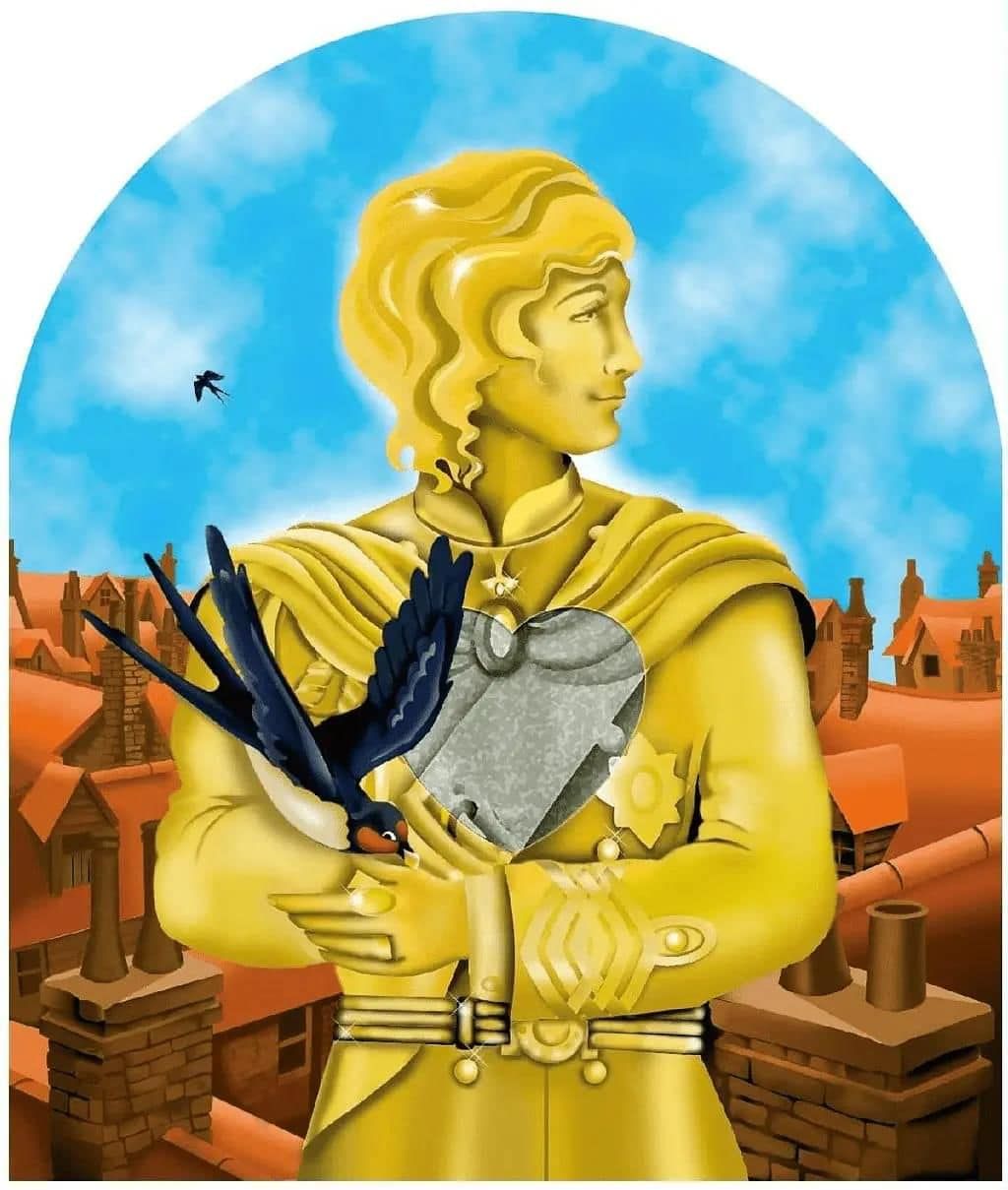 The Happy Prince
Ans: The courtiers called him the Happy Prince because, while he was alive, he always looked joyful. He had lived in a palace where sorrow was not allowed and so had never seen suffering. As a statue, however, he was able to see outside the palace and was not happy at all. He wept when he saw the suffering and poverty in the city. He noticed the misery and ugliness of his city, and his leaden heart felt deep sorrow for those who were poor, hungry or in distress. His tears ran down his gilded cheeks, showing the true sadness beneath his outward splendour.
Q2. Why does the Happy Prince send a ruby for the seamstress? What does the swallow do in the seamstress' house?
Ans: The Happy Prince sent the ruby because the seamstress was very poor and her little boy was ill with a fever; she had no money to buy food. The Prince wanted to help, so he asked the swallow to take the jewel to her. The swallow entered quietly while the seamstress slept, placed the ruby on her worktable and then hovered over the sick child. He used his wings to cool the boy's forehead and stay close until the child slept more peacefully. The arrival of the ruby meant the seamstress could sell it for money and care for her boy.
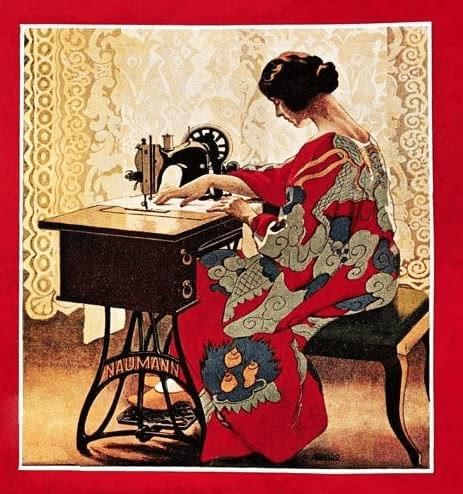 Seamstress: Person whose job involves sewing clothing
Q3. For whom does the prince send the sapphires and why?
Ans: The Prince sends his sapphires to help two needy people. One sapphire was given to a young writer who was cold and hungry and could not finish his play; after receiving the jewel he was able to sell it for food and fuel, which warmed him and encouraged him to complete his work. The other sapphire was sent to the little matchgirl who had lost all her matches in the gutter and feared punishment at home; when she received the sapphire she became joyful and ran home relieved. In both cases the Prince's gifts provided immediate relief and allowed the receivers to carry on with their lives.
Q4. What does the swallow see when it flies over the city?
Ans: As the swallow flew over the city, he saw sharp contrasts between wealth and poverty. He noticed rich people enjoying themselves in handsome houses while poor beggars sat at the gates and starving children peered from dark alleys with pale faces. He saw two boys huddled together under a bridge trying to keep warm and a watchman who chased them away. Near the cathedral he saw marble angels and heard music from a distant palace, and on a balcony a girl worried that her dress would not be ready for a state ball. The swallow also saw lanterns hanging from ships along the river. Finally he reached the poor woman's house where her sick boy lay burning with fever; there he dropped the Prince's ruby, cooled the child's forehead with his wings and watched the boy sleep more peacefully. Returning to the Happy Prince, the swallow described all he had seen, and the Prince said that doing good made him feel warm despite the cold.
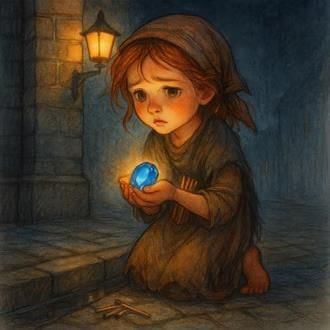 Match Girl
Q5. Why did the swallow not leave the prince and go to Egypt?
Ans: The swallow did not leave the Happy Prince and go to Egypt because he had grown deeply attached to the Prince. After the Prince gave away his sapphires, he became blind, and the swallow did not want to leave him alone. Moved by the Prince's kindness and love for the poor, the swallow chose to stay with him, keep him company, and help him, even though the cold winter eventually cost him his life.
Ans: The most precious things in the tale are the Prince's leaden heart and the dead swallow. They are precious not because of their outward appearance but because of what they represent. The leaden heart is precious for its kindness: although it was heavy and once useless, it felt pity for the suffering in the city and prompted the Prince to give away his riches to help others. The dead swallow is precious for its selflessness: the bird carried the Prince's gifts to the poor and chose to stay with him through hardship, even at the cost of its life. When an angel brought these two offerings to God, He said the swallow would sing in His garden and the Happy Prince would praise Him in the city of gold, showing that their compassion and sacrifice were of the greatest value.
The document NCERT Solutions - The Happy Prince is a part of the Class 9 Course English Class 9.
All you need of Class 9 at this link: Class 9
FAQs on NCERT Solutions - The Happy Prince
| 1. What is the central theme of "The Happy Prince"? |  |
Ans. The central theme of "The Happy Prince" is the importance of compassion and selflessness. The story illustrates how true happiness comes from helping others and making sacrifices for the well-being of those in need. The Happy Prince, despite being a statue, realizes the suffering of the poor and chooses to give away his riches to alleviate their hardships.
| 2. How does the character of the Swallow contribute to the story? | |
Ans. The Swallow plays a crucial role in "The Happy Prince" as he becomes the Prince's companion and helps him fulfill his mission of helping the needy. Initially, the Swallow is focused on his own desires, but as he interacts with the Prince, he learns about empathy and sacrifice. His decision to stay and assist the Prince reflects the theme of friendship and the impact of small acts of kindness.
| 3. What does the Happy Prince symbolize in the story? | |
Ans. The Happy Prince symbolizes the idea of true nobility and the spirit of giving. Although he appears to be a beautiful and wealthy statue, his heart is filled with sorrow for the suffering around him. His willingness to part with his precious jewels and gold leaf represents the notion that material wealth is meaningless when it cannot be used to bring joy and relief to others.
| 4. How does the story address the issue of social inequality? | |
Ans. "The Happy Prince" highlights social inequality by contrasting the opulence of the Prince's former life with the dire conditions faced by the impoverished citizens of the city. Through the Prince's observations and the stories of the suffering individuals he helps, the narrative sheds light on the disparities between the rich and the poor, urging readers to recognize and act against such injustices.
| 5. What is the significance of the ending of "The Happy Prince"? | |
Ans. The ending of "The Happy Prince" is significant as it conveys a message of hope and redemption. After the Prince and the Swallow sacrifice themselves for the sake of others, they are rewarded in the afterlife, symbolizing that acts of kindness and love are never forgotten. This conclusion reinforces the story's moral that true happiness lies in selflessness and caring for those less fortunate.
About this Document

30.4K Views

4.96/5 Rating

Apr 21, 2026 Last updated
Document Description: NCERT Solutions - The Happy Prince for Class 9 2026 is part of English Class 9 preparation. The notes and questions for NCERT Solutions - The Happy Prince have been prepared according to the Class 9 exam syllabus. Information about NCERT Solutions - The Happy Prince covers topics like and NCERT Solutions - The Happy Prince Example, for Class 9 2026 Exam. Find important definitions, questions, notes, meanings, examples, exercises and tests below for NCERT Solutions - The Happy Prince.
Introduction of NCERT Solutions - The Happy Prince in English is available as part of our English Class 9 for Class 9 & NCERT Solutions - The Happy Prince in Hindi for English Class 9 course. Download more important topics related with notes, lectures and mock test series for Class 9 Exam by signing up for free. Class 9: NCERT Solutions - The Happy Prince
Description
NCERT Solutions of English Class 9 provides all the questions of NCERT textbook with detailed solutions. Download free PDF from EduRev.
Information about NCERT Solutions - The Happy Prince
In this doc you can find the meaning of NCERT Solutions - The Happy Prince defined & explained in the simplest way possible. Besides explaining types of NCERT Solutions - The Happy Prince theory, EduRev gives you an ample number of questions to practice NCERT Solutions - The Happy Prince tests, examples and also practice Class 9 tests



Related Searches
past year papers, practice quizzes, study material, ppt, Sample Paper, shortcuts and tricks, NCERT Solutions - The Happy Prince, Free, Summary, NCERT Solutions - The Happy Prince, pdf , Extra Questions, mock tests for examination, Objective type Questions, Viva Questions, video lectures, Important questions, NCERT Solutions - The Happy Prince, MCQs, Semester Notes, Exam, Previous Year Questions with Solutions;