NCERT Solutions - A House is not a Home

Think About It
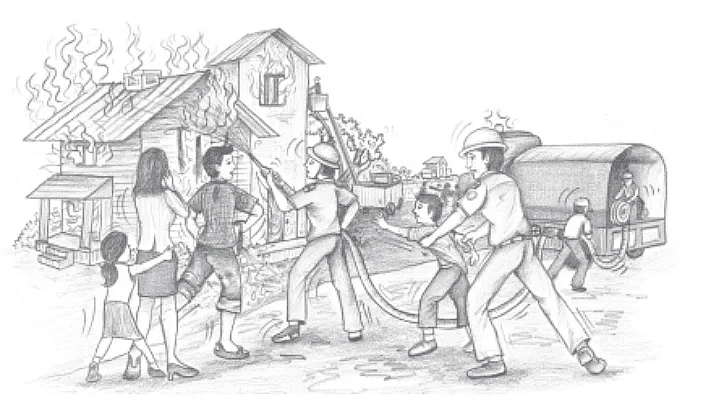
Q1. What does the author notice one Sunday afternoon? What is his mother's reaction? What does she do?Ans: One Sunday afternoon, the author noticed a strong, unfamiliar smell and saw smoke seeping through the seams of the ceiling. The smoke quickly filled the room and made it hard to see. When they went outside, they found that the roof was already ablaze and the fire was spreading fast. His mother reacted with immediate alarm; she ran back into the house and returned with a small metal box that held important papers. In a distraught state, she tried to go back again to fetch more things, especially her late husband's photographs and letters, which were her only keepsakes. Despite the author's pleas, she rushed back into the house again, while a fireman held the author back and stopped him from going inside.
Q2. Why does he break down in tears after the fire?
Ans: He broke down in tears because he suddenly understood the full extent of his loss. The house, his belongings and, most painfully, his cat were gone. The shock of the fire, the stress of being new at school and the thought of losing his cat - his last familiar comfort - all came together and overwhelmed him, causing a sudden outpouring of grief.
Q3. Why is the author deeply embarrassed the next day in school? Which words show his fear and insecurity?
Ans: The author felt deeply embarrassed at school because he still wore the clothes he had put on for church and had no shoes after losing them in the fire. He had to borrow a pair of ill-fitting tennis shoes from his aunt, and he had no books or homework because his schoolbag had been destroyed. These circumstances made him feel exposed and different from his classmates. Words and phrases that show his fear and insecurity include "outcast and geek," "like a zombie," "wanted to curl up and die," "everything felt surreal," and "all the security...had all been ripped away." These expressions reflect how helpless and isolated he felt.
Q4. The cat and the author are very fond of each other. How has this been shown in the story? Where was the cat after the fire? Who brings it back and how?
Ans: The author's deep fondness for his cat is shown by his intense grief when she disappeared and by his habit of carrying her close to him, such as when she would curl up in his pocket and sleep. After the fire, the frightened cat ran away and travelled more than a mile from the house. A kind woman found the cat and took her in. She noticed the author's telephone number on the cat's collar, but because the author's phone service had been cut off after the fire, she could not reach him by phone. Determined to reunite them, the woman made the effort to locate the author in person and returned the cat to him.
Q5. What actions of the schoolmates change the author's understanding of life and people, and comfort him emotionally? How does his loneliness vanish and how does he start participating in life?
Ans: His schoolmates showed genuine concern by collecting and bringing him supplies such as clothes, books and other necessities. Pupils he had not known well offered friendship, invited him to their homes and helped him feel included. These acts of kindness made him realise that people around him cared and that he was not alone. Their support gave him practical help and a sense of belonging, which eased his fear and sadness. Gradually his loneliness faded, he gained confidence, and he began to take part in school life again and to accept the friendship being offered to him.
Q6. What is the meaning of 'My cat was back and so was I'? Had the author gone anywhere? Why does he say that he is also back?
Ans: The phrase means that when his cat was returned to him, he also recovered his will to live and feel like himself again. The author had not physically gone anywhere; instead, he had withdrawn emotionally and felt defeated after the fire. The return of his cat, together with the kindness of his new friends and neighbours, restored his hope and sense of belonging. Seeing his house being rebuilt and having his cat and friendships restored made him feel renewed, which is why he says, "My cat was back and so was I."
FAQs on NCERT Solutions - A House is not a Home
| 1. What is the main message of "A House is not a Home" and why does it matter for Class 9 English? |  |
| 2. Who are the main characters in "A House is not a Home" and what do their actions reveal about family dynamics? | |
| 3. How should I answer short questions about "A House is not a Home" to score full marks in my CBSE exams? | |
| 4. What literary devices does the author use in "A House is not a Home" to convey the story's central theme? | |
| 5. What are common exam questions asked about "A House is not a Home" in Class 9 English assessments? | |





