NCERT Solutions - The Beggar

Think about It
Q1. Has Lushkoff become a beggar by circumstance or by choice?
Ans: Lushkoff was not a born beggar. He had sung in a Russian choir earlier but lost his place because of his drinking. Instead of seeking honest work afterwards, he began to beg and invented stories to gain help. For these reasons, he became a beggar mainly by choice.
Q2. What reasons does he give to Sergei for his telling lies?
Ans: Lushkoff tells Sergei that he lies out of necessity. He says that when he tells the plain truth, people do not feel moved to help him. Dramatic or false tales win more sympathy, so he resorts to lying as a way to get assistance, especially when he faces hunger or hopes to travel for a possible job. These untruths become a tactic to survive in his difficult situation.
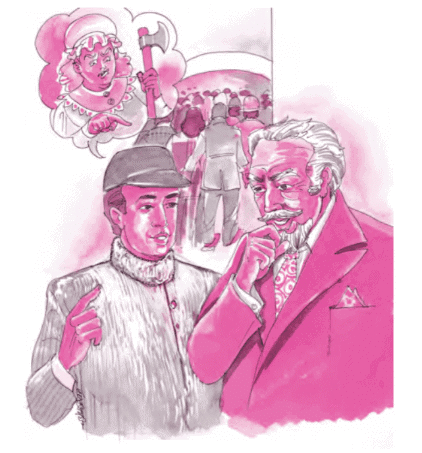
Q3. Is Lushkoff a willing worker? Why, then, does he agree to chop wood for Sergei?
Ans: No, Lushkoff is not a willing worker. He agrees to chop wood not from genuine readiness or hunger but because of shame and wounded pride. Sergei's reproach and the fear of exposure push him into action; he feels trapped by his own lies and wants to keep up appearances. At the same time, his health is weak from drinking, so he lacks real strength and desire for honest labour.
Q4. Sergei says, "I am happy that my words have taken effect." Why does he say so? Is he right in saying this?
Ans: Sergei says this because he believes his scolding and firm talk have made Lushkoff give up begging and take honest work. He is partially correct: his strictness did have an influence. However, he is not entirely right, for the bigger and lasting change in Lushkoff's life came from Olga's kindness and compassion, which moved Lushkoff to reform.
Q5. Lushkoff is earning thirty-five roubles a month. How is he obliged to Sergei for this?
Ans: Lushkoff is obliged to Sergei because Sergei forced him to take up honest work, gave him employment initially, and later helped him obtain a respectable position by writing a letter of recommendation. That support enabled Lushkoff to stop begging, reform his life and earn thirty-five roubles a month as a notary.
Q6. During their conversation, Lushkoff reveals that Sergei's cook, Olga, is responsible for the positive change in him. How has Olga saved Lushkoff?
Ans: Olga saved Lushkoff through her kindness, sympathy, and selfless actions. She quietly did the work he was meant to do, she reproved him with concern and even wept for his condition. Her sympathy, kindness and selfless behaviour touched him deeply and set an example. It was her care and moral example, rather than punishment, that ultimately inspired Lushkoff to give up drinking and change his life.
Glossary:
- Intrigues: Secret plans or schemes; fascinating situations.
- Calumny: False accusations to damage reputation; slander.
- Deliberate: Intentional; to think carefully.
- Destitution: Extreme poverty; lack of essentials.
- Alcoholism: Alcohol addiction.
FAQs on NCERT Solutions - The Beggar
| 1. Who is the beggar in the story and what is his real identity? |  |
| 2. What is the relationship between Sergei and the beggar in The Beggar story? | |
| 3. Why does Lushkoff initially refuse Sergei's offer of work? | |
| 4. How does Lushkoff's character change by the end of The Beggar NCERT story? | |
| 5. What is the main moral lesson in The Beggar by Chekhov for Class 9 students? | |





