NCERT Solution - Lost Spring

Think As You Read
Q1: What is Saheb looking for in the garbage dumps? Where is he and where has he come from?
Ans: Saheb is looking for coins and rupee note in the garbage dumps. Sometimes he finds a rupee, even a ten rupee note or a silver coin. There is always hope of finding more. He is in Seemapuri. Saheb has come from Bangladesh. He came with his mother in 1971. His house was set amidst the green fields of Dhaka. Storms swept away their fields and homes. So they left it.
Q2: What explanations does the author offer for the children not wearing footwear?
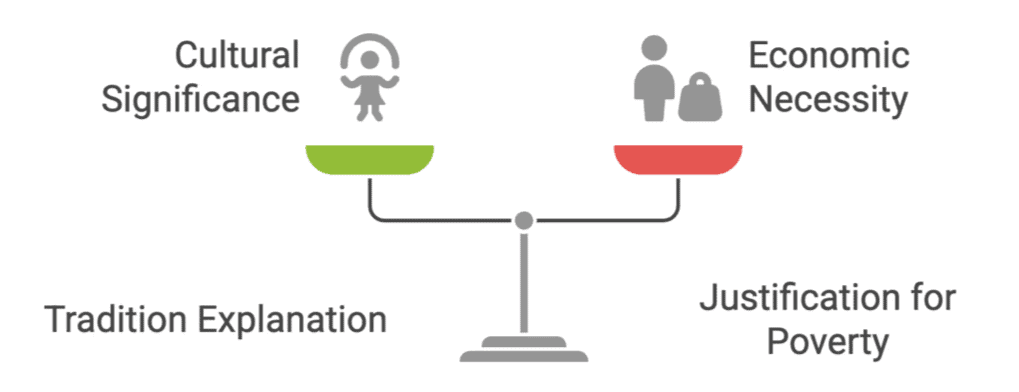
Ans: The author notices many shoeless rag-picker children in her neighbourhood. One explanation offered is that going barefoot has become a sort of custom among very poor children. The author, however, warns that calling it a tradition may simply be a way of justifying extreme poverty rather than a true cultural choice; in most cases children remain barefoot because their families cannot afford shoes.
Q3: Is Saheb happy working at the tea-stall? Explain.
Ans: No, although Saheb receives a wage of about Rs. 800 a month and food at the tea-stall, he has lost his freedom and the carefree look of childhood. The steel canister he now carries for tea seems heavier to him than the light plastic bag he used to sling over his shoulder while rag-picking. Working at the stall makes him more like a servant than a free child; his responsibilities and the routine have taken away much of his childhood spontaneity.
Q4: What makes the city of Firozabad famous?
Ans: Firozabad is famous for its glass bangles. It is the centre of India's glass-blowing and bangle-making industry; the town's economy and many households are built around this craft.
Q5: Mention the hazards of working in the glass bangles industry.
Ans: Workers in the bangle industry face many dangers. They toil in dim, poorly ventilated cells beside very hot furnaces. Continuous exposure to dust from polishing damages the eyes; many workers lose their eyesight while still young. They are also at risk of burns, cuts and long-term lung and respiratory diseases because of heat, smoke and glass dust. Protective equipment and safe working conditions are generally absent.
Q6: How is Mukesh's attitude to his situation different from that of his family?
Ans: Mukesh comes from a poor family of bangle-makers, yet his attitude differs markedly from most in his community. He is determined to break the family tradition of glass bangle work. He is ambitious and plans to train as a motor mechanic. His willingness to travel long distances to learn the trade and his clear vocational dream show hope and resolve that set him apart from relatives who accept the hereditary occupation.
Understanding the Text
Q1: What could be some of the reasons for the migration of people from villages to cities?
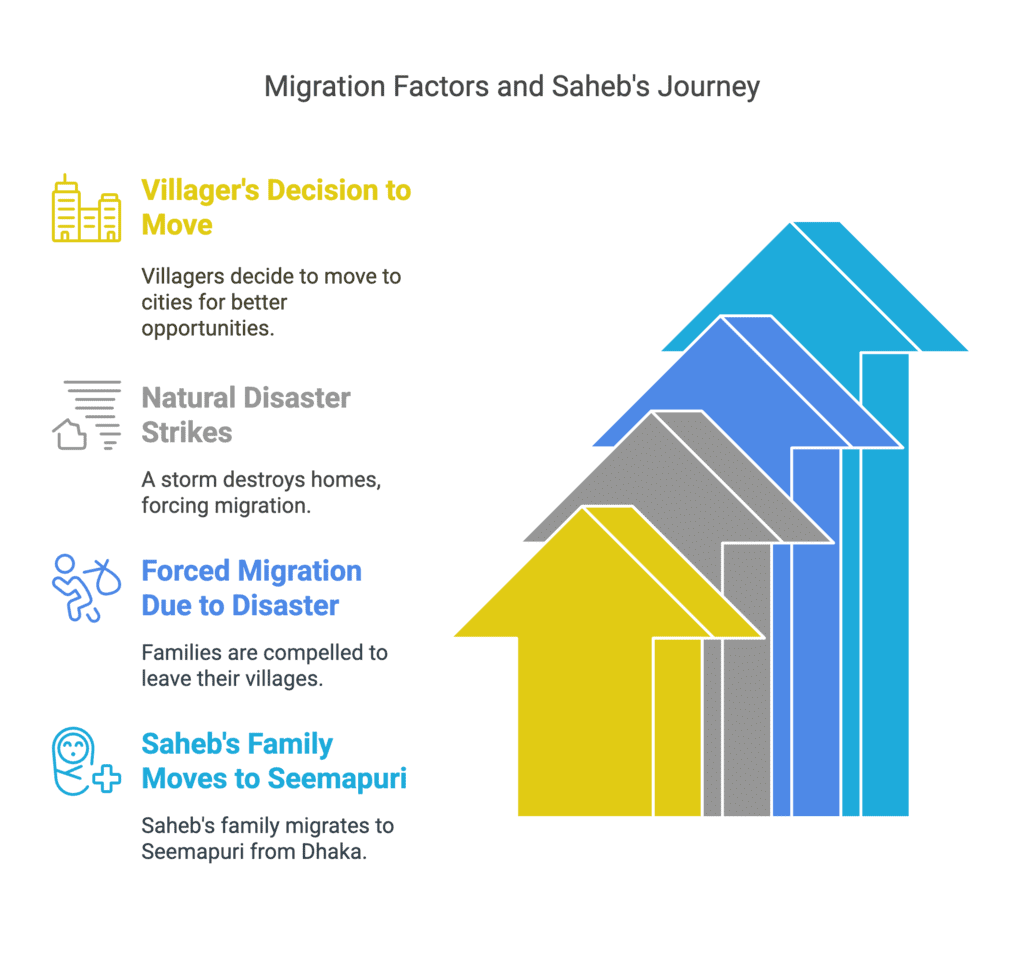
Ans: People migrate from villages to cities for both push and pull reasons. Pull factors include the search for regular work, better wages, improved civic amenities, and educational or medical facilities. Push factors include natural disasters (floods, droughts, storms, famines) that destroy crops, homes and livelihoods, forcing people to move. Historical events such as wars or communal disturbances have also caused large-scale migrations. In some cases, families send one or more children to the city for schooling or work in the hope of improving their future. In the chapter, Saheb's family moved from Dhaka to Seemapuri after storms ruined their fields and homes.
Q2: Would you agree that promises made to poor children are rarely kept? Why do you think this happens in the incidents narrated in the text?
Ans: Yes, promises made to poor children are often not kept. Such promises may be made casually or to encourage a child, without any realistic plan to fulfil them. Children cling to these promises and may develop hopes that are not realised, which causes disappointment. In the text the narrator jokingly tells Saheb that she will open a school; Saheb takes her words seriously and later enquires about the school. The narrator then realises she has unintentionally raised false hopes, showing how easily a casual promise can affect a vulnerable child.
Q3: What forces conspire to keep the workers in the bangle industry of Firozabad in poverty?
Ans: Several forces maintain the bangle workers in poverty: exploitative middlemen and contractors who control work and pay; lack of legal protection and poor enforcement of labour laws; absence of healthcare, education and social security; hereditary occupation patterns that trap generations in low-paid, hazardous work; and limited access to alternative training or employment. Together, these social and economic structures form a cycle that is hard for individual families to escape.
Talking about the Text
Q1: How, in your opinion, can Mukesh realise his dream?
Ans: Mukesh has already taken the psychological step of breaking with tradition by dreaming of becoming a motor mechanic. To realise this dream he needs determination, practical steps and support. He can try to find a garage willing to take him as an apprentice, learn basic mechanical skills, save money or seek help from relatives or a sympathetic employer, attend any local vocational training if available, and persist despite obstacles. His readiness to walk long distances to learn the vocation shows he has the will; converting that will into consistent effort, training and a supportive opportunity can make the dream achievable.
Q2: Mention the hazards of working in the glass bangles industry.
Ans: The hazards include working in extremely hot furnaces with poor ventilation, which causes heat-related illnesses; inhalation of glass dust leading to chronic lung disease; exposure to chemicals and sharp glass causing burns and cuts; and lack of protective eyewear resulting in eye damage or blindness. These conditions also shorten life expectancy and reduce quality of life.
Q3: Why should child labour be eliminated and how?
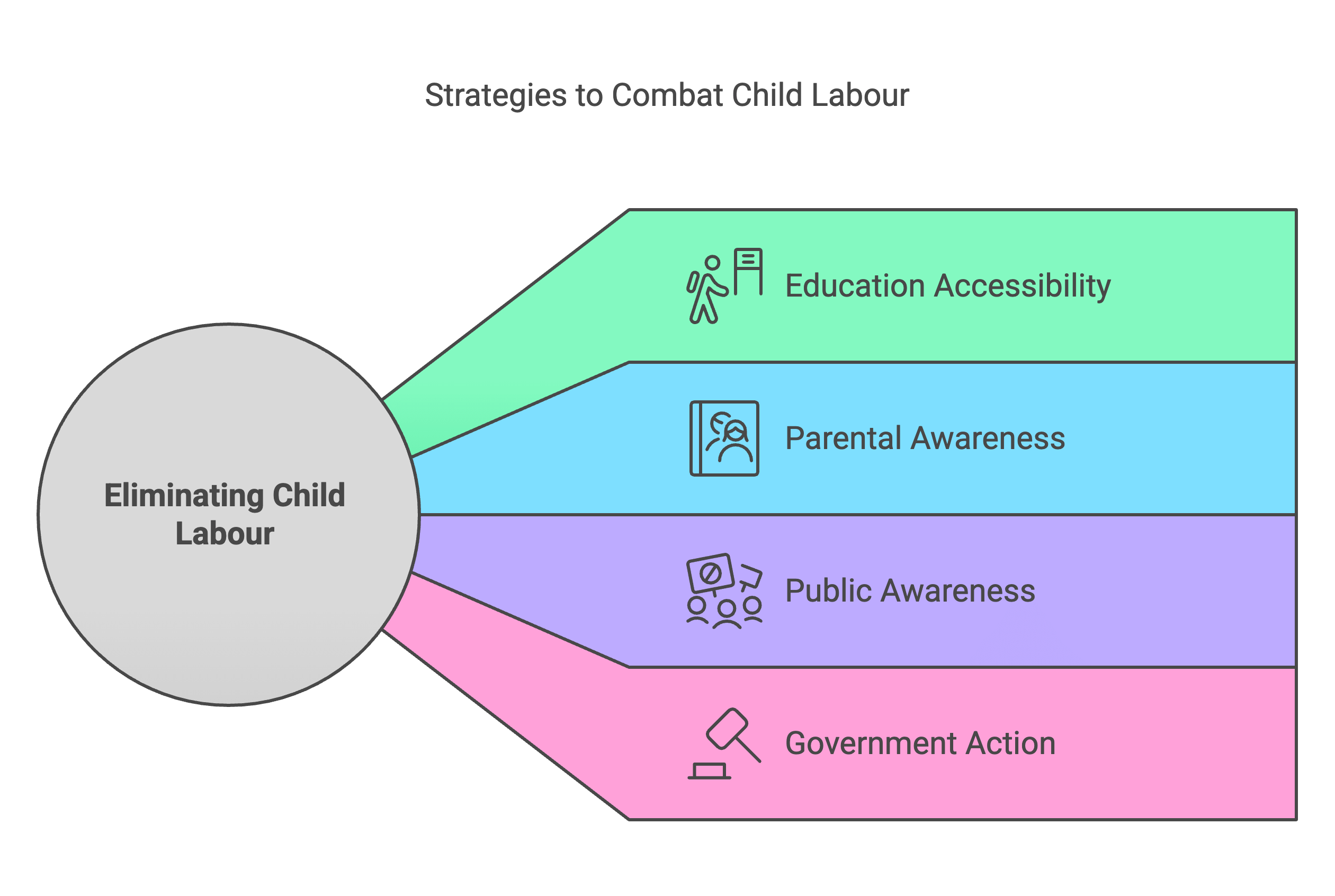
Ans: Child labour should be eliminated because it deprives children of education, of a normal childhood and of safe physical and mental development. Child labourers are often forced into hazardous work for low pay and are vulnerable to exploitation, injury and illness. To eliminate child labour we need multiple measures: make primary education free, compulsory and easily accessible; provide financial support or incentives to poor families so they do not need to send children to work; enforce and strengthen child-labour laws; run public awareness campaigns to change social attitudes; offer vocational training and adult employment opportunities so families have alternate incomes; and ensure strict action against employers who hire children.
Thinking about Language
Carefully read the following phrases and sentences taken from the text. Can you identify the literary device in each example?
- Saheb-e-Alam which means the lord of the universe is directly in contrast to what Saheb is in reality.
- Drowned in an air of desolation.
- Seemapuri, a place on the periphery of Delhi yet miles away from it, metaphorically.
- For the children it is wrapped in wonder; for the elders it is a means of survival.
- As her hands move mechanically like the tongs of a machine, I wonder if she knows the sanctity of the bangles she helps make.
- She still has bangles on her wrist, but not light in her eyes.
- Few airplanes fly over Firozabad.
- Web of poverty.
- Scrounging for gold.
- And survival in Seemapuri means rag-picking. Through the years, it has acquired the proportions of a fine art.
- The steel canister seems heavier than the plastic bag he would carry so lightly over his shoulders.
Ans:
- Irony.
- Metaphor.
- Antithesis (contrast emphasising distance in meaning).
- Antithesis.
- Simile.
- Paradox / Antithesis (contrast between outward ornament and inner absence of joy).
- Understatement / Irony (implies that the town is removed from modern conveniences).
- Metaphor.
- Metaphor.
- Hyperbole (exaggeration to emphasise how habitual rag-picking has become).
- Paradox (an unexpected comparison highlighting changed circumstances).
FAQs on NCERT Solution - Lost Spring
| 1. What is the theme of the article "Lost Spring"? |  |
| 2. How does the author portray the struggles of the children in the article "Lost Spring"? | |
| 3. What is the significance of the title "Lost Spring" in the context of the article? | |
| 4. How does the article "Lost Spring" shed light on the issue of child labor in India? | |
| 5. What message does the author convey through the article "Lost Spring"? | |