Introduction: Social & Cultural Awakening, The Lower Caste, Trade Union & Peasants Movements

Introduction
The chief religious and social movements set afoot in the 19th century included the Brahmo Samaj, the Paramhansa Sabha, the Theosophical Society, the Ramakrishna Mission, the Arya Samaj, the Rahnumai Mazdayasnan, the Ahmadiyya Movement, the Gurudwara Prabandhak Committee and several other organisations. These movements promoted religious reform, social change and new approaches to education; they stimulated debate on caste, women's position, and social justice and influenced later political and social movements.
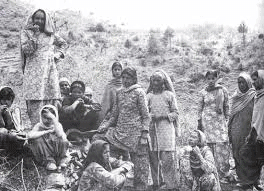
Religious and Social Reform Movements (19th century)
- Brahmo Samaj - The movement originated from the earlier Atmiya Sabha and was consolidated by Raja Rammohan Roy in 1828. It emphasised the unity of God, rejected idol worship and opposed ritualism and caste-based discrimination. Raja Rammohan Roy gave primacy to reason and moral teachings drawn from the Upanishads and Vedanta, and he advocated measures such as Indianisation of higher services, separation of judiciary and executive, trial by jury and equality before law for Indians and Europeans.
- Leadership after Rammohan Roy - After Rammohan Roy's death in 1833 the movement revived under leaders such as Debendranath Tagore and Keshab Chandra Sen, who worked on doctrinal clarification and social reform; Debendranath promoted the Tattvabodhini Patrika as a forum for ideas.
- Paramhansa Sabha and Prarthana Samaj - The Paramhansa Sabha (founded mid‐19th century) and the Prarthana Samaj (associated with Atmaram Pandurang and others in Bombay) sought rational worship, the removal of caste barriers and social reforms such as women's education and widow remarriage.
- Theosophical Society - Founded in New York in 1875 by Helena Petrovna Blavatsky and Colonel H.S. Olcott, the Society established a major centre at Adyar (Madras) after coming to India in 1879. Annie Besant joined in 1889 and became a principal organiser in India. Theosophy promoted a study of comparative religion, revival of ancient spiritual traditions and inter‐faith understanding; it also supported Indian cultural revival and education.
- Ramakrishna Mission - Based on the teachings of Ramakrishna Paramahansa, the Ramakrishna Mission was organised by Swami Vivekananda in 1897 to combine spiritual teaching with social service. Vivekananda interpreted Vedanta in an inclusive and service‐oriented manner and popularised the message nationally and internationally.
- Arya Samaj - Founded by Swami Dayanand Saraswati in 1875, the Arya Samaj advocated a return to the ideals of the Rig Veda, opposed idol worship and priestly monopolies, and campaigned for social reforms. Dayanand's principal work is Satyarth Prakash. The Arya Samaj emphasised education, social uplift and conversion of people back from other religions by religious persuasion.
- Rahnumai Mazdayasnan - A Parsi reform movement started in the mid‐19th century under the patronage of leaders such as Dadabhai Naoroji; it worked for reform and education within the Parsi community.
- Christian Missionary activity - From the early 19th century, Christian missionaries increased their activities in India. Apart from efforts at conversion, they played a role in modern education, medical services and the spread of modern ideas among marginalised groups; their presence also contributed indirectly to social reformist responses among Indians.
- Gurudwara Reform - Sikh reformers protested mismanagement and corruption in some Gurudwaras under mahants. The movement for control of Sikh shrines culminated in the formation of institutions and committees devoted to restoring proper management, culminating later in formal legal and administrative changes by the government.
Organisations, Education and Social Work
- Prarthana Samaj activities - The Prarthana Samaj promoted night schools for labourers, ran missions for depressed classes, supported women's associations and established orphanages and foundling asylums. Notable workers included Justice M.G. Ranade.
- Deccan Education Society - Founded in 1884 to promote national education with the motto of 'simple living and high thinking'. It established institutions such as Fergusson College at Poona and counted leaders like Gopal Krishna Gokhale and Bal Gangadhar Tilak among its members.
- Servants of India Society - Founded in 1905 by Gopal Krishna Gokhale, headquartered at Poona, it worked on social welfare, political education and public service for the uplift of Adivasis, Harijans and backward classes, and promoted communal goodwill.
- Bhoodan Yajna - Initiated by Acharya Vinoba Bhave from 1950, this was a voluntary land‐donation movement in which Vinoba appealed to large landowners to give land for redistribution among landless villagers; it sought gradual agrarian reform through persuasion and moral appeal rather than legislative change.
Facts To Be Remembered
|
Facts To Be Remembered
|
- Ahmadiyya Movement - Founded by Mirza Ghulam Ahmad in 1889-1890, it emphasised a reformist and humanistic interpretation of Islam and established schools and publishing activities.
- Aligarh Movement - Led by Sir Syed Ahmad Khan, it encouraged modern education among Muslims and helped establish the Muhammadan Anglo‐Oriental College at Aligarh (later Aligarh Muslim University); the movement sought Muslim socioeconomic progress, while adopting a cautious stance towards nationalist politics.
- Arhar (Aligarh Young) Movement - A younger group of Muslim leaders such as Maulana Muhammad Ali and Hasan Imam advocated more active nationalist participation than the conservative Aligarh school.
Points To Be Remembered
|
Movements of the Lower Castes and Social Justice Campaigns
- Satya Shodhak Samaj - Founded by Jyotiba Phule in Maharashtra, it was one of the earliest movements to challenge Brahmanical domination, promote education among lower castes and campaign against ritual authority.
- Sri Narayana Dharma Paripalana (SNDP) Yogam - In southern India, Sri Narayana Guru led Ezhava caste reforms and founded the SNDP Yogam to break caste taboos and assert equal social rights.
- Justice Party (Non‐Brahman Movement) - In Madras Presidency, leaders such as T. N. Seshan (note: T. N. Seshan is a later figure; in the early 20th century, leaders such as T. M. Nair and P. Tyagaraya Naidu promoted the Justice Cause) organised for reservations in jobs and legislative representation for non‐Brahman castes; the movement formalised into the Justice Party (earlier non‐Brahman associations).
- All India Depressed Classes Federation - Organised by B. R. Ambedkar in 1920 to protect the interests of the depressed classes and to press for social and political rights.
- Vaikom Satyagraha (1924) - A campaign in Kerala for the right of lower castes to use roads around the Vaikom temple; supported by several social organisations, it mobilised satyagraha tactics and drew national attention to caste‐based exclusion.
- Harijan Sevak Sangh - Founded by Mahatma Gandhi in 1932 to work for upliftment of untouchables (Harijans) through education, health and social welfare. Although Gandhi and Ambedkar collaborated at points, Ambedkar later criticised Congress approaches and pursued independent political mobilisation on behalf of Dalits.
Facts To Be Remembered
|
Trade Union and Peasant Movements
Industrial growth and rural distress in late 19th and early 20th centuries produced organised responses from workers and peasants. Both types of movement combined economic demands (higher wages, security of tenure, lower rents) with political aspirations (rights, representation and anti‐colonial resistance).
- Trade‐union growth - Urban industrial labour began organising from the early 20th century; a landmark organisational formation was the All India Trade Union Congress (AITUC) established in 1920, which sought to coordinate unions and press for workers' rights. Gandhi and Congress also engaged with labour issues through bodies such as the Ahmedabad Majdoor Mahajan in Ahmedabad, which sought industrial conciliation using non‐violent methods.
- Strikes and labour unrest - The 1920s and 1930s saw increasing strikes and labour agitation, especially in textile and mill towns such as Bombay and Ahmedabad and in Bengal's jute and engineering sectors. By the second half of 1920 many industrial disputes had become politicised.
- Peasant movements - Several peasant movements emerged across regions: the Bardoli Satyagraha (1928) in Gujarat was a successful tax‐resistance led by Sardar Vallabhbhai Patel that secured concessions from colonial authorities. Tenant and sharecropper struggles (e.g., the Tebhaga movement in Bengal, 1946-47) demanded a larger share of the harvest, reduction of rents and abolition of oppressive practices.
- All India Kisan Sabha (AIKS) - Formed in 1936, the AIKS provided a national platform for peasant demands such as rent reduction, abolition of intermediaries and protection of tenants' rights. Leaders like Swami Sahajanand Saraswati and others helped organise peasants in many provinces.
- Early agrarian protests - Movements such as the Indigo Revolt (Nil Bidroha) of 1859-60 in Bengal and localized uprisings against oppressive landlordism and money‐lenders recurred in the late 19th and early 20th centuries, feeding into later organised politics.
- Regional leaders and movements - Leaders such as Baba Ramachandra (peasant leader in UP/Madhya regions), Swami Sahajanand, and many regional activists mobilised caste and peasant identities around economic grievances, producing local associations and periodic direct action.
- Ghadar Party and revolutionary activity - Indian revolutionaries abroad formed the Ghadar Party in 1913 (USA/Canada) to initiate armed revolt against British rule. Plans for uprisings were attempted during World War I but many conspiracies were suppressed.
- Khudai Khidmatgar (Red Shirts) - Led by Khan Abdul Ghaffar Khan in the North‐West Frontier, the Khudai Khidmatgars pledged non‐violence and social reform and allied with Congress politics during the independence struggle.
Facts To Be Remembered
|
Concluding Notes
- The 19th and early 20th century reform movements combined religious revivalism, rational critique and social service; they created institutional bases for education, healthcare and social work and prepared the social ground for later political mobilisation.
- Movements for lower‐caste rights and peasant and labour mobilisations were shaped by local grievances and national politics; leaders such as Jyotiba Phule, Sri Narayana Guru, B. R. Ambedkar, Vinoba Bhave, Swami Sahajanand Saraswati, and many regional activists played distinctive roles.
- These reforms and movements set the stage for modern Indian political and social developments by advocating education, equality before law, abolition of oppressive customs and collective action for economic rights.
FAQs on Introduction: Social & Cultural Awakening, The Lower Caste, Trade Union & Peasants Movements
| 1. What is a social and cultural awakening? |  |
| 2. Who are considered the lower caste in India? | |
| 3. What is the significance of trade unions? | |
| 4. What are peasants movements? | |
| 5. How do banking exams relate to the topics discussed in the article? | |





