
Measurement of Resistance - 1 - Free MCQ Practice Test with solutions,
MCQ Practice Test & Solutions: Test: Measurement of Resistance - 1 (10 Questions)
You can prepare effectively for Electrical Engineering (EE) Electrical and Electronic Measurements with this dedicated MCQ Practice Test (available with solutions) on the important topic of "Test: Measurement of Resistance - 1". These 10 questions have been designed by the experts with the latest curriculum of Electrical Engineering (EE) 2026, to help you master the concept.
Test Highlights:
- - Format: Multiple Choice Questions (MCQ)
- - Duration: 30 minutes
- - Number of Questions: 10
Sign up on EduRev for free to attempt this test and track your preparation progress.

The resistances of the four arms of a Wheatstone bridge are as follows: AB = 100, BC = 10, CD = 4, DA = 50 ohms. A 20-ohm resistance galvanometer is connected between BD. If there is a potential difference of 10 V across the AC, then find the value of the current flowing through the galvanometer.
Detailed Solution: Question 1
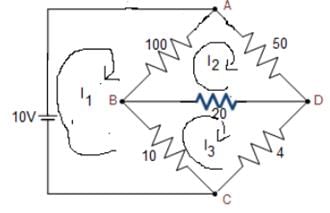
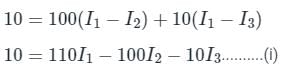
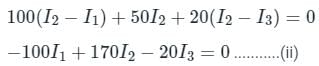
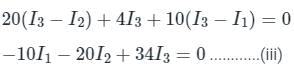
Consider the following in context of creeping in energy meter and identify the correct option.
P: The primary reason of creeping is under-compensation for friction.
Q: Creeping may be because of excessive voltage and vibrations.
Detailed Solution: Question 2

______ eliminates errors due to contacts and ______ in bridge measuring instruments.
Detailed Solution: Question 3
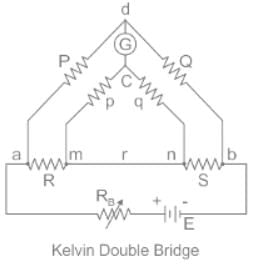
The electrical power to a megger is provided by
Detailed Solution: Question 4
Kelvin double bridge is best suited for the measurement of
Detailed Solution: Question 5
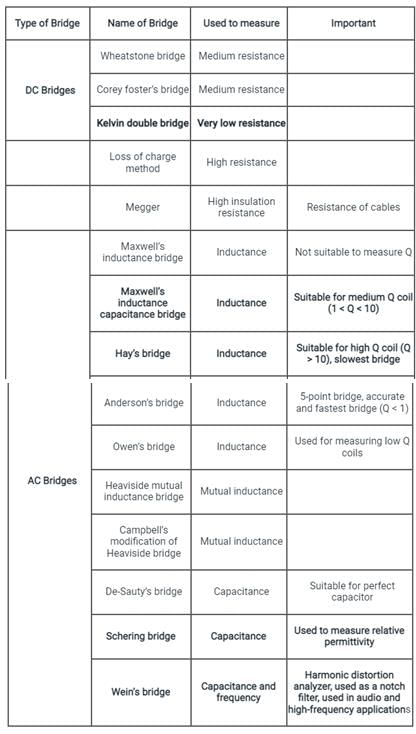
A megger is an instrument that gives the reading in:
Detailed Solution: Question 6
The operation of a Megger is based on which of the following?
Detailed Solution: Question 7
The test used to locate high resistance faults in low resistance conductor circuit is:
Detailed Solution: Question 8
In a megger, controlling torque is provided by
Detailed Solution: Question 9
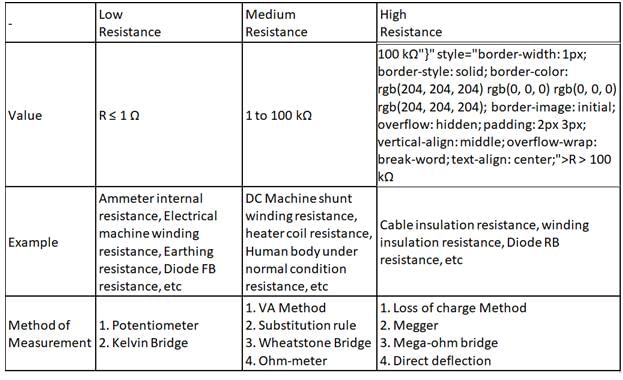
For the measurement of high resistances following methods are used:
1. Loss of Charge Method
2. Direct Deflection Method
3. Substitution Method
Which of the following is/are correct?
Detailed Solution: Question 10
48 videos|59 docs|22 tests |
