NEET PG Exam  >  NEET PG Test  >  Medicine  >  Test: Diabetes Mellitus & Insulinoma- 2 - NEET PG MCQ

Diabetes Mellitus & Insulinoma- 2 - Free MCQ Practice Test with solutions,


MCQ Practice Test & Solutions: Test: Diabetes Mellitus & Insulinoma- 2 (30 Questions)

You can prepare effectively for NEET PG Medicine with this dedicated MCQ Practice Test (available with solutions) on the important topic of "Test: Diabetes Mellitus & Insulinoma- 2". These 30 questions have been designed by the experts with the latest curriculum of NEET PG 2026, to help you master the concept.

Test Highlights:

  • - Format: Multiple Choice Questions (MCQ)
  • - Duration: 30 minutes
  • - Number of Questions: 30

Sign up on EduRev for free to attempt this test and track your preparation progress.

Test: Diabetes Mellitus & Insulinoma- 2 - Question 1

Female with blood sugar of 600 mg% and sodium of 110 mEq. Insulin was given, what will happen to serum sodium levels? (Recent Questions 2015-16)

Detailed Solution: Question 1

  • Sugar draws water into intravascular compartment and leads to reduction in sodium levels. For every 100mg% rise in sugar sodium valves reduce by 1.6 meq/L.
  • In hyperosmolar coma seen with diabetes mellitus. Serum sodium concentration is usually decreased because of the osmotic flux of water from the intracellular to the extracellular space in the presence of hyperglycemia.
  • Hence sodium and blood sugar follow inverse relation in diabetes mellitus

Must Know Points
Diagnostic criteria for nonketotic hyperglycaemic hyperosmotic syndrome (HHS)

  • Profound dehydration (decreased skin turgor, postural changes in blood pressure and pulse rate)
  • Neurological symptoms (ranging from mental confusion to coma)
  • Plasma glucose levels > 600 mg/dL (36 mmol/L)
  • Plasma osmolality (Posm) >310 mOsm/kg
  • Arterial pH > 7.3
  • Plasma bicarbonate levels > 15 mmol/L
  • Normal anion gap (< 14 mEq/l)
  • Absence of ketones

Test: Diabetes Mellitus & Insulinoma- 2 - Question 2

Earliest finding in Diabetic nephropathy is: (Recent Questions 2015-16)

Detailed Solution: Question 2
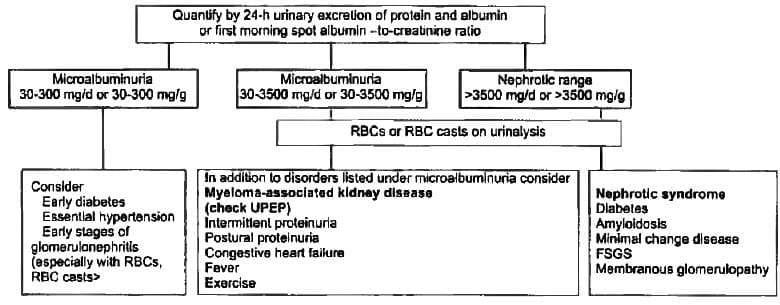
Test: Diabetes Mellitus & Insulinoma- 2 - Question 3

Glucose fever is related with: (Recent Questions 2015-16)

Detailed Solution: Question 3

  • Hypoglycemia in Addison disease is managed with hydrocortisone/dexamethasone.
  • Administration of I.V. glucose in Addison leads to development of fever and is called as glucose fever.
  • The etiology however remains unknown.

Test: Diabetes Mellitus & Insulinoma- 2 - Question 4

Glucose intolerance is caused by deficiency of? (JIPMER 2014)

Detailed Solution: Question 4

Chromium acts as a cofactor for insulin at insulin receptors and dietary deficiency of chromium would thus lead to impaired glucose tolerance.

Test: Diabetes Mellitus & Insulinoma- 2 - Question 5

Not associated with diabetes mellitus: (Recent Pattern 2015-16)

Detailed Solution: Question 5

Cortisol, growth hormone and catecholamines increase the blood sugar levels leading to impaired glucose tolerance or diabetes mellitus.

Test: Diabetes Mellitus & Insulinoma- 2 - Question 6

Most common oral infection in diabetes mellitus?

Detailed Solution: Question 6

Individuals with DM have a greater frequency and severity of infection. Hyperglycemia aids the colonization and growth of a variety of organisms (Candida and other fungal species). Rhinocerebral mucormycosis occurs exclusively in diabetics but incidence is lesser than cardide infections.

Test: Diabetes Mellitus & Insulinoma- 2 - Question 7

GTT post 1 hour sugar for gestational diabetes is > ____ mg %? (Recent Pattern 2015-16)

Detailed Solution: Question 7

With OGTT using 100 gm glucose

  1. hour value > ISO mg %
  2. hour value > 155 mg%
  3. hour value > 140 mg %

Test: Diabetes Mellitus & Insulinoma- 2 - Question 8

Aldose reductase inhibitor drugs are useful in? (Recent Pattern 2015-16)

Detailed Solution: Question 8

  • Aldose reductase catalyzes the NADPH-dependent conversion of glucose to sorbitol, the first step in polyol pathway of glucose metabolism.
  • Aldose reductase inhibitors are a class of drugs being studied as a way to prevent eye and nerve damage in people with diabetes mellitus.
  • Examples of aldose reductase inhibitors include:
    • Tolrestat (withdrawn from market)
    • Epalrestat
    • Ranirestat
    • Fidarestat

Test: Diabetes Mellitus & Insulinoma- 2 - Question 9

Foot Ulcers in diabetes are due to all except? (Recent Pattern 2015-16 )

Detailed Solution: Question 9

The reasons for the increased incidence of foot ulcers in DM involve the interaction of several pathogenic factors:

  1. Neuropathy (Microvascular complication) Motor and sensory neuropathy lead to abnormal foot muscle mechanics and to structural changes in the foot (hammertoe, claw toe deformity, prominent metatarsal heads, Charcot joint).
  2. Autonomic neuropathy results in anhidrosis and altered superficial blood flow in the foot, which promote drying of the skin and fissure formation. PAD and poor wound healing impede resolution of minor breaks in the skin, allowing them to enlarge and to become infected.
  3. Abnormal foot biomechanics
  4. P.A.D (Macrovascular complication) leads to occlusive arterial disease that results in ischemia in the lower extremity and an increased risk of ulceration in diabetic patients. It is associated with, poor wound healing.

Grades of Diabetic Foot Ulcers

  • Grade 0 skin intact but bony deformities produce a "foot at risk"
  • Grade 1 localized, superficial ulcer
  • Grade 2 deep ulcer to tendon, bone, ligament, or joint
  • Grade 3 deep abscess, osteomyelitis
  • Grade 4 gangrene of toes or forefoot
  • Grade 5 gangrene of entire foot

Test: Diabetes Mellitus & Insulinoma- 2 - Question 10

Cause of death in diabetic ketoacidosis in children? (Recent Pattern 2014-15)

Detailed Solution: Question 10

High blood sugar will cross the blood brain barrier and simultaneously will draw water inside leading to cerebral edema. Cerebral edema accounts for 60-90% of all DKA related deaths in children.
Infection is a precipitator for development of DKA.
Other precipitating factor can be tissue ischemia, inadequate insulin administration, drugs (Cocaine) and pregnancy.

Test: Diabetes Mellitus & Insulinoma- 2 - Question 11

Mauriacs syndrome is characterized by all except: (Recent Pattern 2014-15)

Detailed Solution: Question 11

Mauriac syndrome is a severe form of growth retardation seen in patients with poorly controlled type 1 diabetes mellitns. It is often referred to as diabetic dwarfism.

  • It is characterized by growth failure, delayed puberty, hepatomegaly and Cushingoid features.
  • The actual cause is unknown but is probably a combination of factors including inadequate glucose in the tissues, decreased 1GF-1 and growth hormone levels, impaired bioactivity of the hormones, a circulating hormone inhibitor, or resistant or defective hormone receptors.
  • The hepatomegaly seen in Mauriac syndrome is not seen in newly diagnosed patients who have been severely insulin deficient because it appears that periods of supraphysiologic insulin levels are associated with the hepatomegaly.
  • Mauriac syndrome was much more common before long-acting insulin and knowledge of glycemic control (including monitoring of hemoglobin A1c) was available and is relatively rare today because of these treatments.
  • It occurs in males and females equally and is most common in adolescence although there are reports in children as young as toddlers and in adults.
  • Improved glycemic control helps to reverse the process, but catch-up growth may not be complete.

Test: Diabetes Mellitus & Insulinoma- 2 - Question 12

Which of the following is used in management of diabetes? (Recent Pattern 2014-15)

Detailed Solution: Question 12

Quick release formulation of bromocriptine is thought to act on circadian neuronal activities within the hypothalamus to reset abnormally elevated hypothalamic drive for increased plasma glucose, triglyceride, and free fatty acid levels in fasting and postprandial states in patients with insulin-resistance.

Test: Diabetes Mellitus & Insulinoma- 2 - Question 13

All are short acting insulin, except: (Recent Pattern 2014-15)

Detailed Solution: Question 13

  • Insulin detemir is a long-acting human insulin analogue for maintaining the basal level of insulin.
  • It is an insulin analogue in which a fatty acid (myristic acid) is bound to the lysine amino acid at position B29.
  • It is quickly absorbed after which it binds to albumin in the blood
  • Insulin detemir reduces HbA1c to target levels of 7.0% for 70% of patients, similar to human basal insulin, NPH, but without the same risk of hypoglycemia and with somewhat less weight gain.

Test: Diabetes Mellitus & Insulinoma- 2 - Question 14

Chances of blindness in diabetic patient as compared to non-diabetic patient is? (Recent Pattern 2014-15)

Detailed Solution: Question 14

Individuals with DM are 25 times more likely to become legally blind than individuals without DM. Blindness is primarily the result of progressive diabetic retinopathy and clinically significant macular edema

Test: Diabetes Mellitus & Insulinoma- 2 - Question 15

Diabetes is diagnosed when: (Recent Pattern 2014-15)

Detailed Solution: Question 15
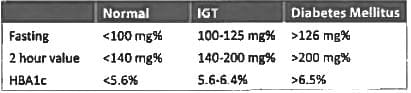
Test: Diabetes Mellitus & Insulinoma- 2 - Question 16

The glucose lowering effect is least and delayed by several weeks with the following oral hypoglycaemic agents: (Recent Pattern 2014-15)

Detailed Solution: Question 16
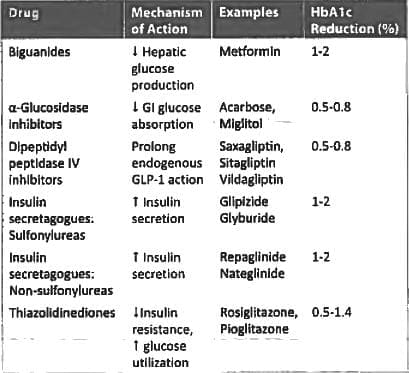

Biguanides are first line drugs for Type 2 DM but effect is delayed by several weeks.

  • Alpha glucosidase inhibitors (acarbose and miglitol) reduce postprandial hyperglycemia by delaying glucose absorption; they do not affect glucose utilization or insulin secretion.
  • Postprandial hyperglycemia, secondary to impaired hepatic and peripheral glucose disposal, contributes significantly to the hyperglycemic state in type 2 DM.
  • These drugs, taken just before each meal, reduce glucose absorption by inhibiting the enzyme that cleaves oligosaccharides into simple sugars in the intestinal lumen. Therapy should be initiated at a low dose (25 mg of acarbose or miglitol) with the evening meal and may be increased to a maximal dose over weeks to months (50-100 mg for acarbose or 50 mg for miglitol with each meal).

This class of agents is not as potent as other oral agents in lowering the HbA1C but is unique because it reduces the postprandial glucose rise even in individuals with type 1 DM.

Test: Diabetes Mellitus & Insulinoma- 2 - Question 17

A diabetes mellitus patient presents with fungal infection of sinuses and peri-orbital region with significant visual impairment. Best treatment among following is? (AIIMS Nov 2012)

Detailed Solution: Question 17

  • Primary antifungal therapy for Mucormycosis should be based on a polyene antibiotic except perhaps for mild localized infection (e.g., isolated suprafascial cutaneous infection) in immune competent patients, which has been eradicated surgically.
  • Amphotericin B deoxycholate remains the only licensed antifungal agent for the treatment of mucormycosis.
  • However, lipid formulations of AmB are significantly less nephrotoxic, can be administered at higher doses, and may be more efficacious than AmB deoxycholate for this purpose.

Test: Diabetes Mellitus & Insulinoma- 2 - Question 18

Consider 2 patients with Atherosclerosis, one is diabetic and other is non-diabetic. When compared to non-diabetic, diabetic patient has 100 times increased risk of: (AIIMS Nov 2011)

Detailed Solution: Question 18

  • Atherosclerosis causes peripheral vascular disease incidence of which is 100 times higher in diabetic as compared to non- diabetic population.
  • The incidence of amputation in diabetics is 15 - 40 times higher as compared to non diabetics.
  • Chances for MI is observed to be 2 to 3 fold greater in diabetics
  • Chances for cerebrovascular accidents/stroke is 3 times higher in diabetics
  • Microvascular complications (predominantly indicated by the need for laser photocoagulation of retinal lesions) are reduced by 25% when mean HbA1c is 7%, compared with 7.9%.

Test: Diabetes Mellitus & Insulinoma- 2 - Question 19

Which is not seen in diabetic ketoacidosis: (Recent Pattern 2014-15)

Detailed Solution: Question 19

  • Plasma osmolality in DKA is in range of 300-320 mOsm. Higher than 320 mOsm and uplo 380 mOsm is seen with non ketotic hyperosmolar coma.
  • In setting of insulin deficiency during diabetic ketoacidosis, the value of serum potassium is normal or increased. During course of treatment while the insulin drip is initiated, the level of potassium begins to fall
  • Rothera test : A test for ketone bodies; 5 ml of fresh urine are saturated with solid ammonium sulfate and mixed with 10 drops of freshly prepared 2% sodium nitroprusside solution, which is then mixed with 10 drops of concentrated ammonia water and allowed to stand for 15 min; the presence of acetoacetic acid, or of larger concentrations of acetone, is indicated by the development of a blue-purple colour.
  • Urine Benedict's test is positive in presence of sugar, which in setting of Random sugar exceeding 180 mg will definitively be positive.

Test: Diabetes Mellitus & Insulinoma- 2 - Question 20

Diabetes mellitus is present in all except: (Recent Pattern 2014-15)

Detailed Solution: Question 20
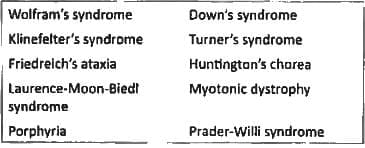
Hemochromatosis is associated with Bronze diabetes Genetic syndromes sometimes associated with diabetes are

Test: Diabetes Mellitus & Insulinoma- 2 - Question 21

Secondary diabetes may be noted in all except? (Recent Pattern 2014-15)

Detailed Solution: Question 21

  • Diseases of the exocrine pancreas leading to diabetes - pancreatitis, pancreatectomy, neoplasia, cystic fibrosis, hemochromatosis, fibrocalculous pancreatopathy
  • Endocrinopathies associated with diabetes - acromegaly, Cushing's syndrome, glucagonoma, pheochromocytoma, hyperthyroidism, somatostatinoma, aldosteronoma

Test: Diabetes Mellitus & Insulinoma- 2 - Question 22

Diabetic ketoacidosis is associated with all except: (Recent Pattern 2014-15)

Detailed Solution: Question 22

  • Diabetic keloacidosis is a characterized by insulin deficiency leading to cellular starvation and increase subcutaneous fat oxidation leading to ketone production.
  • The resultant ketones lead to increase in anion gap.
  • DKA occurs in setting of medical illness like stroke, Ml, pneumonia and all these illnesses lead to enhancement of catabolic process.

Test: Diabetes Mellitus & Insulinoma- 2 - Question 23

The following statements concerning diabetic keto-acidosis are correct except: (Recent Pattern 2014-15)

Detailed Solution: Question 23

  • DKA is characterized by hyperglycemia, ketosis, and metabolic acidosis (increased anion gap) along with a number of secondary metabolic derangements
  • Nausea and vomiting are often prominent and lead to volume depletion.
  • Elevated blood urea nitrogen (BUN) and serum creatinine levels reflect intravascular volume depletion.
  • Interference from acetoacetate may falsely elevate the serum creatinine measurement.

Test: Diabetes Mellitus & Insulinoma- 2 - Question 24

Which one of the following statements about diabetes is not correct? (Recent Pattern 2014-15)

Detailed Solution: Question 24

  • Insulin based antibodies can lead to development of latent autoimmune antibodies. It is damage to insulin receptors that causes development of insulin resistance. Another reason for insulin resistance can be mutations in insulin receptors.
  • In DKA, bolus of IV (0.1 units/kg) short-acting insulin should be administered immediately. In mild episodes of DKA, short-acting insulin analogues can be used SC. IV insulin should be continued until the acidosis resolves and the patient is metabolically stable.
  • As ketoacidosis improves, beta-hydroxybutyrate is converted to acetoacetate. Ketone body levels may appear to increase if measured by laboratory assays that use the nitroprusside reaction, which only detects acetoacetate and acetone. The improvement in acidosis and anion gap, a result of bicarbonate regeneration and decline in ketone bodies, is reflected by a rise in the serum bicarbonate level and the arterial pH. Thus the marker for improvement after successful treatment for DKA is rise of bicarbonate and not the disappearance of ketones in urine.
  • Neuroglycopenic symptoms include weakness, tiredness, or dizziness; inappropriate behavior, difficulty with concentration; confusion; blurred vision; and, in extreme cases, coma and death.

Test: Diabetes Mellitus & Insulinoma- 2 - Question 25

An obese patient presented in casualty with random blood sugar 400 mg%, urine sugar +++ and ketones 1+. Drug useful in management will be: (Recent Pattern 2014-15)

Detailed Solution: Question 25

Since patient is having DKA, the best option shall be insulin. In case of mild presentation short acting insulin can also be used subcutaneously.

Test: Diabetes Mellitus & Insulinoma- 2 - Question 26

Retinopathy is most likely to be seen with: (Recent Pattern 2014-15)

Detailed Solution: Question 26

Complication of Retinopathy/nephropathy takes 5 years to develop in type 1 diabetes..
Complication of Retinopathy/nephropathy takes 15-20 years to develop in type 2 diabetes.

Test: Diabetes Mellitus & Insulinoma- 2 - Question 27

Which is the best indicator for short term control (2-3 weeks) of blood glucose? (Recent Questions 2015-16)

Detailed Solution: Question 27

  • Serum fructosamine is a retrospective test that tells you gives the fluctuations in blood sugar in the previous 2-3 weeks.
  • In contrast glycosylated hemoglobin gives fluctuations in blood sugar value over the previous 6-8 weeks.
  • Also remember: severity of bronze diabetes is determined by GLYCATED albumin.

Test: Diabetes Mellitus & Insulinoma- 2 - Question 28

Insulin resistance is not seen in: (Recent Pattern 2014-15)

Detailed Solution: Question 28

Type 1.5 diabetes mellitus is known as latent autoimmune diabetes and is treated with insulin replacement.

Test: Diabetes Mellitus & Insulinoma- 2 - Question 29

Hypoglycemic unawareness is because of: (Recent Pattern 2014-15)

Detailed Solution: Question 29

  • Symtoms of hypoglycemia are those of sympathomimetic stimulation like palpitations tremors, sweating, anxiety, anger and decreased concentration.
  • These symptoms are protective and prevent neuroglucopenia but in diabetics due to autonomic neuropathy, these symptoms will not appear and a diabetic may be unaware of his low sugar status as the nerves responsible for firing are damaged.
  • This can lead to seizures and possible death in these patients too thought the most common cause of sudden death in diabetics is SILENT MI,

Test: Diabetes Mellitus & Insulinoma- 2 - Question 30

Necrobiosis lipoidica diabeticorum is most marked on: (Recent Pattern 2014-15)

Detailed Solution: Question 30

  • Necrobiosis lipoidica is a disorder of collagen degeneration with a granulomatous response, thickening of blood vessel walls, and fat deposition. The main complication of the disease is ulceration, usually occurring after trauma.
  • Most cases of necrobiosis lipoidica occur on the pretibial area, but cases have been reported on the face, scalp, trunk, and upper extremities, where the diagnosis is more likely to be missed.

56 docs|64 tests
Information about Test: Diabetes Mellitus & Insulinoma- 2 Page
In this test you can find the Exam questions for Test: Diabetes Mellitus & Insulinoma- 2 solved & explained in the simplest way possible. Besides giving Questions and answers for Test: Diabetes Mellitus & Insulinoma- 2, EduRev gives you an ample number of Online tests for practice
56 docs|64 tests
Download as PDF