
Daily Passage Test for CLAT - Oct 11 MCQs & solutions Free
MCQ Practice Test & Solutions: Daily Passage Test for CLAT - Oct 11 (3 Questions)
You can prepare effectively for CLAT Daily Passage Practice for CLAT with this dedicated MCQ Practice Test (available with solutions) on the important topic of "Daily Passage Test for CLAT - Oct 11". These 3 questions have been designed by the experts with the latest curriculum of CLAT 2026, to help you master the concept.
Test Highlights:
- - Format: Multiple Choice Questions (MCQ)
- - Duration: 10 minutes
- - Number of Questions: 3
Sign up on EduRev for free to attempt this test and track your preparation progress.

Directions : Answer the questions on the basis of the information given below. Certain number of people order gifts for Christmas from three online shopping sites - X, Y and Z. Assume that they order from only three sites and each person orders from at least one of these three sites. 50% of people order from shopping site X and number of people ordering from only shopping site Z was 2/5 th of people ordering from X. Number of people ordering from both Z and Y but not from X are 50. People ordering from Y only are 50 more than the people ordering from Z only. Number of people ordering from X only is 20% more than number of people ordering from Y only. The number of people ordering from all three sites is one fifth of those who order from at least two sites. People who order from X and Y only is 100 more than the people who order from X and Z only.
Let total number of people be 100x.
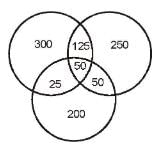
People ordering from X = 50x People ordering from Z only = 20x People ordering from Y only = 20x + 50 People ordering from Y and Z but not X = 50 Also: (100x - 50x - 20x) - (20x + 50) = 50 => x = 10 Total number of people ordering from X = 50 * 10 = 500
People ordering from X only = 1°°0020 x 250 = 300 Poeple ordering from X and at least one more site = 200 People ordering from at least two or more sites = 200 + 50 = 250
1
People ordering from all three sites = 5 x 250 = 50
Since people who order from X and Y only is 100 more than the people who order from X and Z only.
. 2y + 100 + 50 = 200 => y = 25 People ordering from X and Y only = 125 Poeple ordering from X and Z only = 25
X Y
What is the total number of people who order from X, but not only from X?
Let total number of people be 100x.
People ordering from X = 50x People ordering from Z only = 20x People ordering from Y only = 20x + 50 People ordering from Y and Z but not X = 50 Also: (100x - 50x - 20x) - (20x + 50) = 50 => x = 10 Total number of people ordering from X = 50 * 10 = 500
People ordering from X only = 1°°0020 x 250 = 300 Poeple ordering from X and at least one more site = 200 People ordering from at least two or more sites = 200 + 50 = 250
1
People ordering from all three sites = 5 x 250 = 50
Since people who order from X and Y only is 100 more than the people who order from X and Z only.
. 2y + 100 + 50 = 200 => y = 25 People ordering from X and Y only = 125 Poeple ordering from X and Z only = 25
X Y
Detailed Solution: Question 1
Directions : Answer the questions on the basis of the information given below. Certain number of people order gifts for Christmas from three online shopping sites - X, Y and Z. Assume that they order from only three sites and each person orders from at least one of these three sites. 50% of people order from shopping site X and number of people ordering from only shopping site Z was 2/5 th of people ordering from X. Number of people ordering from both Z and Y but not from X are 50. People ordering from Y only are 50 more than the people ordering from Z only. Number of people ordering from X only is 20% more than number of people ordering from Y only. The number of people ordering from all three sites is one fifth of those who order from at least two sites. People who order from X and Y only is 100 more than the people who order from X and Z only.
Let total number of people be 100x.
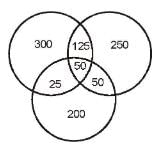
People ordering from X = 50x People ordering from Z only = 20x People ordering from Y only = 20x + 50 People ordering from Y and Z but not X = 50 Also: (100x - 50x - 20x) - (20x + 50) = 50 => x = 10 Total number of people ordering from X = 50 * 10 = 500
People ordering from X only = 1°°0020 x 250 = 300 Poeple ordering from X and at least one more site = 200 People ordering from at least two or more sites = 200 + 50 = 250
1
People ordering from all three sites = 5 x 250 = 50
Since people who order from X and Y only is 100 more than the people who order from X and Z only.
. 2y + 100 + 50 = 200 => y = 25 People ordering from X and Y only = 125 Poeple ordering from X and Z only = 25
X Y
What is the total number of people ordering from at least two shopping sites?
Let total number of people be 100x.
People ordering from X = 50x People ordering from Z only = 20x People ordering from Y only = 20x + 50 People ordering from Y and Z but not X = 50 Also: (100x - 50x - 20x) - (20x + 50) = 50 => x = 10 Total number of people ordering from X = 50 * 10 = 500
People ordering from X only = 1°°0020 x 250 = 300 Poeple ordering from X and at least one more site = 200 People ordering from at least two or more sites = 200 + 50 = 250
1
People ordering from all three sites = 5 x 250 = 50
Since people who order from X and Y only is 100 more than the people who order from X and Z only.
. 2y + 100 + 50 = 200 => y = 25 People ordering from X and Y only = 125 Poeple ordering from X and Z only = 25
X Y
Detailed Solution: Question 2

Directions : Answer the questions on the basis of the information given below. Certain number of people order gifts for Christmas from three online shopping sites - X, Y and Z. Assume that they order from only three sites and each person orders from at least one of these three sites. 50% of people order from shopping site X and number of people ordering from only shopping site Z was 2/5 th of people ordering from X. Number of people ordering from both Z and Y but not from X are 50. People ordering from Y only are 50 more than the people ordering from Z only. Number of people ordering from X only is 20% more than number of people ordering from Y only. The number of people ordering from all three sites is one fifth of those who order from at least two sites. People who order from X and Y only is 100 more than the people who order from X and Z only.
Let total number of people be 100x.
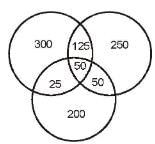
People ordering from X = 50x People ordering from Z only = 20x People ordering from Y only = 20x + 50 People ordering from Y and Z but not X = 50 Also: (100x - 50x - 20x) - (20x + 50) = 50 => x = 10 Total number of people ordering from X = 50 * 10 = 500
People ordering from X only = 1°°0020 x 250 = 300 Poeple ordering from X and at least one more site = 200 People ordering from at least two or more sites = 200 + 50 = 250
1
People ordering from all three sites = 5 x 250 = 50
Since people who order from X and Y only is 100 more than the people who order from X and Z only.
. 2y + 100 + 50 = 200 => y = 25 People ordering from X and Y only = 125 Poeple ordering from X and Z only = 25
X Y
What is the number of people ordering only from a single shopping site?
Let total number of people be 100x.
People ordering from X = 50x People ordering from Z only = 20x People ordering from Y only = 20x + 50 People ordering from Y and Z but not X = 50 Also: (100x - 50x - 20x) - (20x + 50) = 50 => x = 10 Total number of people ordering from X = 50 * 10 = 500
People ordering from X only = 1°°0020 x 250 = 300 Poeple ordering from X and at least one more site = 200 People ordering from at least two or more sites = 200 + 50 = 250
1
People ordering from all three sites = 5 x 250 = 50
Since people who order from X and Y only is 100 more than the people who order from X and Z only.
. 2y + 100 + 50 = 200 => y = 25 People ordering from X and Y only = 125 Poeple ordering from X and Z only = 25
X Y
Detailed Solution: Question 3
