Video Lectures of Sociology Class 12 for Humanities/Arts Exam
Free Video Lectures for CBSE Class 12 Sociology
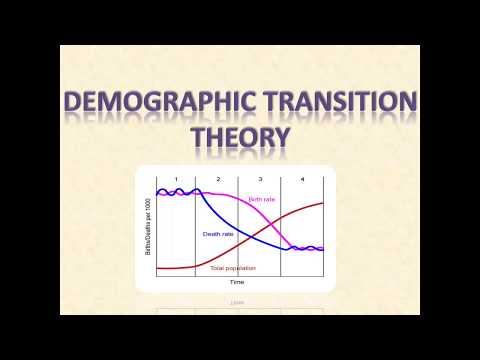
Watching well-structured video lectures is one of the most effective ways to build a strong foundation in Class 12 Sociology. These videos cover essential topics such as demographic transition theory, the caste system, kinship and family structures, and the impact of globalization on Indian society. Whether you are just starting out or reviewing concepts before your board exam, video lessons make complex sociological ideas much easier to grasp. Each lecture is designed to align with the latest CBSE syllabus, so you never have to worry about studying irrelevant material.
Introducing Indian Society
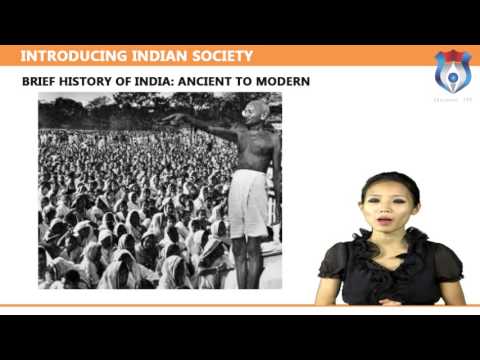


The Demographic Structure of the Indian Society

Social Institutions - Continuity and Change
62 videos|164 docs|25 tests | Join course for free |
Topic-wise Sociology Videos for Quick Revision Before Board Exams
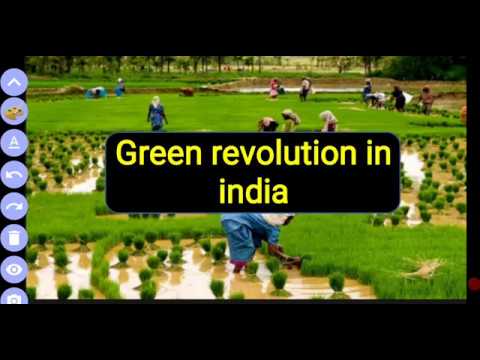
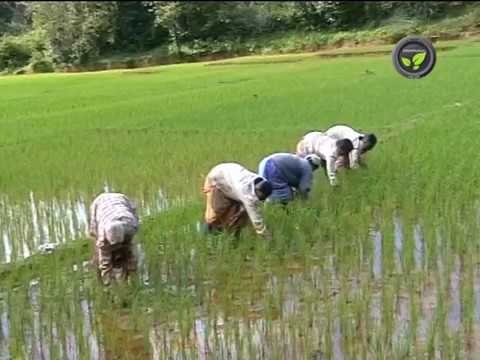
When exam season approaches, revisiting every chapter from scratch is rarely practical. Topic-wise video lessons let you zero in on areas like social inequality and exclusion, cultural diversity challenges, or structural and cultural change without wading through unrelated content. Short, focused videos on subjects such as the Green Revolution, Panchayati Raj, and mass media communications are especially useful in the final weeks of preparation. Using these targeted lessons alongside your written notes can significantly sharpen your recall during the actual exam.
- Covers urbanisation, colonialism, and social reform movements
- Dedicated videos on globalization and its agricultural impact
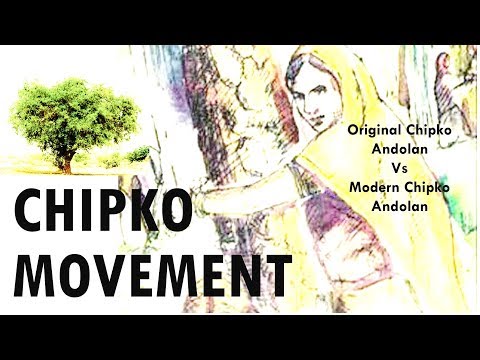
- Explains social movements including the Chipko Movement
- Includes lessons on secularism, communalism, and regionalism in India
The Market as a Social Institution
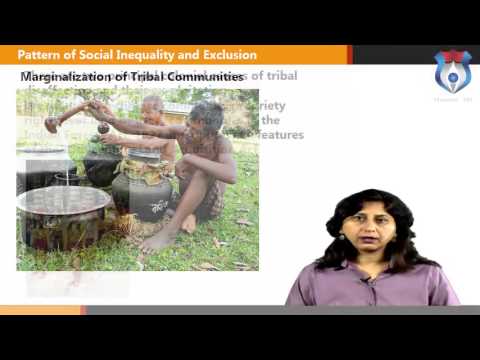
Pattern of Social Inequality and Exclusion

The Challenges of Cultural Diversity
One-Shot Video Lessons on Important Sociology Concepts
One-shot video lessons are a popular resource among Class 12 students who want to cover an entire chapter in a single sitting. These comprehensive sessions walk you through key sociological theories - from Adam Smith's Invisible Hand to sanskritisation and westernisation - in a clear, sequential manner. They are particularly helpful for topics like industrialisation and social change, where understanding the progression of ideas is just as important as memorising facts. Students who regularly use these lessons tend to develop a more holistic understanding of how Indian society has evolved over time.
Cultural Change
The Constitution and Social Change




Why Video Content Enhances Learning for Class 12 Humanities Students
Sociology as a subject demands more than rote learning - it requires the ability to connect theoretical frameworks to real-world phenomena. Video content bridges that gap by presenting case studies, expert commentary, and visual examples that bring topics like social exclusion, women's movements, and population policies to life. For Humanities students preparing for board exams, engaging with video lessons alongside NCERT textbooks creates a well-rounded study approach. The variety in format also helps retain information far more effectively than reading alone.