


All Exams > SSC CHSL > General Knowledge > All Questions
All questions of Inventions for SSC CHSL Exam
What Galileo invented?- a)Barometer
- b)Pendulum clock
- c)Microscope
- d)Thermometer
Correct answer is option 'D'. Can you explain this answer?
What Galileo invented?
a)
Barometer
b)
Pendulum clock
c)
Microscope
d)
Thermometer
 | Ipsita Reddy answered |
Various authors have credited the invention of the thermometer to Cornelius Drebbel, Robert Fludd, Galileo Galilei or Santorio Santorio. The thermometer was not a single invention, however, but a development.
Galileo Galilei also discovered that objects (glass spheres filled with aqueous alcohol) of slightly different densities would rise and fall, which is nowadays the principle of the Galileo thermometer (shown). Today such thermometers are calibrated to a temperature scale.

When was the game Frisbee invented?- a)1920s
- b)1900s
- c)1870s
- d)1890s
Correct answer is option 'C'. Can you explain this answer?
When was the game Frisbee invented?
a)
1920s
b)
1900s
c)
1870s
d)
1890s
 | Rhea Reddy answered |
The first Frisbees were pie tins from the Frisbie Pie Company in Connecticut. In the 1950s, the pie tins were changed to plastic plates. The name then became the Flying Saucer, but later changed to Frisbee.
Which insurance salesman invented the fountain pen in 1884?- a)Lewis Edson Waterman
- b)Sir William Grove
- c)Charles Kettering
- d)George Fountain
Correct answer is option 'A'. Can you explain this answer?
Which insurance salesman invented the fountain pen in 1884?
a)
Lewis Edson Waterman
b)
Sir William Grove
c)
Charles Kettering
d)
George Fountain
| | Rhea Reddy answered |
Lewis Edson Waterman patented the first practical fountain pen in 1884.
What invention caused many deaths while testing it?- a)Dynamite
- b)Ladders
- c)Race cars
- d)Parachute
Correct answer is option 'D'. Can you explain this answer?
What invention caused many deaths while testing it?
a)
Dynamite
b)
Ladders
c)
Race cars
d)
Parachute
 | Kiran Reddy answered |
Many people who tried to test the first parachutes died by jumping from high places. One attempt was a parachute hat, but the inventor broke his neck while testing it. The first successful parachute was tested from a hot air balloon in 1797, in France, by Jacques Garnerin.
For whom high heeled shoes were invented?- a)Cleopatra
- b)Queen Elizabeth I
- c)King Louis the XIV
- d)King Charles II
Correct answer is option 'C'. Can you explain this answer?
For whom high heeled shoes were invented?
a)
Cleopatra
b)
Queen Elizabeth I
c)
King Louis the XIV
d)
King Charles II
 | Vijay Kumar answered |
King Louis XIV was very short and didn't like looking up at people he spoke to, so he had a tall pair of shoes made for him.
Who invented Fountain Pen?- a)John J. Loud
- b)Sir Frank Whittle
- c)Lewis E. Waterman
- d)E. Waterman
Correct answer is option 'C'. Can you explain this answer?
Who invented Fountain Pen?
a)
John J. Loud
b)
Sir Frank Whittle
c)
Lewis E. Waterman
d)
E. Waterman
| | Manasa Menon answered |
The correct answer is option 'C', Lewis E. Waterman.
Fountain pens are writing instruments that use a reservoir of liquid ink to dispense ink onto the paper. They have been a popular choice for writing for many years due to their smooth and consistent ink flow. The invention of the fountain pen revolutionized the way people write, making it easier and more convenient than using dip pens or quills.
Here is an explanation of why Lewis E. Waterman is credited with inventing the fountain pen:
1. Background of Lewis E. Waterman:
- Lewis Edson Waterman was born on November 18, 1837, in Decatur, New York, USA.
- He worked as an insurance agent for most of his life, but he had a passion for improving the writing instruments of his time.
2. The Problem with Early Fountain Pens:
- Before Waterman's invention, early fountain pens had various issues like leakage, inconsistent ink flow, and difficulty in refilling.
- These problems made them unreliable and inconvenient for everyday use.
3. The Invention of Waterman's Fountain Pen:
- In 1883, Lewis E. Waterman invented a new type of fountain pen that addressed the issues faced by earlier designs.
- His key innovation was the three-channel feed system, which controlled the ink flow and prevented leakage.
- This design allowed air to enter the pen, creating a vacuum that regulated the ink flow.
4. Waterman's Patent and Success:
- In 1884, Waterman obtained a patent for his fountain pen design.
- He founded the L.E. Waterman Company in 1888 to manufacture and sell his pens.
- Waterman's pens gained popularity due to their reliability, smooth writing experience, and ease of use.
5. Legacy and Impact:
- Lewis E. Waterman's invention revolutionized the writing industry, and his company became one of the leading manufacturers of fountain pens globally.
- His innovative fountain pen design set the standard for future pen designs and influenced the development of modern writing instruments.
In conclusion, Lewis E. Waterman is credited with inventing the fountain pen due to his significant contributions in addressing the issues faced by earlier designs and his innovative three-channel feed system. His invention revolutionized the way people write and set the foundation for modern fountain pens.
Fountain pens are writing instruments that use a reservoir of liquid ink to dispense ink onto the paper. They have been a popular choice for writing for many years due to their smooth and consistent ink flow. The invention of the fountain pen revolutionized the way people write, making it easier and more convenient than using dip pens or quills.
Here is an explanation of why Lewis E. Waterman is credited with inventing the fountain pen:
1. Background of Lewis E. Waterman:
- Lewis Edson Waterman was born on November 18, 1837, in Decatur, New York, USA.
- He worked as an insurance agent for most of his life, but he had a passion for improving the writing instruments of his time.
2. The Problem with Early Fountain Pens:
- Before Waterman's invention, early fountain pens had various issues like leakage, inconsistent ink flow, and difficulty in refilling.
- These problems made them unreliable and inconvenient for everyday use.
3. The Invention of Waterman's Fountain Pen:
- In 1883, Lewis E. Waterman invented a new type of fountain pen that addressed the issues faced by earlier designs.
- His key innovation was the three-channel feed system, which controlled the ink flow and prevented leakage.
- This design allowed air to enter the pen, creating a vacuum that regulated the ink flow.
4. Waterman's Patent and Success:
- In 1884, Waterman obtained a patent for his fountain pen design.
- He founded the L.E. Waterman Company in 1888 to manufacture and sell his pens.
- Waterman's pens gained popularity due to their reliability, smooth writing experience, and ease of use.
5. Legacy and Impact:
- Lewis E. Waterman's invention revolutionized the writing industry, and his company became one of the leading manufacturers of fountain pens globally.
- His innovative fountain pen design set the standard for future pen designs and influenced the development of modern writing instruments.
In conclusion, Lewis E. Waterman is credited with inventing the fountain pen due to his significant contributions in addressing the issues faced by earlier designs and his innovative three-channel feed system. His invention revolutionized the way people write and set the foundation for modern fountain pens.
When was the toothbrush invented?- a)1938
- b)1965
- c)1990
- d)1942
Correct answer is option 'A'. Can you explain this answer?
When was the toothbrush invented?
a)
1938
b)
1965
c)
1990
d)
1942
| | Rohit Jain answered |
The toothbrush as we know it today was not invented until1938. However, early forms of the toothbrush have been in existence since 3000 BC. Ancient civilizations used a "chew stick," which was a thin twig with a frayed end. These 'chew sticks' were rubbed against the teeth.
When was the Raggedy Ann doll patented?- a)1915
- b)1920
- c)1919
- d)1911
Correct answer is option 'A'. Can you explain this answer?
When was the Raggedy Ann doll patented?
a)
1915
b)
1920
c)
1919
d)
1911
 | Saikat Malik answered |
Johnny Gruelle patented the Raggedy Ann doll in 1915. The Raggedy Andy doll and the Raggedy Ann books came later.
What beverage was invented by Charles Alderton in 1885 in Waco, Texas?- a)Cream soda
- b)Coca-Cola
- c)Dr. Pepper
- d)Sprite
Correct answer is option 'C'. Can you explain this answer?
What beverage was invented by Charles Alderton in 1885 in Waco, Texas?
a)
Cream soda
b)
Coca-Cola
c)
Dr. Pepper
d)
Sprite
| | Tushar Iyer answered |
The cherry-flavored cola made its debut at Morrison's Old Corner Drugstore.
In which decade was the AEEE (now the IEEE) founded?- a)1850s
- b)1880s
- c)1930s
- d)1950s
Correct answer is option 'B'. Can you explain this answer?
In which decade was the AEEE (now the IEEE) founded?
a)
1850s
b)
1880s
c)
1930s
d)
1950s
| | Gargi Saha answered |
The founding of AEEE (now the IEEE) happened in the late 19th century, in the year 1884. This organization was created to support the advancement of electrical engineering and its applications. The acronym AEEE stands for the American Institute of Electrical Engineers, which was later renamed as the Institute of Electrical and Electronics Engineers (IEEE) in 1963.
Reasons for founding
There were a few significant reasons why the AEEE was founded in 1884:
- The need for a professional association: At the time, there were no professional associations for electrical engineers. The AEEE was created to fill this gap and provide a platform for professionals to network, share knowledge, and advance the field.
- Rapid growth of electrical engineering: Electrical engineering was a rapidly growing field in the late 19th century, and there was a need for a dedicated organization to support its development.
- Technological advancements: The invention of the light bulb and the development of the electrical power industry were major technological advancements that led to the creation of the AEEE.
Impact of the IEEE
Since its founding, the IEEE has played a vital role in advancing electrical engineering and related fields. The organization has over 400,000 members in over 160 countries and provides a platform for professionals to collaborate, share knowledge, and develop new technologies. Some of the IEEE's notable achievements include:
- Development of standards: The IEEE has developed over 1,300 standards that have helped to shape the modern world, including standards for Wi-Fi, Ethernet, and Bluetooth.
- Advancements in computing: The IEEE has played a significant role in the development of computing technologies, including the creation of the first computer language (FORTRAN) and the development of the first microprocessor.
- Advancements in renewable energy: The IEEE has supported the development of renewable energy technologies and has played a role in the adoption of solar, wind, and other forms of clean energy.
Conclusion
The founding of AEEE (now the IEEE) in 1884 was a significant event in the history of electrical engineering. The organization has played a crucial role in advancing the field and has been instrumental in developing new technologies and standards. Today, the IEEE continues to be a leading professional association for engineers and technologists around the world.
Reasons for founding
There were a few significant reasons why the AEEE was founded in 1884:
- The need for a professional association: At the time, there were no professional associations for electrical engineers. The AEEE was created to fill this gap and provide a platform for professionals to network, share knowledge, and advance the field.
- Rapid growth of electrical engineering: Electrical engineering was a rapidly growing field in the late 19th century, and there was a need for a dedicated organization to support its development.
- Technological advancements: The invention of the light bulb and the development of the electrical power industry were major technological advancements that led to the creation of the AEEE.
Impact of the IEEE
Since its founding, the IEEE has played a vital role in advancing electrical engineering and related fields. The organization has over 400,000 members in over 160 countries and provides a platform for professionals to collaborate, share knowledge, and develop new technologies. Some of the IEEE's notable achievements include:
- Development of standards: The IEEE has developed over 1,300 standards that have helped to shape the modern world, including standards for Wi-Fi, Ethernet, and Bluetooth.
- Advancements in computing: The IEEE has played a significant role in the development of computing technologies, including the creation of the first computer language (FORTRAN) and the development of the first microprocessor.
- Advancements in renewable energy: The IEEE has supported the development of renewable energy technologies and has played a role in the adoption of solar, wind, and other forms of clean energy.
Conclusion
The founding of AEEE (now the IEEE) in 1884 was a significant event in the history of electrical engineering. The organization has played a crucial role in advancing the field and has been instrumental in developing new technologies and standards. Today, the IEEE continues to be a leading professional association for engineers and technologists around the world.
Who synthesized the first wholly artificial gene?- a)Hargobind Khorana
- b)J.J. Thompson
- c)Benjamin Franklin
- d)Meghnad Saha
Correct answer is option 'A'. Can you explain this answer?
Who synthesized the first wholly artificial gene?
a)
Hargobind Khorana
b)
J.J. Thompson
c)
Benjamin Franklin
d)
Meghnad Saha
 | Abhiram Mehra answered |
Synthesis of the First Wholly Artificial Gene
Hargobind Khorana, an Indian-American biochemist, synthesized the first wholly artificial gene in 1972.
Importance of the Artificial Gene
This was a significant milestone in the field of genetics as it opened up new avenues for research and development. The artificial gene was created using chemical synthesis, which involves the production of DNA sequences in a laboratory setting.
Process of Synthesizing the Artificial Gene
Khorana and his team used a chemical method to synthesize the gene. They used a DNA synthesizer to piece together the nucleotides, the building blocks of DNA, in a specific sequence to create the desired gene.
Significance of the Artificial Gene
The artificial gene was a breakthrough in the field of genetics as it demonstrated that it was possible to create new DNA sequences from scratch. This paved the way for further research in the field of genetic engineering, which has led to the development of new treatments for genetic diseases and the creation of genetically modified crops.
Conclusion
Hargobind Khorana's synthesis of the first wholly artificial gene was a significant milestone in the field of genetics. It demonstrated that it was possible to create new DNA sequences from scratch, which paved the way for further research in the field of genetic engineering.
Hargobind Khorana, an Indian-American biochemist, synthesized the first wholly artificial gene in 1972.
Importance of the Artificial Gene
This was a significant milestone in the field of genetics as it opened up new avenues for research and development. The artificial gene was created using chemical synthesis, which involves the production of DNA sequences in a laboratory setting.
Process of Synthesizing the Artificial Gene
Khorana and his team used a chemical method to synthesize the gene. They used a DNA synthesizer to piece together the nucleotides, the building blocks of DNA, in a specific sequence to create the desired gene.
Significance of the Artificial Gene
The artificial gene was a breakthrough in the field of genetics as it demonstrated that it was possible to create new DNA sequences from scratch. This paved the way for further research in the field of genetic engineering, which has led to the development of new treatments for genetic diseases and the creation of genetically modified crops.
Conclusion
Hargobind Khorana's synthesis of the first wholly artificial gene was a significant milestone in the field of genetics. It demonstrated that it was possible to create new DNA sequences from scratch, which paved the way for further research in the field of genetic engineering.
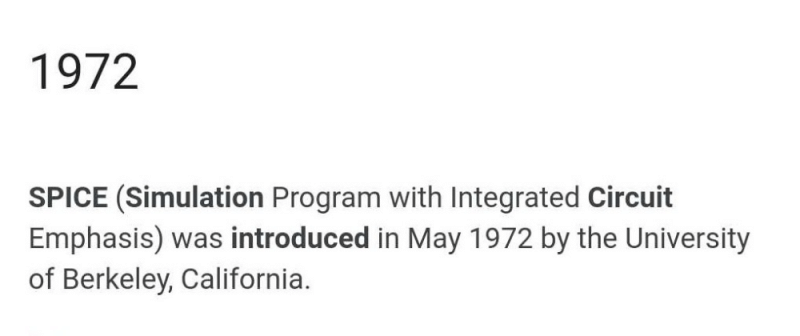
Who invented the Seed Drill?- a)Jethro Tull
- b)Arlo Guthrie
- c)Woodie Guthrie
- d)Thomas Hines
Correct answer is option 'A'. Can you explain this answer?
Who invented the Seed Drill?
a)
Jethro Tull
b)
Arlo Guthrie
c)
Woodie Guthrie
d)
Thomas Hines
 | Anaya Patel answered |
It was invented around the early 1700's.
What Henry Bessemer invented?- a)Aluminum
- b)Electroplating
- c)Steel Converter
- d)Steel rolling mill
Correct answer is option 'C'. Can you explain this answer?
What Henry Bessemer invented?
a)
Aluminum
b)
Electroplating
c)
Steel Converter
d)
Steel rolling mill
| | Amar Menon answered |
Henry Bessemer invented the Steel Converter.
Background:
During the Industrial Revolution, there was a growing demand for steel, which was primarily used in construction, machinery, and transportation. However, the production of steel was a time-consuming and expensive process. It was typically made through the Bessemer process, which was developed by Henry Bessemer in the mid-19th century.
The Steel Converter:
The key invention by Henry Bessemer was the Steel Converter, also known as the Bessemer Converter. This device revolutionized the steelmaking process by allowing for the mass production of steel in a much shorter time frame and at a lower cost.
How it Works:
The Steel Converter is a large pear-shaped vessel made of steel. It has a tilting mechanism that allows it to be rotated between a vertical and horizontal position. The converter is lined with a refractory material to withstand the high temperatures involved in the process.
The process begins by preheating the converter using a hot air blast. Then, molten pig iron, which is high in carbon content, is poured into the converter. The converter is then rotated to a vertical position and a blast of air is blown through the molten iron. This air oxidizes the impurities in the iron, such as carbon, silicon, and manganese, causing them to form slag.
The oxidation process generates a significant amount of heat, raising the temperature of the molten iron. The converter is then rotated back to a horizontal position and the molten steel is poured out. The resulting steel has a much lower carbon content and is much purer than the original pig iron.
Advantages:
The invention of the Steel Converter had several advantages:
1. Mass production: The converter enabled the mass production of steel, meeting the growing demand during the Industrial Revolution.
2. Cost-effective: The process was much cheaper compared to previous methods of steel production, making steel more affordable.
3. Time-efficient: The converter allowed for the production of steel in a much shorter time frame, increasing productivity.
Impact:
The invention of the Steel Converter revolutionized the steel industry and played a crucial role in the development of modern infrastructure and industrialization. It paved the way for the construction of railways, bridges, and skyscrapers, as steel became more readily available and affordable. The Bessemer process also laid the foundation for further advancements in steelmaking technology.
Overall, Henry Bessemer's invention of the Steel Converter had a profound impact on the industrial world, transforming the way steel was produced and shaping the course of modern history.
Background:
During the Industrial Revolution, there was a growing demand for steel, which was primarily used in construction, machinery, and transportation. However, the production of steel was a time-consuming and expensive process. It was typically made through the Bessemer process, which was developed by Henry Bessemer in the mid-19th century.
The Steel Converter:
The key invention by Henry Bessemer was the Steel Converter, also known as the Bessemer Converter. This device revolutionized the steelmaking process by allowing for the mass production of steel in a much shorter time frame and at a lower cost.
How it Works:
The Steel Converter is a large pear-shaped vessel made of steel. It has a tilting mechanism that allows it to be rotated between a vertical and horizontal position. The converter is lined with a refractory material to withstand the high temperatures involved in the process.
The process begins by preheating the converter using a hot air blast. Then, molten pig iron, which is high in carbon content, is poured into the converter. The converter is then rotated to a vertical position and a blast of air is blown through the molten iron. This air oxidizes the impurities in the iron, such as carbon, silicon, and manganese, causing them to form slag.
The oxidation process generates a significant amount of heat, raising the temperature of the molten iron. The converter is then rotated back to a horizontal position and the molten steel is poured out. The resulting steel has a much lower carbon content and is much purer than the original pig iron.
Advantages:
The invention of the Steel Converter had several advantages:
1. Mass production: The converter enabled the mass production of steel, meeting the growing demand during the Industrial Revolution.
2. Cost-effective: The process was much cheaper compared to previous methods of steel production, making steel more affordable.
3. Time-efficient: The converter allowed for the production of steel in a much shorter time frame, increasing productivity.
Impact:
The invention of the Steel Converter revolutionized the steel industry and played a crucial role in the development of modern infrastructure and industrialization. It paved the way for the construction of railways, bridges, and skyscrapers, as steel became more readily available and affordable. The Bessemer process also laid the foundation for further advancements in steelmaking technology.
Overall, Henry Bessemer's invention of the Steel Converter had a profound impact on the industrial world, transforming the way steel was produced and shaping the course of modern history.
In which decade was the telephone invented?- a)1850s
- b)1860s
- c)1870s
- d)1880s
Correct answer is option 'C'. Can you explain this answer?
In which decade was the telephone invented?
a)
1850s
b)
1860s
c)
1870s
d)
1880s
| | Vijay Kumar answered |
Alexander Graham Bell's notebook entry of 10 March 1876 describes his successful experiment with the telephone. Speaking through the instrument to his assistant, Thomas A. Watson, in the next room, Bell utters these famous first words, "Mr. Watson -- come here -- I want to see you".
What plaything was invented by Joe McVicker in 1956?- a)Silly Putty
- b)Etch-A-Sketch
- c)Lite-Brite
- d)Play-Doh
Correct answer is option 'D'. Can you explain this answer?
What plaything was invented by Joe McVicker in 1956?
a)
Silly Putty
b)
Etch-A-Sketch
c)
Lite-Brite
d)
Play-Doh
| | Saranya Basak answered |
The stuff was originally intended to be wallpaper cleaner! (I used to eat this as a child)
In which decade was the first solid state integrated circuit demonstrated?- a)1950s
- b)1960s
- c)1970s
- d)1980s
Correct answer is option 'A'. Can you explain this answer?
In which decade was the first solid state integrated circuit demonstrated?
a)
1950s
b)
1960s
c)
1970s
d)
1980s
| | Deepak Verma answered |
The first solid-state integrated circuit was demonstrated in the 1950s.
Explanation:
Solid-State Integrated Circuit:
A solid-state integrated circuit, also known as a microchip or simply an IC, is a miniaturized electronic circuit that consists of various electronic components such as transistors, resistors, capacitors, and diodes fabricated on a small piece of semiconductor material, usually silicon. These components are interconnected to perform specific functions, such as amplification, switching, and data processing. The invention of the solid-state integrated circuit revolutionized the field of electronics by enabling the development of smaller, more efficient, and more reliable electronic devices.
The demonstration of the first solid-state integrated circuit was a significant milestone in the history of electronics. It marked the beginning of a new era of miniaturization and paved the way for the development of modern electronics.
Timeline:
- The first solid-state integrated circuit was demonstrated in the 1950s, specifically in the year 1958.
- It was developed by a team of engineers led by Jack Kilby at Texas Instruments and independently by Robert Noyce at Fairchild Semiconductor.
- Jack Kilby's design used germanium as the semiconductor material, while Robert Noyce's design used silicon.
- Both Kilby and Noyce's designs incorporated multiple transistors, resistors, and capacitors on a single chip of semiconductor material.
- This breakthrough allowed electronic components to be manufactured and interconnected on a much smaller scale, leading to the development of smaller and more powerful electronic devices.
Impact:
The demonstration of the first solid-state integrated circuit had a profound impact on various industries and everyday life. Some of the key impacts include:
1. Miniaturization: The invention of the solid-state integrated circuit enabled the miniaturization of electronic devices. This led to the development of smaller and more portable devices such as calculators, computers, and mobile phones.
2. Improved Performance: Integrated circuits allowed for better performance and increased functionality in electronic devices. They offered higher processing speeds, increased storage capacity, and improved power efficiency.
3. Cost Reduction: The mass production of integrated circuits led to a significant reduction in the cost of electronic devices. This made technology more accessible to the general public and spurred innovation in various fields.
4. Advancements in Technology: The development of integrated circuits paved the way for further advancements in technology, such as the development of microprocessors, memory chips, and other complex electronic systems.
Conclusion:
The first solid-state integrated circuit was demonstrated in the 1950s, marking a significant milestone in the field of electronics. This breakthrough revolutionized the industry by enabling the miniaturization of electronic devices, improving their performance, reducing costs, and leading to further technological advancements.
Explanation:
Solid-State Integrated Circuit:
A solid-state integrated circuit, also known as a microchip or simply an IC, is a miniaturized electronic circuit that consists of various electronic components such as transistors, resistors, capacitors, and diodes fabricated on a small piece of semiconductor material, usually silicon. These components are interconnected to perform specific functions, such as amplification, switching, and data processing. The invention of the solid-state integrated circuit revolutionized the field of electronics by enabling the development of smaller, more efficient, and more reliable electronic devices.
The demonstration of the first solid-state integrated circuit was a significant milestone in the history of electronics. It marked the beginning of a new era of miniaturization and paved the way for the development of modern electronics.
Timeline:
- The first solid-state integrated circuit was demonstrated in the 1950s, specifically in the year 1958.
- It was developed by a team of engineers led by Jack Kilby at Texas Instruments and independently by Robert Noyce at Fairchild Semiconductor.
- Jack Kilby's design used germanium as the semiconductor material, while Robert Noyce's design used silicon.
- Both Kilby and Noyce's designs incorporated multiple transistors, resistors, and capacitors on a single chip of semiconductor material.
- This breakthrough allowed electronic components to be manufactured and interconnected on a much smaller scale, leading to the development of smaller and more powerful electronic devices.
Impact:
The demonstration of the first solid-state integrated circuit had a profound impact on various industries and everyday life. Some of the key impacts include:
1. Miniaturization: The invention of the solid-state integrated circuit enabled the miniaturization of electronic devices. This led to the development of smaller and more portable devices such as calculators, computers, and mobile phones.
2. Improved Performance: Integrated circuits allowed for better performance and increased functionality in electronic devices. They offered higher processing speeds, increased storage capacity, and improved power efficiency.
3. Cost Reduction: The mass production of integrated circuits led to a significant reduction in the cost of electronic devices. This made technology more accessible to the general public and spurred innovation in various fields.
4. Advancements in Technology: The development of integrated circuits paved the way for further advancements in technology, such as the development of microprocessors, memory chips, and other complex electronic systems.
Conclusion:
The first solid-state integrated circuit was demonstrated in the 1950s, marking a significant milestone in the field of electronics. This breakthrough revolutionized the industry by enabling the miniaturization of electronic devices, improving their performance, reducing costs, and leading to further technological advancements.
When was Monopoly created?- a)1940s
- b)1930s
- c)1920s
- d)1950s
Correct answer is option 'B'. Can you explain this answer?
When was Monopoly created?
a)
1940s
b)
1930s
c)
1920s
d)
1950s
| | Mayank Kumar answered |
After the Stock Market crash, a buying and selling game created by Charles Darrow came to be. The first games were hand drawn on linoleum with streets from Atlantic City, N.J. as the property. He took the game to the Parker Brothers company, and Monopply was brought out for Christmas 1934. Everyone wanted to buy the games after Christmas, and Monopoly became a big success.
Who invented Jet Engine?- a)Sir Frank Whittle
- b)Gottlieb Daimler
- c)Roger Bacon
- d)Lewis E. Waterman
Correct answer is option 'A'. Can you explain this answer?
Who invented Jet Engine?
a)
Sir Frank Whittle
b)
Gottlieb Daimler
c)
Roger Bacon
d)
Lewis E. Waterman
| | Sahana Bajaj answered |
Dr. Hans von Ohain and Sir Frank Whittle are recognized as the co-inventors of the jet engine. Each was working separately and knew nothing of the others work. Although Whittle started first, von Ohain was first to design and develop a turbojet engine to power an aircraft.
Of the many honors received by both, the most significant honor was probably "The Charles Draper Prize" in 1992 which was given to both Hans von Ohain and Sir Frank Whittle for their efforts and contributions to aviation and mankind. "The Charles Draper Prize" is recognized as the equivalent to the Nobel Prize in technology.
Of the many honors received by both, the most significant honor was probably "The Charles Draper Prize" in 1992 which was given to both Hans von Ohain and Sir Frank Whittle for their efforts and contributions to aviation and mankind. "The Charles Draper Prize" is recognized as the equivalent to the Nobel Prize in technology.
Who among the following invented the small pox vaccine?- a)Robert Koch
- b)Edward Jenner
- c)Robert Hooke
- d)Louis Pasteur
Correct answer is option 'B'. Can you explain this answer?
Who among the following invented the small pox vaccine?
a)
Robert Koch
b)
Edward Jenner
c)
Robert Hooke
d)
Louis Pasteur
| | Pankaj Kumar answered |
Edward Jenner is the correct answer for the inventor of the smallpox vaccine.
Edward Jenner:
- Edward Jenner was an English physician and scientist who is credited with developing the smallpox vaccine.
- In the late 18th century, smallpox was a widespread and deadly disease that caused significant mortality and morbidity.
- Jenner noticed that milkmaids who had contracted cowpox, a much milder disease, seemed to be immune to smallpox. This observation led him to hypothesize that cowpox could protect against smallpox.
- In 1796, Jenner conducted an experiment where he took material from a cowpox sore on a milkmaid's hand and inoculated it into an 8-year-old boy named James Phipps.
- After the boy recovered from cowpox, Jenner exposed him to smallpox, but the boy did not develop the disease. This experiment provided evidence for the effectiveness of cowpox vaccination against smallpox.
- Jenner continued his research and published his findings in 1798 in a paper titled "An Inquiry into the Causes and Effects of the Variolae Vaccinae" (The Inquiry).
- The word "vaccine" is derived from the Latin word "vacca," meaning cow, in honor of Jenner's use of cowpox in his experiments.
- Jenner's discovery of the smallpox vaccine revolutionized public health and laid the foundation for the development of other vaccines.
- Smallpox was eventually eradicated in 1980 through a global vaccination campaign led by the World Health Organization (WHO), making it the first disease to be eradicated by human efforts.
In conclusion, Edward Jenner is widely recognized as the inventor of the smallpox vaccine. His groundbreaking work in the late 18th century paved the way for the prevention and eventual eradication of smallpox, saving countless lives.
Edward Jenner:
- Edward Jenner was an English physician and scientist who is credited with developing the smallpox vaccine.
- In the late 18th century, smallpox was a widespread and deadly disease that caused significant mortality and morbidity.
- Jenner noticed that milkmaids who had contracted cowpox, a much milder disease, seemed to be immune to smallpox. This observation led him to hypothesize that cowpox could protect against smallpox.
- In 1796, Jenner conducted an experiment where he took material from a cowpox sore on a milkmaid's hand and inoculated it into an 8-year-old boy named James Phipps.
- After the boy recovered from cowpox, Jenner exposed him to smallpox, but the boy did not develop the disease. This experiment provided evidence for the effectiveness of cowpox vaccination against smallpox.
- Jenner continued his research and published his findings in 1798 in a paper titled "An Inquiry into the Causes and Effects of the Variolae Vaccinae" (The Inquiry).
- The word "vaccine" is derived from the Latin word "vacca," meaning cow, in honor of Jenner's use of cowpox in his experiments.
- Jenner's discovery of the smallpox vaccine revolutionized public health and laid the foundation for the development of other vaccines.
- Smallpox was eventually eradicated in 1980 through a global vaccination campaign led by the World Health Organization (WHO), making it the first disease to be eradicated by human efforts.
In conclusion, Edward Jenner is widely recognized as the inventor of the smallpox vaccine. His groundbreaking work in the late 18th century paved the way for the prevention and eventual eradication of smallpox, saving countless lives.
What now-ubiquitous device was invented by Zenith engineer Eugene Polley in 1955?- a)Microwave oven
- b)Remote control
- c)VCR
- d)Calculator
Correct answer is option 'B'. Can you explain this answer?
What now-ubiquitous device was invented by Zenith engineer Eugene Polley in 1955?
a)
Microwave oven
b)
Remote control
c)
VCR
d)
Calculator
| | Rithika Menon answered |
The first wireless remote control for television was called Flashmatic. (Remember when you had to get up to change the channel?)
Who came up with the idea for INSTANT MASHED POTATO?- a)S. Tuberosum
- b)W. Raleigh
- c)E. Asselbergs
- d)K. Edwards
Correct answer is option 'C'. Can you explain this answer?
Who came up with the idea for INSTANT MASHED POTATO?
a)
S. Tuberosum
b)
W. Raleigh
c)
E. Asselbergs
d)
K. Edwards
| | Shãlini.✿ answered |
Instant mash was invented by Edward A Asselbergs, a Canadian, in 1962. The mash is actually dehydrated potato flakes. Thus, option C is right ans.
In which decade was the telegraph invented?- a)1810s
- b)1840s
- c)1870s
- d)1890s
Correct answer is option 'B'. Can you explain this answer?
In which decade was the telegraph invented?
a)
1810s
b)
1840s
c)
1870s
d)
1890s
| | Vikram Verma answered |
On May 24, 1844, Samuel Morse send his famous message, "What hath God wrought?"
What invention was first installed at a Hartford, Connecticut bank in 1889?- a)Automatic teller machine
- b)Time-lock safe
- c)Burglar alarm
- d)Pay telephone
Correct answer is option 'D'. Can you explain this answer?
What invention was first installed at a Hartford, Connecticut bank in 1889?
a)
Automatic teller machine
b)
Time-lock safe
c)
Burglar alarm
d)
Pay telephone
| | Aravind Basu answered |
William Gray, inventor of the pay telephone, also invented the inflatable chest protector worn by baseball umpires and catchers.
What Benjamin Franklin invented?- a)Bifocal spectacles
- b)Radio
- c)Barometer
- d)Hygrometer
Correct answer is option 'A'. Can you explain this answer?
What Benjamin Franklin invented?
a)
Bifocal spectacles
b)
Radio
c)
Barometer
d)
Hygrometer
| | Sanchita Bose answered |
Benjamin Franklin, one of the Founding Fathers of the United States, was a polymath who made significant contributions to various fields, including science and technology. One of his most notable inventions was bifocal spectacles, which provided a solution for people with both nearsightedness and farsightedness.
1. Bifocal Spectacles:
- Benjamin Franklin invented bifocal spectacles in the 1780s to address his own vision problems. He was both nearsighted and farsighted, and switching between two pairs of glasses was inconvenient for him.
- Franklin's bifocal spectacles featured lenses with two distinct optical powers. The top portion of the lens corrected distant vision, while the bottom portion corrected near vision.
- This innovation allowed users to see clearly at both distances without the need to switch between multiple pairs of glasses.
- Franklin's invention of bifocal spectacles revolutionized eyewear and laid the foundation for modern multifocal lenses.
2. Other Inventions by Benjamin Franklin:
a) Lightning Rod: Franklin is also famous for his experiments and inventions related to electricity. One of his most significant contributions was the invention of the lightning rod. By attaching a metal rod to a structure's highest point and grounding it, Franklin was able to protect buildings from lightning strikes.
b) Franklin Stove: Another notable invention by Franklin was the Franklin stove, also known as the Pennsylvania fireplace. This innovative heating device provided more efficient heating by directing the heat into the room instead of allowing it to escape through the chimney.
c) Glass Armonica: Franklin also invented the glass armonica, a musical instrument made of glass bowls or goblets of various sizes. The instrument produced ethereal and haunting sounds by rubbing wet fingers on the rims of the bowls, creating friction and producing musical tones.
d) Swim Fins: Franklin also designed swim fins to increase swimming speed. He attached wooden paddles to his hands and feet to enhance his swimming ability, making him a faster swimmer.
In conclusion, Benjamin Franklin was a prolific inventor and made significant contributions to various fields. His invention of bifocal spectacles revolutionized eyewear, providing a convenient solution for people with both nearsightedness and farsightedness. Additionally, his other inventions such as the lightning rod, Franklin stove, glass armonica, and swim fins showcased his innovative thinking and practical approach to problem-solving.
1. Bifocal Spectacles:
- Benjamin Franklin invented bifocal spectacles in the 1780s to address his own vision problems. He was both nearsighted and farsighted, and switching between two pairs of glasses was inconvenient for him.
- Franklin's bifocal spectacles featured lenses with two distinct optical powers. The top portion of the lens corrected distant vision, while the bottom portion corrected near vision.
- This innovation allowed users to see clearly at both distances without the need to switch between multiple pairs of glasses.
- Franklin's invention of bifocal spectacles revolutionized eyewear and laid the foundation for modern multifocal lenses.
2. Other Inventions by Benjamin Franklin:
a) Lightning Rod: Franklin is also famous for his experiments and inventions related to electricity. One of his most significant contributions was the invention of the lightning rod. By attaching a metal rod to a structure's highest point and grounding it, Franklin was able to protect buildings from lightning strikes.
b) Franklin Stove: Another notable invention by Franklin was the Franklin stove, also known as the Pennsylvania fireplace. This innovative heating device provided more efficient heating by directing the heat into the room instead of allowing it to escape through the chimney.
c) Glass Armonica: Franklin also invented the glass armonica, a musical instrument made of glass bowls or goblets of various sizes. The instrument produced ethereal and haunting sounds by rubbing wet fingers on the rims of the bowls, creating friction and producing musical tones.
d) Swim Fins: Franklin also designed swim fins to increase swimming speed. He attached wooden paddles to his hands and feet to enhance his swimming ability, making him a faster swimmer.
In conclusion, Benjamin Franklin was a prolific inventor and made significant contributions to various fields. His invention of bifocal spectacles revolutionized eyewear, providing a convenient solution for people with both nearsightedness and farsightedness. Additionally, his other inventions such as the lightning rod, Franklin stove, glass armonica, and swim fins showcased his innovative thinking and practical approach to problem-solving.
Who invented the BALLPOINT PEN?- a)Biro Brothers
- b)Waterman Brothers
- c)Bicc Brothers
- d)Write Brothers
Correct answer is option 'A'. Can you explain this answer?
Who invented the BALLPOINT PEN?
a)
Biro Brothers
b)
Waterman Brothers
c)
Bicc Brothers
d)
Write Brothers
| | Kritika Basu answered |
The Hungarian brothers, Laszlo and George Biro, made the first ball point pen in 1894. It followed the first workable fountain pen which was invented by L.E. Waterman in 1884.
Who is often called the 'first African-American' inventor?- a)Bessie Blount
- b)George Washington Carver
- c)Benjamin Banneker
- d)Elijah McCoy
Correct answer is option 'C'. Can you explain this answer?
Who is often called the 'first African-American' inventor?
a)
Bessie Blount
b)
George Washington Carver
c)
Benjamin Banneker
d)
Elijah McCoy
| | Gauri Bose answered |
Banneker was a member of the planning committee that designed Washington, DC along with Pierre L'Enfant. When L'Enfant was fired Banneker recreated the plans from memory.
In which decade with the first transatlantic radio broadcast occur?- a)1850s
- b)1860s
- c)1870s
- d)1900s
Correct answer is option 'D'. Can you explain this answer?
In which decade with the first transatlantic radio broadcast occur?
a)
1850s
b)
1860s
c)
1870s
d)
1900s
 | Tanishq Roy answered |
The correct answer is option 'D' - 1900s.
Explanation:
The first transatlantic radio broadcast occurred in the 1900s, specifically in the year 1901. This historic event was made possible by Guglielmo Marconi, an Italian inventor and electrical engineer, who is widely credited with the invention of the radio.
Key Points:
1. Guglielmo Marconi: Guglielmo Marconi was born in Italy in 1874 and became interested in the field of wireless telegraphy. He conducted numerous experiments and made significant advancements in wireless communication.
2. The invention of the radio: Marconi is known for his experiments and development of the radio. In 1895, he successfully transmitted signals over a distance of 1.5 miles. This achievement laid the foundation for further advancements in wireless communication.
3. Transatlantic radio transmission: On December 12, 1901, Marconi succeeded in transmitting the first transatlantic radio signal. He sent a series of Morse code signals from Poldhu, Cornwall, in England to St. John's, Newfoundland, in Canada. The signals traveled a distance of approximately 2,100 miles across the Atlantic Ocean.
4. Significance of the transatlantic radio broadcast: The successful transatlantic radio transmission was a groundbreaking achievement in communication technology. It demonstrated the possibility of long-distance wireless communication and opened up new possibilities for global communication.
5. Impact on communication: The transatlantic radio broadcast paved the way for the development of radio as a means of mass communication. It played a crucial role in the growth of broadcasting and the dissemination of news, entertainment, and information across continents.
6. Further developments: Following the transatlantic radio broadcast, Marconi continued to refine and improve his wireless communication system. His work laid the foundation for the development of radio broadcasting and telecommunications technology that we use today.
In conclusion, the first transatlantic radio broadcast occurred in the 1900s, specifically in 1901, thanks to the pioneering work of Guglielmo Marconi. This event revolutionized global communication and set the stage for the further development of radio technology.
Explanation:
The first transatlantic radio broadcast occurred in the 1900s, specifically in the year 1901. This historic event was made possible by Guglielmo Marconi, an Italian inventor and electrical engineer, who is widely credited with the invention of the radio.
Key Points:
1. Guglielmo Marconi: Guglielmo Marconi was born in Italy in 1874 and became interested in the field of wireless telegraphy. He conducted numerous experiments and made significant advancements in wireless communication.
2. The invention of the radio: Marconi is known for his experiments and development of the radio. In 1895, he successfully transmitted signals over a distance of 1.5 miles. This achievement laid the foundation for further advancements in wireless communication.
3. Transatlantic radio transmission: On December 12, 1901, Marconi succeeded in transmitting the first transatlantic radio signal. He sent a series of Morse code signals from Poldhu, Cornwall, in England to St. John's, Newfoundland, in Canada. The signals traveled a distance of approximately 2,100 miles across the Atlantic Ocean.
4. Significance of the transatlantic radio broadcast: The successful transatlantic radio transmission was a groundbreaking achievement in communication technology. It demonstrated the possibility of long-distance wireless communication and opened up new possibilities for global communication.
5. Impact on communication: The transatlantic radio broadcast paved the way for the development of radio as a means of mass communication. It played a crucial role in the growth of broadcasting and the dissemination of news, entertainment, and information across continents.
6. Further developments: Following the transatlantic radio broadcast, Marconi continued to refine and improve his wireless communication system. His work laid the foundation for the development of radio broadcasting and telecommunications technology that we use today.
In conclusion, the first transatlantic radio broadcast occurred in the 1900s, specifically in 1901, thanks to the pioneering work of Guglielmo Marconi. This event revolutionized global communication and set the stage for the further development of radio technology.
What Igor Sikorsky invented?- a)Hydroplane
- b)Jet engine airplane
- c)Helicopter
- d)Glider
Correct answer is option 'C'. Can you explain this answer?
What Igor Sikorsky invented?
a)
Hydroplane
b)
Jet engine airplane
c)
Helicopter
d)
Glider
| | Shraddha Mukherjee answered |
Igor Sikorsky invented the Helicopter. Let's discuss the details of his invention and his contributions to aviation.
Background Information on Igor Sikorsky:
Igor Sikorsky was a Russian-American aviation pioneer and engineer. Born on May 25, 1889, in Kiev, Ukraine, he developed a keen interest in aviation from a young age. Sikorsky was educated in engineering and mechanics, which laid the foundation for his groundbreaking work in aviation.
Invention of the Helicopter:
Sikorsky's most notable invention was the helicopter, which revolutionized aviation by enabling vertical takeoff and landing. He began his helicopter experiments in the early 1900s, but it wasn't until 1939 that he successfully developed and flew the first practical helicopter, known as the Sikorsky R-4.
Key Contributions to Aviation:
1. The Sikorsky R-4: The Sikorsky R-4 was the world's first mass-produced helicopter, and it played a crucial role during World War II. It was used for various military purposes, including search and rescue operations, medical evacuation, and reconnaissance. The successful development of the R-4 marked a significant milestone in aviation history.
2. Advancements in Helicopter Technology: Sikorsky continued to refine and improve helicopter design throughout his career. He introduced several innovations, such as the use of a single main rotor with a tail rotor to counteract torque, which became the standard configuration for helicopters. His designs also incorporated advancements in stability, control, and power systems.
3. Commercial Applications: Sikorsky's inventions opened up new possibilities for commercial aviation. Helicopters became valuable assets in industries like transportation, tourism, and emergency services. They were used for aerial surveys, offshore oil exploration, and even as executive transportation.
4. Legacy and Influence: Sikorsky's contributions to aviation earned him numerous awards and accolades. He founded the Sikorsky Aircraft Corporation, which continues to be a leading manufacturer of helicopters. His innovative designs and pioneering work laid the foundation for further advancements in rotorcraft technology.
Conclusion:
Igor Sikorsky's invention of the helicopter revolutionized aviation and opened up new possibilities for vertical flight. His dedication to advancing rotorcraft technology and his successful development of the Sikorsky R-4 paved the way for the modern helicopters we see today. Sikorsky's contributions to aviation will always be remembered and celebrated.
Background Information on Igor Sikorsky:
Igor Sikorsky was a Russian-American aviation pioneer and engineer. Born on May 25, 1889, in Kiev, Ukraine, he developed a keen interest in aviation from a young age. Sikorsky was educated in engineering and mechanics, which laid the foundation for his groundbreaking work in aviation.
Invention of the Helicopter:
Sikorsky's most notable invention was the helicopter, which revolutionized aviation by enabling vertical takeoff and landing. He began his helicopter experiments in the early 1900s, but it wasn't until 1939 that he successfully developed and flew the first practical helicopter, known as the Sikorsky R-4.
Key Contributions to Aviation:
1. The Sikorsky R-4: The Sikorsky R-4 was the world's first mass-produced helicopter, and it played a crucial role during World War II. It was used for various military purposes, including search and rescue operations, medical evacuation, and reconnaissance. The successful development of the R-4 marked a significant milestone in aviation history.
2. Advancements in Helicopter Technology: Sikorsky continued to refine and improve helicopter design throughout his career. He introduced several innovations, such as the use of a single main rotor with a tail rotor to counteract torque, which became the standard configuration for helicopters. His designs also incorporated advancements in stability, control, and power systems.
3. Commercial Applications: Sikorsky's inventions opened up new possibilities for commercial aviation. Helicopters became valuable assets in industries like transportation, tourism, and emergency services. They were used for aerial surveys, offshore oil exploration, and even as executive transportation.
4. Legacy and Influence: Sikorsky's contributions to aviation earned him numerous awards and accolades. He founded the Sikorsky Aircraft Corporation, which continues to be a leading manufacturer of helicopters. His innovative designs and pioneering work laid the foundation for further advancements in rotorcraft technology.
Conclusion:
Igor Sikorsky's invention of the helicopter revolutionized aviation and opened up new possibilities for vertical flight. His dedication to advancing rotorcraft technology and his successful development of the Sikorsky R-4 paved the way for the modern helicopters we see today. Sikorsky's contributions to aviation will always be remembered and celebrated.
The Manhattan Project was started by President Roosevelt in 1942 to ensure that the U.S. beat the Germans in developing a nuclear bomb. Whom did Roosevelt appoint as scientific head the Manhattan Project?- a)Robert Oppenheimer
- b)James B. Conant
- c)Leslie R. Groves
- d)Vannevar Bush
Correct answer is option 'A'. Can you explain this answer?
The Manhattan Project was started by President Roosevelt in 1942 to ensure that the U.S. beat the Germans in developing a nuclear bomb. Whom did Roosevelt appoint as scientific head the Manhattan Project?
a)
Robert Oppenheimer
b)
James B. Conant
c)
Leslie R. Groves
d)
Vannevar Bush
| | Devansh Datta answered |
The Manhattan Project:
The Manhattan Project was a top-secret research program during World War II that aimed to develop atomic weapons, specifically nuclear bombs. It was initiated by President Franklin D. Roosevelt in response to fears that Germany might be developing such weapons. The project was named after the location of its first headquarters, Manhattan, New York.
Appointment of Scientific Head:
To oversee the scientific aspects of the Manhattan Project, President Roosevelt appointed Robert Oppenheimer as the scientific head. Oppenheimer, a theoretical physicist, had a strong background in quantum mechanics and was highly respected in the scientific community.
Reasons for Oppenheimer's Appointment:
There were several reasons why Oppenheimer was chosen for this crucial role:
1. Expertise in Physics:
Oppenheimer was a renowned physicist with deep knowledge and expertise in the field of atomic physics. His understanding of the theoretical and technical aspects of nuclear reactions made him an ideal candidate to lead the scientific efforts of the Manhattan Project.
2. Leadership and Organizational Skills:
Oppenheimer had demonstrated exceptional leadership and organizational skills throughout his career. He had previously directed the Los Alamos Laboratory, which played a central role in the development of the atomic bomb. His ability to manage a large team of scientists and coordinate their research efforts was crucial to the success of the Manhattan Project.
3. Scientific Reputation and Influence:
Oppenheimer was well-respected within the scientific community. His reputation and influence helped in attracting other talented scientists to join the project. He was able to assemble a team of brilliant minds who worked together to solve the complex challenges associated with the development of nuclear weapons.
4. Commitment to National Security:
Oppenheimer was deeply committed to the defense of the United States and believed that the atomic bomb was necessary to ensure national security. His dedication to the project and his willingness to work tirelessly towards its success made him an ideal candidate for the position of scientific head.
Conclusion:
Robert Oppenheimer was appointed as the scientific head of the Manhattan Project by President Roosevelt due to his expertise in physics, leadership skills, scientific reputation, and commitment to national security. His contributions were instrumental in the successful development of the atomic bomb, which ultimately played a significant role in ending World War II.
The Manhattan Project was a top-secret research program during World War II that aimed to develop atomic weapons, specifically nuclear bombs. It was initiated by President Franklin D. Roosevelt in response to fears that Germany might be developing such weapons. The project was named after the location of its first headquarters, Manhattan, New York.
Appointment of Scientific Head:
To oversee the scientific aspects of the Manhattan Project, President Roosevelt appointed Robert Oppenheimer as the scientific head. Oppenheimer, a theoretical physicist, had a strong background in quantum mechanics and was highly respected in the scientific community.
Reasons for Oppenheimer's Appointment:
There were several reasons why Oppenheimer was chosen for this crucial role:
1. Expertise in Physics:
Oppenheimer was a renowned physicist with deep knowledge and expertise in the field of atomic physics. His understanding of the theoretical and technical aspects of nuclear reactions made him an ideal candidate to lead the scientific efforts of the Manhattan Project.
2. Leadership and Organizational Skills:
Oppenheimer had demonstrated exceptional leadership and organizational skills throughout his career. He had previously directed the Los Alamos Laboratory, which played a central role in the development of the atomic bomb. His ability to manage a large team of scientists and coordinate their research efforts was crucial to the success of the Manhattan Project.
3. Scientific Reputation and Influence:
Oppenheimer was well-respected within the scientific community. His reputation and influence helped in attracting other talented scientists to join the project. He was able to assemble a team of brilliant minds who worked together to solve the complex challenges associated with the development of nuclear weapons.
4. Commitment to National Security:
Oppenheimer was deeply committed to the defense of the United States and believed that the atomic bomb was necessary to ensure national security. His dedication to the project and his willingness to work tirelessly towards its success made him an ideal candidate for the position of scientific head.
Conclusion:
Robert Oppenheimer was appointed as the scientific head of the Manhattan Project by President Roosevelt due to his expertise in physics, leadership skills, scientific reputation, and commitment to national security. His contributions were instrumental in the successful development of the atomic bomb, which ultimately played a significant role in ending World War II.
In which decade was the ARRL founded?- a)1940s
- b)1930s
- c)1920s
- d)1910s
Correct answer is option 'D'. Can you explain this answer?
In which decade was the ARRL founded?
a)
1940s
b)
1930s
c)
1920s
d)
1910s
| | Atharva Chawla answered |
On April 6, 1914, Hiram Percy Maxim proposed the formation of the American Radio Relay League.
Benjamin Franklin was a prolific inventor. He invented the lightning rod, the Franklin stove, studied electricity, discovered the Gulf Stream, started the first library, and on and on. Among his many other inventions, what musical instrument did he invent?- a)Banjo
- b)Oboe
- c)Clarinet
- d)Harmonium
Correct answer is option 'D'. Can you explain this answer?
Benjamin Franklin was a prolific inventor. He invented the lightning rod, the Franklin stove, studied electricity, discovered the Gulf Stream, started the first library, and on and on. Among his many other inventions, what musical instrument did he invent?
a)
Banjo
b)
Oboe
c)
Clarinet
d)
Harmonium
| | Suyash Saini answered |
Ben also holds a lot of firsts - first U.S. ambassador, first political cartoonist, first American philosopher, organized the first fire department, and on and on.
For what does the world owe Almon Strowger a debt of gratitude?- a)Parking Meters
- b)Vending Machines
- c)Automatic Telephone Exchanges
- d)Traffic Lights
Correct answer is option 'C'. Can you explain this answer?
For what does the world owe Almon Strowger a debt of gratitude?
a)
Parking Meters
b)
Vending Machines
c)
Automatic Telephone Exchanges
d)
Traffic Lights
| | Akshara Chavan answered |
He was an undertaker, and legend has it, he developed the automatic switch in 1889, to stop competitors from getting his work!
When was the first lawn mower invented?- a)1830
- b)1854
- c)1835
- d)1849
Correct answer is option 'A'. Can you explain this answer?
When was the first lawn mower invented?
a)
1830
b)
1854
c)
1835
d)
1849
| | Akshara Chavan answered |
The first lawn mowers were not engine powered. Invented in 1830 by Edwin Budding of England, the mowers were turning blades on wooden sticks used to cut grass. Engine powered mowers were not invented until 1919 by an American Army colonel, who used the motor from a washing machine.
Who is the English physicist responsible for the 'Big Bang Theory'?- a)Albert Einstein
- b)Michael Skube
- c)George Gamow
- d)Roger Penrose
Correct answer is option 'C'. Can you explain this answer?
Who is the English physicist responsible for the 'Big Bang Theory'?
a)
Albert Einstein
b)
Michael Skube
c)
George Gamow
d)
Roger Penrose
| | Anshul Verma answered |
George Gamow is the English physicist responsible for the 'Big Bang Theory'.
This African-American woman physical therapist worked with soldiers disabled in World War II. She invented a device that helped the disabled to eat by delivering food through a tube to a mouthpiece.- a)Bessie Blount
- b)Marjorie Joyner
- c)Mae Jamison
- d)Beulah Henry
Correct answer is option 'A'. Can you explain this answer?
This African-American woman physical therapist worked with soldiers disabled in World War II. She invented a device that helped the disabled to eat by delivering food through a tube to a mouthpiece.
a)
Bessie Blount
b)
Marjorie Joyner
c)
Mae Jamison
d)
Beulah Henry
| | Rishika Menon answered |
Unfortunately Blount could never get anyone to buy her invention. Finally, in 1952 she sold the rights to the French government.
When was Milk Tray first introduced?- a)1915
- b)1934
- c)1923
- d)1942
Correct answer is option 'A'. Can you explain this answer?
When was Milk Tray first introduced?
a)
1915
b)
1934
c)
1923
d)
1942
 | Nikita Singh answered |
Milk Tray was introduced in 1915 in open boxes arranged on wooden trays. Today, with its distinctive purple and gold cartons and popularised by the "Man in Black" television adverts, its one of the most popular chocolate assortments.
In the 1700s, who would pay the postage fee for letters before the stamp was invented?- a)The sender
- b)There was no fee
- c)The receiver of the letter
- d)The post office
Correct answer is option 'C'. Can you explain this answer?
In the 1700s, who would pay the postage fee for letters before the stamp was invented?
a)
The sender
b)
There was no fee
c)
The receiver of the letter
d)
The post office
| | Sagar Nair answered |
Answer:
During the 1700s, before the invention of postage stamps, the receiver of the letter was responsible for paying the postage fee. This system was known as the "receiver pays" model, and it was the prevailing practice in the postal systems of many countries at the time.
Explanation:
1. The "Receiver Pays" Model:
In the absence of postage stamps, the postal service relied on the "receiver pays" model, where the person who received the letter was required to pay the postage fee. This meant that the recipient had to pay for the delivery of the letter upon receiving it. The fee was usually collected by the postal carrier at the time of delivery.
2. Reasons for the "Receiver Pays" Model:
There were several reasons behind the implementation of the "receiver pays" model:
- Accountability: By making the receiver responsible for paying the postage fee, it ensured that the postal service was compensated for its services. It held the recipient accountable for the cost of sending the letter.
- Lack of Prepayment Options: At that time, there were no postage stamps or other prepayment options available. The sender had no means to indicate that the postage fee had been paid.
- Variable Postage Rates: Postage rates were often determined by the distance the letter had to travel, the weight of the letter, and the number of sheets of paper used. Calculating these rates in advance would have been impractical for the sender.
- Limited Postal Services: The postal service in the 1700s was not as well-developed as it is today. The "receiver pays" model was a way to ensure that the postal service could sustain itself financially.
3. Evolution of Postage Stamps:
The concept of postage stamps emerged in the early 19th century as a way to simplify the payment process and alleviate the burden on recipients. The first adhesive postage stamp, the Penny Black, was introduced in the United Kingdom in 1840. With the introduction of postage stamps, the sender could prepay the postage fee by affixing a stamp to the letter, eliminating the need for the receiver to pay.
Conclusion:
In summary, in the 1700s, the receiver of the letter was responsible for paying the postage fee before the invention of postage stamps. The "receiver pays" model was implemented as a means of ensuring accountability and sustaining the postal service. The introduction of postage stamps in the 19th century brought about a significant change in the payment process, allowing the sender to prepay the fee and simplifying the system for both parties involved.
During the 1700s, before the invention of postage stamps, the receiver of the letter was responsible for paying the postage fee. This system was known as the "receiver pays" model, and it was the prevailing practice in the postal systems of many countries at the time.
Explanation:
1. The "Receiver Pays" Model:
In the absence of postage stamps, the postal service relied on the "receiver pays" model, where the person who received the letter was required to pay the postage fee. This meant that the recipient had to pay for the delivery of the letter upon receiving it. The fee was usually collected by the postal carrier at the time of delivery.
2. Reasons for the "Receiver Pays" Model:
There were several reasons behind the implementation of the "receiver pays" model:
- Accountability: By making the receiver responsible for paying the postage fee, it ensured that the postal service was compensated for its services. It held the recipient accountable for the cost of sending the letter.
- Lack of Prepayment Options: At that time, there were no postage stamps or other prepayment options available. The sender had no means to indicate that the postage fee had been paid.
- Variable Postage Rates: Postage rates were often determined by the distance the letter had to travel, the weight of the letter, and the number of sheets of paper used. Calculating these rates in advance would have been impractical for the sender.
- Limited Postal Services: The postal service in the 1700s was not as well-developed as it is today. The "receiver pays" model was a way to ensure that the postal service could sustain itself financially.
3. Evolution of Postage Stamps:
The concept of postage stamps emerged in the early 19th century as a way to simplify the payment process and alleviate the burden on recipients. The first adhesive postage stamp, the Penny Black, was introduced in the United Kingdom in 1840. With the introduction of postage stamps, the sender could prepay the postage fee by affixing a stamp to the letter, eliminating the need for the receiver to pay.
Conclusion:
In summary, in the 1700s, the receiver of the letter was responsible for paying the postage fee before the invention of postage stamps. The "receiver pays" model was implemented as a means of ensuring accountability and sustaining the postal service. The introduction of postage stamps in the 19th century brought about a significant change in the payment process, allowing the sender to prepay the fee and simplifying the system for both parties involved.
What inspired reflecting road lights to be invented?- a)Car door reflecting mirrors
- b)The light a cat's eyes gave off on a fence
- c)Sun light on steel posts on road sides
- d)The sun light on the windshield
Correct answer is option 'B'. Can you explain this answer?
What inspired reflecting road lights to be invented?
a)
Car door reflecting mirrors
b)
The light a cat's eyes gave off on a fence
c)
Sun light on steel posts on road sides
d)
The sun light on the windshield
| | Sounak Basu answered |
In 1933, Englishman Percy Shaw was driving home when he saw a cat's eyes reflecting. He had been headed straight towards a fence with the cat on it, but on the other side was a drop of hundreds of feet.
What device for new parents did Ann Moore invent in 1969?- a)Bottle warmer
- b)Baby monitor
- c)Disposable diaper
- d)Infant carrier
Correct answer is option 'D'. Can you explain this answer?
What device for new parents did Ann Moore invent in 1969?
a)
Bottle warmer
b)
Baby monitor
c)
Disposable diaper
d)
Infant carrier
| | Rahul Menon answered |
Ann got the idea for the Snugli infant carrier from the traditional African baby carriers she observed while a volunteer for the Peace Corps in Africa.
For what is Charles Babbage (1792-1871) remembered?- a)Computers
- b)Telescopes
- c)Radio-Telegraphy
- d)Steam Boating
Correct answer is option 'A'. Can you explain this answer?
For what is Charles Babbage (1792-1871) remembered?
a)
Computers
b)
Telescopes
c)
Radio-Telegraphy
d)
Steam Boating
| | Aarya Choudhary answered |
Know as the Father of Computing. He began his 'Analytical Engine' in 1833. The first computer, although he never completed it.
What Elmer A. Sperry invented?- a)Hydroplane
- b)Hydraulic turbine
- c)Magnetic compass
- d)Gyrocompass
Correct answer is option 'D'. Can you explain this answer?
What Elmer A. Sperry invented?
a)
Hydroplane
b)
Hydraulic turbine
c)
Magnetic compass
d)
Gyrocompass
| | Ankit Kumar answered |
(Correct Answer:- D, Gyrocompass)
Elmer Ambrose Sperry invented gyroscopic guided automatic pilots for ships and airplanes that have also been applied to spacecraft.
Elmer Ambrose Sperry invented gyroscopic guided automatic pilots for ships and airplanes that have also been applied to spacecraft.
When were bar code scanners invented?- a)1940s
- b)1950s
- c)1970s
- d)1960s
Correct answer is option 'C'. Can you explain this answer?
When were bar code scanners invented?
a)
1940s
b)
1950s
c)
1970s
d)
1960s
| | Milan Jain answered |
Bar code scanners are devices that read and decode information from barcodes. They have become an essential tool in retail, logistics, and many other industries. But when were they first invented? Let's find out.
History of Bar Code Scanners
The history of bar code scanners dates back to the early 1950s, when the first barcodes were invented. However, it was not until the 1970s that the first bar code scanner was developed. Here is a brief history of the development of bar code scanners:
- 1948: Bernard Silver and Norman Joseph Woodland first patented the barcode system. They were inspired by Morse code and sandpaper, and came up with the idea of using a series of lines and spaces to represent data.
- 1952: The first barcode was printed on a pack of Wrigley's chewing gum. It was a simple circular barcode that consisted of a series of concentric circles.
- 1960s: The National Association of Food Chains (NAFC) began to explore the use of barcodes in the grocery industry. They developed a system called the Uniform Grocery Product Code (UGPC), which used a 10-digit code to identify products.
- 1970s: The first bar code scanner was developed by a company called Spectra-Physics. It used a helium-neon laser to read the barcode, and was called the ScanReflective. Another company, Monarch Marking Systems, also developed a laser-based scanner called the Monarch 8800.
Conclusion
In conclusion, bar code scanners were first invented in the 1970s, after the barcode system had been in use for several years. The first scanners used laser technology to read the barcode, and were developed by companies such as Spectra-Physics and Monarch Marking Systems. Today, bar code scanners are an essential tool in many industries, and have revolutionized the way we track and manage products.
History of Bar Code Scanners
The history of bar code scanners dates back to the early 1950s, when the first barcodes were invented. However, it was not until the 1970s that the first bar code scanner was developed. Here is a brief history of the development of bar code scanners:
- 1948: Bernard Silver and Norman Joseph Woodland first patented the barcode system. They were inspired by Morse code and sandpaper, and came up with the idea of using a series of lines and spaces to represent data.
- 1952: The first barcode was printed on a pack of Wrigley's chewing gum. It was a simple circular barcode that consisted of a series of concentric circles.
- 1960s: The National Association of Food Chains (NAFC) began to explore the use of barcodes in the grocery industry. They developed a system called the Uniform Grocery Product Code (UGPC), which used a 10-digit code to identify products.
- 1970s: The first bar code scanner was developed by a company called Spectra-Physics. It used a helium-neon laser to read the barcode, and was called the ScanReflective. Another company, Monarch Marking Systems, also developed a laser-based scanner called the Monarch 8800.
Conclusion
In conclusion, bar code scanners were first invented in the 1970s, after the barcode system had been in use for several years. The first scanners used laser technology to read the barcode, and were developed by companies such as Spectra-Physics and Monarch Marking Systems. Today, bar code scanners are an essential tool in many industries, and have revolutionized the way we track and manage products.
This English inventor is known as the 'Father of Computing.'- a)Philo Farnsworth
- b)J. Presper Eckert
- c)John Mauchly
- d)Charles Babbage
Correct answer is option 'D'. Can you explain this answer?
This English inventor is known as the 'Father of Computing.'
a)
Philo Farnsworth
b)
J. Presper Eckert
c)
John Mauchly
d)
Charles Babbage
| | Nikita Singh answered |
Mauchly and Eckert invented the ENIAC computer. Farnsworth was a pioneer of early television.
What drink was invented by Charles Leiper Grigg in 1929?- a)7-Up
- b)Yoo-Hoo
- c)Pepsi
- d)Hawaiian Punch
Correct answer is option 'A'. Can you explain this answer?
What drink was invented by Charles Leiper Grigg in 1929?
a)
7-Up
b)
Yoo-Hoo
c)
Pepsi
d)
Hawaiian Punch
| | Nikita Singh answered |
Grigg, who was from Missouri, originally named his creation 'Bib-Label Lithiated Lemon-Lime Soda'.
Chapter doubts & questions for Inventions - General Knowledge 2026 is part of SSC CHSL exam preparation. The chapters have been prepared according to the SSC CHSL exam syllabus. The Chapter doubts & questions, notes, tests & MCQs are made for SSC CHSL 2026 Exam. Find important definitions, questions, notes, meanings, examples, exercises, MCQs and online tests here.
Chapter doubts & questions of Inventions - General Knowledge in English & Hindi are available as part of SSC CHSL exam. Download more important topics, notes, lectures and mock test series for SSC CHSL Exam by signing up for free.
General Knowledge152 videos|263 tests |
