


All Exams > SSC CHSL > General Knowledge > All Questions
All questions of Car Quiz for SSC CHSL Exam
The loads supported by an automobile frame are- a)Weight of the body, passengers and cargo loads
- b)Torque from engine and transmission
- c)Sudden impacts from collisions
- d)All of the mentioned
Correct answer is option 'D'. Can you explain this answer?
The loads supported by an automobile frame are
a)
Weight of the body, passengers and cargo loads
b)
Torque from engine and transmission
c)
Sudden impacts from collisions
d)
All of the mentioned
 | Amit Khanna answered |
Supporting all the above mentioned loads is a basic function of an automobile frame.

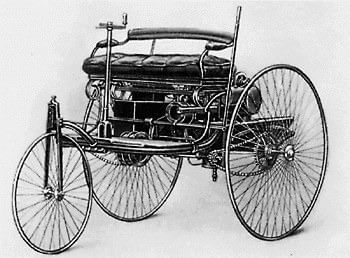
Which of these motorcar is regarded as the first automobile in history ? - a)Benz Patent-Motorwagen
- b)Ford Model T
- c)Ferdinand Verbiest Y
- d)Nicolas-Joseph Cugnot
Correct answer is option 'A'. Can you explain this answer?
a)
Benz Patent-Motorwagen
b)
Ford Model T
c)
Ferdinand Verbiest Y
d)
Nicolas-Joseph Cugnot
| | Sarika dubey answered |
Introduction:
The first automobile in history is the Benz Patent-Motorwagen.
Benz Patent-Motorwagen:
- The Benz Patent-Motorwagen is regarded as the first automobile in history.
- It was created by Karl Benz in 1886 in Germany.
- The vehicle was powered by a single-cylinder, four-stroke engine.
Ford Model T, Ferdinand Verbiest, and Nicolas-Joseph Cugnot:
- Ford Model T, introduced in 1908, was the first mass-produced automobile, not the first automobile in history.
- Ferdinand Verbiest created a steam-powered vehicle in the 17th century, which is considered a precursor to the modern automobile, but not the first.
- Nicolas-Joseph Cugnot built a steam-powered vehicle in the 18th century, but it was more of a steam-powered tricycle and not a fully functional automobile.
Conclusion:
The Benz Patent-Motorwagen is considered the first automobile in history due to its features, design, and the time of its creation in 1886.
With which company, Toyota entered into a joint venture in 1984 ? - a)Suzuki
- b)Hyundai
- c)General Motors
- d)BMW
Correct answer is option 'C'. Can you explain this answer?
a)
Suzuki
b)
Hyundai
c)
General Motors
d)
BMW
| | Sarika dubey answered |
Joint Venture with General Motors
In 1984, Toyota entered into a significant joint venture with General Motors (GM), marking a pivotal moment in the automotive industry. This collaboration was named NUMMI (New United Motor Manufacturing, Inc.) and was established to enhance production efficiency and quality.
Objective of the Joint Venture
- Cost Efficiency: The main goal was to reduce production costs while maintaining high-quality standards in manufacturing.
- Market Expansion: This partnership allowed Toyota to expand its presence in the North American market, leveraging GM's established distribution channels.
Benefits of the Partnership
- Experience Sharing: Both companies shared their expertise, with Toyota introducing its renowned production system and GM benefiting from Toyota's innovative practices.
- Cultural Exchange: The joint venture facilitated a cultural exchange between the two companies, which helped both firms adapt to the evolving automotive landscape.
Legacy of NUMMI
- Quality Improvements: NUMMI became a benchmark for quality in automotive manufacturing, showcasing how collaboration can lead to superior results.
- Influence on Industry: The success of NUMMI influenced many other automakers to adopt Toyota's principles, leading to a broader shift in manufacturing practices across the industry.
In summary, the joint venture between Toyota and General Motors in 1984 was a strategic alliance that yielded significant benefits for both companies, ultimately reshaping the automotive manufacturing landscape.
In 1984, Toyota entered into a significant joint venture with General Motors (GM), marking a pivotal moment in the automotive industry. This collaboration was named NUMMI (New United Motor Manufacturing, Inc.) and was established to enhance production efficiency and quality.
Objective of the Joint Venture
- Cost Efficiency: The main goal was to reduce production costs while maintaining high-quality standards in manufacturing.
- Market Expansion: This partnership allowed Toyota to expand its presence in the North American market, leveraging GM's established distribution channels.
Benefits of the Partnership
- Experience Sharing: Both companies shared their expertise, with Toyota introducing its renowned production system and GM benefiting from Toyota's innovative practices.
- Cultural Exchange: The joint venture facilitated a cultural exchange between the two companies, which helped both firms adapt to the evolving automotive landscape.
Legacy of NUMMI
- Quality Improvements: NUMMI became a benchmark for quality in automotive manufacturing, showcasing how collaboration can lead to superior results.
- Influence on Industry: The success of NUMMI influenced many other automakers to adopt Toyota's principles, leading to a broader shift in manufacturing practices across the industry.
In summary, the joint venture between Toyota and General Motors in 1984 was a strategic alliance that yielded significant benefits for both companies, ultimately reshaping the automotive manufacturing landscape.
Who is the current President and CEO of Toyota Co.? - a)Akio Toyoda
- b)Kiichiro Toyoda
- c)Fujio Cho
- d)Dr. Tatsuro Toyoda
Correct answer is option 'A'. Can you explain this answer?
a)
Akio Toyoda
b)
Kiichiro Toyoda
c)
Fujio Cho
d)
Dr. Tatsuro Toyoda
 | Ruchi Basu answered |
Akio Toyoda is the current President and CEO of Toyota Co. He was born on May 3, 1956, in Nagoya, Japan. Akio Toyoda is the grandson of Kiichiro Toyoda, the founder of Toyota Motor Corporation. He joined the company in 1984 and has since held various positions within the organization.
Professional Background:
- Akio Toyoda started his career in Toyota's production division, where he gained hands-on experience in manufacturing and quality control.
- He then moved to Toyota's sales and marketing division, where he worked in both domestic and international markets.
- In 2000, Akio Toyoda joined Toyota's board of directors and was appointed as the head of the company's China operations.
- He became the Executive Vice President of Toyota in 2005 and played a key role in leading the company through challenging times, such as the global financial crisis and the recall crisis in 2009-2010.
- In 2009, Akio Toyoda was appointed as the President and CEO of Toyota, becoming the first member of the Toyoda family to hold this position since his cousin Tatsuro Toyoda.
- Under his leadership, Toyota has focused on innovation, sustainability, and the development of advanced technologies such as hybrid and electric vehicles.
Contributions and Achievements:
- Akio Toyoda has been instrumental in transforming Toyota's corporate culture to be more customer-focused and agile.
- He has emphasized the importance of listening to customers' feedback and implementing their ideas in the company's products and services.
- Toyoda has also emphasized the need for continuous improvement and has led initiatives to enhance the quality and reliability of Toyota vehicles.
- He has been a strong advocate for environmental sustainability and has pushed for the development of eco-friendly technologies.
- Under his leadership, Toyota has expanded its global presence and strengthened its position as one of the world's leading automakers.
Conclusion:
Akio Toyoda's extensive experience, leadership skills, and commitment to innovation have made him a highly respected figure in the automotive industry. As the current President and CEO of Toyota, he continues to guide the company towards a future of sustainable mobility and customer satisfaction.
Professional Background:
- Akio Toyoda started his career in Toyota's production division, where he gained hands-on experience in manufacturing and quality control.
- He then moved to Toyota's sales and marketing division, where he worked in both domestic and international markets.
- In 2000, Akio Toyoda joined Toyota's board of directors and was appointed as the head of the company's China operations.
- He became the Executive Vice President of Toyota in 2005 and played a key role in leading the company through challenging times, such as the global financial crisis and the recall crisis in 2009-2010.
- In 2009, Akio Toyoda was appointed as the President and CEO of Toyota, becoming the first member of the Toyoda family to hold this position since his cousin Tatsuro Toyoda.
- Under his leadership, Toyota has focused on innovation, sustainability, and the development of advanced technologies such as hybrid and electric vehicles.
Contributions and Achievements:
- Akio Toyoda has been instrumental in transforming Toyota's corporate culture to be more customer-focused and agile.
- He has emphasized the importance of listening to customers' feedback and implementing their ideas in the company's products and services.
- Toyoda has also emphasized the need for continuous improvement and has led initiatives to enhance the quality and reliability of Toyota vehicles.
- He has been a strong advocate for environmental sustainability and has pushed for the development of eco-friendly technologies.
- Under his leadership, Toyota has expanded its global presence and strengthened its position as one of the world's leading automakers.
Conclusion:
Akio Toyoda's extensive experience, leadership skills, and commitment to innovation have made him a highly respected figure in the automotive industry. As the current President and CEO of Toyota, he continues to guide the company towards a future of sustainable mobility and customer satisfaction.
Toyota Canada is a national sponsor of __________ ? - a)MTV Awards Canada
- b)Cricket Championship Canada
- c)Special Olympics Canada
- d)Special Common Wealth Games Canada
Correct answer is option 'C'. Can you explain this answer?
a)
MTV Awards Canada
b)
Cricket Championship Canada
c)
Special Olympics Canada
d)
Special Common Wealth Games Canada
| | Harsh mehra answered |
Toyota Canada is a national sponsor of Special Olympics Canada.
Special Olympics Canada Sponsorship by Toyota:
Special Olympics Canada is a non-profit organization that provides year-round sports training and athletic competition for individuals with intellectual disabilities. Toyota Canada has been a proud sponsor of Special Olympics Canada for many years, supporting their mission to enrich the lives of individuals with intellectual disabilities through sport.
Benefits of Sponsorship:
1. Community Support: By sponsoring Special Olympics Canada, Toyota Canada demonstrates its commitment to supporting and empowering individuals with intellectual disabilities in the community.
2. Brand Visibility: As a national sponsor, Toyota Canada's logo and branding are prominently featured at various Special Olympics events, providing valuable exposure and increasing brand awareness.
3. Corporate Social Responsibility: Sponsorship of Special Olympics Canada aligns with Toyota Canada's corporate social responsibility initiatives, showcasing their commitment to making a positive impact on society.
4. Employee Engagement: Toyota Canada employees have the opportunity to volunteer at Special Olympics events, fostering teamwork, morale, and a sense of pride in giving back to the community.
Conclusion:
In conclusion, Toyota Canada's sponsorship of Special Olympics Canada not only benefits the organization and its athletes but also aligns with Toyota Canada's values of community support, brand visibility, corporate social responsibility, and employee engagement. It is a partnership that exemplifies the positive impact of corporate sponsorship on society.
Special Olympics Canada Sponsorship by Toyota:
Special Olympics Canada is a non-profit organization that provides year-round sports training and athletic competition for individuals with intellectual disabilities. Toyota Canada has been a proud sponsor of Special Olympics Canada for many years, supporting their mission to enrich the lives of individuals with intellectual disabilities through sport.
Benefits of Sponsorship:
1. Community Support: By sponsoring Special Olympics Canada, Toyota Canada demonstrates its commitment to supporting and empowering individuals with intellectual disabilities in the community.
2. Brand Visibility: As a national sponsor, Toyota Canada's logo and branding are prominently featured at various Special Olympics events, providing valuable exposure and increasing brand awareness.
3. Corporate Social Responsibility: Sponsorship of Special Olympics Canada aligns with Toyota Canada's corporate social responsibility initiatives, showcasing their commitment to making a positive impact on society.
4. Employee Engagement: Toyota Canada employees have the opportunity to volunteer at Special Olympics events, fostering teamwork, morale, and a sense of pride in giving back to the community.
Conclusion:
In conclusion, Toyota Canada's sponsorship of Special Olympics Canada not only benefits the organization and its athletes but also aligns with Toyota Canada's values of community support, brand visibility, corporate social responsibility, and employee engagement. It is a partnership that exemplifies the positive impact of corporate sponsorship on society.
In which year , Toyota's sales surpassed General Motors, making Toyota number one in the world ? - a)2000
- b)2004
- c)2008
- d)2012
Correct answer is option 'C'. Can you explain this answer?
a)
2000
b)
2004
c)
2008
d)
2012
| | Ajay rane answered |
Answer:
In the year 2008, Toyota's sales surpassed General Motors, making Toyota the number one automaker in the world. This significant milestone marked a turning point in the global automotive industry.
Background:
- Toyota Motor Corporation, a Japanese multinational automotive manufacturer, has been steadily growing in the global market since its establishment in 1937.
- General Motors (GM), an American multinational corporation, had long held the title of the world's largest automaker.
Reasons for Toyota's Success:
1. Quality and Reliability: Toyota built a reputation for producing high-quality and reliable vehicles. Their commitment to continuous improvement, known as the Toyota Production System, allowed them to streamline processes and enhance efficiency. This focus on quality resonated with consumers worldwide.
2. Expansion into Emerging Markets: Toyota strategically expanded its operations into emerging markets such as China, India, and Brazil. These countries offered significant growth opportunities, and Toyota capitalized on their increasing demand for automobiles.
3. Environmental Awareness: Toyota was at the forefront of the hybrid electric vehicle market with the introduction of the Toyota Prius in 1997. Their commitment to environmental sustainability appealed to consumers who were increasingly concerned about climate change and fuel efficiency.
4. Innovation and Technology: Toyota continuously invested in research and development to stay ahead of the competition. They introduced advanced technologies in their vehicles, such as advanced safety features, autonomous driving capabilities, and connectivity options.
Factors Contributing to General Motors' Decline:
1. Financial Crisis: In 2008, the global financial crisis hit the automotive industry hard. General Motors faced significant financial challenges and eventually filed for bankruptcy. This had a negative impact on their sales and market position.
2. Competition: General Motors faced tough competition from both domestic and foreign automakers. Their inability to adapt quickly to changing consumer preferences and market trends hindered their growth.
3. Product Recalls: General Motors faced several high-profile recalls, including the ignition switch recall in 2014. These recalls damaged their reputation and eroded consumer trust in their vehicles.
Conclusion:
In 2008, Toyota's sales surpassed General Motors, making them the number one automaker in the world. Toyota's focus on quality, expansion into emerging markets, environmental awareness, and innovation played key roles in their success. On the other hand, General Motors faced financial challenges, tough competition, and product recalls, which contributed to their decline. This shift in market leadership marked a significant milestone in the global automotive industry.
In the year 2008, Toyota's sales surpassed General Motors, making Toyota the number one automaker in the world. This significant milestone marked a turning point in the global automotive industry.
Background:
- Toyota Motor Corporation, a Japanese multinational automotive manufacturer, has been steadily growing in the global market since its establishment in 1937.
- General Motors (GM), an American multinational corporation, had long held the title of the world's largest automaker.
Reasons for Toyota's Success:
1. Quality and Reliability: Toyota built a reputation for producing high-quality and reliable vehicles. Their commitment to continuous improvement, known as the Toyota Production System, allowed them to streamline processes and enhance efficiency. This focus on quality resonated with consumers worldwide.
2. Expansion into Emerging Markets: Toyota strategically expanded its operations into emerging markets such as China, India, and Brazil. These countries offered significant growth opportunities, and Toyota capitalized on their increasing demand for automobiles.
3. Environmental Awareness: Toyota was at the forefront of the hybrid electric vehicle market with the introduction of the Toyota Prius in 1997. Their commitment to environmental sustainability appealed to consumers who were increasingly concerned about climate change and fuel efficiency.
4. Innovation and Technology: Toyota continuously invested in research and development to stay ahead of the competition. They introduced advanced technologies in their vehicles, such as advanced safety features, autonomous driving capabilities, and connectivity options.
Factors Contributing to General Motors' Decline:
1. Financial Crisis: In 2008, the global financial crisis hit the automotive industry hard. General Motors faced significant financial challenges and eventually filed for bankruptcy. This had a negative impact on their sales and market position.
2. Competition: General Motors faced tough competition from both domestic and foreign automakers. Their inability to adapt quickly to changing consumer preferences and market trends hindered their growth.
3. Product Recalls: General Motors faced several high-profile recalls, including the ignition switch recall in 2014. These recalls damaged their reputation and eroded consumer trust in their vehicles.
Conclusion:
In 2008, Toyota's sales surpassed General Motors, making them the number one automaker in the world. Toyota's focus on quality, expansion into emerging markets, environmental awareness, and innovation played key roles in their success. On the other hand, General Motors faced financial challenges, tough competition, and product recalls, which contributed to their decline. This shift in market leadership marked a significant milestone in the global automotive industry.
The company was founded by whom ? - a)Fiji Toyoda
- b)Akio Toyoda
- c)Kiichiro Toyoda
- d)Taizo Ishida
Correct answer is option 'C'. Can you explain this answer?
a)
Fiji Toyoda
b)
Akio Toyoda
c)
Kiichiro Toyoda
d)
Taizo Ishida
| | Harsh mehra answered |
The company was founded by Kiichiro Toyoda.
Kiichiro Toyoda, the eldest son of Sakichi Toyoda, founded the company in question. He was born on June 11, 1894, in Japan. Kiichiro Toyoda was a Japanese entrepreneur and the founder of the Toyota Motor Corporation.
Background of Kiichiro Toyoda:
- Kiichiro Toyoda was born into a family that was involved in the weaving and textile industry. His father, Sakichi Toyoda, was an inventor and entrepreneur who revolutionized the textile industry with the invention of a power-driven loom.
- Growing up in this environment, Kiichiro developed an interest in machinery and engineering from a young age.
The Foundation of Toyota Motor Corporation:
- In 1933, Kiichiro Toyoda established the Toyota Motor Corporation as a division of his father's company, Toyoda Automatic Loom Works. The aim was to diversify the family business and enter into the automobile industry.
- The company initially focused on producing automobiles and engines, with an emphasis on quality and innovation.
- Kiichiro Toyoda's vision was to create affordable, high-quality vehicles that would cater to the needs of the mass market. He believed in continuous improvement and innovation, which became the guiding principles of the company.
Key Contributions and Achievements:
- Kiichiro Toyoda played a crucial role in the development and growth of Toyota Motor Corporation. Under his leadership, the company introduced several innovative production methods and technologies.
- One of his notable contributions was the development of the Toyota Production System, which revolutionized manufacturing processes and became a model for other industries worldwide.
- Kiichiro Toyoda also had a significant role in the development of the first Toyota passenger car, the Model AA, which was launched in 1936.
- He served as the president of Toyota Motor Corporation from its foundation until 1950, during which time he laid the foundation for the company's success and global expansion.
Legacy:
- Kiichiro Toyoda's entrepreneurial spirit and commitment to quality and innovation have left a lasting impact on the automotive industry.
- Today, Toyota Motor Corporation is one of the world's largest automobile manufacturers, known for its reliability, efficiency, and continuous improvement.
- The company's success and global reputation can be attributed to the vision and leadership of its founder, Kiichiro Toyoda.
Kiichiro Toyoda, the eldest son of Sakichi Toyoda, founded the company in question. He was born on June 11, 1894, in Japan. Kiichiro Toyoda was a Japanese entrepreneur and the founder of the Toyota Motor Corporation.
Background of Kiichiro Toyoda:
- Kiichiro Toyoda was born into a family that was involved in the weaving and textile industry. His father, Sakichi Toyoda, was an inventor and entrepreneur who revolutionized the textile industry with the invention of a power-driven loom.
- Growing up in this environment, Kiichiro developed an interest in machinery and engineering from a young age.
The Foundation of Toyota Motor Corporation:
- In 1933, Kiichiro Toyoda established the Toyota Motor Corporation as a division of his father's company, Toyoda Automatic Loom Works. The aim was to diversify the family business and enter into the automobile industry.
- The company initially focused on producing automobiles and engines, with an emphasis on quality and innovation.
- Kiichiro Toyoda's vision was to create affordable, high-quality vehicles that would cater to the needs of the mass market. He believed in continuous improvement and innovation, which became the guiding principles of the company.
Key Contributions and Achievements:
- Kiichiro Toyoda played a crucial role in the development and growth of Toyota Motor Corporation. Under his leadership, the company introduced several innovative production methods and technologies.
- One of his notable contributions was the development of the Toyota Production System, which revolutionized manufacturing processes and became a model for other industries worldwide.
- Kiichiro Toyoda also had a significant role in the development of the first Toyota passenger car, the Model AA, which was launched in 1936.
- He served as the president of Toyota Motor Corporation from its foundation until 1950, during which time he laid the foundation for the company's success and global expansion.
Legacy:
- Kiichiro Toyoda's entrepreneurial spirit and commitment to quality and innovation have left a lasting impact on the automotive industry.
- Today, Toyota Motor Corporation is one of the world's largest automobile manufacturers, known for its reliability, efficiency, and continuous improvement.
- The company's success and global reputation can be attributed to the vision and leadership of its founder, Kiichiro Toyoda.
In which year, Toyota''s Toyo Trust and Banking merged with two other banks to form UFJ Bank ? - a)2001
- b)2004
- c)2007
- d)2010
Correct answer is option 'A'. Can you explain this answer?
a)
2001
b)
2004
c)
2007
d)
2010
| | Harsh mehra answered |
Toyota's Toyo Trust and Banking merged with two other banks in the year 2001 to form UFJ Bank.
- Merger Year:
- The merger took place in 2001, bringing Toyo Trust and Banking together with Sanwa Bank and Tokai Bank to create UFJ Bank.
- Creation of UFJ Bank:
- The merger resulted in the formation of one of Japan's largest banks, with a strong presence in the financial sector.
- Significance of the Merger:
- The merger was part of a trend in the banking industry in Japan during the early 2000s, as institutions sought to strengthen their positions and improve efficiency through consolidation.
- Impact on the Banking Industry:
- The creation of UFJ Bank had a significant impact on the banking landscape in Japan, leading to changes in market dynamics and competition among financial institutions.
- Overall:
- The merger of Toyo Trust and Banking with Sanwa Bank and Tokai Bank in 2001 marked a significant development in the Japanese banking sector, creating a major player in the industry with the formation of UFJ Bank.
- Merger Year:
- The merger took place in 2001, bringing Toyo Trust and Banking together with Sanwa Bank and Tokai Bank to create UFJ Bank.
- Creation of UFJ Bank:
- The merger resulted in the formation of one of Japan's largest banks, with a strong presence in the financial sector.
- Significance of the Merger:
- The merger was part of a trend in the banking industry in Japan during the early 2000s, as institutions sought to strengthen their positions and improve efficiency through consolidation.
- Impact on the Banking Industry:
- The creation of UFJ Bank had a significant impact on the banking landscape in Japan, leading to changes in market dynamics and competition among financial institutions.
- Overall:
- The merger of Toyo Trust and Banking with Sanwa Bank and Tokai Bank in 2001 marked a significant development in the Japanese banking sector, creating a major player in the industry with the formation of UFJ Bank.
In which year , Toyota started producing cars in France ? - a)1966
- b)1981
- c)2001
- d)2010
Correct answer is option 'C'. Can you explain this answer?
a)
1966
b)
1981
c)
2001
d)
2010
| | Harsh mehra answered |
History of Toyota production in France
Year Toyota started producing cars in France:
- Toyota started producing cars in France in 2001.
Reasons for starting production in France:
- Toyota decided to start production in France to better serve the European market and reduce import costs.
- By producing cars locally in France, Toyota was able to cater to the specific needs and preferences of French customers.
Impact of Toyota's production in France:
- The establishment of Toyota production facilities in France created job opportunities for locals and contributed to the local economy.
- It also allowed Toyota to strengthen its presence in the European market and compete more effectively with other automotive manufacturers.
Expansion of Toyota's operations:
- Since starting production in France in 2001, Toyota has expanded its operations and continued to invest in its facilities to meet the growing demand for its vehicles in Europe.
Conclusion:
- Toyota's decision to start producing cars in France in 2001 has proven to be beneficial for both the company and the local economy, allowing Toyota to better serve the European market and contribute to the growth of the automotive industry in France.
Toyota Headquarters exists in which country ? - a)USA
- b)England
- c)Japan
- d)Germany
Correct answer is option 'C'. Can you explain this answer?
a)
USA
b)
England
c)
Japan
d)
Germany
| | Sara singh answered |
Toyota Headquarters is located in Japan.
Japan is the correct answer because Toyota is a Japanese multinational automotive manufacturer. The company was founded in 1937 by Kiichiro Toyoda and has its headquarters in Toyota City, Aichi, Japan.
The Toyota headquarters in Japan is not only the central office for the company but also serves as the main hub for its global operations. It is where key decisions are made, strategies are formulated, and overall management of the company takes place.
Here is a breakdown of the reasons why Japan is the correct answer:
1. Toyota's Japanese Origins:
- Toyota was founded in Japan and has strong roots in the country.
- The company's founder, Kiichiro Toyoda, was Japanese, and he established the company in Japan.
2. Global Presence:
- Although Toyota has a global presence with manufacturing plants, sales offices, and subsidiaries in various countries, its headquarters remains in Japan.
- The company has production facilities and offices in several countries, including the United States, England, and Germany, but these are subsidiary operations rather than the main headquarters.
3. Economic Impact:
- Toyota's presence in Japan has a significant impact on the country's economy.
- The company is one of Japan's largest employers, providing jobs to thousands of people directly and indirectly through its supply chain.
- Toyota's success and growth contribute to Japan's overall economic development.
In conclusion, Toyota Headquarters is located in Japan because the company was founded in Japan, has its roots in the country, and its headquarters in Toyota City, Aichi, Japan serves as the central office for its global operations.
Japan is the correct answer because Toyota is a Japanese multinational automotive manufacturer. The company was founded in 1937 by Kiichiro Toyoda and has its headquarters in Toyota City, Aichi, Japan.
The Toyota headquarters in Japan is not only the central office for the company but also serves as the main hub for its global operations. It is where key decisions are made, strategies are formulated, and overall management of the company takes place.
Here is a breakdown of the reasons why Japan is the correct answer:
1. Toyota's Japanese Origins:
- Toyota was founded in Japan and has strong roots in the country.
- The company's founder, Kiichiro Toyoda, was Japanese, and he established the company in Japan.
2. Global Presence:
- Although Toyota has a global presence with manufacturing plants, sales offices, and subsidiaries in various countries, its headquarters remains in Japan.
- The company has production facilities and offices in several countries, including the United States, England, and Germany, but these are subsidiary operations rather than the main headquarters.
3. Economic Impact:
- Toyota's presence in Japan has a significant impact on the country's economy.
- The company is one of Japan's largest employers, providing jobs to thousands of people directly and indirectly through its supply chain.
- Toyota's success and growth contribute to Japan's overall economic development.
In conclusion, Toyota Headquarters is located in Japan because the company was founded in Japan, has its roots in the country, and its headquarters in Toyota City, Aichi, Japan serves as the central office for its global operations.
What car is this?
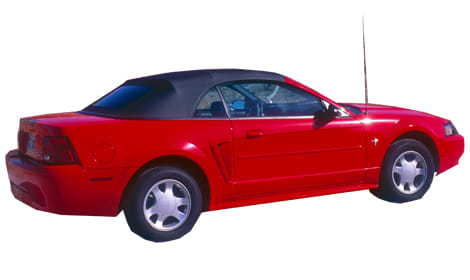
- a)Chevrolet Camaro
- b)Ford Taurus
- c)Ford Mustang
- d)Cadillac Eldorado
Correct answer is option 'C'. Can you explain this answer?
a)
Chevrolet Camaro
b)
Ford Taurus
c)
Ford Mustang
d)
Cadillac Eldorado
| | Kaneez Fatima answered |
I m confused what I have to answer...
Ex-Showroom Price: From ₹74.6 lakhs
Seating capacity: 4
Fuel economy: 8 km/l combined
Horsepower: 295 kW
Engine: 5.0 L V8
Fuel tank capacity: 61 L
Ex-Showroom Price: From ₹74.6 lakhs
Seating capacity: 4
Fuel economy: 8 km/l combined
Horsepower: 295 kW
Engine: 5.0 L V8
Fuel tank capacity: 61 L
Who invented the Toyoda Model G Automatic Loom for Toyota ? It is the principle of Jidoka, which means the machine stops itself when a problem occurs.
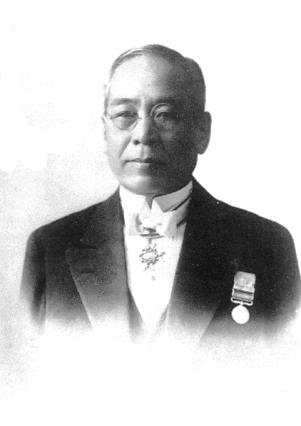
- a)Fujio Cho
- b)Akio Toyoda
- c)Kiichiro Toyoda
- d)Sakichi Toyoda
Correct answer is option 'D'. Can you explain this answer?
a)
Fujio Cho
b)
Akio Toyoda
c)
Kiichiro Toyoda
d)
Sakichi Toyoda
 | Ajit rana answered |
The Toyoda Model G Automatic Loom was invented by Sakichi Toyoda, who was the founder of Toyota Motor Corporation. The Toyoda Model G Automatic Loom was an important innovation in the field of textiles, as it was the first automatic power loom in Japan that was capable of producing high-quality fabric.
With which company, the Toyota Motor Company merged into one company, the Toyota Motor Corporation in 1982 ? - a)Akio Motors
- b)Toyota Motor Sales
- c)Toyota Simple Solutions
- d)Toyota Motor Tech
Correct answer is option 'B'. Can you explain this answer?
a)
Akio Motors
b)
Toyota Motor Sales
c)
Toyota Simple Solutions
d)
Toyota Motor Tech
| | Sarika dubey answered |
Introduction to the Merger
In 1982, Toyota Motor Company merged with its sales subsidiary to form the Toyota Motor Corporation. This strategic move aimed to streamline operations and enhance efficiency within the organization.
The Merging Companies
- Toyota Motor Company: The main manufacturing entity known for producing vehicles renowned for quality and reliability.
- Toyota Motor Sales: The sales division responsible for marketing, distribution, and sales of Toyota vehicles in various markets.
Rationale Behind the Merger
- Improved Coordination: By merging these two entities, Toyota aimed to create a more cohesive approach to production and sales, improving communication and decision-making processes.
- Efficiency Gains: Streamlining operations reduced duplication of efforts within the company, leading to cost savings and increased profitability.
- Market Responsiveness: The merger allowed Toyota to respond more quickly to market demands and consumer preferences, enhancing its competitive edge in the automotive industry.
Significance of the Merger
- Formation of Toyota Motor Corporation: This merger established the foundation for what would become one of the largest automotive manufacturers in the world.
- Global Expansion: Post-merger, Toyota was able to expand its global presence significantly, establishing itself as a leader in innovation and production efficiency.
Conclusion
The merger of Toyota Motor Company and Toyota Motor Sales into the Toyota Motor Corporation in 1982 was a pivotal moment in automotive history, allowing the company to optimize its operations and enhance its market position.
In 1982, Toyota Motor Company merged with its sales subsidiary to form the Toyota Motor Corporation. This strategic move aimed to streamline operations and enhance efficiency within the organization.
The Merging Companies
- Toyota Motor Company: The main manufacturing entity known for producing vehicles renowned for quality and reliability.
- Toyota Motor Sales: The sales division responsible for marketing, distribution, and sales of Toyota vehicles in various markets.
Rationale Behind the Merger
- Improved Coordination: By merging these two entities, Toyota aimed to create a more cohesive approach to production and sales, improving communication and decision-making processes.
- Efficiency Gains: Streamlining operations reduced duplication of efforts within the company, leading to cost savings and increased profitability.
- Market Responsiveness: The merger allowed Toyota to respond more quickly to market demands and consumer preferences, enhancing its competitive edge in the automotive industry.
Significance of the Merger
- Formation of Toyota Motor Corporation: This merger established the foundation for what would become one of the largest automotive manufacturers in the world.
- Global Expansion: Post-merger, Toyota was able to expand its global presence significantly, establishing itself as a leader in innovation and production efficiency.
Conclusion
The merger of Toyota Motor Company and Toyota Motor Sales into the Toyota Motor Corporation in 1982 was a pivotal moment in automotive history, allowing the company to optimize its operations and enhance its market position.
What car is this?

- a)Ford Taurus G93Ford Taunus G93A
- b)Citroen 2CV
- c)Volkswagen Beetle
- d)Renault 4CV
Correct answer is option 'B'. Can you explain this answer?
a)
Ford Taurus G93Ford Taunus G93A
b)
Citroen 2CV
c)
Volkswagen Beetle
d)
Renault 4CV
 | Mamali . answered |
Bro, what type of explanation you need,I mean the explanation of parts of the car ya why this car name is Citroen 2CV??
Toyota vehicles claimed ________ of the top ten places for highest retained value according to Canadian Black Book.- a)4
- b)5
- c)7
- d)8
Correct answer is option 'B'. Can you explain this answer?
a)
4
b)
5
c)
7
d)
8
| | Muskaan reddy answered |
Toyota's Strong Retained Value Performance
Toyota vehicles have consistently shown impressive performance in terms of retained value, which is an essential factor for buyers considering resale value. According to Canadian Black Book, they claimed 5 of the top ten places, highlighting their reputation in the market.
Reasons for High Retained Value
- Reliability:
Toyota is known for producing durable and reliable vehicles. This reliability translates into lower maintenance costs and higher customer satisfaction, which boosts resale value.
- Brand Recognition:
The Toyota brand is widely recognized and trusted, making its vehicles more desirable in the used car market. High demand for specific models contributes significantly to their retained value.
- Fuel Efficiency:
Many Toyota vehicles offer excellent fuel efficiency, attracting buyers looking for economical options. This feature enhances the demand for used Toyotas, thereby maintaining their value.
- Resale Market Performance:
Toyota models frequently perform well in the resale market. Their strong historical performance helps to retain value over time, making them a smart investment for consumers.
- Diverse Lineup:
Toyota offers a wide range of vehicles, from sedans to SUVs and hybrids, appealing to various buyer preferences. This diversity increases the likelihood of retaining value across different segments.
Conclusion
The fact that Toyota claimed 5 of the top ten places for highest retained value reflects the brand's commitment to quality and customer satisfaction. This achievement reinforces Toyota's position as a wise choice for consumers focused on long-term value.
Toyota vehicles have consistently shown impressive performance in terms of retained value, which is an essential factor for buyers considering resale value. According to Canadian Black Book, they claimed 5 of the top ten places, highlighting their reputation in the market.
Reasons for High Retained Value
- Reliability:
Toyota is known for producing durable and reliable vehicles. This reliability translates into lower maintenance costs and higher customer satisfaction, which boosts resale value.
- Brand Recognition:
The Toyota brand is widely recognized and trusted, making its vehicles more desirable in the used car market. High demand for specific models contributes significantly to their retained value.
- Fuel Efficiency:
Many Toyota vehicles offer excellent fuel efficiency, attracting buyers looking for economical options. This feature enhances the demand for used Toyotas, thereby maintaining their value.
- Resale Market Performance:
Toyota models frequently perform well in the resale market. Their strong historical performance helps to retain value over time, making them a smart investment for consumers.
- Diverse Lineup:
Toyota offers a wide range of vehicles, from sedans to SUVs and hybrids, appealing to various buyer preferences. This diversity increases the likelihood of retaining value across different segments.
Conclusion
The fact that Toyota claimed 5 of the top ten places for highest retained value reflects the brand's commitment to quality and customer satisfaction. This achievement reinforces Toyota's position as a wise choice for consumers focused on long-term value.
Since 1991, Toyota has donated over __________ in cash & grants. That’s almost $24 million a year! - a)a billion dollars
- b)half a billion dollars
- c)one third billion dollars
- d)two billion dollars
Correct answer is option 'B'. Can you explain this answer?
a)
a billion dollars
b)
half a billion dollars
c)
one third billion dollars
d)
two billion dollars
| | Sarika dubey answered |
Understanding Toyota's Donations
Toyota has made significant contributions to various causes since 1991, amounting to a remarkable sum. The question asks us to determine the total amount donated by Toyota in cash and grants over this time period.
Calculating the Total Donations
- Annual Donation Estimate: If Toyota has donated nearly $24 million each year, we can estimate the total donations over a span of 32 years (from 1991 to 2023).
- Total Calculation:
- $24 million/year * 32 years = $768 million
Evaluating the Options
Now, let's analyze the answer choices:
- a) A billion dollars: This exceeds our calculated total.
- b) Half a billion dollars: This option is approximately $500 million, which is below our calculated total but aligns with the idea that the donations are substantial.
- c) One-third billion dollars: This is approximately $333 million, which is also below the total.
- d) Two billion dollars: This far exceeds the estimated total as well.
Conclusion
Considering the total donations calculated, the correct answer is b) half a billion dollars, as it is a conservative yet reasonable estimate of Toyota's contributions over the years while acknowledging that the total is less than a billion but more than a third of a billion.
Toyota has made significant contributions to various causes since 1991, amounting to a remarkable sum. The question asks us to determine the total amount donated by Toyota in cash and grants over this time period.
Calculating the Total Donations
- Annual Donation Estimate: If Toyota has donated nearly $24 million each year, we can estimate the total donations over a span of 32 years (from 1991 to 2023).
- Total Calculation:
- $24 million/year * 32 years = $768 million
Evaluating the Options
Now, let's analyze the answer choices:
- a) A billion dollars: This exceeds our calculated total.
- b) Half a billion dollars: This option is approximately $500 million, which is below our calculated total but aligns with the idea that the donations are substantial.
- c) One-third billion dollars: This is approximately $333 million, which is also below the total.
- d) Two billion dollars: This far exceeds the estimated total as well.
Conclusion
Considering the total donations calculated, the correct answer is b) half a billion dollars, as it is a conservative yet reasonable estimate of Toyota's contributions over the years while acknowledging that the total is less than a billion but more than a third of a billion.

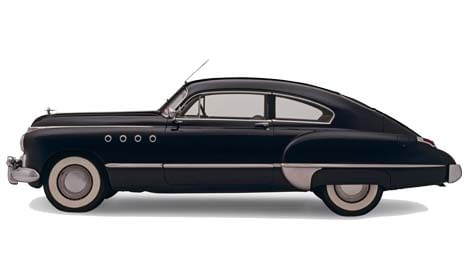
Chapter doubts & questions for Car Quiz - General Knowledge 2026 is part of SSC CHSL exam preparation. The chapters have been prepared according to the SSC CHSL exam syllabus. The Chapter doubts & questions, notes, tests & MCQs are made for SSC CHSL 2026 Exam. Find important definitions, questions, notes, meanings, examples, exercises, MCQs and online tests here.
Chapter doubts & questions of Car Quiz - General Knowledge in English & Hindi are available as part of SSC CHSL exam. Download more important topics, notes, lectures and mock test series for SSC CHSL Exam by signing up for free.
General Knowledge152 videos|263 tests |
