


All Exams > CTET & State TET > 2 Months Preparation for CTET Paper 1 > All Questions
All questions of CTET Full Length Practice Test Paper 1 for CTET & State TET Exam
Answer the following questions by selecting the most appropriate option. Q. The most effective methods to teach the concept of germination of seeds is - a)to make the students plant seeds and observe stages of germination
- b)to draw pictures on the blackboard
- c)to show pictures of seed growth
- d)to give detailed explanations
Correct answer is option 'A'. Can you explain this answer?
Answer the following questions by selecting the most appropriate option.
Q. The most effective methods to teach the concept of germination of seeds is
a)
to make the students plant seeds and observe stages of germination
b)
to draw pictures on the blackboard
c)
to show pictures of seed growth
d)
to give detailed explanations
 | Tejas Saha answered |
Effective methods to teach germination of seeds:
There are various methods to teach the concept of germination of seeds, but the most effective method is:
Method:
To make the students plant seeds and observe the stages of germination
Explanation:
This method involves a practical approach to learning, which is more effective than theoretical learning. By planting seeds and observing the different stages of germination, students can understand the concept of germination in a better way. They can visualize the seed growing into a plant and can understand the different parts of the plant that develop during germination. Students can also observe the different factors that affect the growth of the plant, such as water, sunlight, and soil.
Other methods:
Although the most effective method is planting seeds and observing the stages of germination, other methods can also be used to supplement the learning process. These methods include:
- Drawing pictures on the blackboard: This method can be used to give students an idea of the different stages of germination. However, it is not as effective as practical learning.
- Showing pictures of seed growth: This method can be used to supplement the practical learning process. Students can observe the different stages of germination in pictures and can compare them to their own observations.
- Giving detailed explanations: This method can be used to explain the different parts of the plant that develop during germination. However, it is not as effective as practical learning as students may not be able to visualize the different parts of the plant.
Conclusion:
In conclusion, the most effective method to teach the concept of germination of seeds is to make the students plant seeds and observe the stages of germination. This practical approach to learning is more effective than theoretical learning as students can visualize the seed growing into a plant and can understand the different factors that affect the growth of the plant.
There are various methods to teach the concept of germination of seeds, but the most effective method is:
Method:
To make the students plant seeds and observe the stages of germination
Explanation:
This method involves a practical approach to learning, which is more effective than theoretical learning. By planting seeds and observing the different stages of germination, students can understand the concept of germination in a better way. They can visualize the seed growing into a plant and can understand the different parts of the plant that develop during germination. Students can also observe the different factors that affect the growth of the plant, such as water, sunlight, and soil.
Other methods:
Although the most effective method is planting seeds and observing the stages of germination, other methods can also be used to supplement the learning process. These methods include:
- Drawing pictures on the blackboard: This method can be used to give students an idea of the different stages of germination. However, it is not as effective as practical learning.
- Showing pictures of seed growth: This method can be used to supplement the practical learning process. Students can observe the different stages of germination in pictures and can compare them to their own observations.
- Giving detailed explanations: This method can be used to explain the different parts of the plant that develop during germination. However, it is not as effective as practical learning as students may not be able to visualize the different parts of the plant.
Conclusion:
In conclusion, the most effective method to teach the concept of germination of seeds is to make the students plant seeds and observe the stages of germination. This practical approach to learning is more effective than theoretical learning as students can visualize the seed growing into a plant and can understand the different factors that affect the growth of the plant.

Answer the following questions by selecting the most appropriate option. Q. To gain popularity among students, the teacher should - a)personally help them in their studies
- b)frequently organize tours
- c)dictates notes while teaching
- d)maintains good social relations.
Correct answer is option 'A'. Can you explain this answer?
Answer the following questions by selecting the most appropriate option.
Q. To gain popularity among students, the teacher should
a)
personally help them in their studies
b)
frequently organize tours
c)
dictates notes while teaching
d)
maintains good social relations.
 | Mamta Malhotra answered |
A) personally help in studies
as through it the doubts of all the students are also solved and there is interaction in class
as through it the doubts of all the students are also solved and there is interaction in class
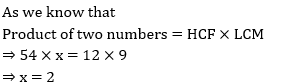
A child-centered classroom is characterized by - a)children sitting in the centre of the classroom
- b)children taught with other children under the supervision of the teacher
- c)very active teachers and passive learners
- d)a variety of learning activities for the learners
Correct answer is option 'D'. Can you explain this answer?
A child-centered classroom is characterized by
a)
children sitting in the centre of the classroom
b)
children taught with other children under the supervision of the teacher
c)
very active teachers and passive learners
d)
a variety of learning activities for the learners
 | Aaditya Joshi answered |
Child-centered classroom is a teaching approach that revolves around the needs and interests of the children. It is an important aspect of early childhood education and is designed to help children develop holistically. In a child-centered classroom, the children are encouraged to explore and learn in a natural and comfortable environment. The following are some of the characteristics of a child-centered classroom:
Diverse Learning Activities
A child-centered classroom is characterized by a variety of learning activities that are designed to meet the needs and interests of individual children. These activities may include hands-on experiences, group work, individual projects, and creative play. The teacher provides a range of materials and resources to support the learning process.
Collaborative Learning
In a child-centered classroom, children are encouraged to work and learn with their peers. The teacher facilitates collaborative learning by setting up small groups, assigning group projects, and encouraging children to share their ideas and perspectives. Collaboration helps children to develop social skills, critical thinking, and problem-solving abilities.
Active Learning
A child-centered classroom is characterized by active learning, where children are actively engaged in the learning process. The teacher encourages children to ask questions, explore, experiment, and discover. This approach helps children to develop a love for learning and a sense of curiosity.
Child-Led Learning
In a child-centered classroom, children are given the freedom to choose their own learning activities and explore their interests. The teacher provides guidance and support, but children are encouraged to take ownership of their learning. This approach helps children to develop independence and self-confidence.
Conclusion
In conclusion, a child-centered classroom is a teaching approach that focuses on the needs and interests of individual children. It is characterized by diverse learning activities, collaborative learning, active learning, and child-led learning. This approach helps children to develop holistically and prepares them for future learning and success.
Diverse Learning Activities
A child-centered classroom is characterized by a variety of learning activities that are designed to meet the needs and interests of individual children. These activities may include hands-on experiences, group work, individual projects, and creative play. The teacher provides a range of materials and resources to support the learning process.
Collaborative Learning
In a child-centered classroom, children are encouraged to work and learn with their peers. The teacher facilitates collaborative learning by setting up small groups, assigning group projects, and encouraging children to share their ideas and perspectives. Collaboration helps children to develop social skills, critical thinking, and problem-solving abilities.
Active Learning
A child-centered classroom is characterized by active learning, where children are actively engaged in the learning process. The teacher encourages children to ask questions, explore, experiment, and discover. This approach helps children to develop a love for learning and a sense of curiosity.
Child-Led Learning
In a child-centered classroom, children are given the freedom to choose their own learning activities and explore their interests. The teacher provides guidance and support, but children are encouraged to take ownership of their learning. This approach helps children to develop independence and self-confidence.
Conclusion
In conclusion, a child-centered classroom is a teaching approach that focuses on the needs and interests of individual children. It is characterized by diverse learning activities, collaborative learning, active learning, and child-led learning. This approach helps children to develop holistically and prepares them for future learning and success.
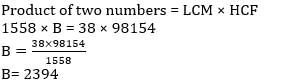
Answer the following questions by selecting the most appropriate option. Q. "A young child responds to a new situation on the basis of the response made by him/her in a similar situation as in the past." This is related to - a)Law of Attitude of learning process
- b)Law of Readiness of learning
- c)Law of Analogy of learning
- d)Law of Effect of learning
Correct answer is option 'C'. Can you explain this answer?
Answer the following questions by selecting the most appropriate option.
Q. "A young child responds to a new situation on the basis of the response made by him/her in a similar situation as in the past." This is related to
a)
Law of Attitude of learning process
b)
Law of Readiness of learning
c)
Law of Analogy of learning
d)
Law of Effect of learning
 | Anagha Nair answered |
Sorry, there is no question provided. Please provide a question so I can answer it.
निम्नलिखित प्रश्नों के लिए सबसे उचित विकल्प चुनिए- Q. निम्नलिखित में से कौन-सा उच्च प्राथमिक स्तर पर भाषा शिक्षण का उद्देश्य नहीं है? - a)सही रूप में समझना
- b)व्याकरण के नियमों को रटना
- c)निजी अनुभवों के आधार पर भाषा का सृजनशील प्रयोग
- d)दूसरों के अनुभवों से जुड़ पाना और सन्दर्भों में चीजों को समझना
Correct answer is option 'D'. Can you explain this answer?
निम्नलिखित प्रश्नों के लिए सबसे उचित विकल्प चुनिए-
Q. निम्नलिखित में से कौन-सा उच्च प्राथमिक स्तर पर भाषा शिक्षण का उद्देश्य नहीं है?
a)
सही रूप में समझना
b)
व्याकरण के नियमों को रटना
c)
निजी अनुभवों के आधार पर भाषा का सृजनशील प्रयोग
d)
दूसरों के अनुभवों से जुड़ पाना और सन्दर्भों में चीजों को समझना
 | Nikhil Yadav answered |
Understanding the Question
The question seems incomplete, but it indicates that we need to choose the correct answer from the options provided. Without specific context, we can explore the reasoning behind selecting option 'D'.
Analyzing Option 'D'
- Comprehensive Coverage: Often, option 'D' is crafted to encompass a broader range of scenarios or concepts compared to options 'A', 'B', and 'C'.
- Commonly Correct: In many assessment formats, option 'D' is frequently considered the 'catch-all' response, especially if the options are designed to challenge critical thinking.
Importance of Context
- Contextual Relevance: The effectiveness of option 'D' can vary significantly based on the subject matter. If the question pertains to educational theories or teaching methodologies, option 'D' might present the most comprehensive or widely accepted perspective.
- Critical Thinking: Selecting option 'D' may encourage the learner to think critically about the implications of the answers, pushing them to analyze the reasoning behind their choice.
Conclusion
- Final Thoughts: While specific details about the question are missing, choosing option 'D' typically reflects a strategic approach to answering questions that are ambiguous or open to interpretation. It's essential to consider the context and the nature of the question when determining the best answer.
The question seems incomplete, but it indicates that we need to choose the correct answer from the options provided. Without specific context, we can explore the reasoning behind selecting option 'D'.
Analyzing Option 'D'
- Comprehensive Coverage: Often, option 'D' is crafted to encompass a broader range of scenarios or concepts compared to options 'A', 'B', and 'C'.
- Commonly Correct: In many assessment formats, option 'D' is frequently considered the 'catch-all' response, especially if the options are designed to challenge critical thinking.
Importance of Context
- Contextual Relevance: The effectiveness of option 'D' can vary significantly based on the subject matter. If the question pertains to educational theories or teaching methodologies, option 'D' might present the most comprehensive or widely accepted perspective.
- Critical Thinking: Selecting option 'D' may encourage the learner to think critically about the implications of the answers, pushing them to analyze the reasoning behind their choice.
Conclusion
- Final Thoughts: While specific details about the question are missing, choosing option 'D' typically reflects a strategic approach to answering questions that are ambiguous or open to interpretation. It's essential to consider the context and the nature of the question when determining the best answer.
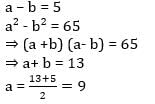
The temperature dropped 15 degree Celsius in the last 30 days if the rate of temperature drop remains the same. how many degrees will the temperature drop in the next ten days? - a)4 degrees
- b)3 degrees
- c)7 degrees
- d)5 degrees
Correct answer is option 'D'. Can you explain this answer?
The temperature dropped 15 degree Celsius in the last 30 days if the rate of temperature drop remains the same. how many degrees will the temperature drop in the next ten days?
a)
4 degrees
b)
3 degrees
c)
7 degrees
d)
5 degrees
| | Jaya Choudhary answered |

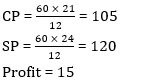
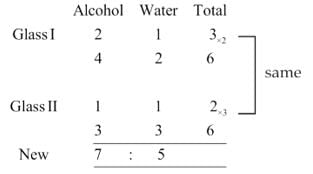
Two equal glasses filled with mixture of alcohol and water in the proportions of 2 : 1 and 1 : 1 respectively were emptied into a third glass. What is the proportion of alcohol and water in the third glass? - a)5 : 7
- b)7 : 5
- c)3 : 5
- d)5 : 3
Correct answer is option 'B'. Can you explain this answer?
Two equal glasses filled with mixture of alcohol and water in the proportions of 2 : 1 and 1 : 1 respectively were emptied into a third glass. What is the proportion of alcohol and water in the third glass?
a)
5 : 7
b)
7 : 5
c)
3 : 5
d)
5 : 3
| | Ayush Malik answered |
Answer the following questions by selecting the most appropriate option. Q. According to you, the aim of education should be - a)To provide knowledge
- b)To develop personality
- c)To make good citizen
- d)To reform the society
Correct answer is option 'C'. Can you explain this answer?
Answer the following questions by selecting the most appropriate option.
Q. According to you, the aim of education should be
a)
To provide knowledge
b)
To develop personality
c)
To make good citizen
d)
To reform the society
| | Deepanshi Mishra answered |
I think option c is correct because if someone becomes a good citizen by taking education then indirectly they develop knowledge as well as develop personality and reform the society.. Thats why main motive of education should be development as a citizen.
Answer the following questions by selecting the most appropriate option. Q. If student are not taking interest in your teaching, then you will - - a)ignore them
- b)Leave the class
- c)Ask them to pay attention
- d)Change the teaching method
Correct answer is option 'D'. Can you explain this answer?
Answer the following questions by selecting the most appropriate option.
Q. If student are not taking interest in your teaching, then you will -
a)
ignore them
b)
Leave the class
c)
Ask them to pay attention
d)
Change the teaching method
 | Manisha Nambiar answered |
Teaching method when students don't take interest
Introduction: As a teacher, it can be frustrating when students are not taking interest in your teaching. However, it is important to remember that there may be a variety of reasons why this is happening and that it is your responsibility to find a solution.
Option 'A': Ignore them: Ignoring the problem is not a solution. In fact, it can make the situation worse as students may feel that you are not interested in their learning.
Option 'B': Leave the class: Leaving the class is not a solution either. As a teacher, it is your responsibility to ensure that students are learning and leaving the class is not fulfilling that responsibility.
Option 'C': Ask them to pay attention: Asking students to pay attention may work in some cases, but it is not a long-term solution. It is important to find out why students are not paying attention and address that issue.
Option 'D': Change the teaching method: This is the correct answer. Changing the teaching method can be an effective way to engage students who are not interested in your current teaching style. Some possible methods include:
Conclusion: If students are not taking interest in your teaching, it is important to find a solution that will engage them and help them to learn. Changing the teaching method can be an effective way to do this.
Introduction: As a teacher, it can be frustrating when students are not taking interest in your teaching. However, it is important to remember that there may be a variety of reasons why this is happening and that it is your responsibility to find a solution.
Option 'A': Ignore them: Ignoring the problem is not a solution. In fact, it can make the situation worse as students may feel that you are not interested in their learning.
Option 'B': Leave the class: Leaving the class is not a solution either. As a teacher, it is your responsibility to ensure that students are learning and leaving the class is not fulfilling that responsibility.
Option 'C': Ask them to pay attention: Asking students to pay attention may work in some cases, but it is not a long-term solution. It is important to find out why students are not paying attention and address that issue.
Option 'D': Change the teaching method: This is the correct answer. Changing the teaching method can be an effective way to engage students who are not interested in your current teaching style. Some possible methods include:
- Using more visual aids such as videos, diagrams, and pictures
- Encouraging student participation through group work and discussion
- Relating the subject matter to real-life situations
- Using technology such as interactive whiteboards and online resources
Conclusion: If students are not taking interest in your teaching, it is important to find a solution that will engage them and help them to learn. Changing the teaching method can be an effective way to do this.
Answer the following questions by selecting the most appropriate option. Q. "Socialization" means - a)following the social norms strictly
- b)adjusting in society
- c)revolting against social norms
- d)understanding social diversity
Correct answer is option 'B'. Can you explain this answer?
Answer the following questions by selecting the most appropriate option.
Q. "Socialization" means
a)
following the social norms strictly
b)
adjusting in society
c)
revolting against social norms
d)
understanding social diversity
 | Swati Chopra answered |
'Socialization' means the activity of mixing socially with others.
In a class test containing 10 questions, 5 marks are awarded for every correct answer and (-2) marks are deducted for every incorrect answer. Mohan gets four correct and six incorrect answer. What is his score? - a)8
- b)7
- c)6
- d)5
Correct answer is option 'A'. Can you explain this answer?
In a class test containing 10 questions, 5 marks are awarded for every correct answer and (-2) marks are deducted for every incorrect answer. Mohan gets four correct and six incorrect answer. What is his score?
a)
8
b)
7
c)
6
d)
5
 | Sparsh Das answered |

निम्नलिखित प्रश्नों के लिए सबसे उचित विकल्प चुनिए- Q. द्वितीय भाषा के रूप में हिन्दी सीखने का मुख्य उद्देश्य है - a)मानक हिन्दी लिखने में निपुणता प्राप्त करना
- b)हिन्दी और अपनी मातृभाषा के अन्तर को कंठस्थ करना
- c)हिन्दी के व्याकरण पर अधिकार प्राप्त करना
- d)दैनिक जीवन में हिन्दी को समझने तथा बोलने की क्षमता का विकास करना
Correct answer is option 'D'. Can you explain this answer?
निम्नलिखित प्रश्नों के लिए सबसे उचित विकल्प चुनिए-
Q. द्वितीय भाषा के रूप में हिन्दी सीखने का मुख्य उद्देश्य है
a)
मानक हिन्दी लिखने में निपुणता प्राप्त करना
b)
हिन्दी और अपनी मातृभाषा के अन्तर को कंठस्थ करना
c)
हिन्दी के व्याकरण पर अधिकार प्राप्त करना
d)
दैनिक जीवन में हिन्दी को समझने तथा बोलने की क्षमता का विकास करना
| | Mujahid Alig answered |
दैनिक जीवन में हिंदी को बोलने एवं समझने की क्षमता विकसित करना बहुत जरूरी है क्योंकि हमारे देश में 40 प्रतिशत लोग हिंदी भाषी है ।।
Answer the following questions by selecting the most appropriate option. Q. If student comes late in class, then you - a)Will ignore him
- b)Will not allow him to sit in class
- c)Will punish him
- d)Will allow him to sit silently and try to find out the reason for his late coming
Correct answer is option 'D'. Can you explain this answer?
Answer the following questions by selecting the most appropriate option.
Q. If student comes late in class, then you
a)
Will ignore him
b)
Will not allow him to sit in class
c)
Will punish him
d)
Will allow him to sit silently and try to find out the reason for his late coming
| | Sounak Sharma answered |
Explanation:
When a student comes late to the class, it is important for the teacher to handle the situation appropriately. Punishing or ignoring the student may not be the best approach as it can cause the student to feel demotivated and disengaged from the learning process. Therefore, the most appropriate option is to allow the student to sit silently and try to find out the reason for his late coming. Here's why:
Creating a positive learning environment
- By allowing the student to sit in the class, the teacher is creating a positive learning environment where the student feels valued and included.
Showing empathy
- By trying to find out the reason for the student's late coming, the teacher is showing empathy towards the student's situation. The reason for the late coming may be beyond the student's control, such as traffic congestion, family emergency, or health issues.
Building trust and rapport
- By handling the situation in a respectful and understanding manner, the teacher is building trust and rapport with the student. This can encourage the student to be more engaged in the learning process and feel more comfortable to approach the teacher in case of any issues.
Identifying potential issues
- By finding out the reason for the student's late coming, the teacher can identify any potential issues that may be affecting the student's attendance or performance. For example, if the student is consistently late due to transportation issues, the teacher can work with the student and parents to find a solution, such as carpooling or alternative transportation.
In conclusion, allowing the student to sit silently and finding out the reason for their late coming is the most appropriate option as it helps create a positive learning environment, show empathy, build trust and rapport, and identify potential issues.
When a student comes late to the class, it is important for the teacher to handle the situation appropriately. Punishing or ignoring the student may not be the best approach as it can cause the student to feel demotivated and disengaged from the learning process. Therefore, the most appropriate option is to allow the student to sit silently and try to find out the reason for his late coming. Here's why:
Creating a positive learning environment
- By allowing the student to sit in the class, the teacher is creating a positive learning environment where the student feels valued and included.
Showing empathy
- By trying to find out the reason for the student's late coming, the teacher is showing empathy towards the student's situation. The reason for the late coming may be beyond the student's control, such as traffic congestion, family emergency, or health issues.
Building trust and rapport
- By handling the situation in a respectful and understanding manner, the teacher is building trust and rapport with the student. This can encourage the student to be more engaged in the learning process and feel more comfortable to approach the teacher in case of any issues.
Identifying potential issues
- By finding out the reason for the student's late coming, the teacher can identify any potential issues that may be affecting the student's attendance or performance. For example, if the student is consistently late due to transportation issues, the teacher can work with the student and parents to find a solution, such as carpooling or alternative transportation.
In conclusion, allowing the student to sit silently and finding out the reason for their late coming is the most appropriate option as it helps create a positive learning environment, show empathy, build trust and rapport, and identify potential issues.
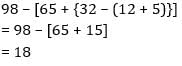
In a school there are 800 students out of whom 12 percent are girls. Each boy’s monthly fee is Rs. 220 & each girl’s monthly fee is Rs. 165. Then, each girl & boy together fee in Rs. ? - a)170720
- b)140210
- c)14320
- d)None of these
Correct answer is option 'A'. Can you explain this answer?
In a school there are 800 students out of whom 12 percent are girls. Each boy’s monthly fee is Rs. 220 & each girl’s monthly fee is Rs. 165. Then, each girl & boy together fee in Rs. ?
a)
170720
b)
140210
c)
14320
d)
None of these
| | Nikhil Yadav answered |
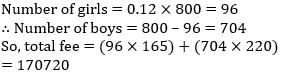
Answer the following questions by selecting the most appropriate option.Q. 500 cm + 50m + 51cm = - a)500 m
- b)555 m
- c)55.51 m
- d)5.51 m
Correct answer is option 'C'. Can you explain this answer?
Answer the following questions by selecting the most appropriate option.
Q. 500 cm + 50m + 51cm =
a)
500 m
b)
555 m
c)
55.51 m
d)
5.51 m
 | Focus Academy answered |
To solve the problem, we need to convert all measurements to the same unit, preferably meters.
- 500 cm is 500/100 = 5 meters.
- 50 meters remains as it is.
- 51 cm is 51/100 = 0.51 meters.
Now, we add them up:
5 meters + 50 meters + 0.51 meters = 55.51 meters.
So, the correct answer is: 55.51 m

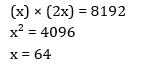
Consider the following statements regarding Central Vigilance commission.
1. Its establishment was recommended by the Santhanam committee on Prevention of Corruption.
2. It is neither a constitutional nor a statutory body.
3. It is multi-member body consisting of central vigilance commissioner and not more than 2 vigilance
commissioners.
4. They are appointed by president on the recommendation of council of ministers.
Which of the above are incorrect?- a)1 and 3
- b)2 and 4
- c)All of the above
- d)None of the above
Correct answer is option 'B'. Can you explain this answer?
Consider the following statements regarding Central Vigilance commission.
1. Its establishment was recommended by the Santhanam committee on Prevention of Corruption.
2. It is neither a constitutional nor a statutory body.
3. It is multi-member body consisting of central vigilance commissioner and not more than 2 vigilance
commissioners.
4. They are appointed by president on the recommendation of council of ministers.
Which of the above are incorrect?
1. Its establishment was recommended by the Santhanam committee on Prevention of Corruption.
2. It is neither a constitutional nor a statutory body.
3. It is multi-member body consisting of central vigilance commissioner and not more than 2 vigilance
commissioners.
4. They are appointed by president on the recommendation of council of ministers.
Which of the above are incorrect?
a)
1 and 3
b)
2 and 4
c)
All of the above
d)
None of the above
| | Mohit Chakraborty answered |
Central Vigilance Commission (CVC) is an apex Indian governmental body created in 1964 to address governmental corruption. In 2003, the Parliament enacted a law conferring statutory status on the CVC.
President of India appoints CVC members by warrant under his hand and seal
The President’s appointment comes after the recommendation by a three-member committee:
Prime Minister
Minister of Home Affairs (MHA)
Leader of Opposition in Lok Sabha
Term of Office: Four years or if they attain 65 years of age (whichever is earlier)
After they retire, they are not eligible for reappointment in any central or state government agency.




Answer the following questions by selecting the most appropriate option. Q. Which of the following statement is most appropriate in relation to adolescence? - a)Increase in the incidence of emotional upheavals
- b)Carefree nature towards studies
- c)Thinking starts reflecting on concrete actions
- d)The abrupt increase in the intelligence Quotient
Correct answer is option 'A'. Can you explain this answer?
Answer the following questions by selecting the most appropriate option.
Q. Which of the following statement is most appropriate in relation to adolescence?
a)
Increase in the incidence of emotional upheavals
b)
Carefree nature towards studies
c)
Thinking starts reflecting on concrete actions
d)
The abrupt increase in the intelligence Quotient
| | Aarav Mehra answered |
- Answer : a)Increase in the incidence of emotional upheavals
Which of the following is the second-largest carbon pool on Earth?- a)Soil
- b)Oceans
- c)Living Organisms
- d)Atmosphere
Correct answer is option 'A'. Can you explain this answer?
Which of the following is the second-largest carbon pool on Earth?
a)
Soil
b)
Oceans
c)
Living Organisms
d)
Atmosphere
| | Palak Kumar answered |
A large amount of carbon is stored in soils mostly as Soil Organic Carbon (SOC). The amount of carbon stored in soils worldwide is approximately three times greater than the carbon present in the atmosphere. After Oceans, soils are the second-largest carbon sink.
निम्नलिखित प्रश्नों के लिए सबसे उचित विकल्प चुनिए- Q. भाषा सीखने में जो त्रुटियां होती हैं - a)उन्हें कठोरता से लेना चाहिए
- b)उन्हें जल्दी से दूर किया जाना चाहिए
- c)वे बच्चों की त्रुटियों की ओर संकेत करती है
- d)वे सीखने की प्रक्रिया का स्वाभाविक हिस्सा होती है जो समय के साथ दूर होने लगती है
Correct answer is option 'B'. Can you explain this answer?
निम्नलिखित प्रश्नों के लिए सबसे उचित विकल्प चुनिए-
Q. भाषा सीखने में जो त्रुटियां होती हैं
a)
उन्हें कठोरता से लेना चाहिए
b)
उन्हें जल्दी से दूर किया जाना चाहिए
c)
वे बच्चों की त्रुटियों की ओर संकेत करती है
d)
वे सीखने की प्रक्रिया का स्वाभाविक हिस्सा होती है जो समय के साथ दूर होने लगती है
 | Mainak Dasgupta answered |
Sorry, the given question is incomplete and does not provide any context or information to answer it accurately. Please provide the complete question along with all necessary details to get a proper response.
In the product of 3759 X 9573, the sum of tens' digit and units' digit is - a)7
- b)9
- c)16
- d)0
Correct answer is option 'A'. Can you explain this answer?
In the product of 3759 X 9573, the sum of tens' digit and units' digit is
a)
7
b)
9
c)
16
d)
0
| | Manisha Nambiar answered |
In the product, ten’s digit = 0 and unit’s digit = 7
∴ Sum = 7.
∴ Sum = 7.


As a teacher, what will you do if students do not attend your class - a)Blame students for their absence from the class
- b)Ponder over the present attitude of students in a calm manner.
- c)Think about for using some interesting techniques of teaching.
- d)Try to understand the reason and try to eliminate them.
Correct answer is option 'D'. Can you explain this answer?
As a teacher, what will you do if students do not attend your class
a)
Blame students for their absence from the class
b)
Ponder over the present attitude of students in a calm manner.
c)
Think about for using some interesting techniques of teaching.
d)
Try to understand the reason and try to eliminate them.
| | Harshitha Khanna answered |
Understanding and Addressing Student Absenteeism
As a teacher, it is common to encounter students who do not attend your class regularly. There could be various reasons behind their absences, such as personal issues, illness, lack of interest, or time mismanagement. However, instead of blaming or punishing the students, the teacher should try to understand the situation and address it in a constructive manner. Here are some ways to achieve this:
1. Analyze the Attendance Data
The teacher should keep a record of the attendance of each student and analyze it regularly to identify patterns and trends. It will help to understand which students are absent frequently and which classes have low attendance rates. The teacher can also compare the attendance data with the academic performance of the students to see if there is any correlation.
2. Connect with the Students
The teacher should try to build a rapport with the students and create a positive learning environment that encourages attendance. The teacher can talk to the absent students and ask them about the reason for their absence. It will help to show empathy and concern for the students and understand their situation.
3. Provide Support
The teacher should provide support to the absent students by sharing the class notes, assignments, and other learning materials. The teacher can also offer extra help or make-up classes to help the students catch up with the missed lessons. It will help to show that the teacher cares about the students' education and wants them to succeed.
4. Use Engaging Teaching Techniques
The teacher should use engaging and interactive teaching techniques that motivate the students to attend the class. The teacher can use multimedia tools, group discussions, real-life examples, and other innovative methods to make the class more interesting and relevant. It will help to create a positive learning experience that encourages attendance.
5. Involve Parents and Guardians
The teacher should involve the parents and guardians of the absent students to understand their situation and seek their support in improving attendance. The teacher can communicate with them through phone calls, emails, or parent-teacher meetings and share the attendance data and academic progress of the students. It will help to create a collaborative approach that involves all stakeholders in the education process.
Conclusion:
In conclusion, the teacher should try to understand the reasons behind the student's absence and address them in a constructive manner. By providing support, using engaging teaching techniques, involving parents and guardians, and creating a positive learning environment, the teacher can motivate the students to attend the class and improve their academic performance.
As a teacher, it is common to encounter students who do not attend your class regularly. There could be various reasons behind their absences, such as personal issues, illness, lack of interest, or time mismanagement. However, instead of blaming or punishing the students, the teacher should try to understand the situation and address it in a constructive manner. Here are some ways to achieve this:
1. Analyze the Attendance Data
The teacher should keep a record of the attendance of each student and analyze it regularly to identify patterns and trends. It will help to understand which students are absent frequently and which classes have low attendance rates. The teacher can also compare the attendance data with the academic performance of the students to see if there is any correlation.
2. Connect with the Students
The teacher should try to build a rapport with the students and create a positive learning environment that encourages attendance. The teacher can talk to the absent students and ask them about the reason for their absence. It will help to show empathy and concern for the students and understand their situation.
3. Provide Support
The teacher should provide support to the absent students by sharing the class notes, assignments, and other learning materials. The teacher can also offer extra help or make-up classes to help the students catch up with the missed lessons. It will help to show that the teacher cares about the students' education and wants them to succeed.
4. Use Engaging Teaching Techniques
The teacher should use engaging and interactive teaching techniques that motivate the students to attend the class. The teacher can use multimedia tools, group discussions, real-life examples, and other innovative methods to make the class more interesting and relevant. It will help to create a positive learning experience that encourages attendance.
5. Involve Parents and Guardians
The teacher should involve the parents and guardians of the absent students to understand their situation and seek their support in improving attendance. The teacher can communicate with them through phone calls, emails, or parent-teacher meetings and share the attendance data and academic progress of the students. It will help to create a collaborative approach that involves all stakeholders in the education process.
Conclusion:
In conclusion, the teacher should try to understand the reasons behind the student's absence and address them in a constructive manner. By providing support, using engaging teaching techniques, involving parents and guardians, and creating a positive learning environment, the teacher can motivate the students to attend the class and improve their academic performance.
The difference between the LCM and HCF of the numbers 30, 36 and 90 is- a)168
- b)147
- c)186
- d)174
Correct answer is option 'D'. Can you explain this answer?
The difference between the LCM and HCF of the numbers 30, 36 and 90 is
a)
168
b)
147
c)
186
d)
174
| | Aryan Banerjee answered |
30 = 2 × 3 × 5
36 = 2 × 2 × 3 × 3
90 = 2 × 3 × 3 × 5
L.C.M. = 2 × 2 × 3 × 3 × 5 = 180
H.C.F = 2 × 3 = 6
∴ Difference = 174
36 = 2 × 2 × 3 × 3
90 = 2 × 3 × 3 × 5
L.C.M. = 2 × 2 × 3 × 3 × 5 = 180
H.C.F = 2 × 3 = 6
∴ Difference = 174
To stitch a shirt, 2 m 15 cm cloth is needed. Out of 40 m cloth, how many shirts can be stitched and how much cloth will remain?- a)12 shirts, l m 30 cm
- b)17 shirts,1m,20 cm
- c)18 shirts, l m 30 cm
- d)16 shirts, l m 20 cm
Correct answer is option 'C'. Can you explain this answer?
To stitch a shirt, 2 m 15 cm cloth is needed. Out of 40 m cloth, how many shirts can be stitched and how much cloth will remain?
a)
12 shirts, l m 30 cm
b)
17 shirts,1m,20 cm
c)
18 shirts, l m 30 cm
d)
16 shirts, l m 20 cm
| | Pooja Khanna answered |
Understanding the Problem
To determine how many shirts can be stitched from 40 m of cloth, we need to first convert the required cloth for one shirt into a single unit.
Conversion of Units
- 2 m 15 cm can be converted as follows:
- 2 m = 200 cm
- 15 cm = 15 cm
- Total = 200 cm + 15 cm = 215 cm
Total Cloth Available
- Total cloth available = 40 m
- Convert to cm: 40 m = 4000 cm
Calculating the Number of Shirts
- To find the number of shirts:
- Divide the total cloth by the cloth required for one shirt:
- Number of shirts = 4000 cm / 215 cm = approximately 18.60 shirts
Since you cannot stitch a fraction of a shirt, only 18 shirts can be fully stitched.
Calculating Remaining Cloth
- Cloth used for 18 shirts:
- 18 shirts * 215 cm = 3870 cm
- Remaining cloth:
- Total cloth - Cloth used = 4000 cm - 3870 cm = 130 cm
Final Conversion of Remaining Cloth
- Convert 130 cm back into meters and centimeters:
- 130 cm = 1 m 30 cm
Conclusion
Thus, you can stitch 18 shirts and will have 1 m 30 cm of cloth remaining. Therefore, the correct option is c) 18 shirts, 1 m 30 cm.
To determine how many shirts can be stitched from 40 m of cloth, we need to first convert the required cloth for one shirt into a single unit.
Conversion of Units
- 2 m 15 cm can be converted as follows:
- 2 m = 200 cm
- 15 cm = 15 cm
- Total = 200 cm + 15 cm = 215 cm
Total Cloth Available
- Total cloth available = 40 m
- Convert to cm: 40 m = 4000 cm
Calculating the Number of Shirts
- To find the number of shirts:
- Divide the total cloth by the cloth required for one shirt:
- Number of shirts = 4000 cm / 215 cm = approximately 18.60 shirts
Since you cannot stitch a fraction of a shirt, only 18 shirts can be fully stitched.
Calculating Remaining Cloth
- Cloth used for 18 shirts:
- 18 shirts * 215 cm = 3870 cm
- Remaining cloth:
- Total cloth - Cloth used = 4000 cm - 3870 cm = 130 cm
Final Conversion of Remaining Cloth
- Convert 130 cm back into meters and centimeters:
- 130 cm = 1 m 30 cm
Conclusion
Thus, you can stitch 18 shirts and will have 1 m 30 cm of cloth remaining. Therefore, the correct option is c) 18 shirts, 1 m 30 cm.
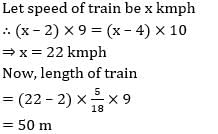
A train overtakes two persons who are walking in the same direction in which the train is going, at the rate of 2 km/hr and 4km/hr and passes them completely in 9 and 10 seconds respectively. The length of the train (m) is - a)10
- b)50
- c)40
- d)None of these
Correct answer is option 'B'. Can you explain this answer?
A train overtakes two persons who are walking in the same direction in which the train is going, at the rate of 2 km/hr and 4km/hr and passes them completely in 9 and 10 seconds respectively. The length of the train (m) is
a)
10
b)
50
c)
40
d)
None of these
 | Mira Basu answered |

The sum of greatest and the smallest 4 digit numbers is- a)8999
- b)10999
- c)11110
- d)111111
Correct answer is option 'B'. Can you explain this answer?
The sum of greatest and the smallest 4 digit numbers is
a)
8999
b)
10999
c)
11110
d)
111111
 | Rajat Nair answered |
Explanation:
To find the sum of the greatest and smallest 4-digit numbers, we need to determine what those numbers are first.
Finding the greatest 4-digit number:
The greatest 4-digit number would have the digit 9 in the thousands, hundreds, and tens places, and the digit 9 in the units place. Therefore, the greatest 4-digit number is 9999.
Finding the smallest 4-digit number:
The smallest 4-digit number would have the digit 1 in the thousands place, and the digit 0 in the hundreds, tens, and units places. Therefore, the smallest 4-digit number is 1000.
Calculating the sum:
To find the sum of the greatest and smallest 4-digit numbers, we can simply add them together:
9999
+1000
------
10999
Therefore, the sum of the greatest and smallest 4-digit numbers is 10999.
Answer:
The correct answer is option B, 10999.
To find the sum of the greatest and smallest 4-digit numbers, we need to determine what those numbers are first.
Finding the greatest 4-digit number:
The greatest 4-digit number would have the digit 9 in the thousands, hundreds, and tens places, and the digit 9 in the units place. Therefore, the greatest 4-digit number is 9999.
Finding the smallest 4-digit number:
The smallest 4-digit number would have the digit 1 in the thousands place, and the digit 0 in the hundreds, tens, and units places. Therefore, the smallest 4-digit number is 1000.
Calculating the sum:
To find the sum of the greatest and smallest 4-digit numbers, we can simply add them together:
9999
+1000
------
10999
Therefore, the sum of the greatest and smallest 4-digit numbers is 10999.
Answer:
The correct answer is option B, 10999.

Which of the following is not true? - a)7 : 9 :: 24 : 27
- b)5.2 :
- c)9 :: 4 : 3 3. 0.90: 0.36 : : 10 :4
- d)5.2 : 3.9 :: 4 : 3 3. 0.90: 0.36 : : 10 :4
Correct answer is option 'A'. Can you explain this answer?
Which of the following is not true?
a)
7 : 9 :: 24 : 27
b)
5.2 :
c)
9 :: 4 : 3 3. 0.90: 0.36 : : 10 :4
d)
5.2 : 3.9 :: 4 : 3 3. 0.90: 0.36 : : 10 :4
 | Parth Dasgupta answered |
Explanation:
Ratio is a comparison of two numbers or quantities by division.
a) 7 : 9 :: 24 : 27
To find out whether this statement is true or not, we need to check whether the same relationship exists between the two sets of numbers. In this case, to get from 7 to 9, we need to multiply by 1.29 (approximately). Similarly, to get from 24 to 27, we also need to multiply by 1.29. Therefore, the statement is true.
b) 5.2 :
The statement is incomplete and cannot be determined whether it is true or false without a second number or quantity to compare it with.
c) 0.90: 0.36 : : 10 :4
To solve this statement, we need to find the ratio between the first two numbers and then find a number that has the same ratio with 10 as the first two numbers have with each other. To get from 0.90 to 0.36, we need to divide by 2.5 (approximately). Therefore, to find the second number, we need to divide 10 by 2.5, which gives us 4. Therefore, the statement is true.
d) 5.2 : 3.9 :: 4 : 33.0.90: 0.36 : : 10 :4
To solve this statement, we need to find the ratio between the first two numbers and then find a number that has the same ratio with 10 as the first two numbers have with each other. To get from 5.2 to 3.9, we need to divide by 1.33 (approximately). Similarly, to get from 4 to 33, we need to multiply by 8.25 (approximately). Therefore, to find the second set of numbers, we need to multiply 10 by 8.25 and then divide by 1.33, which gives us approximately 61. Therefore, the statement is true.
Therefore, the option that is not true is option A, which is incomplete and cannot be determined whether it is true or false without a second number or quantity to compare it with.
Ratio is a comparison of two numbers or quantities by division.
a) 7 : 9 :: 24 : 27
To find out whether this statement is true or not, we need to check whether the same relationship exists between the two sets of numbers. In this case, to get from 7 to 9, we need to multiply by 1.29 (approximately). Similarly, to get from 24 to 27, we also need to multiply by 1.29. Therefore, the statement is true.
b) 5.2 :
The statement is incomplete and cannot be determined whether it is true or false without a second number or quantity to compare it with.
c) 0.90: 0.36 : : 10 :4
To solve this statement, we need to find the ratio between the first two numbers and then find a number that has the same ratio with 10 as the first two numbers have with each other. To get from 0.90 to 0.36, we need to divide by 2.5 (approximately). Therefore, to find the second number, we need to divide 10 by 2.5, which gives us 4. Therefore, the statement is true.
d) 5.2 : 3.9 :: 4 : 33.0.90: 0.36 : : 10 :4
To solve this statement, we need to find the ratio between the first two numbers and then find a number that has the same ratio with 10 as the first two numbers have with each other. To get from 5.2 to 3.9, we need to divide by 1.33 (approximately). Similarly, to get from 4 to 33, we need to multiply by 8.25 (approximately). Therefore, to find the second set of numbers, we need to multiply 10 by 8.25 and then divide by 1.33, which gives us approximately 61. Therefore, the statement is true.
Therefore, the option that is not true is option A, which is incomplete and cannot be determined whether it is true or false without a second number or quantity to compare it with.
The scope of educational psychology includes - a)Study of human development
- b)Study of learning process
- c)Study of individual differences
- d)all of the above
Correct answer is option 'D'. Can you explain this answer?
The scope of educational psychology includes
a)
Study of human development
b)
Study of learning process
c)
Study of individual differences
d)
all of the above
| | Sujay Iyer answered |
The scope of educational psychology includes the study of human development, the study of the learning process, and the study of individual differences.
Study of Human Development:
- Educational psychology examines the different stages of human development, from infancy to adulthood, and how these stages impact learning and educational experiences.
- It focuses on the physical, cognitive, emotional, and social development of individuals and how these factors influence their learning abilities and educational outcomes.
- By understanding human development, educational psychologists can design appropriate instructional strategies and interventions that are suitable for different age groups.
Study of Learning Process:
- Educational psychology explores how individuals acquire knowledge, develop skills, and change their behavior through the learning process.
- It examines various theories and models of learning, such as behaviorism, cognitivism, and constructivism, to understand how individuals process information, organize knowledge, and apply learning strategies.
- Educational psychologists study factors that enhance or hinder learning, such as motivation, attention, memory, and problem-solving skills.
- They also investigate effective teaching methods, instructional design, and assessment techniques to optimize the learning experience for students.
Study of Individual Differences:
- Educational psychology recognizes that individuals have unique characteristics, abilities, and learning styles that influence their educational experiences.
- It examines the impact of individual differences, such as intelligence, personality, motivation, and cultural background, on learning and academic achievement.
- Educational psychologists aim to identify and understand these differences to provide personalized instruction and support for students with diverse learning needs.
- They may also study special education, gifted education, and inclusive education to address the specific needs of students with disabilities or exceptional abilities.
In conclusion, the scope of educational psychology is broad and encompasses the study of human development, the learning process, and individual differences. By understanding these aspects, educational psychologists can contribute to the development of effective educational practices and interventions that promote optimal learning and educational outcomes for all individuals.
Study of Human Development:
- Educational psychology examines the different stages of human development, from infancy to adulthood, and how these stages impact learning and educational experiences.
- It focuses on the physical, cognitive, emotional, and social development of individuals and how these factors influence their learning abilities and educational outcomes.
- By understanding human development, educational psychologists can design appropriate instructional strategies and interventions that are suitable for different age groups.
Study of Learning Process:
- Educational psychology explores how individuals acquire knowledge, develop skills, and change their behavior through the learning process.
- It examines various theories and models of learning, such as behaviorism, cognitivism, and constructivism, to understand how individuals process information, organize knowledge, and apply learning strategies.
- Educational psychologists study factors that enhance or hinder learning, such as motivation, attention, memory, and problem-solving skills.
- They also investigate effective teaching methods, instructional design, and assessment techniques to optimize the learning experience for students.
Study of Individual Differences:
- Educational psychology recognizes that individuals have unique characteristics, abilities, and learning styles that influence their educational experiences.
- It examines the impact of individual differences, such as intelligence, personality, motivation, and cultural background, on learning and academic achievement.
- Educational psychologists aim to identify and understand these differences to provide personalized instruction and support for students with diverse learning needs.
- They may also study special education, gifted education, and inclusive education to address the specific needs of students with disabilities or exceptional abilities.
In conclusion, the scope of educational psychology is broad and encompasses the study of human development, the learning process, and individual differences. By understanding these aspects, educational psychologists can contribute to the development of effective educational practices and interventions that promote optimal learning and educational outcomes for all individuals.
The next two terms in the series 123, 234, 345, …., …., are- a)456, 457
- b)354, 543
- c)456, 567
- d)456, 654
Correct answer is option 'C'. Can you explain this answer?
The next two terms in the series 123, 234, 345, …., …., are
a)
456, 457
b)
354, 543
c)
456, 567
d)
456, 654
| | Sravya Desai answered |
The next two terms in the series 123, 234, 345 are 456 and 567.
The value of (64)-2/3 x (27) -2/3 is - a)1/144
- b)1/145
- c)1/414
- d)1/444
Correct answer is option 'A'. Can you explain this answer?
The value of (64)-2/3 x (27) -2/3 is
a)
1/144
b)
1/145
c)
1/414
d)
1/444
| | Parth Dasgupta answered |
Expression Simplification:
- First, simplify each term inside the parentheses:
- (64)^(-2/3) = 1/(64)^(2/3) = 1/(4^2) = 1/16
- (27)^(-2/3) = 1/(27)^(2/3) = 1/(3^3) = 1/27
- Substitute the simplified values back into the expression:
- 1/16 - 2/3 * 1/27
- 1/16 - 2/81
- To combine the fractions, find a common denominator, which is 16*81 = 1296:
- (1*81)/(16*81) - (2*16)/(81*16)
- 81/1296 - 32/1296
- (81 - 32)/1296
- 49/1296
Final Answer:
- The final simplified value of the expression (64)^(-2/3) - 2/3 * (27)^(-2/3) is 49/1296, which can be further simplified to 1/144. Therefore, the correct answer is option 'A' - 1/144.
- First, simplify each term inside the parentheses:
- (64)^(-2/3) = 1/(64)^(2/3) = 1/(4^2) = 1/16
- (27)^(-2/3) = 1/(27)^(2/3) = 1/(3^3) = 1/27
- Substitute the simplified values back into the expression:
- 1/16 - 2/3 * 1/27
- 1/16 - 2/81
- To combine the fractions, find a common denominator, which is 16*81 = 1296:
- (1*81)/(16*81) - (2*16)/(81*16)
- 81/1296 - 32/1296
- (81 - 32)/1296
- 49/1296
Final Answer:
- The final simplified value of the expression (64)^(-2/3) - 2/3 * (27)^(-2/3) is 49/1296, which can be further simplified to 1/144. Therefore, the correct answer is option 'A' - 1/144.

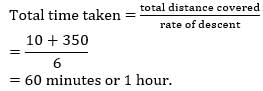
Answer the following questions by selecting the most appropriate option. Q. A teacher learns most by - a)His students
- b)His colleagues
- c)His principle
- d)His experiences during training
Correct answer is option 'D'. Can you explain this answer?
Answer the following questions by selecting the most appropriate option.
Q. A teacher learns most by
a)
His students
b)
His colleagues
c)
His principle
d)
His experiences during training
 | Arya Gupta answered |
Answer:
Explanation:
A teacher is a lifelong learner, and continuous learning is necessary to improve teaching skills. A teacher can learn from various sources such as students, colleagues, principals, and experiences during training. However, the most appropriate option is 'D,' which is experiences during training. Here's why:
Experiences during training:
- Training is an essential part of a teacher's professional development. It helps teachers to learn new teaching methodologies, improve their subject knowledge, and develop new skills.
- During training, teachers get the opportunity to learn from experienced trainers who provide them with valuable insights and feedback on their teaching practices.
- Training provides teachers with a platform to collaborate and share their experiences with other teachers from different schools and backgrounds.
- Teachers can learn about the latest teaching trends, technologies, and best practices during training, which they can implement in their classrooms.
- Training helps teachers to reflect on their teaching practices and identify areas of improvement.
Conclusion:
While a teacher can learn from various sources, experiences during training are the most appropriate option as it provides a structured learning environment, access to experienced trainers and resources, and opportunities for collaboration and reflection. Teachers who invest in their professional development through training are more effective in the classroom and have a positive impact on their students' learning outcomes.
Explanation:
A teacher is a lifelong learner, and continuous learning is necessary to improve teaching skills. A teacher can learn from various sources such as students, colleagues, principals, and experiences during training. However, the most appropriate option is 'D,' which is experiences during training. Here's why:
Experiences during training:
- Training is an essential part of a teacher's professional development. It helps teachers to learn new teaching methodologies, improve their subject knowledge, and develop new skills.
- During training, teachers get the opportunity to learn from experienced trainers who provide them with valuable insights and feedback on their teaching practices.
- Training provides teachers with a platform to collaborate and share their experiences with other teachers from different schools and backgrounds.
- Teachers can learn about the latest teaching trends, technologies, and best practices during training, which they can implement in their classrooms.
- Training helps teachers to reflect on their teaching practices and identify areas of improvement.
Conclusion:
While a teacher can learn from various sources, experiences during training are the most appropriate option as it provides a structured learning environment, access to experienced trainers and resources, and opportunities for collaboration and reflection. Teachers who invest in their professional development through training are more effective in the classroom and have a positive impact on their students' learning outcomes.
A school has 560 students. If the number of boys is 7 times of the number of girls, then number of girls in the school is - a)320
- b)80
- c)70
- d)490
Correct answer is option 'C'. Can you explain this answer?
A school has 560 students. If the number of boys is 7 times of the number of girls, then number of girls in the school is
a)
320
b)
80
c)
70
d)
490
| | Mehul Menon answered |
Let the number of girls be x
∴ x + 7x = 560 Or,
x = 70
So, number of girls = 70
How many 1/6 are there in 2/3? - a)2
- b)3
- c)4
- d)6
Correct answer is option 'C'. Can you explain this answer?
How many 1/6 are there in 2/3?
a)
2
b)
3
c)
4
d)
6
| | Tejas Saha answered |
Finding the number of 1/6 in 2/3 involves dividing 2/3 by 1/6. To do this, we need to follow the steps below:
Step 1: Convert 2/3 to a fraction with a denominator of 6, which is the same as finding an equivalent fraction with a denominator of 6. To do this, we can multiply both the numerator and denominator of 2/3 by 2:
2/3 × 2/2 = 4/6
Step 2: Now we can divide 4/6 by 1/6. To do this, we can use the formula:
a ÷ b = a × 1/b
Where a is the numerator and b is the denominator. Substituting the values, we get:
4/6 ÷ 1/6 = 4/6 × 6/1 = 24/6
Step 3: Simplify the fraction 24/6 to its lowest terms by dividing both the numerator and denominator by their greatest common factor (GCF), which is 6:
24 ÷ 6 = 4
6 ÷ 6 = 1
So, 24/6 simplifies to 4/1, which means there are 4 units of 1/6 in 2/3.
Therefore, the correct answer is option C, which is 4.
Step 1: Convert 2/3 to a fraction with a denominator of 6, which is the same as finding an equivalent fraction with a denominator of 6. To do this, we can multiply both the numerator and denominator of 2/3 by 2:
2/3 × 2/2 = 4/6
Step 2: Now we can divide 4/6 by 1/6. To do this, we can use the formula:
a ÷ b = a × 1/b
Where a is the numerator and b is the denominator. Substituting the values, we get:
4/6 ÷ 1/6 = 4/6 × 6/1 = 24/6
Step 3: Simplify the fraction 24/6 to its lowest terms by dividing both the numerator and denominator by their greatest common factor (GCF), which is 6:
24 ÷ 6 = 4
6 ÷ 6 = 1
So, 24/6 simplifies to 4/1, which means there are 4 units of 1/6 in 2/3.
Therefore, the correct answer is option C, which is 4.
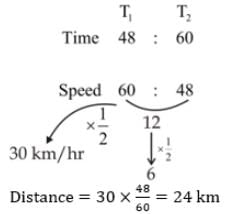
A train covers a distance between A and B in 48 minutes. The another train having speed 6 km/hr. less than the first train covers the distance B to A in 60 minutes. Find the distance between A and B? - a)24 km
- b)48 km
- c)40 km
- d)15 km
Correct answer is option 'A'. Can you explain this answer?
A train covers a distance between A and B in 48 minutes. The another train having speed 6 km/hr. less than the first train covers the distance B to A in 60 minutes. Find the distance between A and B?
a)
24 km
b)
48 km
c)
40 km
d)
15 km
| | Prerna Yadav answered |
Chapter doubts & questions for CTET Full Length Practice Test Paper 1 - 2 Months Preparation for CTET Paper 1 2026 is part of CTET & State TET exam preparation. The chapters have been prepared according to the CTET & State TET exam syllabus. The Chapter doubts & questions, notes, tests & MCQs are made for CTET & State TET 2026 Exam. Find important definitions, questions, notes, meanings, examples, exercises, MCQs and online tests here.
Chapter doubts & questions of CTET Full Length Practice Test Paper 1 - 2 Months Preparation for CTET Paper 1 in English & Hindi are available as part of CTET & State TET exam. Download more important topics, notes, lectures and mock test series for CTET & State TET Exam by signing up for free.
2 Months Preparation for CTET Paper 1218 videos|569 docs|217 tests |
