


All Exams > Electrical Engineering (EE) > SSC JE Electrical Mock Test Series (Hindi) 2026 > All Questions
All questions of Estimation & Costing for Electrical Engineering (EE) Exam
Normally the human body resistance in totally wet and dry condition is ________ respectively.- a)1 k Ω and 1 MΩ
- b)0.1 Ω and 10 kΩ
- c)100 Ω and 1 kΩ
- d)100 Ω and 10 kΩ
Correct answer is option 'A'. Can you explain this answer?
Normally the human body resistance in totally wet and dry condition is ________ respectively.
a)
1 k Ω and 1 MΩ
b)
0.1 Ω and 10 kΩ
c)
100 Ω and 1 kΩ
d)
100 Ω and 10 kΩ
 | Samridhi Bose answered |
Under dry conditions, the resistance offered by the human body may be as high as one mega ohms. Wet or broken skin may drop the body's resistance to 1000 ohms. Adding that, high-voltage electrical energy quickly breaks down human skin, reducing the human body's resistance to 500 ohms.

In which type of wiring vulcanized Indian rubber (VIR) and polyvinyl chloride (PVC) insulated wires are used as conductors- a)CTS wiring
- b)Cleat wiring
- c)Lead sheathed wiring
- d)Conduit wiring
Correct answer is option 'B'. Can you explain this answer?
In which type of wiring vulcanized Indian rubber (VIR) and polyvinyl chloride (PVC) insulated wires are used as conductors
a)
CTS wiring
b)
Cleat wiring
c)
Lead sheathed wiring
d)
Conduit wiring
| | Samridhi Bose answered |
Vulcanized Indian Rubber: These consists of a copper conductor covered with an insulation layer of VIR. A cotton tape covering is provided over this insulation layer to protect the wire from moisture and to provide mechanical strength to the wire. These type of wires are used in 250 V CTS wiring, casing or capping or cleat wiring.
Polyvinyl Chloride: These wires consists of a conductor over which an insulation layer made up of Polyvinyl Chloride is provided. These wires cannot resist much heat and they have relatively low melting points, so they aren’t used in hot places and also these wires are not used with heating appliances. These wires are applied in casing wiring and also used along with cleat wiring
Which material is used for wiring continuous bus bar?i. Aluminumii. Copper- a)Only i
- b)Only ii
- c)Both I and ii
- d)None of these
Correct answer is option 'A'. Can you explain this answer?
Which material is used for wiring continuous bus bar?
i. Aluminum
ii. Copper
a)
Only i
b)
Only ii
c)
Both I and ii
d)
None of these
 | Tanishq Majumdar answered |
Aluminum is used for wiring continuous bus bar because its cost is lesser than the copper.
Mixture preferred for filling around the earth electrode for effective earthing is:- a)Pepper-salt mixture
- b)Saw dust mixture
- c)Coal-salt mixture
- d)Lime-sand mixture
Correct answer is option 'C'. Can you explain this answer?
Mixture preferred for filling around the earth electrode for effective earthing is:
a)
Pepper-salt mixture
b)
Saw dust mixture
c)
Coal-salt mixture
d)
Lime-sand mixture
 | Arindam Sengupta answered |
The correct answer is option 'C' - Lime-sand mixture.
Explanation:
Effective earthing is crucial for the safety and proper functioning of electrical systems. It helps to dissipate fault currents, prevent electric shocks, and protect equipment from damage. The choice of mixture for filling around the earth electrode is important as it affects the conductivity and stability of the earthing system.
Here are the reasons why lime-sand mixture is preferred for filling around the earth electrode:
1. Conductivity: Lime-sand mixture has good electrical conductivity, which is essential for effective earthing. It allows the fault currents to flow efficiently through the earth electrode and dissipate into the ground.
2. Moisture retention: Lime-sand mixture has the ability to retain moisture, which helps in maintaining a low resistance path for current flow. Moisture is important for reducing the resistance between the earth electrode and the surrounding soil, ensuring effective earthing.
3. Chemical resistance: Lime has high chemical resistance, making it suitable for use in various types of soil conditions. It does not easily degrade or react with different soil compositions, ensuring long-term stability of the earthing system.
4. Mechanical stability: Lime-sand mixture provides good mechanical stability to the earthing system. It prevents the earth electrode from shifting or moving due to external factors such as wind, vibration, or soil settlement. This stability is important to maintain the integrity of the earthing system over time.
5. Cost-effectiveness: Lime-sand mixture is relatively inexpensive compared to other mixtures such as coal-salt or pepper-salt. It provides a cost-effective solution for filling around the earth electrode without compromising on the performance of the earthing system.
In conclusion, lime-sand mixture is preferred for filling around the earth electrode for effective earthing due to its good electrical conductivity, moisture retention capability, chemical resistance, mechanical stability, and cost-effectiveness. It ensures a low-resistance path for fault currents, maintains the stability of the earth electrode, and provides long-term performance of the earthing system.
Explanation:
Effective earthing is crucial for the safety and proper functioning of electrical systems. It helps to dissipate fault currents, prevent electric shocks, and protect equipment from damage. The choice of mixture for filling around the earth electrode is important as it affects the conductivity and stability of the earthing system.
Here are the reasons why lime-sand mixture is preferred for filling around the earth electrode:
1. Conductivity: Lime-sand mixture has good electrical conductivity, which is essential for effective earthing. It allows the fault currents to flow efficiently through the earth electrode and dissipate into the ground.
2. Moisture retention: Lime-sand mixture has the ability to retain moisture, which helps in maintaining a low resistance path for current flow. Moisture is important for reducing the resistance between the earth electrode and the surrounding soil, ensuring effective earthing.
3. Chemical resistance: Lime has high chemical resistance, making it suitable for use in various types of soil conditions. It does not easily degrade or react with different soil compositions, ensuring long-term stability of the earthing system.
4. Mechanical stability: Lime-sand mixture provides good mechanical stability to the earthing system. It prevents the earth electrode from shifting or moving due to external factors such as wind, vibration, or soil settlement. This stability is important to maintain the integrity of the earthing system over time.
5. Cost-effectiveness: Lime-sand mixture is relatively inexpensive compared to other mixtures such as coal-salt or pepper-salt. It provides a cost-effective solution for filling around the earth electrode without compromising on the performance of the earthing system.
In conclusion, lime-sand mixture is preferred for filling around the earth electrode for effective earthing due to its good electrical conductivity, moisture retention capability, chemical resistance, mechanical stability, and cost-effectiveness. It ensures a low-resistance path for fault currents, maintains the stability of the earth electrode, and provides long-term performance of the earthing system.


As per IE rules the permissible variation of voltage at the consumer end is:- a)±6%
- b)±10%
- c)±12%
- d)±2%
Correct answer is option 'A'. Can you explain this answer?
As per IE rules the permissible variation of voltage at the consumer end is:
a)
±6%
b)
±10%
c)
±12%
d)
±2%
 | Saranya Mishra answered |
As per IE rules the permissible variation of voltage at the consumer end is ±6%.
In the case of low or medium voltage, it is more than 6 percent.
In the case of high voltage, it is more than 6 per cent on the higher side or by more than 9 per cent on the lower side.
For the measurement of the earth resistance of a given earth electrode:- a)Collecting electrode should be very near to the electrode under test
- b)Collecting electrode should touch the electrode under test
- c)Collecting electrode should be far way the electrode under test
- d)None of these
Correct answer is option 'C'. Can you explain this answer?
For the measurement of the earth resistance of a given earth electrode:
a)
Collecting electrode should be very near to the electrode under test
b)
Collecting electrode should touch the electrode under test
c)
Collecting electrode should be far way the electrode under test
d)
None of these
| | Sneha Bose answered |
Measurement of Earth Resistance:
Collecting electrode distance:
The correct answer is option 'C', which states that the collecting electrode should be far away from the electrode under test for the measurement of earth resistance. This is because if the collecting electrode is too close to the electrode under test, it may affect the measurement due to the influence of the test current on the electrode. Therefore, proper distance between the electrodes is crucial for accurate measurement.
Factors affecting distance:
There are several factors that can affect the distance between the electrodes, including the size and shape of the electrodes, the depth of the test, and the soil resistance. In general, a distance of at least 20 times the depth of the electrode is recommended for accurate measurement.
Procedure:
The procedure for measuring earth resistance involves connecting the test electrode to the earth and injecting a test current into the earth. The voltage drop between the test electrode and the collecting electrode is then measured, and the earth resistance is calculated using Ohm's law.
Conclusion:
In conclusion, the correct distance between the electrodes is essential for accurate measurement of earth resistance. The collecting electrode should be far away from the electrode under test, and a distance of at least 20 times the depth of the electrode is recommended for accurate measurement. The procedure involves injecting a test current and measuring the voltage drop, and the earth resistance is calculated using Ohm's law.
Collecting electrode distance:
The correct answer is option 'C', which states that the collecting electrode should be far away from the electrode under test for the measurement of earth resistance. This is because if the collecting electrode is too close to the electrode under test, it may affect the measurement due to the influence of the test current on the electrode. Therefore, proper distance between the electrodes is crucial for accurate measurement.
Factors affecting distance:
There are several factors that can affect the distance between the electrodes, including the size and shape of the electrodes, the depth of the test, and the soil resistance. In general, a distance of at least 20 times the depth of the electrode is recommended for accurate measurement.
Procedure:
The procedure for measuring earth resistance involves connecting the test electrode to the earth and injecting a test current into the earth. The voltage drop between the test electrode and the collecting electrode is then measured, and the earth resistance is calculated using Ohm's law.
Conclusion:
In conclusion, the correct distance between the electrodes is essential for accurate measurement of earth resistance. The collecting electrode should be far away from the electrode under test, and a distance of at least 20 times the depth of the electrode is recommended for accurate measurement. The procedure involves injecting a test current and measuring the voltage drop, and the earth resistance is calculated using Ohm's law.
What is the minimum permissible size of the earth continuity conductor?- a)6 sq. mm
- b)9 sq. mm
- c)11 sq. mm
- d)13 sq. mm
Correct answer is option 'A'. Can you explain this answer?
What is the minimum permissible size of the earth continuity conductor?
a)
6 sq. mm
b)
9 sq. mm
c)
11 sq. mm
d)
13 sq. mm
 | Hiral Kulkarni answered |
The minimum permissible size of the earth continuity conductor is 6 sq. mm.
अस्थायी शेड के लिए वायरिंग का कौन-सा प्रकार अत्यधिक उपयुक्त होता है?- a)क्लिट वायरिंग
- b)लकड़ी का कैपिंग और आवरण वायरिंग
- c)लीड आवृत्त वायरिंग
- d)कंड्यूट वायरिंग
Correct answer is option 'A'. Can you explain this answer?
अस्थायी शेड के लिए वायरिंग का कौन-सा प्रकार अत्यधिक उपयुक्त होता है?
a)
क्लिट वायरिंग
b)
लकड़ी का कैपिंग और आवरण वायरिंग
c)
लीड आवृत्त वायरिंग
d)
कंड्यूट वायरिंग
 | Sharmila Kulkarni answered |
क्लिट वायरिंग अस्थायी शेड के लिए सबसे उपयुक्त वायरिंग है।
The earth’s potential is taken is –- a)Infinite
- b)Supply voltage
- c)1 volt
- d)Zero
Correct answer is option 'D'. Can you explain this answer?
The earth’s potential is taken is –
a)
Infinite
b)
Supply voltage
c)
1 volt
d)
Zero
| | Samridhi Bose answered |
Earth is chosen as a place of zero electric potential because it has almost constant potential.
In earthed neutral system, the magnitude of transient voltage is:- a)Zero
- b)Vary small
- c)Medium
- d)Very high
Correct answer is option 'B'. Can you explain this answer?
In earthed neutral system, the magnitude of transient voltage is:
a)
Zero
b)
Vary small
c)
Medium
d)
Very high
 | Sanskriti Desai answered |
In earthed neutral system, the neutral is earthed either directly or through resistance or reactance depends on the requirement.
The advantages of neutral earthing are,
1. The arcing grounds are prevented from occurring by employing suitable switchgears
2. As the neutral point is not shifted in this system, thus the voltages of healthy phase’s remains nearly constant
3. The faulty part of the system can be isolated from the remaining system with the help of earth fault relays
4. The magnitude of transient voltage is very small
5. This is system is more reliable, provides safety to personnel and equipment with reduced operational and maintenance cost than ungrounded system
For proper earthing, what should be the maximum value of earth resistance while carrying out the testing of earth continuity path?- a)1 Ω
- b)2 Ω
- c)5 Ω
- d)10 Ω
Correct answer is option 'A'. Can you explain this answer?
For proper earthing, what should be the maximum value of earth resistance while carrying out the testing of earth continuity path?
a)
1 Ω
b)
2 Ω
c)
5 Ω
d)
10 Ω
| | Juhi Joshi answered |
For proper earthing, the maximum value of earth resistance while carrying out the testing of earth continuity path should be around 1 ohm.
While using wooden poles in a services line, the span should not exceed- a)100 to 300 m
- b)60 to 100 m
- c)50 to 80 m
- d)40 to 50 m
Correct answer is option 'D'. Can you explain this answer?
While using wooden poles in a services line, the span should not exceed
a)
100 to 300 m
b)
60 to 100 m
c)
50 to 80 m
d)
40 to 50 m
| | Samridhi Bose answered |
While using wooden poles in a services line, the span should not exceed 40 to 50 m.
मानव शरीर पर बिजली के झटके का प्रभाव किस पर निर्भर करता है?i. विद्युत धाराii. वोल्टेजiii. संपर्क की अवधि- a)केवल i
- b)केवल ii
- c)केवल iii
- d)i, ii और iii
Correct answer is option 'D'. Can you explain this answer?
मानव शरीर पर बिजली के झटके का प्रभाव किस पर निर्भर करता है?
i. विद्युत धारा
ii. वोल्टेज
iii. संपर्क की अवधि
a)
केवल i
b)
केवल ii
c)
केवल iii
d)
i, ii और iii
| | Ankita Das answered |
मानव शरीर पर बिजली के झटके का प्रभाव विद्युत धारा, वोल्टेज और संपर्क की अवधि पर निर्भर करता है।
Minimum distance of underground cable from the foundation of building should be- a)100 cm
- b)50 cm
- c)10 cm
- d)5 cm
Correct answer is option 'C'. Can you explain this answer?
Minimum distance of underground cable from the foundation of building should be
a)
100 cm
b)
50 cm
c)
10 cm
d)
5 cm
| | Bibek Saha answered |
As per IE rules Minimum distance of underground cable from the foundation of building should be 10 cm.
What is meant by contingencies?i. The list of required components are included in this categoryii. The list of vague and unforeseen items is included in this categoryiii. The list of components along with their discounted prices is included in this category- a)Only i
- b)Only ii
- c)Only iii
- d)Both ii and iii
Correct answer is option 'B'. Can you explain this answer?
What is meant by contingencies?
i. The list of required components are included in this category
ii. The list of vague and unforeseen items is included in this category
iii. The list of components along with their discounted prices is included in this category
a)
Only i
b)
Only ii
c)
Only iii
d)
Both ii and iii
 | Palak Verma answered |
Contingencies in Electrical Engineering
Contingencies in electrical engineering refer to unexpected or unforeseen events, situations, or conditions that may arise during the design, construction, or operation of electrical systems. These contingencies are typically accounted for in planning and budgeting processes to ensure that projects are completed successfully and within the allocated resources.
Explanation of the Options
i. The list of required components are included in this category: This option is incorrect. The list of required components is not considered a contingency. Required components are typically identified and included in the project plan and budget.
ii. The list of vague and unforeseen items is included in this category: This option is correct. Contingencies often include a list of vague and unforeseen items that may arise during a project. These items may include unexpected equipment failures, changes in scope, delays, or unforeseen technical challenges.
iii. The list of components along with their discounted prices is included in this category: This option is incorrect. The list of components along with their discounted prices is not related to contingencies. Discounted prices are typically negotiated and finalized during the procurement process, and they are not considered contingencies.
Significance of Contingencies
Contingencies are an essential aspect of project management in electrical engineering. They provide a buffer for unexpected events and ensure that projects can adapt and respond to unforeseen circumstances without compromising their success. Some key reasons why contingencies are necessary include:
1. Risk Mitigation: Contingencies help to mitigate risks associated with uncertainties in project execution. By allocating resources for contingencies, project managers can address unforeseen challenges and minimize the impact on project timelines and budgets.
2. Flexibility: Contingencies allow for flexibility in project planning and implementation. They provide the necessary cushion to accommodate changes in project scope, unexpected delays, or technical issues that may arise during the project lifecycle.
3. Cost Control: By including contingencies in project budgets, project managers can effectively control project costs. Contingencies help to cover unexpected expenses, preventing cost overruns and ensuring that projects remain within the allocated budget.
4. Stakeholder Satisfaction: Contingencies contribute to stakeholder satisfaction by minimizing disruptions to project timelines and ensuring that project goals are achieved. When unforeseen events occur, having contingencies in place allows project managers to respond promptly and effectively, maintaining stakeholder confidence.
Conclusion
In summary, contingencies in electrical engineering refer to unforeseen events or circumstances that may occur during the design, construction, or operation of electrical systems. They are essential for risk mitigation, flexibility, cost control, and stakeholder satisfaction. The correct option in terms of contingencies is option ii, which includes a list of vague and unforeseen items that may arise during a project.
Contingencies in electrical engineering refer to unexpected or unforeseen events, situations, or conditions that may arise during the design, construction, or operation of electrical systems. These contingencies are typically accounted for in planning and budgeting processes to ensure that projects are completed successfully and within the allocated resources.
Explanation of the Options
i. The list of required components are included in this category: This option is incorrect. The list of required components is not considered a contingency. Required components are typically identified and included in the project plan and budget.
ii. The list of vague and unforeseen items is included in this category: This option is correct. Contingencies often include a list of vague and unforeseen items that may arise during a project. These items may include unexpected equipment failures, changes in scope, delays, or unforeseen technical challenges.
iii. The list of components along with their discounted prices is included in this category: This option is incorrect. The list of components along with their discounted prices is not related to contingencies. Discounted prices are typically negotiated and finalized during the procurement process, and they are not considered contingencies.
Significance of Contingencies
Contingencies are an essential aspect of project management in electrical engineering. They provide a buffer for unexpected events and ensure that projects can adapt and respond to unforeseen circumstances without compromising their success. Some key reasons why contingencies are necessary include:
1. Risk Mitigation: Contingencies help to mitigate risks associated with uncertainties in project execution. By allocating resources for contingencies, project managers can address unforeseen challenges and minimize the impact on project timelines and budgets.
2. Flexibility: Contingencies allow for flexibility in project planning and implementation. They provide the necessary cushion to accommodate changes in project scope, unexpected delays, or technical issues that may arise during the project lifecycle.
3. Cost Control: By including contingencies in project budgets, project managers can effectively control project costs. Contingencies help to cover unexpected expenses, preventing cost overruns and ensuring that projects remain within the allocated budget.
4. Stakeholder Satisfaction: Contingencies contribute to stakeholder satisfaction by minimizing disruptions to project timelines and ensuring that project goals are achieved. When unforeseen events occur, having contingencies in place allows project managers to respond promptly and effectively, maintaining stakeholder confidence.
Conclusion
In summary, contingencies in electrical engineering refer to unforeseen events or circumstances that may occur during the design, construction, or operation of electrical systems. They are essential for risk mitigation, flexibility, cost control, and stakeholder satisfaction. The correct option in terms of contingencies is option ii, which includes a list of vague and unforeseen items that may arise during a project.
What is the maximum length of the flexible conduit in motor installation?- a)Less than 1.25 m
- b)Less than 2.25 m
- c)Less than 3.5 m
- d)Can exceed not more than 5 m
Correct answer is option 'A'. Can you explain this answer?
What is the maximum length of the flexible conduit in motor installation?
a)
Less than 1.25 m
b)
Less than 2.25 m
c)
Less than 3.5 m
d)
Can exceed not more than 5 m
| | Mayank Sengupta answered |
According to Indian Electricity rules, the maximum length of the flexible conduit in motor installation is should be less than 1.25 m
In case of electric fire, use:- a)CO2
- b)N2S
- c)SO2
- d)Cl2
Correct answer is option 'A'. Can you explain this answer?
In case of electric fire, use:
a)
CO2
b)
N2S
c)
SO2
d)
Cl2
| | Rahul Banerjee answered |
Class C type fire extinguishers can be used for electrical fires. While the extinguishment of electrical fire,
1. If possible, remove the source of energy by unplugging or disconnecting the electrical equipment
2. Use carbon dioxide, ordinary (BC rated) dry chemical, multi-purpose dry chemical and halon fire extinguishers
3. Do not use water on any energized electrical equipment
One among the following is the top most conductors in high voltage transmission lines, identify it.- a)R- phase conductor
- b)Y- phase conductor
- c)B- phase conductor
- d)Earth conductor
Correct answer is option 'D'. Can you explain this answer?
One among the following is the top most conductors in high voltage transmission lines, identify it.
a)
R- phase conductor
b)
Y- phase conductor
c)
B- phase conductor
d)
Earth conductor
 | Muskaan Nair answered |
A guard wire or earth wire is the top most conductors in high voltage transmission lines. It is used mainly to protect lines from lightning. If in case lightning struck then it carries the excessive current inrush to ground.
Its radius is much smaller than the actual transmission wire because as the resistance is inversely proportional to area of cross section and as the cross section decreases, the resistance increases. The increased resistance of earth wire is able to withstand high inrush of current caused due to lightning and it will safely guide this inrush into ground.
Setting depth of poles is- a)1/4 part of the length of pole
- b)1/5 part of the length of pole
- c)1/8 part of the length of pole
- d)1/2 part of the length of pole
Correct answer is option 'B'. Can you explain this answer?
Setting depth of poles is
a)
1/4 part of the length of pole
b)
1/5 part of the length of pole
c)
1/8 part of the length of pole
d)
1/2 part of the length of pole
| | Aman Datta answered |
Setting depth of poles is 1/5 part of the length of pole. The depth for most heavy poles should be at least two feet. Another rule of thumb is that the hole’s depth should be 1/5 of the length of the poles and below the frost line.
Earth electrode used in plate earthing is a _______- a)Plate
- b)Pipe
- c)Rod
- d)Grid
Correct answer is option 'A'. Can you explain this answer?
Earth electrode used in plate earthing is a _______
a)
Plate
b)
Pipe
c)
Rod
d)
Grid
| | Sagar Sharma answered |
Understanding Earth Electrodes in Plate Earthing
In electrical systems, earthing or grounding is crucial for safety and performance. Plate earthing is one of the methods employed to achieve effective grounding.
What is Plate Earthing?
Plate earthing involves embedding a conductive plate into the ground to dissipate electrical energy safely. This method ensures that any fault current can flow into the earth, thereby preventing electrical shock hazards.
Components of Plate Earthing
- Electrode: In plate earthing, the primary component is the electrode, which is a conducting plate typically made of copper or galvanized iron.
- Conductive Plate: The plate is usually a flat, rectangular piece that is buried vertically in the ground. Its large surface area enhances the grounding effectiveness.
Why is the Correct Answer 'A' - Plate?
- Design and Functionality: The plate acts as the main point of contact with the earth, providing a low-resistance path for fault currents.
- Safety: By using a plate, the system can safely disperse electrical faults into the ground, minimizing the risk of electrical shocks and equipment damage.
- Regulatory Compliance: Many electrical standards and codes specify the use of plates for grounding, particularly in high-power installations.
Conclusion
Thus, the correct answer being option 'A', a Plate, highlights the importance of using a conductive plate in plate earthing systems to ensure safety and effectiveness in grounding applications.
In electrical systems, earthing or grounding is crucial for safety and performance. Plate earthing is one of the methods employed to achieve effective grounding.
What is Plate Earthing?
Plate earthing involves embedding a conductive plate into the ground to dissipate electrical energy safely. This method ensures that any fault current can flow into the earth, thereby preventing electrical shock hazards.
Components of Plate Earthing
- Electrode: In plate earthing, the primary component is the electrode, which is a conducting plate typically made of copper or galvanized iron.
- Conductive Plate: The plate is usually a flat, rectangular piece that is buried vertically in the ground. Its large surface area enhances the grounding effectiveness.
Why is the Correct Answer 'A' - Plate?
- Design and Functionality: The plate acts as the main point of contact with the earth, providing a low-resistance path for fault currents.
- Safety: By using a plate, the system can safely disperse electrical faults into the ground, minimizing the risk of electrical shocks and equipment damage.
- Regulatory Compliance: Many electrical standards and codes specify the use of plates for grounding, particularly in high-power installations.
Conclusion
Thus, the correct answer being option 'A', a Plate, highlights the importance of using a conductive plate in plate earthing systems to ensure safety and effectiveness in grounding applications.
जब उच्च वोल्टेज ओवरहेड लाइन किसी भी इमारत के ऊपर या बगल से गुज़रती है, उस तार के तुरंत नीचे इमारत के उच्चतम हिस्से के बीच लंबवत निकासी IE नियमों में अनुशंसित कितने से कम नहीं होती है?- a)1.2 मीटर
- b)2.8 मीटर
- c)6 मीटर
- d)3.7 मीटर
Correct answer is option 'D'. Can you explain this answer?
जब उच्च वोल्टेज ओवरहेड लाइन किसी भी इमारत के ऊपर या बगल से गुज़रती है, उस तार के तुरंत नीचे इमारत के उच्चतम हिस्से के बीच लंबवत निकासी IE नियमों में अनुशंसित कितने से कम नहीं होती है?
a)
1.2 मीटर
b)
2.8 मीटर
c)
6 मीटर
d)
3.7 मीटर
| | Sharmila Kulkarni answered |
IE नियम 80 के अनुसार,
जब एक उच्च या अतिरिक्त उच्च वोल्टेज ओवर-हेड लाइन किसी भी ईमारत या ईमारत के हिस्से के ऊपर या बगल से गुज़रती है, इस प्रकार की लाइन के तुरंत निचे, ईमारत के उच्चतम हिस्से के ऊपर एक उर्ध्वाधर निकासी निम्न से कम नहीं होनी चाहिए -
(a) 33,000 वोल्ट और उच्च वोल्टेज लाइनों के लिए - 3.7 मीटर
(b) अत्यधिक-उच्च वोल्टेज लाइन के लिए - प्रत्येक अतिरिक्त 33,000 वोल्ट या उसके हिस्से के लिए 3.7 मीटर के साथ 0.3 मीटर।
बिजली के उपकरणों के भू-योजन का उद्देश्य क्या होता है?- a)बिजली के झटके के प्रति सुरक्षा प्रदान करने के लिए
- b)यह सुनिश्चित करने के लिए की उपकरण ठीक से काम करते हैं
- c)यह सुनिश्चित करने के लिए की उपकरण को पूर्ण वोल्टेज प्राप्त होता है
- d)उपरोक्त में से कोई नहीं
Correct answer is option 'A'. Can you explain this answer?
बिजली के उपकरणों के भू-योजन का उद्देश्य क्या होता है?
a)
बिजली के झटके के प्रति सुरक्षा प्रदान करने के लिए
b)
यह सुनिश्चित करने के लिए की उपकरण ठीक से काम करते हैं
c)
यह सुनिश्चित करने के लिए की उपकरण को पूर्ण वोल्टेज प्राप्त होता है
d)
उपरोक्त में से कोई नहीं
| | Isha Singh answered |
भू-योजन आवश्यक होता है क्योंकि,
1. भू-योजन लघुपथ विद्युत धारा से व्यक्ति की रक्षा करता है इसलिए यह बिजली के झटके के प्रति सुरक्षा प्रदान करता है।
2. इन्सुलेशन की विफलता के बाद भी भू-योजन लघुपथ विद्युत धारा को प्रवाहित होने के लिए सबसे आसान मार्ग प्रदान करता है।
3. भू-योजन उच्च वोल्टेज प्रोत्कर्ष और आकाशीय बिजली के निर्वहन से उपकरण और व्यक्तिओं की रक्षा करता है।
टॉवर के नींव के प्रतिरोध को कम करने के लिए किसका उपयोग करना बेहतर होता है?- a)केवल रासायन और ग्राउंड रॉड
- b)केवल रासायन और प्रतिभार
- c)केवल ग्राउंड रॉड और प्रतिभार
- d)इनमें से कोई नहीं
Correct answer is option 'C'. Can you explain this answer?
टॉवर के नींव के प्रतिरोध को कम करने के लिए किसका उपयोग करना बेहतर होता है?
a)
केवल रासायन और ग्राउंड रॉड
b)
केवल रासायन और प्रतिभार
c)
केवल ग्राउंड रॉड और प्रतिभार
d)
इनमें से कोई नहीं
| | Ankita Das answered |
टॉवर के नींव के प्रतिरोध जमीन के अपव्यय के लिए टावर के नींव द्वारा प्रदान किया गया प्रतिरोध है। प्रभावी ग्राउंड तार काफ़ी हद तक टावर के नींव के प्रतिरोध पर निर्भर करता है। टावर के शीर्ष का विभव इस प्रतिरोध पर निर्भर करता है।
टावर के नींव के प्रतिरोध के कम मान के परिणामस्वरूप लाइन इन्सुलेशन में कम वोल्टेज तनाव होता है। ई.एच.वी. लाइनों के लिए 20 ओम और एच.वी. लाइनों के लिए 10 ओम का टावर के नींव के प्रतिरोध पर्याप्त बिजली संरक्षण प्रदान करता है।
टॉवर के नींव का प्रतिरोध निम्न पर निर्भर करता है
1) नियोजित इलेक्ट्रोड विन्यास का प्रकार
2) मृदा प्रतिरोधकता
3) इलेक्ट्रोड का आकार (गोलार्द्ध, ऊर्ध्वाधर संचालित रॉड, और भूमिगत क्षैतिज तारें)
टॉवर ग्राउंडिंग के तरीके इस प्रकार हैं:
भूमिगत चालक: एक या अधिक चालक टॉवर के तल से जुड़े हुए होते हैं और टावर की नींव के आसपास के हिस्सों में भूमिगत किए जाते हैं। इसका उपयोग तब किया जाता है जब मिट्टी की प्रतिरोधकता कम होती है।
प्रतिभार तार: 50 मीटर की तार/पट्टी की लंबाई जमीन के नीचे 0.5 मीटर की गहराई पर क्षैतिज रूप से भूमिगत की जाती है। यह तार टॉवर के तल से जुड़ा हुआ होता है। इसका उपयोग तब किया जाता है जब भू-प्रतिरोध बहुत अधिक होता है और मिट्टी की चालकता ज्यादातर ऊपरी परत तक ही सीमित होती है।
ग्राउंड रॉड: 3 से 4 मीटर की पाइप/रॉड टॉवर के पास जमीन में संचालित होती है और रॉड का शीर्ष उपयुक्त तार/पट्टी से टॉवर से जुड़ा हुआ होता है। इसका उपयोग वहां किया जाता है जहां गहराई के साथ भूमि की चालकता में वृद्धि होती है।
उपचारित भू-गर्त: 3 से 4 मीटर की पाइप/रॉड को उपचारित भू-गर्त में भूमिगत किया जाता है और रॉड के शीर्ष उपयुक्त तार/पट्टी से टॉवर से जुड़े हुए होते हैं। इसका उपयोग टॉवर के पास बहुत अधिक प्रतिरोधकता में किया जाता है।
टॉवर के नींव के प्रतिरोध को कम करने के लिए, केवल ग्राउंड रॉड और प्रतिभार का उपयोग करना बेहतर होता है।
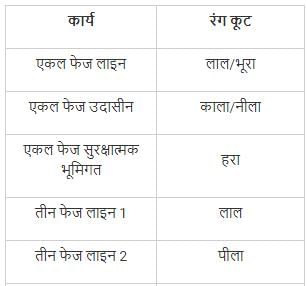
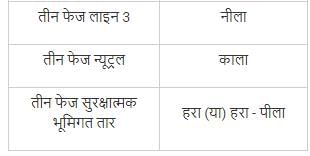
ट्रम कारों को बिजली की आपूर्ति करने वाले ओवर-हेड लाइनों की न्यूनतम ऊंचाई कितनी होनी चाहिए?- a)3 मीटर
- b)6 मीटर
- c)10 मीटर
- d)20 मीटर
Correct answer is option 'C'. Can you explain this answer?
ट्रम कारों को बिजली की आपूर्ति करने वाले ओवर-हेड लाइनों की न्यूनतम ऊंचाई कितनी होनी चाहिए?
a)
3 मीटर
b)
6 मीटर
c)
10 मीटर
d)
20 मीटर
| | Dishani Bose answered |
IE नियम के अनुसार, ट्रम कारों को बिजली की आपूर्ति करने वाले ओवर-हेड लाइनों की न्यूनतम ऊंचाई 10 मीटर की ऊंचाई होनी चाहिए।
भू-योजन के इलेक्ट्रोड को इमारत से कितनी दूरी (मीटर में) के भीतर रखा जाना चाहिए, जिनकी स्थापना प्रणाली का भू-योजन किया जाने वाला हो?- a)4
- b)2.5
- c)1.5
- d)0.5
Correct answer is option 'C'. Can you explain this answer?
भू-योजन के इलेक्ट्रोड को इमारत से कितनी दूरी (मीटर में) के भीतर रखा जाना चाहिए, जिनकी स्थापना प्रणाली का भू-योजन किया जाने वाला हो?
a)
4
b)
2.5
c)
1.5
d)
0.5
| | Isha Singh answered |
भारतीय मानक द्वारा अनुशंसित भू-योजन इलेक्ट्रोड के संबंध में विभिन्न विनिर्देश नीचे दिए गए हैं।
1. एक भू-योजन इलेक्ट्रोड को उस इमारत जिसकी स्थापना प्रणाली भू-योजन किया जाने वाला हो, उसके नजदीक कम से कम 1.5 मीटर से अधिक की दूरी पर स्थित नहीं किया जाना चाहिए।
2. सुरक्षा प्रतिरोध रिले या ब्लो फ्यूज को संचालित करने के लिए पर्याप्त धारा प्रवाह प्राप्त करने के लिए पृथ्वी प्रतिरोध पर्याप्त मात्रा में कम होना चाहिए। इसका मान स्थिर नहीं होता है क्योंकि यह मौसम के साथ बदलता है क्योंकि यह आर्द्रता पर निर्भर करता है (लेकिन 1 ओम से कम नहीं होना चाहिए) ।
3. भूमिगत तार और पृथ्वी इलेक्ट्रोड एक ही पदार्थ के होंगे।
4. भू-योजन इलेक्ट्रोड को हमेशा भूमिगत या गड्ढे के अंदर एक ऊर्ध्वाधर स्थिति में रखा जाना चाहिए, ताकि यह सभी पृथ्वी की विभिन्न परतों के संपर्क में रहे।
किस वोल्टेज स्तर पर स्क्रू किए हुए कंड्यूट परिपथ का इस्तेमाल किया जाता है?- a)250 वोल्ट से कम
- b)250 वोल्ट - 600 वोल्ट के बीच
- c)600 वोल्ट से अधिक
- d)इनमें से कोई नहीं
Correct answer is option 'B'. Can you explain this answer?
किस वोल्टेज स्तर पर स्क्रू किए हुए कंड्यूट परिपथ का इस्तेमाल किया जाता है?
a)
250 वोल्ट से कम
b)
250 वोल्ट - 600 वोल्ट के बीच
c)
600 वोल्ट से अधिक
d)
इनमें से कोई नहीं
| | Ankita Das answered |
बिजली के तारों की रक्षा के लिए स्क्रू किए हुए कंड्यूट परिपथ का उपयोग किया जाता है। इसका उपयोग 250 वोल्ट से 600 वोल्ट के बीच वोल्टेज स्तर पर किया जाता है।
भू-योजन में ग्राउंड रॉड को क्यों जोड़ा जाता है?- a)भू-प्रतिरोध को कम करने के लिए
- b)भू-प्रतिरोध पर कोई प्रभाव नहीं पड़ता है
- c)भू-प्रतिरोध को थोडा कम करने के लिए
- d)भू-प्रतिरोध में थोड़ी वृद्धि करने के लिए
Correct answer is option 'C'. Can you explain this answer?
भू-योजन में ग्राउंड रॉड को क्यों जोड़ा जाता है?
a)
भू-प्रतिरोध को कम करने के लिए
b)
भू-प्रतिरोध पर कोई प्रभाव नहीं पड़ता है
c)
भू-प्रतिरोध को थोडा कम करने के लिए
d)
भू-प्रतिरोध में थोड़ी वृद्धि करने के लिए
| | Dishani Bose answered |
चूंकि प्रत्येक ग्राउंड रॉड के पास भू-प्रतिरोध बहुत अधिक होगा, उसमें दूसरा ग्राउंड रॉड जोड़कर हम समग्र ग्राउंडिंग प्रतिरोध को थोड़ा कम कर सकते हैं। सर्वश्रेष्ठ ग्राउंडिंग प्रभाव प्राप्त करने के लिए ग्राउंड रॉड को 7.6 मीटर के अंतर पर जोड़ने की आवश्यकता होती है।
हानि स्थिति के तहत किस प्रकार की न्यूट्रल ग्राउंडिंग विधि में उच्च क्षणिक वोल्टेज दिखाई देता है?- a)ठोस ग्राउंडिंग
- b)प्रतिरोध ग्राउंडिंग
- c)प्रतिघात ग्राउंडिंग
- d)प्लेट ग्राउंडिंग
Correct answer is option 'C'. Can you explain this answer?
हानि स्थिति के तहत किस प्रकार की न्यूट्रल ग्राउंडिंग विधि में उच्च क्षणिक वोल्टेज दिखाई देता है?
a)
ठोस ग्राउंडिंग
b)
प्रतिरोध ग्राउंडिंग
c)
प्रतिघात ग्राउंडिंग
d)
प्लेट ग्राउंडिंग
| | Sakshi Tiwari answered |
ठोस ग्राउंडिंग: इस प्रकार के न्यूट्रल ग्राउंडिंग में, प्रणाली का न्यूट्रल सीधे नगण्य प्रतिरोध और प्रतिघात के चालक के माध्यम से जमीन से जुड़ा हुआ होता है।
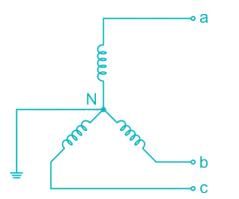
प्रतिरोध ग्राउंडिंग: इस प्रकार के न्यूट्रल ग्राउंडिंग में, प्रणाली का न्यूट्रल एक या अधिक प्रतिरोध के माध्यम से जमीन से जुड़ा हुआ होता है। प्रतिरोध ग्राउंडिंग हानि धाराओं को सीमित करता है। यह प्रणाली को क्षणिक अति वोल्टेज से बचाता है।

प्रतिघात ग्राउंडिंग: इस विधि में हानि विद्युत धारा को सीमित करने के लिए न्यूट्रल और जमीन के बीच एक प्रतिघात प्रविष्ट किया जाता है। इस विधि में हानि की स्थिति के तहत उच्च क्षणिक वोल्टेज दिखाई देता है।
केवल प्रकाशीय बिंदुओं को जोड़ने वाले परिपथ में कितना अधिकतम भार जोड़ा जा सकता है?- a)500 वाट
- b)750 वाट
- c)800 वाट
- d)1000 वाट
Correct answer is option 'C'. Can you explain this answer?
केवल प्रकाशीय बिंदुओं को जोड़ने वाले परिपथ में कितना अधिकतम भार जोड़ा जा सकता है?
a)
500 वाट
b)
750 वाट
c)
800 वाट
d)
1000 वाट
| | Meghana Gupta answered |
केवल प्रकाशीय बिंदुओं को जोड़ने वाले परिपथ में 800 वाट का अधिकतम भार जोड़ा जा सकता है।
पट्टी भू-योजन के लिए इस्तेमाल किया जाने वाली ताम्र पट्टियों का आयाम क्या होता है?- a)25 मिमी × 4 मिमी
- b)25 मिमी × 3 मिमी
- c)30 मिमी × 4 मिमी
- d)30 मिमी × 3 मिमी
Correct answer is option 'A'. Can you explain this answer?
पट्टी भू-योजन के लिए इस्तेमाल किया जाने वाली ताम्र पट्टियों का आयाम क्या होता है?
a)
25 मिमी × 4 मिमी
b)
25 मिमी × 3 मिमी
c)
30 मिमी × 4 मिमी
d)
30 मिमी × 3 मिमी
| | Bibek Saha answered |
पट्टी भू-योजन की विधि में, 25 मिमी x 1.6 मिमी (1 इंच x 0.06 इंच) के अनुप्रस्थ-काट के पट्टी इलेक्ट्रोड को 0.5 मीटर की न्यूनतम गहराई के क्षैतिज ट्रेंच में डाला जाता है। यदि तांबे का उपयोग किया जाता है, तो 25 मिमी x 4 मिमी (1 इंच x 0.15 इंच) के अनुप्रस्थ-काट का आयाम होता है और यदि गैल्वनाइज्ड आयरन या इस्पात का उपयोग किया जाता है तो 3.0 मिमी2 का आयाम होता है।
पृथ्वी के प्रतिरोध में निम्न में से क्या शामिल होता है?A. इलेक्ट्रोड से दूर मिट्टी का प्रतिरोधB. इलेक्ट्रोड और मिट्टी के बीच संपर्क प्रतिरोधC. धातु इलेक्ट्रोड का प्रतिरोध- a)केवल A
- b)केवल A और B
- c)केवल A और C
- d)A, B और C एकसाथ
Correct answer is option 'D'. Can you explain this answer?
पृथ्वी के प्रतिरोध में निम्न में से क्या शामिल होता है?
A. इलेक्ट्रोड से दूर मिट्टी का प्रतिरोध
B. इलेक्ट्रोड और मिट्टी के बीच संपर्क प्रतिरोध
C. धातु इलेक्ट्रोड का प्रतिरोध
a)
केवल A
b)
केवल A और B
c)
केवल A और C
d)
A, B और C एकसाथ
| | Isha Singh answered |
पृथ्वी के इलेक्ट्रोड द्वारा विद्युत धारा के प्रवाह के लिए प्रस्तावित प्रतिरोध को पृथ्वी प्रतिरोध या पृथ्वी के प्रतिरोध के रूप में जाना जाता है। इसमें निम्न शामिल होते हैं
1) इलेक्ट्रोड से दूर मिट्टी का प्रतिरोध
2) इलेक्ट्रोड और मिट्टी के बीच संपर्क प्रतिरोध
3) धातु इलेक्ट्रोड का प्रतिरोध
______आकार के एल्यूमीनियम चालक का उपयोग घरेलू तारों में उप परिपथ के लिए किया जाता है।- a)

- b)

- c)

- d)

Correct answer is option 'C'. Can you explain this answer?
______आकार के एल्यूमीनियम चालक का उपयोग घरेलू तारों में उप परिपथ के लिए किया जाता है।
a)
b)
c)
d)
| | Sakshi Tiwari answered |
घरेलू तारों में उप परिपथ के लिए इस्तेमाल किये जाने वाले एल्यूमीनियम चालक का आकार 1/1.4 घरेलू तारों में उप परिपथ के लिए इस्तेमाल किये जाने वाले एल्यूमीनियम चालक का आकार
व्यवहारतः, पृथ्वी को शून्य विद्युत क्षमता के स्थान के रूप में क्यों चुना जाता है?- a)गैर-चालक होने के कारण
- b)यह आसानी से उपलब्ध होने वाला संदर्भ है
- c)हर दिन विद्युत आवेश खोना और प्राप्त करना जारी रखता है
- d)लगभग स्थिर विभव होने के कारण
Correct answer is option 'D'. Can you explain this answer?
व्यवहारतः, पृथ्वी को शून्य विद्युत क्षमता के स्थान के रूप में क्यों चुना जाता है?
a)
गैर-चालक होने के कारण
b)
यह आसानी से उपलब्ध होने वाला संदर्भ है
c)
हर दिन विद्युत आवेश खोना और प्राप्त करना जारी रखता है
d)
लगभग स्थिर विभव होने के कारण
| | Meghana Gupta answered |
पृथ्वी को शून्य विद्युत क्षमता के स्थान के रूप में चुना जाता है क्योंकि इसका विभव लगभग स्थिर होता है।
सड़कों पर जमीन से एच.वी. लाइन की न्यूनतम दूरी क्या है?- a)3.1 मीटर
- b)8.1 मीटर
- c)6.1 मीटर
- d)5.1 मीटर
Correct answer is option 'C'. Can you explain this answer?
सड़कों पर जमीन से एच.वी. लाइन की न्यूनतम दूरी क्या है?
a)
3.1 मीटर
b)
8.1 मीटर
c)
6.1 मीटर
d)
5.1 मीटर
| | Ankita Das answered |
IE नियम 77 के अनुसार,
सेवा लाइनों सहित सड़क पर लगा एक ओवरहेड लाइन का कोई भी चालक किसी भी हिस्से पर निम्न ऊंचाई से कम नहीं होना चाहिए -
(a) कम और मध्यम वोल्टेज लाइनों के लिए - 5.8 मीटर
(b) उच्च वोल्टेज लाइनों के लिए - 6.1 मीटर
बिजली की स्थापना में धारा रेटिंग के लिए इस्तेमाल किये जाने वाले सुरक्षा गुणांक का मान क्या है?- a)1
- b)1.5
- c)1.75
- d)2
Correct answer is option 'D'. Can you explain this answer?
बिजली की स्थापना में धारा रेटिंग के लिए इस्तेमाल किये जाने वाले सुरक्षा गुणांक का मान क्या है?
a)
1
b)
1.5
c)
1.75
d)
2
| | Ankita Das answered |
सुरक्षा का गुणांक अपेक्षित या वास्तविक भार से ऊपर एक प्रणाली की लोड वाहित करने की क्षमता का वर्णन करती है। बिजली की स्थापना में धारा रेटिंग के लिए इस्तेमाल किये जाने वाले सुरक्षा गुणांक का मान 2 होता है।
मोटर स्थापन के अनुसार कौन-सा कथन सत्य है?- a)लकड़ी के काम का इस्तेमाल स्विचगियर लगाने के लिए किया जाता है
- b)बिजली के तारों में इस्तेमाल किए जाने वाले सभी उपकरण लौह आवृत्त होने चाहिए
- c)चालक की लूपिंग सामान्यतौर पर बनाई जाती है
- d)लचीले कंड्यूट की लंबाई 3 मीटर से अधिक होती है
Correct answer is option 'B'. Can you explain this answer?
मोटर स्थापन के अनुसार कौन-सा कथन सत्य है?
a)
लकड़ी के काम का इस्तेमाल स्विचगियर लगाने के लिए किया जाता है
b)
बिजली के तारों में इस्तेमाल किए जाने वाले सभी उपकरण लौह आवृत्त होने चाहिए
c)
चालक की लूपिंग सामान्यतौर पर बनाई जाती है
d)
लचीले कंड्यूट की लंबाई 3 मीटर से अधिक होती है
| | Sakshi Tiwari answered |
1. लकड़ी का इस्तेमाल स्विचगियर लगाने के लिए नहीं किया जाता है
2. बिजली के तारों में इस्तेमाल किए जाने वाले सभी उपकरण लौह आवृत्त होने चाहिए
3. विद्युतीय लूपिंग, दो लाइट के बीच बनाए जाने वाले एक या अधिक लूप होते हैं जिसमें 1 एकल तार एकाधिक फिटिंग से जुड़ा होता है। सामान्यतौर पर लूपिंग उदासीन तार के लिए किया जाता है। न्यूट्रल तार एक विद्युत परिपथ में विद्युत धारा के लिए एक वापसी तार होता है, अर्थात यह आउटपुट उपकरण से बिजली को सेवा पैनल/बोर्ड में वाहित करता है।
4. लचीले कंड्यूट की लंबाई 3 मीटर से अधिक होती है।
विद्युत सारणी क्या होती है?i. एक ईमारत के प्रत्येक कमरे के स्थानों की संख्या की जानकारी प्रदान करने वाली एक सूची या योजनाii. एक विशिष्ट कमरे के लिए आवश्यक सभी विद्युतीय उपकरण की सूचीiii. सभी विद्युतीय उपकरण की सूची व उनके मूल्य- a)केवल i
- b)केवल ii
- c)ii और iii दोनों
- d)इनमें से कोई नहीं
Correct answer is option 'A'. Can you explain this answer?
विद्युत सारणी क्या होती है?
i. एक ईमारत के प्रत्येक कमरे के स्थानों की संख्या की जानकारी प्रदान करने वाली एक सूची या योजना
ii. एक विशिष्ट कमरे के लिए आवश्यक सभी विद्युतीय उपकरण की सूची
iii. सभी विद्युतीय उपकरण की सूची व उनके मूल्य
a)
केवल i
b)
केवल ii
c)
ii और iii दोनों
d)
इनमें से कोई नहीं
| | Isha Singh answered |
विद्युत सारणी एक ईमारत के प्रत्येक कमरे के स्थानों की संख्या की जानकारी प्रदान करने वाली एक सूची या योजना है।
Chapter doubts & questions for Estimation & Costing - SSC JE Electrical Mock Test Series (Hindi) 2026 2026 is part of Electrical Engineering (EE) exam preparation. The chapters have been prepared according to the Electrical Engineering (EE) exam syllabus. The Chapter doubts & questions, notes, tests & MCQs are made for Electrical Engineering (EE) 2026 Exam. Find important definitions, questions, notes, meanings, examples, exercises, MCQs and online tests here.
Chapter doubts & questions of Estimation & Costing - SSC JE Electrical Mock Test Series (Hindi) 2026 in English & Hindi are available as part of Electrical Engineering (EE) exam. Download more important topics, notes, lectures and mock test series for Electrical Engineering (EE) Exam by signing up for free.
