


All Exams > Electrical Engineering (EE) > SSC JE Electrical Mock Test Series (Hindi) 2026 > All Questions
All questions of Electrical & Electronic Measurements for Electrical Engineering (EE) Exam
Horizontal deflection plates of CRO are placed generally:- a)Horizontal
- b)Vertical
- c)Diagonal
- d)(1) or (2)
Correct answer is option 'B'. Can you explain this answer?
Horizontal deflection plates of CRO are placed generally:
a)
Horizontal
b)
Vertical
c)
Diagonal
d)
(1) or (2)
 | Alok Verma answered |
The horizontal and vertical plates are placed between the electron gun and the screen, thus it can detect the beam according to the input signal. Generally these horizontal deflection plates are placed vertically.

Sensitivity of LVDT is mainly due to- a)Magnetic shielding of the core
- b)Permeability of the core
- c)Exact cancellation of secondary voltage
- d)Insulation used in the windings
Correct answer is option 'C'. Can you explain this answer?
Sensitivity of LVDT is mainly due to
a)
Magnetic shielding of the core
b)
Permeability of the core
c)
Exact cancellation of secondary voltage
d)
Insulation used in the windings
 | Debanshi Basak answered |
Sensitivity of an LVDT (Linear Variable Differential Transformer) refers to its ability to accurately measure and respond to small changes in displacement. It determines the smallest measurable change in displacement that the LVDT can detect. The sensitivity of an LVDT is mainly due to the exact cancellation of the secondary voltage.
Explanation:
1. LVDT Operation:
An LVDT consists of a primary winding and two secondary windings, placed on a cylindrical core. When an AC excitation voltage is applied to the primary winding, the core becomes magnetically saturated, resulting in a zero net voltage output on the secondary windings.
2. Displacement Measurement:
When the core is displaced along its axis, it induces a varying magnetic field in the secondary windings. This variation leads to an output voltage proportional to the displacement. The LVDT measures the difference between the two secondary voltages, known as the differential voltage.
3. Secondary Voltage Cancellation:
The secondary windings of an LVDT are constructed in such a way that they cancel each other out when the core is perfectly centered. This exact cancellation is achieved by winding the secondary coils in opposite directions. As a result, the differential voltage is zero when the core is in its null position.
4. Sensitivity and Secondary Voltage Cancellation:
The sensitivity of an LVDT is directly related to the accuracy of the secondary voltage cancellation. If the secondary windings are perfectly balanced and the cancellation is precise, even a small change in displacement will result in a measurable change in the differential voltage. This high sensitivity allows the LVDT to accurately measure small displacements.
5. Other Factors:
While the exact cancellation of the secondary voltage is the primary factor determining the sensitivity of an LVDT, other factors can also affect it to some extent:
- Magnetic shielding of the core helps reduce interference from external magnetic fields, improving the accuracy and stability of the measurement.
- The permeability of the core material affects the magnetic flux and the induced voltage, but it is not the main factor affecting sensitivity.
- The insulation used in the windings ensures proper electrical isolation and protection against environmental factors but has minimal impact on sensitivity.
In conclusion, the sensitivity of an LVDT is mainly determined by the exact cancellation of the secondary voltage. This cancellation allows even small changes in displacement to be accurately measured by the LVDT.
Explanation:
1. LVDT Operation:
An LVDT consists of a primary winding and two secondary windings, placed on a cylindrical core. When an AC excitation voltage is applied to the primary winding, the core becomes magnetically saturated, resulting in a zero net voltage output on the secondary windings.
2. Displacement Measurement:
When the core is displaced along its axis, it induces a varying magnetic field in the secondary windings. This variation leads to an output voltage proportional to the displacement. The LVDT measures the difference between the two secondary voltages, known as the differential voltage.
3. Secondary Voltage Cancellation:
The secondary windings of an LVDT are constructed in such a way that they cancel each other out when the core is perfectly centered. This exact cancellation is achieved by winding the secondary coils in opposite directions. As a result, the differential voltage is zero when the core is in its null position.
4. Sensitivity and Secondary Voltage Cancellation:
The sensitivity of an LVDT is directly related to the accuracy of the secondary voltage cancellation. If the secondary windings are perfectly balanced and the cancellation is precise, even a small change in displacement will result in a measurable change in the differential voltage. This high sensitivity allows the LVDT to accurately measure small displacements.
5. Other Factors:
While the exact cancellation of the secondary voltage is the primary factor determining the sensitivity of an LVDT, other factors can also affect it to some extent:
- Magnetic shielding of the core helps reduce interference from external magnetic fields, improving the accuracy and stability of the measurement.
- The permeability of the core material affects the magnetic flux and the induced voltage, but it is not the main factor affecting sensitivity.
- The insulation used in the windings ensures proper electrical isolation and protection against environmental factors but has minimal impact on sensitivity.
In conclusion, the sensitivity of an LVDT is mainly determined by the exact cancellation of the secondary voltage. This cancellation allows even small changes in displacement to be accurately measured by the LVDT.
Indicating instruments should be- a)Undamped
- b)Critically damped
- c)Over damped
- d)Under damped
Correct answer is option 'C'. Can you explain this answer?
Indicating instruments should be
a)
Undamped
b)
Critically damped
c)
Over damped
d)
Under damped
 | Prasad Verma answered |
The damping torque should be of such a magnitude that the pointer quickly comes to its final steady state position without overshooting.
If the instrument is underdamped, the moving system will oscillate about the final steady position with a decreasing amplitude and will take some time before it comes to rest.
When the system moves rapidly but smoothly to its final steady position, the instrument is said to be critically damped.
If the damping torque is more than what is required for critical damping, the instrument is said to be overdamped. In an overdamped instrument, the moving system moves slowly to its final steady state position in a lethargic fashion.
The loss of charge method can be used to measure which of the following?- a)Resistance of shunt
- b)Resistance of shunt winding
- c)Insulation resistance of cable
- d)Resistance of transformer winding
Correct answer is option 'C'. Can you explain this answer?
The loss of charge method can be used to measure which of the following?
a)
Resistance of shunt
b)
Resistance of shunt winding
c)
Insulation resistance of cable
d)
Resistance of transformer winding
 | Ameya Nambiar answered |
Understanding the Loss of Charge Method
The loss of charge method is a widely used technique for measuring insulation resistance in electrical systems. Here’s how it applies specifically to option 'C', the insulation resistance of cables.
What is Insulation Resistance?
- Insulation resistance refers to the resistance offered by insulating materials against the flow of electric current.
- It is crucial for ensuring that electrical systems operate safely and efficiently, preventing leakage currents that can cause faults or hazards.
How the Loss of Charge Method Works
- The loss of charge method involves charging a capacitor through the insulation under test and then measuring the time it takes for the capacitor to discharge.
- This process reveals the insulation's ability to hold charge, which directly correlates to its resistance.
- The rate of charge loss indicates how well the insulation is performing; a rapid loss suggests poor insulation resistance.
Why It’s Suitable for Measuring Insulation Resistance
- The method provides a practical and accurate way to evaluate the integrity of insulation materials.
- It is particularly effective for cables, which are prone to degradation over time due to environmental factors.
- The loss of charge method can detect issues like moisture ingress, damage, or aging in insulation.
Conclusion
In summary, the loss of charge method is specifically designed to measure the insulation resistance of cables. It provides valuable insights into the condition of the insulation, ensuring safety and reliability in electrical systems. This makes option 'C' the correct answer.
The loss of charge method is a widely used technique for measuring insulation resistance in electrical systems. Here’s how it applies specifically to option 'C', the insulation resistance of cables.
What is Insulation Resistance?
- Insulation resistance refers to the resistance offered by insulating materials against the flow of electric current.
- It is crucial for ensuring that electrical systems operate safely and efficiently, preventing leakage currents that can cause faults or hazards.
How the Loss of Charge Method Works
- The loss of charge method involves charging a capacitor through the insulation under test and then measuring the time it takes for the capacitor to discharge.
- This process reveals the insulation's ability to hold charge, which directly correlates to its resistance.
- The rate of charge loss indicates how well the insulation is performing; a rapid loss suggests poor insulation resistance.
Why It’s Suitable for Measuring Insulation Resistance
- The method provides a practical and accurate way to evaluate the integrity of insulation materials.
- It is particularly effective for cables, which are prone to degradation over time due to environmental factors.
- The loss of charge method can detect issues like moisture ingress, damage, or aging in insulation.
Conclusion
In summary, the loss of charge method is specifically designed to measure the insulation resistance of cables. It provides valuable insights into the condition of the insulation, ensuring safety and reliability in electrical systems. This makes option 'C' the correct answer.
The most suitable material for spring in majority of the measuring instruments, except in low resistance instruments is:- a)Phosphor - bronze
- b)Platinum silver
- c)Hard roller silver
- d)Silicon-bronze
Correct answer is option 'A'. Can you explain this answer?
The most suitable material for spring in majority of the measuring instruments, except in low resistance instruments is:
a)
Phosphor - bronze
b)
Platinum silver
c)
Hard roller silver
d)
Silicon-bronze
 | Prateek Mehra answered |
The essential requirements for instrument for instrument springs are:
1) They should be non-magnetic
2) They should be proof from mechanical fatigue
3) Where springs are used to lead current into moving system they should have a small resistance, their cross-sectional area must be sufficient to carry the current without temperature rise affecting their constant. They should also have a low resistance temperature coefficient.
For most applications phosphor bronze has been found to be the most suitable material except in instruments low in resistance (like multi-voltmeters).
Which of the following is not an Integrating instrument?- a)Ampere hour meter
- b)Watt hour meter
- c)Voltmeter
- d)None of these
Correct answer is option 'C'. Can you explain this answer?
Which of the following is not an Integrating instrument?
a)
Ampere hour meter
b)
Watt hour meter
c)
Voltmeter
d)
None of these
 | Palak Verma answered |
Integrating instruments totalize events over a specified period of time. The summation, which they give is the product of time and electrical quantity. Ampere hour and watt hour (energy) meters are examples of this category.
Voltmeter is not an integrating type of instrument
Indicating instruments are those instruments which indicate the magnitude of a quantity being measured. They generally make use of a dial and a pointer for this purpose. Ordinary voltmeters, ammeters and wattmeters belong to this category
Which instruments have uniform scale-- a)Spring control instrument
- b)Gravity control instrument
- c)Both (1) and (2)
- d)None of the above
Correct answer is option 'A'. Can you explain this answer?
Which instruments have uniform scale-
a)
Spring control instrument
b)
Gravity control instrument
c)
Both (1) and (2)
d)
None of the above
 | Lakshmi Desai answered |
In spring control instrument, the controlling torque is given by,
Tc = Kcθ
Td ∝ I
At equilibrium position, TC = TD
⇒ I ∝ θ
Hence in spring control, the scale is uniform
In gravity control, a small weight is placed on an arm attached to the moving system. The position of this weight is adjustable. This weight produces a controlling torque due to gravity.
This controlling torque is given by,
Tc = Kgsinθ
Td ∝ I
At equilibrium position, TC = TD
⇒ I ∝ sinθ
Hence in gravity control, the scale is non uniform
Calculate the limiting error of an ammeter of range 25 A given also that it has a guaranteed accuracy of 1% of full-scale reading. The current measured by the ammeter is 5 A.- a)2%
- b)2.5%
- c)4%
- d)5%
Correct answer is option 'D'. Can you explain this answer?
Calculate the limiting error of an ammeter of range 25 A given also that it has a guaranteed accuracy of 1% of full-scale reading. The current measured by the ammeter is 5 A.
a)
2%
b)
2.5%
c)
4%
d)
5%
| | Prisha Kulkarni answered |
Given that, GAE = 1% of full scale reading
Full scale reading = 25 A
Error value = 0.01 × 25 = 0.25 A

To reduce the loading effect, an instrument must possess:- a)Zero input impedance
- b)Unit input impedance
- c)High input impedance
- d)Low input impedance
Correct answer is option 'C'. Can you explain this answer?
To reduce the loading effect, an instrument must possess:
a)
Zero input impedance
b)
Unit input impedance
c)
High input impedance
d)
Low input impedance
 | Suyash Joshi answered |
Introduction
To reduce the loading effect, an instrument must possess a high input impedance. This is because the input impedance of an instrument determines the amount of current that flows into the instrument when connected to a source. A high input impedance means that the instrument draws very little current from the source, minimizing the loading effect.
Explanation
The loading effect occurs when the impedance of the instrument connected to a source is significantly lower than the source impedance. In such cases, the instrument draws a significant amount of current from the source, causing a decrease in the source voltage and affecting the accuracy of the measurements.
Importance of High Input Impedance
Having a high input impedance is crucial for accurate measurements in many electrical and electronic applications. Here are some reasons why a high input impedance is desirable:
1. Minimizes Current Flow: A high input impedance means that the instrument draws very little current from the source. This minimizes the loading effect and ensures that the source voltage remains relatively unaffected.
2. Prevents Signal Distortion: When an instrument has a low input impedance, it acts as a significant load on the source, altering the voltage levels. This can distort the signals being measured and introduce errors in the readings. A high input impedance avoids such signal distortion.
3. Preserves Signal Integrity: High input impedance ensures that the instrument does not significantly alter the voltage or current being measured. It allows the instrument to 'listen' to the source without interfering with or altering the signal, preserving its integrity.
4. Wide Range of Applications: Instruments with high input impedance can be used in a wide range of applications, including voltage measurements, impedance measurements, signal analysis, and data acquisition. This versatility makes them suitable for various scenarios where accurate and non-intrusive measurements are required.
Conclusion
In summary, an instrument with a high input impedance is essential to reduce the loading effect. It minimizes the current flow from the source, prevents signal distortion, preserves signal integrity, and enables accurate measurements. By ensuring that the instrument does not significantly alter the source voltage or current, a high input impedance allows for precise and non-intrusive measurements in a variety of electrical and electronic applications.
In a gravity controlled instrument, the deflection is proportional to:- a)measured value
- b)square of measured value
- c)sine inverse of measured value
- d)sine of measured value
Correct answer is option 'D'. Can you explain this answer?
In a gravity controlled instrument, the deflection is proportional to:
a)
measured value
b)
square of measured value
c)
sine inverse of measured value
d)
sine of measured value
| | Rajat Kumar answered |
In gravity control, a small weight is placed on an arm attached to the moving system. The position of this weight is adjustable. This weight produces a controlling torque due to gravity.
This controlling torque is given by,
Tc = Kgsinθ
Td ∝ I
At equilibrium position, TC = TD
⇒ I ∝ sinθ
Single or One Wattmeter method can only be used for- a)Balanced three-phase load
- b)Unbalanced two-phase load
- c)Balanced one-phase load
- d)Unbalanced one-phase load
Correct answer is option 'A'. Can you explain this answer?
Single or One Wattmeter method can only be used for
a)
Balanced three-phase load
b)
Unbalanced two-phase load
c)
Balanced one-phase load
d)
Unbalanced one-phase load
| | Madhurima Das answered |
Single or one wattmeter method is used for only balanced three phase loads. It is best method for the measurement of 3 phase reactive power compared to 2 wattmeter method since error can be minimized.
The e.m.f. developed by a thermocouple depends upon- a)Length of wires and temperature difference at two ends
- b)Material used and temperatures of hot and cold junctions
- c)Material used, diameter of wires and temperature gradient
- d)Materials used, shape and size of materials and temperature difference
Correct answer is option 'B'. Can you explain this answer?
The e.m.f. developed by a thermocouple depends upon
a)
Length of wires and temperature difference at two ends
b)
Material used and temperatures of hot and cold junctions
c)
Material used, diameter of wires and temperature gradient
d)
Materials used, shape and size of materials and temperature difference
| | Sparsh Nambiar answered |
A thermocouple is a device used extensively for measuring temperature. It comprises of two dissimilar metals, A and B. These are joined together to form two junctions, p and q, which are maintained at the temperatures T1 and T2 respectively. Since the two junctions are maintained at different temperatures the Peltier emf is generated within the circuit and it is the function of the temperatures of two junctions.
If the temperature of both the junctions is same, equal and opposite emf will be generated at both junctions and the net current flowing through the junction is zero.
If the junctions are maintained at different temperatures, the emf’s will not become zero and there will be a net current flowing through the circuit.
The total emf flowing through this circuit depends on the metals used within the circuit as well as the temperature of the two junctions.
The technique of using stair case ramp in DVM (Digital Volt Meter) is called- a)Deflecting torque technique
- b)Null balancing technique
- c)Controlling torque technique
- d)Detaching torque technique
Correct answer is option 'B'. Can you explain this answer?
The technique of using stair case ramp in DVM (Digital Volt Meter) is called
a)
Deflecting torque technique
b)
Null balancing technique
c)
Controlling torque technique
d)
Detaching torque technique
| | Palak Verma answered |
The ramp type DVM uses a linear ramp or staircase ramp technique. The staircase ramp technique is a simpler version of linear ramp technique. It is called as null balancing technique.
Copper shading is provided in energy meter to- a)Bring flux exactly in quadrature with applied voltage
- b)To increase speed of aluminium disc
- c)To count the rotation
- d)To balance the system form vibration
Correct answer is option 'A'. Can you explain this answer?
Copper shading is provided in energy meter to
a)
Bring flux exactly in quadrature with applied voltage
b)
To increase speed of aluminium disc
c)
To count the rotation
d)
To balance the system form vibration
| | Prasad Verma answered |
The copper shading bands are also called the power factor compensators. These rings are provided on the central limb of the shunt magnet to make the phase angle displacement between magnetic field set up by shunt magnet and supply voltage is approximately 90 degrees.
Which of the following constitutes the most important specification of an instrument?- a)Resolution
- b)Reproducibility
- c)Range
- d)Sensitivity
Correct answer is option 'C'. Can you explain this answer?
Which of the following constitutes the most important specification of an instrument?
a)
Resolution
b)
Reproducibility
c)
Range
d)
Sensitivity
| | Prasad Verma answered |
Range is the most important specification of an instrument. It indicates the range of values which the instrument can measure. We will discuss the importance of range with an example.
Suppose we need to measure 10 mA quantity. So we need an ammeter with the full scale range of at least 10 mA. Hence range is useful when selecting the meter to measure the quantity
In an electrodynamometer type wattmeter:- a)The current coil is made fixed
- b)The pressure coil is fixed
- c)Both the coil are fixed
- d)Both the coils are movable
Correct answer is option 'A'. Can you explain this answer?
In an electrodynamometer type wattmeter:
a)
The current coil is made fixed
b)
The pressure coil is fixed
c)
Both the coil are fixed
d)
Both the coils are movable
| | Raj Choudhary answered |
Electrodynamometer Type Wattmeter
The electrodynamometer type wattmeter is an instrument used for measuring the power or wattage of an electrical circuit. It operates on the principle of the interaction between the magnetic fields produced by the current-carrying coils.
Components of an Electrodynamometer Type Wattmeter
The electrodynamometer type wattmeter consists of two coils:
1. Current Coil: The current coil, also known as the series coil, is connected in series with the load. It carries the load current and produces a magnetic field proportional to the load current.
2. Pressure Coil: The pressure coil, also known as the potential coil, is connected across the load. It is designed to carry a small current proportional to the voltage across the load, which produces a magnetic field proportional to the load voltage.
Working Principle
The working principle of an electrodynamometer type wattmeter is based on the interaction between the magnetic fields produced by the current coil and the pressure coil. When current flows through the current coil, it produces a magnetic field. Similarly, when voltage is applied across the pressure coil, it produces a magnetic field.
The magnetic fields produced by the two coils interact with each other, resulting in a torque on the moving coil. This torque is proportional to the product of the current and voltage. By measuring this torque, the wattmeter can determine the power or wattage of the circuit.
Fixed Current Coil
In an electrodynamometer type wattmeter, the current coil is made fixed. This is because the current coil is designed to carry the load current, which can be quite high. Making the current coil fixed ensures that it can handle the current without any mechanical movement.
By making the current coil fixed, it also simplifies the design and construction of the wattmeter. The fixed current coil is typically wound on a soft iron core, which helps to concentrate the magnetic field produced by the coil.
Advantages of Fixed Current Coil
1. Handles High Current: The fixed current coil is designed to handle high currents, making it suitable for measuring power in high-power circuits.
2. Simplified Design: The fixed current coil simplifies the design and construction of the wattmeter.
3. Improved Accuracy: By making the current coil fixed, it reduces the chances of mechanical movement and improves the accuracy of the wattmeter.
In conclusion, the current coil is made fixed in an electrodynamometer type wattmeter to handle high currents, simplify the design, and improve accuracy.
The electrodynamometer type wattmeter is an instrument used for measuring the power or wattage of an electrical circuit. It operates on the principle of the interaction between the magnetic fields produced by the current-carrying coils.
Components of an Electrodynamometer Type Wattmeter
The electrodynamometer type wattmeter consists of two coils:
1. Current Coil: The current coil, also known as the series coil, is connected in series with the load. It carries the load current and produces a magnetic field proportional to the load current.
2. Pressure Coil: The pressure coil, also known as the potential coil, is connected across the load. It is designed to carry a small current proportional to the voltage across the load, which produces a magnetic field proportional to the load voltage.
Working Principle
The working principle of an electrodynamometer type wattmeter is based on the interaction between the magnetic fields produced by the current coil and the pressure coil. When current flows through the current coil, it produces a magnetic field. Similarly, when voltage is applied across the pressure coil, it produces a magnetic field.
The magnetic fields produced by the two coils interact with each other, resulting in a torque on the moving coil. This torque is proportional to the product of the current and voltage. By measuring this torque, the wattmeter can determine the power or wattage of the circuit.
Fixed Current Coil
In an electrodynamometer type wattmeter, the current coil is made fixed. This is because the current coil is designed to carry the load current, which can be quite high. Making the current coil fixed ensures that it can handle the current without any mechanical movement.
By making the current coil fixed, it also simplifies the design and construction of the wattmeter. The fixed current coil is typically wound on a soft iron core, which helps to concentrate the magnetic field produced by the coil.
Advantages of Fixed Current Coil
1. Handles High Current: The fixed current coil is designed to handle high currents, making it suitable for measuring power in high-power circuits.
2. Simplified Design: The fixed current coil simplifies the design and construction of the wattmeter.
3. Improved Accuracy: By making the current coil fixed, it reduces the chances of mechanical movement and improves the accuracy of the wattmeter.
In conclusion, the current coil is made fixed in an electrodynamometer type wattmeter to handle high currents, simplify the design, and improve accuracy.
एकल फेज प्रेरण प्रकार के ऊर्जा मीटर में विक्षेपित बलाघूर्ण परिपथ में सही शक्ति के________होती है।- a)समानुपाती
- b)समान
- c)से अधिक
- d)से कम
Correct answer is option 'A'. Can you explain this answer?
एकल फेज प्रेरण प्रकार के ऊर्जा मीटर में विक्षेपित बलाघूर्ण परिपथ में सही शक्ति के________होती है।
a)
समानुपाती
b)
समान
c)
से अधिक
d)
से कम
| | Gitanjali Deshpande answered |
एकल फेज प्रेरण प्रकार ऊर्जा मीटर में विक्षेपित बलाघूर्ण परिपथ में सही शक्ति के समानुपाती होती है।
एक उपकरण ट्रांसफॉर्मर(परिणामित्र) का उपयोग किसके सीमा विस्तार के लिए किया जाता है?- a)प्रेरण उपकरण
- b)इलेक्ट्रोस्टैटिक(विद्युत्स्थैतिक) उपकरण
- c)चल कुण्डल उपकरण
- d)पी.एम.एम.सी. उपकरण/पी.एम.एम.सी.
Correct answer is option 'A'. Can you explain this answer?
एक उपकरण ट्रांसफॉर्मर(परिणामित्र) का उपयोग किसके सीमा विस्तार के लिए किया जाता है?
a)
प्रेरण उपकरण
b)
इलेक्ट्रोस्टैटिक(विद्युत्स्थैतिक) उपकरण
c)
चल कुण्डल उपकरण
d)
पी.एम.एम.सी. उपकरण/पी.एम.एम.सी.
| | Prasenjit Yadav answered |
उपकरण ट्रांसफॉर्मर(परिणामित्र) दो प्रकार के होते हैं:
1. विभव ट्रांसफॉर्मर(परिणामित्र)
2. धारा ट्रांसफॉर्मर(परिणामित्र)
प्रेरण प्रकार के उपकरण की सीमा के विस्तार के लिए इन उपकरणों का प्रयोग किया जाता है।
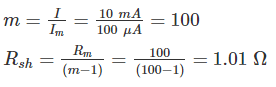
A meter movement with current sensitivity 100 μA and internal resistance 100 Ω is required to measure current of 10mA. What will the shunt resistance be equal to?- a)1Ω
- b)0.98Ω
- c)0.99Ω
- d)1.010101Ω
Correct answer is option 'D'. Can you explain this answer?
A meter movement with current sensitivity 100 μA and internal resistance 100 Ω is required to measure current of 10mA. What will the shunt resistance be equal to?
a)
1Ω
b)
0.98Ω
c)
0.99Ω
d)
1.010101Ω
| | Kritika Gupta answered |
Given that,
Rm = 100 Ω
Im = 10 mA
I = 100 μA
चुंबकीय हिस्टैरेसीस के कारण निम्न में से कौन-सा उपकरण त्रुटि को झेलता है?- a)प्रेरण प्रकार
- b)इलेक्ट्रोडडायनामिक
- c)चल लौह
- d)पी.एम.एम.सी
Correct answer is option 'C'. Can you explain this answer?
चुंबकीय हिस्टैरेसीस के कारण निम्न में से कौन-सा उपकरण त्रुटि को झेलता है?
a)
प्रेरण प्रकार
b)
इलेक्ट्रोडडायनामिक
c)
चल लौह
d)
पी.एम.एम.सी
| | Suyash Joshi answered |
पी.एम.एम.सी. उपकरण में हिस्टैरेसीस त्रुटि: इसे चलप्रणाली में एलुमिनियम फ्रेम प्रदान करके कम किया जा सकता है, चूँकि, एलुमिनियम में पतली हिस्टैरेसीस लूप होती है। ताकि चुंबकीय क्षेत्रों के बीच का अंतर कम हो जाए। हम हिस्ट्रेसिस त्रुटि को खत्म नहीं कर सकते हैं लेकिन हम इसे कम कर सकते हैं।
एम.आई. उपकरण में हिस्टैरेसीस त्रुटि: एम.आई. उपकरणों में हिस्टैरेसीस त्रुटि अधिक होती है। हिस्टैरेसीस प्रभाव के कारण समान धारा के लिए फ्लक्स घनत्व मान आरोही और अवरोही के समय अलग हो जाता है। अवरोही के दौरान, फ्लक्स घनत्व उच्च होता है और आरोही होने पर यह कम होता है। इसलिए हम छोटे लोहे के हिस्सों का उपयोग करके इस त्रुटि को कम कर सकते हैं, जो जल्दी से विचुंबकित हो सकते हैं।
ई.एम.एम.सी. उपकरण में हिस्टैरेसीस त्रुटि: ई.एम.एम.सी. उपकरणों में हिस्टैरेसीस त्रुटि अनुपस्थित होती है, क्योंकि चल प्रणाली में कोई लौह संबंधित सामग्री नहीं है।
अवरोही क्रम में हिस्टैरेसीस त्रुटि का क्रम:
एम.आई.>पी.एम.एम.सी.>ई.एम.एम.सी.
किसी दी गई मापीय प्रणाली के लिए आउटपुट परिवर्तन के अनुपात को किस रूप में संदर्भित किया जाता है?- a)संवेदनशीलता
- b)रैखिकता
- c)स्थिरता
- d)फिडेलिटी
Correct answer is option 'A'. Can you explain this answer?
किसी दी गई मापीय प्रणाली के लिए आउटपुट परिवर्तन के अनुपात को किस रूप में संदर्भित किया जाता है?
a)
संवेदनशीलता
b)
रैखिकता
c)
स्थिरता
d)
फिडेलिटी
| | Sravya Khanna answered |
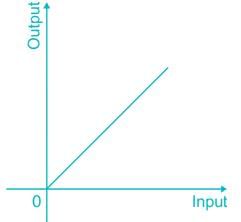
संवेदनशीलता: यह इनपुट में होने वाले इकाई बदलाव के कारण आउटपुट में होने वाला बदलाव है।
संवेदनशीलता(S) = आउटपुट में बदलाव / इनपुट में इकाई बदलाव = Δ आउटपुट / Δ इनपुट
रैखिकता: यह उपकरण का एक गुण है, यदि आउटपुट इनपुट के अनुसार रैखिक रूप से बदलता है तो उसे रैखिकता के रूप में जाना जाता है। यह इनपुट विशेषताओं को संतुलित रूप से और रैखिक रूप से उत्पन्न करने की क्षमता है। इनपुट और आउटपुट के बीच रेखा-चित्रीय संबंध एक सीधी रेखा है। यह सटीकता की एक सहायक विशेषता भी है।
निम्नलिखित में से कौन निष्क्रिय ट्रान्सड्यूसर हैं?- a)दाब विद्युत
- b)तापयुग्म
- c)फोटोवोल्टिक सेल
- d)एल.वी.डी.टी.
Correct answer is option 'D'. Can you explain this answer?
निम्नलिखित में से कौन निष्क्रिय ट्रान्सड्यूसर हैं?
a)
दाब विद्युत
b)
तापयुग्म
c)
फोटोवोल्टिक सेल
d)
एल.वी.डी.टी.
 | Moumita Rane answered |
जिन ट्रांसड्यूसर को उनकी प्रक्रिया के लिए बाहरी शक्ति वाले स्रोत की आवश्यकता होती है उन्हें निष्क्रिय ट्रांसड्यूसर कहा जाता है। वे प्रतिरोध, धारिता या किसी अन्य विद्युत प्राचल में कुछ भिन्न रूप में आउटपुट सिग्नल उत्पन्न करते हैं, जिसे बाद में समकक्ष धारा या वोल्टेज सिग्नल में परिवर्तित किया जाना आवश्यक होता है। एल.वी.डी.टी. निष्क्रिय ट्रांसड्यूसर का एक उदाहरण है। एल.वी.डी.टी. का इस्तेमाल प्रेरक ट्रांसड्यूसर के रूप में होता है जो गति को विद्युत सिग्नल में परिवर्तित करता है।
कुण्डलित तार विकृति प्रमापक के लिए प्रमापक गुणांक को कैसे परिभाषित किया जाता है?- a)1 + v
- b)

- c)1 + 2v
- d)1 - v
Correct answer is option 'C'. Can you explain this answer?
कुण्डलित तार विकृति प्रमापक के लिए प्रमापक गुणांक को कैसे परिभाषित किया जाता है?
a)
1 + v
b)
c)
1 + 2v
d)
1 - v
| | Om Saini answered |
प्रमापक गुणांक को लंबाई में प्रति इकाई परिवर्तन और प्रतिरोध में प्रति इकाई परिवर्तन के अनुपात के रूप में परिभाषित किया जाता है।
प्रमापक गुणांक, 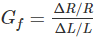
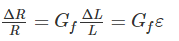
जहाँ ε = विकृति = ΔL/L
प्रमापक गुणांक को इस प्रकार लिखा जा सकता है
प्रमापक गुणांक = लंबाई बदलने के कारण प्रतिरोध परिवर्तन + क्षेत्रफल में बदलाव के कारण प्रतिरोध परिवर्तन + पिझो प्रतिरोधी प्रभाव के कारण प्रतिरोध परिवर्तन
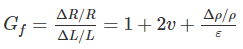
यदि विकृति होने पर सामग्री की प्रतिरोधकता के मान में परिवर्तन नगण्य है, तो प्रमापक गुणांक इस प्रकार है:
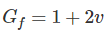
यदि विकृति होने पर सामग्री की प्रतिरोधकता के मान में परिवर्तन नगण्य है, तो प्रमापक गुणांक इस प्रकार है:
उपरोक्त समीकरण केवल तभी वैध होता है जब पिझो प्रतिरोधी प्रभाव जो विकृति के कारण प्रतिरोधकता में बदल जाता है, नगण्य होगा।
कुण्डलित तार के विकृति प्रमापक के लिए पिझो प्रतिरोधी प्रभाव नगण्य होता है।
100 Ω के आंतरिक प्रतिरोध और 0-150 V और 0-300 V की श्रेणी के साथ एक बहु श्रेणी डीसी वोल्टमीटर के लिए 1 mA के पूर्ण पैमाने पर धारा वाले एक सामान्य डी. अरसनवाल मीटर की गतिविधि को परिवर्तित करने के लिए एक विभव विभक्त व्यवस्था में प्रतिरोध का मूल्य क्या होगा?- a)149.5 KΩ, 155.5 KΩ
- b)144.9 KΩ, 140 KΩ
- c)135.5 KΩ, 134 KΩ
- d)149.9 KΩ, 150 KΩ
- e)5 KΩ2.144.9 KΩ, 140 KΩ3.135.5 KΩ, 134 KΩ4.149.9 KΩ, 150 KΩ
Correct answer is option 'D'. Can you explain this answer?
100 Ω के आंतरिक प्रतिरोध और 0-150 V और 0-300 V की श्रेणी के साथ एक बहु श्रेणी डीसी वोल्टमीटर के लिए 1 mA के पूर्ण पैमाने पर धारा वाले एक सामान्य डी. अरसनवाल मीटर की गतिविधि को परिवर्तित करने के लिए एक विभव विभक्त व्यवस्था में प्रतिरोध का मूल्य क्या होगा?
a)
149.5 KΩ, 155.5 KΩ
b)
144.9 KΩ, 140 KΩ
c)
135.5 KΩ, 134 KΩ
d)
149.9 KΩ, 150 KΩ
e)
5 KΩ2.144.9 KΩ, 140 KΩ3.135.5 KΩ, 134 KΩ4.149.9 KΩ, 150 KΩ
| | Suyash Joshi answered |
दिया गया है कि,
Im = 1 mA
Rm = 100 Ω
Vm = ImRm = 0.1 V
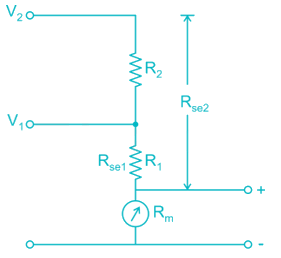
दी गई सीमा के लिए, V1 = 150 V
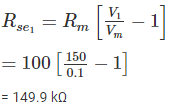
दी गई सीमा के लिए, V2 = 300 V
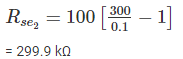

ब्लोंडेल के प्रमेय के अनुसार, यदि 'n' चालक का उपयोग करके एक नेटवर्क की आपूर्ति की जाती है तो कुल शक्ति n वाटमीटर की पठन के ________ के बराबर होती है, जिससे वाटमीटर को इस प्रकार समायोजित किया जा सके कि प्रत्येक वाटमीटर की विद्युत धारा, कुण्डल की प्रत्येक लाइन में हो और उसी लाइन और एक सामान्य बिंदु के बीच संबंधित दबाव कुण्डल जुड़ा हुआ हो।- a)योग
- b)गुणनफल
- c)एक साथ पठन लिए गए दो वाटमीटर के गुणनफल के योग
- d)अंतर
Correct answer is option 'A'. Can you explain this answer?
ब्लोंडेल के प्रमेय के अनुसार, यदि 'n' चालक का उपयोग करके एक नेटवर्क की आपूर्ति की जाती है तो कुल शक्ति n वाटमीटर की पठन के ________ के बराबर होती है, जिससे वाटमीटर को इस प्रकार समायोजित किया जा सके कि प्रत्येक वाटमीटर की विद्युत धारा, कुण्डल की प्रत्येक लाइन में हो और उसी लाइन और एक सामान्य बिंदु के बीच संबंधित दबाव कुण्डल जुड़ा हुआ हो।
a)
योग
b)
गुणनफल
c)
एक साथ पठन लिए गए दो वाटमीटर के गुणनफल के योग
d)
अंतर
 | Poulomi Chopra answered |
ब्लोंडेल के प्रमेय के अनुसार n-चरण प्रणाली में कुल शक्ति को मापने के लिए वाटमीटर की आवश्यक संख्या या तो N या (N -1) होती है।
जब प्रणाली में अलग उदासीन तार उपलब्ध होता है तो वाटमीटरों की आवश्यक संख्या N होती है।
जब प्रणाली में अलग उदासीन तार उपलब्ध नहीं होती है तो वाटमीटरों की आवश्यक संख्या (N-1) होती है। एक लाइन वापसी पथ के लिए एक सामान्य रेखा के रूप में कार्य करती है।
कुल शक्ति सभी वाटमीटरों के पठन का योग होता है।
उस एममीटर की संवेदनशीलता क्या होगी जिसे संकेतक के विक्षेपण में 6 मिमी का बदलाव लाने के लिए अपने कुण्डल में 3 एम्पियर के बदलाव लाने की आवश्यकता है?- a)0.4 मिमी/एम्पियर
- b)0.4 एम्पियर/मिमी
- c)2 मिमी/एम्पियर
- d)2 एम्पियर/मिमी
Correct answer is option 'C'. Can you explain this answer?
उस एममीटर की संवेदनशीलता क्या होगी जिसे संकेतक के विक्षेपण में 6 मिमी का बदलाव लाने के लिए अपने कुण्डल में 3 एम्पियर के बदलाव लाने की आवश्यकता है?
a)
0.4 मिमी/एम्पियर
b)
0.4 एम्पियर/मिमी
c)
2 मिमी/एम्पियर
d)
2 एम्पियर/मिमी
 | Sanskriti Bajaj answered |
संवेदनशीलता: यह इनपुट में होने वाले इकाई बदलाव के कारण आउटपुट में होने वाला बदलाव है।
संवेदनशीलता(S) = आउटपुट में बदलाव / इनपुट में इकाई बदलाव = Δ आउटपुट / Δ इनपुट
आउटपुट में बदलाव = 6 मिमी
इनपुट में बदलाव = 3 एम्पियर
संवेदनशीलता (S) = 6/3 = 2 मिमी/एम्पियर।
एक फेज वाले ऊर्जा मीटर में 1200 घूर्णन/किलोवाटघंटा का स्थिरांक है। जब 200 वाट का भार जुड़ा होता है, तो वस्तु 4.2 घूर्णन प्रति मिनट घूमती है। यदि भार 10 घंटों के लिए होता है, तो मीटर अधिकतम कितना रिकॉर्ड करती है?- a)0.1 किलोवाटघंटा
- b)0.2 किलोवाटघंटा
- c)1.0 किलोवाटघंटा
- d)2.0 किलोवाटघंटा
Correct answer is option 'A'. Can you explain this answer?
एक फेज वाले ऊर्जा मीटर में 1200 घूर्णन/किलोवाटघंटा का स्थिरांक है। जब 200 वाट का भार जुड़ा होता है, तो वस्तु 4.2 घूर्णन प्रति मिनट घूमती है। यदि भार 10 घंटों के लिए होता है, तो मीटर अधिकतम कितना रिकॉर्ड करती है?
a)
0.1 किलोवाटघंटा
b)
0.2 किलोवाटघंटा
c)
1.0 किलोवाटघंटा
d)
2.0 किलोवाटघंटा
| | Raj Choudhary answered |
सत्य किलोवाटघंटा = 200 × 10 = 2 किलोवाटघंटा
दिया गया है कि, वस्तु 4.2 घूर्णन प्रति मिनट घूमती है।
अभिलिखित घूर्णन = 4.2 × 60 × 10 = 2520
स्थिरांक मीटर = 1200 घूर्णन/किलोवाटघंटा
किलोवाटघंटा का मापित मान = 2520/1200 = 2.1 किलोवाट
रिकॉर्ड का अधिकतम मान = मापित मान – सत्य मान = 2.1 – 2 = 0.1 किलोवाट
एक सी.आर.ओ. में तुल्यकालन (SYNC) नियंत्रण का उद्देश्य क्या होता है?- a)स्क्रीन पर स्पॉट को केन्द्रित करना
- b)संकेत के डिस्प्ले को लॉक करना
- c)स्पॉट की तीव्रता को सेट करना
- d)डिस्प्ले के आयाम को समायोजित करना
Correct answer is option 'B'. Can you explain this answer?
एक सी.आर.ओ. में तुल्यकालन (SYNC) नियंत्रण का उद्देश्य क्या होता है?
a)
स्क्रीन पर स्पॉट को केन्द्रित करना
b)
संकेत के डिस्प्ले को लॉक करना
c)
स्पॉट की तीव्रता को सेट करना
d)
डिस्प्ले के आयाम को समायोजित करना
 | Siddharth Khanna answered |
घुमाव और मापे जाने वाले सिग्नल के बीच तुल्यकालन होना चाहिए। स्थिर स्वरुप उत्पन्न करने के लिए तुल्यकालन किया जाता है।
एक सी.आर.ओ. में तुल्यकालन नियंत्रण का उपयोग सिग्नल के प्रदर्शन को लॉक करने के लिए किया जाता है।
The unknown inductance is measured in terms of _________ in the case of Anderson bridge- a)Known resistance and capacitance
- b)Known inductance
- c)Known resistance
- d)Known capacitance and inductance
Correct answer is option 'A'. Can you explain this answer?
The unknown inductance is measured in terms of _________ in the case of Anderson bridge
a)
Known resistance and capacitance
b)
Known inductance
c)
Known resistance
d)
Known capacitance and inductance
| | Kritika Gupta answered |
In Anderson bridge, the unknown inductance and resistance values are,
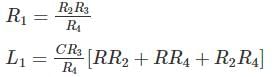
The unknown inductance is measured in terms of known resistance and capacitance.
निम्न में से कौन सा कम प्रतिरोधों के माप के लिए उपयुक्त नहीं है?- a)केल्विन की डबल ब्रिज विधि
- b)एममीटर वोल्टमीटर विधि
- c)विभवमापी विधि
- d)व्हीटस्टोन ब्रिज
Correct answer is option 'D'. Can you explain this answer?
निम्न में से कौन सा कम प्रतिरोधों के माप के लिए उपयुक्त नहीं है?
a)
केल्विन की डबल ब्रिज विधि
b)
एममीटर वोल्टमीटर विधि
c)
विभवमापी विधि
d)
व्हीटस्टोन ब्रिज
| | Sanskriti Bajaj answered |
केल्विन की डबल ब्रिज विधि बहुत कम प्रतिरोध के मापन के लिए प्रयोग किया जाता है। विभवमापी विधि और एममीटर वोल्टमीटर विधि का उपयोग हम कम प्रतिरोध को मापने के लिए कर सकते हैं।
व्हीटस्टोन ब्रिज मध्यम प्रतिरोध के मापन के लिए उपयुक्त है
AC परिपथ में शक्ति के माप के लिए किस प्रकार के वाटमीटर का उपयोग सामान्यतौर पर किया जाता है?- a)चल लौह प्रकार
- b)तापयुग्म प्रकार
- c)दिष्टकारी प्रकार
- d)डाइनेमोमीटर प्रकार
Correct answer is option 'D'. Can you explain this answer?
AC परिपथ में शक्ति के माप के लिए किस प्रकार के वाटमीटर का उपयोग सामान्यतौर पर किया जाता है?
a)
चल लौह प्रकार
b)
तापयुग्म प्रकार
c)
दिष्टकारी प्रकार
d)
डाइनेमोमीटर प्रकार
| | Nitya Chopra answered |
AC परिपथ में शक्ति के मापन के लिए वाटमीटर के डायनेमोमीटर प्रकार के उपकरण का उपयोग किया जाता है।
चल लौह प्रकार, दिष्टकारी प्रकार और तापयुग्म प्रकार के उपकरण अधिकतर एममीटर या वोल्टमीटर के रूप में उपयोग किए जाते हैं।
निम्नलिखित में से कौन वाटमीटर का एक प्रकार नहीं हैं?- a)चल-कुंडल स्थायी चुम्बक
- b)प्रेरण
- c)डायनेमोमीटर
- d)स्थिरवैद्युतिकी
Correct answer is option 'A'. Can you explain this answer?
निम्नलिखित में से कौन वाटमीटर का एक प्रकार नहीं हैं?
a)
चल-कुंडल स्थायी चुम्बक
b)
प्रेरण
c)
डायनेमोमीटर
d)
स्थिरवैद्युतिकी
| | Shivam Das answered |
चल-कुंडल स्थायी चुम्बक उपकरण का उपयोग एममीटर और वोल्टमीटर के रूप किया जा सकता है लेकिन वाटमीटर के रूप में नहीं।
इलेक्ट्रोडडायनेमोमीटर उपकरण में दो स्थिर कुंडल और एक चल कुंडल होते हैं। बिजली को मापने के लिए एक वाटमीटर के रूप में इस उपकरण का उपयोग करने के लिए, स्थिर कुंडल धारा कुंडल के रूप में कार्य करता है जिसे एक भार के साथ श्रृंखला में जुड़ा होना चाहिए। चल कुंडल एक दबाव कुंडल के रूप में कार्य करता है जिसे इसे आपूर्ति टर्मिनलों में जुड़ा होना चाहिए।
व्यावहारिक रूप से जब वोल्टेज उच्च होता है और शक्ति गुणांक कम होता है तब, स्थिर वैद्युत वाटमीटर का उपयोग शक्ति की छोटी मात्रा के मापन के लिए किया जाता है। इस प्रकार के वाटमीटर का उपयोग वैकल्पिक वोल्टेज पर केबल के परावैद्युत हानि के माप और वाटमीटर और ऊर्जा मीटर के अंशशोधन के लिए किया जाता है।
सूची-I (ट्रान्सड्यूसर) के साथ सूची-2 (विशेषता) का मिलान कीजिये और सूची के नीचे दिए गए कूट का प्रयोग करके सही उत्तर का चयन कीजिये।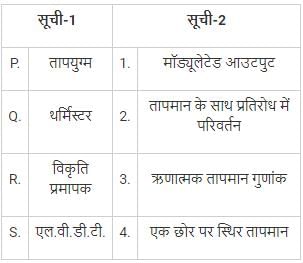
- a)P-3, Q-2, R-4, S-1
- b)P-4, Q-3, R-2, S-1
- c)P-2, Q-1, R-4, S-3
- d)P-1, Q-2, R-3, S-4
Correct answer is option 'B'. Can you explain this answer?
सूची-I (ट्रान्सड्यूसर) के साथ सूची-2 (विशेषता) का मिलान कीजिये और सूची के नीचे दिए गए कूट का प्रयोग करके सही उत्तर का चयन कीजिये।
a)
P-3, Q-2, R-4, S-1
b)
P-4, Q-3, R-2, S-1
c)
P-2, Q-1, R-4, S-3
d)
P-1, Q-2, R-3, S-4
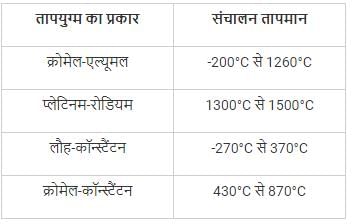
| | Raj Choudhary answered |
तापयुग्म में एक छोर पर तापमान समान होता है।
एक ऋणात्मक तापमान गुणांक थर्मिस्टर में जब तापमान बढ़ता है तो प्रतिरोध कम होता है।
एक विकृति प्रमापक एक संवेदक है जिसका प्रतिरोध लगाये गए बल के साथ बदलता है। यह बल, दबाव, तनाव, वजन, आदि को मापन किए जा सकने वाले विद्युत प्रतिरोध के एक बदलाव में परिवर्तित करता है।
रैखिक चल विभेदी परिणामित्र एक सामान्य प्रकार का विद्युतयांत्रिक ट्रांसड्यूसर है जो किसी वस्तु की सरलरेखीय गति को परिवर्तित कर सकता है जिस पर इसे संबंधित विद्युत सिग्नल में यांत्रिक रूप से युग्मित किया जाता है।
एक वाटमीटर 25.34 W का मापन कर सकता है। मापदंड में पूर्ण त्रुटि -0.11 W है। तो शक्ति का वास्तविक मान क्या है?- a)25.23 W
- b)25.45 W
- c)-25.23 W
- d)-25.45 W
Correct answer is option 'B'. Can you explain this answer?
एक वाटमीटर 25.34 W का मापन कर सकता है। मापदंड में पूर्ण त्रुटि -0.11 W है। तो शक्ति का वास्तविक मान क्या है?
a)
25.23 W
b)
25.45 W
c)
-25.23 W
d)
-25.45 W
| | Nilesh Joshi answered |
दिया गया है कि,
मापित मान = 25.34 W
पूर्ण त्रुटि = -0.11 W
पूर्ण त्रुटि = मापित मान – वास्तविक मान
⇒ -0.11 = 25.34 – वास्तविक मान
⇒ 25.34 + 0.11 = 25.45 W
चल लौह उपकरण में उत्पादित विक्षेपण क्या होता है?- a)संचालित विद्युत धारा के वर्ग माध्य मूल मान के समानुपाती होता है
- b)संचालित विद्युत धारा के वर्ग माध्य मूल मान के वर्ग के समानुपाती होता है
- c)संचालित विद्युत धारा के वर्ग माध्य मूल मान के व्युत्क्रमानुपाती होता है
- d)संचालित विद्युत धारा के वर्ग माध्य मूल मान के वर्ग के व्युत्क्रमानुपाती होता है
Correct answer is option 'B'. Can you explain this answer?
चल लौह उपकरण में उत्पादित विक्षेपण क्या होता है?
a)
संचालित विद्युत धारा के वर्ग माध्य मूल मान के समानुपाती होता है
b)
संचालित विद्युत धारा के वर्ग माध्य मूल मान के वर्ग के समानुपाती होता है
c)
संचालित विद्युत धारा के वर्ग माध्य मूल मान के व्युत्क्रमानुपाती होता है
d)
संचालित विद्युत धारा के वर्ग माध्य मूल मान के वर्ग के व्युत्क्रमानुपाती होता है
| | Prerna Tiwari answered |
चल लौह उपकरण में विक्षेपण इस प्रकार दिया गया है,
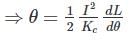
विक्षेपण संचालित विद्युत धारा के वर्ग माध्य मूल मान के वर्ग के समानुपाती होता है।
दो 100 V पूर्ण स्केल पी.एम.एम.सी. प्रकार के DC वोल्टमीटर, जिनके फिगर ऑफ मेरिटस (FOM) 10 kΩ/V का एवं 20 kΩ/V, श्रेणी में जुड़े हुए हैं| तो किस वोल्टेज पर इस श्रेणी संयोजन का उपयोग अधिकतम DC वोल्टेज को मापने के लिए किया जा सकता है?- a)200 V
- b)100 V
- c)150 V
- d)300 V
Correct answer is option 'C'. Can you explain this answer?
दो 100 V पूर्ण स्केल पी.एम.एम.सी. प्रकार के DC वोल्टमीटर, जिनके फिगर ऑफ मेरिटस (FOM) 10 kΩ/V का एवं 20 kΩ/V, श्रेणी में जुड़े हुए हैं| तो किस वोल्टेज पर इस श्रेणी संयोजन का उपयोग अधिकतम DC वोल्टेज को मापने के लिए किया जा सकता है?
a)
200 V
b)
100 V
c)
150 V
d)
300 V
| | Raj Choudhary answered |
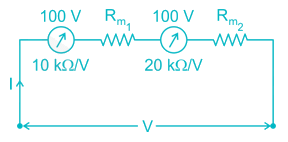
पूर्ण स्केल रेटिंग वोल्टमीटर = 100 V,
पहले वोल्टमीटर की संवेदनशीलता (s1) = 10 kΩ/v
धारा (IFSD) का पूर्ण स्केल विक्षेपण

दूसरे वोल्टमीटर की संवेदनशीलता (s2) = 20 kΩ/v

धारा अधिकतम श्रेणी संयोजन के माध्यम से प्रवाहित हो सकती है,

पहले वोल्टमीटर का आंतरिक प्रतिरोध

पहले वोल्टमीटर का आंतरिक प्रतिरोध

परिपथ में कुल प्रतिरोध (R) = 3000 kΩ
अधिकतम DC वोल्टेज= IR = 3000 × 103 × 0.05 × 10-3 = 150 V.
एक उपकरण के संकेतक के एक बार विक्षेपित होने पर यह शून्य स्थान पर वापस आ जाता है, तो धारा को किस कारण से रद्द किया गया?- a)गुरुत्व के कारण
- b)संकेतक के द्रव्यमान के कारण
- c)नियंत्रित बलाघूर्ण के कारण
- d)अवमन्दन बलाघूर्ण के कारण
Correct answer is option 'C'. Can you explain this answer?
एक उपकरण के संकेतक के एक बार विक्षेपित होने पर यह शून्य स्थान पर वापस आ जाता है, तो धारा को किस कारण से रद्द किया गया?
a)
गुरुत्व के कारण
b)
संकेतक के द्रव्यमान के कारण
c)
नियंत्रित बलाघूर्ण के कारण
d)
अवमन्दन बलाघूर्ण के कारण
| | Om Saini answered |
नियंत्रित बलाघूर्ण संकेतक को एक निश्चित मान पर नियंत्रित करता है जो मापे जाने वाली मात्रा के समानुपाती होता है। नियंत्रित बलाघूर्ण की अनुपस्थिति में, संकेतक अपनी अंतिम संतुलित स्थिति की अवस्था से आगे बढ़ेगा और विक्षेपण अनिश्चित होगा। चलप्रणाली को हटाने के बाद संकेतक को अपनी शुरुआती स्थिति में वापस आना पड़ता है, लेकिन नियंत्रित बलाघूर्ण की अनुपस्थिति में संकेतक अपनी प्रारंभिक स्थिति में वापस नहीं आता है। निम्नलिखित प्रक्रिया का उपयोग नियंत्रित बलाघूर्ण को उत्पन्न करने के लिए किया जा सकता है।
विक्षेपण बलाघूर्ण का उपयोग विक्षेपण के लिए किया जाता है, नियंत्रण बलाघूर्ण विक्षेपण बलाघूर्ण के विपरीत काम करता है। इसलिए संकेतक विरामावस्था में जाने से पहले हमेशा जड़त्व के कारण दोलन करता हैं, जिससे संकेतक को थोड़े समय में ही विरामावस्था में लाने के लिए, हम बलाघूर्ण (या) जड़त्व को नियंत्रित किए बिना अवमन्दन बलाघूर्ण का उपयोग करेंगे
एक डायनेमोमीटर प्रकार के वाटमीटर के धारा और विभव कुंडल को जोड़ते समय इन्हें गलती से बदल दिया गया। परिपथ को सक्रिय करने के बाद, यह देखा गया कि वाटमीटर ने पठन नहीं दिखाया, यह किस कारण से हो सकता है?- a)विभव की कुंडल को क्षति पहुँचने से
- b)धारा की कुंडल को क्षति पहुँचने से
- c)धारा की कुंडल और दबाव दोनों को क्षति पहुँचने से
- d)ढीले संपर्क की वजह से
Correct answer is option 'B'. Can you explain this answer?
एक डायनेमोमीटर प्रकार के वाटमीटर के धारा और विभव कुंडल को जोड़ते समय इन्हें गलती से बदल दिया गया। परिपथ को सक्रिय करने के बाद, यह देखा गया कि वाटमीटर ने पठन नहीं दिखाया, यह किस कारण से हो सकता है?
a)
विभव की कुंडल को क्षति पहुँचने से
b)
धारा की कुंडल को क्षति पहुँचने से
c)
धारा की कुंडल और दबाव दोनों को क्षति पहुँचने से
d)
ढीले संपर्क की वजह से
| | Prasenjit Yadav answered |
इलेक्ट्रोडडायनेमोमीटर उपकरण में दो स्थिर कुंडल और एक चल कुंडल होते हैं। बिजली को मापने के लिए एक वाटमीटर के रूप में इस उपकरण का उपयोग करने के लिए, स्थिर कुंडल धारा कुंडल के रूप में कार्य करता है जिसे एक भार के साथ श्रृंखला में जुड़ा होना चाहिए। चल कुंडल एक दबाव कुंडल के रूप में कार्य करता है जिसे इसे आपूर्ति टर्मिनलों में जुड़ा होना चाहिए।
इस सवाल में, कनेक्टिविटी के दौरान एक डायनेमोमीटर प्रकार वाटमीटर के धारा और विभव कुंडल को गलती से बदल दिया गया था। इसलिए कुल वोल्टेज धारा कुंडल पर लागू होता है जिसमें बहुत कम प्रतिरोध होता है जो धारा कुंडल को नुकसान पहुँचाता है।
6 फेज वाले परिपथ की शक्ति को न्यूनतम किससे मापा जा सकता है?- a)1 वाटमीटर
- b)5 वाटमीटर
- c)3 वाटमीटर
- d)6 वाटमीटर
Correct answer is option 'B'. Can you explain this answer?
6 फेज वाले परिपथ की शक्ति को न्यूनतम किससे मापा जा सकता है?
a)
1 वाटमीटर
b)
5 वाटमीटर
c)
3 वाटमीटर
d)
6 वाटमीटर
| | Ashwin Kapoor answered |
ब्लोंडेल के प्रमेय के अनुसार n-चरण प्रणाली में कुल शक्ति को मापने के लिए आवश्यक वाटमीटर की संख्या या तो N (या) (N – 1) होती है। जब प्रणाली में अलग उदासीन तार उपलब्ध होता है तो आवश्यक वाटमीटर की संख्या N होती है। जब प्रणाली में उदासीन तार उपलब्ध नहीं है, तो आवश्यक वाटमीटर की संख्या (N – 1) होती है। एक रेखा वापसी पथ के लिए एक सामान्य रेखा के रूप में कार्य करती है।
अतः आवश्यक वाटमीटर की न्यूनतम संख्या = 5
इलेक्ट्रोडायनामोमीटर प्रकार के उपकरणों का मुख्य उपयोग ज्ञात कीजिये।- a)केवल मानक उपकरण
- b)केवल ट्रान्सफर उपकरण
- c)मानक एवं ट्रान्सफर उपकरण दोनों
- d)सूचक उपकरण
Correct answer is option 'C'. Can you explain this answer?
इलेक्ट्रोडायनामोमीटर प्रकार के उपकरणों का मुख्य उपयोग ज्ञात कीजिये।
a)
केवल मानक उपकरण
b)
केवल ट्रान्सफर उपकरण
c)
मानक एवं ट्रान्सफर उपकरण दोनों
d)
सूचक उपकरण
| | Siddharth Khanna answered |
परिशुद्धता प्रकार के इलेक्ट्रोडडायनेमीटर का उपयोग विभवमापी(पोटेंशियोमीटर) की मानकीकरण प्रक्रिया में किया जाता है।
यह एक ट्रान्सफर उपकरण है। एक ट्रान्सफर उपकरण वह होता है जो डी.सी. स्रोत के साथ अंशांकित होता है और ए.सी. मापदंडों में बिना किसी संसोधन के उपयोग किया जाता है। इसमें डी.सी. और ए.सी. दोनों माप के लिए समान सटीकता होती है।
अतः इलेक्ट्रोडायनामोमीटर प्रकार के उपकरणों का उपयोग मानक एवं ट्रान्सफर उपकरण दोनों में किया जाता है।
किसी भी संकेतक (या मापन) उपकरण के संतोषजनक संचालन के लिए निम्नलिखित में से कौन सा बल आवश्यक नहीं होता है?- a)नियंत्रित बल
- b)अवमन्दन बल
- c)विक्षेपण बल
- d)गुरुत्वाकर्षण बल
Correct answer is option 'D'. Can you explain this answer?
किसी भी संकेतक (या मापन) उपकरण के संतोषजनक संचालन के लिए निम्नलिखित में से कौन सा बल आवश्यक नहीं होता है?
a)
नियंत्रित बल
b)
अवमन्दन बल
c)
विक्षेपण बल
d)
गुरुत्वाकर्षण बल
| | Poulomi Chopra answered |
मापक उपकरणों में अज्ञात राशि का प्रभाव एक यांत्रिक बल में परिवर्तित होता है जो सूचक में प्रेषित होता है, जिसे एक पैमाने पर दर्शाया जाता है। इस गतिशील प्रणाली को निम्नलिखित आवश्यकताओं को पूरा करना होता है।
(1) विक्षेपित बलाघूर्ण उत्पन्न करने की प्रक्रिया
(2) नियंत्रण बलाघूर्ण उत्पन्न करने की प्रक्रिया
(3) अवमंदक बलाघूर्ण उत्पन्न करने की प्रक्रिया
इसलिए किसी भी संकेतक उपकरण के संतोषजनक संचालन के लिए गुरुत्वाकर्षण बल की आवश्यकता नहीं होती है।
धारिता ट्रांसड्यूसर का उपयोग आमतौर पर किस लिए किया जाता है?- a)स्थैतिक मापन
- b)गतिशील मापन
- c)स्थैतिक और गतिशील मापन दोनों
- d)क्षणिक मापन
Correct answer is option 'B'. Can you explain this answer?
धारिता ट्रांसड्यूसर का उपयोग आमतौर पर किस लिए किया जाता है?
a)
स्थैतिक मापन
b)
गतिशील मापन
c)
स्थैतिक और गतिशील मापन दोनों
d)
क्षणिक मापन
| | Poulomi Chopra answered |
स्थैतिक मापन उन राशिओं का मापन है जो समय के साथ धीरे-धीरे परिवर्तनीय होती हैं या अधिकतर स्थिर होती हैं।
गतिशील मापन उन राशिओं का मापन है जो समय के साथ तेजी से परिवर्तनीय होती हैं।
धारिता ट्रांसड्यूसर का उपयोग गतिशील मापन के लिए किया जाता है, जो विस्थापन, दबाव और अन्य भौतिक राशिओं को मापने के लिए उपयोग किया जाता है।
एक उपकरण का मृत समय ________ को संदर्भित करता है।- a)इनपुट मात्रा का बड़ा परिवर्तन जिसके लिए कोई आउटपुट नहीं होता है।
- b)वह समय जब उपकरण को कुछ प्रतिक्रियाओं के लिए इंतजार करना पड़ता है।
- c)मात्रा में परिवर्तन के बाद का वह समय जब उपकरण के प्रतिक्रिया देना शुरू करता है।
- d)इनपुट सिग्नल में बदलाव के लिए एक उपकरण की प्रतिक्रिया में बाधा या देरी।
Correct answer is option 'C'. Can you explain this answer?
एक उपकरण का मृत समय ________ को संदर्भित करता है।
a)
इनपुट मात्रा का बड़ा परिवर्तन जिसके लिए कोई आउटपुट नहीं होता है।
b)
वह समय जब उपकरण को कुछ प्रतिक्रियाओं के लिए इंतजार करना पड़ता है।
c)
मात्रा में परिवर्तन के बाद का वह समय जब उपकरण के प्रतिक्रिया देना शुरू करता है।
d)
इनपुट सिग्नल में बदलाव के लिए एक उपकरण की प्रतिक्रिया में बाधा या देरी।
| | Sanskriti Bajaj answered |
मृत समय: यह मात्रा में परिवर्तन के बाद उपकरण के प्रतिक्रिया देने से पहले का समय होता है।
मृत स्थान (या) मृत क्षेत्र: कुछ उपकरणों में, इनपुट मानों की कुछ सीमाओं के लिए, आउटपुट में कोई बदलाव नहीं होता है। इनपुट की इस सीमा को मृत स्थान (या) मृत क्षेत्र कहा जाता है।
पीजोमीटर का उपयोग किसे मापने के लिए किया जाता है?- a)संरचना में प्रतिबल
- b)अतिन्यून दबाव
- c)अत्यधिक दबाव
- d)रिसाव प्रतिघात
Correct answer is option 'B'. Can you explain this answer?
पीजोमीटर का उपयोग किसे मापने के लिए किया जाता है?
a)
संरचना में प्रतिबल
b)
अतिन्यून दबाव
c)
अत्यधिक दबाव
d)
रिसाव प्रतिघात
| | Nitya Chopra answered |
पीजोमीटर वह उपकरण होता है जो एक प्रणाली में तरल दबाव को मापने के लिए उपयोग किया जाता है जिससे ऊंचाई को मापने के लिए तरल का एक स्तंभ गुरुत्वाकर्षण के खिलाफ ऊपर उठता है। इसे बहुत कम दबाव मापने के लिए प्रयोग किया जाता है।
स्प्रिंग से नियंत्रित होने वाले एक चल लौह वोल्टमीटर 100 वोल्ट के पूर्ण स्केल मान के लिए 1 मिली एम्पियर की विद्युत धारा लेता है। यदि यह 0.5 मिली एम्पियर की विद्युत धारा लेता है, तो मीटर का पठन क्या है?- a)25 वोल्ट
- b)50 वोल्ट
- c)100 वोल्ट
- d)इनमें से कोई नहीं
Correct answer is option 'A'. Can you explain this answer?
स्प्रिंग से नियंत्रित होने वाले एक चल लौह वोल्टमीटर 100 वोल्ट के पूर्ण स्केल मान के लिए 1 मिली एम्पियर की विद्युत धारा लेता है। यदि यह 0.5 मिली एम्पियर की विद्युत धारा लेता है, तो मीटर का पठन क्या है?
a)
25 वोल्ट
b)
50 वोल्ट
c)
100 वोल्ट
d)
इनमें से कोई नहीं
| | Sharmila Bajaj answered |
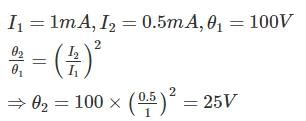
चल लौह वोल्टमीटर के लिए,
विक्षेपण (θ) विद्युत धारा के वर्ग के समानुपाती है।
दिया गया है कि,
उपकरणों में सटीक पुनरुत्पादकता का अर्थ क्या है?- a)इनमें कोई बहाव नहीं
- b)इनमें उच्च सटीकता है
- c)इनमें अधिकतम बहाव है
- d)इनमें न्यूनतम सटीकता है
Correct answer is option 'A'. Can you explain this answer?
उपकरणों में सटीक पुनरुत्पादकता का अर्थ क्या है?
a)
इनमें कोई बहाव नहीं
b)
इनमें उच्च सटीकता है
c)
इनमें अधिकतम बहाव है
d)
इनमें न्यूनतम सटीकता है
| | Raj Choudhary answered |
पुनरुत्पादकता: यह निकटता का परिमाण है जिसके द्वारा दिए गए मान को बार-बार मापा जा सकता है। इसे दी गई समयावधि के लिए इकाइयों के अनुसार निर्दिष्ट किया जा सकता है।
सटीक पुनरुत्पादकता का अर्थ है कि उपकरण में कोई विचलन नहीं है।
कोई विचलन नहीं है का अर्थ है कि किसी दिए गए इनपुट के साथ मापा गया मान समय के साथ नहीं बदलता है।
घरेलू आपूर्ति ऊर्जा मीटर की डिस्क किस पदार्थ से बनी होती है?- a)जिंक
- b)कॉपर
- c)एल्युमीनियम
- d)चाँदी
Correct answer is option 'C'. Can you explain this answer?
घरेलू आपूर्ति ऊर्जा मीटर की डिस्क किस पदार्थ से बनी होती है?
a)
जिंक
b)
कॉपर
c)
एल्युमीनियम
d)
चाँदी
| | Sravya Khanna answered |
घरेलू आपूर्ति ऊर्जा मीटर की डिस्क एल्यूमीनियम से बनी होती है।
ऊर्जा मीटर में दो विद्युत-चुम्बकों के बीच एक धुरी पर जोड़ी हुई घूर्णित एल्यूमीनियम डिस्क होती है।
Two wattmeter method can be used to measure the total power delivered to:- a)Star connected with neutral loads
- b)Delta connected load only
- c)Star connected load only
- d)Star as well as delta connected loads
Correct answer is option 'D'. Can you explain this answer?
Two wattmeter method can be used to measure the total power delivered to:
a)
Star connected with neutral loads
b)
Delta connected load only
c)
Star connected load only
d)
Star as well as delta connected loads
| | Rajat Kumar answered |
Two wattmeter method can be used to measure the total power delivered to both start as well as delta connected loads.
3 फेज वाले परिपथ में बिजली को 2 वाट मीटर की मदद से मापा जाता है। वाट मीटर में से एक का पठन धनात्मक है और दूसरे का ऋणात्मक है। पठनों का परिमाण अलग है। यह निष्कर्ष निकाला जा सकता है कि परिपथ का शक्ति गुणांक______ है।- a)एक
- b)2 (पश्चगामी)
- c)0.5 (पश्चगामी)
- d)0.5 से कम (पश्चगामी)
Correct answer is option 'D'. Can you explain this answer?
3 फेज वाले परिपथ में बिजली को 2 वाट मीटर की मदद से मापा जाता है। वाट मीटर में से एक का पठन धनात्मक है और दूसरे का ऋणात्मक है। पठनों का परिमाण अलग है। यह निष्कर्ष निकाला जा सकता है कि परिपथ का शक्ति गुणांक______ है।
a)
एक
b)
2 (पश्चगामी)
c)
0.5 (पश्चगामी)
d)
0.5 से कम (पश्चगामी)
| | Siddharth Khanna answered |
हम जानते हैं कि, शक्ति गुणांक निम्न प्रकार से निकला जाता है
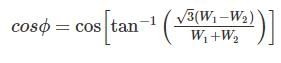
दिया गया है कि,
W1 = धनात्मक मान
W2 = ऋणात्मक मान
यहाँ शक्ति गुणांक का कोण 60 डिग्री से 90 डिग्री के बीच परिवर्तित होता है।
अतः शक्ति गुणांक शून्य से 0.5 के बीच परिवर्तित होते रहता है।
Chapter doubts & questions for Electrical & Electronic Measurements - SSC JE Electrical Mock Test Series (Hindi) 2026 2026 is part of Electrical Engineering (EE) exam preparation. The chapters have been prepared according to the Electrical Engineering (EE) exam syllabus. The Chapter doubts & questions, notes, tests & MCQs are made for Electrical Engineering (EE) 2026 Exam. Find important definitions, questions, notes, meanings, examples, exercises, MCQs and online tests here.
Chapter doubts & questions of Electrical & Electronic Measurements - SSC JE Electrical Mock Test Series (Hindi) 2026 in English & Hindi are available as part of Electrical Engineering (EE) exam. Download more important topics, notes, lectures and mock test series for Electrical Engineering (EE) Exam by signing up for free.
