


All Exams > Class 3 > EVS for Class 3 > All Questions
All questions of Foods We Eat for Class 3 Exam
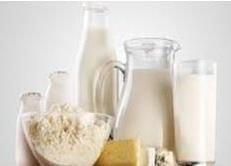


Which of the following is not a milk product?- a)Ice-cream
- b)Curd
- c)Cheese
- d)Pizza
Correct answer is option 'D'. Can you explain this answer?
Which of the following is not a milk product?
a)
Ice-cream
b)
Curd
c)
Cheese
d)
Pizza
 | Pranav Singh answered |
Curd, Cheese and Ice-cream are milk products but Pizza is not a milk product because pizza dough does not normally contain milk or butter.
Which of the following is the function of food?- a)Keep us healthy
- b)Give us energy
- c)Make us grow
- d)All of these
Correct answer is option 'D'. Can you explain this answer?
Which of the following is the function of food?
a)
Keep us healthy
b)
Give us energy
c)
Make us grow
d)
All of these
 | Anjali Gupta answered |
- Food gives us energy.
- Food is necessary for growth and development of body.
- It protects us from diseases.
- Nutritious food provides mental growth in addition to health.
- Helps in formation of body.
A balanced diet is ____________.- a)A combination of essential foods
- b)A combination of unessential foods
- c)A combination of random foods.
- d)All of the above
Correct answer is option 'A'. Can you explain this answer?
A balanced diet is ____________.
a)
A combination of essential foods
b)
A combination of unessential foods
c)
A combination of random foods.
d)
All of the above
| | Anjali Gupta answered |
A balanced diet is one that fulfills all of a person's nutritional needs. Humans need a certain amount of calories and nutrients to stay healthy. A balanced diet provides all the nutrients a person requires, without going over the recommended daily calorie intake.
Processed food like breads, burgers, pizza and jams are rich in- a)Fats
- b)Vitamins
- c)Proteins
- d)Carbohydrates
Correct answer is option 'D'. Can you explain this answer?
Processed food like breads, burgers, pizza and jams are rich in
a)
Fats
b)
Vitamins
c)
Proteins
d)
Carbohydrates
 | Sandeep Kumar answered |
Processed foods are those that have undergone various processes like cooking, milling, and packaging, to make them ready-to-eat or easy to prepare. These foods are often high in calories, sugar, salt, and unhealthy fats. Let us understand why processed foods are rich in carbohydrates.
Carbohydrates in Processed Foods:
Processed foods are often made from refined grains, like white flour, which have been stripped of their natural fiber, vitamins, and minerals. The refining process removes the bran and germ, leaving behind only the starchy endosperm. This makes the flour finer and easier to work with, but it also removes the nutrients and fiber that are essential for good health.
Manufacturers of processed foods then use these refined grains to make a variety of foods, such as bread, pasta, and pizza. These foods are high in carbohydrates, which provide energy to the body. Carbohydrates are the main source of fuel for the body, and they are essential for maintaining good health.
Processed foods also contain added sugars, which are simple carbohydrates that are quickly absorbed by the body. These sugars are often used to improve the taste of foods and to extend their shelf life. However, consuming too much added sugar can lead to health problems like obesity, diabetes, and heart disease.
Conclusion:
In conclusion, processed foods are rich in carbohydrates because they are made from refined grains and often contain added sugars. While carbohydrates are important for good health, it is important to choose whole, unprocessed foods whenever possible. These foods are rich in fiber, vitamins, and minerals, which are essential for good health.
Carbohydrates in Processed Foods:
Processed foods are often made from refined grains, like white flour, which have been stripped of their natural fiber, vitamins, and minerals. The refining process removes the bran and germ, leaving behind only the starchy endosperm. This makes the flour finer and easier to work with, but it also removes the nutrients and fiber that are essential for good health.
Manufacturers of processed foods then use these refined grains to make a variety of foods, such as bread, pasta, and pizza. These foods are high in carbohydrates, which provide energy to the body. Carbohydrates are the main source of fuel for the body, and they are essential for maintaining good health.
Processed foods also contain added sugars, which are simple carbohydrates that are quickly absorbed by the body. These sugars are often used to improve the taste of foods and to extend their shelf life. However, consuming too much added sugar can lead to health problems like obesity, diabetes, and heart disease.
Conclusion:
In conclusion, processed foods are rich in carbohydrates because they are made from refined grains and often contain added sugars. While carbohydrates are important for good health, it is important to choose whole, unprocessed foods whenever possible. These foods are rich in fiber, vitamins, and minerals, which are essential for good health.

A diet which is rich in all the important nutrients is called a ___________.- a)Rich Diet
- b)Complete Diet
- c)Balanced diet
- d)None of them
Correct answer is option 'C'. Can you explain this answer?
A diet which is rich in all the important nutrients is called a ___________.
a)
Rich Diet
b)
Complete Diet
c)
Balanced diet
d)
None of them
| | Anjali Gupta answered |
A healthy and balanced diet is one that helps maintain or improve overall health.
A healthy diet provides the body with essential nutrition: fluid, macronutrients, micronutrients, and adequate calories.
Which of the following vegetables do we eat?- a)Beetroot
- b)Asparagus
- c)Carrot
- d)All of these
Correct answer is option 'D'. Can you explain this answer?
Which of the following vegetables do we eat?
a)
Beetroot
b)
Asparagus
c)
Carrot
d)
All of these
 | Yashina Kapoor answered |
Explanation:
- Beetroot: Beetroot is a root vegetable that is commonly consumed by humans.
- Asparagus: Asparagus is a type of vegetable that is often eaten by people.
- Carrot: Carrots are a popular vegetable that is widely consumed around the world.
- All of these: All of the vegetables mentioned in the options (beetroot, asparagus, and carrot) are consumed by people as part of their diet.
Therefore, the correct answer is option D: All of these.
Cereals are rich source of- a)Proteins
- b)Carbohydrates
- c)Vitamins
- d)Fats
Correct answer is option 'B'. Can you explain this answer?
Cereals are rich source of
a)
Proteins
b)
Carbohydrates
c)
Vitamins
d)
Fats
| | Pranav Singh answered |
Cereals which are made with puffed or powdered rice and refined wheat typically contain starch.
Starch is the most common form of carbohydrate and typically found in staple grains like rice, wheat, and corn.
Which of the following is a South Indian dish?- a)Pakora
- b)Idli
- c)Samosa
- d)Dahi vada
Correct answer is option 'B'. Can you explain this answer?
Which of the following is a South Indian dish?
a)
Pakora
b)
Idli
c)
Samosa
d)
Dahi vada
 | Pankaj Saha answered |
South Indian Dish: Idli
Introduction:
Idli is a popular South Indian dish that originated in the Indian state of Tamil Nadu. It is a traditional breakfast item and is also consumed as a snack or light meal. Idli is made by fermenting a batter of rice and urad dal (a type of lentil) and steaming it to create soft and fluffy rice cakes. It is typically served with chutney or sambar, a flavorful lentil stew.
Ingredients:
- Rice: Idli is primarily made using parboiled rice or idli rice, which gives it a soft texture.
- Urad Dal: Urad dal, also known as black gram, is the other main ingredient. It adds a savory flavor to the idli and helps in fermentation.
- Salt: A pinch of salt is added to enhance the taste of the batter.
- Water: Water is used to soak the rice and dal and to adjust the consistency of the batter.
Preparation:
1. Soaking: The rice and urad dal are soaked separately in water for a few hours. This softens them and makes them easier to grind.
2. Grinding: The soaked rice and dal are ground separately to a fine paste using a wet grinder or blender. Water is added as required to achieve a smooth batter consistency.
3. Fermentation: The rice and dal batter is combined, and salt is added. The batter is left to ferment overnight or for several hours in a warm place. Fermentation is crucial as it helps in making the idlis light and fluffy.
4. Steaming: The fermented batter is poured into idli molds or small cups and steamed for about 10-15 minutes until the idlis are cooked through. The steam cooks the idlis without making them oily or greasy.
5. Serving: The steamed idlis are removed from the mold and served hot with coconut chutney, tomato chutney, sambar, or other accompaniments.
Characteristics:
- Soft and Fluffy: Idlis have a spongy and airy texture due to the fermentation process. They are light and easily digestible.
- Mild Flavor: Idlis have a mild and slightly tangy taste, which makes them versatile. They can be paired with various chutneys, sambar, or even enjoyed plain.
- Nutritious: Idlis are a healthy dish as they are low in fat and cholesterol. They are a good source of carbohydrates and protein due to the rice and dal content.
- Gluten-Free: Idlis are naturally gluten-free as they do not contain any wheat or gluten-based ingredients.
Conclusion:
Idli is a delicious and wholesome South Indian dish that is enjoyed by people across India and even globally. Its unique preparation method and characteristics make it a popular choice for breakfast or as a snack. The combination of soft texture, mild flavor, and versatility in serving options contributes to its widespread popularity.
Introduction:
Idli is a popular South Indian dish that originated in the Indian state of Tamil Nadu. It is a traditional breakfast item and is also consumed as a snack or light meal. Idli is made by fermenting a batter of rice and urad dal (a type of lentil) and steaming it to create soft and fluffy rice cakes. It is typically served with chutney or sambar, a flavorful lentil stew.
Ingredients:
- Rice: Idli is primarily made using parboiled rice or idli rice, which gives it a soft texture.
- Urad Dal: Urad dal, also known as black gram, is the other main ingredient. It adds a savory flavor to the idli and helps in fermentation.
- Salt: A pinch of salt is added to enhance the taste of the batter.
- Water: Water is used to soak the rice and dal and to adjust the consistency of the batter.
Preparation:
1. Soaking: The rice and urad dal are soaked separately in water for a few hours. This softens them and makes them easier to grind.
2. Grinding: The soaked rice and dal are ground separately to a fine paste using a wet grinder or blender. Water is added as required to achieve a smooth batter consistency.
3. Fermentation: The rice and dal batter is combined, and salt is added. The batter is left to ferment overnight or for several hours in a warm place. Fermentation is crucial as it helps in making the idlis light and fluffy.
4. Steaming: The fermented batter is poured into idli molds or small cups and steamed for about 10-15 minutes until the idlis are cooked through. The steam cooks the idlis without making them oily or greasy.
5. Serving: The steamed idlis are removed from the mold and served hot with coconut chutney, tomato chutney, sambar, or other accompaniments.
Characteristics:
- Soft and Fluffy: Idlis have a spongy and airy texture due to the fermentation process. They are light and easily digestible.
- Mild Flavor: Idlis have a mild and slightly tangy taste, which makes them versatile. They can be paired with various chutneys, sambar, or even enjoyed plain.
- Nutritious: Idlis are a healthy dish as they are low in fat and cholesterol. They are a good source of carbohydrates and protein due to the rice and dal content.
- Gluten-Free: Idlis are naturally gluten-free as they do not contain any wheat or gluten-based ingredients.
Conclusion:
Idli is a delicious and wholesome South Indian dish that is enjoyed by people across India and even globally. Its unique preparation method and characteristics make it a popular choice for breakfast or as a snack. The combination of soft texture, mild flavor, and versatility in serving options contributes to its widespread popularity.
We get sugar from- a)Beet root
- b)Sugarcane
- c)Carrot
- d)Radish
Correct answer is option 'B'. Can you explain this answer?
We get sugar from
a)
Beet root
b)
Sugarcane
c)
Carrot
d)
Radish
 | Edgy Education answered |
Where do we get sugar from?
- Sugarcane: Sugarcane is the primary source of sugar production. It is a tall tropical plant with thick stems that contain high levels of sucrose, which is extracted to produce sugar.
- Beet root: Beet root is another source of sugar production. Sugar beets are a type of beet that contains a high concentration of sucrose in their roots, which can be processed to obtain sugar.
- Carrot: Carrots do contain natural sugars, but they are not a significant source of sugar production compared to sugarcane and beet root.
- Radish: Radishes do not contain enough sugar to be used as a primary source for sugar production.
Explanation:
- Sugar is primarily obtained from sugarcane and sugar beets due to their high sucrose content.
- Sugarcane is the most commonly used source for sugar production worldwide.
- The process of extracting sugar from sugarcane or sugar beets involves crushing the plants to extract the juice, which is then processed to remove impurities and crystallize the sugar.
- Carrots and radishes contain natural sugars but are not economically viable sources for large-scale sugar production.
By following these guidelines, you can provide a detailed and informative response while maintaining a visually appealing format for the reader.
Carrot, tomato and potato are- a)Source of fat
- b)Source of glucose
- c)Vegetables
- d)Fruits
Correct answer is option 'C'. Can you explain this answer?
Carrot, tomato and potato are
a)
Source of fat
b)
Source of glucose
c)
Vegetables
d)
Fruits
| | Abhishek Chatterjee answered |
**Vegetables**
Carrot, tomato, and potato are classified as vegetables.
**Explanation:**
1. **Carrot:**
- Carrot is a root vegetable that belongs to the family Apiaceae.
- It is rich in vitamins, minerals, and dietary fiber.
- Carrots are known for their high content of beta-carotene, which is converted into vitamin A in the body.
- They are commonly orange in color, but can also be found in different colors like purple, yellow, and white.
- Carrots are commonly used in salads, soups, and various other culinary dishes.
2. **Tomato:**
- Tomato is a fruit that is often considered and used as a vegetable in culinary preparations.
- It belongs to the nightshade family, Solanaceae.
- Tomatoes are rich in vitamins A and C, as well as antioxidants like lycopene.
- They come in a variety of colors, including red, yellow, and green.
- Tomatoes are widely used in cooking, in salads, sauces, and various other dishes.
3. **Potato:**
- Potato is a starchy tuber vegetable that belongs to the nightshade family, Solanaceae.
- It is native to the Andes region of South America.
- Potatoes are rich in carbohydrates, vitamins C and B6, and minerals like potassium.
- They can be cooked in various ways, including baking, boiling, frying, and mashing.
- Potatoes are a staple food in many cuisines around the world.
In conclusion, carrot, tomato, and potato are all vegetables.
Carrot, tomato, and potato are classified as vegetables.
**Explanation:**
1. **Carrot:**
- Carrot is a root vegetable that belongs to the family Apiaceae.
- It is rich in vitamins, minerals, and dietary fiber.
- Carrots are known for their high content of beta-carotene, which is converted into vitamin A in the body.
- They are commonly orange in color, but can also be found in different colors like purple, yellow, and white.
- Carrots are commonly used in salads, soups, and various other culinary dishes.
2. **Tomato:**
- Tomato is a fruit that is often considered and used as a vegetable in culinary preparations.
- It belongs to the nightshade family, Solanaceae.
- Tomatoes are rich in vitamins A and C, as well as antioxidants like lycopene.
- They come in a variety of colors, including red, yellow, and green.
- Tomatoes are widely used in cooking, in salads, sauces, and various other dishes.
3. **Potato:**
- Potato is a starchy tuber vegetable that belongs to the nightshade family, Solanaceae.
- It is native to the Andes region of South America.
- Potatoes are rich in carbohydrates, vitamins C and B6, and minerals like potassium.
- They can be cooked in various ways, including baking, boiling, frying, and mashing.
- Potatoes are a staple food in many cuisines around the world.
In conclusion, carrot, tomato, and potato are all vegetables.
Which components of food do not provide energy nor help in growth- a)Fat
- b)Protein
- c)Glucose
- d)Roughage
Correct answer is option 'D'. Can you explain this answer?
Which components of food do not provide energy nor help in growth
a)
Fat
b)
Protein
c)
Glucose
d)
Roughage
 | Shruti Menon answered |
Components of food that do not provide energy nor help in growth:
Roughage:
Roughage, also known as dietary fiber or bulk, refers to the indigestible portion of plant-based foods. Unlike other components of food such as fat, protein, and glucose, roughage does not provide energy nor directly contribute to growth.
Explanation:
1. Definition of roughage:
- Roughage is the fibrous part of food, mainly derived from plant sources, that cannot be digested by the human body.
- It passes through the digestive system relatively intact and is eliminated as waste.
2. Lack of energy contribution:
- Roughage is not broken down by digestive enzymes and thus does not release any significant amount of energy during digestion.
- Unlike carbohydrates (glucose) and fats, which are major energy providers, roughage does not contribute to the body's energy requirements.
3. Absence of growth-promoting properties:
- Roughage does not contain essential nutrients like proteins, vitamins, or minerals that are necessary for growth and development.
- While proteins are crucial for building and repairing body tissues, roughage does not provide any amino acids, the building blocks of proteins.
4. Role in digestion and overall health:
- Despite not providing energy or supporting growth, roughage plays an important role in maintaining a healthy digestive system.
- It adds bulk to the diet, promotes regular bowel movements, and helps prevent constipation.
- By absorbing water and increasing the volume of stool, roughage aids in the smooth passage of food through the intestines.
5. Food sources of roughage:
- Roughage is primarily found in plant-based foods such as fruits, vegetables, whole grains, legumes, and nuts.
- Examples of high-roughage foods include broccoli, spinach, whole wheat bread, brown rice, beans, and almonds.
In conclusion, roughage is a component of food that does not provide energy nor contribute to growth. Although it is indigestible and lacks essential nutrients, roughage plays a vital role in maintaining digestive health and preventing constipation.
Roughage:
Roughage, also known as dietary fiber or bulk, refers to the indigestible portion of plant-based foods. Unlike other components of food such as fat, protein, and glucose, roughage does not provide energy nor directly contribute to growth.
Explanation:
1. Definition of roughage:
- Roughage is the fibrous part of food, mainly derived from plant sources, that cannot be digested by the human body.
- It passes through the digestive system relatively intact and is eliminated as waste.
2. Lack of energy contribution:
- Roughage is not broken down by digestive enzymes and thus does not release any significant amount of energy during digestion.
- Unlike carbohydrates (glucose) and fats, which are major energy providers, roughage does not contribute to the body's energy requirements.
3. Absence of growth-promoting properties:
- Roughage does not contain essential nutrients like proteins, vitamins, or minerals that are necessary for growth and development.
- While proteins are crucial for building and repairing body tissues, roughage does not provide any amino acids, the building blocks of proteins.
4. Role in digestion and overall health:
- Despite not providing energy or supporting growth, roughage plays an important role in maintaining a healthy digestive system.
- It adds bulk to the diet, promotes regular bowel movements, and helps prevent constipation.
- By absorbing water and increasing the volume of stool, roughage aids in the smooth passage of food through the intestines.
5. Food sources of roughage:
- Roughage is primarily found in plant-based foods such as fruits, vegetables, whole grains, legumes, and nuts.
- Examples of high-roughage foods include broccoli, spinach, whole wheat bread, brown rice, beans, and almonds.
In conclusion, roughage is a component of food that does not provide energy nor contribute to growth. Although it is indigestible and lacks essential nutrients, roughage plays a vital role in maintaining digestive health and preventing constipation.
Main source of eggs are- a)Hen and frog
- b)Hen and duck
- c)Hen and crow
- d)Duck and frog
Correct answer is option 'B'. Can you explain this answer?
Main source of eggs are
a)
Hen and frog
b)
Hen and duck
c)
Hen and crow
d)
Duck and frog
| | Jithin Iyer answered |
**Main source of eggs are: Hen and Duck**
**1. Introduction**
Eggs are a common food item consumed by humans all over the world. They are a rich source of protein and essential vitamins. Eggs come from various animals, but the main source of eggs that are widely consumed by humans are hens and ducks.
**2. Hens**
Hens, also known as chickens, are one of the primary sources of eggs. They are domesticated birds that are bred for egg production. Hens lay eggs that are commonly consumed by humans. The eggs laid by hens are oval-shaped and have a hard shell. They come in different sizes and colors, ranging from white to brown.
**3. Duck**
Ducks are another significant source of eggs. Duck eggs are larger in size compared to hen eggs and have a thicker shell. They have a slightly different taste and texture compared to hen eggs. Duck eggs are commonly used in various cuisines around the world and are known for their rich flavor.
**4. Comparison**
When comparing hen eggs and duck eggs, there are a few notable differences. Duck eggs have a higher fat content and a larger yolk compared to hen eggs. They also have a slightly stronger flavor. Hen eggs, on the other hand, are more commonly consumed due to their availability and affordability.
**5. Other Sources**
While hens and ducks are the main sources of eggs, it is worth mentioning that there are other animals that lay eggs as well. Frogs, for example, lay eggs in water. These eggs are jelly-like and are laid in clusters. However, frog eggs are not commonly consumed by humans.
**6. Conclusion**
In conclusion, the main source of eggs that are widely consumed by humans are hens and ducks. Hens lay eggs with a hard shell, while duck eggs have a thicker shell and a richer flavor. While other animals like frogs also lay eggs, they are not commonly consumed by humans.
**1. Introduction**
Eggs are a common food item consumed by humans all over the world. They are a rich source of protein and essential vitamins. Eggs come from various animals, but the main source of eggs that are widely consumed by humans are hens and ducks.
**2. Hens**
Hens, also known as chickens, are one of the primary sources of eggs. They are domesticated birds that are bred for egg production. Hens lay eggs that are commonly consumed by humans. The eggs laid by hens are oval-shaped and have a hard shell. They come in different sizes and colors, ranging from white to brown.
**3. Duck**
Ducks are another significant source of eggs. Duck eggs are larger in size compared to hen eggs and have a thicker shell. They have a slightly different taste and texture compared to hen eggs. Duck eggs are commonly used in various cuisines around the world and are known for their rich flavor.
**4. Comparison**
When comparing hen eggs and duck eggs, there are a few notable differences. Duck eggs have a higher fat content and a larger yolk compared to hen eggs. They also have a slightly stronger flavor. Hen eggs, on the other hand, are more commonly consumed due to their availability and affordability.
**5. Other Sources**
While hens and ducks are the main sources of eggs, it is worth mentioning that there are other animals that lay eggs as well. Frogs, for example, lay eggs in water. These eggs are jelly-like and are laid in clusters. However, frog eggs are not commonly consumed by humans.
**6. Conclusion**
In conclusion, the main source of eggs that are widely consumed by humans are hens and ducks. Hens lay eggs with a hard shell, while duck eggs have a thicker shell and a richer flavor. While other animals like frogs also lay eggs, they are not commonly consumed by humans.
Which components of food is required in highest amount- a)Proteins
- b)Carbohydrates
- c)Minerals
- d)Fats
Correct answer is option 'B'. Can you explain this answer?
Which components of food is required in highest amount
a)
Proteins
b)
Carbohydrates
c)
Minerals
d)
Fats
| | Rahul Goyal answered |
Introduction:
In order to understand which component of food is required in the highest amount, it is important to have a basic understanding of the different components of food and their functions in the body. Food is made up of various nutrients that provide energy, promote growth and development, and support overall health.
Components of Food:
There are several components of food, including proteins, carbohydrates, fats, vitamins, minerals, and water. Each of these components plays a specific role in the body.
Explanation of Options:
a) Proteins: Proteins are essential for the growth and repair of body tissues. They are also involved in the production of enzymes, hormones, and antibodies. While proteins are important, they are not required in the highest amount compared to other components.
b) Carbohydrates: Carbohydrates are the body's main source of energy. They provide fuel for the brain, muscles, and other organs. Carbohydrates can be found in foods such as grains, fruits, and vegetables. Due to their role in providing energy, carbohydrates are required in the highest amount compared to other components of food.
c) Minerals: Minerals are essential for various bodily functions, such as maintaining healthy bones and teeth, regulating fluid balance, and supporting nerve function. While minerals are important, they are required in smaller amounts compared to carbohydrates.
d) Fats: Fats are a concentrated source of energy and are important for the absorption of fat-soluble vitamins. They also provide insulation and protection for organs. However, fats are not required in the highest amount compared to carbohydrates.
Conclusion:
Based on the functions and requirements of different components of food, it can be concluded that carbohydrates are required in the highest amount. Carbohydrates are the body's main source of energy and are essential for overall health and functioning. It is important to consume a balanced diet that includes all the necessary components of food in appropriate amounts to support optimal health and well-being.
In order to understand which component of food is required in the highest amount, it is important to have a basic understanding of the different components of food and their functions in the body. Food is made up of various nutrients that provide energy, promote growth and development, and support overall health.
Components of Food:
There are several components of food, including proteins, carbohydrates, fats, vitamins, minerals, and water. Each of these components plays a specific role in the body.
Explanation of Options:
a) Proteins: Proteins are essential for the growth and repair of body tissues. They are also involved in the production of enzymes, hormones, and antibodies. While proteins are important, they are not required in the highest amount compared to other components.
b) Carbohydrates: Carbohydrates are the body's main source of energy. They provide fuel for the brain, muscles, and other organs. Carbohydrates can be found in foods such as grains, fruits, and vegetables. Due to their role in providing energy, carbohydrates are required in the highest amount compared to other components of food.
c) Minerals: Minerals are essential for various bodily functions, such as maintaining healthy bones and teeth, regulating fluid balance, and supporting nerve function. While minerals are important, they are required in smaller amounts compared to carbohydrates.
d) Fats: Fats are a concentrated source of energy and are important for the absorption of fat-soluble vitamins. They also provide insulation and protection for organs. However, fats are not required in the highest amount compared to carbohydrates.
Conclusion:
Based on the functions and requirements of different components of food, it can be concluded that carbohydrates are required in the highest amount. Carbohydrates are the body's main source of energy and are essential for overall health and functioning. It is important to consume a balanced diet that includes all the necessary components of food in appropriate amounts to support optimal health and well-being.
The combinations of buckwheat, chickpea, corn and millet is ___________.- a)Gluten bread flours
- b)Gluten-free bread flours
- c)Bread flours
- d)None of them
Correct answer is option 'B'. Can you explain this answer?
The combinations of buckwheat, chickpea, corn and millet is ___________.
a)
Gluten bread flours
b)
Gluten-free bread flours
c)
Bread flours
d)
None of them
| | Mihir Saha answered |
Combination of Buckwheat, Chickpea, Corn, and Millet as Bread Flour
Introduction:
Bread flour is an essential ingredient in bread making. It is a type of flour that has a higher protein content than all-purpose flour, which helps in the formation of gluten, resulting in a better texture and rise in bread. However, for people with gluten sensitivity or celiac disease, wheat-based bread flours are not suitable. Therefore, alternative gluten-free flours are used in bread making.
Combination of Buckwheat, Chickpea, Corn, and Millet:
Buckwheat, chickpea, corn, and millet are four gluten-free flours that can be combined to make a bread flour suitable for people with gluten sensitivity. These flours have different properties that together provide a balance of flavor, texture, and nutrition to the bread.
Buckwheat flour: Buckwheat is a pseudocereal that has been gaining popularity in recent years due to its nutty flavor and nutritional benefits. Buckwheat flour has a strong flavor and dark color, which adds depth to the bread.
Chickpea flour: Chickpea flour is made from ground chickpeas and has a nutty and earthy flavor. It is high in protein and adds structure to the bread.
Corn flour: Corn flour is made from ground corn and has a sweet and mild flavor. It adds a soft texture to the bread and enhances its sweetness.
Millet flour: Millet is a gluten-free grain that has a mild flavor. Millet flour adds a lightness and softness to the bread.
Conclusion:
The combination of buckwheat, chickpea, corn, and millet is a gluten-free bread flour that provides a balance of flavor, texture, and nutrition to the bread. It is an excellent alternative for people with gluten sensitivity or celiac disease who cannot consume wheat-based bread flours.
Introduction:
Bread flour is an essential ingredient in bread making. It is a type of flour that has a higher protein content than all-purpose flour, which helps in the formation of gluten, resulting in a better texture and rise in bread. However, for people with gluten sensitivity or celiac disease, wheat-based bread flours are not suitable. Therefore, alternative gluten-free flours are used in bread making.
Combination of Buckwheat, Chickpea, Corn, and Millet:
Buckwheat, chickpea, corn, and millet are four gluten-free flours that can be combined to make a bread flour suitable for people with gluten sensitivity. These flours have different properties that together provide a balance of flavor, texture, and nutrition to the bread.
Buckwheat flour: Buckwheat is a pseudocereal that has been gaining popularity in recent years due to its nutty flavor and nutritional benefits. Buckwheat flour has a strong flavor and dark color, which adds depth to the bread.
Chickpea flour: Chickpea flour is made from ground chickpeas and has a nutty and earthy flavor. It is high in protein and adds structure to the bread.
Corn flour: Corn flour is made from ground corn and has a sweet and mild flavor. It adds a soft texture to the bread and enhances its sweetness.
Millet flour: Millet is a gluten-free grain that has a mild flavor. Millet flour adds a lightness and softness to the bread.
Conclusion:
The combination of buckwheat, chickpea, corn, and millet is a gluten-free bread flour that provides a balance of flavor, texture, and nutrition to the bread. It is an excellent alternative for people with gluten sensitivity or celiac disease who cannot consume wheat-based bread flours.
Pulses are rich source of- a)Roughages
- b)Fibre
- c)Minerals
- d)Proteins
Correct answer is option 'D'. Can you explain this answer?
Pulses are rich source of
a)
Roughages
b)
Fibre
c)
Minerals
d)
Proteins
| | Gitanjali Nair answered |
Introduction:
Pulses are a type of legume that are commonly consumed as a part of the staple diet in many cultures around the world. They are a rich source of various nutrients and provide several health benefits. One of the key nutrients that pulses are known for is protein.
Explanation:
1. Proteins:
- Pulses are an excellent source of plant-based protein. They contain a high amount of essential amino acids, which are the building blocks of proteins.
- Proteins are essential for the growth and repair of tissues, the production of enzymes and hormones, and the proper functioning of the immune system.
- Consuming pulses regularly can help meet the daily protein requirements of the body, especially for vegetarians and vegans who may have limited sources of protein in their diet.
Conclusion:
In conclusion, pulses are a rich source of proteins, which are essential for the growth and repair of tissues, the production of enzymes and hormones, and the proper functioning of the immune system. They are a valuable addition to a balanced diet and can help meet the protein requirements of individuals, particularly vegetarians and vegans.
Pulses are a type of legume that are commonly consumed as a part of the staple diet in many cultures around the world. They are a rich source of various nutrients and provide several health benefits. One of the key nutrients that pulses are known for is protein.
Explanation:
1. Proteins:
- Pulses are an excellent source of plant-based protein. They contain a high amount of essential amino acids, which are the building blocks of proteins.
- Proteins are essential for the growth and repair of tissues, the production of enzymes and hormones, and the proper functioning of the immune system.
- Consuming pulses regularly can help meet the daily protein requirements of the body, especially for vegetarians and vegans who may have limited sources of protein in their diet.
Conclusion:
In conclusion, pulses are a rich source of proteins, which are essential for the growth and repair of tissues, the production of enzymes and hormones, and the proper functioning of the immune system. They are a valuable addition to a balanced diet and can help meet the protein requirements of individuals, particularly vegetarians and vegans.
Washing of cut or peeled fruits and vegetables may loose some- a)Proteins
- b)Vitamins
- c)Fats
- d)Minerals
Correct answer is option 'B'. Can you explain this answer?
Washing of cut or peeled fruits and vegetables may loose some
a)
Proteins
b)
Vitamins
c)
Fats
d)
Minerals
| | Raj Shah answered |
Washing of cut or peeled fruits and vegetables may lead to the loss of some vitamins.
Explanation:
When fruits and vegetables are cut or peeled, their outer protective layer is removed, exposing the inner flesh. This makes them vulnerable to contamination from bacteria, dirt, and other pollutants. Washing these fruits and vegetables is therefore essential to remove any harmful substances that may be present on their surface.
However, washing fruits and vegetables can also lead to the loss of some of their nutrients, including vitamins. This is because many vitamins are water-soluble, which means they can dissolve in water and be lost during washing.
Some of the vitamins that can be lost during washing of fruits and vegetables include:
- Vitamin C: This is a water-soluble vitamin that is found in many fruits and vegetables, including citrus fruits, kiwi, strawberries, bell peppers, broccoli, and spinach. When these foods are washed, some of the vitamin C content may be lost.
- B vitamins: This is a group of water-soluble vitamins that are important for energy metabolism and other functions in the body. B vitamins are found in many fruits and vegetables, including leafy greens, whole grains, and legumes. Washing these foods may lead to the loss of some B vitamins.
To minimize the loss of vitamins during washing of fruits and vegetables, it is recommended to:
- Use clean, running water to wash the produce
- Avoid soaking the produce in water for too long
- Use a vegetable brush to scrub the surface of firm produce, such as carrots or potatoes
- Dry the produce thoroughly after washing, using a clean towel or paper towel.
In conclusion, while washing of fruits and vegetables is important to remove harmful substances, it may also lead to the loss of some vitamins. Therefore, it is important to handle and wash produce carefully to minimize nutrient loss.
Explanation:
When fruits and vegetables are cut or peeled, their outer protective layer is removed, exposing the inner flesh. This makes them vulnerable to contamination from bacteria, dirt, and other pollutants. Washing these fruits and vegetables is therefore essential to remove any harmful substances that may be present on their surface.
However, washing fruits and vegetables can also lead to the loss of some of their nutrients, including vitamins. This is because many vitamins are water-soluble, which means they can dissolve in water and be lost during washing.
Some of the vitamins that can be lost during washing of fruits and vegetables include:
- Vitamin C: This is a water-soluble vitamin that is found in many fruits and vegetables, including citrus fruits, kiwi, strawberries, bell peppers, broccoli, and spinach. When these foods are washed, some of the vitamin C content may be lost.
- B vitamins: This is a group of water-soluble vitamins that are important for energy metabolism and other functions in the body. B vitamins are found in many fruits and vegetables, including leafy greens, whole grains, and legumes. Washing these foods may lead to the loss of some B vitamins.
To minimize the loss of vitamins during washing of fruits and vegetables, it is recommended to:
- Use clean, running water to wash the produce
- Avoid soaking the produce in water for too long
- Use a vegetable brush to scrub the surface of firm produce, such as carrots or potatoes
- Dry the produce thoroughly after washing, using a clean towel or paper towel.
In conclusion, while washing of fruits and vegetables is important to remove harmful substances, it may also lead to the loss of some vitamins. Therefore, it is important to handle and wash produce carefully to minimize nutrient loss.

Chapter doubts & questions for Foods We Eat - EVS for Class 3 2026 is part of Class 3 exam preparation. The chapters have been prepared according to the Class 3 exam syllabus. The Chapter doubts & questions, notes, tests & MCQs are made for Class 3 2026 Exam. Find important definitions, questions, notes, meanings, examples, exercises, MCQs and online tests here.
Chapter doubts & questions of Foods We Eat - EVS for Class 3 in English & Hindi are available as part of Class 3 exam. Download more important topics, notes, lectures and mock test series for Class 3 Exam by signing up for free.
EVS for Class 355 videos|182 docs|48 tests |
