


All Exams > Class 3 > EVS for Class 3 > All Questions
All questions of Our Friends - Animals for Class 3 Exam
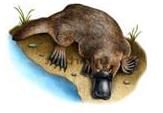
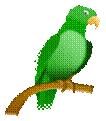
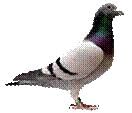
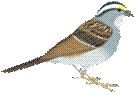
Which one of the following animals has stronger power to smell?- a)

- b)

- c)

- d)
- e)None of these
Correct answer is option 'A'. Can you explain this answer?
Which one of the following animals has stronger power to smell?
a)
b)
c)
d)
e)
None of these
 | Manoj Yadav answered |
A bloodhound is often referred to as a nose attached to a dog since these pooches have the amazing ability to scan a terrain with its nose.


How did the donkey help Chandu in the story?- a)By cooking food
- b)By helping him in his work
- c)By singing songs
- d)By driving his car
Correct answer is option 'B'. Can you explain this answer?
a)
By cooking food
b)
By helping him in his work
c)
By singing songs
d)
By driving his car
 | Glitz Classes answered |
The donkey was a great help to Chandu as it assisted him in his work.
What is suggested to make for animals according to the tips given in Class 3 EVS Our Friends Animal?- a)Large cages
- b)Small houses
- c)Towers
- d)Tunnels
Correct answer is option 'B'. Can you explain this answer?
a)
Large cages
b)
Small houses
c)
Towers
d)
Tunnels
 | Gopal Chakraborty answered |
Small houses:
Animals need a comfortable and safe space to live in. Therefore, it is suggested to make small houses for animals according to the tips given in Class 3 EVS Our Friends Animals.
Benefits of small houses for animals:
- Small houses provide a cozy and secure environment for animals to rest and sleep in.
- They protect animals from harsh weather conditions such as rain, wind, and extreme heat.
- Small houses help animals feel safe and secure, reducing their stress and anxiety.
- These houses also provide a designated space for animals to retreat to when they need privacy or alone time.
- By providing small houses, we are promoting the well-being and comfort of animals in our care.
Considerations when making small houses for animals:
- Ensure that the houses are of appropriate size for the specific animal, allowing them to move around comfortably.
- Use sturdy and durable materials to construct the houses, ensuring they can withstand wear and tear.
- Place the houses in a quiet and secluded area to provide animals with a peaceful retreat.
- Regularly clean and maintain the houses to ensure a healthy living environment for the animals.
In conclusion, making small houses for animals is important to ensure their well-being and comfort. By providing animals with suitable living spaces, we are showing care and respect for our animal friends.
Who was blamed for eating the mangoes in the Queen's garden?- a)The gardener
- b)The birds
- c)The queen herself
- d)The insects
Correct answer is option 'B'. Can you explain this answer?
a)
The gardener
b)
The birds
c)
The queen herself
d)
The insects
 | Ishaan Choudhary answered |
Understanding the Blame for the Mangoes
In the context of the story regarding the Queen's garden, the blame for the missing mangoes was directed towards the birds. Here's a detailed explanation of this conclusion:
Context of the Story
- The Queen had a lush garden known for its exquisite mangoes.
- One day, the mangoes began to disappear mysteriously, leading to an investigation.
Reasons for Blaming the Birds
- Natural Behavior: Birds are known to be attracted to ripe fruits, including mangoes. Their instinctual behavior makes them prime suspects in cases of missing fruit.
- Visibility: The actions of birds are often visible, as they can be seen flying in and out of gardens, pecking at fruits. This visibility tends to draw immediate attention.
- Lack of Evidence Against Others: The gardener, the queen, and insects had no substantial evidence pointing towards their involvement. The gardener would typically tend to the garden, while the queen would not harm her own possessions. Insects, while capable of damaging fruit, do not usually consume them entirely.
Conclusion
In conclusion, the birds were blamed for eating the mangoes in the Queen's garden due to their natural behavior, visibility in the garden, and the lack of evidence against other potential culprits. This narrative highlights the tendency to attribute blame based on observable actions and common knowledge regarding animal behavior.
In the context of the story regarding the Queen's garden, the blame for the missing mangoes was directed towards the birds. Here's a detailed explanation of this conclusion:
Context of the Story
- The Queen had a lush garden known for its exquisite mangoes.
- One day, the mangoes began to disappear mysteriously, leading to an investigation.
Reasons for Blaming the Birds
- Natural Behavior: Birds are known to be attracted to ripe fruits, including mangoes. Their instinctual behavior makes them prime suspects in cases of missing fruit.
- Visibility: The actions of birds are often visible, as they can be seen flying in and out of gardens, pecking at fruits. This visibility tends to draw immediate attention.
- Lack of Evidence Against Others: The gardener, the queen, and insects had no substantial evidence pointing towards their involvement. The gardener would typically tend to the garden, while the queen would not harm her own possessions. Insects, while capable of damaging fruit, do not usually consume them entirely.
Conclusion
In conclusion, the birds were blamed for eating the mangoes in the Queen's garden due to their natural behavior, visibility in the garden, and the lack of evidence against other potential culprits. This narrative highlights the tendency to attribute blame based on observable actions and common knowledge regarding animal behavior.
From where do we get milk?- a)Cow
- b)Dog
- c)Snake
- d)Bird
Correct answer is option 'A'. Can you explain this answer?
From where do we get milk?
a)
Cow
b)
Dog
c)
Snake
d)
Bird
 | Rahul Kumar answered |
Where do we get milk?
There are several sources from which we can get milk. Here is a detailed explanation:
Cow:
- Cows are the most common and popular source of milk for human consumption.
- They are domesticated animals that are specifically bred for milk production.
- Cow's milk is rich in essential nutrients such as calcium, protein, vitamins, and minerals.
Other animals:
- While cows are the primary source of milk, there are a few other animals that can also produce milk, although they are not as commonly used for human consumption.
- These include goats, sheep, and buffalo.
- Milk from these animals is also nutritious and has its own unique taste and characteristics.
Plant-based alternatives:
- In addition to animal milk, there are also plant-based alternatives available for those who cannot consume dairy or prefer not to.
- Some popular plant-based milks include almond milk, soy milk, oat milk, and coconut milk.
- These alternatives are made by extracting the liquid from various plant sources and often fortified with vitamins and minerals to mimic the nutritional profile of cow's milk.
In conclusion, milk is primarily obtained from cows, but it can also be sourced from other animals such as goats and sheep. Additionally, there are plant-based alternatives available for those who cannot or choose not to consume animal milk.
There are several sources from which we can get milk. Here is a detailed explanation:
Cow:
- Cows are the most common and popular source of milk for human consumption.
- They are domesticated animals that are specifically bred for milk production.
- Cow's milk is rich in essential nutrients such as calcium, protein, vitamins, and minerals.
Other animals:
- While cows are the primary source of milk, there are a few other animals that can also produce milk, although they are not as commonly used for human consumption.
- These include goats, sheep, and buffalo.
- Milk from these animals is also nutritious and has its own unique taste and characteristics.
Plant-based alternatives:
- In addition to animal milk, there are also plant-based alternatives available for those who cannot consume dairy or prefer not to.
- Some popular plant-based milks include almond milk, soy milk, oat milk, and coconut milk.
- These alternatives are made by extracting the liquid from various plant sources and often fortified with vitamins and minerals to mimic the nutritional profile of cow's milk.
In conclusion, milk is primarily obtained from cows, but it can also be sourced from other animals such as goats and sheep. Additionally, there are plant-based alternatives available for those who cannot or choose not to consume animal milk.
What should we do for animals and birds according to the tips given in Class 3 EVS Our Friends Animal?- a)Harm them
- b)Ignore them
- c)Love and feed them
- d)Scare them
Correct answer is option 'C'. Can you explain this answer?
a)
Harm them
b)
Ignore them
c)
Love and feed them
d)
Scare them
 | Mira Saha answered |
Importance of Caring for Animals and Birds
Caring for animals and birds is essential for several reasons. It reflects our compassion and responsibility as caretakers of the planet. Here’s why we should love and feed them:
Promotes Well-being
- Animals and birds, like humans, have the right to a healthy and happy life.
- Providing food and care helps them thrive and reduces their suffering.
Strengthens Human-Animal Bonds
- Loving and feeding animals creates a bond that fosters mutual respect and understanding.
- Interacting with animals can enhance our emotional well-being and reduce stress.
Encourages Responsibility
- Caring for animals teaches us responsibility and empathy.
- Children learn valuable lessons about nurturing and the importance of treating all living beings with kindness.
Supports Biodiversity
- By feeding birds and caring for animals, we contribute to the preservation of various species.
- This helps maintain ecological balance and supports our environment.
Educational Opportunities
- Engaging with animals can be educational for children, helping them understand nature and ecosystems.
- It encourages curiosity and a love for wildlife.
Conclusion
In conclusion, the correct answer to the question about how we should treat animals and birds is to love and feed them. This approach not only benefits the animals but also enriches our own lives. By showing kindness, we promote a harmonious relationship with the creatures we share our world with.
Caring for animals and birds is essential for several reasons. It reflects our compassion and responsibility as caretakers of the planet. Here’s why we should love and feed them:
Promotes Well-being
- Animals and birds, like humans, have the right to a healthy and happy life.
- Providing food and care helps them thrive and reduces their suffering.
Strengthens Human-Animal Bonds
- Loving and feeding animals creates a bond that fosters mutual respect and understanding.
- Interacting with animals can enhance our emotional well-being and reduce stress.
Encourages Responsibility
- Caring for animals teaches us responsibility and empathy.
- Children learn valuable lessons about nurturing and the importance of treating all living beings with kindness.
Supports Biodiversity
- By feeding birds and caring for animals, we contribute to the preservation of various species.
- This helps maintain ecological balance and supports our environment.
Educational Opportunities
- Engaging with animals can be educational for children, helping them understand nature and ecosystems.
- It encourages curiosity and a love for wildlife.
Conclusion
In conclusion, the correct answer to the question about how we should treat animals and birds is to love and feed them. This approach not only benefits the animals but also enriches our own lives. By showing kindness, we promote a harmonious relationship with the creatures we share our world with.
Who Shouted, " Look Look a bird is hurt"?- a)Ali
- b)Navjhot
- c)Kalyani
- d)Peter
Correct answer is option 'C'. Can you explain this answer?
Who Shouted, " Look Look a bird is hurt"?
a)
Ali
b)
Navjhot
c)
Kalyani
d)
Peter
 | Anika answered |
Because 'Kalyani' is a bird
Do you have any pet? Name some.- a)Dog
- b)Lion
- c)Giraffe
- d)Tiger
Correct answer is option 'A'. Can you explain this answer?
Do you have any pet? Name some.
a)
Dog
b)
Lion
c)
Giraffe
d)
Tiger
| | Glitz Classes answered |
Do you have any pet? Name some.
Possible answers:
Answer: A
Explanation:
Here are some details about the pets mentioned in the options:
In summary, while dogs can make wonderful pets, lions, giraffes, and tigers are wild animals and are not suitable or legal to keep as pets. It is important to consider the welfare and safety of both the animal and the owner when choosing a pet.
Possible answers:
- A: Dog
- B: Lion
- C: Giraffe
- D: Tiger
Answer: A
Explanation:
Here are some details about the pets mentioned in the options:
- Dog: Dogs are one of the most popular pets worldwide. They are known for their loyalty, companionship, and are often considered part of the family. They come in different breeds and sizes, and require care, attention, and regular exercise.
- Lion: Lions are not typically kept as pets. They are large, wild animals that require vast spaces and specialized care. Keeping a lion as a pet can be dangerous and is often illegal due to the potential risks and ethical concerns.
- Giraffe: Giraffes are exotic animals found in the wild and are not suitable as pets. They are large, herbivorous mammals with unique physical characteristics, such as their long necks. Giraffes require specific habitats, diets, and care that cannot be provided in a regular home environment.
- Tiger: Tigers are also wild animals that are not suitable as pets. They are large carnivorous cats and have specific needs that cannot be met in a domestic setting. Tigers are endangered species, and owning them as pets is illegal in most countries due to conservation efforts and safety concerns.
In summary, while dogs can make wonderful pets, lions, giraffes, and tigers are wild animals and are not suitable or legal to keep as pets. It is important to consider the welfare and safety of both the animal and the owner when choosing a pet.
Why was Shankar happy?- a)A cat had given birth to four kittens in the courtyard of his house.
- b)A dog had given birth to four puppies in the courtyard of his house.
- c)A lion had given birth to four cub in the courtyard of his house.
- d)None of the above
Correct answer is option 'A'. Can you explain this answer?
Why was Shankar happy?
a)
A cat had given birth to four kittens in the courtyard of his house.
b)
A dog had given birth to four puppies in the courtyard of his house.
c)
A lion had given birth to four cub in the courtyard of his house.
d)
None of the above
 | Arnav Nambiar answered |
Shankar was very happy. A cat had given birth to four kittens in the courtyard of his house. He started spending his free time with them.
What happened to Bholi, the cow in the story?- a)She gave birth to a calf.
- b)She was hit by a speeding scooter.
- c)She won a race.
- d)She found a new home.
Correct answer is option 'B'. Can you explain this answer?
a)
She gave birth to a calf.
b)
She was hit by a speeding scooter.
c)
She won a race.
d)
She found a new home.
| | Glitz Classes answered |
Bholi, the cow, was hurt when a speeding scooter hit her.
What are the animals called that we keep at home and take care of?- a)Wild animals
- b)Pet animals
- c)Jungle animals
- d)Ocean animals
Correct answer is option 'B'. Can you explain this answer?
a)
Wild animals
b)
Pet animals
c)
Jungle animals
d)
Ocean animals
 | Learning Enablers answered |
Animals that we keep at home and take care of are known as pet animals.
What did the students do when they saw a bird in pain in their class?- a)They got scared and ran away.
- b)They brought water and helped the bird to drink.
- c)They started making noise.
- d)They left the bird alone.
Correct answer is option 'B'. Can you explain this answer?
a)
They got scared and ran away.
b)
They brought water and helped the bird to drink.
c)
They started making noise.
d)
They left the bird alone.
| | Learning Enablers answered |
The students in the class showed compassion towards the bird and helped it by providing water to drink.
What did the gardener suggest would have happened if the birds were in the garden?- a)The garden would have been dirty
- b)The mangoes would have been eaten
- c)The insects would have been eaten
- d)The birds would have destroyed the garden
Correct answer is option 'C'. Can you explain this answer?
a)
The garden would have been dirty
b)
The mangoes would have been eaten
c)
The insects would have been eaten
d)
The birds would have destroyed the garden
| | Glitz Classes answered |
The gardener suggested that if the birds were present in the garden, they would have eaten the insects that were actually responsible for the reduced quantity of mangoes.
Why was Shankar happy in the story of the cat?- a)He got a new pet dog.
- b)A cat gave birth to kittens in his courtyard.
- c)He won a prize in school.
- d)His friends came to visit him.
Correct answer is option 'B'. Can you explain this answer?
a)
He got a new pet dog.
b)
A cat gave birth to kittens in his courtyard.
c)
He won a prize in school.
d)
His friends came to visit him.
| | Glitz Classes answered |
Shankar was happy as a cat gave birth to kittens in his courtyard.
How can we make a birdbath for birds?- a)By using a small earthen pot and filling it with water
- b)By using a large plastic tub and filling it with sand
- c)By using a glass jar and filling it with stones
- d)By using a metal bowl and filling it with milk
Correct answer is option 'A'. Can you explain this answer?
a)
By using a small earthen pot and filling it with water
b)
By using a large plastic tub and filling it with sand
c)
By using a glass jar and filling it with stones
d)
By using a metal bowl and filling it with milk
| | Glitz Classes answered |
A birdbath can be made by using a small earthen pot, hanging it on a tree branch, and filling it with water.
Chapter doubts & questions for Our Friends - Animals - EVS for Class 3 2026 is part of Class 3 exam preparation. The chapters have been prepared according to the Class 3 exam syllabus. The Chapter doubts & questions, notes, tests & MCQs are made for Class 3 2026 Exam. Find important definitions, questions, notes, meanings, examples, exercises, MCQs and online tests here.
Chapter doubts & questions of Our Friends - Animals - EVS for Class 3 in English & Hindi are available as part of Class 3 exam. Download more important topics, notes, lectures and mock test series for Class 3 Exam by signing up for free.
EVS for Class 355 videos|182 docs|48 tests |
