


All Exams > Class 3 > Social Science for Class 3 > All Questions
All questions of Transportation for Class 3 Exam
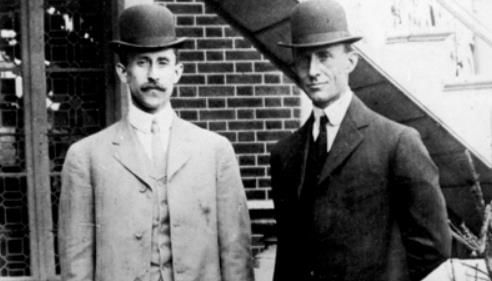
The Wright Brothers are known for the _____________
- a)automobile
- b)bicycle
- c)steamboat
- d)airplane
Correct answer is option 'D'. Can you explain this answer?
The Wright Brothers are known for the _____________
a)
automobile
b)
bicycle
c)
steamboat
d)
airplane
 | Pranav Singh answered |
Wilbur and Orville Wright were American inventors and pioneers of aviation. In 1903 the Wright brothers achieved the first powered, sustained and controlled airplane flight; they surpassed their own milestone two years later when they built and flew the first fully practical airplane.

Henry Ford made cars easier to__________- a)drive
- b)build
- c)steal
- d)fly
Correct answer is option 'B'. Can you explain this answer?
Henry Ford made cars easier to__________
a)
drive
b)
build
c)
steal
d)
fly
| | Pranav Singh answered |
On December 1, 1913, Henry Ford installs the first moving assembly line for the mass production of an entire automobile. His innovation reduced the time it took to build a car from more than 12 hours to one hour and 33 minutes.
With transportation, manufacturing is simpler to do. What is manufacturing?- a)business to make products to sell
- b)the business to buy products
- c)business to teach others to drive
- d)Henry Ford's factory
Correct answer is option 'A'. Can you explain this answer?
With transportation, manufacturing is simpler to do. What is manufacturing?
a)
business to make products to sell
b)
the business to buy products
c)
business to teach others to drive
d)
Henry Ford's factory
| | Pranav Singh answered |
Manufacturing is the making of goods by hand or by machine that upon completion the business sells to a customer. Items used in manufacture may be raw materials or component parts of a larger product. The manufacturing usually happens on a large-scale production line of machinery and skilled labor.
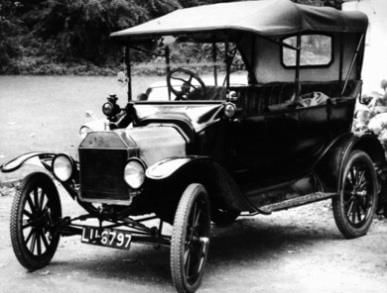
What is this?
- a)Locomotive
- b)Ford Model T
- c)Shuttle
- d)Submarine
Correct answer is option 'B'. Can you explain this answer?
What is this?
a)
Locomotive
b)
Ford Model T
c)
Shuttle
d)
Submarine
| | Pranav Singh answered |
The Model T is Ford's universal car that put the world on wheels. The Model T was introduced to the world in 1908.
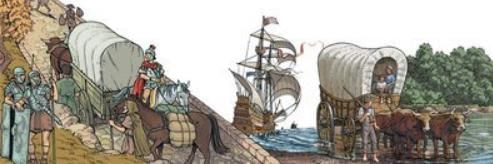
In earlier times, what did people use as transportation?
- a)walking,boats, & airplanes
- b)walking, boats, & carriages
- c)walking, boats, and submarines
- d)walking, boats, helicopters
Correct answer is option 'B'. Can you explain this answer?
In earlier times, what did people use as transportation?
a)
walking,boats, & airplanes
b)
walking, boats, & carriages
c)
walking, boats, and submarines
d)
walking, boats, helicopters
 | Anjali Gupta answered |
In ancient times, people crafted simple boats out of logs, walked, rode animals and, later, devised wheeled vehicles to move from place to place. They used existing waterways or simple roads for transportation. Ancient people also constructed artificial waterways called canals to move goods from place to place.
Transportation is________- a)To move from place to place
- b)To move and never return
- c)To move and build a new home
- d)To move communities
Correct answer is option 'A'. Can you explain this answer?
Transportation is________
a)
To move from place to place
b)
To move and never return
c)
To move and build a new home
d)
To move communities
| | Anjali Gupta answered |
Transport or transportation is the movement of humans, animals, and goods from one location to another. In other words, the action of transport is defined as a particular movement of an organism or thing from a point A to a point B. Modes of transport include air, land, water, cable, pipeline, and space.
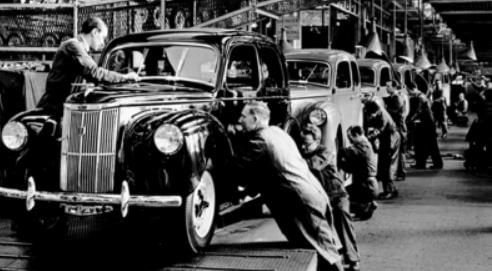
This would be an example of an_________
- a)transportation
- b)cars
- c)assembly line
- d)steamboat
Correct answer is option 'C'. Can you explain this answer?
This would be an example of an_________
a)
transportation
b)
cars
c)
assembly line
d)
steamboat
| | Anjali Gupta answered |
An assembly line is a production process that divides labor by breaking up the manufacture of a product into steps that are completed in a pre-defined sequence. Assembly lines were used in the late 1800s when workers used pulley systems to move products from one station to the next.
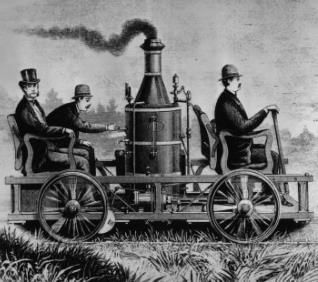
This invention is known as the_____________________, invented 1769.
- a)Steamboat
- b)RoadVehicle
- c)Locomotive
- d)Airplane
Correct answer is option 'B'. Can you explain this answer?
This invention is known as the_____________________, invented 1769.
a)
Steamboat
b)
RoadVehicle
c)
Locomotive
d)
Airplane
| | Anjali Gupta answered |
In 1769, the very first self-propelled road vehicle was a military tractor invented by French engineer and mechanic, Nicolas Joseph Cugnot (1725 - 1804).
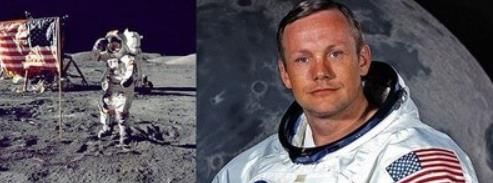
Who was the astronaut who first walked on the Moon?
- a)Buzz Lightyear
- b)Buzz Aldrin
- c)Neil Young
- d)Neil Armstrong
Correct answer is option 'D'. Can you explain this answer?
Who was the astronaut who first walked on the Moon?
a)
Buzz Lightyear
b)
Buzz Aldrin
c)
Neil Young
d)
Neil Armstrong
| | Pranav Singh answered |
Commander Neil Armstrong and lunar module pilot Buzz Aldrin formed the American crew that landed the Apollo Lunar Module Eagle on July 20, 1969, at 20:17 UTC. Armstrong became the first person to step onto the lunar surface six hours and 39 minutes later on July 21 at 02:56 UTC; Aldrin joined him 19 minutes later.
People wanted _______ to improve to make it easier to travel.- a)communication
- b)education
- c)government
- d)transportation
Correct answer is option 'D'. Can you explain this answer?
People wanted _______ to improve to make it easier to travel.
a)
communication
b)
education
c)
government
d)
transportation
| | Anjali Gupta answered |
Transport infrastructure is one of the most important factors for a country's progress. It has been proven by so many instances how transport infrastructure has added speed and efficiency to a country's progress. Good physical connectivity in the urban and rural areas is essential for economic growth.
Chapter doubts & questions for Transportation - Social Science for Class 3 2026 is part of Class 3 exam preparation. The chapters have been prepared according to the Class 3 exam syllabus. The Chapter doubts & questions, notes, tests & MCQs are made for Class 3 2026 Exam. Find important definitions, questions, notes, meanings, examples, exercises, MCQs and online tests here.
Chapter doubts & questions of Transportation - Social Science for Class 3 in English & Hindi are available as part of Class 3 exam. Download more important topics, notes, lectures and mock test series for Class 3 Exam by signing up for free.
Social Science for Class 319 videos|92 docs|22 tests |
