


All Exams > Class 8 > Science Class 8 > All Questions
All questions of Crop Production and Management for Class 8 Exam
Which of the following tools would a farmer use to remove weeds from the field?- a)Hoe
- b)Axe
- c)Plough
- d)Cultivator
Correct answer is option 'A'. Can you explain this answer?
Which of the following tools would a farmer use to remove weeds from the field?
a)
Hoe
b)
Axe
c)
Plough
d)
Cultivator
 | Aditya Shah answered |
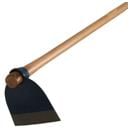
Option A: Hoe is used to remove weeds and to loosen the soil. Hoe works like a blade. Below is the image of Hoe.
Option B: Axe is used to cut the trees.
Option C: Plough is used for tilling the soil.
Option D: The cultivator is used for ploughing.
Option C: Plough is used for tilling the soil.
Option D: The cultivator is used for ploughing.
Thus, option A is correct.

Cutting mature crop manually or by a machine is called:- a)Irrigating
- b)Harvesting
- c)Breeding
- d)Weeding
Correct answer is option 'B'. Can you explain this answer?
Cutting mature crop manually or by a machine is called:
a)
Irrigating
b)
Harvesting
c)
Breeding
d)
Weeding
| | Anita Menon answered |
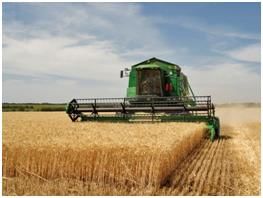
The process of cutting the mature crop manually or by machine is called harvesting. The crops are pulled out or cut close to the ground.
In ancient cultures, process of separating grains from chaff is :- a)Buffering
- b)Harvesting
- c)Wind Winnowing
- d)None of these
Correct answer is option 'C'. Can you explain this answer?
In ancient cultures, process of separating grains from chaff is :
a)
Buffering
b)
Harvesting
c)
Wind Winnowing
d)
None of these
 | Akshita Bose answered |
Wind winnowing is an agricultural method developed by ancient cultures for separating grain from chaff. It is also used to remove hay and chaff or other pests from stored grain.
Any plant cultivated at a large stretch of land is called :- a)crop
- b)weed
- c)cereal
- d)fibre
Correct answer is option 'A'. Can you explain this answer?
Any plant cultivated at a large stretch of land is called :
a)
crop
b)
weed
c)
cereal
d)
fibre
 | Rohini Seth answered |
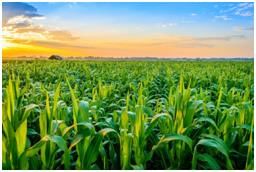
When plants of the same kind are grown and cultivated in one place on large scale, it is called a crop.
Example: Crop of wheat, crop of rice, etc.
Example: Crop of wheat, crop of rice, etc.
The monsoon season in India is during the months:- a)April to December
- b)June to September
- c)November to March
- d)January to May
Correct answer is option 'B'. Can you explain this answer?
The monsoon season in India is during the months:
a)
April to December
b)
June to September
c)
November to March
d)
January to May
| | Amit Sharma answered |
Monsoon or rainy season, lasting from June to September. The season is dominated by the humid southwest summer monsoon, which slowly sweeps across the country beginning in late May or early June. Monsoon rains begin to recede from North India at the beginning of October. South India typically receives more rainfall.
Which irrigation system is most suitable for uneven land with insufficient water availability?- a)Drip system
- b)Flood irrigation
- c)Sprinkler system
- d)Furrow irrigation
Correct answer is option 'C'. Can you explain this answer?
a)
Drip system
b)
Flood irrigation
c)
Sprinkler system
d)
Furrow irrigation
 | Divey Sethi answered |
The sprinkler system is ideal for uneven land with insufficient water availability because it mimics rainfall by dispersing water through rotating nozzles. This method ensures even distribution of water across various terrains and is effective for areas where water resources are limited.
Which of the following statements can be regarded as an advantage of seed drill?- a)Avoiding overcrowding allows plants to get sufficient sunlight and nutrients.
- b)Seed drill reduces time and labour.
- c)It ensures seeds get covered by the soil after sowing, preventing damage caused by birds.
- d)All of the above.
Correct answer is option 'D'. Can you explain this answer?
Which of the following statements can be regarded as an advantage of seed drill?
a)
Avoiding overcrowding allows plants to get sufficient sunlight and nutrients.
b)
Seed drill reduces time and labour.
c)
It ensures seeds get covered by the soil after sowing, preventing damage caused by birds.
d)
All of the above.
 | Shubham Sharma answered |
Nowadays, the seed drill is used for sowing with the help of tractors. This tool sows the seeds uniformly at proper distances and depths. It ensures that seeds get covered by the soil after sowing. This prevents damage caused by birds. Sowing by using a seed drill saves time and labour.
What practice can help in replenishing the soil with nitrogen?- a)Continuous cultivation of the same crop
- b)Using synthetic fertilizers exclusively
- c)Growing legumes in rotation
- d)Leaving the field uncultivated
Correct answer is option 'C'. Can you explain this answer?
a)
Continuous cultivation of the same crop
b)
Using synthetic fertilizers exclusively
c)
Growing legumes in rotation
d)
Leaving the field uncultivated
 | Trisha Vashisht answered |
Growing legumes in rotation helps in replenishing the soil with nitrogen. Legumes have the ability to fix atmospheric nitrogen into the soil through their root nodules, enriching the soil with this essential nutrient. This practice is part of crop rotation strategies that enhance soil fertility naturally and sustainably.
Animal husbandry is the scientific management of(i) Animal breeding(ii) Growing of crops(iii) Animal livestock(iv) Rearing of animals- a)(i), (ii) and (iii)
- b)(ii), (iii) and (iv)
- c)(i), (ii) and (iv)
- d)(i), (iii) and (iv)
Correct answer is option 'D'. Can you explain this answer?
Animal husbandry is the scientific management of
(i) Animal breeding
(ii) Growing of crops
(iii) Animal livestock
(iv) Rearing of animals
a)
(i), (ii) and (iii)
b)
(ii), (iii) and (iv)
c)
(i), (ii) and (iv)
d)
(i), (iii) and (iv)
 | Dr. Ramanujam.s answered |
Animal husbandry is the breeding of animals mostly by farmers for animal products. Here there is no agricultural practice of crops, so answer is D.
The soil matter formed by decayed organic matter is called- a)pesticide
- b)fertiliser
- c)humus
- d)biocide
Correct answer is option 'C'. Can you explain this answer?
The soil matter formed by decayed organic matter is called
a)
pesticide
b)
fertiliser
c)
humus
d)
biocide
 | Nayanika Das answered |
Humus
Humus is the soil matter formed by the decay of organic matter such as dead plants, leaves, and other materials. It is a dark, organic material that provides numerous benefits to soil health and fertility. Here are some key points to understand about humus:
Nutrient-rich
Humus is rich in nutrients like nitrogen, phosphorus, and potassium, which are essential for plant growth. These nutrients are released slowly over time, providing a steady supply for plants to absorb.
Improves soil structure
Humus helps improve soil structure by binding particles together, creating aggregates that allow for better water infiltration and root growth. It also helps prevent soil erosion by holding soil in place.
Enhances water retention
Humus has a high water-holding capacity, which helps soil retain moisture and reduces the need for frequent watering. This is especially beneficial during dry periods when water availability is limited.
Promotes microbial activity
Humus provides a habitat for beneficial soil microorganisms, such as bacteria and fungi, which play a crucial role in nutrient cycling and plant health. These microorganisms break down organic matter further, releasing more nutrients for plants.
In conclusion, humus is a vital component of healthy soil that supports plant growth and overall soil fertility. Its presence in the soil is essential for sustaining agricultural productivity and ecosystem health.
Humus is the soil matter formed by the decay of organic matter such as dead plants, leaves, and other materials. It is a dark, organic material that provides numerous benefits to soil health and fertility. Here are some key points to understand about humus:
Nutrient-rich
Humus is rich in nutrients like nitrogen, phosphorus, and potassium, which are essential for plant growth. These nutrients are released slowly over time, providing a steady supply for plants to absorb.
Improves soil structure
Humus helps improve soil structure by binding particles together, creating aggregates that allow for better water infiltration and root growth. It also helps prevent soil erosion by holding soil in place.
Enhances water retention
Humus has a high water-holding capacity, which helps soil retain moisture and reduces the need for frequent watering. This is especially beneficial during dry periods when water availability is limited.
Promotes microbial activity
Humus provides a habitat for beneficial soil microorganisms, such as bacteria and fungi, which play a crucial role in nutrient cycling and plant health. These microorganisms break down organic matter further, releasing more nutrients for plants.
In conclusion, humus is a vital component of healthy soil that supports plant growth and overall soil fertility. Its presence in the soil is essential for sustaining agricultural productivity and ecosystem health.
Paddy and maize are the examples of ___________.- a)Zaid crops
- b)Rabi crops
- c)Kharif crops
- d)None of these
Correct answer is option 'C'. Can you explain this answer?
Paddy and maize are the examples of ___________.
a)
Zaid crops
b)
Rabi crops
c)
Kharif crops
d)
None of these
| | Shubham Sharma answered |
Paddy, maize are examples of Kharif crops because they require a lot of water so they are cultivated in rainy season.
Cutting mature crop manually or by a machine is called:- a)Irrigating
- b)Harvesting
- c)Breeding
- d)Weeding
Correct answer is 'B'. Can you explain this answer?
Cutting mature crop manually or by a machine is called:
a)
Irrigating
b)
Harvesting
c)
Breeding
d)
Weeding
 | Tejas Iyer answered |
The process of cutting mature crop manually or by machine is called harvesting. In harvesting, crops are pulled out or cut close to the ground.
Name the crops which are grown in winter season.- a)Crops
- b)Rabi crops
- c)Kharif crops
- d)None of these
Correct answer is option 'B'. Can you explain this answer?
Name the crops which are grown in winter season.
a)
Crops
b)
Rabi crops
c)
Kharif crops
d)
None of these
 | Vivek Rana answered |
The Rabi means when the crop is harvested. Crops that are grown in the winter season, from November to April are called Rabi Crops. Some of the important rabi crops are wheat, barley, peas, gram, and mustard.
Cutting mature crop manually or by a machine is called:- a)Irrigating
- b)Harvesting
- c)Breeding
- d)Weeding
Correct answer is option 'B'. Can you explain this answer?
Cutting mature crop manually or by a machine is called:
a)
Irrigating
b)
Harvesting
c)
Breeding
d)
Weeding
| | Sarita Verma answered |
The cutting of crop after it is mature is called harvesting. In harvesting, crops are pulled out or cut close to the ground. It usually takes 3 to 4 months for a cereal crop to mature. Harvesting in our country is either done manually by sickle or by a machine called harvester.
Why should farmers use protective measures while spraying weedicides?- a)To avoid reducing soil fertility
- b)To prevent chemical reactions with other substances
- c)To protect themselves from potential health risks
- d)To ensure effective weed control
Correct answer is option 'C'. Can you explain this answer?
a)
To avoid reducing soil fertility
b)
To prevent chemical reactions with other substances
c)
To protect themselves from potential health risks
d)
To ensure effective weed control
 | Upsc Toppers answered |
Farmers should use protective measures, such as covering their nose and mouth, while spraying weedicides to protect themselves from potential health risks. Weedicides can be harmful if inhaled or if they come into contact with the skin, so proper precautions are essential for safety.
Which of the following crops is NOT classified as a Kharif crop?- a)Paddy
- b)Maize
- c)Groundnut
- d)Linseed
Correct answer is option 'D'. Can you explain this answer?
Which of the following crops is NOT classified as a Kharif crop?
a)
Paddy
b)
Maize
c)
Groundnut
d)
Linseed
 | EduRev Class 8 answered |
- Linseed is not classified as a Kharif crop; it is a Rabi crop grown in the winter season from October to March.
- Kharif crops like paddy, maize, and groundnut are typically sown in the rainy season from June to September.
Read the following statements:
i. Tilling uproots all unwanted plants.
ii. Tilling loosens the soil and mixes fertilisers.- a)Statement i) is wrong and ii) is correct
- b)Statement ii) is wrong and i) is correct
- c)both are wrong
- d)both are correct
Correct answer is option 'D'. Can you explain this answer?
Read the following statements:
i. Tilling uproots all unwanted plants.
ii. Tilling loosens the soil and mixes fertilisers.
i. Tilling uproots all unwanted plants.
ii. Tilling loosens the soil and mixes fertilisers.
a)
Statement i) is wrong and ii) is correct
b)
Statement ii) is wrong and i) is correct
c)
both are wrong
d)
both are correct
 | Arpita Basu answered |
The process of loosing and turning of the soil is called tilling. Tilling uproots all unwanted plants and loosens the soil and mixes the organic fertilizers with soil.
The supply of water to crops at regular intervals is called ____________.- a)Crop rotation
- b)Irrigation
- c)Manure
- d)None of these
Correct answer is option 'B'. Can you explain this answer?
The supply of water to crops at regular intervals is called ____________.
a)
Crop rotation
b)
Irrigation
c)
Manure
d)
None of these
| | Vivek Rana answered |
The supply of water to crops at regular intervals is called irrigation.
What material is commonly used in modern ploughs to replace the traditional wooden design?- a)Plastic
- b)Iron
- c)Stone
- d)Bamboo
Correct answer is option 'B'. Can you explain this answer?
What material is commonly used in modern ploughs to replace the traditional wooden design?
a)
Plastic
b)
Iron
c)
Stone
d)
Bamboo
| | Trisha Vashisht answered |
- Modern ploughs are increasingly being made of iron, replacing the traditional wooden ploughs.
- Iron ploughs are more durable and efficient, allowing for better soil preparation and increased longevity compared to their wooden counterparts.
Which tool is used for manual removal of weeds by uprooting them?- a)Seed drill
- b)Plough
- c)Khurpi
- d)Harrow
Correct answer is option 'C'. Can you explain this answer?
a)
Seed drill
b)
Plough
c)
Khurpi
d)
Harrow
 | Upsc Rank Holders answered |
A khurpi is used for the manual removal of weeds by uprooting them. It is a small, hand-held tool that helps in physically removing weeds from the soil, which is crucial for maintaining healthy crop growth.
Given below are statements about the harmful effects of weeds on crop plants.(i)They interfere while harvesting.(ii)They help crop plants thrive.(iii)They compete with crop plants for water, nutrients, space, and light.(iv)They affect plant growth.Choose the correct statements from above.- a)(i), (iii) and (iv)
- b)(iii) only
- c)(iii) and (iv)
- d)(i), (ii), (iii) and (iv)
Correct answer is option 'A'. Can you explain this answer?
Given below are statements about the harmful effects of weeds on crop plants.
(i)They interfere while harvesting.
(ii)They help crop plants thrive.
(iii)They compete with crop plants for water, nutrients, space, and light.
(iv)They affect plant growth.
Choose the correct statements from above.
a)
(i), (iii) and (iv)
b)
(iii) only
c)
(iii) and (iv)
d)
(i), (ii), (iii) and (iv)
| | Shubham Sharma answered |
Weeds compete with crops for one or more plant growth factors such as mineral nutrients, water, solar energy, and space and they hinder crop cultivation operations. Competition for mineral nutrients: Being hardy and vigorous in growth habit; they soon outgrow the crops and consume large amounts of water and nutrients.
What is one disadvantage of excessive use of fertilizers?- a)It can lead to reduced soil structure stability
- b)It can decrease the soil's ability to retain moisture
- c)All of these
- d)It can lead to water pollution
Correct answer is option 'C'. Can you explain this answer?
What is one disadvantage of excessive use of fertilizers?
a)
It can lead to reduced soil structure stability
b)
It can decrease the soil's ability to retain moisture
c)
All of these
d)
It can lead to water pollution
| | EduRev Class 8 answered |
Excessive use of fertilizers can lead to water pollution. When fertilizers are used in high quantities, they can wash into water bodies through runoff, causing nutrient overload that leads to problems such as algal blooms. These blooms deplete oxygen in the water, harming aquatic ecosystems. While fertilizers boost crop yield, their overuse poses significant environmental challenges.
Which are the different traditional methods of irrigation?- a)Chain pump
- b)Dhekli
- c)Rahat
- d)All of the above
Correct answer is option 'D'. Can you explain this answer?
Which are the different traditional methods of irrigation?
a)
Chain pump
b)
Dhekli
c)
Rahat
d)
All of the above
| | Aditya Shah answered |
- Chain pump: A chain pump consists of two large wheels connected by a chain.
- Dhekli: It is a process of drawing water from a well or such similar source.
- Rahat: Rahat is a technology of manpower for lifting water from well. It is completely made of iron.
The last step in crop production is- a)Soil preparation
- b)Crop harvesting
- c)Irrigation
- d)Sowing
Correct answer is option 'B'. Can you explain this answer?
The last step in crop production is
a)
Soil preparation
b)
Crop harvesting
c)
Irrigation
d)
Sowing
 | Rohit Sharma answered |
The final step is Harvesting, and Sickles are usually used for harvesting.
The bacteria present in root nodules of leguminous plants that fix the atmospheric nitrogen is- a)Rhizobium
- b)Blue-green algae
- c)Nitrifying bacteria
- d)Paramoecium
Correct answer is option 'A'. Can you explain this answer?
The bacteria present in root nodules of leguminous plants that fix the atmospheric nitrogen is
a)
Rhizobium
b)
Blue-green algae
c)
Nitrifying bacteria
d)
Paramoecium
| | Aditya Shah answered |
The Rhizobium or Bradyrhizobium bacteria colonize the host plant's root system and cause the roots to form nodules to house the bacteria. The bacteria then begin to fix the nitrogen required by the plant.
_______farming includes cattle, goat, sheep, poultry, and fish farming.- a)Animal-based
- b)Plant-based
- c)both (A) and (B)
- d)none of these
Correct answer is option 'A'. Can you explain this answer?
_______farming includes cattle, goat, sheep, poultry, and fish farming.
a)
Animal-based
b)
Plant-based
c)
both (A) and (B)
d)
none of these
| | Vivek Rana answered |
Animal-based farming includes different types of farming like cattle farming, goat farming, sheep farming, poultry farming, and fish farming.
What happens if weeds are allowed to produce flowers and seeds?- a)They become less harmful
- b)They decrease soil fertility
- c)They spread and increase their numbers
- d)They improve crop yield
Correct answer is option 'C'. Can you explain this answer?
a)
They become less harmful
b)
They decrease soil fertility
c)
They spread and increase their numbers
d)
They improve crop yield
 | S.S Career Academy answered |
If weeds are allowed to produce flowers and seeds, they will spread and increase in number, which can lead to more competition with crops for resources. Managing weeds before they flower and seed is crucial to prevent their proliferation and protect crop yields.
Which system is a boon in regions of low availability of water?- a)Sprinkler system
- b)Rahat
- c)Drip system
- d)Dhekli
Correct answer is option 'C'. Can you explain this answer?
Which system is a boon in regions of low availability of water?
a)
Sprinkler system
b)
Rahat
c)
Drip system
d)
Dhekli
| | Shubham Sharma answered |
Drip irrigation is a type of micro-irrigation system that has the potential to save water and nutrients by allowing water to drip slowly to the roots of plants, either from above the soil surface or buried below the surface. The goal is to place water directly into the root zone and minimize evaporation.
Which of the following can be obtained from fishes?- a)Proteins and vitamin D
- b)Wool
- c)Oil
- d)Both A and C
Correct answer is option 'D'. Can you explain this answer?
Which of the following can be obtained from fishes?
a)
Proteins and vitamin D
b)
Wool
c)
Oil
d)
Both A and C
| | Rohit Sharma answered |
Fish can be obtained in two ways
1) Capture fishing is the process of obtaining fish from natural resources.
2) Culture fishery: it is the practice of farming fishes. Farming can be done in both freshwater ecosystem ( which includes river water, pond water ) and marine ecosystem.
Which practice helps in replenishing soil nutrients through crop rotation?- a)Using chemical fertilizers
- b)Growing different crops alternately
- c)Applying organic manure
- d)Using a plough
Correct answer is option 'B'. Can you explain this answer?
a)
Using chemical fertilizers
b)
Growing different crops alternately
c)
Applying organic manure
d)
Using a plough
 | Future Foundation Institute answered |
Crop rotation involves growing different crops alternately to replenish soil nutrients. This practice helps in maintaining soil fertility and reducing the risk of soil depletion and pest infestations.
Which tool is commonly used to sow seeds at appropriate depths?- a)Hoe
- b)Plough
- c)Seed drill
- d)Leveller
Correct answer is option 'C'. Can you explain this answer?
a)
Hoe
b)
Plough
c)
Seed drill
d)
Leveller
 | Garima Rane answered |
Understanding Seed Drills
The seed drill is an important agricultural invention that has revolutionized the way seeds are sown, ensuring efficiency and effectiveness in farming practices.
Functionality of Seed Drills
- Precision Sowing: Seed drills are designed to sow seeds at a specific depth, which is crucial for optimal germination and growth. This ensures that seeds are not too deep or too shallow, both of which can hinder plant development.
- Uniform Distribution: Unlike traditional methods, seed drills can distribute seeds uniformly across the field. This uniformity minimizes competition among plants for sunlight, nutrients, and water, leading to healthier crop yields.
Comparison with Other Tools
- Hoe: While a hoe is useful for tilling and weeding, it does not provide the precision needed for sowing seeds at the right depth.
- Plough: A plough is primarily used for breaking up and turning the soil. It prepares the land for planting but does not assist in the actual sowing of seeds.
- Leveller: A leveller is used to create a flat surface for planting. It helps in land preparation but does not facilitate the sowing process itself.
Conclusion
In conclusion, the seed drill is the most effective tool for sowing seeds at appropriate depths, ensuring uniformity and promoting robust crop growth. Its invention marked a significant advancement in agricultural practices, making it an indispensable tool for modern farming.
The seed drill is an important agricultural invention that has revolutionized the way seeds are sown, ensuring efficiency and effectiveness in farming practices.
Functionality of Seed Drills
- Precision Sowing: Seed drills are designed to sow seeds at a specific depth, which is crucial for optimal germination and growth. This ensures that seeds are not too deep or too shallow, both of which can hinder plant development.
- Uniform Distribution: Unlike traditional methods, seed drills can distribute seeds uniformly across the field. This uniformity minimizes competition among plants for sunlight, nutrients, and water, leading to healthier crop yields.
Comparison with Other Tools
- Hoe: While a hoe is useful for tilling and weeding, it does not provide the precision needed for sowing seeds at the right depth.
- Plough: A plough is primarily used for breaking up and turning the soil. It prepares the land for planting but does not assist in the actual sowing of seeds.
- Leveller: A leveller is used to create a flat surface for planting. It helps in land preparation but does not facilitate the sowing process itself.
Conclusion
In conclusion, the seed drill is the most effective tool for sowing seeds at appropriate depths, ensuring uniformity and promoting robust crop growth. Its invention marked a significant advancement in agricultural practices, making it an indispensable tool for modern farming.
Coconut provides us mainly :- a)protein
- b)milk
- c)fat
- d)carbohydrate
Correct answer is option 'C'. Can you explain this answer?
Coconut provides us mainly :
a)
protein
b)
milk
c)
fat
d)
carbohydrate
 | Roshni Chopra answered |
The correct answer is A as Coconut provides us protein
What is the primary purpose of adding manure to the soil?- a)To improve soil texture and water retention
- b)To increase soil acidity
- c)To prevent soil erosion
- d)To kill pests and diseases
Correct answer is option 'A'. Can you explain this answer?
a)
To improve soil texture and water retention
b)
To increase soil acidity
c)
To prevent soil erosion
d)
To kill pests and diseases
| | EduRev Class 8 answered |
Adding manure to the soil primarily improves its texture and water retention capacity. Manure, being an organic substance, enriches the soil with essential nutrients, which helps in maintaining soil fertility and promotes healthy plant growth. This practice also helps in replenishing the nutrients that may have been depleted by continuous cultivation.
Why is it important to prepare the soil before growing a crop?- a)To make the soil hard
- b)To help roots grow deep
- c)To dry out the soil
- d)To keep the soil wet
Correct answer is option 'B'. Can you explain this answer?
Why is it important to prepare the soil before growing a crop?
a)
To make the soil hard
b)
To help roots grow deep
c)
To dry out the soil
d)
To keep the soil wet
| | EduRev Class 8 answered |
- Before growing a crop, it's essential to prepare the soil so that the roots can grow deep and strong.
- When the soil is loose and turned, roots can easily go deep inside and get the nutrients they need to grow well.
- This helps the plants become healthy and produce good crops.
The process of loosening and turning of the soil is called _____.- a)Planting
- b)Harvesting
- c)Tilling
- d)Watering
Correct answer is option 'C'. Can you explain this answer?
a)
Planting
b)
Harvesting
c)
Tilling
d)
Watering
 | Tutorpedia Coaching answered |
Tilling means loosening and turning the soil before planting crops. It helps the roots to grow well and allows air and water to reach them easily.
What do we call crops that are sown during the rainy season in India?- a)Plants
- b)Kharif Crops
- c)Winter Crops
- d)Summer Crops
Correct answer is option 'B'. Can you explain this answer?
What do we call crops that are sown during the rainy season in India?
a)
Plants
b)
Kharif Crops
c)
Winter Crops
d)
Summer Crops
| | Yash Sharma answered |
Kharif Crops
Kharif crops are crops that are sown during the rainy season in India. These crops are typically sown in June or July and harvested in September or October. Kharif crops are an essential part of India's agricultural cycle and play a crucial role in the country's economy.
Characteristics of Kharif Crops
- Kharif crops are known for their ability to thrive in the monsoon season, making use of the ample rainfall.
- Some examples of Kharif crops include rice, maize, millet, cotton, and groundnut.
- These crops are well-suited to the warm and wet conditions of the monsoon season.
Importance of Kharif Crops
- Kharif crops are vital for ensuring food security in India, as they contribute significantly to the country's food supply.
- They also play a crucial role in supporting the livelihoods of millions of farmers across the country.
- The success of Kharif crops can have a significant impact on the overall agricultural output of India.
In conclusion, Kharif crops are an essential part of India's agricultural landscape, providing food security, supporting livelihoods, and contributing significantly to the economy.
What is the main difference between Kharif and Rabi crops?- a)Kharif crops are grown in winter; Rabi crops are grown in rainy season
- b)Kharif crops are harvested in summer; Rabi crops are harvested in autumn
- c)Kharif crops need more water; Rabi crops need cooler temperatures
- d)Kharif crops are vegetables; Rabi crops are cereals
Correct answer is option 'C'. Can you explain this answer?
What is the main difference between Kharif and Rabi crops?
a)
Kharif crops are grown in winter; Rabi crops are grown in rainy season
b)
Kharif crops are harvested in summer; Rabi crops are harvested in autumn
c)
Kharif crops need more water; Rabi crops need cooler temperatures
d)
Kharif crops are vegetables; Rabi crops are cereals
| | Trisha Vashisht answered |
Kharif crops are sown at the beginning of the rainy season (around June) and harvested in autumn. They require more water because they grow during the monsoon. Examples include rice, maize, and cotton.
Rabi crops are sown in winter (around October–November) and harvested in spring. They grow in cooler temperatures and need less water. Examples include wheat, barley, and mustard.
Other options are incorrect because:
a) Kharif crops are grown in rainy season, not winter; Rabi crops are grown in winter.
b) Harvesting times mentioned are not accurate.
d) Kharif and Rabi crops include both cereals and vegetables, not strictly one type.
a) Kharif crops are grown in rainy season, not winter; Rabi crops are grown in winter.
b) Harvesting times mentioned are not accurate.
d) Kharif and Rabi crops include both cereals and vegetables, not strictly one type.
Why is it important to remove weeds from the field?- a)To increase soil fertility
- b)To prevent competition with crop plants for resources
- c)To reduce the spread of pests and diseases
- d)To promote biodiversity in the field
Correct answer is option 'B'. Can you explain this answer?
Why is it important to remove weeds from the field?
a)
To increase soil fertility
b)
To prevent competition with crop plants for resources
c)
To reduce the spread of pests and diseases
d)
To promote biodiversity in the field
 | C K Academy answered |
- It is important to remove weeds from the field so that they don't compete with the crop plants for things like water, nutrients, space, and sunlight.
- This competition can make it hard for the crop plants to grow well.
- When we remove the weeds, the crop plants have more space and resources to grow nicely.
Rabi crops are grown _________________- a)Autumn
- b)Summer
- c)Winter
- d)Spring
Correct answer is option 'C'. Can you explain this answer?
Rabi crops are grown _________________
a)
Autumn
b)
Summer
c)
Winter
d)
Spring
| | Aditya Shah answered |
The crops grown in the winter season are called rabi crops. Their period is generally from October to March. Examples of rabi crops are wheat, gram, pea, mustard, and linseed.
Name the substances which are added to the soil in the form of nutrients for the healthy growth of plants.- a)Manure
- b)Garbage
- c)Sowing
- d)None of these
Correct answer is option 'A'. Can you explain this answer?
Name the substances which are added to the soil in the form of nutrients for the healthy growth of plants.
a)
Manure
b)
Garbage
c)
Sowing
d)
None of these
| | Shubham Sharma answered |
The substances which are added to the soil in the form of nutrients for the healthy growth of plants are called minerals. These can be organic termed as manure or inorganic termed as fertilizers.
Which of the following has high nutrient content but can cause side effects?- a)Manure
- b)Biofertilizer
- c)Fertilizer
- d)All of the above
Correct answer is option 'C'. Can you explain this answer?
Which of the following has high nutrient content but can cause side effects?
a)
Manure
b)
Biofertilizer
c)
Fertilizer
d)
All of the above
| | Vivek Rana answered |
Fertilizers, chemically synthesized substances that are rich in plant nutrients such as NPK. They are artificially made but have a rapid response. Overuse of fertilizers can cause negative effects like loose soil fertility, bioaccumulation, etc.
What is the primary difference between rabi and kharif crops?- a)The type of soil they are grown in
- b)The depth at which they are sown
- c)The seasons in which they are cultivated
- d)The method of irrigation used
Correct answer is option 'C'. Can you explain this answer?
a)
The type of soil they are grown in
b)
The depth at which they are sown
c)
The seasons in which they are cultivated
d)
The method of irrigation used
| | Nidhi Shah answered |
Primary Difference Between Rabi and Kharif Crops
The distinction between rabi and kharif crops primarily lies in the seasons in which they are cultivated.
Rabi Crops
- Rabi crops are sown in the winter season, typically between October and December.
- They are harvested in the spring, around March to April.
- Common examples include wheat, barley, peas, and mustard.
- These crops rely on the residual moisture from the monsoon season and are often irrigated during their growth.
Kharif Crops
- Kharif crops are sown with the onset of the monsoon, between June and July.
- They are harvested at the end of the monsoon season, around September to October.
- Examples include rice, maize, cotton, and soybean.
- These crops depend heavily on the rainfall and are less irrigated compared to rabi crops.
Key Differences
- The most significant factor in differentiating rabi and kharif crops is the climatic conditions during cultivation.
- Rabi crops thrive in cooler temperatures and require less water, while kharif crops flourish in warm, wet conditions.
- Understanding these seasonal patterns is crucial for effective agricultural planning and crop management.
In summary, the primary difference between rabi and kharif crops is their cultivation seasons, which influences their growth requirements and agricultural practices.
The distinction between rabi and kharif crops primarily lies in the seasons in which they are cultivated.
Rabi Crops
- Rabi crops are sown in the winter season, typically between October and December.
- They are harvested in the spring, around March to April.
- Common examples include wheat, barley, peas, and mustard.
- These crops rely on the residual moisture from the monsoon season and are often irrigated during their growth.
Kharif Crops
- Kharif crops are sown with the onset of the monsoon, between June and July.
- They are harvested at the end of the monsoon season, around September to October.
- Examples include rice, maize, cotton, and soybean.
- These crops depend heavily on the rainfall and are less irrigated compared to rabi crops.
Key Differences
- The most significant factor in differentiating rabi and kharif crops is the climatic conditions during cultivation.
- Rabi crops thrive in cooler temperatures and require less water, while kharif crops flourish in warm, wet conditions.
- Understanding these seasonal patterns is crucial for effective agricultural planning and crop management.
In summary, the primary difference between rabi and kharif crops is their cultivation seasons, which influences their growth requirements and agricultural practices.
How does the drip irrigation system conserve water?- a)By allowing water to flow in large quantities
- b)By spraying water over the entire field
- c)By delivering water drop by drop directly to the roots
- d)By flooding the field
Correct answer is option 'C'. Can you explain this answer?
a)
By allowing water to flow in large quantities
b)
By spraying water over the entire field
c)
By delivering water drop by drop directly to the roots
d)
By flooding the field
 | Poulomi Nair answered |
Benefits of Drip Irrigation System in Conserving Water:
1. Precise Water Delivery:
Drip irrigation systems deliver water drop by drop directly to the roots of plants. This ensures that water is used efficiently without any wastage.
2. Reduced Evaporation:
Since water is delivered directly to the roots, there is minimal exposure to the air, leading to reduced evaporation compared to other irrigation methods like flood irrigation.
3. Minimized Runoff:
By providing water directly to the roots, drip irrigation reduces the chances of runoff. This helps in conserving water and preventing soil erosion.
4. Lower Weed Growth:
Since water is targeted specifically at the root zone of plants, there is less water available for weed growth. This helps in conserving water by minimizing the need for additional irrigation.
5. Increased Efficiency:
Drip irrigation systems are highly efficient in water usage as they deliver water precisely where it is needed. This helps in conserving water by avoiding overwatering or underwatering.
In conclusion, the drip irrigation system conserves water by delivering water drop by drop directly to the roots of plants, ensuring efficient use of water with minimal wastage.
1. Precise Water Delivery:
Drip irrigation systems deliver water drop by drop directly to the roots of plants. This ensures that water is used efficiently without any wastage.
2. Reduced Evaporation:
Since water is delivered directly to the roots, there is minimal exposure to the air, leading to reduced evaporation compared to other irrigation methods like flood irrigation.
3. Minimized Runoff:
By providing water directly to the roots, drip irrigation reduces the chances of runoff. This helps in conserving water and preventing soil erosion.
4. Lower Weed Growth:
Since water is targeted specifically at the root zone of plants, there is less water available for weed growth. This helps in conserving water by minimizing the need for additional irrigation.
5. Increased Efficiency:
Drip irrigation systems are highly efficient in water usage as they deliver water precisely where it is needed. This helps in conserving water by avoiding overwatering or underwatering.
In conclusion, the drip irrigation system conserves water by delivering water drop by drop directly to the roots of plants, ensuring efficient use of water with minimal wastage.
What is the time frame for a cereal crop to mature before harvesting?- a)1 to 2 weeks.
- b)3 to 4 months.
- c)6 to 8 months.
- d)None of these
Correct answer is option 'B'. Can you explain this answer?
What is the time frame for a cereal crop to mature before harvesting?
a)
1 to 2 weeks.
b)
3 to 4 months.
c)
6 to 8 months.
d)
None of these
 | T.S Academy answered |
Harvesting of a crop is an important task. The cutting of crop after it is mature is called harvesting. In harvesting, crops are pulled out or cut close to the ground. It usually takes 3 to 4 months for a cereal crop to mature.
What is the primary purpose of weeding in crop cultivation?- a)To add nutrients to the soil
- b)To prevent weeds from competing with crops
- c)To increase soil moisture
- d)To prepare the soil for planting
Correct answer is option 'B'. Can you explain this answer?
a)
To add nutrients to the soil
b)
To prevent weeds from competing with crops
c)
To increase soil moisture
d)
To prepare the soil for planting
 | Master Training Institute answered |
Weeding prevents weeds from competing with crops for essential resources such as water, nutrients, and light. By removing unwanted plants, farmers help ensure that the crops can grow more effectively and yield better results.
For farmers to decide which crop to be grown in the field depends upon :- a)water supply
- b)soil quality
- c)weather condition
- d)all of these
Correct answer is option 'D'. Can you explain this answer?
For farmers to decide which crop to be grown in the field depends upon :
a)
water supply
b)
soil quality
c)
weather condition
d)
all of these
| | Ritu Joshi answered |
After deciding what to grow, farmers often till the land by loosening the soil and mixing in fertilizers, which are nutrient rich. Then, they sow seeds or plant seedlings. When the crops are growing, farmers must water (or rely on rainfall), weed and kill crop pests.
The agricultural tool used to sow seeds- a)Drill
- b)wooden plank
- c)Leveller
- d)plough
Correct answer is option 'A'. Can you explain this answer?
The agricultural tool used to sow seeds
a)
Drill
b)
wooden plank
c)
Leveller
d)
plough
 | Saptarshi Mehta answered |
Drill
The agricultural tool used to sow seeds is a drill.
Explanation:
- Function: A drill is a specialized tool used for sowing seeds directly into the soil. It creates holes in the ground where seeds can be placed and covered.
- Types: There are different types of drills available for agricultural purposes, such as seed drills and direct drills. Seed drills are used for sowing seeds in rows at specific intervals, while direct drills are used for sowing seeds without prior soil cultivation.
- Operation: Farmers attach the drill to a tractor or other farm machinery, which drives the drill across the field. The drill drops seeds into the holes it creates, ensuring that they are planted at the correct depth and spacing.
- Advantages: Using a drill for sowing seeds helps farmers save time and effort compared to manual sowing methods. It also ensures more uniform seed placement, leading to better crop yields.
- Importance: Sowing seeds accurately and efficiently is crucial for a successful harvest in agriculture. The use of drills allows farmers to plant large areas of land quickly and effectively.
In conclusion, drills are essential agricultural tools that play a vital role in the process of sowing seeds and ensuring a productive crop yield.
_________are like artificial rainmakers.- a)Cloud seeding
- b)none of these
- c)Drought-Ridden
- d)Ice-nuclei seeding
Correct answer is option 'A'. Can you explain this answer?
_________are like artificial rainmakers.
a)
Cloud seeding
b)
none of these
c)
Drought-Ridden
d)
Ice-nuclei seeding
| | Rohit Sharma answered |
Cloud seeding is a type of weather modification that aims to change the amount or type of precipitation, mitigate hail or disperse fog
The rainy season in India generally starts from __________.- a)June to September
- b)October to March
- c)March to June
- d)None of these
Correct answer is option 'A'. Can you explain this answer?
The rainy season in India generally starts from __________.
a)
June to September
b)
October to March
c)
March to June
d)
None of these
| | Amrita Nair answered |
The Rainy Season in India
The rainy season, also known as the monsoon season, is a significant climatic period in India that plays a crucial role in agriculture and water supply.
Duration of the Monsoon
- The rainy season generally starts from June and continues until September.
- This period is characterized by the southwest monsoon winds that bring heavy rainfall across the country.
Weather Patterns
- The southwest monsoon arrives in India around the beginning of June, starting from the southwestern coast.
- As the monsoon progresses, it covers most parts of India, including the northern and eastern regions.
Importance of the Rainy Season
- The rainfall during this season is essential for the agricultural sector, as it provides the necessary water for crops.
- Major crops like rice, sugarcane, and pulses largely depend on the monsoon rains for growth and yield.
Regional Variations
- The intensity and duration of rainfall can vary significantly across different regions of India.
- Coastal regions and the Western Ghats typically receive heavy rainfall, while some areas, like parts of Rajasthan, may receive very little.
Conclusion
In summary, option 'A' is correct as the rainy season in India spans from June to September, marking a vital period for the environment and economy. Understanding this seasonal pattern helps individuals and farmers prepare better for agricultural activities and manage water resources effectively.
The rainy season, also known as the monsoon season, is a significant climatic period in India that plays a crucial role in agriculture and water supply.
Duration of the Monsoon
- The rainy season generally starts from June and continues until September.
- This period is characterized by the southwest monsoon winds that bring heavy rainfall across the country.
Weather Patterns
- The southwest monsoon arrives in India around the beginning of June, starting from the southwestern coast.
- As the monsoon progresses, it covers most parts of India, including the northern and eastern regions.
Importance of the Rainy Season
- The rainfall during this season is essential for the agricultural sector, as it provides the necessary water for crops.
- Major crops like rice, sugarcane, and pulses largely depend on the monsoon rains for growth and yield.
Regional Variations
- The intensity and duration of rainfall can vary significantly across different regions of India.
- Coastal regions and the Western Ghats typically receive heavy rainfall, while some areas, like parts of Rajasthan, may receive very little.
Conclusion
In summary, option 'A' is correct as the rainy season in India spans from June to September, marking a vital period for the environment and economy. Understanding this seasonal pattern helps individuals and farmers prepare better for agricultural activities and manage water resources effectively.
What is the main reason why grains are dried before storage?- a)To make them taste better
- b)To prevent attack by pests and microorganisms
- c)To make them bigger in size
- d)To change their color
Correct answer is option 'B'. Can you explain this answer?
a)
To make them taste better
b)
To prevent attack by pests and microorganisms
c)
To make them bigger in size
d)
To change their color
| | C K Academy answered |
Grains are dried before storage to stop bugs and tiny living things from ruining them. When grains have too much water in them, insects and germs can spoil them. Drying the grains helps to keep them safe from harm, so they stay good to eat for a longer time.
Chapter doubts & questions for Crop Production and Management - Science Class 8 2026 is part of Class 8 exam preparation. The chapters have been prepared according to the Class 8 exam syllabus. The Chapter doubts & questions, notes, tests & MCQs are made for Class 8 2026 Exam. Find important definitions, questions, notes, meanings, examples, exercises, MCQs and online tests here.
Chapter doubts & questions of Crop Production and Management - Science Class 8 in English & Hindi are available as part of Class 8 exam. Download more important topics, notes, lectures and mock test series for Class 8 Exam by signing up for free.
Science Class 8136 videos|531 docs|57 tests |
