


All Exams > Class 8 > Social Studies (SST) Class 8 > All Questions
All questions of The Making of National Movement : 1870s-1947 for Class 8 Exam
From the following list of the names of the leaders, who did not belong to the trio- Lal-Bal-Pal?- a)Bal Gangadhar Tilak
- b)Bipin Chandra Pal
- c)Gopal Krishna Gokhlae
- d)Lala Lajpat Rai
Correct answer is option 'C'. Can you explain this answer?
From the following list of the names of the leaders, who did not belong to the trio- Lal-Bal-Pal?
a)
Bal Gangadhar Tilak
b)
Bipin Chandra Pal
c)
Gopal Krishna Gokhlae
d)
Lala Lajpat Rai
 | Suresh Reddy answered |
Lal Bal Pal (Lala Lajpat Rai, Bal Gangadhar Tilak, and Bipin Chandra Pal) were a triumvirate of assertive nationalists in British-ruled India in the early 20th century, from 1906 to 1918

From the following demands of Moderates, which one is not TRUE?- a)Change in British economic policies to benefit Indians.
- b)Indians to be appointed in high posts in administration
- c)Reduction in military expenditure
- d)Increase in taxes
Correct answer is option 'D'. Can you explain this answer?
From the following demands of Moderates, which one is not TRUE?
a)
Change in British economic policies to benefit Indians.
b)
Indians to be appointed in high posts in administration
c)
Reduction in military expenditure
d)
Increase in taxes
| | Anshu Choudhary answered |
Understanding the Demands of Moderates
The Indian National Congress had two main factions during the freedom struggle: the Moderates and the Extremists. The Moderates, active in the late 19th and early 20th centuries, advocated for gradual reforms through constitutional means.
Key Demands of the Moderates:
- Change in British Economic Policies: The Moderates sought reforms that would benefit Indian economy and agriculture, reducing the exploitative nature of British economic policies.
- Indians in High Administrative Posts: They demanded a greater representation of Indians in key administrative positions, aiming for a more inclusive governance structure.
- Reduction in Military Expenditure: The Moderates were keen on reducing military expenses, advocating that these funds be redirected towards social and economic development.
Why Option D is NOT TRUE:
- Increase in Taxes: This statement contradicts the Moderates' goals. They aimed to alleviate the financial burden on the Indian populace, not increase it. An increase in taxes would have placed greater pressure on an already struggling population, which was contrary to their demands for economic reform and welfare.
Conclusion:
In essence, while the other options reflect the genuine aspirations of the Moderates, the demand for an increase in taxes does not align with their objective of improving the socio-economic conditions of Indians. Thus, option 'D' is not true in the context of the Moderates’ demands.
The Indian National Congress had two main factions during the freedom struggle: the Moderates and the Extremists. The Moderates, active in the late 19th and early 20th centuries, advocated for gradual reforms through constitutional means.
Key Demands of the Moderates:
- Change in British Economic Policies: The Moderates sought reforms that would benefit Indian economy and agriculture, reducing the exploitative nature of British economic policies.
- Indians in High Administrative Posts: They demanded a greater representation of Indians in key administrative positions, aiming for a more inclusive governance structure.
- Reduction in Military Expenditure: The Moderates were keen on reducing military expenses, advocating that these funds be redirected towards social and economic development.
Why Option D is NOT TRUE:
- Increase in Taxes: This statement contradicts the Moderates' goals. They aimed to alleviate the financial burden on the Indian populace, not increase it. An increase in taxes would have placed greater pressure on an already struggling population, which was contrary to their demands for economic reform and welfare.
Conclusion:
In essence, while the other options reflect the genuine aspirations of the Moderates, the demand for an increase in taxes does not align with their objective of improving the socio-economic conditions of Indians. Thus, option 'D' is not true in the context of the Moderates’ demands.
Name the movement launched following the Partition of Bengal.- a)Quit India Movement
- b)First war of Independence
- c)Salt Satyagraha
- d)Swadeshi Movement
Correct answer is option 'D'. Can you explain this answer?
Name the movement launched following the Partition of Bengal.
a)
Quit India Movement
b)
First war of Independence
c)
Salt Satyagraha
d)
Swadeshi Movement
 | Ashwani Mishra answered |
Swadeshi Movement
The movement launched following the Partition of Bengal was the Swadeshi Movement. It was a significant phase in India's struggle for independence from British colonial rule. The movement aimed to promote the use of indigenous goods and boycott British products as a means of economic resistance against British dominance. Here are some key details about the Swadeshi Movement:
1. Background:
- The Partition of Bengal in 1905 by the British colonial government sparked widespread protests and outrage among the Indian population.
- The partition was seen as a divide-and-rule policy aimed at weakening the growing nationalist movement in Bengal.
- To counter this, the Swadeshi Movement was initiated to promote self-reliance and assert Indian identity.
2. Key Features:
- Boycott of British goods: Indians were urged to boycott British products and instead support indigenous industries.
- Promotion of Indian products: The movement emphasized the use of Indian-made goods and encouraged the establishment of Swadeshi industries.
- Nationalistic fervor: The movement instilled a sense of pride in Indian culture, heritage, and self-sufficiency.
- Public protests and demonstrations: Mass rallies, processions, and public meetings were organized to mobilize public support for the movement.
3. Methods of Resistance:
- Boycott of foreign goods: Indians boycotted British textiles, machinery, and other products, leading to a decline in imports.
- Promotion of Indian goods: Swadeshi products like clothes, salt, and other daily essentials were produced and promoted as an alternative to British goods.
- Public demonstrations: People gathered in large numbers to protest against British policies, often leading to clashes with the authorities.
- National education: The movement emphasized the need for quality education rooted in Indian values and culture.
4. Impact:
- Economic empowerment: The movement led to the growth of indigenous industries and self-reliance, reducing dependency on British goods.
- National unity: The Swadeshi Movement brought people from different regions and communities together, fostering a sense of national unity.
- Strengthening of the freedom struggle: The movement served as a precursor to other major movements like the Non-Cooperation Movement and the Quit India Movement.
- Cultural resurgence: The movement revitalized Indian arts, crafts, and traditional practices.
In conclusion, the Swadeshi Movement was launched as a response to the Partition of Bengal and aimed to promote indigenous industries, boycott British goods, and foster a sense of national unity and self-reliance. It played a crucial role in the overall struggle for Indian independence.
The movement launched following the Partition of Bengal was the Swadeshi Movement. It was a significant phase in India's struggle for independence from British colonial rule. The movement aimed to promote the use of indigenous goods and boycott British products as a means of economic resistance against British dominance. Here are some key details about the Swadeshi Movement:
1. Background:
- The Partition of Bengal in 1905 by the British colonial government sparked widespread protests and outrage among the Indian population.
- The partition was seen as a divide-and-rule policy aimed at weakening the growing nationalist movement in Bengal.
- To counter this, the Swadeshi Movement was initiated to promote self-reliance and assert Indian identity.
2. Key Features:
- Boycott of British goods: Indians were urged to boycott British products and instead support indigenous industries.
- Promotion of Indian products: The movement emphasized the use of Indian-made goods and encouraged the establishment of Swadeshi industries.
- Nationalistic fervor: The movement instilled a sense of pride in Indian culture, heritage, and self-sufficiency.
- Public protests and demonstrations: Mass rallies, processions, and public meetings were organized to mobilize public support for the movement.
3. Methods of Resistance:
- Boycott of foreign goods: Indians boycotted British textiles, machinery, and other products, leading to a decline in imports.
- Promotion of Indian goods: Swadeshi products like clothes, salt, and other daily essentials were produced and promoted as an alternative to British goods.
- Public demonstrations: People gathered in large numbers to protest against British policies, often leading to clashes with the authorities.
- National education: The movement emphasized the need for quality education rooted in Indian values and culture.
4. Impact:
- Economic empowerment: The movement led to the growth of indigenous industries and self-reliance, reducing dependency on British goods.
- National unity: The Swadeshi Movement brought people from different regions and communities together, fostering a sense of national unity.
- Strengthening of the freedom struggle: The movement served as a precursor to other major movements like the Non-Cooperation Movement and the Quit India Movement.
- Cultural resurgence: The movement revitalized Indian arts, crafts, and traditional practices.
In conclusion, the Swadeshi Movement was launched as a response to the Partition of Bengal and aimed to promote indigenous industries, boycott British goods, and foster a sense of national unity and self-reliance. It played a crucial role in the overall struggle for Indian independence.
Some important features of the Swadeshi Movement are given below: Pick out the one that is not applicable to the Swadeshi Movement- a)They boycotted British institutions and goods.
- b)Swadeshi movement stressed on the use of English language with minimal use of Indian languages.
- c)They encouraged the ideas of self help
- d)The Swadeshi movement sought to oppose British rule
Correct answer is option 'B'. Can you explain this answer?
Some important features of the Swadeshi Movement are given below: Pick out the one that is not applicable to the Swadeshi Movement
a)
They boycotted British institutions and goods.
b)
Swadeshi movement stressed on the use of English language with minimal use of Indian languages.
c)
They encouraged the ideas of self help
d)
The Swadeshi movement sought to oppose British rule
 | Nishant Chand answered |
Correct answer is B
Some important approaches in the line of thought of the Moderate leaders are given below. Which of the following statements are TRUE
i) The Moderates did not believe in the use of violence and only promoted constitutional means of agitation.
ii) The leaders had full faith in the British sense of fair play and justice and adopted Prayer, Petition and Protest.
iii) To spread the message of unity and political awareness they distributed pamphlets, gave lectures and wrote articles in the press.
iv) They organized processions and protest marches and also sent delegations to England for negotiations.- a)(i), (ii), (III) only are TRUE
- b)(i) and (iii) only l are TRUE
- c)(Ii), (i), (iv) only are TRUE
- d)(i), (ii), (III), (iv) all are TRUE
Correct answer is option 'D'. Can you explain this answer?
Some important approaches in the line of thought of the Moderate leaders are given below. Which of the following statements are TRUE
i) The Moderates did not believe in the use of violence and only promoted constitutional means of agitation.
ii) The leaders had full faith in the British sense of fair play and justice and adopted Prayer, Petition and Protest.
iii) To spread the message of unity and political awareness they distributed pamphlets, gave lectures and wrote articles in the press.
iv) They organized processions and protest marches and also sent delegations to England for negotiations.
i) The Moderates did not believe in the use of violence and only promoted constitutional means of agitation.
ii) The leaders had full faith in the British sense of fair play and justice and adopted Prayer, Petition and Protest.
iii) To spread the message of unity and political awareness they distributed pamphlets, gave lectures and wrote articles in the press.
iv) They organized processions and protest marches and also sent delegations to England for negotiations.
a)
(i), (ii), (III) only are TRUE
b)
(i) and (iii) only l are TRUE
c)
(Ii), (i), (iv) only are TRUE
d)
(i), (ii), (III), (iv) all are TRUE
 | Debanshi Chakraborty answered |
The correct option is D.
All the statements are correct
All the statements are correct
Which one among the following is closest in meaning to the word Nationalism- a)Creating political awareness by giving lectures, writing articles etc.
- b)Use of violence as a means of agitation
- c)Feeling of pride and love of one's country and willingness to sacrifice anything for it.
- d)Raising your voice against someone to transfer power
Correct answer is option 'C'. Can you explain this answer?
Which one among the following is closest in meaning to the word Nationalism
a)
Creating political awareness by giving lectures, writing articles etc.
b)
Use of violence as a means of agitation
c)
Feeling of pride and love of one's country and willingness to sacrifice anything for it.
d)
Raising your voice against someone to transfer power
 | Amit Sharma answered |
Nationalism is an ideology and movement that promotes the interests of a particular nation especially with the aim of gaining and maintaining the nation's sovereignty over its homeland. Hence, it is a feeling of pride and love of one's country and willingness to sacrifice anything for it.
After a major split between the Moderates and Radicals, in which year did they reunite again?- a)In December 1930
- b)In December 1940
- c)In December 1920
- d)In December 1915
Correct answer is option 'D'. Can you explain this answer?
After a major split between the Moderates and Radicals, in which year did they reunite again?
a)
In December 1930
b)
In December 1940
c)
In December 1920
d)
In December 1915
 | Aryan Yadav answered |
Meanwhile, the Congress split in 1907. The Moderateswere opposed to the use of boycott. They felt that itinvolved the use of force. After the split the Congresscame to be dominated by the Moderates with Tilak’sfollowers functioning from outside. The two groupsreunited in December 1915. Next year the Congressand the Muslim League signed the historic LucknowPact and decided to work together for representativegovernment in the country.
Name the Viceroy who was responsible for partitioning Bengal in 1905? 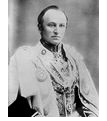
- a)William Bentinck
- b)Lord Mountbatten
- c)Lord Curzon
- d)Lord Ripon
Correct answer is option 'C'. Can you explain this answer?
Name the Viceroy who was responsible for partitioning Bengal in 1905?
a)
William Bentinck
b)
Lord Mountbatten
c)
Lord Curzon
d)
Lord Ripon
| | Manish Singh answered |
Lord Curzon
The Partition of Bengal was the decision of separating eastern parts of Bengal from rest of Bengal. It was announced on 19 July 1905 by the Viceroy of India, Lord Curzon and on October 16, 1905, the partition formally came into force.
The Partition of Bengal was the decision of separating eastern parts of Bengal from rest of Bengal. It was announced on 19 July 1905 by the Viceroy of India, Lord Curzon and on October 16, 1905, the partition formally came into force.
Where was the Hindustan Socialist Republican Association formed?- a)Bombay
- b)Kanpur
- c)Delhi
- d)Allahabad
Correct answer is option 'C'. Can you explain this answer?
Where was the Hindustan Socialist Republican Association formed?
a)
Bombay
b)
Kanpur
c)
Delhi
d)
Allahabad
 | Nidhi Bhatt answered |
The Hindustan Socialist Republican Association (HSRA) was formed in 1928 at Ferozeshah Kotla in Delhi
Which of the following statements is true regarding the political developments in the opening decades of the twentieth century?- a)The All India Muslim League was formed in 1909.
- b)The League opposed the partition of Bengal.
- c)The government introduced separate electorates for Muslims in 1909.
- d)The Congress remained united during this period.
Correct answer is option 'C'. Can you explain this answer?
Which of the following statements is true regarding the political developments in the opening decades of the twentieth century?
a)
The All India Muslim League was formed in 1909.
b)
The League opposed the partition of Bengal.
c)
The government introduced separate electorates for Muslims in 1909.
d)
The Congress remained united during this period.
 | Simran Choudhary answered |
The Political Context in Early 20th Century India
In the early twentieth century, India witnessed significant political changes, particularly concerning the representation of different communities. Among these changes, the introduction of separate electorates for Muslims marked a crucial development.
Separate Electorates for Muslims
- The government introduced separate electorates for Muslims in 1909 through the Morley-Minto Reforms.
- This allowed Muslims to elect their representatives separately, recognizing their distinct political identity.
- The move aimed to placate Muslim leaders and ensure their support for British rule, thereby fostering communal divisions.
Other Statements Explained
- The All India Muslim League Formation: The All India Muslim League was actually founded in 1906, not 1909. This makes option 'a' incorrect.
- Opposition to Partition of Bengal: The Muslim League did not oppose the partition of Bengal; in fact, it was generally supportive. Therefore, option 'b' is also incorrect.
- Unity of the Congress: During this period, the Indian National Congress faced internal divisions, particularly between moderates and extremists, which contradicts option 'd'.
Conclusion
In conclusion, the correct statement regarding political developments in the early 20th century is option 'c', as the introduction of separate electorates for Muslims in 1909 was a significant political reform that shaped India's communal landscape.
In the early twentieth century, India witnessed significant political changes, particularly concerning the representation of different communities. Among these changes, the introduction of separate electorates for Muslims marked a crucial development.
Separate Electorates for Muslims
- The government introduced separate electorates for Muslims in 1909 through the Morley-Minto Reforms.
- This allowed Muslims to elect their representatives separately, recognizing their distinct political identity.
- The move aimed to placate Muslim leaders and ensure their support for British rule, thereby fostering communal divisions.
Other Statements Explained
- The All India Muslim League Formation: The All India Muslim League was actually founded in 1906, not 1909. This makes option 'a' incorrect.
- Opposition to Partition of Bengal: The Muslim League did not oppose the partition of Bengal; in fact, it was generally supportive. Therefore, option 'b' is also incorrect.
- Unity of the Congress: During this period, the Indian National Congress faced internal divisions, particularly between moderates and extremists, which contradicts option 'd'.
Conclusion
In conclusion, the correct statement regarding political developments in the early 20th century is option 'c', as the introduction of separate electorates for Muslims in 1909 was a significant political reform that shaped India's communal landscape.
A list of leaders are given below, identify the leader who is not considered as a Radical but a Moderate.- a)Bipin Chandra Pal
- b)Surendranath Banerjee
- c)Aurobindo Ghosh
- d)Lala Lajpat Rai
Correct answer is option 'B'. Can you explain this answer?
A list of leaders are given below, identify the leader who is not considered as a Radical but a Moderate.
a)
Bipin Chandra Pal
b)
Surendranath Banerjee
c)
Aurobindo Ghosh
d)
Lala Lajpat Rai
| | Shruti Bajaj answered |
Banerjee was also one of the senior-most leaders of the moderate Congress — those who favoured accommodation and dialogue with the British — after the "extremists" – those who advocated revolution and political independence.
Which of the following achievements of the Moderates cannot be considered TRUE?- a)The Moderates helped in removing social injustices like the rigid caste structure that divided the Indian society
- b)Due to the persistent efforts of the Moderates, Indians understood the concepts of freedom, secularism and democracy.
- c)The Moderates created a sense of national consciousness
- d)This microscopic minority of leaders could change the policies and made a huge impact on British.
Correct answer is option 'D'. Can you explain this answer?
Which of the following achievements of the Moderates cannot be considered TRUE?
a)
The Moderates helped in removing social injustices like the rigid caste structure that divided the Indian society
b)
Due to the persistent efforts of the Moderates, Indians understood the concepts of freedom, secularism and democracy.
c)
The Moderates created a sense of national consciousness
d)
This microscopic minority of leaders could change the policies and made a huge impact on British.
 | Hiral Singh answered |
Moderates refer to those group of western educated Indian intellectuals, who believed in legitimate and moderate means of protests like petitioning for the gradual realization of self rule in India.
They failed to attract common people. The vast majority of illiterate Indian’s were unable to connect to their political ideology
They were unable to organize a pan Indian campaign,neither did they try to increase the scale and magnitude of their political activities.
Their moderate means yielded only meager practical achievements. The British treated them with contempt and didn’t concede to their demands in most cases.
They failed to attract common people. The vast majority of illiterate Indian’s were unable to connect to their political ideology
They were unable to organize a pan Indian campaign,neither did they try to increase the scale and magnitude of their political activities.
Their moderate means yielded only meager practical achievements. The British treated them with contempt and didn’t concede to their demands in most cases.
A list of leaders are given below, identify the leader who is not considered as a Moderate but a Radical.- a)Pherozeshah Mehta
- b)Dadabhai Naoroji
- c)Aurobindo Ghosh
- d)Surendranath Banerjee
Correct answer is option 'C'. Can you explain this answer?
A list of leaders are given below, identify the leader who is not considered as a Moderate but a Radical.
a)
Pherozeshah Mehta
b)
Dadabhai Naoroji
c)
Aurobindo Ghosh
d)
Surendranath Banerjee
 | Kritika Chopra answered |
Understanding the Leaders
In the context of Indian nationalism during the late 19th and early 20th centuries, leaders were often categorized into Moderates and Radicals based on their approaches to achieving independence from British rule.
Moderates vs. Radicals
- Moderates: These leaders believed in a gradual approach to reform. They advocated for dialogue with the British government and sought constitutional methods to achieve political rights.
- Key Figures:
- Pherozeshah Mehta
- Dadabhai Naoroji
- Surendranath Banerjee
- Radicals: In contrast, Radicals were more assertive and believed in direct action. They were frustrated with the slow pace of reforms and sought more immediate and vigorous methods to achieve independence.
- Key Figure: Aurobindo Ghosh
Aurobindo Ghosh: The Radical Leader
- Aurobindo Ghosh is recognized as a Radical leader because:
- He emphasized the need for a more aggressive stance against British rule.
- Ghosh believed in the power of revolutionary activities and was involved in the nationalist movement that sought to incite mass protests and uprisings.
- His writings and speeches called for a complete break from British governance, advocating for self-rule (Swaraj).
Conclusion
The distinction between Moderates and Radicals is crucial in understanding the dynamics of the Indian independence movement. While Moderates like Mehta, Naoroji, and Banerjee sought gradual reforms, Aurobindo Ghosh's radical approach aimed for immediate action and was pivotal in shaping the future of Indian nationalism. Thus, option 'C', Aurobindo Ghosh, is correctly identified as a Radical leader.
In the context of Indian nationalism during the late 19th and early 20th centuries, leaders were often categorized into Moderates and Radicals based on their approaches to achieving independence from British rule.
Moderates vs. Radicals
- Moderates: These leaders believed in a gradual approach to reform. They advocated for dialogue with the British government and sought constitutional methods to achieve political rights.
- Key Figures:
- Pherozeshah Mehta
- Dadabhai Naoroji
- Surendranath Banerjee
- Radicals: In contrast, Radicals were more assertive and believed in direct action. They were frustrated with the slow pace of reforms and sought more immediate and vigorous methods to achieve independence.
- Key Figure: Aurobindo Ghosh
Aurobindo Ghosh: The Radical Leader
- Aurobindo Ghosh is recognized as a Radical leader because:
- He emphasized the need for a more aggressive stance against British rule.
- Ghosh believed in the power of revolutionary activities and was involved in the nationalist movement that sought to incite mass protests and uprisings.
- His writings and speeches called for a complete break from British governance, advocating for self-rule (Swaraj).
Conclusion
The distinction between Moderates and Radicals is crucial in understanding the dynamics of the Indian independence movement. While Moderates like Mehta, Naoroji, and Banerjee sought gradual reforms, Aurobindo Ghosh's radical approach aimed for immediate action and was pivotal in shaping the future of Indian nationalism. Thus, option 'C', Aurobindo Ghosh, is correctly identified as a Radical leader.
The Moderates opposed to the usage of a specific word / term because they felt that it involved the use of force. Which word/term did they oppose to?- a)Nationalist
- b)Radical
- c)Boycott
- d)Moderate
Correct answer is option 'C'. Can you explain this answer?
The Moderates opposed to the usage of a specific word / term because they felt that it involved the use of force. Which word/term did they oppose to?
a)
Nationalist
b)
Radical
c)
Boycott
d)
Moderate
| | Milan Iyer answered |
Opposition to the term 'Boycott' by the Moderates
Heading: Introduction
During the Indian freedom struggle, the Indian National Congress was divided into two groups, the Moderates and the Extremists. The Moderates believed in the gradual attainment of independence through constitutional means, while the Extremists believed in direct action and non-cooperation.
Heading: Opposition to the term 'Boycott'
The Moderates opposed the usage of the term 'Boycott' because they felt that it involved the use of force. The term 'Boycott' was first used during the Irish Land War in 1880, where it was a peaceful means of protesting against the high rents imposed by the landlords. However, in India, the term was associated with the boycott of British goods, which involved the use of force, such as picketing and burning of foreign goods.
Heading: Alternative methods proposed by the Moderates
The Moderates believed in the use of constitutional methods such as petitions, resolutions, and lobbying to achieve their goals. They advocated for the use of peaceful means of protest and non-cooperation with the British government, such as the Swadeshi Movement, which involved the promotion of Indian-made goods.
Heading: Significance of the opposition to the term 'Boycott'
The opposition to the term 'Boycott' by the Moderates highlights the ideological differences between the Moderates and the Extremists. The Moderates believed in the use of constitutional means of protest, while the Extremists believed in direct action and non-cooperation. The opposition to the term 'Boycott' also shows the importance of language and the need to use appropriate terms to avoid any confusion or misunderstanding.
Conclusion:
In conclusion, the Moderates opposed the usage of the term 'Boycott' because they believed that it involved the use of force. They advocated for the use of peaceful means of protest and non-cooperation with the British government to achieve their goals. The opposition to the term 'Boycott' highlights the importance of language and the ideological differences between the Moderates and the Extremists.
Heading: Introduction
During the Indian freedom struggle, the Indian National Congress was divided into two groups, the Moderates and the Extremists. The Moderates believed in the gradual attainment of independence through constitutional means, while the Extremists believed in direct action and non-cooperation.
Heading: Opposition to the term 'Boycott'
The Moderates opposed the usage of the term 'Boycott' because they felt that it involved the use of force. The term 'Boycott' was first used during the Irish Land War in 1880, where it was a peaceful means of protesting against the high rents imposed by the landlords. However, in India, the term was associated with the boycott of British goods, which involved the use of force, such as picketing and burning of foreign goods.
Heading: Alternative methods proposed by the Moderates
The Moderates believed in the use of constitutional methods such as petitions, resolutions, and lobbying to achieve their goals. They advocated for the use of peaceful means of protest and non-cooperation with the British government, such as the Swadeshi Movement, which involved the promotion of Indian-made goods.
Heading: Significance of the opposition to the term 'Boycott'
The opposition to the term 'Boycott' by the Moderates highlights the ideological differences between the Moderates and the Extremists. The Moderates believed in the use of constitutional means of protest, while the Extremists believed in direct action and non-cooperation. The opposition to the term 'Boycott' also shows the importance of language and the need to use appropriate terms to avoid any confusion or misunderstanding.
Conclusion:
In conclusion, the Moderates opposed the usage of the term 'Boycott' because they believed that it involved the use of force. They advocated for the use of peaceful means of protest and non-cooperation with the British government to achieve their goals. The opposition to the term 'Boycott' highlights the importance of language and the ideological differences between the Moderates and the Extremists.
He is a nationalist from Punjab and one of the leading members of the Radical group which was critical of the politics of petitions. He was also an active member of the Arya Samaj. Identify this great personality who fought for the freedom of India 
- a)Bipin Chandra Pal
- b)Surendranath Banerjee
- c)Aurobindo Ghosh
- d)Lala Lajpat Rai
Correct answer is option 'D'. Can you explain this answer?
He is a nationalist from Punjab and one of the leading members of the Radical group which was critical of the politics of petitions. He was also an active member of the Arya Samaj. Identify this great personality who fought for the freedom of India
a)
Bipin Chandra Pal
b)
Surendranath Banerjee
c)
Aurobindo Ghosh
d)
Lala Lajpat Rai
 | Valor Academy answered |
He was a prominent nationalist from Punjab and a leading figure in the Radical group. This group was known for its critical stance on petition-based politics. Additionally, he played an active role in the Arya Samaj, advocating for social reforms. His contributions were significant in the struggle for India's independence.
- Nationalist: He was deeply committed to India's freedom.
- Radical group: He opposed traditional political methods like petitions.
- Arya Samaj: He was involved in this reformist movement aimed at social and religious change.
Name the Marathi newspaper edited by Balgangadhar Tilak criticizing the British rule.- a)Loksatta
- b)Lokmat
- c)Dainik Aikya
- d)Kesari
Correct answer is option 'D'. Can you explain this answer?
Name the Marathi newspaper edited by Balgangadhar Tilak criticizing the British rule.
a)
Loksatta
b)
Lokmat
c)
Dainik Aikya
d)
Kesari
| | Garima Das answered |
Introduction
Balgangadhar Tilak was a prominent leader in the Indian independence movement and a strong advocate for self-rule. His contributions included journalism, where he used the press as a tool to mobilize the masses against British colonial rule.
Kesari: The Voice of Resistance
- Founding of Kesari: Tilak founded the Marathi newspaper "Kesari" in 1881.
- Purpose: The newspaper served as a platform to express nationalist sentiments and criticize British policies.
Editorial Stance
- Nationalism: Kesari played a crucial role in fostering Indian nationalism by highlighting issues affecting the Indian populace under colonial rule.
- Criticism of British Rule: It was unapologetically critical of British government actions, advocating for self-governance and social reform.
Impact on Society
- Mass Mobilization: The publication engaged readers and inspired them to participate in the freedom struggle.
- Awareness: Kesari raised awareness about the injustices faced by Indians, encouraging a collective response against oppression.
Legacy
- Influence on Future Leaders: Many future leaders of the Indian independence movement were influenced by the ideas propagated in Kesari.
- Continued Relevance: The themes discussed in the newspaper continue to resonate in contemporary discussions about governance and rights.
In summary, "Kesari," edited by Balgangadhar Tilak, was a pioneering newspaper that not only criticized British rule but also galvanized a generation of Indians towards the struggle for independence.
Balgangadhar Tilak was a prominent leader in the Indian independence movement and a strong advocate for self-rule. His contributions included journalism, where he used the press as a tool to mobilize the masses against British colonial rule.
Kesari: The Voice of Resistance
- Founding of Kesari: Tilak founded the Marathi newspaper "Kesari" in 1881.
- Purpose: The newspaper served as a platform to express nationalist sentiments and criticize British policies.
Editorial Stance
- Nationalism: Kesari played a crucial role in fostering Indian nationalism by highlighting issues affecting the Indian populace under colonial rule.
- Criticism of British Rule: It was unapologetically critical of British government actions, advocating for self-governance and social reform.
Impact on Society
- Mass Mobilization: The publication engaged readers and inspired them to participate in the freedom struggle.
- Awareness: Kesari raised awareness about the injustices faced by Indians, encouraging a collective response against oppression.
Legacy
- Influence on Future Leaders: Many future leaders of the Indian independence movement were influenced by the ideas propagated in Kesari.
- Continued Relevance: The themes discussed in the newspaper continue to resonate in contemporary discussions about governance and rights.
In summary, "Kesari," edited by Balgangadhar Tilak, was a pioneering newspaper that not only criticized British rule but also galvanized a generation of Indians towards the struggle for independence.
In 16 October 1905, how was Bengal partitioned as:- a)West Bengal and North Bengal
- b)East Bengal and West Bengal
- c)North and South Bengal
- d)East Bengal and South Bengal
Correct answer is option 'B'. Can you explain this answer?
In 16 October 1905, how was Bengal partitioned as:
a)
West Bengal and North Bengal
b)
East Bengal and West Bengal
c)
North and South Bengal
d)
East Bengal and South Bengal
| | Milan Iyer answered |
Bengal Partition of 1905
Introduction:
Partition of Bengal:
Reasons for Partition:
Impact of Partition:
Conclusion:
Introduction:
In 1905, Bengal was partitioned by the British government based on administrative reasons. The partition was announced on July 19, 1905, and it came into effect on October 16, 1905. The decision was made by Lord Curzon, the then Viceroy of India, without the consent of the people of Bengal.
Partition of Bengal:
- The Bengal province was divided into two parts - Eastern Bengal and Assam and West Bengal.
- The decision was made to improve the administration of the region, as Bengal was the largest and most populous province in India at that time.
- The new province of Eastern Bengal and Assam consisted of the Muslim-majority areas of Bengal, Bihar, and Assam, with its capital at Dhaka.
- West Bengal consisted of the Hindu-majority areas of Bengal, with its capital at Calcutta.
Reasons for Partition:
- The British government believed that the partition would facilitate better administration and governance of the region.
- The partition was also seen as a way to weaken the growing Indian nationalist movement, which was gaining strength in Bengal.
- The British government wanted to create a divide between the Hindu and Muslim communities, which they believed would prevent them from joining together to fight against the British rule.
Impact of Partition:
- The partition was highly controversial and led to widespread protests and agitation in Bengal and other parts of India.
- The partition also led to communal tensions between the Hindu and Muslim communities.
- Many prominent Indian leaders, including Rabindranath Tagore and Surendranath Banerjee, spoke out against the partition and called for its reversal.
- The partition was eventually revoked in 1911, and Bengal was reunited as a province.
Conclusion:
The partition of Bengal was a significant event in the history of India, which had far-reaching consequences. It highlighted the growing nationalist movement in India and the British government's attempts to suppress it. The partition also led to communal tensions and divisions, which continue to impact the region even today.
Chapter doubts & questions for The Making of National Movement : 1870s-1947 - Social Studies (SST) Class 8 2026 is part of Class 8 exam preparation. The chapters have been prepared according to the Class 8 exam syllabus. The Chapter doubts & questions, notes, tests & MCQs are made for Class 8 2026 Exam. Find important definitions, questions, notes, meanings, examples, exercises, MCQs and online tests here.
Chapter doubts & questions of The Making of National Movement : 1870s-1947 - Social Studies (SST) Class 8 in English & Hindi are available as part of Class 8 exam. Download more important topics, notes, lectures and mock test series for Class 8 Exam by signing up for free.
Social Studies (SST) Class 886 videos|559 docs|53 tests |
