


All Exams > Class 3 > Science Olympiad for Class 3 > All Questions
All questions of Birds for Class 3 Exam
Which among the following succumb to death after mating- a)Worker Bees
- b)Drones
- c)Queen
- d)None of these
Correct answer is option 'B'. Can you explain this answer?
Which among the following succumb to death after mating
a)
Worker Bees
b)
Drones
c)
Queen
d)
None of these
 | Pankaj Saha answered |
Explanation:
Worker Bees:
Worker bees are the female bees that are responsible for various tasks within the beehive such as collecting nectar, building and repairing the hive, caring for the young bees, and protecting the hive. Worker bees do not mate and therefore do not succumb to death after mating.
Drones:
Drones are the male bees in a colony. Their primary function is to mate with the queen bee from other colonies. Drones do not have a stinger and are unable to collect food or defend the hive. Their sole purpose is to mate. Once a drone successfully mates with a queen, it usually dies shortly after mating.
Queen Bee:
The queen bee is the reproductive female bee in a colony. Her primary role is to lay eggs and ensure the survival of the colony. The queen bee mates with multiple drones during a mating flight. Unlike the drones, the queen bee does not die after mating. She stores the collected sperm from the drones in her spermatheca and uses it to fertilize eggs throughout her lifespan, which can range from a few months to several years.
Conclusion:
Among the options given, only drones succumb to death after mating. Worker bees do not mate, and queens are capable of mating multiple times without dying. Therefore, the correct answer is option 'B' - Drones.
Worker Bees:
Worker bees are the female bees that are responsible for various tasks within the beehive such as collecting nectar, building and repairing the hive, caring for the young bees, and protecting the hive. Worker bees do not mate and therefore do not succumb to death after mating.
Drones:
Drones are the male bees in a colony. Their primary function is to mate with the queen bee from other colonies. Drones do not have a stinger and are unable to collect food or defend the hive. Their sole purpose is to mate. Once a drone successfully mates with a queen, it usually dies shortly after mating.
Queen Bee:
The queen bee is the reproductive female bee in a colony. Her primary role is to lay eggs and ensure the survival of the colony. The queen bee mates with multiple drones during a mating flight. Unlike the drones, the queen bee does not die after mating. She stores the collected sperm from the drones in her spermatheca and uses it to fertilize eggs throughout her lifespan, which can range from a few months to several years.
Conclusion:
Among the options given, only drones succumb to death after mating. Worker bees do not mate, and queens are capable of mating multiple times without dying. Therefore, the correct answer is option 'B' - Drones.

Insects breathe with a network of tiny tubes called- a)Lungs
- b)Gills
- c)Moist skin
- d)Tracheae
Correct answer is option 'D'. Can you explain this answer?
Insects breathe with a network of tiny tubes called
a)
Lungs
b)
Gills
c)
Moist skin
d)
Tracheae
 | Rajdeep Banerjee answered |
Insects breathe using a network of tiny tubes called tracheae.
Explanation:
Insects have a unique respiratory system that allows them to breathe air. This system consists of a network of tiny tubes called tracheae. Here's a detailed explanation of how insects breathe using tracheae.
1. Structure of Tracheae:
- Tracheae are thin, branching tubes that extend throughout the body of an insect. They are made up of a tough, flexible material called chitin.
- These tubes connect to the outside environment through openings called spiracles, which are located on the sides of the insect's body.
- The spiracles can open and close to control the flow of air into and out of the tracheae.
2. Gas Exchange:
- The main function of the tracheae is to facilitate gas exchange. Oxygen from the air enters the tracheae through the spiracles and diffuses into the body tissues.
- Carbon dioxide, which is the waste product of respiration, diffuses out of the body tissues and into the tracheae.
- This exchange of gases occurs through a process called diffusion, where molecules move from areas of high concentration to areas of low concentration.
3. Branching System:
- The tracheae form a highly branched system that reaches all parts of the insect's body, ensuring that oxygen can be delivered to every cell.
- The larger tracheae branch into smaller tubes called tracheoles, which are even thinner and extend to individual cells.
- The tracheoles are lined with a thin, moist layer that helps facilitate the exchange of gases between the tracheae and the cells.
4. Adaptations:
- Insects have evolved several adaptations to enhance their respiratory system. For example, some insects have specialized structures, such as air sacs, that increase the volume of air they can hold.
- Additionally, insects can control the flow of air through their spiracles. They can open all spiracles to increase oxygen intake during high activity or close them partially or completely to conserve water.
In conclusion, insects breathe through a network of tiny tubes called tracheae. This unique respiratory system allows them to efficiently exchange gases with their environment, ensuring they receive the oxygen they need for survival.
Explanation:
Insects have a unique respiratory system that allows them to breathe air. This system consists of a network of tiny tubes called tracheae. Here's a detailed explanation of how insects breathe using tracheae.
1. Structure of Tracheae:
- Tracheae are thin, branching tubes that extend throughout the body of an insect. They are made up of a tough, flexible material called chitin.
- These tubes connect to the outside environment through openings called spiracles, which are located on the sides of the insect's body.
- The spiracles can open and close to control the flow of air into and out of the tracheae.
2. Gas Exchange:
- The main function of the tracheae is to facilitate gas exchange. Oxygen from the air enters the tracheae through the spiracles and diffuses into the body tissues.
- Carbon dioxide, which is the waste product of respiration, diffuses out of the body tissues and into the tracheae.
- This exchange of gases occurs through a process called diffusion, where molecules move from areas of high concentration to areas of low concentration.
3. Branching System:
- The tracheae form a highly branched system that reaches all parts of the insect's body, ensuring that oxygen can be delivered to every cell.
- The larger tracheae branch into smaller tubes called tracheoles, which are even thinner and extend to individual cells.
- The tracheoles are lined with a thin, moist layer that helps facilitate the exchange of gases between the tracheae and the cells.
4. Adaptations:
- Insects have evolved several adaptations to enhance their respiratory system. For example, some insects have specialized structures, such as air sacs, that increase the volume of air they can hold.
- Additionally, insects can control the flow of air through their spiracles. They can open all spiracles to increase oxygen intake during high activity or close them partially or completely to conserve water.
In conclusion, insects breathe through a network of tiny tubes called tracheae. This unique respiratory system allows them to efficiently exchange gases with their environment, ensuring they receive the oxygen they need for survival.
Which among the following can fly?- a)
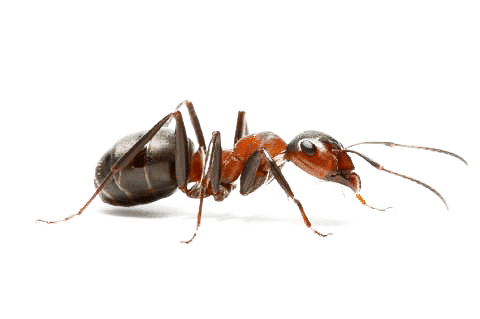
- b)
- c)
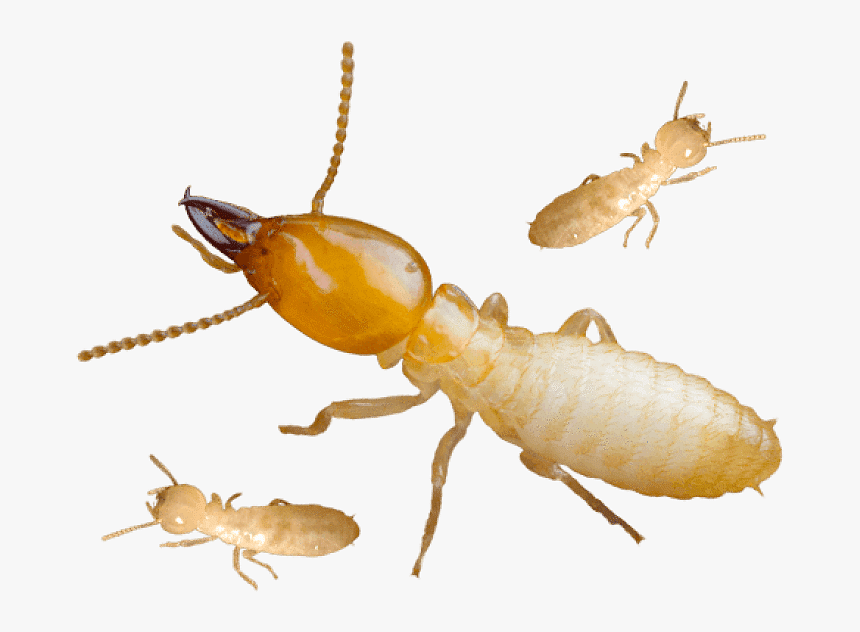
- d)both A and B
Correct answer is option 'B'. Can you explain this answer?
Which among the following can fly?
a)
b)
c)
d)
both A and B
 | Rahul Verma answered |
Ants and termites are crawling insects.
Which of the following birds has webbed feet?- a)Eagle
- b)Duck
- c)Hen
- d)Pigeon
Correct answer is option 'B'. Can you explain this answer?
Which of the following birds has webbed feet?
a)
Eagle
b)
Duck
c)
Hen
d)
Pigeon
 | Yashina Kapoor answered |
Duck. Mostly water birds have webbed feet and out of all these birds, duck is a water bird.
Unscramble the words to find out the smallest bird in the world- a)OGLMFANI
- b)DRITARGPE
- c)MMUGNIH
- d)GUENNIP
Correct answer is option 'C'. Can you explain this answer?
Unscramble the words to find out the smallest bird in the world
a)
OGLMFANI
b)
DRITARGPE
c)
MMUGNIH
d)
GUENNIP
 | Raj Shah answered |
Unscrambled words:
a) OGLMFANI = FLAMINGO
b) DRITARGPE = GARTERBIRD
c) MMUGNIH = HUMMING
d) GUENNIP = PENGUIN
Explanation:
To find out the smallest bird in the world, we need to unscramble the given words and identify the correct option. Let's unscramble the words one by one:
a) OGLMFANI = FLAMINGO
This unscrambled word does not represent the smallest bird in the world.
b) DRITARGPE = GARTERBIRD
This unscrambled word does not represent the smallest bird in the world.
c) MMUGNIH = HUMMING
This unscrambled word represents the smallest bird in the world. The Hummingbird is known as the smallest bird in the world. It belongs to the family Trochilidae and is known for its small size, vibrant colors, and rapid wing movements.
d) GUENNIP = PENGUIN
This unscrambled word does not represent the smallest bird in the world. Penguins are actually flightless birds and are known for their unique adaptations to cold environments.
Conclusion:
After unscrambling the given words, we have found that the correct option representing the smallest bird in the world is option 'c' - HUMMING. The Hummingbird is known for its small size and is considered the smallest bird in the world.
a) OGLMFANI = FLAMINGO
b) DRITARGPE = GARTERBIRD
c) MMUGNIH = HUMMING
d) GUENNIP = PENGUIN
Explanation:
To find out the smallest bird in the world, we need to unscramble the given words and identify the correct option. Let's unscramble the words one by one:
a) OGLMFANI = FLAMINGO
This unscrambled word does not represent the smallest bird in the world.
b) DRITARGPE = GARTERBIRD
This unscrambled word does not represent the smallest bird in the world.
c) MMUGNIH = HUMMING
This unscrambled word represents the smallest bird in the world. The Hummingbird is known as the smallest bird in the world. It belongs to the family Trochilidae and is known for its small size, vibrant colors, and rapid wing movements.
d) GUENNIP = PENGUIN
This unscrambled word does not represent the smallest bird in the world. Penguins are actually flightless birds and are known for their unique adaptations to cold environments.
Conclusion:
After unscrambling the given words, we have found that the correct option representing the smallest bird in the world is option 'c' - HUMMING. The Hummingbird is known for its small size and is considered the smallest bird in the world.
There are_____pair of legs in an Insect.- a)Six
- b)Two
- c)One
- d)Three
Correct answer is option 'D'. Can you explain this answer?
There are_____pair of legs in an Insect.
a)
Six
b)
Two
c)
One
d)
Three
 | Pranab Chatterjee answered |
Insects have three pairs of legs.
Explanation:
- Insects are a type of arthropod, and their bodies are divided into three parts: the head, thorax, and abdomen.
- Each pair of legs is attached to the thorax, which is the middle section of the insect's body.
- In total, insects have six legs, but they are organized into three pairs.
- This means that there are three individual legs on each side of the insect's body.
- The legs of an insect are essential for various functions such as walking, jumping, climbing, and grasping food.
- They are jointed and flexible, allowing the insect to move in different directions and navigate its environment.
- The structure and function of insect legs can vary depending on the species and their specific adaptations.
- For example, some insects have specialized legs for digging, swimming, or capturing prey.
- Insects use their legs in conjunction with other body parts, such as antennae and mouthparts, to perform various tasks necessary for their survival.
- The number and arrangement of legs are distinguishing characteristics of insects and differentiate them from other arthropods like spiders, which have eight legs.
In conclusion, insects have three pairs of legs, totaling six legs in all. These legs are vital for an insect's movement, feeding, and overall survival.
Explanation:
- Insects are a type of arthropod, and their bodies are divided into three parts: the head, thorax, and abdomen.
- Each pair of legs is attached to the thorax, which is the middle section of the insect's body.
- In total, insects have six legs, but they are organized into three pairs.
- This means that there are three individual legs on each side of the insect's body.
- The legs of an insect are essential for various functions such as walking, jumping, climbing, and grasping food.
- They are jointed and flexible, allowing the insect to move in different directions and navigate its environment.
- The structure and function of insect legs can vary depending on the species and their specific adaptations.
- For example, some insects have specialized legs for digging, swimming, or capturing prey.
- Insects use their legs in conjunction with other body parts, such as antennae and mouthparts, to perform various tasks necessary for their survival.
- The number and arrangement of legs are distinguishing characteristics of insects and differentiate them from other arthropods like spiders, which have eight legs.
In conclusion, insects have three pairs of legs, totaling six legs in all. These legs are vital for an insect's movement, feeding, and overall survival.
What type of a beak is found in Ducks?- a)Short and broad beaks
- b)Pointed beaks.
- c)Slender beaks
- d)Broad and flat beaks
Correct answer is option 'D'. Can you explain this answer?
What type of a beak is found in Ducks?
a)
Short and broad beaks
b)
Pointed beaks.
c)
Slender beaks
d)
Broad and flat beaks
 | Abhiram Banerjee answered |
Duck Beak
Ducks are aquatic birds that belong to the family Anatidae. They are known for their unique beak structures, which are adapted for their feeding habits and various ecological roles. The beak of a duck plays a crucial role in capturing and processing food, as well as in other activities such as grooming and preening.
Types of Duck Beaks
There are several types of beaks found in ducks, each suited for different feeding preferences and habitats. However, the most common and characteristic type of beak found in ducks is the broad and flat beak.
Characteristics of Broad and Flat Beaks
The broad and flat beak of ducks is well-suited for their omnivorous diet, which includes a wide range of food items such as aquatic plants, insects, small fish, mollusks, and crustaceans. This type of beak allows them to effectively filter and strain food from water, as well as to catch and hold onto small prey.
Functions of Broad and Flat Beaks
1. Filtering: The broad beak of ducks acts like a sieve, allowing them to filter out small organisms and particles from water. This enables them to feed on algae, plankton, and other microscopic organisms that are abundant in aquatic environments.
2. Diving and Foraging: Ducks often dive underwater to search for food. Their broad beaks help them to catch and hold onto prey, such as small fish or invertebrates, while underwater. By using their beaks, ducks can grasp and manipulate their prey, ensuring a successful catch.
3. Herbivory: Ducks also feed on various types of aquatic vegetation, such as water lilies, pondweed, and duckweed. Their broad beaks allow them to efficiently grasp and tear apart plant material, enabling them to extract nutrients and digest plant matter.
4. Grooming and Preening: Ducks use their beaks to groom and preen their feathers, keeping them clean, waterproof, and in optimal condition for flight and insulation.
Conclusion
In conclusion, the broad and flat beak is the most common type of beak found in ducks. This beak structure allows ducks to effectively filter and strain food from water, catch and hold onto small prey, feed on aquatic vegetation, and perform grooming and preening activities. The adaptation of their beaks reflects the diverse feeding habits and ecological roles of ducks in their natural habitats.
Ducks are aquatic birds that belong to the family Anatidae. They are known for their unique beak structures, which are adapted for their feeding habits and various ecological roles. The beak of a duck plays a crucial role in capturing and processing food, as well as in other activities such as grooming and preening.
Types of Duck Beaks
There are several types of beaks found in ducks, each suited for different feeding preferences and habitats. However, the most common and characteristic type of beak found in ducks is the broad and flat beak.
Characteristics of Broad and Flat Beaks
The broad and flat beak of ducks is well-suited for their omnivorous diet, which includes a wide range of food items such as aquatic plants, insects, small fish, mollusks, and crustaceans. This type of beak allows them to effectively filter and strain food from water, as well as to catch and hold onto small prey.
Functions of Broad and Flat Beaks
1. Filtering: The broad beak of ducks acts like a sieve, allowing them to filter out small organisms and particles from water. This enables them to feed on algae, plankton, and other microscopic organisms that are abundant in aquatic environments.
2. Diving and Foraging: Ducks often dive underwater to search for food. Their broad beaks help them to catch and hold onto prey, such as small fish or invertebrates, while underwater. By using their beaks, ducks can grasp and manipulate their prey, ensuring a successful catch.
3. Herbivory: Ducks also feed on various types of aquatic vegetation, such as water lilies, pondweed, and duckweed. Their broad beaks allow them to efficiently grasp and tear apart plant material, enabling them to extract nutrients and digest plant matter.
4. Grooming and Preening: Ducks use their beaks to groom and preen their feathers, keeping them clean, waterproof, and in optimal condition for flight and insulation.
Conclusion
In conclusion, the broad and flat beak is the most common type of beak found in ducks. This beak structure allows ducks to effectively filter and strain food from water, catch and hold onto small prey, feed on aquatic vegetation, and perform grooming and preening activities. The adaptation of their beaks reflects the diverse feeding habits and ecological roles of ducks in their natural habitats.
Which of the following statements are the characteristics of Birds?(i) They have feathers on their body.(ii) Their body is divided into the head, thorax and abdomen.(iii) They have thin, light and hollow bones.(iv) Their forelimbs get modified into fur.- a)(i) and (ii)
- b)(ii) and (iv)
- c)(i) and (iii)
- d)(ii) and (iii)
Correct answer is option 'C'. Can you explain this answer?
Which of the following statements are the characteristics of Birds?
(i) They have feathers on their body.
(ii) Their body is divided into the head, thorax and abdomen.
(iii) They have thin, light and hollow bones.
(iv) Their forelimbs get modified into fur.
a)
(i) and (ii)
b)
(ii) and (iv)
c)
(i) and (iii)
d)
(ii) and (iii)
| | Rahul Verma answered |
Body of birds is divided into Head, neck, thorax and abdomen. Birds forelimbs get modified into wings.
What would happen if all the toes of a woodpecker were pointed in the same direction?- a)It will not be able to climb up the tree and hold on to its trunk.
- b)It will not be able to make its nest on the ground with stones and pebbles.
- c)It will not be able to use its feet like oars in water.
- d)It will not be able to use its toes for scratching the ground to dig out worms.
Correct answer is option 'A'. Can you explain this answer?
What would happen if all the toes of a woodpecker were pointed in the same direction?
a)
It will not be able to climb up the tree and hold on to its trunk.
b)
It will not be able to make its nest on the ground with stones and pebbles.
c)
It will not be able to use its feet like oars in water.
d)
It will not be able to use its toes for scratching the ground to dig out worms.
 | Ujwal Chakraborty answered |
Explanation:
If all the toes of a woodpecker were pointed in the same direction, it will not be able to climb up the tree and hold on to its trunk. This is because the woodpecker's toes are specially adapted to help it climb trees and hold on to the tree trunk securely while it pecks at the bark.
Woodpecker's toes:
- The woodpecker has four toes, two pointing forward and two pointing backward.
- This arrangement of toes allows the woodpecker to have a strong grip on the tree trunk, almost like having two pairs of hands.
- The two forward-facing toes help the woodpecker to grip the tree trunk firmly, while the two backward-facing toes act as a kind of support or brace.
Importance of the woodpecker's toe arrangement:
- The woodpecker uses its strong grip to climb up and down trees easily.
- It also uses its toes to hold on to the tree trunk while it pecks at the bark with its beak.
- The backward-facing toes provide additional support, helping the woodpecker maintain balance and stability while it hammers away at the tree.
Effect of toes pointing in the same direction:
If all the toes of a woodpecker were pointed in the same direction, it would lose its ability to grip the tree trunk effectively. Here's why:
- The forward-facing toes help the woodpecker grab onto the tree trunk by wrapping around it.
- If all the toes were pointing in the same direction, the woodpecker would not be able to wrap its toes around the tree trunk.
- This would result in a weak grip, making it difficult for the woodpecker to climb the tree or hold on to the trunk securely.
Conclusion:
In conclusion, if all the toes of a woodpecker were pointed in the same direction, it would not be able to climb up the tree and hold on to its trunk effectively. The specialized arrangement of its toes is essential for the woodpecker's climbing and pecking abilities.
If all the toes of a woodpecker were pointed in the same direction, it will not be able to climb up the tree and hold on to its trunk. This is because the woodpecker's toes are specially adapted to help it climb trees and hold on to the tree trunk securely while it pecks at the bark.
Woodpecker's toes:
- The woodpecker has four toes, two pointing forward and two pointing backward.
- This arrangement of toes allows the woodpecker to have a strong grip on the tree trunk, almost like having two pairs of hands.
- The two forward-facing toes help the woodpecker to grip the tree trunk firmly, while the two backward-facing toes act as a kind of support or brace.
Importance of the woodpecker's toe arrangement:
- The woodpecker uses its strong grip to climb up and down trees easily.
- It also uses its toes to hold on to the tree trunk while it pecks at the bark with its beak.
- The backward-facing toes provide additional support, helping the woodpecker maintain balance and stability while it hammers away at the tree.
Effect of toes pointing in the same direction:
If all the toes of a woodpecker were pointed in the same direction, it would lose its ability to grip the tree trunk effectively. Here's why:
- The forward-facing toes help the woodpecker grab onto the tree trunk by wrapping around it.
- If all the toes were pointing in the same direction, the woodpecker would not be able to wrap its toes around the tree trunk.
- This would result in a weak grip, making it difficult for the woodpecker to climb the tree or hold on to the trunk securely.
Conclusion:
In conclusion, if all the toes of a woodpecker were pointed in the same direction, it would not be able to climb up the tree and hold on to its trunk effectively. The specialized arrangement of its toes is essential for the woodpecker's climbing and pecking abilities.
An insect that causes malaria-- a)
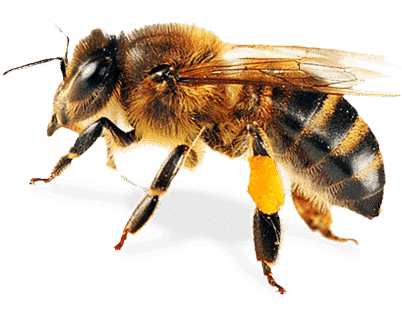
- b)

- c)
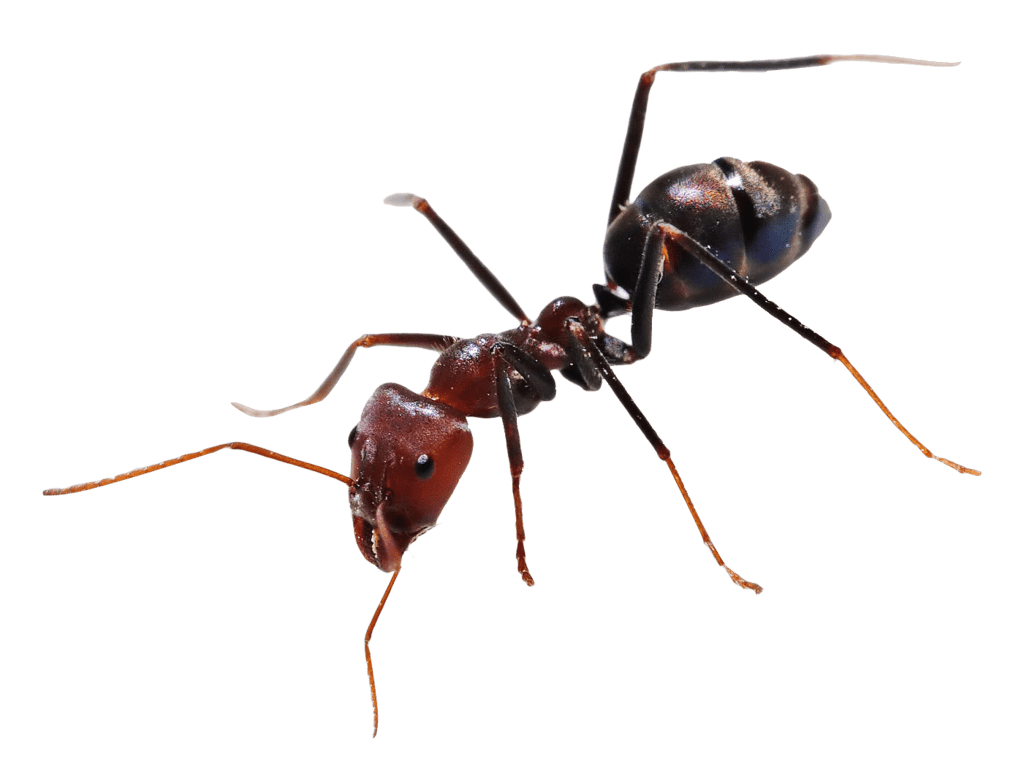
- d)
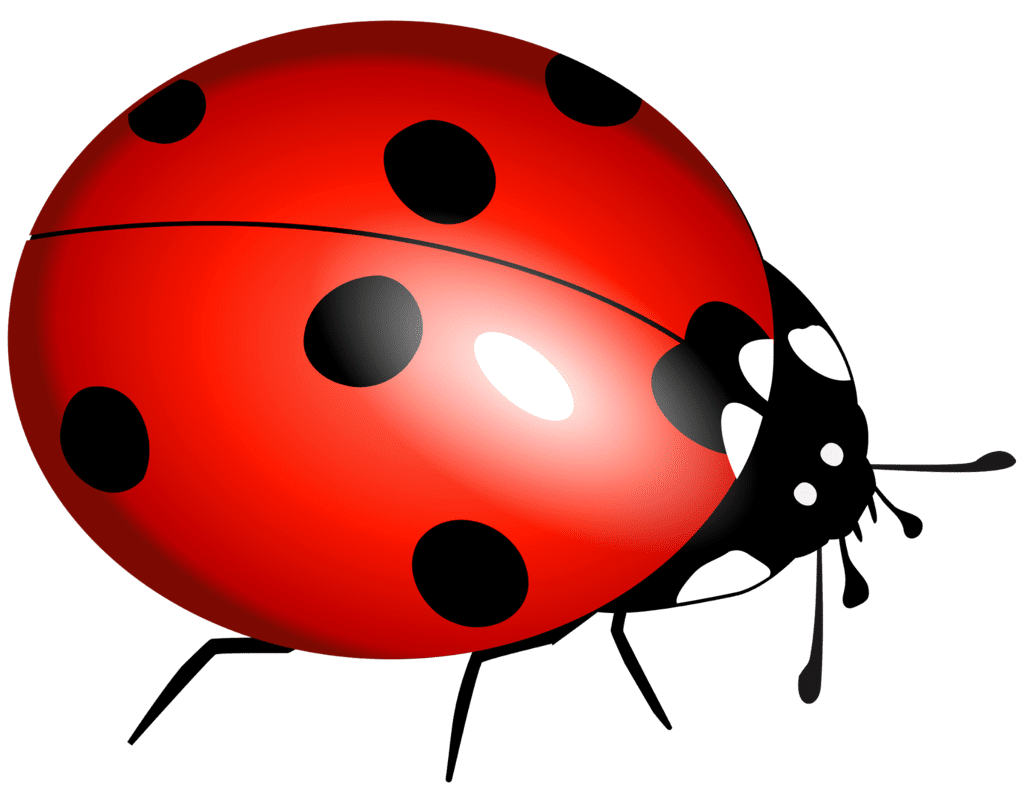
Correct answer is option 'B'. Can you explain this answer?
An insect that causes malaria-
a)
b)
c)
d)
 | Focus Academy answered |
- The insect responsible for spreading malaria is the female Anopheles mosquito.
- These mosquitoes transmit the Plasmodium parasite, which causes malaria.
- Preventing bites from these mosquitoes is key to reducing malaria risk.
Identify the flightless birds-- a)Sparrow and pigeon
- b)Sparrow and Parrot
- c)Owl and Woodpecker
- d)Ostrich and Kiwi
Correct answer is option 'D'. Can you explain this answer?
Identify the flightless birds-
a)
Sparrow and pigeon
b)
Sparrow and Parrot
c)
Owl and Woodpecker
d)
Ostrich and Kiwi
| | Rahul Verma answered |
Some birds cannot fly at all, they have weak flight muscles and heavy bodies. Eg. Ostrich and Kiwi.
The legs of insects are joined to its-- a)Head
- b)Abdomen
- c)Thorax
- d)Both Thorax and Abdomen.
Correct answer is option 'C'. Can you explain this answer?
The legs of insects are joined to its-
a)
Head
b)
Abdomen
c)
Thorax
d)
Both Thorax and Abdomen.
 | Akash Desai answered |
The correct answer is option 'D', which means that the legs of insects are joined to both the thorax and the abdomen. Let's explore why this is the case.
Explanation:
Insects have three main body segments - the head, the thorax, and the abdomen. Each segment serves a specific purpose and has distinct characteristics.
1. Head:
The head is located at the front of the insect's body and houses important sensory organs such as the eyes, antennae, and mouthparts. It is responsible for sensing the environment, receiving information, and feeding.
2. Thorax:
The thorax is the middle segment of the insect's body. It is the attachment site for the insect's legs and wings. The thorax contains three pairs of jointed legs, which are crucial for locomotion and various other activities such as walking, jumping, and grasping. Each leg is composed of several segments, including the coxa, trochanter, femur, tibia, and tarsus. These segments provide flexibility and allow the insect to perform a wide range of movements.
3. Abdomen:
The abdomen is the posterior segment of the insect's body. It houses vital organs such as the digestive, reproductive, and respiratory systems. The abdomen is typically longer and more flexible than the other segments, allowing for the expansion and contraction of internal organs. It also plays a role in maintaining the insect's balance and stability.
Connection between the legs, thorax, and abdomen:
The legs of insects are connected to both the thorax and the abdomen. This connection is crucial for the insect's overall body structure and locomotion. The joint between the legs and the thorax provides stability and support, enabling the insect to move its legs freely. On the other hand, the connection between the legs and the abdomen allows for coordinated movement and flexibility.
In summary, the legs of insects are joined to both the thorax and the abdomen. This connection enables the insect to perform various locomotor activities and maintain its balance and stability.
Explanation:
Insects have three main body segments - the head, the thorax, and the abdomen. Each segment serves a specific purpose and has distinct characteristics.
1. Head:
The head is located at the front of the insect's body and houses important sensory organs such as the eyes, antennae, and mouthparts. It is responsible for sensing the environment, receiving information, and feeding.
2. Thorax:
The thorax is the middle segment of the insect's body. It is the attachment site for the insect's legs and wings. The thorax contains three pairs of jointed legs, which are crucial for locomotion and various other activities such as walking, jumping, and grasping. Each leg is composed of several segments, including the coxa, trochanter, femur, tibia, and tarsus. These segments provide flexibility and allow the insect to perform a wide range of movements.
3. Abdomen:
The abdomen is the posterior segment of the insect's body. It houses vital organs such as the digestive, reproductive, and respiratory systems. The abdomen is typically longer and more flexible than the other segments, allowing for the expansion and contraction of internal organs. It also plays a role in maintaining the insect's balance and stability.
Connection between the legs, thorax, and abdomen:
The legs of insects are connected to both the thorax and the abdomen. This connection is crucial for the insect's overall body structure and locomotion. The joint between the legs and the thorax provides stability and support, enabling the insect to move its legs freely. On the other hand, the connection between the legs and the abdomen allows for coordinated movement and flexibility.
In summary, the legs of insects are joined to both the thorax and the abdomen. This connection enables the insect to perform various locomotor activities and maintain its balance and stability.
Which of the following statements about beaks of birds is/are true?(i) Beaks can be used as weapons.(ii) Beaks are primarily used for feeding.(iii) Beaks are used to preen and make nests.(iv) Beaks are used in courtship displays.- a)(i) and (ii)
- b)(iv) only
- c)(i), (ii) and (iii) only
- d)(i), (ii), (iii) and (iv)
Correct answer is option 'D'. Can you explain this answer?
Which of the following statements about beaks of birds is/are true?
(i) Beaks can be used as weapons.
(ii) Beaks are primarily used for feeding.
(iii) Beaks are used to preen and make nests.
(iv) Beaks are used in courtship displays.
a)
(i) and (ii)
b)
(iv) only
c)
(i), (ii) and (iii) only
d)
(i), (ii), (iii) and (iv)
| | Jatin Kumar answered |
Explanation:
The correct answer is option D, which states that all the given statements (i), (ii), (iii), and (iv) are true about beaks of birds. Let's discuss each statement in detail:
(i) Beaks can be used as weapons:
- Many bird species use their beaks as weapons to defend themselves against predators or to compete with other birds for resources.
- Birds with strong and sharp beaks, such as raptors (eagles, hawks, falcons), can use them to catch and kill prey.
(ii) Beaks are primarily used for feeding:
- The primary function of a bird's beak is to gather and manipulate food.
- Different bird species have adapted their beaks to suit their specific feeding habits.
- For example, hummingbirds have long and slender beaks to reach nectar deep inside flowers, while woodpeckers have strong and pointed beaks to drill into tree trunks for insects.
(iii) Beaks are used to preen and make nests:
- Birds use their beaks to preen their feathers, which helps to remove dirt, parasites, and maintain their insulation.
- Some bird species also use their beaks to construct and shape their nests, gathering materials and arranging them in a suitable manner.
(iv) Beaks are used in courtship displays:
- During courtship displays, male birds often use their beaks to perform various actions to attract females.
- These actions can include singing, colorful displays, and beak movements or gestures.
In conclusion, all the given statements are true about the beaks of birds. Beaks serve multiple functions, including feeding, defense, preening, nest-building, and courtship displays.
In complete metamorphosis, an insect:- a)Hatches into a small version of an adult.
- b)Hatches out as caterpillar grow into pupa and becomes adult
- c)Is born alive
- d)All of the above.
Correct answer is option 'B'. Can you explain this answer?
In complete metamorphosis, an insect:
a)
Hatches into a small version of an adult.
b)
Hatches out as caterpillar grow into pupa and becomes adult
c)
Is born alive
d)
All of the above.
 | Prateek Goyal answered |
Complete metamorphosis in insects
Complete metamorphosis is a type of life cycle found in certain insects, such as butterflies and beetles. It consists of four distinct stages: egg, larva (caterpillar), pupa (chrysalis), and adult. Each stage looks different and has a unique purpose in the insect's development.
1. Egg stage
- The life cycle of an insect begins with an egg.
- The egg is usually laid by the adult female insect on a suitable host plant.
- The size, shape, and color of the egg vary depending on the species of insect.
- Inside the egg, the embryo develops and grows until it is ready to hatch.
2. Larva stage (caterpillar)
- After the egg hatches, a small larva emerges, commonly known as a caterpillar.
- The caterpillar is the feeding stage of the insect's life cycle.
- It has a soft body, several pairs of legs, and often distinct markings or hairs.
- Caterpillars eat voraciously to gain energy and grow.
- They shed their skin multiple times during this stage to accommodate their increasing size.
3. Pupa stage (chrysalis)
- Once the caterpillar has reached its full size, it enters the pupa stage.
- The pupa is a protective casing called a chrysalis.
- Inside the chrysalis, the caterpillar undergoes a remarkable transformation.
- The body of the caterpillar breaks down and reorganizes into the adult insect's body form.
- During this stage, the insect is not actively feeding and remains in a dormant state.
4. Adult stage
- After a period of time, the adult insect emerges from the chrysalis.
- The adult insect has fully developed wings and reproductive organs.
- It is the reproductive and dispersal stage of the insect's life cycle.
- The adult's appearance varies greatly depending on the species.
- In some insects, such as butterflies, the adult may exhibit bright colors and patterns to attract mates or deter predators.
Conclusion
In complete metamorphosis, an insect hatches out as a caterpillar, goes through the pupa stage inside a chrysalis, and finally emerges as an adult. This life cycle allows insects to undergo significant changes in form and behavior, enabling them to adapt to different ecological roles and environments.
Complete metamorphosis is a type of life cycle found in certain insects, such as butterflies and beetles. It consists of four distinct stages: egg, larva (caterpillar), pupa (chrysalis), and adult. Each stage looks different and has a unique purpose in the insect's development.
1. Egg stage
- The life cycle of an insect begins with an egg.
- The egg is usually laid by the adult female insect on a suitable host plant.
- The size, shape, and color of the egg vary depending on the species of insect.
- Inside the egg, the embryo develops and grows until it is ready to hatch.
2. Larva stage (caterpillar)
- After the egg hatches, a small larva emerges, commonly known as a caterpillar.
- The caterpillar is the feeding stage of the insect's life cycle.
- It has a soft body, several pairs of legs, and often distinct markings or hairs.
- Caterpillars eat voraciously to gain energy and grow.
- They shed their skin multiple times during this stage to accommodate their increasing size.
3. Pupa stage (chrysalis)
- Once the caterpillar has reached its full size, it enters the pupa stage.
- The pupa is a protective casing called a chrysalis.
- Inside the chrysalis, the caterpillar undergoes a remarkable transformation.
- The body of the caterpillar breaks down and reorganizes into the adult insect's body form.
- During this stage, the insect is not actively feeding and remains in a dormant state.
4. Adult stage
- After a period of time, the adult insect emerges from the chrysalis.
- The adult insect has fully developed wings and reproductive organs.
- It is the reproductive and dispersal stage of the insect's life cycle.
- The adult's appearance varies greatly depending on the species.
- In some insects, such as butterflies, the adult may exhibit bright colors and patterns to attract mates or deter predators.
Conclusion
In complete metamorphosis, an insect hatches out as a caterpillar, goes through the pupa stage inside a chrysalis, and finally emerges as an adult. This life cycle allows insects to undergo significant changes in form and behavior, enabling them to adapt to different ecological roles and environments.
Duck is an ______ animal and it uses its ______ to probe insects in the sand and mud.- a)Terrestrial and beak
- b)Aquatic and wings
- c)Aquatic and beak
- d)Terrestrial and wings.
Correct answer is option 'C'. Can you explain this answer?
Duck is an ______ animal and it uses its ______ to probe insects in the sand and mud.
a)
Terrestrial and beak
b)
Aquatic and wings
c)
Aquatic and beak
d)
Terrestrial and wings.
| | Rahul Verma answered |
Duck swims in water, so it is an aquatic animal and it catches prey with its beak.
Which of the following flies at low heights?- a)Sparrow
- b)Hen
- c)Eagle
- d)Penguin
Correct answer is option 'A'. Can you explain this answer?
Which of the following flies at low heights?
a)
Sparrow
b)
Hen
c)
Eagle
d)
Penguin
 | Subset Academy answered |
A Sparrow flies at low heights, usually close to the ground. It is a small bird that moves quickly and hops from one place to another.
- A Hen can fly a little, but not high; it usually stays on the ground.
- An Eagle flies high in the sky, looking for food.
- A Penguin doesn’t fly at all; it swims instead.
So, the correct answer is Sparrow.
Hawk and Eagles are-- a)Omnivores
- b)Carnivores
- c)Herbivores
- d)Scavengers
Correct answer is option 'B'. Can you explain this answer?
Hawk and Eagles are-
a)
Omnivores
b)
Carnivores
c)
Herbivores
d)
Scavengers
| | Hridoy Dasgupta answered |
Hawk and Eagles are Carnivores
Carnivores are animals that primarily eat meat. They have adaptations that allow them to catch and consume other animals. Hawks and eagles are examples of carnivorous birds that have specialized beaks, talons, and keen eyesight to help them hunt and capture their prey.
Adaptations for Hunting
- Sharp Beak: Hawks and eagles have sharp, hooked beaks that are specifically designed for tearing into the flesh of their prey. This beak shape allows them to efficiently consume meat.
- Strong Talons: These birds have strong, curved talons that they use to grasp and immobilize their prey. The talons help them catch and hold onto their prey while they tear it apart.
- Keen Eyesight: Hawks and eagles have excellent vision, allowing them to spot their prey from great distances. They can detect even small movements on the ground or in the sky, making them efficient hunters.
- Agile Flight: These birds are skilled flyers, able to maneuver quickly and silently through the air. This agility enables them to surprise their prey and catch it off guard.
Diet
Hawks and eagles primarily feed on other animals, including small mammals, birds, reptiles, and even fish. They are known to hunt and capture their prey by swooping down from the sky or perching on vantage points and ambushing their targets. They have a varied diet but rely mainly on meat for their nutritional needs.
Role in the Ecosystem
As carnivores, hawks and eagles play an important role in the ecosystem. They help control the population of their prey species, keeping them in balance with their environment. By preying on weaker or sick individuals, they also contribute to the overall health and fitness of the prey population.
In conclusion, hawks and eagles are classified as carnivores due to their anatomical adaptations for hunting, their diet primarily consisting of meat, and their crucial role in maintaining the ecological balance in their habitats.
Carnivores are animals that primarily eat meat. They have adaptations that allow them to catch and consume other animals. Hawks and eagles are examples of carnivorous birds that have specialized beaks, talons, and keen eyesight to help them hunt and capture their prey.
Adaptations for Hunting
- Sharp Beak: Hawks and eagles have sharp, hooked beaks that are specifically designed for tearing into the flesh of their prey. This beak shape allows them to efficiently consume meat.
- Strong Talons: These birds have strong, curved talons that they use to grasp and immobilize their prey. The talons help them catch and hold onto their prey while they tear it apart.
- Keen Eyesight: Hawks and eagles have excellent vision, allowing them to spot their prey from great distances. They can detect even small movements on the ground or in the sky, making them efficient hunters.
- Agile Flight: These birds are skilled flyers, able to maneuver quickly and silently through the air. This agility enables them to surprise their prey and catch it off guard.
Diet
Hawks and eagles primarily feed on other animals, including small mammals, birds, reptiles, and even fish. They are known to hunt and capture their prey by swooping down from the sky or perching on vantage points and ambushing their targets. They have a varied diet but rely mainly on meat for their nutritional needs.
Role in the Ecosystem
As carnivores, hawks and eagles play an important role in the ecosystem. They help control the population of their prey species, keeping them in balance with their environment. By preying on weaker or sick individuals, they also contribute to the overall health and fitness of the prey population.
In conclusion, hawks and eagles are classified as carnivores due to their anatomical adaptations for hunting, their diet primarily consisting of meat, and their crucial role in maintaining the ecological balance in their habitats.
Which of the following have sharp eyes to see their prey on the ground?- a)Hen
- b)Sparrow
- c)Crane
- d)Eagle
Correct answer is option 'D'. Can you explain this answer?
Which of the following have sharp eyes to see their prey on the ground?
a)
Hen
b)
Sparrow
c)
Crane
d)
Eagle
| | Subset Academy answered |
An Eagle has very sharp eyes that help it see its prey from high up in the sky. It can spot small animals or fish from far away and swoop down to catch them.
- A Hen, Sparrow, and Crane don’t have as sharp eyesight as an eagle. They focus more on things near the ground.
So, the correct answer is Eagle.
Select the odd one out from Insects features among the following-- a)Head
- b)Neck
- c)Thorax
- d)Abdomen
Correct answer is option 'B'. Can you explain this answer?
Select the odd one out from Insects features among the following-
a)
Head
b)
Neck
c)
Thorax
d)
Abdomen
| | Shounak Khanna answered |
Head
- The head of an insect contains important sensory organs such as eyes, antennae, and mouthparts.
- It is responsible for feeding, sensing the environment, and carrying out other vital functions.
Neck
- Insects do not have a distinct neck like humans or some other animals.
- The head is directly attached to the thorax, without a separate neck region.
Thorax
- The thorax is the middle section of an insect's body, where the legs and wings are attached.
- It plays a crucial role in locomotion and flight, as the muscles in the thorax control movement.
Abdomen
- The abdomen of an insect is the rear portion of the body, behind the thorax.
- It houses vital organs such as the digestive system, reproductive organs, and in some cases, defense mechanisms.
Explanation:
The odd one out among the given options is "Neck" because insects do not possess a separate neck region. Instead, the head is directly connected to the thorax without an intermediate neck segment. The head, thorax, and abdomen are the three main body parts of an insect, each serving distinct functions in the insect's physiology and behavior.
- The head of an insect contains important sensory organs such as eyes, antennae, and mouthparts.
- It is responsible for feeding, sensing the environment, and carrying out other vital functions.
Neck
- Insects do not have a distinct neck like humans or some other animals.
- The head is directly attached to the thorax, without a separate neck region.
Thorax
- The thorax is the middle section of an insect's body, where the legs and wings are attached.
- It plays a crucial role in locomotion and flight, as the muscles in the thorax control movement.
Abdomen
- The abdomen of an insect is the rear portion of the body, behind the thorax.
- It houses vital organs such as the digestive system, reproductive organs, and in some cases, defense mechanisms.
Explanation:
The odd one out among the given options is "Neck" because insects do not possess a separate neck region. Instead, the head is directly connected to the thorax without an intermediate neck segment. The head, thorax, and abdomen are the three main body parts of an insect, each serving distinct functions in the insect's physiology and behavior.
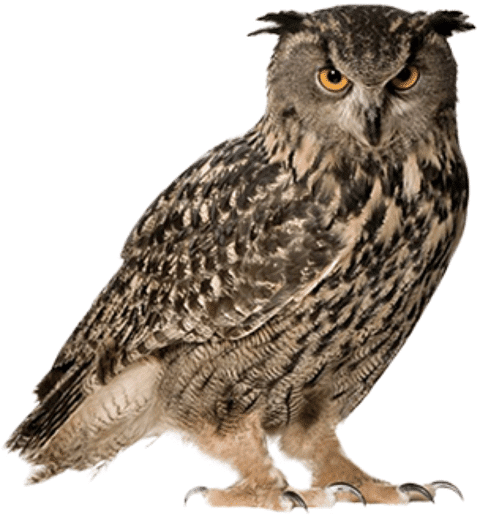
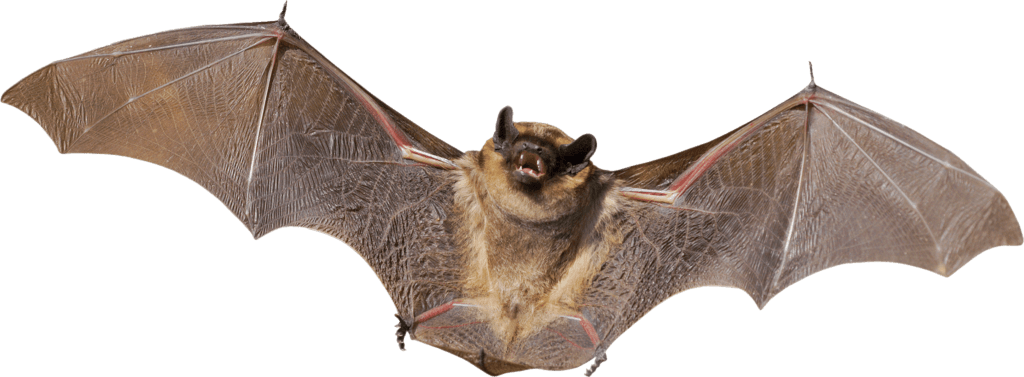
Kavi made a group of some animals shown below. But he has made a mistake. Ravi should remove which of the following from the group to correct his mistake?- a)
- b)
- c)
- d)
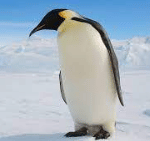
Correct answer is option 'B'. Can you explain this answer?
Kavi made a group of some animals shown below. But he has made a mistake. Ravi should remove which of the following from the group to correct his mistake?
a)
b)
c)
d)
 | Learning Education answered |
Bats are mammals because, like all mammals, they make milk for their young. Bats are not birds because they don't have feathers, they don't lay eggs, and are built very differently from birds.
Choose the statements True or FalseRearing of Bees is known as Sericulture.- a)True
- b)False
- c)Both of them
- d)None of these
Correct answer is option 'B'. Can you explain this answer?
Choose the statements True or False
Rearing of Bees is known as Sericulture.
a)
True
b)
False
c)
Both of them
d)
None of these
 | Edgy Education answered |
Rearing of Honey Bees is known as Apiculture.
A Large or dense group of flying insects is known as.- a)Swarm
- b)Flocks
- c)Crowd
- d)None of these
Correct answer is option 'A'. Can you explain this answer?
A Large or dense group of flying insects is known as.
a)
Swarm
b)
Flocks
c)
Crowd
d)
None of these
| | Deepika Menon answered |
Swarm of Insects
Swarm is a term used to describe a large or dense group of flying insects. This phenomenon occurs when insects such as bees, locusts, or mosquitoes gather together in a cluster to perform certain activities like mating, finding food, or migrating to a new location.
Characteristics of a Swarm
- Swarms can consist of thousands to millions of insects flying in close proximity.
- The insects within a swarm exhibit synchronized movements, creating a cohesive group.
- Swarms can be temporary, as the insects disperse once their objectives are fulfilled.
Formation of a Swarm
- Insects tend to swarm for survival reasons such as protection, reproduction, or resource gathering.
- Chemical signals released by individual insects can attract others to form a swarm.
- Environmental factors like temperature, humidity, and wind conditions can also influence swarm formation.
Importance of Swarms
- Swarms play a crucial role in the ecosystem by pollinating plants, controlling pest populations, and serving as a food source for other animals.
- Understanding swarm behavior can help in pest management strategies and conservation efforts.
In conclusion, a swarm of insects is a natural phenomenon that showcases the collective behavior and adaptability of these creatures. It is essential to study and appreciate the role of swarms in the environment to maintain the balance of ecosystems.
Larva of Housefly is known as- a)Caterpillar
- b)Maggot
- c)Pupa
- d)All of these
Correct answer is option 'B'. Can you explain this answer?
Larva of Housefly is known as
a)
Caterpillar
b)
Maggot
c)
Pupa
d)
All of these
 | Vaibhav Sen answered |
Larva of Housefly is known as Maggot
The correct answer to the question is option 'B', Maggot. A larva is the immature stage of an insect, and in the case of a housefly, it is called a maggot. Houseflies undergo a complete metamorphosis, which means they go through several distinct stages of development before becoming adults.
Housefly Life Cycle
The life cycle of a housefly consists of four stages: egg, larva, pupa, and adult. Each stage has its own characteristics and serves a specific purpose in the fly's life.
Egg Stage
- The life cycle begins when a female housefly lays eggs on a suitable food source, such as rotting organic matter or feces.
- The eggs are small, white, and oblong in shape. They are typically laid in clusters of around 100-150 eggs.
- Under optimal conditions, the eggs hatch within 24 hours.
Larva Stage (Maggot)
- Once the eggs hatch, the larvae emerge. These larvae are commonly known as maggots.
- Maggots have a worm-like appearance with a soft, elongated body and no legs. They are usually white or cream-colored.
- They feed voraciously on the organic matter they are born into, helping to break it down and decompose it.
- The larval stage is the longest stage in the housefly life cycle, lasting about 5-10 days depending on environmental conditions and food availability.
- As maggots grow, they molt several times, shedding their skin and increasing in size.
Pupa Stage
- After the larval stage, maggots undergo a dramatic transformation into pupae.
- The pupa stage is a resting phase where the maggot's body undergoes complete reorganization.
- During this stage, the maggot forms a hard outer shell, known as the puparium, which protects the developing fly inside.
- Inside the puparium, the maggot undergoes metamorphosis and develops into an adult fly.
Adult Stage
- Finally, the adult housefly emerges from the puparium. It breaks open the puparium and emerges with fully developed wings and reproductive organs.
- The adult housefly is capable of flight and reproduction.
- Female houseflies are known for their ability to lay eggs, starting the life cycle all over again.
In conclusion, the larva of a housefly is known as a maggot. Maggots play an important role in the decomposition of organic matter and are commonly found in environments where there is decaying material. Understanding the life cycle of the housefly can help in implementing effective control measures to manage their population.
The correct answer to the question is option 'B', Maggot. A larva is the immature stage of an insect, and in the case of a housefly, it is called a maggot. Houseflies undergo a complete metamorphosis, which means they go through several distinct stages of development before becoming adults.
Housefly Life Cycle
The life cycle of a housefly consists of four stages: egg, larva, pupa, and adult. Each stage has its own characteristics and serves a specific purpose in the fly's life.
Egg Stage
- The life cycle begins when a female housefly lays eggs on a suitable food source, such as rotting organic matter or feces.
- The eggs are small, white, and oblong in shape. They are typically laid in clusters of around 100-150 eggs.
- Under optimal conditions, the eggs hatch within 24 hours.
Larva Stage (Maggot)
- Once the eggs hatch, the larvae emerge. These larvae are commonly known as maggots.
- Maggots have a worm-like appearance with a soft, elongated body and no legs. They are usually white or cream-colored.
- They feed voraciously on the organic matter they are born into, helping to break it down and decompose it.
- The larval stage is the longest stage in the housefly life cycle, lasting about 5-10 days depending on environmental conditions and food availability.
- As maggots grow, they molt several times, shedding their skin and increasing in size.
Pupa Stage
- After the larval stage, maggots undergo a dramatic transformation into pupae.
- The pupa stage is a resting phase where the maggot's body undergoes complete reorganization.
- During this stage, the maggot forms a hard outer shell, known as the puparium, which protects the developing fly inside.
- Inside the puparium, the maggot undergoes metamorphosis and develops into an adult fly.
Adult Stage
- Finally, the adult housefly emerges from the puparium. It breaks open the puparium and emerges with fully developed wings and reproductive organs.
- The adult housefly is capable of flight and reproduction.
- Female houseflies are known for their ability to lay eggs, starting the life cycle all over again.
In conclusion, the larva of a housefly is known as a maggot. Maggots play an important role in the decomposition of organic matter and are commonly found in environments where there is decaying material. Understanding the life cycle of the housefly can help in implementing effective control measures to manage their population.
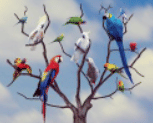
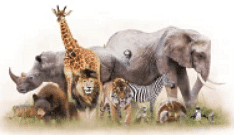
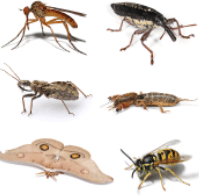
The most diverse group of animals on earth-- a)
- b)
- c)
- d)
Correct answer is option 'C'. Can you explain this answer?
The most diverse group of animals on earth-
a)
b)
c)
d)
| | Anjali Gupta answered |
Insects are the most diverse and largest group of animals on Earth.
I am the smallest bird with a long beak. I love sucking nectar from flowers. Identify me?- a)Humming bird
- b)Sparrow
- c)Falcon
- d)Ostrich
Correct answer is option 'A'. Can you explain this answer?
I am the smallest bird with a long beak. I love sucking nectar from flowers. Identify me?
a)
Humming bird
b)
Sparrow
c)
Falcon
d)
Ostrich
| | Edgy Education answered |
Hummingbirds are the smallest birds in the world, and they have long, thin beaks that they use to suck nectar from flowers. They are also the only birds that can fly backwards.
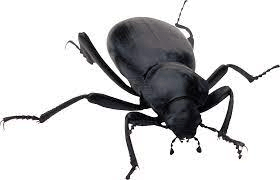
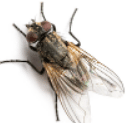
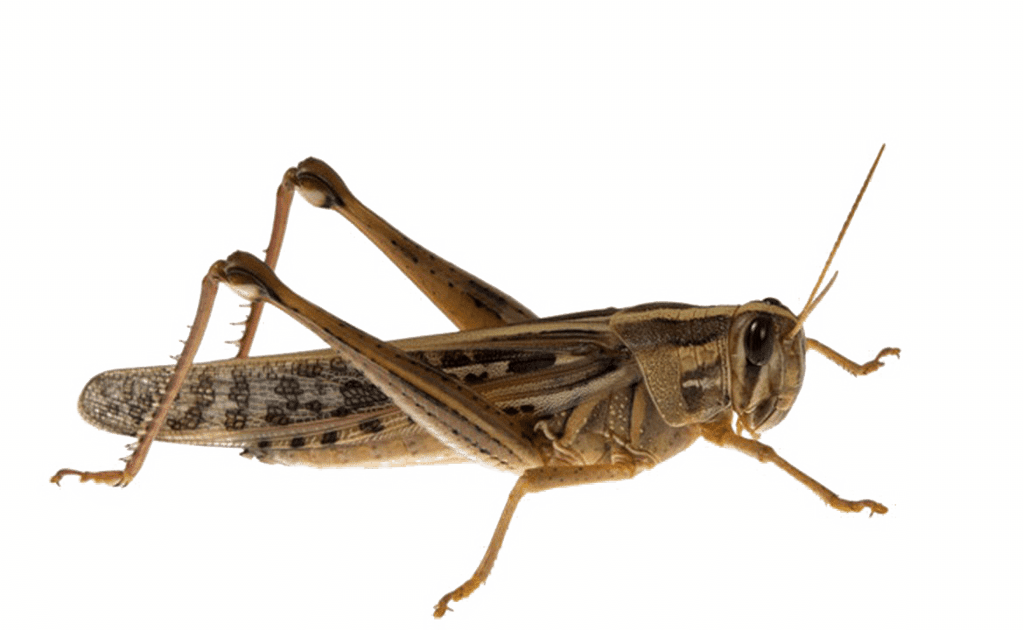
Among the following Insects which have a sucking type feeding habit?- a)
- b)
- c)
- d)
Correct answer is option 'B'. Can you explain this answer?
Among the following Insects which have a sucking type feeding habit?
a)
b)
c)
d)
 | Glitz Classes answered |
Housefly have a sucking type feeding habit.
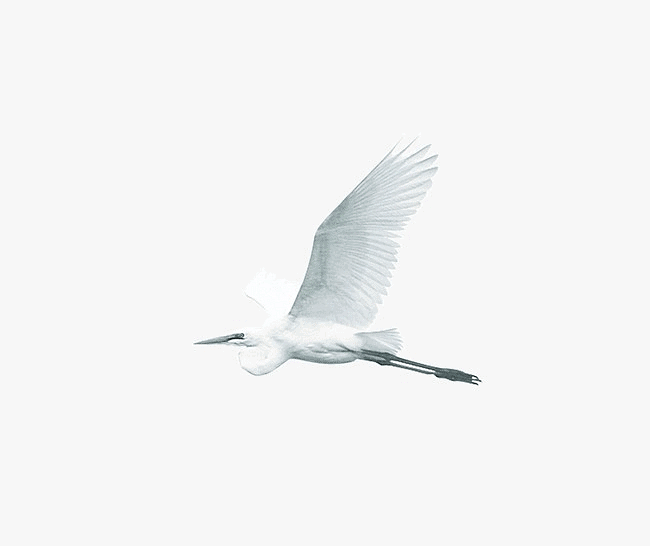
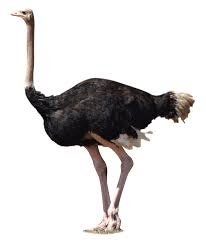
Largest Bird in the world–- a)
- b)
- c)
- d)
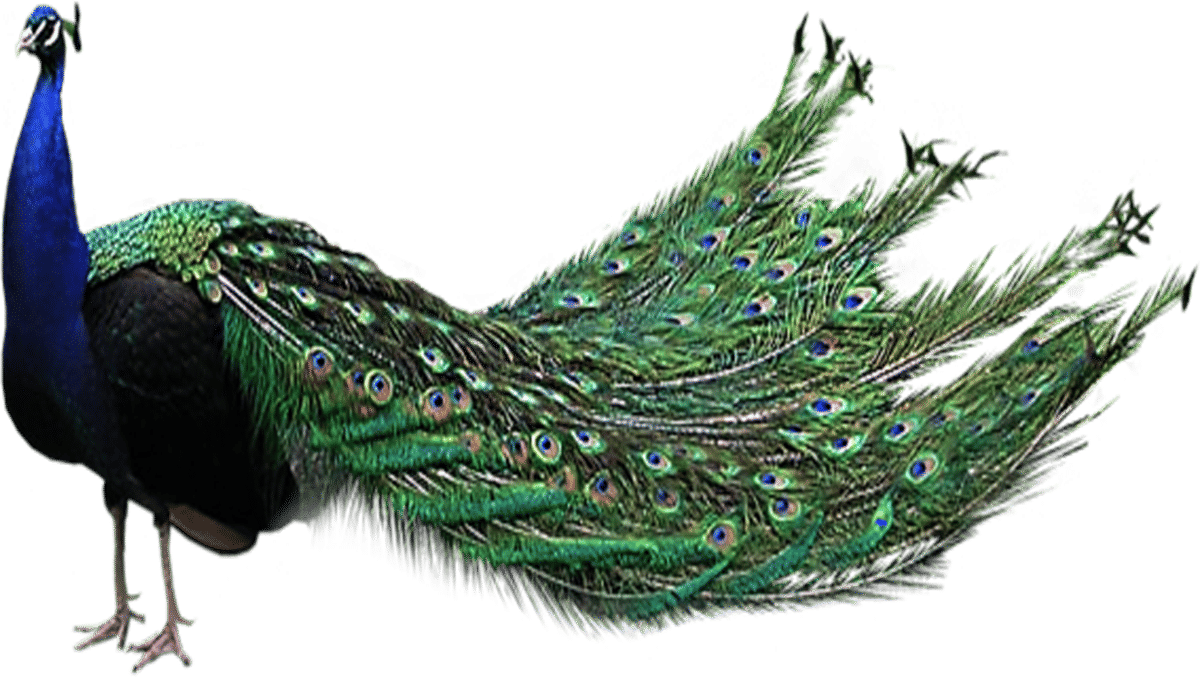
Correct answer is option 'C'. Can you explain this answer?
Largest Bird in the world–
a)
b)
c)
d)
| | Rahul Verma answered |
Largest bird in the world is Ostrich.
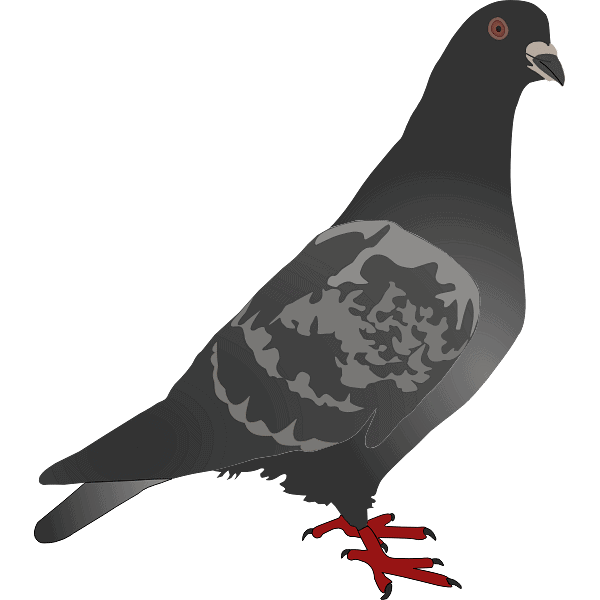
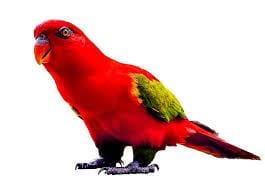
Flightless bird: Penguin::Migratory bird:X- a)
- b)
- c)
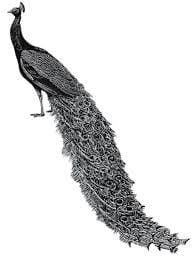
- d)
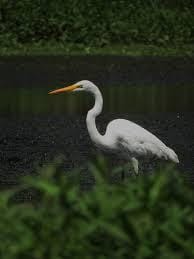
Correct answer is option 'D'. Can you explain this answer?
Flightless bird: Penguin::Migratory bird:X
a)
b)
c)
d)
| | Anjali Gupta answered |
In winter, the climatic conditions of Siberia are not suitable for birds living in these areas. Siberian Cranes have the longest migratory period, so they are called migratory birds.
Choose the correct option- are the option true or false(i) Birds have hollow bones which help to fly.(ii) Kiwi is a flightless bird.(iii) Eagle is a herbivorous bird.(iv) Ducks have pointed beaks.- a)TFTF
- b)FFTT
- c)FTFT
- d)TTFF
Correct answer is option 'D'. Can you explain this answer?
Choose the correct option- are the option true or false
(i) Birds have hollow bones which help to fly.
(ii) Kiwi is a flightless bird.
(iii) Eagle is a herbivorous bird.
(iv) Ducks have pointed beaks.
a)
TFTF
b)
FFTT
c)
FTFT
d)
TTFF
| | Rahul Verma answered |
Kiwi is a flightless bird; it has wings but it cannot fly. Duck has a broad and flat beak. Eagle is a scavenger which eats dead animals.
Choose the correct order of the life cycle- a)Egg → Pupa → Larva → Adult
- b)Egg → Adult→ Larva→ Pupa
- c)Egg → Larva → Pupa→ Adult
- d)Larva→ Egg → Pupa → Adult
Correct answer is option 'C'. Can you explain this answer?
Choose the correct order of the life cycle
a)
Egg → Pupa → Larva → Adult
b)
Egg → Adult→ Larva→ Pupa
c)
Egg → Larva → Pupa→ Adult
d)
Larva→ Egg → Pupa → Adult
| | Anjali Gupta answered |
The correct sequence is Egg → Larva → Pupa → Adult.
Match the Column-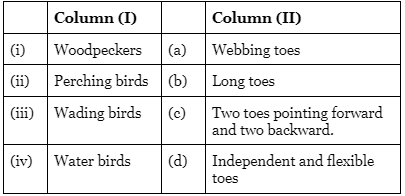
- a)(i)-c, (ii)-d, (iii) - b, (iv)-a.
- b)(i)-d, (ii)-c, (iii) - a, (iv) - b.
- c)(i)-c, (ii)-d, (iii) - a, (iv) -b.
- d)(i)- b, (ii)-d, (iii) - a, (iv) - b.
Correct answer is option 'A'. Can you explain this answer?
Match the Column-
a)
(i)-c, (ii)-d, (iii) - b, (iv)-a.
b)
(i)-d, (ii)-c, (iii) - a, (iv) - b.
c)
(i)-c, (ii)-d, (iii) - a, (iv) -b.
d)
(i)- b, (ii)-d, (iii) - a, (iv) - b.
| | Rahul Verma answered |
Woodpeckers have two toes painting forward and two backward. Perching birds have independent and flexible toes. Wading birds have long toes and water birds have webbed feet.
Chapter doubts & questions for Birds - Science Olympiad for Class 3 2026 is part of Class 3 exam preparation. The chapters have been prepared according to the Class 3 exam syllabus. The Chapter doubts & questions, notes, tests & MCQs are made for Class 3 2026 Exam. Find important definitions, questions, notes, meanings, examples, exercises, MCQs and online tests here.
Chapter doubts & questions of Birds - Science Olympiad for Class 3 in English & Hindi are available as part of Class 3 exam. Download more important topics, notes, lectures and mock test series for Class 3 Exam by signing up for free.
Science Olympiad for Class 333 videos|87 docs|54 tests |
