


All Exams > Class 8 > GK Olympiad for Class 8 > All Questions
All questions of Medieval Indian History for Class 8 Exam
Who founded the Maratha Kingdom in the 17th century CE?- a)Mangal Pandey
- b)Chandrgupta Maurya
- c)Shivaji
- d)Tipu Sultan
Correct answer is option 'C'. Can you explain this answer?
Who founded the Maratha Kingdom in the 17th century CE?
a)
Mangal Pandey
b)
Chandrgupta Maurya
c)
Shivaji
d)
Tipu Sultan
 | Kaavya Saha answered |
Shivaji founded the Maratha Kingdom in the 17th century CE.
Shivaji was born in 1627 in the town of Shivneri in Maharashtra. He was the son of Shahaji Bhosale, a prominent Maratha general, and Jijabai. Shivaji was trained in military tactics and administration from a young age.
Shivaji began his military career by capturing the Torna Fort in 1646. He continued to expand his territory by capturing more forts and establishing his control over the region. He also developed a network of spies and informants to keep track of his enemies.
In 1674, Shivaji declared himself the Chhatrapati (emperor) of the Maratha Kingdom after defeating the Adil Shahi dynasty of Bijapur. He established a strong and efficient administration system and encouraged the use of Marathi language and culture.
Under Shivaji's leadership, the Maratha Kingdom became a major power in India. He also fought against the Mughals and the British East India Company. Shivaji died in 1680, but his legacy continued through his son and successors.
Today, Shivaji is remembered as a hero and a symbol of Maratha pride and identity. His legacy continues to inspire people in Maharashtra and beyond.
Shivaji was born in 1627 in the town of Shivneri in Maharashtra. He was the son of Shahaji Bhosale, a prominent Maratha general, and Jijabai. Shivaji was trained in military tactics and administration from a young age.
Shivaji began his military career by capturing the Torna Fort in 1646. He continued to expand his territory by capturing more forts and establishing his control over the region. He also developed a network of spies and informants to keep track of his enemies.
In 1674, Shivaji declared himself the Chhatrapati (emperor) of the Maratha Kingdom after defeating the Adil Shahi dynasty of Bijapur. He established a strong and efficient administration system and encouraged the use of Marathi language and culture.
Under Shivaji's leadership, the Maratha Kingdom became a major power in India. He also fought against the Mughals and the British East India Company. Shivaji died in 1680, but his legacy continued through his son and successors.
Today, Shivaji is remembered as a hero and a symbol of Maratha pride and identity. His legacy continues to inspire people in Maharashtra and beyond.

Arrange the following later Mughal rulers in chronological order.- Alamgir II
- Mohammad Shah
- Shah Alam II
- Ahmad Shah
- a)3, 2, 4, 1
- b)1, 3, 2, 4
- c)1, 2, 3, 4
- d)2, 4, 1, 3
Correct answer is option 'D'. Can you explain this answer?
Arrange the following later Mughal rulers in chronological order.
- Alamgir II
- Mohammad Shah
- Shah Alam II
- Ahmad Shah
a)
3, 2, 4, 1
b)
1, 3, 2, 4
c)
1, 2, 3, 4
d)
2, 4, 1, 3
 | Niharika Menon answered |
The correct answer is option 'D' which is 2, 4, 1, 3. Now let's understand the chronological order of the later Mughal rulers and why this order is correct.
1. **Mohammad Shah**: Mohammad Shah was the emperor of the Mughal Empire from 1719 to 1748. He ascended the throne after the death of his father, Emperor Farrukhsiyar. Mohammad Shah's reign was marked by political instability and the decline of the Mughal Empire. He was known for his luxurious lifestyle and lack of interest in state affairs.
2. **Ahmad Shah**: Ahmad Shah was the successor of Mohammad Shah and ruled from 1748 to 1754. He was the son of Mohammad Shah and continued the decline of the Mughal Empire. His reign was also marked by political instability and the rise of regional powers such as the Marathas and the British.
3. **Alamgir II**: Alamgir II, whose original name was Aziz-ud-din, was the emperor of the Mughal Empire from 1754 to 1759. He was the son of Jahandar Shah and was chosen as the emperor by the nobles. However, his reign was short-lived and he was assassinated by his vizier, Ghazi-ud-Din Imad-ul-Mulk.
4. **Shah Alam II**: Shah Alam II, whose original name was Ali Gauhar, was the emperor of the Mughal Empire from 1759 to 1806. He was the son of Alamgir II and was chosen as the emperor with the help of the Marathas. His reign was marked by the loss of Mughal territories to the Marathas and the British, and he eventually became a puppet ruler under their control.
By arranging the later Mughal rulers in chronological order, we get the following sequence: 2, 4, 1, 3. This order represents the succession of rulers and the timeline of their reigns in the later period of the Mughal Empire.
1. **Mohammad Shah**: Mohammad Shah was the emperor of the Mughal Empire from 1719 to 1748. He ascended the throne after the death of his father, Emperor Farrukhsiyar. Mohammad Shah's reign was marked by political instability and the decline of the Mughal Empire. He was known for his luxurious lifestyle and lack of interest in state affairs.
2. **Ahmad Shah**: Ahmad Shah was the successor of Mohammad Shah and ruled from 1748 to 1754. He was the son of Mohammad Shah and continued the decline of the Mughal Empire. His reign was also marked by political instability and the rise of regional powers such as the Marathas and the British.
3. **Alamgir II**: Alamgir II, whose original name was Aziz-ud-din, was the emperor of the Mughal Empire from 1754 to 1759. He was the son of Jahandar Shah and was chosen as the emperor by the nobles. However, his reign was short-lived and he was assassinated by his vizier, Ghazi-ud-Din Imad-ul-Mulk.
4. **Shah Alam II**: Shah Alam II, whose original name was Ali Gauhar, was the emperor of the Mughal Empire from 1759 to 1806. He was the son of Alamgir II and was chosen as the emperor with the help of the Marathas. His reign was marked by the loss of Mughal territories to the Marathas and the British, and he eventually became a puppet ruler under their control.
By arranging the later Mughal rulers in chronological order, we get the following sequence: 2, 4, 1, 3. This order represents the succession of rulers and the timeline of their reigns in the later period of the Mughal Empire.
To which dynasty did Razia Sultan, the first and last female ruler of Delhi Sultanate belong?- a)Lodi
- b)Tughlaq
- c)Mamluk
- d)Sayyid
Correct answer is option 'C'. Can you explain this answer?
To which dynasty did Razia Sultan, the first and last female ruler of Delhi Sultanate belong?
a)
Lodi
b)
Tughlaq
c)
Mamluk
d)
Sayyid
 | Shivani Sengupta answered |
Razia Sultan, the first and last female ruler of the Delhi Sultanate, belonged to the Mamluk dynasty.
Explanation:
The Delhi Sultanate was a Muslim dynasty that ruled over parts of the Indian subcontinent from the 13th to the 16th century. It was founded by Qutb-ud-din Aibak, a former slave who became a trusted general of Muhammad of Ghor. After Muhammad's death, Qutb-ud-din Aibak established the Delhi Sultanate and became its first ruler.
The Delhi Sultanate was divided into five dynasties, namely the Mamluk, Khalji, Tughlaq, Sayyid, and Lodi dynasties. Each dynasty had its own set of rulers who succeeded each other.
Razia Sultan, born as Razia al-Din, was the daughter of Sultan Iltutmish, who belonged to the Mamluk dynasty. Iltutmish was the third ruler of the Delhi Sultanate and he appointed Razia as his successor, breaking the tradition of male-only succession. After Iltutmish's death in 1236, Razia ascended to the throne, becoming the first female ruler of the Delhi Sultanate.
During her reign, Razia Sultan faced opposition from the nobles and faced numerous challenges to maintain her authority. Despite her efforts to rule efficiently and justly, she was eventually overthrown and killed in 1240. With her death, the Mamluk dynasty came to an end, and the Delhi Sultanate was later ruled by the Khalji dynasty.
In conclusion, Razia Sultan, the first and last female ruler of the Delhi Sultanate, belonged to the Mamluk dynasty. Her reign marked a significant moment in the history of the Delhi Sultanate as she challenged the tradition of male-only succession.
Explanation:
The Delhi Sultanate was a Muslim dynasty that ruled over parts of the Indian subcontinent from the 13th to the 16th century. It was founded by Qutb-ud-din Aibak, a former slave who became a trusted general of Muhammad of Ghor. After Muhammad's death, Qutb-ud-din Aibak established the Delhi Sultanate and became its first ruler.
The Delhi Sultanate was divided into five dynasties, namely the Mamluk, Khalji, Tughlaq, Sayyid, and Lodi dynasties. Each dynasty had its own set of rulers who succeeded each other.
Razia Sultan, born as Razia al-Din, was the daughter of Sultan Iltutmish, who belonged to the Mamluk dynasty. Iltutmish was the third ruler of the Delhi Sultanate and he appointed Razia as his successor, breaking the tradition of male-only succession. After Iltutmish's death in 1236, Razia ascended to the throne, becoming the first female ruler of the Delhi Sultanate.
During her reign, Razia Sultan faced opposition from the nobles and faced numerous challenges to maintain her authority. Despite her efforts to rule efficiently and justly, she was eventually overthrown and killed in 1240. With her death, the Mamluk dynasty came to an end, and the Delhi Sultanate was later ruled by the Khalji dynasty.
In conclusion, Razia Sultan, the first and last female ruler of the Delhi Sultanate, belonged to the Mamluk dynasty. Her reign marked a significant moment in the history of the Delhi Sultanate as she challenged the tradition of male-only succession.
Consider the following statements regarding the duty of the Muhatsibs.
Check gambling dens and prostitution.
Check and interfere in the private life of the citizens.
Check weights and measures.
See that intoxicants were not consumed in public places.
Which of the above statements regarding the duty of Muhatsibs are correct?- a)1 and 2 only
- b)1, 2, 3 and 4
- c)1, 3 and 4 only
- d)3 and 4 only
Correct answer is option 'C'. Can you explain this answer?
Consider the following statements regarding the duty of the Muhatsibs.
Check gambling dens and prostitution.
Check and interfere in the private life of the citizens.
Check weights and measures.
See that intoxicants were not consumed in public places.
Which of the above statements regarding the duty of Muhatsibs are correct?
Check gambling dens and prostitution.
Check and interfere in the private life of the citizens.
Check weights and measures.
See that intoxicants were not consumed in public places.
Which of the above statements regarding the duty of Muhatsibs are correct?
a)
1 and 2 only
b)
1, 2, 3 and 4
c)
1, 3 and 4 only
d)
3 and 4 only
| | Rajesh Khatri answered |
The correct answer is c) 1, 3 and 4 only.
The Muhatsibs were officials in Muslim societies who were responsible for enforcing religious and moral laws. Their duties included checking and regulating various aspects of public life, including gambling dens, weights and measures, and the consumption of intoxicants in public places.
Option a) 1 and 2 only is incorrect, because the Muhatsibs did not have the duty to check and interfere in the private life of the citizens. Their role was to enforce religious and moral laws in public spaces, not to intrude on the private lives of individuals.
Option b) 1, 2, 3 and 4 is incorrect, because the Muhatsibs did not have the duty to check and interfere in the private life of the citizens.
Option d) 3 and 4 only is incorrect, because the Muhatsibs did have the duty to check gambling dens, in addition to checking weights and measures and enforcing laws against the consumption of intoxicants in public places.
Overall, the correct answer is c) 1, 3 and 4 only, because these are the duties that were actually assigned to the Muhatsibs.
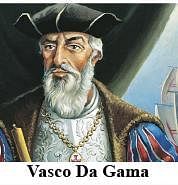
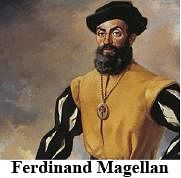
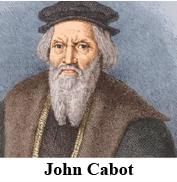
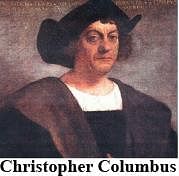
He and his crew were the first Europeans to sail around the world proving that the world is round. He searched for a western route to the Moluccas or Spice Islands from 1519 to 1521 with five ships. Who was he?- a)
- b)
- c)
- d)
Correct answer is option 'B'. Can you explain this answer?
He and his crew were the first Europeans to sail around the world proving that the world is round. He searched for a western route to the Moluccas or Spice Islands from 1519 to 1521 with five ships. Who was he?
a)
b)
c)
d)
| | Shivansh Jaiswal answered |
Answer:-(B)
Ferdinand Magellan was a Portuguese explorer who sought to find a western route to India. He started his voyage in Spain and sailed westward through uncharted waters until he reached what is now known as Chile. The “the explorer who sailed around the world was” is the first to sail around the world.
Who among the following was associated with the Mughal Court as a physician to Prince Dara Shikoh? - a)Hakim Arial Khan
- b)Ibn Battuta
- c)Francois Bernier
- d)Duarte Barbosa
Correct answer is option 'C'. Can you explain this answer?
Who among the following was associated with the Mughal Court as a physician to Prince Dara Shikoh?
a)
Hakim Arial Khan
b)
Ibn Battuta
c)
Francois Bernier
d)
Duarte Barbosa
| | Atharva Dasgupta answered |
Francois Bernier was associated with the Mughal court as a physician to Prince Dara Shikoh.
Who is Francois Bernier?
Francois Bernier was a French physician and traveler who visited India in the 17th century. He traveled extensively in India and wrote extensively about his experiences and observations. He arrived in India in 1656 and stayed there for 12 years, during which he traveled extensively and visited many parts of the country.
Association with the Mughal Court
During his stay in India, Francois Bernier was associated with the Mughal court as a physician to Prince Dara Shikoh, the eldest son of Emperor Shah Jahan. Dara Shikoh was a patron of the arts and sciences and was known for his interest in philosophy, religion, and mysticism. He was also a patron of scholars and intellectuals and invited many foreign scholars to his court. Francois Bernier was one of the scholars who were invited to the court of Dara Shikoh.
Work at the Mughal Court
As a physician to Prince Dara Shikoh, Francois Bernier had access to the inner workings of the Mughal court. He was able to observe the courtly life and the political intrigues that were taking place at the time. He also had the opportunity to observe the customs and traditions of the Mughal court and to study the medical practices of the time.
Contribution to Indian History
Francois Bernier's observations and descriptions of Indian society, culture, and medical practices are considered to be some of the most detailed and accurate accounts of India during the Mughal period. His writings provide valuable insights into the social and cultural life of the Mughal court and the medical practices of the time. His works are still studied by historians and scholars today and are considered to be an important source of information on the Mughal period in India.
Who is Francois Bernier?
Francois Bernier was a French physician and traveler who visited India in the 17th century. He traveled extensively in India and wrote extensively about his experiences and observations. He arrived in India in 1656 and stayed there for 12 years, during which he traveled extensively and visited many parts of the country.
Association with the Mughal Court
During his stay in India, Francois Bernier was associated with the Mughal court as a physician to Prince Dara Shikoh, the eldest son of Emperor Shah Jahan. Dara Shikoh was a patron of the arts and sciences and was known for his interest in philosophy, religion, and mysticism. He was also a patron of scholars and intellectuals and invited many foreign scholars to his court. Francois Bernier was one of the scholars who were invited to the court of Dara Shikoh.
Work at the Mughal Court
As a physician to Prince Dara Shikoh, Francois Bernier had access to the inner workings of the Mughal court. He was able to observe the courtly life and the political intrigues that were taking place at the time. He also had the opportunity to observe the customs and traditions of the Mughal court and to study the medical practices of the time.
Contribution to Indian History
Francois Bernier's observations and descriptions of Indian society, culture, and medical practices are considered to be some of the most detailed and accurate accounts of India during the Mughal period. His writings provide valuable insights into the social and cultural life of the Mughal court and the medical practices of the time. His works are still studied by historians and scholars today and are considered to be an important source of information on the Mughal period in India.
On whom Emperor Akbar conferred the title of 'Jagat Guru'?- a)Devi
- b)Hira Vijay Suri
- c)Dastur Meherji Rana
- d)Purushottam
Correct answer is option 'B'. Can you explain this answer?
On whom Emperor Akbar conferred the title of 'Jagat Guru'?
a)
Devi
b)
Hira Vijay Suri
c)
Dastur Meherji Rana
d)
Purushottam
| | Ananya Nambiar answered |
Explanation:
Emperor Akbar was known for his religious tolerance and respect for different faiths. He conferred the title of Jagat Guru on several spiritual leaders of different religions as a mark of respect and acknowledgement of their teachings and contributions to society. One such spiritual leader was Hira Vijay Suri, a Jain monk.
Hira Vijay Suri:
Hira Vijay Suri was a prominent Jain monk who lived during the reign of Emperor Akbar. He was a disciple of the famous Jain scholar and reformer Acharya Kundakunda. Hira Vijay Suri was known for his immense knowledge of Jain philosophy and his spiritual teachings which emphasized the importance of non-violence, compassion, and self-discipline.
Conferment of Title:
Emperor Akbar was impressed by Hira Vijay Suri's wisdom and teachings and conferred the title of Jagat Guru on him. This title was given to spiritual leaders who were considered to be the teachers of the world and who had made significant contributions to the spiritual and intellectual development of society. Hira Vijay Suri was the first Jain monk to receive this title from a Mughal emperor.
Impact:
The conferment of the title of Jagat Guru on Hira Vijay Suri was a significant moment in the history of Jainism and the relationship between the Mughal empire and the Jain community. It was a mark of recognition and respect for the Jain philosophy and its contributions to society. It also helped to promote religious harmony and tolerance in a diverse and multicultural society.
Conclusion:
The conferment of the title of Jagat Guru on Hira Vijay Suri by Emperor Akbar was an important event in the history of Jainism and the Mughal empire. It was a testament to the religious tolerance and respect for different faiths that characterized the reign of Emperor Akbar.
Emperor Akbar was known for his religious tolerance and respect for different faiths. He conferred the title of Jagat Guru on several spiritual leaders of different religions as a mark of respect and acknowledgement of their teachings and contributions to society. One such spiritual leader was Hira Vijay Suri, a Jain monk.
Hira Vijay Suri:
Hira Vijay Suri was a prominent Jain monk who lived during the reign of Emperor Akbar. He was a disciple of the famous Jain scholar and reformer Acharya Kundakunda. Hira Vijay Suri was known for his immense knowledge of Jain philosophy and his spiritual teachings which emphasized the importance of non-violence, compassion, and self-discipline.
Conferment of Title:
Emperor Akbar was impressed by Hira Vijay Suri's wisdom and teachings and conferred the title of Jagat Guru on him. This title was given to spiritual leaders who were considered to be the teachers of the world and who had made significant contributions to the spiritual and intellectual development of society. Hira Vijay Suri was the first Jain monk to receive this title from a Mughal emperor.
Impact:
The conferment of the title of Jagat Guru on Hira Vijay Suri was a significant moment in the history of Jainism and the relationship between the Mughal empire and the Jain community. It was a mark of recognition and respect for the Jain philosophy and its contributions to society. It also helped to promote religious harmony and tolerance in a diverse and multicultural society.
Conclusion:
The conferment of the title of Jagat Guru on Hira Vijay Suri by Emperor Akbar was an important event in the history of Jainism and the Mughal empire. It was a testament to the religious tolerance and respect for different faiths that characterized the reign of Emperor Akbar.
Chikankari is a traditional Indian embroidery style believed to have been introduced by Nur Jehan, the wife of Mughal emperor Jahangir. Which city is this craft associated with?- a)Lucknow
- b)Thanjavur
- c)Kolhapur
- d)Jaipur
Correct answer is option 'A'. Can you explain this answer?
Chikankari is a traditional Indian embroidery style believed to have been introduced by Nur Jehan, the wife of Mughal emperor Jahangir. Which city is this craft associated with?
a)
Lucknow
b)
Thanjavur
c)
Kolhapur
d)
Jaipur
 | Mira Bajaj answered |
**Answer:**
**Chikankari and its Introduction:**
Chikankari is a traditional Indian embroidery style that is believed to have been introduced by Nur Jehan, the wife of Mughal emperor Jahangir. This exquisite craft originated in the city of Lucknow, which is located in the northern state of Uttar Pradesh in India.
**Significance of Lucknow:**
Lucknow has long been regarded as the hub of Chikankari embroidery. The city has a rich cultural and historical background, and it was during the Mughal era that Chikankari flourished under the patronage of the emperors and their queens. The craftsmanship and artistry associated with Chikankari became an integral part of Lucknow's cultural identity.
**Craftsmanship and Artistry:**
Chikankari is a form of intricate white-on-white embroidery that is done on fabric. It involves various decorative stitches, such as the backstitch, chain stitch, and hemstitch, which are meticulously done by skilled artisans. The embroidery is usually done on fine fabrics like muslin, silk, chiffon, and organza, adding a touch of elegance and grace to the garments.
**Techniques and Patterns:**
Chikankari embroidery is known for its delicate and intricate designs. The motifs used in Chikankari are inspired by nature, with floral patterns being the most common. Other motifs include paisleys, vines, birds, and geometric shapes. These motifs are carefully handcrafted using the needle and thread, resulting in beautiful and exquisite designs.
**Versatility and Adaptability:**
Chikankari embroidery can be found on a wide range of garments, including sarees, salwar suits, kurtis, dupattas, and even men's clothing like sherwanis and kurta pajamas. The craft has also evolved over time and has been adapted to modern designs and trends, making it a versatile and evergreen form of embroidery.
**Preserving the Craft:**
In recent years, there has been a renewed interest in Chikankari embroidery, both within India and internationally. Efforts are being made to promote and preserve this traditional craft, with organizations and artisans working together to ensure its survival. Chikankari has also been recognized as a Geographical Indication (GI) by the Government of India, further highlighting its cultural and historical significance.
In conclusion, Chikankari embroidery is a traditional Indian craft that originated in the city of Lucknow. It is a testament to the rich cultural heritage of the region and has gained recognition worldwide for its delicate and intricate designs. The craft continues to thrive, thanks to the efforts of artisans and organizations working towards its preservation and promotion.
**Chikankari and its Introduction:**
Chikankari is a traditional Indian embroidery style that is believed to have been introduced by Nur Jehan, the wife of Mughal emperor Jahangir. This exquisite craft originated in the city of Lucknow, which is located in the northern state of Uttar Pradesh in India.
**Significance of Lucknow:**
Lucknow has long been regarded as the hub of Chikankari embroidery. The city has a rich cultural and historical background, and it was during the Mughal era that Chikankari flourished under the patronage of the emperors and their queens. The craftsmanship and artistry associated with Chikankari became an integral part of Lucknow's cultural identity.
**Craftsmanship and Artistry:**
Chikankari is a form of intricate white-on-white embroidery that is done on fabric. It involves various decorative stitches, such as the backstitch, chain stitch, and hemstitch, which are meticulously done by skilled artisans. The embroidery is usually done on fine fabrics like muslin, silk, chiffon, and organza, adding a touch of elegance and grace to the garments.
**Techniques and Patterns:**
Chikankari embroidery is known for its delicate and intricate designs. The motifs used in Chikankari are inspired by nature, with floral patterns being the most common. Other motifs include paisleys, vines, birds, and geometric shapes. These motifs are carefully handcrafted using the needle and thread, resulting in beautiful and exquisite designs.
**Versatility and Adaptability:**
Chikankari embroidery can be found on a wide range of garments, including sarees, salwar suits, kurtis, dupattas, and even men's clothing like sherwanis and kurta pajamas. The craft has also evolved over time and has been adapted to modern designs and trends, making it a versatile and evergreen form of embroidery.
**Preserving the Craft:**
In recent years, there has been a renewed interest in Chikankari embroidery, both within India and internationally. Efforts are being made to promote and preserve this traditional craft, with organizations and artisans working together to ensure its survival. Chikankari has also been recognized as a Geographical Indication (GI) by the Government of India, further highlighting its cultural and historical significance.
In conclusion, Chikankari embroidery is a traditional Indian craft that originated in the city of Lucknow. It is a testament to the rich cultural heritage of the region and has gained recognition worldwide for its delicate and intricate designs. The craft continues to thrive, thanks to the efforts of artisans and organizations working towards its preservation and promotion.
Consider the following.
The arrival of Babur into India led to the:- introduction of gunpowder in the sub-continent.
- introduction of the arch and dome in the region's architecture.
- establishment of Timurid dynasty in the region.
Select the correct answer using the codes given below.- a)1 and 2
- b)Only 3
- c)1 and 3
- d)1, 2 and 3
Correct answer is option 'B'. Can you explain this answer?
Consider the following.
The arrival of Babur into India led to the:
The arrival of Babur into India led to the:
- introduction of gunpowder in the sub-continent.
- introduction of the arch and dome in the region's architecture.
- establishment of Timurid dynasty in the region.
Select the correct answer using the codes given below.
a)
1 and 2
b)
Only 3
c)
1 and 3
d)
1, 2 and 3
 | Nitya Sengupta answered |
**Explanation:**
The correct answer is option B) Only 3.
**1) Introduction of gunpowder in the sub-continent**:
The introduction of gunpowder in the Indian subcontinent cannot be attributed to Babur. Gunpowder was already known and used in the region before Babur's arrival. The use of gunpowder in warfare had been introduced by the Delhi Sultanate, which preceded Babur's arrival by several centuries. Therefore, statement 1 is incorrect.
**2) Introduction of the arch and dome in the region's architecture**:
The introduction of the arch and dome in the region's architecture cannot be directly attributed to Babur. The use of arches and domes in architecture was already prevalent in the Indian subcontinent before Babur's arrival. The architecture of the Mughal Empire, which Babur established, did incorporate these elements, but they were not introduced by him. Therefore, statement 2 is incorrect.
**3) Establishment of the Timurid dynasty in the region**:
Babur's arrival in India did lead to the establishment of the Timurid dynasty in the region. Babur was a descendant of Timur, the founder of the Timurid Empire. By conquering parts of northern India, Babur established the Mughal Empire, which was a continuation of the Timurid dynasty. Therefore, statement 3 is correct.
Based on the above explanations, the correct answer is option B) Only 3.
The correct answer is option B) Only 3.
**1) Introduction of gunpowder in the sub-continent**:
The introduction of gunpowder in the Indian subcontinent cannot be attributed to Babur. Gunpowder was already known and used in the region before Babur's arrival. The use of gunpowder in warfare had been introduced by the Delhi Sultanate, which preceded Babur's arrival by several centuries. Therefore, statement 1 is incorrect.
**2) Introduction of the arch and dome in the region's architecture**:
The introduction of the arch and dome in the region's architecture cannot be directly attributed to Babur. The use of arches and domes in architecture was already prevalent in the Indian subcontinent before Babur's arrival. The architecture of the Mughal Empire, which Babur established, did incorporate these elements, but they were not introduced by him. Therefore, statement 2 is incorrect.
**3) Establishment of the Timurid dynasty in the region**:
Babur's arrival in India did lead to the establishment of the Timurid dynasty in the region. Babur was a descendant of Timur, the founder of the Timurid Empire. By conquering parts of northern India, Babur established the Mughal Empire, which was a continuation of the Timurid dynasty. Therefore, statement 3 is correct.
Based on the above explanations, the correct answer is option B) Only 3.
Which of the following Muslim rulers enforced price control system?- a)Alauddin Khilji
- b)Mohd. Tughlaq
- c)lltutmish
- d)Balban
Correct answer is option 'A'. Can you explain this answer?
Which of the following Muslim rulers enforced price control system?
a)
Alauddin Khilji
b)
Mohd. Tughlaq
c)
lltutmish
d)
Balban
 | Saranya Reddy answered |
Enforcement of Price Control System by Alauddin Khilji:
Alauddin Khilji was a powerful ruler of the Khilji dynasty who ruled Delhi Sultanate from 1296 to 1316 CE. He implemented various economic reforms during his reign, one of which was the enforcement of the price control system.
Reason for Implementation:
The reason behind the implementation of the price control system was the shortage of food grains caused by the continuous wars and natural calamities. The prices of food grains were skyrocketing, and the common people were suffering. To control this situation, Alauddin Khilji introduced the price control system.
Implementation:
To implement the price control system, Alauddin Khilji appointed a market inspector called Shahna-i-Mandi. It was the duty of Shahna-i-Mandi to check the quality and quantity of the commodities sold in the market and ensure that the prices were not higher than the prescribed rates.
The government fixed the prices of various commodities, including food grains, clothes, and other essential items. The prices were announced in the market before the arrival of the goods. The traders were not allowed to sell the commodities at a higher price than the prescribed rates.
Penalties:
If any trader was found violating the rules, the Shahna-i-Mandi could impose heavy penalties on them. The traders could also lose their license to trade.
Impact:
The enforcement of the price control system brought relief to the common people as the prices of essential items were under control. The farmers were also benefited as they could sell their produce at a fair price, and there was no exploitation by the traders.
Conclusion:
The enforcement of the price control system by Alauddin Khilji was an important economic reform that brought relief to the common people. The system was effective in controlling the prices of essential items and ensuring that the traders did not exploit the common people.
Alauddin Khilji was a powerful ruler of the Khilji dynasty who ruled Delhi Sultanate from 1296 to 1316 CE. He implemented various economic reforms during his reign, one of which was the enforcement of the price control system.
Reason for Implementation:
The reason behind the implementation of the price control system was the shortage of food grains caused by the continuous wars and natural calamities. The prices of food grains were skyrocketing, and the common people were suffering. To control this situation, Alauddin Khilji introduced the price control system.
Implementation:
To implement the price control system, Alauddin Khilji appointed a market inspector called Shahna-i-Mandi. It was the duty of Shahna-i-Mandi to check the quality and quantity of the commodities sold in the market and ensure that the prices were not higher than the prescribed rates.
The government fixed the prices of various commodities, including food grains, clothes, and other essential items. The prices were announced in the market before the arrival of the goods. The traders were not allowed to sell the commodities at a higher price than the prescribed rates.
Penalties:
If any trader was found violating the rules, the Shahna-i-Mandi could impose heavy penalties on them. The traders could also lose their license to trade.
Impact:
The enforcement of the price control system brought relief to the common people as the prices of essential items were under control. The farmers were also benefited as they could sell their produce at a fair price, and there was no exploitation by the traders.
Conclusion:
The enforcement of the price control system by Alauddin Khilji was an important economic reform that brought relief to the common people. The system was effective in controlling the prices of essential items and ensuring that the traders did not exploit the common people.
Consider the following statements and mark the correct answers.- Sikander Lodhi founded the city of Agra in AD 1504.
- Alauddin Khilji started the practice of old-age pension.
- Muhammad-bin-Tughlaq was the first Sultan to advance loans known as Sandhar to peasants for digging wells to extend cultivation.
Select the correct answer using the codes given below- a)Only 2
- b)1 and 3
- c)None of these
- d)All of these
Correct answer is option 'B'. Can you explain this answer?
Consider the following statements and mark the correct answers.
- Sikander Lodhi founded the city of Agra in AD 1504.
- Alauddin Khilji started the practice of old-age pension.
- Muhammad-bin-Tughlaq was the first Sultan to advance loans known as Sandhar to peasants for digging wells to extend cultivation.
Select the correct answer using the codes given below
a)
Only 2
b)
1 and 3
c)
None of these
d)
All of these
| | Abhiram Chavan answered |
Sikander Lodhi founded the city of Agra in AD 1504:
- This statement is incorrect. The city of Agra was founded much earlier, in the year 1504, by Sikander Lodhi. Agra is known for its famous architectural marvels like the Taj Mahal, Agra Fort, and Fatehpur Sikri. However, Sikander Lodhi was not the founder of Agra.
Alauddin Khilji started the practice of old-age pension:
- This statement is incorrect. Alauddin Khilji was a medieval ruler of the Delhi Sultanate from 1296 to 1316. He is known for his administrative reforms, but the practice of old-age pension was not initiated by him. The concept of a pension for the elderly was introduced much later, during the British colonial period.
Muhammad-bin-Tughlaq was the first Sultan to advance loans known as Sandhar to peasants for digging wells to extend cultivation:
- This statement is correct. Muhammad-bin-Tughlaq, also known as Muhammad Tughluq, was a ruler of the Delhi Sultanate from 1325 to 1351. He introduced various economic and agricultural reforms during his reign. One of these reforms was the provision of loans, known as Sandhar, to peasants for digging wells to promote irrigation and extend cultivation. This was aimed at improving agricultural productivity and increasing revenue for the Sultanate.
Therefore, the correct answer is option 'b) 1 and 3' as statement 1 is incorrect and statement 3 is correct.
- This statement is incorrect. The city of Agra was founded much earlier, in the year 1504, by Sikander Lodhi. Agra is known for its famous architectural marvels like the Taj Mahal, Agra Fort, and Fatehpur Sikri. However, Sikander Lodhi was not the founder of Agra.
Alauddin Khilji started the practice of old-age pension:
- This statement is incorrect. Alauddin Khilji was a medieval ruler of the Delhi Sultanate from 1296 to 1316. He is known for his administrative reforms, but the practice of old-age pension was not initiated by him. The concept of a pension for the elderly was introduced much later, during the British colonial period.
Muhammad-bin-Tughlaq was the first Sultan to advance loans known as Sandhar to peasants for digging wells to extend cultivation:
- This statement is correct. Muhammad-bin-Tughlaq, also known as Muhammad Tughluq, was a ruler of the Delhi Sultanate from 1325 to 1351. He introduced various economic and agricultural reforms during his reign. One of these reforms was the provision of loans, known as Sandhar, to peasants for digging wells to promote irrigation and extend cultivation. This was aimed at improving agricultural productivity and increasing revenue for the Sultanate.
Therefore, the correct answer is option 'b) 1 and 3' as statement 1 is incorrect and statement 3 is correct.
Which of the following Muslim rulers enforced price control system?- a)Alauddin Khilji
- b)Mohd. Tughlaq
- c)lltutmish
- d)Balban
Correct answer is option 'A'. Can you explain this answer?
Which of the following Muslim rulers enforced price control system?
a)
Alauddin Khilji
b)
Mohd. Tughlaq
c)
lltutmish
d)
Balban
| | Jhanvi Basak answered |
**Answer:**
The correct answer is option 'A', Alauddin Khilji, who was a ruler of the Delhi Sultanate in the 14th century, enforced a price control system.
**Alauddin Khilji:**
Alauddin Khilji, who ruled from 1296 to 1316 AD, was known for his administrative reforms and military conquests. One of his significant reforms was the enforcement of a price control system, known as the "Market Control" or "Market Regulations" policy. This policy aimed to regulate and control the prices of essential commodities and other goods in the market to ensure their availability at reasonable rates.
**Reasons for Enforcement:**
Alauddin Khilji implemented the price control system due to several reasons:
1. **Economic Stability:** Alauddin Khilji wanted to ensure economic stability in his kingdom. By controlling prices, he aimed to prevent inflation, hoarding, and black marketing, which were prevalent during that time.
2. **Welfare of the People:** The price control system was implemented to protect the common people from exploitation by unscrupulous traders and merchants who manipulated prices to their advantage.
3. **Military Provisions:** Alauddin Khilji also wanted to ensure a constant supply of essential commodities and provisions for his large army. By regulating prices, he aimed to secure a steady supply of food, clothing, and other necessities for his soldiers.
**Implementation of Price Control:**
To enforce the price control system, Alauddin Khilji took several steps:
1. **Market Monitoring:** The government appointed officers known as "Shahna" to monitor the markets and enforce the price regulations. These officers would inspect and ensure that prices were not being artificially inflated by traders.
2. **Price Caps:** Alauddin Khilji set price caps on various essential commodities, such as grains, sugar, salt, oil, and cloth. These caps determined the maximum price at which these commodities could be sold.
3. **Strict Punishments:** Stringent punishments were imposed on those found violating the price control regulations. Traders who charged higher prices or hoarded goods were severely punished, including confiscation of their property.
**Effects and Outcomes:**
The price control system implemented by Alauddin Khilji had both positive and negative effects:
1. **Positive Effects:** The system ensured the availability of essential commodities at reasonable prices, benefiting the common people. It also helped in stabilizing the economy and curbing inflation.
2. **Negative Effects:** The price control system led to a decline in trade and commerce as traders were discouraged by the strict regulations. It also resulted in a shortage of goods due to hoarding and black market activities.
Overall, Alauddin Khilji's enforcement of the price control system was a significant administrative reform aimed at protecting the welfare of the people and maintaining economic stability in his kingdom.
The correct answer is option 'A', Alauddin Khilji, who was a ruler of the Delhi Sultanate in the 14th century, enforced a price control system.
**Alauddin Khilji:**
Alauddin Khilji, who ruled from 1296 to 1316 AD, was known for his administrative reforms and military conquests. One of his significant reforms was the enforcement of a price control system, known as the "Market Control" or "Market Regulations" policy. This policy aimed to regulate and control the prices of essential commodities and other goods in the market to ensure their availability at reasonable rates.
**Reasons for Enforcement:**
Alauddin Khilji implemented the price control system due to several reasons:
1. **Economic Stability:** Alauddin Khilji wanted to ensure economic stability in his kingdom. By controlling prices, he aimed to prevent inflation, hoarding, and black marketing, which were prevalent during that time.
2. **Welfare of the People:** The price control system was implemented to protect the common people from exploitation by unscrupulous traders and merchants who manipulated prices to their advantage.
3. **Military Provisions:** Alauddin Khilji also wanted to ensure a constant supply of essential commodities and provisions for his large army. By regulating prices, he aimed to secure a steady supply of food, clothing, and other necessities for his soldiers.
**Implementation of Price Control:**
To enforce the price control system, Alauddin Khilji took several steps:
1. **Market Monitoring:** The government appointed officers known as "Shahna" to monitor the markets and enforce the price regulations. These officers would inspect and ensure that prices were not being artificially inflated by traders.
2. **Price Caps:** Alauddin Khilji set price caps on various essential commodities, such as grains, sugar, salt, oil, and cloth. These caps determined the maximum price at which these commodities could be sold.
3. **Strict Punishments:** Stringent punishments were imposed on those found violating the price control regulations. Traders who charged higher prices or hoarded goods were severely punished, including confiscation of their property.
**Effects and Outcomes:**
The price control system implemented by Alauddin Khilji had both positive and negative effects:
1. **Positive Effects:** The system ensured the availability of essential commodities at reasonable prices, benefiting the common people. It also helped in stabilizing the economy and curbing inflation.
2. **Negative Effects:** The price control system led to a decline in trade and commerce as traders were discouraged by the strict regulations. It also resulted in a shortage of goods due to hoarding and black market activities.
Overall, Alauddin Khilji's enforcement of the price control system was a significant administrative reform aimed at protecting the welfare of the people and maintaining economic stability in his kingdom.
Which one of the following officers was the superintendent of port under the Mughals?- a)Mir-i-Bahar
- b)Tahvildar
- c)Mutsaddi
- d)Mushrif
Correct answer is option 'A'. Can you explain this answer?
Which one of the following officers was the superintendent of port under the Mughals?
a)
Mir-i-Bahar
b)
Tahvildar
c)
Mutsaddi
d)
Mushrif
| | Avantika Desai answered |
Answer:
The superintendent of port under the Mughals was known as the Mir-i-Bahar. The Mir-i-Bahar was responsible for the administration and management of the ports in the Mughal Empire. They played a crucial role in the maritime trade and commerce of the empire.
Role of the Mir-i-Bahar:
1. Administration of Ports: The Mir-i-Bahar was responsible for the overall administration of the ports. They supervised the collection of customs duties, maintained records of imports and exports, and ensured the smooth functioning of port activities.
2. Trade Regulation: The Mir-i-Bahar regulated the trade activities in the ports. They enforced trade laws, resolved disputes, and ensured fair trade practices. They also monitored the quality of goods and prevented smuggling and illegal trade.
3. Revenue Collection: The Mir-i-Bahar collected revenue from the ports on behalf of the Mughal government. They levied customs duties, port fees, and other charges on imports and exports. This revenue was an important source of income for the empire.
4. Infrastructure Development: The Mir-i-Bahar played a role in the development and maintenance of port infrastructure. They supervised the construction and repair of docks, warehouses, and other facilities required for maritime trade.
5. Security and Defense: The Mir-i-Bahar also had a role in ensuring the security and defense of the ports. They deployed security personnel to prevent piracy and safeguard the ports from external threats.
Conclusion:
The Mir-i-Bahar was a significant officer in the Mughal Empire responsible for the administration and management of ports. They played a crucial role in regulating trade, collecting revenue, and maintaining the infrastructure and security of the ports. The position of Mir-i-Bahar highlights the importance given to maritime trade and commerce in the Mughal Empire.
The superintendent of port under the Mughals was known as the Mir-i-Bahar. The Mir-i-Bahar was responsible for the administration and management of the ports in the Mughal Empire. They played a crucial role in the maritime trade and commerce of the empire.
Role of the Mir-i-Bahar:
1. Administration of Ports: The Mir-i-Bahar was responsible for the overall administration of the ports. They supervised the collection of customs duties, maintained records of imports and exports, and ensured the smooth functioning of port activities.
2. Trade Regulation: The Mir-i-Bahar regulated the trade activities in the ports. They enforced trade laws, resolved disputes, and ensured fair trade practices. They also monitored the quality of goods and prevented smuggling and illegal trade.
3. Revenue Collection: The Mir-i-Bahar collected revenue from the ports on behalf of the Mughal government. They levied customs duties, port fees, and other charges on imports and exports. This revenue was an important source of income for the empire.
4. Infrastructure Development: The Mir-i-Bahar played a role in the development and maintenance of port infrastructure. They supervised the construction and repair of docks, warehouses, and other facilities required for maritime trade.
5. Security and Defense: The Mir-i-Bahar also had a role in ensuring the security and defense of the ports. They deployed security personnel to prevent piracy and safeguard the ports from external threats.
Conclusion:
The Mir-i-Bahar was a significant officer in the Mughal Empire responsible for the administration and management of ports. They played a crucial role in regulating trade, collecting revenue, and maintaining the infrastructure and security of the ports. The position of Mir-i-Bahar highlights the importance given to maritime trade and commerce in the Mughal Empire.
What was the name of Jain saint with whom Muhammad Tughlaq held discussions?- a)Rishabadeva
- b)Hemchandra
- c)Jinasena Suri
- d)Jinaprabha Suri
Correct answer is option 'D'. Can you explain this answer?
What was the name of Jain saint with whom Muhammad Tughlaq held discussions?
a)
Rishabadeva
b)
Hemchandra
c)
Jinasena Suri
d)
Jinaprabha Suri
 | Aditi Saxena answered |
Jinaprabha Suri
was the
Jain saint with whom Muhammad Tughlaq held discussions.
Which one of the following is correct?- a)The Result of Mohammad-bin-Tughlaq policy of increasing tax in the Doab was that the cultivators abandoned their lands and took to highway robbery
- b)The result of Mohammad-bin-Tughlaq's policy of increasing tax in Doab was that the agriculture in Doab suffered a serious setback
- c)The result of Mohammad-bin-Tughlaq's policy of increasing tax in Doab was that the Sultan become very unpopular with the people
- d)All of the above
Correct answer is option 'D'. Can you explain this answer?
Which one of the following is correct?
a)
The Result of Mohammad-bin-Tughlaq policy of increasing tax in the Doab was that the cultivators abandoned their lands and took to highway robbery
b)
The result of Mohammad-bin-Tughlaq's policy of increasing tax in Doab was that the agriculture in Doab suffered a serious setback
c)
The result of Mohammad-bin-Tughlaq's policy of increasing tax in Doab was that the Sultan become very unpopular with the people
d)
All of the above
 | Ishan Mehra answered |
Result of Mohammad-bin-Tughlaq's Policy of Increasing Tax in Doab
Introduction:
Mohammad-bin-Tughlaq was a ruler of the Tughlaq dynasty who ruled Delhi Sultanate from 1325 to 1351 CE. He implemented various policies during his reign, one of which was increasing taxes in the Doab region. Let's discuss the result of this policy.
Impact on Agriculture:
The policy of increasing taxes in the Doab region had a significant impact on agriculture. The cultivators were burdened with high taxes, which made it difficult for them to survive. Consequently, they abandoned their lands, which led to a severe setback to agriculture in the region. The land was left uncultivated, and the production of crops decreased significantly.
Impact on People:
The policy of increasing taxes in the Doab region also had a severe impact on the people. The high taxes imposed by the Sultan made him very unpopular with the people. The common people were already struggling to make ends meet, and the additional burden of high taxes made their lives even more challenging.
Impact on Law and Order:
The policy of increasing taxes in the Doab region also had an adverse impact on law and order. The cultivators, who were unable to pay the high taxes, turned to highway robbery to make ends meet. This led to an increase in crime and lawlessness in the region.
Conclusion:
The policy of increasing taxes in the Doab region had disastrous consequences for agriculture, people, and law and order. It led to the abandonment of lands, a decrease in crop production, and an increase in crime. The Sultan's unpopular policy created a lot of resentment among the people, and it ultimately contributed to his downfall.
Introduction:
Mohammad-bin-Tughlaq was a ruler of the Tughlaq dynasty who ruled Delhi Sultanate from 1325 to 1351 CE. He implemented various policies during his reign, one of which was increasing taxes in the Doab region. Let's discuss the result of this policy.
Impact on Agriculture:
The policy of increasing taxes in the Doab region had a significant impact on agriculture. The cultivators were burdened with high taxes, which made it difficult for them to survive. Consequently, they abandoned their lands, which led to a severe setback to agriculture in the region. The land was left uncultivated, and the production of crops decreased significantly.
Impact on People:
The policy of increasing taxes in the Doab region also had a severe impact on the people. The high taxes imposed by the Sultan made him very unpopular with the people. The common people were already struggling to make ends meet, and the additional burden of high taxes made their lives even more challenging.
Impact on Law and Order:
The policy of increasing taxes in the Doab region also had an adverse impact on law and order. The cultivators, who were unable to pay the high taxes, turned to highway robbery to make ends meet. This led to an increase in crime and lawlessness in the region.
Conclusion:
The policy of increasing taxes in the Doab region had disastrous consequences for agriculture, people, and law and order. It led to the abandonment of lands, a decrease in crop production, and an increase in crime. The Sultan's unpopular policy created a lot of resentment among the people, and it ultimately contributed to his downfall.
Which of the following are true?- a)Balban did not go for fresh conquests, rather he concentrated on consolidation of the infant state at Delhi
- b)He set about a policy for liquidation of the Challisa or 40 nobles
- c)Balban did not differentiate in matters of administration and justice
- d)All of the above
Correct answer is option 'D'. Can you explain this answer?
Which of the following are true?
a)
Balban did not go for fresh conquests, rather he concentrated on consolidation of the infant state at Delhi
b)
He set about a policy for liquidation of the Challisa or 40 nobles
c)
Balban did not differentiate in matters of administration and justice
d)
All of the above
 | Vivek Bansal answered |
Balban assumed the throne in 1266 and focused on consolidation of the Empire and streamlining of the administration instead of new conquests. Also, Balban ensured fairness in matters of administration and justice and did not differentiate between the high and the low. Balban himself belonged to Turk-i-Chihalgani or the Corps of Forty and worked to liquidate the same because he knew the power of this group.
In which battle did Maharana Sanga defeat Ibrahim Lodhi?- a)Battle of Khatoli
- b)Battle of Sarangpur
- c)Battle of Siwana
- d)Battle of Khanva
Correct answer is option 'A'. Can you explain this answer?
In which battle did Maharana Sanga defeat Ibrahim Lodhi?
a)
Battle of Khatoli
b)
Battle of Sarangpur
c)
Battle of Siwana
d)
Battle of Khanva
| | Pooja Tiwari answered |
Maharana Sanga defeated Ibrahim Lodhi in the Battle of Khatoli.
Background of the Battle:
After the death of Sikandar Lodhi, his son Ibrahim Lodhi became the king of Delhi Sultanate. The Rajput rulers of Mewar and Marwar were not happy with the Lodhi dynasty's rule. They formed an alliance against the Delhi Sultanate and defeated the Sultanate in the Battle of Dholpur in 1519.
However, the alliance between the Rajput rulers did not last long. Maharana Sanga of Mewar and Rana Udai Singh of Marwar had a dispute over the control of Nagaur. This led to a battle between the two Rajput rulers.
The Battle of Khatoli:
In 1527, Ibrahim Lodhi took advantage of the dispute between the Rajput rulers and attacked Mewar. Maharana Sanga decided to fight against Ibrahim Lodhi and marched towards Delhi with his army. The two armies met at Khatoli, near Agra.
The battle was fought fiercely, and both sides suffered heavy losses. However, Maharana Sanga's army was able to defeat Ibrahim Lodhi's army. Ibrahim Lodhi was captured and later released on the condition that he would never attack Mewar again.
Importance of the Battle:
The Battle of Khatoli was a significant victory for the Rajput rulers. It strengthened their position and helped them to maintain their independence from the Delhi Sultanate. The battle also marked the end of the Lodhi dynasty's rule over India. Within a few years, Babur, the founder of the Mughal Empire, defeated Ibrahim Lodhi's successor, Sultan Mahmud, in the Battle of Panipat and established the Mughal Empire in India.
Background of the Battle:
After the death of Sikandar Lodhi, his son Ibrahim Lodhi became the king of Delhi Sultanate. The Rajput rulers of Mewar and Marwar were not happy with the Lodhi dynasty's rule. They formed an alliance against the Delhi Sultanate and defeated the Sultanate in the Battle of Dholpur in 1519.
However, the alliance between the Rajput rulers did not last long. Maharana Sanga of Mewar and Rana Udai Singh of Marwar had a dispute over the control of Nagaur. This led to a battle between the two Rajput rulers.
The Battle of Khatoli:
In 1527, Ibrahim Lodhi took advantage of the dispute between the Rajput rulers and attacked Mewar. Maharana Sanga decided to fight against Ibrahim Lodhi and marched towards Delhi with his army. The two armies met at Khatoli, near Agra.
The battle was fought fiercely, and both sides suffered heavy losses. However, Maharana Sanga's army was able to defeat Ibrahim Lodhi's army. Ibrahim Lodhi was captured and later released on the condition that he would never attack Mewar again.
Importance of the Battle:
The Battle of Khatoli was a significant victory for the Rajput rulers. It strengthened their position and helped them to maintain their independence from the Delhi Sultanate. The battle also marked the end of the Lodhi dynasty's rule over India. Within a few years, Babur, the founder of the Mughal Empire, defeated Ibrahim Lodhi's successor, Sultan Mahmud, in the Battle of Panipat and established the Mughal Empire in India.
Arrange the following in chronological order of their time periods:- Tughlaqs
- Lodhis
- Sayyids
- Ilbari Turks
- Khaljis
- a)1, 2, 3, 4, 5
- b)5, 4, 3, 2, 1
- c)2, 4, 5, 3, 1
- d)4, 5, 1, 3, 2
Correct answer is option 'D'. Can you explain this answer?
Arrange the following in chronological order of their time periods:
- Tughlaqs
- Lodhis
- Sayyids
- Ilbari Turks
- Khaljis
a)
1, 2, 3, 4, 5
b)
5, 4, 3, 2, 1
c)
2, 4, 5, 3, 1
d)
4, 5, 1, 3, 2
| | Kalyan Kumar answered |
Chronological Order of Dynasties in India
The correct chronological order of the given dynasties is:
1. Ilbari Turks
2. Khaljis
3. Tughlaqs
4. Sayyids
5. Lodhis
Explanation:
Ilbari Turks:
- The Ilbari Turks ruled from 1206-1290 AD.
- The founder of this dynasty was Qutub-ud-din Aibak, who established the Delhi Sultanate.
Khaljis:
- The Khalji dynasty ruled from 1290-1320 AD.
- Jalal-ud-din Khalji was the first ruler of this dynasty, followed by his nephew Alauddin Khalji.
Tughlaqs:
- The Tughlaq dynasty ruled from 1320-1413 AD.
- Ghazi Malik, also known as Ghiyas-ud-din Tughlaq, was the founder of this dynasty.
Sayyids:
- The Sayyid dynasty ruled from 1414-1451 AD.
- This dynasty was established by Khizr Khan, a former governor of Multan.
Lodhis:
- The Lodhi dynasty ruled from 1451-1526 AD.
- Bahlul Khan Lodhi was the founder of this dynasty, followed by his son Sikandar Lodhi and grandson Ibrahim Lodhi.
Therefore, the correct chronological order of these dynasties is 4, 5, 1, 3, 2, which is option D.
The correct chronological order of the given dynasties is:
1. Ilbari Turks
2. Khaljis
3. Tughlaqs
4. Sayyids
5. Lodhis
Explanation:
Ilbari Turks:
- The Ilbari Turks ruled from 1206-1290 AD.
- The founder of this dynasty was Qutub-ud-din Aibak, who established the Delhi Sultanate.
Khaljis:
- The Khalji dynasty ruled from 1290-1320 AD.
- Jalal-ud-din Khalji was the first ruler of this dynasty, followed by his nephew Alauddin Khalji.
Tughlaqs:
- The Tughlaq dynasty ruled from 1320-1413 AD.
- Ghazi Malik, also known as Ghiyas-ud-din Tughlaq, was the founder of this dynasty.
Sayyids:
- The Sayyid dynasty ruled from 1414-1451 AD.
- This dynasty was established by Khizr Khan, a former governor of Multan.
Lodhis:
- The Lodhi dynasty ruled from 1451-1526 AD.
- Bahlul Khan Lodhi was the founder of this dynasty, followed by his son Sikandar Lodhi and grandson Ibrahim Lodhi.
Therefore, the correct chronological order of these dynasties is 4, 5, 1, 3, 2, which is option D.
The statement. ''India is not Arabia, it is not practically feasible to convert it into Qarul Islam.'' is associated with _____ .- a)Iltutmish
- b)Alauddin Khilji
- c)Muhammad Bin Tughlaq
- d)Balban
Correct answer is option 'A'. Can you explain this answer?
The statement. ''India is not Arabia, it is not practically feasible to convert it into Qarul Islam.'' is associated with _____ .
a)
Iltutmish
b)
Alauddin Khilji
c)
Muhammad Bin Tughlaq
d)
Balban
 | Maya Nambiar answered |
The statement. ''India is not Arabia, it is not practically feasible to convert it into Qarul Islam.'' is associated with Iltutmish.
Which of the following is true about Firoz Shah Tughlaq?- a)He established a department of public works
- b)He constructed a water clock and sun clock at Delhi
- c)He formed a charity department
- d)All of the above
Correct answer is option 'D'. Can you explain this answer?
Which of the following is true about Firoz Shah Tughlaq?
a)
He established a department of public works
b)
He constructed a water clock and sun clock at Delhi
c)
He formed a charity department
d)
All of the above
| | Aditi Rane answered |
Establishment of a Department of Public Works
Firoz Shah Tughlaq was known for his efforts in establishing a department of public works during his reign. This department focused on the construction and maintenance of various public infrastructure such as roads, bridges, and buildings. By setting up this department, Firoz Shah Tughlaq aimed to improve the overall infrastructure and well-being of his empire.
Construction of Water Clock and Sun Clock at Delhi
Firoz Shah Tughlaq was also responsible for the construction of a water clock and a sun clock in Delhi. These clocks were innovative mechanisms used to measure time and track the movement of the sun. The water clock utilized the flow of water to indicate time, while the sun clock relied on the position of the sun's shadow. These structures showcased Firoz Shah Tughlaq's interest in astronomy and technology.
Formation of a Charity Department
In addition to his focus on public works and technological advancements, Firoz Shah Tughlaq also established a charity department. This department was dedicated to providing aid and support to the less fortunate members of society. Through various charitable initiatives, Firoz Shah Tughlaq aimed to address issues of poverty and inequality within his empire.
Overall, Firoz Shah Tughlaq's reign was marked by his efforts in improving public infrastructure, promoting technological innovations, and addressing social welfare through the establishment of various departments and initiatives.
Firoz Shah Tughlaq was known for his efforts in establishing a department of public works during his reign. This department focused on the construction and maintenance of various public infrastructure such as roads, bridges, and buildings. By setting up this department, Firoz Shah Tughlaq aimed to improve the overall infrastructure and well-being of his empire.
Construction of Water Clock and Sun Clock at Delhi
Firoz Shah Tughlaq was also responsible for the construction of a water clock and a sun clock in Delhi. These clocks were innovative mechanisms used to measure time and track the movement of the sun. The water clock utilized the flow of water to indicate time, while the sun clock relied on the position of the sun's shadow. These structures showcased Firoz Shah Tughlaq's interest in astronomy and technology.
Formation of a Charity Department
In addition to his focus on public works and technological advancements, Firoz Shah Tughlaq also established a charity department. This department was dedicated to providing aid and support to the less fortunate members of society. Through various charitable initiatives, Firoz Shah Tughlaq aimed to address issues of poverty and inequality within his empire.
Overall, Firoz Shah Tughlaq's reign was marked by his efforts in improving public infrastructure, promoting technological innovations, and addressing social welfare through the establishment of various departments and initiatives.
Chapter doubts & questions for Medieval Indian History - GK Olympiad for Class 8 2026 is part of Class 8 exam preparation. The chapters have been prepared according to the Class 8 exam syllabus. The Chapter doubts & questions, notes, tests & MCQs are made for Class 8 2026 Exam. Find important definitions, questions, notes, meanings, examples, exercises, MCQs and online tests here.
Chapter doubts & questions of Medieval Indian History - GK Olympiad for Class 8 in English & Hindi are available as part of Class 8 exam. Download more important topics, notes, lectures and mock test series for Class 8 Exam by signing up for free.
GK Olympiad for Class 814 videos|14 docs|37 tests |
