


All Exams > Class 8 > GK Olympiad for Class 8 > All Questions
All questions of Modern Indian History for Class 8 Exam
Annie Besant was British socialist, theosophist, women's rights activist. What was the name of newspaper she started?- a)The Hindu
- b)New Delhi Times
- c)New India
- d)Indian Express
Correct answer is option 'C'. Can you explain this answer?
Annie Besant was British socialist, theosophist, women's rights activist. What was the name of newspaper she started?
a)
The Hindu
b)
New Delhi Times
c)
New India
d)
Indian Express
 | Priyanka Nair answered |
Background:
Annie Besant was a prominent British socialist, theosophist, and women's rights activist who played a significant role in various social and political movements.
Newspaper Name:
The newspaper she started was called "New India." It was a publication that aimed to promote nationalist ideas and support the Indian independence movement. The newspaper was instrumental in spreading awareness about the injustices faced by the Indian population under British colonial rule and advocated for self-governance and freedom.
Impact:
"New India" played a crucial role in shaping public opinion and mobilizing support for the independence movement in India. It provided a platform for voices that were often marginalized or ignored by mainstream media, and it helped in uniting people across different regions and communities in the fight against colonial oppression.
Legacy:
Annie Besant's newspaper, "New India," left a lasting impact on the Indian independence movement and inspired generations of activists and leaders to continue the struggle for freedom and equality. It remains a symbol of the power of media in advocating for social justice and political change.
Annie Besant was a prominent British socialist, theosophist, and women's rights activist who played a significant role in various social and political movements.
Newspaper Name:
The newspaper she started was called "New India." It was a publication that aimed to promote nationalist ideas and support the Indian independence movement. The newspaper was instrumental in spreading awareness about the injustices faced by the Indian population under British colonial rule and advocated for self-governance and freedom.
Impact:
"New India" played a crucial role in shaping public opinion and mobilizing support for the independence movement in India. It provided a platform for voices that were often marginalized or ignored by mainstream media, and it helped in uniting people across different regions and communities in the fight against colonial oppression.
Legacy:
Annie Besant's newspaper, "New India," left a lasting impact on the Indian independence movement and inspired generations of activists and leaders to continue the struggle for freedom and equality. It remains a symbol of the power of media in advocating for social justice and political change.

Consider the following statements regarding All India Trade Union Congress:- It was established in 1920 by M G Ranade.
- Its first session was presided over by Lala Lajpat Rai.
Which of the statements given above is/are correct?- a)1 only
- b)2 only
- c)Both 1 and 2
- d)Neither 1 nor 2
Correct answer is option 'B'. Can you explain this answer?
Consider the following statements regarding All India Trade Union Congress:
- It was established in 1920 by M G Ranade.
- Its first session was presided over by Lala Lajpat Rai.
Which of the statements given above is/are correct?
a)
1 only
b)
2 only
c)
Both 1 and 2
d)
Neither 1 nor 2
 | Rajeev Majumdar answered |
Statement 1: All India Trade Union Congress (AITUC) was established in 1920 by M G Ranade.
Statement 2: The first session of AITUC was presided over by Lala Lajpat Rai.
Explanation:
The All India Trade Union Congress (AITUC) is one of the oldest and largest trade union federations in India. Let's analyze each statement to determine its accuracy.
Statement 1: All India Trade Union Congress (AITUC) was established in 1920 by M G Ranade.
The statement is incorrect. The All India Trade Union Congress (AITUC) was actually established in 1920 by Lala Lajpat Rai, not M G Ranade. Therefore, statement 1 is incorrect.
Statement 2: The first session of AITUC was presided over by Lala Lajpat Rai.
The statement is correct. The first session of AITUC was indeed presided over by Lala Lajpat Rai. Lala Lajpat Rai was a prominent Indian nationalist leader and one of the founding members of AITUC. He played a crucial role in the Indian independence movement and was known for his efforts in championing workers' rights. Therefore, statement 2 is correct.
Conclusion:
Only statement 2 is correct, while statement 1 is incorrect. Therefore, the correct answer is option 'B' - 2 only.
Statement 2: The first session of AITUC was presided over by Lala Lajpat Rai.
Explanation:
The All India Trade Union Congress (AITUC) is one of the oldest and largest trade union federations in India. Let's analyze each statement to determine its accuracy.
Statement 1: All India Trade Union Congress (AITUC) was established in 1920 by M G Ranade.
The statement is incorrect. The All India Trade Union Congress (AITUC) was actually established in 1920 by Lala Lajpat Rai, not M G Ranade. Therefore, statement 1 is incorrect.
Statement 2: The first session of AITUC was presided over by Lala Lajpat Rai.
The statement is correct. The first session of AITUC was indeed presided over by Lala Lajpat Rai. Lala Lajpat Rai was a prominent Indian nationalist leader and one of the founding members of AITUC. He played a crucial role in the Indian independence movement and was known for his efforts in championing workers' rights. Therefore, statement 2 is correct.
Conclusion:
Only statement 2 is correct, while statement 1 is incorrect. Therefore, the correct answer is option 'B' - 2 only.
Why did India industrialise only gradually in the time of Britishers?- a)Capitalists helped to set up new industries
- b)Many technicians came from different parts of the world to set up new industries
- c)Britishers seized and handicapped Indian cottage industries
- d)People were fond of new machine made goods
Correct answer is option 'C'. Can you explain this answer?
Why did India industrialise only gradually in the time of Britishers?
a)
Capitalists helped to set up new industries
b)
Many technicians came from different parts of the world to set up new industries
c)
Britishers seized and handicapped Indian cottage industries
d)
People were fond of new machine made goods
 | Ameya Dasgupta answered |
Britishers seized and handicapped Indian cottage industries
India's gradual industrialization during the time of the British can be attributed to several factors. However, one of the most significant reasons was the seizure and handicapping of Indian cottage industries by the British.
Under British rule, India's traditional cottage industries faced numerous challenges that hindered their growth and development. The British had a vested interest in promoting their own industries and ensuring a constant supply of raw materials from India. As a result, they implemented policies that systematically undermined Indian cottage industries.
1. Destruction of Indian Textile Industry:
The British East India Company flooded the Indian market with cheap machine-made textiles, which severely impacted the Indian textile industry. Traditional handloom weavers and spinners were unable to compete with the low-priced British products, leading to the decline of this vital sector.
2. Imposition of High Tariffs:
The British imposed high tariffs on Indian goods, making them expensive and less competitive in international markets. On the other hand, British goods were imported into India at low or no tariffs, giving them a significant advantage. This policy further weakened Indian industries, including textiles, handicrafts, and metalwork.
3. Drain of Wealth:
The British also imposed heavy taxes and levies on Indian industries, which drained the country of its wealth. The revenue generated from these taxes was often sent back to Britain, contributing to India's economic stagnation and hindering industrial growth.
4. Suppression of Technological Advancements:
The British discouraged the adoption of modern technologies and machinery in Indian industries, fearing that it would lead to competition with British manufacturers. They imposed strict regulations and import duties on machinery, making it difficult for Indian industries to modernize and become more efficient.
5. Lack of Capital and Infrastructure:
The British did not provide adequate support for the development of industries in India. They focused on extracting raw materials rather than investing in infrastructure or capital for industrialization. This lack of investment made it difficult for Indian entrepreneurs to establish new industries and expand existing ones.
Overall, the British policies of exploitation, suppression, and favoritism towards their own industries severely hampered the growth of Indian industries. The seizure and handicapping of Indian cottage industries played a significant role in India's gradual industrialization during the time of the British.
India's gradual industrialization during the time of the British can be attributed to several factors. However, one of the most significant reasons was the seizure and handicapping of Indian cottage industries by the British.
Under British rule, India's traditional cottage industries faced numerous challenges that hindered their growth and development. The British had a vested interest in promoting their own industries and ensuring a constant supply of raw materials from India. As a result, they implemented policies that systematically undermined Indian cottage industries.
1. Destruction of Indian Textile Industry:
The British East India Company flooded the Indian market with cheap machine-made textiles, which severely impacted the Indian textile industry. Traditional handloom weavers and spinners were unable to compete with the low-priced British products, leading to the decline of this vital sector.
2. Imposition of High Tariffs:
The British imposed high tariffs on Indian goods, making them expensive and less competitive in international markets. On the other hand, British goods were imported into India at low or no tariffs, giving them a significant advantage. This policy further weakened Indian industries, including textiles, handicrafts, and metalwork.
3. Drain of Wealth:
The British also imposed heavy taxes and levies on Indian industries, which drained the country of its wealth. The revenue generated from these taxes was often sent back to Britain, contributing to India's economic stagnation and hindering industrial growth.
4. Suppression of Technological Advancements:
The British discouraged the adoption of modern technologies and machinery in Indian industries, fearing that it would lead to competition with British manufacturers. They imposed strict regulations and import duties on machinery, making it difficult for Indian industries to modernize and become more efficient.
5. Lack of Capital and Infrastructure:
The British did not provide adequate support for the development of industries in India. They focused on extracting raw materials rather than investing in infrastructure or capital for industrialization. This lack of investment made it difficult for Indian entrepreneurs to establish new industries and expand existing ones.
Overall, the British policies of exploitation, suppression, and favoritism towards their own industries severely hampered the growth of Indian industries. The seizure and handicapping of Indian cottage industries played a significant role in India's gradual industrialization during the time of the British.
'Doctrine of Lapse' was the policy devised by the Governor General of the East India company in India. This doctrine was based on the idea that in case a ruler of dependent state died childless, the right of ruling over the state reverted or lapsed to the sovereign. Who among the following devised this 'Doctrine of Lapse'?- a)Lord Dalhousie
- b)Lord Ripon
- c)Lord Canning
- d)Lord Hastings
Correct answer is option 'A'. Can you explain this answer?
'Doctrine of Lapse' was the policy devised by the Governor General of the East India company in India. This doctrine was based on the idea that in case a ruler of dependent state died childless, the right of ruling over the state reverted or lapsed to the sovereign. Who among the following devised this 'Doctrine of Lapse'?
a)
Lord Dalhousie
b)
Lord Ripon
c)
Lord Canning
d)
Lord Hastings
 | Prerna Nambiar answered |
Doctrine of Lapse and its Deviser
The Doctrine of Lapse was a policy implemented by the Governor General of the East India Company in India during the British Raj. It was based on the idea that if a ruler of a dependent state died without a male heir, the right to rule over that state would revert or "lapse" to the sovereign, which in this case was the British government.
The Deviser of the Doctrine
The Doctrine of Lapse was devised by Lord Dalhousie, who served as the Governor General of India from 1848 to 1856. Lord Dalhousie was known for his aggressive policies of annexation and consolidation of British power in India. The Doctrine of Lapse was one of his most significant and controversial policies during his tenure.
Reasoning behind the Doctrine
The Doctrine of Lapse was motivated by several reasons. First, it was seen as a means to prevent the consolidation of power by Indian rulers and to maintain British control over the subcontinent. By annexing states that did not have a direct male heir, the British government could ensure that these territories would not become independent or fall into the hands of rival native rulers.
Second, the Doctrine was also justified on the grounds of promoting social reforms and modernization in the annexed states. Lord Dalhousie believed that the British government could provide better governance and bring about progress in areas such as education, infrastructure, and administration.
Implementation and Consequences
Under the Doctrine of Lapse, several Indian states were annexed by the British government. Some notable examples include the annexation of Satara, Jhansi, Nagpur, and Awadh. These annexations were met with resistance and protests from the Indian rulers and their subjects, leading to conflicts and uprisings.
The Doctrine of Lapse was highly controversial and criticized by many, both in India and Britain. It was seen as a violation of the rights of Indian rulers and a disregard for their cultural and political autonomy. The policy also fueled resentment and discontent among the Indian population, contributing to the growing nationalist movement and eventual struggle for independence.
In conclusion, the Doctrine of Lapse was a policy devised by Lord Dalhousie, the Governor General of the East India Company in India. It aimed to annex states in India that did not have a direct male heir, thereby consolidating British control and promoting social reforms. However, the policy was met with opposition and had long-lasting consequences in shaping the Indian nationalist movement.
The Doctrine of Lapse was a policy implemented by the Governor General of the East India Company in India during the British Raj. It was based on the idea that if a ruler of a dependent state died without a male heir, the right to rule over that state would revert or "lapse" to the sovereign, which in this case was the British government.
The Deviser of the Doctrine
The Doctrine of Lapse was devised by Lord Dalhousie, who served as the Governor General of India from 1848 to 1856. Lord Dalhousie was known for his aggressive policies of annexation and consolidation of British power in India. The Doctrine of Lapse was one of his most significant and controversial policies during his tenure.
Reasoning behind the Doctrine
The Doctrine of Lapse was motivated by several reasons. First, it was seen as a means to prevent the consolidation of power by Indian rulers and to maintain British control over the subcontinent. By annexing states that did not have a direct male heir, the British government could ensure that these territories would not become independent or fall into the hands of rival native rulers.
Second, the Doctrine was also justified on the grounds of promoting social reforms and modernization in the annexed states. Lord Dalhousie believed that the British government could provide better governance and bring about progress in areas such as education, infrastructure, and administration.
Implementation and Consequences
Under the Doctrine of Lapse, several Indian states were annexed by the British government. Some notable examples include the annexation of Satara, Jhansi, Nagpur, and Awadh. These annexations were met with resistance and protests from the Indian rulers and their subjects, leading to conflicts and uprisings.
The Doctrine of Lapse was highly controversial and criticized by many, both in India and Britain. It was seen as a violation of the rights of Indian rulers and a disregard for their cultural and political autonomy. The policy also fueled resentment and discontent among the Indian population, contributing to the growing nationalist movement and eventual struggle for independence.
In conclusion, the Doctrine of Lapse was a policy devised by Lord Dalhousie, the Governor General of the East India Company in India. It aimed to annex states in India that did not have a direct male heir, thereby consolidating British control and promoting social reforms. However, the policy was met with opposition and had long-lasting consequences in shaping the Indian nationalist movement.
"Long years ago we made a tryst with destiny, and now the time comes when we shall redeem our pledge, not wholly or in full measure, but very substantially. At the stroke of the midnight hour, when the world sleeps, India will awake to life and freedom." These lines comes from the speech of a very well known Indian personality. Name him.- a)Sardar Vallabhbhai Patel
- b)Dr. Bhimrao Amedkar
- c)Pandit Jawaharlal Nehru
- d)Mahatma Gandhi
Correct answer is option 'C'. Can you explain this answer?
"Long years ago we made a tryst with destiny, and now the time comes when we shall redeem our pledge, not wholly or in full measure, but very substantially. At the stroke of the midnight hour, when the world sleeps, India will awake to life and freedom." These lines comes from the speech of a very well known Indian personality. Name him.
a)
Sardar Vallabhbhai Patel
b)
Dr. Bhimrao Amedkar
c)
Pandit Jawaharlal Nehru
d)
Mahatma Gandhi
 | Nilotpal Sengupta answered |
The term "furniture" refers to movable objects that are used to support various human activities such as seating, eating, sleeping, and storage. It includes items such as chairs, tables, beds, sofas, cabinets, and shelves. Furniture is typically made from materials such as wood, metal, plastic, or a combination of these materials. It plays a functional role in providing comfort, storage, and organization, as well as an aesthetic role in enhancing the overall design and ambiance of a space.
Consider the following statements regarding religion in the Indus Valley civilisation:- Worship of male deity is identified through the Pashupati seal.
- Pipal is said to have been worshipped.
- Large temples are found where daily rituals were practiced.
Which of the statements given above is/are correct?- a)1 only
- b)1 and 2
- c)2 and 3
- d)All of the above
Correct answer is option 'B'. Can you explain this answer?
Consider the following statements regarding religion in the Indus Valley civilisation:
- Worship of male deity is identified through the Pashupati seal.
- Pipal is said to have been worshipped.
- Large temples are found where daily rituals were practiced.
Which of the statements given above is/are correct?
a)
1 only
b)
1 and 2
c)
2 and 3
d)
All of the above
 | Pallabi Gupta answered |
Understanding Religion in the Indus Valley Civilization
The Indus Valley Civilization (IVC) is one of the world's oldest urban cultures, and its religious practices provide insights into the beliefs of ancient societies. Let's analyze the provided statements:
1. Worship of Male Deity via the Pashupati Seal
- The Pashupati seal features a figure that is often interpreted as a proto-Shiva or a male deity surrounded by animals.
- This seal is significant because it suggests that the worship of a male deity was prevalent in the Indus Valley, reinforcing the idea of a complex religious life.
2. Worship of the Pipal Tree
- The pipal tree, also known as the sacred fig, holds great significance in various Indian traditions.
- Archaeological evidence indicates that the pipal tree was revered, suggesting it was part of the religious practices in the IVC.
3. Presence of Large Temples for Daily Rituals
- Unlike some other ancient civilizations, the Indus Valley did not feature large temples as seen in Mesopotamia or Egypt.
- Excavations have not uncovered large-scale temple structures or evidence of daily rituals performed in dedicated temple spaces, indicating a different approach to worship.
Conclusion
Based on the analysis:
- Statement 1 is correct.
- Statement 2 is also correct.
- Statement 3 is incorrect.
Thus, the correct answer is option B: 1 and 2. This reflects that while the worship of a male deity and the pipal tree were indeed part of the religious practices, the existence of large temples for daily rituals is not supported by archaeological findings.
The Indus Valley Civilization (IVC) is one of the world's oldest urban cultures, and its religious practices provide insights into the beliefs of ancient societies. Let's analyze the provided statements:
1. Worship of Male Deity via the Pashupati Seal
- The Pashupati seal features a figure that is often interpreted as a proto-Shiva or a male deity surrounded by animals.
- This seal is significant because it suggests that the worship of a male deity was prevalent in the Indus Valley, reinforcing the idea of a complex religious life.
2. Worship of the Pipal Tree
- The pipal tree, also known as the sacred fig, holds great significance in various Indian traditions.
- Archaeological evidence indicates that the pipal tree was revered, suggesting it was part of the religious practices in the IVC.
3. Presence of Large Temples for Daily Rituals
- Unlike some other ancient civilizations, the Indus Valley did not feature large temples as seen in Mesopotamia or Egypt.
- Excavations have not uncovered large-scale temple structures or evidence of daily rituals performed in dedicated temple spaces, indicating a different approach to worship.
Conclusion
Based on the analysis:
- Statement 1 is correct.
- Statement 2 is also correct.
- Statement 3 is incorrect.
Thus, the correct answer is option B: 1 and 2. This reflects that while the worship of a male deity and the pipal tree were indeed part of the religious practices, the existence of large temples for daily rituals is not supported by archaeological findings.
Which of the following was not the outcome of Jallianwalah Bagh massacre?- a)Suspension of Gen. Dyer
- b)Change in Gandhiji's outlook towards Britishers
- c)Temporary peace in Punjab
- d)Renunciation of British titles and positions by many Indians
Correct answer is option 'C'. Can you explain this answer?
Which of the following was not the outcome of Jallianwalah Bagh massacre?
a)
Suspension of Gen. Dyer
b)
Change in Gandhiji's outlook towards Britishers
c)
Temporary peace in Punjab
d)
Renunciation of British titles and positions by many Indians
| | Abhishek Nair answered |
Suspension of Gen. Dyer
The Jallianwala Bagh massacre, which took place on April 13, 1919, in Amritsar, Punjab, was a watershed moment in the Indian independence movement. It was a brutal incident where British troops, led by General Reginald Dyer, opened fire on a peaceful gathering of thousands of Indians who had gathered at Jallianwala Bagh to protest against the repressive Rowlatt Act.
The consequences of the Jallianwala Bagh massacre were significant and far-reaching. While there were several outcomes, one of them was not the suspension of General Dyer.
General Dyer's actions during the massacre were highly controversial and drew widespread condemnation, both in India and abroad. However, instead of being suspended, General Dyer was actually lauded by some sections of British society and even received a fund known as the "Dyer Fund" as a token of appreciation.
Change in Gandhiji's outlook towards Britishers
One of the major outcomes of the Jallianwala Bagh massacre was a significant change in Mahatma Gandhi's outlook towards the British. Prior to the incident, Gandhi had advocated for cooperation with the British authorities and believed in working within the system to bring about change. However, witnessing the brutal massacre at Jallianwala Bagh deeply impacted Gandhi and transformed his perspective.
After the massacre, Gandhi abandoned his belief in the efficacy of non-violent cooperation with the British and instead adopted a more confrontational approach. He called for mass civil disobedience and launched the Non-Cooperation Movement in 1920, which aimed to boycott British institutions and products. Thus, the Jallianwala Bagh massacre played a crucial role in shaping Gandhi's strategy and approach towards the British colonial rule.
Renunciation of British titles and positions by many Indians
Another significant outcome of the Jallianwala Bagh massacre was the widespread renunciation of British titles and positions by many Indians. The brutal massacre deeply hurt the sentiments of Indians and led to a sense of outrage and defiance against British rule. As a form of protest, many Indians voluntarily relinquished their titles, positions, and honors bestowed upon them by the British government.
This act of renunciation symbolized a rejection of the British colonial system and a reaffirmation of Indian identity and self-respect. It also served as a powerful statement of solidarity with the victims of the Jallianwala Bagh massacre and a rejection of British authority.
Temporary peace in Punjab
Contrary to the other outcomes mentioned above, the Jallianwala Bagh massacre did not lead to temporary peace in Punjab. In fact, it had the opposite effect. The massacre resulted in widespread anger, resentment, and agitations in Punjab and other parts of India. The brutal use of force by the British authorities further fueled the nationalist sentiment and intensified the demand for independence.
The massacre also led to a breakdown of trust between the Indian population and the British administration, resulting in increased tensions and a deteriorating law and order situation. Therefore, the Jallianwala Bagh massacre did not bring temporary peace in Punjab but rather intensified the struggle for independence.
The Jallianwala Bagh massacre, which took place on April 13, 1919, in Amritsar, Punjab, was a watershed moment in the Indian independence movement. It was a brutal incident where British troops, led by General Reginald Dyer, opened fire on a peaceful gathering of thousands of Indians who had gathered at Jallianwala Bagh to protest against the repressive Rowlatt Act.
The consequences of the Jallianwala Bagh massacre were significant and far-reaching. While there were several outcomes, one of them was not the suspension of General Dyer.
General Dyer's actions during the massacre were highly controversial and drew widespread condemnation, both in India and abroad. However, instead of being suspended, General Dyer was actually lauded by some sections of British society and even received a fund known as the "Dyer Fund" as a token of appreciation.
Change in Gandhiji's outlook towards Britishers
One of the major outcomes of the Jallianwala Bagh massacre was a significant change in Mahatma Gandhi's outlook towards the British. Prior to the incident, Gandhi had advocated for cooperation with the British authorities and believed in working within the system to bring about change. However, witnessing the brutal massacre at Jallianwala Bagh deeply impacted Gandhi and transformed his perspective.
After the massacre, Gandhi abandoned his belief in the efficacy of non-violent cooperation with the British and instead adopted a more confrontational approach. He called for mass civil disobedience and launched the Non-Cooperation Movement in 1920, which aimed to boycott British institutions and products. Thus, the Jallianwala Bagh massacre played a crucial role in shaping Gandhi's strategy and approach towards the British colonial rule.
Renunciation of British titles and positions by many Indians
Another significant outcome of the Jallianwala Bagh massacre was the widespread renunciation of British titles and positions by many Indians. The brutal massacre deeply hurt the sentiments of Indians and led to a sense of outrage and defiance against British rule. As a form of protest, many Indians voluntarily relinquished their titles, positions, and honors bestowed upon them by the British government.
This act of renunciation symbolized a rejection of the British colonial system and a reaffirmation of Indian identity and self-respect. It also served as a powerful statement of solidarity with the victims of the Jallianwala Bagh massacre and a rejection of British authority.
Temporary peace in Punjab
Contrary to the other outcomes mentioned above, the Jallianwala Bagh massacre did not lead to temporary peace in Punjab. In fact, it had the opposite effect. The massacre resulted in widespread anger, resentment, and agitations in Punjab and other parts of India. The brutal use of force by the British authorities further fueled the nationalist sentiment and intensified the demand for independence.
The massacre also led to a breakdown of trust between the Indian population and the British administration, resulting in increased tensions and a deteriorating law and order situation. Therefore, the Jallianwala Bagh massacre did not bring temporary peace in Punjab but rather intensified the struggle for independence.
Bal Gangadhar Tilak in 1881 founded a newspaper named kesari which was used as a mouthpiece for the Indian national freedom movement. In which language was it published?- a)Hindi
- b)Marathi
- c)Gujarati
- d)English
Correct answer is option 'B'. Can you explain this answer?
Bal Gangadhar Tilak in 1881 founded a newspaper named kesari which was used as a mouthpiece for the Indian national freedom movement. In which language was it published?
a)
Hindi
b)
Marathi
c)
Gujarati
d)
English
| | Anirudh Pillai answered |
Introduction to Kesari
In 1881, Bal Gangadhar Tilak, a prominent leader in the Indian independence movement, established the newspaper "Kesari." This publication played a crucial role in voicing the aspirations and grievances of the Indian populace against British colonial rule.
Language of Publication
- The newspaper "Kesari" was published in Marathi.
- Tilak chose Marathi to reach a broader audience, particularly among the educated Marathi-speaking community in Maharashtra.
Significance of Language Choice
- Cultural Relevance: By using Marathi, Tilak connected with the local culture and sentiments, making the newspaper accessible to a significant segment of the population.
- Nationalist Sentiment: The choice of language helped in fostering a sense of national identity among the Marathi-speaking people, which was crucial for mobilizing support for the freedom movement.
Impact on Freedom Movement
- "Kesari" served as a mouthpiece for nationalist ideas, encouraging readers to question British authority and promoting the idea of self-governance.
- The newspaper published articles, editorials, and essays that highlighted social issues and called for reforms, thus playing a vital role in raising political consciousness.
Conclusion
In summary, Bal Gangadhar Tilak's "Kesari," published in Marathi, was instrumental in the Indian national freedom movement. It not only informed the public but also inspired them to engage in the struggle for independence, making it a significant publication in India's history.
In 1881, Bal Gangadhar Tilak, a prominent leader in the Indian independence movement, established the newspaper "Kesari." This publication played a crucial role in voicing the aspirations and grievances of the Indian populace against British colonial rule.
Language of Publication
- The newspaper "Kesari" was published in Marathi.
- Tilak chose Marathi to reach a broader audience, particularly among the educated Marathi-speaking community in Maharashtra.
Significance of Language Choice
- Cultural Relevance: By using Marathi, Tilak connected with the local culture and sentiments, making the newspaper accessible to a significant segment of the population.
- Nationalist Sentiment: The choice of language helped in fostering a sense of national identity among the Marathi-speaking people, which was crucial for mobilizing support for the freedom movement.
Impact on Freedom Movement
- "Kesari" served as a mouthpiece for nationalist ideas, encouraging readers to question British authority and promoting the idea of self-governance.
- The newspaper published articles, editorials, and essays that highlighted social issues and called for reforms, thus playing a vital role in raising political consciousness.
Conclusion
In summary, Bal Gangadhar Tilak's "Kesari," published in Marathi, was instrumental in the Indian national freedom movement. It not only informed the public but also inspired them to engage in the struggle for independence, making it a significant publication in India's history.
In which year capital of India was shifted from Kolkata to Delhi?- a)1947
- b)1922
- c)1908
- d)1911
Correct answer is option 'D'. Can you explain this answer?
In which year capital of India was shifted from Kolkata to Delhi?
a)
1947
b)
1922
c)
1908
d)
1911
 | Kirti Dasgupta answered |
Shifting of the Capital from Kolkata to Delhi in 1911
In 1911, the capital of India was shifted from Kolkata (formerly known as Calcutta) to Delhi. This decision was made during the reign of British India.
Reasons for the Shift
- Administrative Convenience: Kolkata, being the capital of British India, was located on the eastern coast of India. It was far away from the central regions of the country, which made it difficult for the British government to administer the entire nation effectively. Therefore, there was a need to shift the capital to a more central location.
- Security Concerns: During that time, the British government faced several challenges in maintaining law and order in different parts of India. The eastern region, where Kolkata was located, was particularly prone to political unrest and nationalist movements. Moving the capital to a more secure location was seen as a measure to improve governance and security.
- Symbolic Representation: The British government wanted to establish a new capital that could symbolize their authority and power over India. Delhi, with its historical significance and grandeur, was chosen as the new capital to showcase the British Empire's dominance.
- Urban Planning: The shift of the capital also provided an opportunity for the British government to plan and develop a new city. Sir Edwin Lutyens and Sir Herbert Baker were appointed as the chief architects for designing the new capital, which came to be known as New Delhi. They designed wide roads, spacious government buildings, and iconic landmarks, creating a modern and well-planned city.
Impact of the Shift
- Political Significance: The shift of the capital from Kolkata to Delhi was a significant political move by the British government. It represented their intention to centralize and consolidate their control over India.
- Development of Delhi: The shift of the capital led to the development and expansion of Delhi. The construction of New Delhi brought economic growth, urbanization, and infrastructure development to the region.
- Symbol of National Pride: After India gained independence in 1947, Delhi continued to be the capital of the newly formed Republic of India. It became a symbol of national pride and the center of political power in the country.
In conclusion, the capital of India was shifted from Kolkata to Delhi in 1911 to address administrative, security, and symbolic concerns. This move had a lasting impact on the development and political landscape of Delhi, making it the capital of India even after independence.
In 1911, the capital of India was shifted from Kolkata (formerly known as Calcutta) to Delhi. This decision was made during the reign of British India.
Reasons for the Shift
- Administrative Convenience: Kolkata, being the capital of British India, was located on the eastern coast of India. It was far away from the central regions of the country, which made it difficult for the British government to administer the entire nation effectively. Therefore, there was a need to shift the capital to a more central location.
- Security Concerns: During that time, the British government faced several challenges in maintaining law and order in different parts of India. The eastern region, where Kolkata was located, was particularly prone to political unrest and nationalist movements. Moving the capital to a more secure location was seen as a measure to improve governance and security.
- Symbolic Representation: The British government wanted to establish a new capital that could symbolize their authority and power over India. Delhi, with its historical significance and grandeur, was chosen as the new capital to showcase the British Empire's dominance.
- Urban Planning: The shift of the capital also provided an opportunity for the British government to plan and develop a new city. Sir Edwin Lutyens and Sir Herbert Baker were appointed as the chief architects for designing the new capital, which came to be known as New Delhi. They designed wide roads, spacious government buildings, and iconic landmarks, creating a modern and well-planned city.
Impact of the Shift
- Political Significance: The shift of the capital from Kolkata to Delhi was a significant political move by the British government. It represented their intention to centralize and consolidate their control over India.
- Development of Delhi: The shift of the capital led to the development and expansion of Delhi. The construction of New Delhi brought economic growth, urbanization, and infrastructure development to the region.
- Symbol of National Pride: After India gained independence in 1947, Delhi continued to be the capital of the newly formed Republic of India. It became a symbol of national pride and the center of political power in the country.
In conclusion, the capital of India was shifted from Kolkata to Delhi in 1911 to address administrative, security, and symbolic concerns. This move had a lasting impact on the development and political landscape of Delhi, making it the capital of India even after independence.
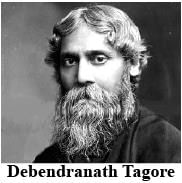
The Brahmo Samaj is a social and religious movement founded by Raja Ram Mohan Roy in Kolkata in 1828. The movement resulted in the establishment of Brahmo religion in 1849. Who is the founder of Brahmo religion?- a)

- b)
- c)
- d)
Correct answer is option 'C'. Can you explain this answer?
The Brahmo Samaj is a social and religious movement founded by Raja Ram Mohan Roy in Kolkata in 1828. The movement resulted in the establishment of Brahmo religion in 1849. Who is the founder of Brahmo religion?
a)
b)
c)
d)
 | Priyanka Kapoor answered |
Debendranath Tagore was an Indian religious reformer and Hindu philosopher. He was one of the founders of the Brahmo religion.
In 1843, he revived the Brahmo Sabha, which had diminished since the death of Raja Ram Mohan Roy in 1833. Often addressed as ‘Maharshi’, he was undoubtedly one of the greatest religious intellectuals born in India.
In 1843, he revived the Brahmo Sabha, which had diminished since the death of Raja Ram Mohan Roy in 1833. Often addressed as ‘Maharshi’, he was undoubtedly one of the greatest religious intellectuals born in India.
In which commodity was long distance trade carried out during Indus Valley civilisation?- a)Cotton
- b)Gold
- c)Lapis lazuli
- d)Bronze
Correct answer is option 'C'. Can you explain this answer?
In which commodity was long distance trade carried out during Indus Valley civilisation?
a)
Cotton
b)
Gold
c)
Lapis lazuli
d)
Bronze
| | Priyanka Kapoor answered |
The Harappans had commercial links with Afghanistan and Iran. They set up a trading colony in northern Afghanistan which evidently facilitated trade with Central Asia. The Harappans carried on long-distance trade in lapis lazuli, lapis objects may have contributed to the social prestige of the ruling class.
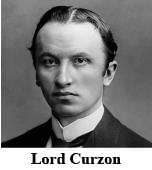
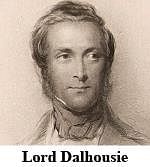
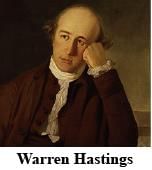
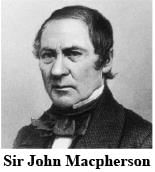
He was a competent, honorable and farsighted administrator whose policies decisively shaped and stabilized future Anglo-Indian relations. He was the first governor general of India. Name him.- a)
- b)
- c)
- d)
Correct answer is option 'C'. Can you explain this answer?
He was a competent, honorable and farsighted administrator whose policies decisively shaped and stabilized future Anglo-Indian relations. He was the first governor general of India. Name him.
a)
b)
c)
d)
 | Vivek Bansal answered |
- Warren Hasting the first governor general of India, in the year 1772. He carried out aggressive policies to reform the administrative, judicial and financial system in order to make improvement in the government. He brought the dual system of government to an end in 1772.
- However, Lord Curzon was the governor general and viceroy of India. Lord Dalhousie came to India as it's Governor General in the year 1848. His main purpose was the expansion of British export to India. Sir John Macpherson was an Scottish administrator in India. He was the governor-general of India from 1785-1786.
Sabarmati Ashram is located on the banks of the River Sabarmati from which it gets its name. It was from his base here that Gandhi led the Dandi march on 12 March, 1930 . In recognition of the significant influence that this march had on the Indian Independence Movement, the Indian government has established the ashram as a national monument. What is the actual name of the Ashram?- a)Phoenix Ashram
- b)Satyagraha Ashram
- c)Dandi Ashram
- d)Kasturba Ashram
Correct answer is option 'B'. Can you explain this answer?
Sabarmati Ashram is located on the banks of the River Sabarmati from which it gets its name. It was from his base here that Gandhi led the Dandi march on 12 March, 1930 . In recognition of the significant influence that this march had on the Indian Independence Movement, the Indian government has established the ashram as a national monument. What is the actual name of the Ashram?
a)
Phoenix Ashram
b)
Satyagraha Ashram
c)
Dandi Ashram
d)
Kasturba Ashram
| | Priyanka Kapoor answered |
- Sabarmati Ashram was formerly known as Satyagraha Ashram and was was founded on May 25, 1915 in Ahmedabad at Kochrab, when Gandhi returned from South Africa.
- Later on, it was shifted to the banks of Sabarmati river and then it came to be known as 'Sabarmati Ashram'.
- Gandhi stayed at the Ashram from 1915 to 1933. The Ashram is a witness to many important historical events and thus the ashram was established as a national monument.
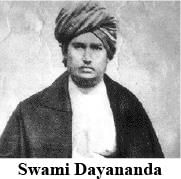
Arya Samaj was against the idol worship and authority of the Brahmins. Who among the following social reformer founded it?- a)Swami Vivekananda
- b)Rabindranath Tagore
- c)Swami Dayananda Saraswati
- d)Raja Rammohan Roy
Correct answer is option 'C'. Can you explain this answer?
Arya Samaj was against the idol worship and authority of the Brahmins. Who among the following social reformer founded it?
a)
Swami Vivekananda
b)
Rabindranath Tagore
c)
Swami Dayananda Saraswati
d)
Raja Rammohan Roy
| | Vivek Bansal answered |
Swami Dayanand Saraswati was an Indian social leader and the founder of Arya Samaj. He founded Arya Samaj on 10 April 1875. Members of Arya Samaj believe in one God and reject the worship of idols.
Which of the following leader was not associated with extremist leadership of Indian National Congress?- a)Lala Lajpat Rai
- b)A.O. Hume
- c)Bipin Chandra Pal
- d)Bal Gangadhar Tilak
Correct answer is option 'B'. Can you explain this answer?
Which of the following leader was not associated with extremist leadership of Indian National Congress?
a)
Lala Lajpat Rai
b)
A.O. Hume
c)
Bipin Chandra Pal
d)
Bal Gangadhar Tilak
| | Vivek Bansal answered |
Allan Octavian Hume was not associated with extremist leadership of Indian National Congress. He was a member of the Imperial Civil Service, a political reformer, ornithologist and botanist who worked in British India. He was one of the founders of Indian National Congress.
The first woman President of Indian National Congress was ____.- a)Clara Barton
- b)Annie Besant
- c)Elizabeth Blackwell
- d)Pearl S. Buck
Correct answer is option 'B'. Can you explain this answer?
The first woman President of Indian National Congress was ____.
a)
Clara Barton
b)
Annie Besant
c)
Elizabeth Blackwell
d)
Pearl S. Buck
| | Priyanka Kapoor answered |
Annie Besant was the first woman President of the Indian National Congress. She was a British socialist, theosophist, women's rights activist, writer, orator, educationalist, and philanthropist. In late 1917 she was elected as the President of INC.
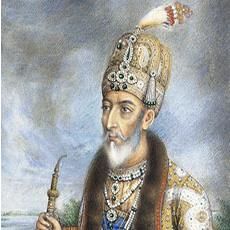
Who was the last Mughal emperor deposed by the British and exiled to Burma after the Indian Rebellion of 1857?
- a)Shah Alam II
- b)Akbar Shah II
- c)Bahadur Shah II
- d)Aurangzeb
Correct answer is option 'C'. Can you explain this answer?
Who was the last Mughal emperor deposed by the British and exiled to Burma after the Indian Rebellion of 1857?
a)
Shah Alam II
b)
Akbar Shah II
c)
Bahadur Shah II
d)
Aurangzeb
| | Vivek Bansal answered |
Bahadur Shah was the last Mughal emperor in India. He ruled over a Mughal Empire that barely extended beyond Delhi's Red Fort and had no real power in India.
After the Indian Rebellion of 1857, the British Administration exiled him from Delhi. He was sent to a prison in Rangoon, Burma and eventually died there.
After the Indian Rebellion of 1857, the British Administration exiled him from Delhi. He was sent to a prison in Rangoon, Burma and eventually died there.
Who was the author of famous revolutionary song "Sarforishi ki tamanna ab hamare dil mein hai"?- a)
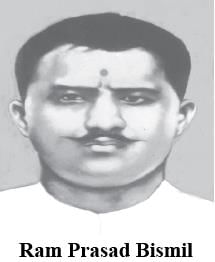
- b)
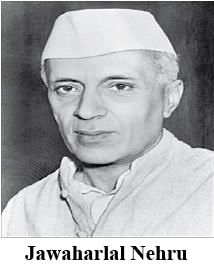
- c)
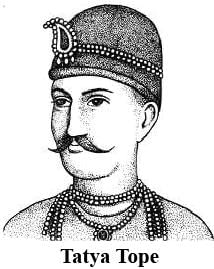
- d)
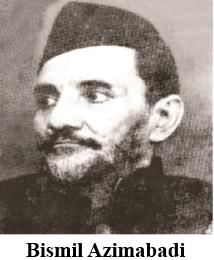
Correct answer is option 'D'. Can you explain this answer?
Who was the author of famous revolutionary song "Sarforishi ki tamanna ab hamare dil mein hai"?
a)
b)
c)
d)
| | Priyanka Kapoor answered |
- Bismil Azimabadi was an Urdu poet from Patna, Bihar. In 1921 he wrote the patriotic poem 'Sarfaroshi ki Tamanna'.
- The poem was immortalised by Ram Prasad Bismil, an Indian freedom fighter, as a war cry during the British Raj period in India.
- The poem was written as an ode to young freedom fighters of the Indian independence movement. It has also been associated with the younger generation of inter-war freedom fighters such as Ashfaqullah Khan, Shaheed Bhagat Singh and Chandrashekhar Azad.
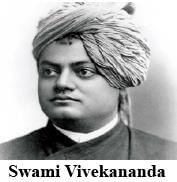
He was a great Hindu Saint born on 12 Jan 1863. His original name was Narendranath Datta. He founded the Ramakrishna Mission. Who was he?- a)
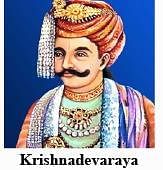
- b)
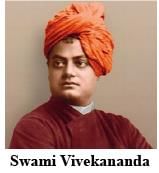
- c)
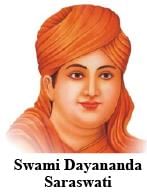
- d)
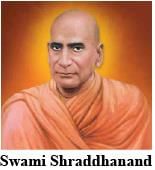
Correct answer is option 'B'. Can you explain this answer?
He was a great Hindu Saint born on 12 Jan 1863. His original name was Narendranath Datta. He founded the Ramakrishna Mission. Who was he?
a)
b)
c)
d)
| | Vivek Bansal answered |
Swami Vivekananda was a Hindu monk and one of the most celebrated spiritual leaders of India. His original name was Narendranath Dutta. He founded Ramakrishna Mission on May 1, 1897 at Belur Math near Calcutta.
Mahatma Gandhi was a role model not only to those who fought for India's freedom but also people fighting for freedom the world over. What profession did he practise before he struggled for India's freedom?- a)Barrister
- b)Doctor
- c)Engineer
- d)Accountant
Correct answer is option 'A'. Can you explain this answer?
Mahatma Gandhi was a role model not only to those who fought for India's freedom but also people fighting for freedom the world over. What profession did he practise before he struggled for India's freedom?
a)
Barrister
b)
Doctor
c)
Engineer
d)
Accountant
| | Priyanka Kapoor answered |
M K Gandhi matriculated at the age of 18. He had left India for the first time on September 4, 1888, to get enrolled in the centuries-old law institute Inner Temple in London.
Having become a barrister, M.K. Gandhi returned to his homeland in June 1891 and shifted from Rajkot to Mumbai after having decided to practice in the Bombay High Court.
Having become a barrister, M.K. Gandhi returned to his homeland in June 1891 and shifted from Rajkot to Mumbai after having decided to practice in the Bombay High Court.
Chapter doubts & questions for Modern Indian History - GK Olympiad for Class 8 2026 is part of Class 8 exam preparation. The chapters have been prepared according to the Class 8 exam syllabus. The Chapter doubts & questions, notes, tests & MCQs are made for Class 8 2026 Exam. Find important definitions, questions, notes, meanings, examples, exercises, MCQs and online tests here.
Chapter doubts & questions of Modern Indian History - GK Olympiad for Class 8 in English & Hindi are available as part of Class 8 exam. Download more important topics, notes, lectures and mock test series for Class 8 Exam by signing up for free.
GK Olympiad for Class 814 videos|14 docs|37 tests |
