


All Exams > Class 8 > GK Olympiad for Class 8 > All Questions
All questions of General Physical Geography for Class 8 Exam
Which of the following is the largest natural satellite in our solar system?- a)Triton
- b)Callisto
- c)Ganymede
- d)Titania
Correct answer is option 'C'. Can you explain this answer?
Which of the following is the largest natural satellite in our solar system?
a)
Triton
b)
Callisto
c)
Ganymede
d)
Titania
 | Sharmila Kumar answered |
Answer:
The largest natural satellite in our solar system is Ganymede.
Ganymede is one of Jupiter's moons and is even larger than the planet Mercury. It has a diameter of about 5,268 kilometers (3,273 miles), making it larger than the other three options listed: Triton, Callisto, and Titania.
Comparison of the Options:
Let's compare the options to understand why Ganymede is the correct answer:
1. Triton: Triton is the largest moon of the planet Neptune and has a diameter of approximately 2,706 kilometers (1,681 miles). It is the seventh-largest moon in the solar system.
2. Callisto: Callisto is one of Jupiter's moons and is the second-largest moon in the solar system. It has a diameter of about 4,821 kilometers (2,996 miles).
3. Ganymede: As mentioned earlier, Ganymede is the largest natural satellite in our solar system. It is a moon of Jupiter and has a diameter of about 5,268 kilometers (3,273 miles).
4. Titania: Titania is one of Uranus' moons and has a diameter of around 1,578 kilometers (981 miles). It is the largest moon of Uranus but is smaller than the other three options.
Conclusion:
Among the given options, Ganymede is the correct answer as it is the largest natural satellite in our solar system. It surpasses the other options in terms of its diameter and is even larger than the planet Mercury.
The largest natural satellite in our solar system is Ganymede.
Ganymede is one of Jupiter's moons and is even larger than the planet Mercury. It has a diameter of about 5,268 kilometers (3,273 miles), making it larger than the other three options listed: Triton, Callisto, and Titania.
Comparison of the Options:
Let's compare the options to understand why Ganymede is the correct answer:
1. Triton: Triton is the largest moon of the planet Neptune and has a diameter of approximately 2,706 kilometers (1,681 miles). It is the seventh-largest moon in the solar system.
2. Callisto: Callisto is one of Jupiter's moons and is the second-largest moon in the solar system. It has a diameter of about 4,821 kilometers (2,996 miles).
3. Ganymede: As mentioned earlier, Ganymede is the largest natural satellite in our solar system. It is a moon of Jupiter and has a diameter of about 5,268 kilometers (3,273 miles).
4. Titania: Titania is one of Uranus' moons and has a diameter of around 1,578 kilometers (981 miles). It is the largest moon of Uranus but is smaller than the other three options.
Conclusion:
Among the given options, Ganymede is the correct answer as it is the largest natural satellite in our solar system. It surpasses the other options in terms of its diameter and is even larger than the planet Mercury.

You are to examine these two statements carefully and select the answers to these items:
Statement I: Chemical weathering processes are found more active in hot and humid environment.
Statement II: High temperature and rainfall help in the process of decomposition of rocks.- a)Both the statements are individually true and Statement II is the correct explanation of Statement I
- b)Both the statements are individually true but Statement II is not the correct explanation of Statement I
- c)Statement I is true but Statement II is false
- d)Statement I is false but Statement II is true
Correct answer is option 'A'. Can you explain this answer?
You are to examine these two statements carefully and select the answers to these items:
Statement I: Chemical weathering processes are found more active in hot and humid environment.
Statement II: High temperature and rainfall help in the process of decomposition of rocks.
Statement I: Chemical weathering processes are found more active in hot and humid environment.
Statement II: High temperature and rainfall help in the process of decomposition of rocks.
a)
Both the statements are individually true and Statement II is the correct explanation of Statement I
b)
Both the statements are individually true but Statement II is not the correct explanation of Statement I
c)
Statement I is true but Statement II is false
d)
Statement I is false but Statement II is true
 | Maya Saha answered |
Statement I: Chemical weathering processes are found more active in hot and humid environment.
Statement II: High temperature and rainfall help in the process of decomposition of rocks.
Explanation:
Both Statement I and Statement II are individually true. However, Statement II is the correct explanation of Statement I.
Chemical Weathering and Hot and Humid Environment:
- Chemical weathering refers to the breakdown and alteration of rocks through chemical reactions.
- In hot and humid environments, there is an abundance of moisture and heat, which accelerates chemical reactions.
- The presence of water and high temperatures provide favorable conditions for the chemical reactions to occur more rapidly.
- Water acts as a solvent, allowing minerals in the rocks to dissolve and undergo chemical changes.
- The heat increases the kinetic energy of molecules, making them more reactive and increasing the rate of chemical reactions.
- Therefore, chemical weathering processes are found to be more active in hot and humid environments.
Decomposition of Rocks and High Temperature/Rainfall:
- Decomposition of rocks involves the breakdown of rocks into smaller particles or minerals.
- High temperature and rainfall play a significant role in the process of rock decomposition.
- High temperatures increase the rate of chemical reactions, leading to the breakdown of rocks.
- Rainfall provides the necessary moisture for chemical reactions to occur.
- Water seeps into the cracks and pores of rocks, facilitating chemical weathering and decomposition.
- The dissolved minerals in the water can react with the minerals in the rocks, causing them to decompose.
- Both high temperature and rainfall contribute to the process of rock decomposition.
Explanation of the Relationship:
- Statement II provides a clear explanation for Statement I.
- The high temperature and rainfall mentioned in Statement II are the factors responsible for the chemical weathering processes mentioned in Statement I.
- The combination of high temperature and rainfall in a hot and humid environment creates the ideal conditions for chemical weathering and rock decomposition.
- Therefore, both statements are individually true, and Statement II serves as the correct explanation for Statement I.
Conclusion:
- Both statements are true, and Statement II provides the correct explanation for Statement I.
- Therefore, the correct answer is option 'A': Both the statements are individually true, and Statement II is the correct explanation of Statement I.
Statement II: High temperature and rainfall help in the process of decomposition of rocks.
Explanation:
Both Statement I and Statement II are individually true. However, Statement II is the correct explanation of Statement I.
Chemical Weathering and Hot and Humid Environment:
- Chemical weathering refers to the breakdown and alteration of rocks through chemical reactions.
- In hot and humid environments, there is an abundance of moisture and heat, which accelerates chemical reactions.
- The presence of water and high temperatures provide favorable conditions for the chemical reactions to occur more rapidly.
- Water acts as a solvent, allowing minerals in the rocks to dissolve and undergo chemical changes.
- The heat increases the kinetic energy of molecules, making them more reactive and increasing the rate of chemical reactions.
- Therefore, chemical weathering processes are found to be more active in hot and humid environments.
Decomposition of Rocks and High Temperature/Rainfall:
- Decomposition of rocks involves the breakdown of rocks into smaller particles or minerals.
- High temperature and rainfall play a significant role in the process of rock decomposition.
- High temperatures increase the rate of chemical reactions, leading to the breakdown of rocks.
- Rainfall provides the necessary moisture for chemical reactions to occur.
- Water seeps into the cracks and pores of rocks, facilitating chemical weathering and decomposition.
- The dissolved minerals in the water can react with the minerals in the rocks, causing them to decompose.
- Both high temperature and rainfall contribute to the process of rock decomposition.
Explanation of the Relationship:
- Statement II provides a clear explanation for Statement I.
- The high temperature and rainfall mentioned in Statement II are the factors responsible for the chemical weathering processes mentioned in Statement I.
- The combination of high temperature and rainfall in a hot and humid environment creates the ideal conditions for chemical weathering and rock decomposition.
- Therefore, both statements are individually true, and Statement II serves as the correct explanation for Statement I.
Conclusion:
- Both statements are true, and Statement II provides the correct explanation for Statement I.
- Therefore, the correct answer is option 'A': Both the statements are individually true, and Statement II is the correct explanation of Statement I.
The place where an earthquake originates is called _______.- a)Focus
- b)Epicentre
- c)Centre
- d)Epix
Correct answer is option 'A'. Can you explain this answer?
The place where an earthquake originates is called _______.
a)
Focus
b)
Epicentre
c)
Centre
d)
Epix
 | Priyanka Kapoor answered |
Focus is the place where an earthquake originates the focus is also called the hypocenter of an earthquake. The earthquake waves start at the focus and travel outward in all directions.
Saturn is the second largest planet in our solar system. It is a gas giant with an average radius of about nine times that of Earth. The atmosphere of Saturn is mainly composed of ______.- a)Oxygen and nitrogen
- b)Helium and oxygen
- c)Hydrogen and helium
- d)Hydrogen and nitrogen.
Correct answer is option 'C'. Can you explain this answer?
Saturn is the second largest planet in our solar system. It is a gas giant with an average radius of about nine times that of Earth. The atmosphere of Saturn is mainly composed of ______.
a)
Oxygen and nitrogen
b)
Helium and oxygen
c)
Hydrogen and helium
d)
Hydrogen and nitrogen.
 | Akash Roy answered |
The correct answer is option 'C': Hydrogen and helium.
Saturn, the second largest planet in our solar system, is classified as a gas giant. It is composed primarily of hydrogen and helium, with trace amounts of other gases and compounds. Let's explore this in more detail:
1. Composition of Saturn's Atmosphere:
Saturn's atmosphere is mainly composed of hydrogen and helium gases. These two elements make up the bulk of the planet's atmosphere, accounting for approximately 97% of its total composition.
2. Hydrogen:
Hydrogen is the most abundant element in the universe, and it is also the primary component of Saturn's atmosphere. It exists in molecular form (H2) at the upper levels of the atmosphere and becomes denser towards the planet's core.
3. Helium:
The second most abundant element in the universe, helium, is also a major component of Saturn's atmosphere. It makes up the remaining 3% of the atmosphere's composition. Similar to hydrogen, helium is found in molecular form (He2) at higher altitudes.
4. Other Trace Gases:
While hydrogen and helium dominate Saturn's atmosphere, there are also trace amounts of other gases present. These include methane (CH4), ammonia (NH3), water vapor (H2O), and small concentrations of other compounds.
5. Layers of Saturn's Atmosphere:
Saturn's atmosphere is divided into several layers, each with its own distinct characteristics. The outermost layer is the troposphere, where temperature decreases with altitude. Below the troposphere lies the stratosphere, followed by the mesosphere and the thermosphere.
In conclusion, Saturn's atmosphere is mainly composed of hydrogen and helium gases. These two elements make up the majority of the planet's composition, with hydrogen being the most abundant. Understanding the composition of Saturn's atmosphere helps scientists gain insights into the planet's formation, structure, and behavior.
Saturn, the second largest planet in our solar system, is classified as a gas giant. It is composed primarily of hydrogen and helium, with trace amounts of other gases and compounds. Let's explore this in more detail:
1. Composition of Saturn's Atmosphere:
Saturn's atmosphere is mainly composed of hydrogen and helium gases. These two elements make up the bulk of the planet's atmosphere, accounting for approximately 97% of its total composition.
2. Hydrogen:
Hydrogen is the most abundant element in the universe, and it is also the primary component of Saturn's atmosphere. It exists in molecular form (H2) at the upper levels of the atmosphere and becomes denser towards the planet's core.
3. Helium:
The second most abundant element in the universe, helium, is also a major component of Saturn's atmosphere. It makes up the remaining 3% of the atmosphere's composition. Similar to hydrogen, helium is found in molecular form (He2) at higher altitudes.
4. Other Trace Gases:
While hydrogen and helium dominate Saturn's atmosphere, there are also trace amounts of other gases present. These include methane (CH4), ammonia (NH3), water vapor (H2O), and small concentrations of other compounds.
5. Layers of Saturn's Atmosphere:
Saturn's atmosphere is divided into several layers, each with its own distinct characteristics. The outermost layer is the troposphere, where temperature decreases with altitude. Below the troposphere lies the stratosphere, followed by the mesosphere and the thermosphere.
In conclusion, Saturn's atmosphere is mainly composed of hydrogen and helium gases. These two elements make up the majority of the planet's composition, with hydrogen being the most abundant. Understanding the composition of Saturn's atmosphere helps scientists gain insights into the planet's formation, structure, and behavior.
'X' is a vent in Earths surface that periodically ejects a column of hot water and steam. The formation of it is a rare phenomenon because it is due to particular hydrogeological conditions which exist at few places on Earth. Taupo volcanic zone in New Zealand is one of its examples. Identify 'X'.- a)Geyser
- b)Aquifer
- c)Uluru
- d)Spring
Correct answer is option 'A'. Can you explain this answer?
'X' is a vent in Earths surface that periodically ejects a column of hot water and steam. The formation of it is a rare phenomenon because it is due to particular hydrogeological conditions which exist at few places on Earth. Taupo volcanic zone in New Zealand is one of its examples. Identify 'X'.
a)
Geyser
b)
Aquifer
c)
Uluru
d)
Spring
| | Anand Iyer answered |
Introduction:
The rare phenomenon described in the question refers to a vent in Earth's surface that periodically ejects a column of hot water and steam. This feature is known as a geyser.
Definition of a Geyser:
A geyser is a hydrothermal feature characterized by intermittent eruptions of hot water and steam. It occurs when water beneath the surface is heated by geothermal energy, causing it to rise and erupt through a vent.
Formation of a Geyser:
The formation of a geyser requires specific hydrogeological conditions to exist. These conditions are found at only a few places on Earth. The following factors contribute to the formation of a geyser:
1. Heat Source: A heat source, typically a magma chamber or a geothermal gradient, is required to heat the underground water. This heat source provides the energy necessary for geyser eruptions.
2. Plumbing System: A geyser needs a complex plumbing system consisting of a reservoir to hold the water, a narrow conduit to channel the water towards the surface, and a vent through which the water erupts.
3. Confining Layer: The water reservoir must be located beneath a confining layer, such as impermeable rocks or clay, which prevents the water from easily escaping to the surface. This buildup of pressure within the reservoir contributes to the explosive nature of geyser eruptions.
4. Superheating: As water is heated underground, it can become superheated, meaning it remains in a liquid state despite being at a temperature above its boiling point. This superheated water is highly pressurized and can lead to explosive eruptions when it reaches the surface.
5. Recharge: A geyser needs a continuous supply of water to sustain its eruptions. This water typically comes from rainfall or snowmelt that percolates through the ground and replenishes the underground reservoir.
Example of a Geyser:
The Taupo volcanic zone in New Zealand is one of the examples of a geyser. It is home to the famous Waimangu Geyser, which was active from 1901 to 1904. The hydrogeological conditions in this region, including a heat source from volcanic activity, a plumbing system, and a confining layer, allow for the formation of geysers.
Conclusion:
Geysers are a rare phenomenon due to the specific hydrogeological conditions required for their formation. They occur at only a few places on Earth, with the Taupo volcanic zone in New Zealand being an example. Understanding the factors contributing to geyser formation helps explain why they are not commonly found and adds to our knowledge of Earth's dynamic processes.
The rare phenomenon described in the question refers to a vent in Earth's surface that periodically ejects a column of hot water and steam. This feature is known as a geyser.
Definition of a Geyser:
A geyser is a hydrothermal feature characterized by intermittent eruptions of hot water and steam. It occurs when water beneath the surface is heated by geothermal energy, causing it to rise and erupt through a vent.
Formation of a Geyser:
The formation of a geyser requires specific hydrogeological conditions to exist. These conditions are found at only a few places on Earth. The following factors contribute to the formation of a geyser:
1. Heat Source: A heat source, typically a magma chamber or a geothermal gradient, is required to heat the underground water. This heat source provides the energy necessary for geyser eruptions.
2. Plumbing System: A geyser needs a complex plumbing system consisting of a reservoir to hold the water, a narrow conduit to channel the water towards the surface, and a vent through which the water erupts.
3. Confining Layer: The water reservoir must be located beneath a confining layer, such as impermeable rocks or clay, which prevents the water from easily escaping to the surface. This buildup of pressure within the reservoir contributes to the explosive nature of geyser eruptions.
4. Superheating: As water is heated underground, it can become superheated, meaning it remains in a liquid state despite being at a temperature above its boiling point. This superheated water is highly pressurized and can lead to explosive eruptions when it reaches the surface.
5. Recharge: A geyser needs a continuous supply of water to sustain its eruptions. This water typically comes from rainfall or snowmelt that percolates through the ground and replenishes the underground reservoir.
Example of a Geyser:
The Taupo volcanic zone in New Zealand is one of the examples of a geyser. It is home to the famous Waimangu Geyser, which was active from 1901 to 1904. The hydrogeological conditions in this region, including a heat source from volcanic activity, a plumbing system, and a confining layer, allow for the formation of geysers.
Conclusion:
Geysers are a rare phenomenon due to the specific hydrogeological conditions required for their formation. They occur at only a few places on Earth, with the Taupo volcanic zone in New Zealand being an example. Understanding the factors contributing to geyser formation helps explain why they are not commonly found and adds to our knowledge of Earth's dynamic processes.
Which one of the following gases is found in highest quantity in Exosphere?- a)Hydrogen
- b)Helium
- c)Nitrogen
- d)Oxygen
Correct answer is option 'A'. Can you explain this answer?
Which one of the following gases is found in highest quantity in Exosphere?
a)
Hydrogen
b)
Helium
c)
Nitrogen
d)
Oxygen
| | Priyanka Kapoor answered |
The exosphere is the uppermost region of Earth's atmosphere as it gradually fades into the vacuum of space. It starts at an altitude of about 500 km and goes out to about 10,000 km. The most abundantly found gas in exosphere is hydrogen with some helium, carbon dioxide, and atomic oxygen near its base.
Sharks are killers of the deep seas. Which of the following is a characteristic of sharks?- a)They are bony.
- b)They are cartilaginous.
- c)They are mostly warm-blooded.
- d)Gill slits are covered.
Correct answer is option 'B'. Can you explain this answer?
Sharks are killers of the deep seas. Which of the following is a characteristic of sharks?
a)
They are bony.
b)
They are cartilaginous.
c)
They are mostly warm-blooded.
d)
Gill slits are covered.
| | Nidhi Mishra answered |
Introduction to Shark Characteristics
Sharks are fascinating creatures of the ocean and are known for their unique biological features. Among the options provided, the correct characteristic of sharks is that they are cartilaginous.
What Does Cartilaginous Mean?
- Sharks belong to a group called Chondrichthyes, which means they have skeletons made of cartilage instead of bone.
- Cartilage is a flexible tissue that is lighter and more resilient than bone, allowing sharks to be more agile swimmers.
Key Characteristics of Sharks
- Cartilaginous Skeleton: Unlike bony fish, sharks have a skeleton made entirely of cartilage, which contributes to their buoyancy and flexibility.
- Gill Slits: Sharks possess multiple gill slits (usually five to seven) on the sides of their heads for efficient breathing, which are not covered by a bony operculum like in bony fish.
- Warm-Blooded: Most sharks are not warm-blooded; they are ectothermic (cold-blooded), though some species can regulate their body temperature to a degree.
- Not Bony: Sharks do not have bones, which distinguishes them from most fish species. This cartilaginous structure is a key factor in their evolutionary success.
Conclusion
Understanding that sharks are cartilaginous helps highlight their unique adaptations for life in the ocean. Their skeletal structure, along with their specialized gill systems, makes them efficient predators in their deep-sea habitat.
Sharks are fascinating creatures of the ocean and are known for their unique biological features. Among the options provided, the correct characteristic of sharks is that they are cartilaginous.
What Does Cartilaginous Mean?
- Sharks belong to a group called Chondrichthyes, which means they have skeletons made of cartilage instead of bone.
- Cartilage is a flexible tissue that is lighter and more resilient than bone, allowing sharks to be more agile swimmers.
Key Characteristics of Sharks
- Cartilaginous Skeleton: Unlike bony fish, sharks have a skeleton made entirely of cartilage, which contributes to their buoyancy and flexibility.
- Gill Slits: Sharks possess multiple gill slits (usually five to seven) on the sides of their heads for efficient breathing, which are not covered by a bony operculum like in bony fish.
- Warm-Blooded: Most sharks are not warm-blooded; they are ectothermic (cold-blooded), though some species can regulate their body temperature to a degree.
- Not Bony: Sharks do not have bones, which distinguishes them from most fish species. This cartilaginous structure is a key factor in their evolutionary success.
Conclusion
Understanding that sharks are cartilaginous helps highlight their unique adaptations for life in the ocean. Their skeletal structure, along with their specialized gill systems, makes them efficient predators in their deep-sea habitat.
Stars are enormous Spheres of ignited gas that light the cosmos. They come in many different types and sizes. Which among the following is not a known type of stars?- a)White dwarf
- b)Red giant
- c)Green dwarf
- d)Red dwarf
Correct answer is option 'C'. Can you explain this answer?
Stars are enormous Spheres of ignited gas that light the cosmos. They come in many different types and sizes. Which among the following is not a known type of stars?
a)
White dwarf
b)
Red giant
c)
Green dwarf
d)
Red dwarf
| | Priyanka Kapoor answered |
- White dwarf- When a star has completely run out of hydrogen fuel in its core and it lacks the mass to force higher elements into fusion reaction, it becomes a white dwarf star.
- Red dwarf- Red dwarf stars are the most common kind of stars in the Universe. These are main sequence stars but they have such low mass that they’re much cooler than stars like our Sun. The smallest red dwarfs are 0.075 times the mass of the Sun, and they can have a mass of up to half of the Sun.
- Red giant- A red giant is a star that is past its peak and has consumed its core's supply of hydrogen fuel. As a result, helium has built up in the core, hydrogen has fused in the outer shells, and the star has expanded into a giant red monstrosity.
Each planet in the solar system has seasons. On which of the following planets the length of each season is of about 3 years?- a)Venus
- b)Saturn
- c)Neptune
- d)Jupiter
Correct answer is option 'D'. Can you explain this answer?
Each planet in the solar system has seasons. On which of the following planets the length of each season is of about 3 years?
a)
Venus
b)
Saturn
c)
Neptune
d)
Jupiter
| | Priyanka Kapoor answered |
Every planet in our solar system has seasons. There are several factors that affect the weather on the planets viz. the tilt of a planet's axis (which causes the seasons), the shape of its orbit around the sun, the presence or absence of a significant atmosphere, etc.
Jupiter has an axial tilt of only 3 degrees, compared to 23 degrees tilt of the Earth. So there is literally no difference between the seasons. Moreover, because of its distance from the sun, seasons change more slowly. Thus, the length of each season is roughly three years.
Jupiter has an axial tilt of only 3 degrees, compared to 23 degrees tilt of the Earth. So there is literally no difference between the seasons. Moreover, because of its distance from the sun, seasons change more slowly. Thus, the length of each season is roughly three years.
Quartzite is metamorphosed from __________.- a)Limestone
- b)Plutonic rock
- c)Sandstone
- d)Shale
Correct answer is option 'C'. Can you explain this answer?
Quartzite is metamorphosed from __________.
a)
Limestone
b)
Plutonic rock
c)
Sandstone
d)
Shale
 | Vivek Bansal answered |
Metamorphism is a process in which the original rock when subjected to heat and pressure changes its form. Some of the examples of this transformation are: gneiss is formed from granite, slate from shale, marble from limestone, quartzite from sandstone, etc.
This planet is the largest of the inner planets. It revolves on its axis every 24 hours. What is the name of this planet?
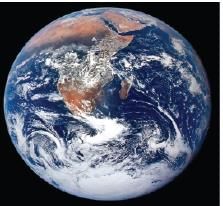
- a)Mercury
- b)Venus
- c)Earth
- d)Mars
Correct answer is option 'C'. Can you explain this answer?
This planet is the largest of the inner planets. It revolves on its axis every 24 hours. What is the name of this planet?
a)
Mercury
b)
Venus
c)
Earth
d)
Mars
| | Priyanka Kapoor answered |
Earth is the third planet from the Sun and is the only habitable planet in the solar system. It is the fifth-largest planet in terms of size and mass. It revolves on its axis every 24 hours. More than 90 percent of Earth's mass is composed of iron, oxygen, silicon, and magnesium.
It is a blanket-like layer that surrounds the Earth. It contains a mixture of gases including oxygen which most organisms need to breathe. It protects us from the harmful radiations of the Sun. What is this layer called?- a)Hydrosphere
- b)Geosphere
- c)Atmosphere
- d)Lithosphere
Correct answer is option 'C'. Can you explain this answer?
It is a blanket-like layer that surrounds the Earth. It contains a mixture of gases including oxygen which most organisms need to breathe. It protects us from the harmful radiations of the Sun. What is this layer called?
a)
Hydrosphere
b)
Geosphere
c)
Atmosphere
d)
Lithosphere
| | Priyanka Kapoor answered |
The atmosphere is the layers of gases that surrounds the earth. It is like a blanket layer, contains a mixture I gases including oxygen which most organism need to breathe. It is the atmosphere only that protect us from the harmful radiations of the sun. The current composition of the Earth's atmosphere is the product of billions of years of biochemical modification of the paleo atmosphere by living organism.
Which of the following is a function of the geosphere?- a)providing a moderate, livable climate
- b)serving as the interface between the other spheres
- c)facilitating the movement of water through spheres through transpiration
- d)facilitating the process of photosynthesis
Correct answer is option 'B'. Can you explain this answer?
Which of the following is a function of the geosphere?
a)
providing a moderate, livable climate
b)
serving as the interface between the other spheres
c)
facilitating the movement of water through spheres through transpiration
d)
facilitating the process of photosynthesis
| | Vivek Bansal answered |
The geosphere can also be called as the collective name for lithosphere, hydrosphere, cryosphere, and the atmosphere.
In the Earth system science, it refers to the solid parts of the Earth and it is often used with atmosphere, hydrosphere, and biosphere to describe the Earth systems.
In that context, we also use the term lithosphere instead of geosphere or solid Earth.
For all purposes, the lithosphere only deals with the uppermost layers of Earth.
In the Earth system science, it refers to the solid parts of the Earth and it is often used with atmosphere, hydrosphere, and biosphere to describe the Earth systems.
In that context, we also use the term lithosphere instead of geosphere or solid Earth.
For all purposes, the lithosphere only deals with the uppermost layers of Earth.
Which one of the following describes the Lithosphere?- a)Upper and lower mantle
- b)Crust and upper mantle
- c)Crust and core
- d)Mantle and core
Correct answer is option 'B'. Can you explain this answer?
Which one of the following describes the Lithosphere?
a)
Upper and lower mantle
b)
Crust and upper mantle
c)
Crust and core
d)
Mantle and core
| | Priyanka Kapoor answered |
Lithosphere is the rigid, rocky outer layer of the earth, consisting of the crust and the solid outermost layer of the upper mantle. It extends to a depth of about 100 km. It is broken into about a dozen separate, rigid blocks, or plates. The lithosphere is underlain by the asthenosphere which is the weaker, hotter, and deeper part of the upper mantle.
The solid core structure of a comet is known as the nucleus. The nucleus of a comet is composed of an amalgamation of rock, dust, water, ice and many frozen gases. Which of the following gases is the nucleus of a comet composed of?- a)Carbon dioxide only
- b)Carbon monoxide and methane only
- c)Ammonia and methane only
- d)Carbon dioxide, carbon monoxide, methane and ammonia
Correct answer is option 'D'. Can you explain this answer?
The solid core structure of a comet is known as the nucleus. The nucleus of a comet is composed of an amalgamation of rock, dust, water, ice and many frozen gases. Which of the following gases is the nucleus of a comet composed of?
a)
Carbon dioxide only
b)
Carbon monoxide and methane only
c)
Ammonia and methane only
d)
Carbon dioxide, carbon monoxide, methane and ammonia
| | Vivek Bansal answered |
A comet's nucleus is like a dirty snowball made of ice, gas and dust. As the comet gets closer to the Sun, some of the ice starts to melt and boil off, along with particles of dust. These particles and gases make a cloud around the nucleus, called a coma.
The coma is lit by the Sun. The sunlight also pushes this material into the beautiful brightly lit tail of the comet.
The coma is lit by the Sun. The sunlight also pushes this material into the beautiful brightly lit tail of the comet.
You are to examine these two statements carefully and select the answers to these items:
Statement I: Minerals are formed by slow cooling of the magma.
Statement II: Very small crystals are formed when lava cools quickly on the surface. - a)Both the statements are individually true and Statement II is the correct explanation of Statement I
- b)Both the statements are individually true but Statement II is not the correct explanation of Statement I
- c)Statement I is true but Statement II is false
- d)Statement I is false but Statement II is true
Correct answer is option 'D'. Can you explain this answer?
You are to examine these two statements carefully and select the answers to these items:
Statement I: Minerals are formed by slow cooling of the magma.
Statement II: Very small crystals are formed when lava cools quickly on the surface.
Statement I: Minerals are formed by slow cooling of the magma.
Statement II: Very small crystals are formed when lava cools quickly on the surface.
a)
Both the statements are individually true and Statement II is the correct explanation of Statement I
b)
Both the statements are individually true but Statement II is not the correct explanation of Statement I
c)
Statement I is true but Statement II is false
d)
Statement I is false but Statement II is true
| | Priyanka Kapoor answered |
Lava is on the surface so it cools quickly and forms rocks whch are called mineral rocks. Because the magma cools and solidifies quickly, the crystals that form do not have time to grow very large, and therefore most extrusive rocks are finely grained. The most common type of extrusive rock is basalt.
Look at the given picture. Which of the following best classifies the type of rock shown in the picture?
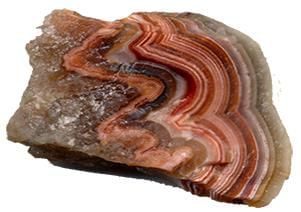
- a)Igneous
- b)Sedimentary
- c)Metamorphic
- d)Volcanic
Correct answer is option 'B'. Can you explain this answer?
Look at the given picture. Which of the following best classifies the type of rock shown in the picture?
a)
Igneous
b)
Sedimentary
c)
Metamorphic
d)
Volcanic
| | Priyanka Kapoor answered |
Sedimentary rocks are type of rocks that are formed by deposition and subsequent cementation of mineral or organic particles on the floor of oceans /river..These have distinctive stripes of them.
The rocks shows is sedimentation rock.
The rocks shows is sedimentation rock.
If an earthquake occurs then, what you should do?- a)If you are indoors, stay in and get under a desk or a table
- b)If you are outdoors, stay away from trees and buildings
- c)If you are on a beach, get into water
- d)Both (A) and (B)
Correct answer is option 'D'. Can you explain this answer?
If an earthquake occurs then, what you should do?
a)
If you are indoors, stay in and get under a desk or a table
b)
If you are outdoors, stay away from trees and buildings
c)
If you are on a beach, get into water
d)
Both (A) and (B)
| | Vivek Bansal answered |
Earthquake is a natural disaster in which Earth surface shakes. In case of an earthquake, if a person is indoor, he should stay inside and take cover under a table or other furniture, and if a person is outdoor he should stay away from the things that can fall and injure him, like trees and building.
Which among the following is the nearest major galaxy to the Milky Way?- a)IC 1101
- b)Andromeda
- c)NGC 262
- d)None of these
Correct answer is option 'B'. Can you explain this answer?
Which among the following is the nearest major galaxy to the Milky Way?
a)
IC 1101
b)
Andromeda
c)
NGC 262
d)
None of these
| | Vivek Bansal answered |
The Andromeda Galaxy, also known as Messier 31 or M31, is a spiral galaxy located about 2.5 million light-years from Earth. Located in the Andromeda constellation, it is the closest spiral galaxy to the Milky Way, where our solar system is. It is also the largest galaxy of what is called the Local Group which is a collection of more than 54 galaxies including the Milky Way.
To which one of the following types of vegetation does rubber belong to?- a)Tundra
- b)Himalayan
- c)Tidal
- d)Tropical evergreen
Correct answer is option 'D'. Can you explain this answer?
To which one of the following types of vegetation does rubber belong to?
a)
Tundra
b)
Himalayan
c)
Tidal
d)
Tropical evergreen
| | Priyanka Kapoor answered |
Tropical evergreen forests require heavy rainfall with a short dry reason. The trees reach heights upto 60 meters or even above.
Chapter doubts & questions for General Physical Geography - GK Olympiad for Class 8 2026 is part of Class 8 exam preparation. The chapters have been prepared according to the Class 8 exam syllabus. The Chapter doubts & questions, notes, tests & MCQs are made for Class 8 2026 Exam. Find important definitions, questions, notes, meanings, examples, exercises, MCQs and online tests here.
Chapter doubts & questions of General Physical Geography - GK Olympiad for Class 8 in English & Hindi are available as part of Class 8 exam. Download more important topics, notes, lectures and mock test series for Class 8 Exam by signing up for free.
GK Olympiad for Class 814 videos|14 docs|37 tests |
