


All Exams > SSC CGL > SSC CGL Previous Year Papers > All Questions
All questions of Tier 1 for SSC CGL Exam
Select the related word/letters/numbers from the given alternatives:42 : 56 :: 110 : ?- a)18
- b)132
- c)136
- d)140
Correct answer is option 'B'. Can you explain this answer?
Select the related word/letters/numbers from the given alternatives:
42 : 56 :: 110 : ?
a)
18
b)
132
c)
136
d)
140
 | Vaibhav Kamble answered |
6×7=42, 7x8=56
10X11=110, 11X12=132
10X11=110, 11X12=132




Select the related word/letters/numbers from the given alternatives:RIGT : WDBY :: FUSH : ?- a)PKJQ
- b)BYWD
- c)DXWB
- d)QKJR
Correct answer is option 'B'. Can you explain this answer?
Select the related word/letters/numbers from the given alternatives:
RIGT : WDBY :: FUSH : ?
a)
PKJQ
b)
BYWD
c)
DXWB
d)
QKJR
 | Lalitha Jyothi answered |
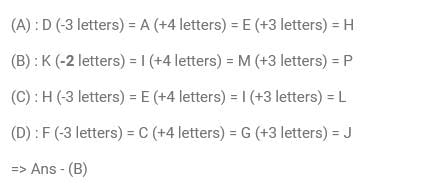
First word letters and second word letters of first word last words are addition by 4 & middle two letters are substraction by 4 .then FUSH word no. is 6 21 19 8 .6-4, 21+4, 19+4, 8-4 = 2 25 23 4 i.e those no.s of letters in alphabetical order are BYWD. ans is (b)
With which country, India has the longest international boundary?- a)Nepal
- b)Pakistan
- c)China
- d)Bangladesh
Correct answer is option 'D'. Can you explain this answer?
With which country, India has the longest international boundary?
a)
Nepal
b)
Pakistan
c)
China
d)
Bangladesh
 | Arnav Saini answered |
**India's Longest International Boundary**
The correct answer is option D - Bangladesh. India shares its longest international boundary with Bangladesh. Let's delve into the details below.
**Geographical Background:**
India is a South Asian country with a diverse landscape and borders several countries. Its geographical location in the Indian subcontinent places it in close proximity to its neighboring nations. The country shares its borders with Pakistan, China, Nepal, Bhutan, Bangladesh, and Myanmar.
**Length of the Boundary:**
The India-Bangladesh border is the longest international boundary that India shares with any country. It stretches approximately 4,096 kilometers (2,545 miles) in length. This boundary separates the Indian states of West Bengal, Tripura, Assam, Meghalaya, and Mizoram from the neighboring country of Bangladesh.
**Historical Significance:**
The India-Bangladesh border has a significant historical background. It was established after the partition of India in 1947, when the British Indian Empire was divided into two separate nations - India and Pakistan. East Pakistan, which later became Bangladesh, was initially a part of Pakistan. However, due to political and cultural differences, East Pakistan fought for independence from West Pakistan, leading to the Bangladesh Liberation War in 1971.
**Border Disputes and Agreements:**
Over the years, India and Bangladesh have resolved several border disputes through diplomatic negotiations and agreements. The most notable agreement is the Land Boundary Agreement (LBA) signed in 1974. The LBA aimed to resolve the complex border issues, including the demarcation of the boundary and exchange of enclaves.
In 2015, a historic agreement known as the "Land Boundary Agreement 2015" was signed between the two nations. This agreement resolved the long-standing border disputes, enabling the exchange of 162 enclaves between India and Bangladesh.
**Importance and Relations:**
The India-Bangladesh border holds immense significance due to various factors. The border facilitates trade, cultural exchanges, and people-to-people contact between the two nations. Several border checkpoints and land ports have been established to enhance trade and connectivity.
Moreover, India and Bangladesh share strong bilateral relations, focusing on cooperation in areas such as security, trade, energy, connectivity, and development. The two countries have collaborated on various infrastructural projects, such as the construction of bridges, roads, and railways, to enhance connectivity and boost economic ties.
In conclusion, India shares its longest international boundary with Bangladesh, spanning approximately 4,096 kilometers. This border holds historical significance and has witnessed border disputes and subsequent agreements. The India-Bangladesh border plays a vital role in promoting trade, cultural exchanges, and bilateral relations between the two nations.
The correct answer is option D - Bangladesh. India shares its longest international boundary with Bangladesh. Let's delve into the details below.
**Geographical Background:**
India is a South Asian country with a diverse landscape and borders several countries. Its geographical location in the Indian subcontinent places it in close proximity to its neighboring nations. The country shares its borders with Pakistan, China, Nepal, Bhutan, Bangladesh, and Myanmar.
**Length of the Boundary:**
The India-Bangladesh border is the longest international boundary that India shares with any country. It stretches approximately 4,096 kilometers (2,545 miles) in length. This boundary separates the Indian states of West Bengal, Tripura, Assam, Meghalaya, and Mizoram from the neighboring country of Bangladesh.
**Historical Significance:**
The India-Bangladesh border has a significant historical background. It was established after the partition of India in 1947, when the British Indian Empire was divided into two separate nations - India and Pakistan. East Pakistan, which later became Bangladesh, was initially a part of Pakistan. However, due to political and cultural differences, East Pakistan fought for independence from West Pakistan, leading to the Bangladesh Liberation War in 1971.
**Border Disputes and Agreements:**
Over the years, India and Bangladesh have resolved several border disputes through diplomatic negotiations and agreements. The most notable agreement is the Land Boundary Agreement (LBA) signed in 1974. The LBA aimed to resolve the complex border issues, including the demarcation of the boundary and exchange of enclaves.
In 2015, a historic agreement known as the "Land Boundary Agreement 2015" was signed between the two nations. This agreement resolved the long-standing border disputes, enabling the exchange of 162 enclaves between India and Bangladesh.
**Importance and Relations:**
The India-Bangladesh border holds immense significance due to various factors. The border facilitates trade, cultural exchanges, and people-to-people contact between the two nations. Several border checkpoints and land ports have been established to enhance trade and connectivity.
Moreover, India and Bangladesh share strong bilateral relations, focusing on cooperation in areas such as security, trade, energy, connectivity, and development. The two countries have collaborated on various infrastructural projects, such as the construction of bridges, roads, and railways, to enhance connectivity and boost economic ties.
In conclusion, India shares its longest international boundary with Bangladesh, spanning approximately 4,096 kilometers. This border holds historical significance and has witnessed border disputes and subsequent agreements. The India-Bangladesh border plays a vital role in promoting trade, cultural exchanges, and bilateral relations between the two nations.
A series is given, with one term missing. Choose the correct alternative from the given ones that will complete the series.6, 10, 18, 34, ?, 130- a)78
- b)52
- c)66
- d)94
Correct answer is option 'C'. Can you explain this answer?
A series is given, with one term missing. Choose the correct alternative from the given ones that will complete the series.
6, 10, 18, 34, ?, 130
a)
78
b)
52
c)
66
d)
94
 | Vikram Mehta answered |
Numbers of the form 2^n2n are added.
6 +22+22 = 10
10 +22+23 = 18
18 +22+24 = 34
34 +22+25 = 66
66 +22+26 = 130
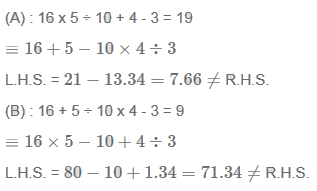
If 'x' means addition, ''- means division, '÷' means subtraction and '+' means multiplication, then which of the equations is correct?- a)16 x 5 ÷ 10 + 4 - 3 = 19
- b)16 + 5 ÷ 10 x 4 - 3 = 9
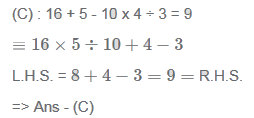
- c)16 + 5 - 10 x 4 ÷ 3 = 9
- d)16 - 5 x 10 ÷ 4 + 3 = 12
Correct answer is option 'C'. Can you explain this answer?
If 'x' means addition, ''- means division, '÷' means subtraction and '+' means multiplication, then which of the equations is correct?
a)
16 x 5 ÷ 10 + 4 - 3 = 19
b)
16 + 5 ÷ 10 x 4 - 3 = 9
c)
16 + 5 - 10 x 4 ÷ 3 = 9
d)
16 - 5 x 10 ÷ 4 + 3 = 12
 | Maheshwar Shah answered |
'Do or Die' is associated with which of the movements in India's freedom struggle- a)Dandi March
- b)NonCooperationMovement
- c)Khilafat Movement
- d)Quit India Movement
Correct answer is option 'D'. Can you explain this answer?
'Do or Die' is associated with which of the movements in India's freedom struggle
a)
Dandi March
b)
NonCooperationMovement
c)
Khilafat Movement
d)
Quit India Movement
 | Aysha Hanan answered |
"Do or die'' is a famous speech that launched the quit India movement - the last major civil disobedience movement organised before India became a sovereign nation in 1947.
It was a movement in which there was no return from the battlefield. And hence they started to fight to death in the battle to get freedom. It was their inspiration and Gandhi introduced this slogan " Do or die" .
It was a movement in which there was no return from the battlefield. And hence they started to fight to death in the battle to get freedom. It was their inspiration and Gandhi introduced this slogan " Do or die" .
A series is given, with one term missing. Choose the correct alternative from the given ones that will complete the series.IGT, JHS, KIR, LJQ, MKP, ?- a)LOP
- b)NOP
- c)NLO
- d)LNO
Correct answer is option 'C'. Can you explain this answer?
A series is given, with one term missing. Choose the correct alternative from the given ones that will complete the series
.IGT, JHS, KIR, LJQ, MKP, ?
a)
LOP
b)
NOP
c)
NLO
d)
LNO
 | Abhiram Mehra answered |
The given series is: IGT, JHS, KIR, LJQ, MKP, ?
To find the missing term, let's analyze the pattern in the given series:
Pattern Analysis:
- The first letter of each term in the series goes in alphabetical order: I, J, K, L, M.
- The second letter of each term is obtained by moving one letter forward in the English alphabet: G -> H -> I -> J -> K.
- The third letter of each term is obtained by moving one letter backward in the English alphabet: T -> S -> R -> Q -> P.
Based on this pattern, we can determine the missing term in the series.
Solution:
- The first letter of the missing term should be the next letter after M, which is N.
- The second letter of the missing term should be the next letter after K, which is L.
- The third letter of the missing term should be the next letter before P, which is O.
Therefore, the missing term in the series is NLO.
Hence, the correct answer is option C) NLO.
To find the missing term, let's analyze the pattern in the given series:
Pattern Analysis:
- The first letter of each term in the series goes in alphabetical order: I, J, K, L, M.
- The second letter of each term is obtained by moving one letter forward in the English alphabet: G -> H -> I -> J -> K.
- The third letter of each term is obtained by moving one letter backward in the English alphabet: T -> S -> R -> Q -> P.
Based on this pattern, we can determine the missing term in the series.
Solution:
- The first letter of the missing term should be the next letter after M, which is N.
- The second letter of the missing term should be the next letter after K, which is L.
- The third letter of the missing term should be the next letter before P, which is O.
Therefore, the missing term in the series is NLO.
Hence, the correct answer is option C) NLO.
Find the odd word/letters/number from the given alternatives.- a)436
- b)284
- c)507
- d)365
Correct answer is option 'B'. Can you explain this answer?
Find the odd word/letters/number from the given alternatives.
a)
436
b)
284
c)
507
d)
365
| | Aarav Sharma answered |
Odd Word/Letters/Number
Explanation:
To find the odd word/letters/number, we need to analyze the given options and identify the pattern followed by them. Let's analyze each option one by one.
a) 436: The sum of digits in this number is 4+3+6=13, which is a prime number. So, this option follows a pattern.
b) 284: The sum of digits in this number is 2+8+4=14, which is not a prime number. So, this option does not follow the pattern.
c) 507: The sum of digits in this number is 5+0+7=12, which is not a prime number. So, this option does not follow the pattern.
d) 365: The sum of digits in this number is 3+6+5=14, which is not a prime number. So, this option does not follow the pattern.
Therefore, the odd word/letters/number is option 'B' (284) because it is the only option that does not follow the given pattern.
Explanation:
To find the odd word/letters/number, we need to analyze the given options and identify the pattern followed by them. Let's analyze each option one by one.
a) 436: The sum of digits in this number is 4+3+6=13, which is a prime number. So, this option follows a pattern.
b) 284: The sum of digits in this number is 2+8+4=14, which is not a prime number. So, this option does not follow the pattern.
c) 507: The sum of digits in this number is 5+0+7=12, which is not a prime number. So, this option does not follow the pattern.
d) 365: The sum of digits in this number is 3+6+5=14, which is not a prime number. So, this option does not follow the pattern.
Therefore, the odd word/letters/number is option 'B' (284) because it is the only option that does not follow the given pattern.
Four positions of a cube are shown below. Which color is opposite to white color in the given cubes?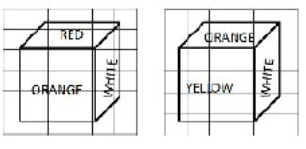
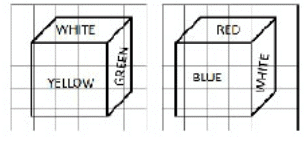
- a)Orange
- b)Blue
- c)Red
- d)Yellow
Correct answer is option 'B'. Can you explain this answer?
Four positions of a cube are shown below. Which color is opposite to white color in the given cubes?
a)
Orange
b)
Blue
c)
Red
d)
Yellow
 | Naroj Boda answered |
On the basis of following pattern in given dices , we can say that
Red, Orange, Yellow and Green colours are on the faces adjacent to white colour.
Red, Orange, Yellow and Green colours are on the faces adjacent to white colour.
Therefore, Blue colour lies opposite white colour.
Select the missing numbers from the given responses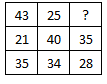
- a)36
- b)46
- c)40
- d)26
Correct answer is option 'A'. Can you explain this answer?
Select the missing numbers from the given responses
a)
36
b)
46
c)
40
d)
26
| | Abhishek Phogat answered |
Sum of all the three columns is 99....hence 35+28 +x = 99
x =36....
x =36....
In the following question, out of the four alternatives, choose the word which is opposite in meaning to the given word and click the button corresponding to it.INCLEMENT- a)RADICAL
- b)MILD
- c)HARSH
- d)TYRANNICAL
Correct answer is option 'B'. Can you explain this answer?
In the following question, out of the four alternatives, choose the word which is opposite in meaning to the given word and click the button corresponding to it.
INCLEMENT
a)
RADICAL
b)
MILD
c)
HARSH
d)
TYRANNICAL
| | Nilesh Banerjee answered |
**Explanation:**
The word "inclement" is an adjective that means harsh or severe, especially in terms of weather conditions. To find the word that is opposite in meaning to "inclement," we need to look for a word that represents mild or gentle weather conditions.
Let's analyze each of the given options:
a) RADICAL: This word does not have an opposite meaning to "inclement." It refers to someone or something that is extreme or revolutionary in nature. Therefore, option (a) is incorrect.
b) MILD: This word represents the opposite meaning to "inclement." It refers to something that is gentle or not severe. Therefore, option (b) is the correct answer.
c) HARSH: This word has a similar meaning to "inclement" as it also represents something that is severe or rough. Therefore, option (c) is incorrect.
d) TYRANNICAL: This word does not have an opposite meaning to "inclement." It refers to someone who exercises power in a cruel or oppressive manner. Therefore, option (d) is incorrect.
Thus, after analyzing all the options, we can conclude that option (b) "MILD" is the word that is opposite in meaning to "inclement."
The word "inclement" is an adjective that means harsh or severe, especially in terms of weather conditions. To find the word that is opposite in meaning to "inclement," we need to look for a word that represents mild or gentle weather conditions.
Let's analyze each of the given options:
a) RADICAL: This word does not have an opposite meaning to "inclement." It refers to someone or something that is extreme or revolutionary in nature. Therefore, option (a) is incorrect.
b) MILD: This word represents the opposite meaning to "inclement." It refers to something that is gentle or not severe. Therefore, option (b) is the correct answer.
c) HARSH: This word has a similar meaning to "inclement" as it also represents something that is severe or rough. Therefore, option (c) is incorrect.
d) TYRANNICAL: This word does not have an opposite meaning to "inclement." It refers to someone who exercises power in a cruel or oppressive manner. Therefore, option (d) is incorrect.
Thus, after analyzing all the options, we can conclude that option (b) "MILD" is the word that is opposite in meaning to "inclement."
In the following question, out of the four alternatives, choose the word which best expresses the meaning of the given word and click the button corresponding to it.FORSWEAR- a)SWEAR
- b)OATH
- c)ABUSE
- d)FORSAKE
Correct answer is option 'D'. Can you explain this answer?
In the following question, out of the four alternatives, choose the word which best expresses the meaning of the given word and click the button corresponding to it.
FORSWEAR
a)
SWEAR
b)
OATH
c)
ABUSE
d)
FORSAKE
 | Kiran Mehta answered |
The
correct
option
is
d
)
Fors
ake
.
Fors
wear
means
to
ren
ounce
or
reject
a
promise
or
an
oath
.
Fors
ake
means
to
abandon
or
leave
behind
.
Blood group AB has- a)No antigen
- b)No antibody
- c)Neither antigen nor antibody
- d)Both antigen and antibody
Correct answer is option 'B'. Can you explain this answer?
Blood group AB has
a)
No antigen
b)
No antibody
c)
Neither antigen nor antibody
d)
Both antigen and antibody
| | Nilesh Banerjee answered |
The correct answer to the question is option 'B' - Blood group AB has no antibody. Let's understand why this is the correct answer.
Blood groups are determined by the presence or absence of certain antigens on the surface of red blood cells. Antigens are substances that can stimulate an immune response in the body. In the case of blood transfusions, it is important to match the blood types of the donor and the recipient to avoid any adverse reactions.
Blood group AB is unique because it contains both A and B antigens on the surface of red blood cells. This means that individuals with blood group AB have both A and B antigens present. So, option 'A' - No antigen is incorrect.
Now, let's talk about antibodies. Antibodies are proteins produced by the immune system to recognize and neutralize foreign substances, such as bacteria or viruses. Antibodies are specific to certain antigens. When an antigen enters the body that is recognized as foreign, the immune system produces antibodies to attack and eliminate it.
In the case of blood group AB, individuals do not produce antibodies against A or B antigens. This is because they already have both A and B antigens on their red blood cells, so there is no need for their immune system to produce antibodies against these antigens. Therefore, option 'B' - No antibody is the correct answer.
On the other hand, individuals with blood group A have A antigens on their red blood cells and produce antibodies against B antigens. Similarly, individuals with blood group B have B antigens on their red blood cells and produce antibodies against A antigens. These antibodies are produced as a defense mechanism to attack and eliminate any foreign blood that contains antigens that are not present on their own red blood cells.
In summary, blood group AB has both A and B antigens on their red blood cells but does not produce any antibodies against these antigens. This is why the correct answer is option 'B' - No antibody.
Blood groups are determined by the presence or absence of certain antigens on the surface of red blood cells. Antigens are substances that can stimulate an immune response in the body. In the case of blood transfusions, it is important to match the blood types of the donor and the recipient to avoid any adverse reactions.
Blood group AB is unique because it contains both A and B antigens on the surface of red blood cells. This means that individuals with blood group AB have both A and B antigens present. So, option 'A' - No antigen is incorrect.
Now, let's talk about antibodies. Antibodies are proteins produced by the immune system to recognize and neutralize foreign substances, such as bacteria or viruses. Antibodies are specific to certain antigens. When an antigen enters the body that is recognized as foreign, the immune system produces antibodies to attack and eliminate it.
In the case of blood group AB, individuals do not produce antibodies against A or B antigens. This is because they already have both A and B antigens on their red blood cells, so there is no need for their immune system to produce antibodies against these antigens. Therefore, option 'B' - No antibody is the correct answer.
On the other hand, individuals with blood group A have A antigens on their red blood cells and produce antibodies against B antigens. Similarly, individuals with blood group B have B antigens on their red blood cells and produce antibodies against A antigens. These antibodies are produced as a defense mechanism to attack and eliminate any foreign blood that contains antigens that are not present on their own red blood cells.
In summary, blood group AB has both A and B antigens on their red blood cells but does not produce any antibodies against these antigens. This is why the correct answer is option 'B' - No antibody.
Select the related word/letters/numbers from the given alternatives:Cytology : Cells :: ? : Birds- a)Odontology
- b)Mycology
- c)Etymology
- d)Ornithology
Correct answer is option 'D'. Can you explain this answer?
Select the related word/letters/numbers from the given alternatives:
Cytology : Cells :: ? : Birds
a)
Odontology
b)
Mycology
c)
Etymology
d)
Ornithology
 | Jayant Mishra answered |
Cytology is the study of Cell same as Ornithology is the study of Birds.
In the following questions, one part of the sentence may have an error. Find out which part of the sentence has an error and click the button corresponding to it. If the sentence is free from error, click the "No error" option.- a)I do not think that
- b)I can cope up
- c)with this problem
- d)No Error
Correct answer is option 'B'. Can you explain this answer?
In the following questions, one part of the sentence may have an error. Find out which part of the sentence has an error and click the button corresponding to it. If the sentence is free from error, click the "No error" option.
a)
I do not think that
b)
I can cope up
c)
with this problem
d)
No Error
| | Aarav Sharma answered |
"no error" option.
1. The teacher along with her students are going to the museum.
A) The teacher
B) along with her students
C) are going to the museum
D) no error
Answer: C) are going to the museum. (The subject "teacher" is singular, so the verb should be "is" instead of "are". The correct sentence is "The teacher along with her students is going to the museum.")
2. Each of the boys in the class have passed the test.
A) Each of the boys
B) in the class
C) have passed the test
D) no error
Answer: C) have passed the test. (The subject "each" is singular, so the verb should be "has" instead of "have". The correct sentence is "Each of the boys in the class has passed the test.")
3. The team, along with their coach, are practicing for the upcoming match.
A) The team
B) along with their coach
C) are practicing
D) no error
Answer: C) are practicing. (The subject "team" is singular, so the verb should be "is" instead of "are". The correct sentence is "The team, along with their coach, is practicing for the upcoming match.")
4. Neither of the options seems to be the correct answer.
A) Neither of the options
B) seems
C) to be the correct answer
D) no error
Answer: D) no error.
5. The concert was so good that I couldn't able to resist dancing.
A) The concert was so good
B) that I couldn't able to resist
C) dancing
D) no error
Answer: B) that I couldn't able to resist. (The correct sentence is "The concert was so good that I couldn't resist dancing." The word "able" is not needed.)
1. The teacher along with her students are going to the museum.
A) The teacher
B) along with her students
C) are going to the museum
D) no error
Answer: C) are going to the museum. (The subject "teacher" is singular, so the verb should be "is" instead of "are". The correct sentence is "The teacher along with her students is going to the museum.")
2. Each of the boys in the class have passed the test.
A) Each of the boys
B) in the class
C) have passed the test
D) no error
Answer: C) have passed the test. (The subject "each" is singular, so the verb should be "has" instead of "have". The correct sentence is "Each of the boys in the class has passed the test.")
3. The team, along with their coach, are practicing for the upcoming match.
A) The team
B) along with their coach
C) are practicing
D) no error
Answer: C) are practicing. (The subject "team" is singular, so the verb should be "is" instead of "are". The correct sentence is "The team, along with their coach, is practicing for the upcoming match.")
4. Neither of the options seems to be the correct answer.
A) Neither of the options
B) seems
C) to be the correct answer
D) no error
Answer: D) no error.
5. The concert was so good that I couldn't able to resist dancing.
A) The concert was so good
B) that I couldn't able to resist
C) dancing
D) no error
Answer: B) that I couldn't able to resist. (The correct sentence is "The concert was so good that I couldn't resist dancing." The word "able" is not needed.)
In the following questions, one part of the sentence may have an error. Find out which part of the sentence has an error and click the button corresponding to it. If the sentence is free from error, click the "No error" option.- a)The doctor says that
- b)the patient will recover
- c)in few days
- d)No Error
Correct answer is option 'C'. Can you explain this answer?
In the following questions, one part of the sentence may have an error. Find out which part of the sentence has an error and click the button corresponding to it. If the sentence is free from error, click the "No error" option.
a)
The doctor says that
b)
the patient will recover
c)
in few days
d)
No Error
 | Pranab Goyal answered |
c) "in few days" has an error.
The correct version of the sentence should be "The doctor says that the patient will recover in a few days." The phrase "in few days" should be "in a few days." "Few" means "not many," and "a" should be used before it to indicate that it is singular. "Days" is a plural noun, so "few" should be used instead of "a few" in this case.
Which one of the following areas of India is covered by tropical evergreen forest?- a)Semiarid areas of Gujarat
- b)Eastern Ghats
- c)Western Ghats
- d)Madhya Pradesh
Correct answer is option 'C'. Can you explain this answer?
Which one of the following areas of India is covered by tropical evergreen forest?
a)
Semiarid areas of Gujarat
b)
Eastern Ghats
c)
Western Ghats
d)
Madhya Pradesh
 | Ishaan Roy answered |
**Tropical Evergreen Forest in India**
The correct answer is option 'C' which states that the Western Ghats in India is covered by tropical evergreen forests. Let's understand why this is the correct answer in detail.
**Introduction to Tropical Evergreen Forests:**
Tropical evergreen forests, also known as tropical rainforests, are characterized by dense vegetation, high rainfall, and high temperatures throughout the year. These forests are found in regions near the equator, including parts of India.
**Western Ghats:**
The Western Ghats, also known as the Sahyadri Mountains, are a mountain range that runs parallel to the western coast of India, stretching approximately 1,600 km from Gujarat to Tamil Nadu. It is one of the eight "hottest hotspots" of biological diversity in the world and is considered a UNESCO World Heritage site.
**Characteristics of Western Ghats:**
The Western Ghats receive heavy rainfall due to the southwest monsoon winds that bring moisture from the Arabian Sea. This abundant rainfall supports the growth of lush green forests, making the region a hotspot for biodiversity. The annual rainfall in the Western Ghats ranges from 2,000 to 10,000 mm.
**Tropical Evergreen Forests in the Western Ghats:**
The Western Ghats are home to a variety of vegetation types, including tropical evergreen forests. These forests are found in the higher altitudes of the Western Ghats, where the climatic conditions are ideal for the growth of such forests.
**Characteristics of Tropical Evergreen Forests:**
Tropical evergreen forests are characterized by tall, closely spaced trees that form a dense canopy, blocking most of the sunlight from reaching the forest floor. The trees in these forests are evergreen, meaning they retain their leaves throughout the year. The dense canopy and the continuous availability of moisture support the growth of a variety of plant species, including epiphytes and lianas.
**Biodiversity in Western Ghats:**
The Western Ghats are known for their rich biodiversity. They are home to numerous species of flora and fauna, many of which are endemic to the region. The tropical evergreen forests in the Western Ghats provide habitat for a wide range of plant and animal species, including elephants, tigers, and several species of birds.
**Conclusion:**
In conclusion, the Western Ghats in India is covered by tropical evergreen forests. The heavy rainfall, high temperatures, and suitable climatic conditions in the Western Ghats support the growth of lush green forests, making it a hotspot for biodiversity. The tropical evergreen forests in this region are characterized by tall, closely spaced trees that form a dense canopy, providing habitat for a variety of plant and animal species.
The correct answer is option 'C' which states that the Western Ghats in India is covered by tropical evergreen forests. Let's understand why this is the correct answer in detail.
**Introduction to Tropical Evergreen Forests:**
Tropical evergreen forests, also known as tropical rainforests, are characterized by dense vegetation, high rainfall, and high temperatures throughout the year. These forests are found in regions near the equator, including parts of India.
**Western Ghats:**
The Western Ghats, also known as the Sahyadri Mountains, are a mountain range that runs parallel to the western coast of India, stretching approximately 1,600 km from Gujarat to Tamil Nadu. It is one of the eight "hottest hotspots" of biological diversity in the world and is considered a UNESCO World Heritage site.
**Characteristics of Western Ghats:**
The Western Ghats receive heavy rainfall due to the southwest monsoon winds that bring moisture from the Arabian Sea. This abundant rainfall supports the growth of lush green forests, making the region a hotspot for biodiversity. The annual rainfall in the Western Ghats ranges from 2,000 to 10,000 mm.
**Tropical Evergreen Forests in the Western Ghats:**
The Western Ghats are home to a variety of vegetation types, including tropical evergreen forests. These forests are found in the higher altitudes of the Western Ghats, where the climatic conditions are ideal for the growth of such forests.
**Characteristics of Tropical Evergreen Forests:**
Tropical evergreen forests are characterized by tall, closely spaced trees that form a dense canopy, blocking most of the sunlight from reaching the forest floor. The trees in these forests are evergreen, meaning they retain their leaves throughout the year. The dense canopy and the continuous availability of moisture support the growth of a variety of plant species, including epiphytes and lianas.
**Biodiversity in Western Ghats:**
The Western Ghats are known for their rich biodiversity. They are home to numerous species of flora and fauna, many of which are endemic to the region. The tropical evergreen forests in the Western Ghats provide habitat for a wide range of plant and animal species, including elephants, tigers, and several species of birds.
**Conclusion:**
In conclusion, the Western Ghats in India is covered by tropical evergreen forests. The heavy rainfall, high temperatures, and suitable climatic conditions in the Western Ghats support the growth of lush green forests, making it a hotspot for biodiversity. The tropical evergreen forests in this region are characterized by tall, closely spaced trees that form a dense canopy, providing habitat for a variety of plant and animal species.
A collective term used by the Jains for their sacred books is- a)Prabandhas
- b)Angas
- c)Nibandhas
- d)Charits
Correct answer is option 'B'. Can you explain this answer?
A collective term used by the Jains for their sacred books is
a)
Prabandhas
b)
Angas
c)
Nibandhas
d)
Charits
| | Nilesh Banerjee answered |
Understanding Jain Sacred Texts
Jainism, one of the ancient religions of India, possesses a rich literary tradition that encompasses various sacred texts. Among these, the term "Angas" refers specifically to the canonical scriptures that form the core of Jain teachings.
What are Angas?
- The Angas are a set of twelve texts that are considered the most authoritative scriptures in Jainism.
- They form part of the larger body of texts known as "Tattvartha Sutra," which outlines the philosophy and principles of Jain beliefs.
- The Angas cover various aspects of Jain doctrine, including ethics, cosmology, and the nature of the soul.
Other Sacred Texts in Jainism
While Angas are central to Jain literature, it is essential to understand the other terms mentioned:
- Prabandhas: These are literary works that often narrate stories or the lives of saints and historical figures in Jainism.
- Nibandhas: These refer to compilations or treatises that elaborate on Jain philosophy and can include commentaries on the Angas.
- Charits: These texts focus on the biographies of Tirthankaras (spiritual teachers) and other significant figures in Jain history.
Conclusion
In summary, the collective term "Angas" represents the core sacred texts of Jainism, making option 'B' the correct answer. Understanding the distinction between the Angas and other sacred texts enriches one’s comprehension of Jain religious literature and its significance in the faith.
Jainism, one of the ancient religions of India, possesses a rich literary tradition that encompasses various sacred texts. Among these, the term "Angas" refers specifically to the canonical scriptures that form the core of Jain teachings.
What are Angas?
- The Angas are a set of twelve texts that are considered the most authoritative scriptures in Jainism.
- They form part of the larger body of texts known as "Tattvartha Sutra," which outlines the philosophy and principles of Jain beliefs.
- The Angas cover various aspects of Jain doctrine, including ethics, cosmology, and the nature of the soul.
Other Sacred Texts in Jainism
While Angas are central to Jain literature, it is essential to understand the other terms mentioned:
- Prabandhas: These are literary works that often narrate stories or the lives of saints and historical figures in Jainism.
- Nibandhas: These refer to compilations or treatises that elaborate on Jain philosophy and can include commentaries on the Angas.
- Charits: These texts focus on the biographies of Tirthankaras (spiritual teachers) and other significant figures in Jain history.
Conclusion
In summary, the collective term "Angas" represents the core sacred texts of Jainism, making option 'B' the correct answer. Understanding the distinction between the Angas and other sacred texts enriches one’s comprehension of Jain religious literature and its significance in the faith.
Which of the following is not an operating system- a)Android
- b)Vista
- c)iOS
- d)Opera
Correct answer is option 'D'. Can you explain this answer?
Which of the following is not an operating system
a)
Android
b)
Vista
c)
iOS
d)
Opera
| | Arnav Saini answered |
The correct answer is option 'D', Opera.
Explanation:
An operating system (OS) is a software that manages computer hardware and software resources and provides common services for computer programs. It acts as an intermediary between the computer hardware and the user, allowing the user to interact with the computer system.
Let's examine each option to determine whether it is an operating system or not:
a) Android: Android is an operating system developed by Google primarily for mobile devices such as smartphones and tablets. It is based on the Linux kernel and is widely used by various device manufacturers.
b) Vista: Vista, or Windows Vista, is an operating system developed by Microsoft. It was released in 2007 as the successor to Windows XP. Although it has been replaced by newer versions of Windows, Vista was once a popular operating system.
c) iOS: iOS is an operating system developed by Apple Inc. It is used exclusively on Apple devices such as iPhones, iPads, and iPod Touch. iOS is known for its intuitive user interface and seamless integration with other Apple products and services.
d) Opera: Opera is not an operating system but rather a web browser developed by Opera Software. It is available for various operating systems, including Windows, macOS, and Linux. While it allows users to access the internet and browse websites, it is not an operating system itself.
In summary, among the given options, Opera is not an operating system. It is a web browser. The other options (Android, Vista, and iOS) are all operating systems used on different devices.
Explanation:
An operating system (OS) is a software that manages computer hardware and software resources and provides common services for computer programs. It acts as an intermediary between the computer hardware and the user, allowing the user to interact with the computer system.
Let's examine each option to determine whether it is an operating system or not:
a) Android: Android is an operating system developed by Google primarily for mobile devices such as smartphones and tablets. It is based on the Linux kernel and is widely used by various device manufacturers.
b) Vista: Vista, or Windows Vista, is an operating system developed by Microsoft. It was released in 2007 as the successor to Windows XP. Although it has been replaced by newer versions of Windows, Vista was once a popular operating system.
c) iOS: iOS is an operating system developed by Apple Inc. It is used exclusively on Apple devices such as iPhones, iPads, and iPod Touch. iOS is known for its intuitive user interface and seamless integration with other Apple products and services.
d) Opera: Opera is not an operating system but rather a web browser developed by Opera Software. It is available for various operating systems, including Windows, macOS, and Linux. While it allows users to access the internet and browse websites, it is not an operating system itself.
In summary, among the given options, Opera is not an operating system. It is a web browser. The other options (Android, Vista, and iOS) are all operating systems used on different devices.
In the following questions, one part of the sentence may have an error. Find out which part of the sentence has an error and click the button corresponding to it. If the sentence is free from error, click the "No error" option.- a)The mother
- b)yearns for
- c)her only child
- d)No Error
Correct answer is option 'D'. Can you explain this answer?
In the following questions, one part of the sentence may have an error. Find out which part of the sentence has an error and click the button corresponding to it. If the sentence is free from error, click the "No error" option.
a)
The mother
b)
yearns for
c)
her only child
d)
No Error
| | Aarav Sharma answered |
Button corresponding to "No error".
I am not agree with him.
I am not agree with him.
Which one of the following countries is not a member of the "BRICS" group?- a)Brazil
- b)Russia
- c)China
- d)Indonesia
Correct answer is option 'D'. Can you explain this answer?
Which one of the following countries is not a member of the "BRICS" group?
a)
Brazil
b)
Russia
c)
China
d)
Indonesia
| | Ishaan Roy answered |
Overview of BRICS
BRICS is an acronym that refers to a group of five major emerging economies: Brazil, Russia, India, China, and South Africa. This coalition aims to enhance cooperation in various fields such as economic development, political dialogue, and cultural exchange.
Members of BRICS
- Brazil: One of the founding members, Brazil plays a significant role in Latin America and is known for its vast natural resources and agricultural output.
- Russia: As a major player on the global stage, Russia contributes its vast energy resources and military capabilities to the group.
- China: The second-largest economy in the world, China is crucial in terms of trade and investment within BRICS.
- India: With a rapidly growing economy, India adds significant demographic and technological strength to the group.
- South Africa: The only African nation in BRICS, South Africa brings a unique perspective and represents the interests of the African continent.
Why Indonesia is Not a Member
- Current Status: Indonesia, despite being a large emerging economy in Southeast Asia, is not part of the BRICS group.
- Criteria for Membership: BRICS was formed based on certain criteria, including economic size, growth potential, and geopolitical influence.
- Alternative Groupings: Indonesia is involved in other international organizations and forums, such as ASEAN and G20, which focus on regional cooperation and economic development.
In conclusion, the correct answer to the question is option 'D' (Indonesia), as it does not belong to the BRICS group, while Brazil, Russia, and China are all founding members.
BRICS is an acronym that refers to a group of five major emerging economies: Brazil, Russia, India, China, and South Africa. This coalition aims to enhance cooperation in various fields such as economic development, political dialogue, and cultural exchange.
Members of BRICS
- Brazil: One of the founding members, Brazil plays a significant role in Latin America and is known for its vast natural resources and agricultural output.
- Russia: As a major player on the global stage, Russia contributes its vast energy resources and military capabilities to the group.
- China: The second-largest economy in the world, China is crucial in terms of trade and investment within BRICS.
- India: With a rapidly growing economy, India adds significant demographic and technological strength to the group.
- South Africa: The only African nation in BRICS, South Africa brings a unique perspective and represents the interests of the African continent.
Why Indonesia is Not a Member
- Current Status: Indonesia, despite being a large emerging economy in Southeast Asia, is not part of the BRICS group.
- Criteria for Membership: BRICS was formed based on certain criteria, including economic size, growth potential, and geopolitical influence.
- Alternative Groupings: Indonesia is involved in other international organizations and forums, such as ASEAN and G20, which focus on regional cooperation and economic development.
In conclusion, the correct answer to the question is option 'D' (Indonesia), as it does not belong to the BRICS group, while Brazil, Russia, and China are all founding members.


Out of the four alternatives, choose the one which can be substituted for the given words/sentences and click the button corresponding to it.Speech delivered without preparation- a)Rhetoric
- b)Oration
- c)Extempore
- d)Maiden speech
Correct answer is option 'B'. Can you explain this answer?
Out of the four alternatives, choose the one which can be substituted for the given words/sentences and click the button corresponding to it.
Speech delivered without preparation
a)
Rhetoric
b)
Oration
c)
Extempore
d)
Maiden speech
| | Ishaan Roy answered |
Substitution for Speech delivered without preparation is Oration.
Explanation:
An oration is a formal speech given on a ceremonial occasion. It is usually prepared in advance and delivered with great care and deliberation. However, when an oration is delivered without preparation, it is called an extempore speech. Therefore, option (c) Extempore is also a correct answer, but option (b) Oration is a better fit for the given definition. Rhetoric is the art of effective speaking or writing, and a maiden speech is the first speech given by a newly elected official.
Explanation:
An oration is a formal speech given on a ceremonial occasion. It is usually prepared in advance and delivered with great care and deliberation. However, when an oration is delivered without preparation, it is called an extempore speech. Therefore, option (c) Extempore is also a correct answer, but option (b) Oration is a better fit for the given definition. Rhetoric is the art of effective speaking or writing, and a maiden speech is the first speech given by a newly elected official.
The phenomenon of change in direction of light when it passes from one medium to another is called- a)Propagation
- b)Reflection
- c)Refraction
- d)Dispersion
Correct answer is option 'C'. Can you explain this answer?
The phenomenon of change in direction of light when it passes from one medium to another is called
a)
Propagation
b)
Reflection
c)
Refraction
d)
Dispersion
| | Abhiram Mehra answered |
**Explanation:**
**Refraction** is the phenomenon of change in direction of light when it passes from one medium to another.
Refraction occurs due to the change in the speed of light as it passes from one medium to another. The speed of light changes because the refractive index of each medium is different. The refractive index is a measure of how much the speed of light is reduced in a medium compared to its speed in a vacuum.
When light passes from a medium with a higher refractive index to a medium with a lower refractive index, it bends away from the normal (an imaginary line perpendicular to the surface of the interface between the two media). This is called positive refraction. On the other hand, when light passes from a medium with a lower refractive index to a medium with a higher refractive index, it bends towards the normal. This is called negative refraction.
**Factors influencing refraction:**
1. Refractive index: The refractive index of a medium determines how much the light will bend when it passes from one medium to another. The higher the refractive index, the greater the bending of light.
2. Angle of incidence: The angle at which the light approaches the boundary between two media also affects the amount of bending. If the light is incident at a perpendicular angle (0 degrees) to the boundary, there will be no bending. As the angle of incidence increases, the amount of bending also increases.
3. Wavelength of light: Different colors of light have different wavelengths. When light passes through a medium, each color bends at a slightly different angle due to its different wavelength. This is known as dispersion.
4. Nature of the media: The refractive index of a medium depends on the properties of the material through which light is passing. Different materials have different refractive indices, leading to different amounts of bending.
**Applications of refraction:**
1. Lenses: The bending of light due to refraction is used in lenses to focus light and form images in cameras, telescopes, microscopes, and eyeglasses.
2. Prism: Refraction also causes dispersion, where different colors of light separate into a spectrum when passing through a prism. This is used in spectroscopy, where the colors of light emitted or absorbed by a substance are analyzed to determine its composition.
3. Mirage: Refraction of light in the atmosphere can create optical illusions, such as mirages, where objects appear to be displaced or distorted due to the bending of light.
4. Fiber optics: Refraction is used in fiber optic cables to transmit data and signals over long distances by guiding light along the length of the cable through internal reflection.
In conclusion, refraction is the phenomenon of change in direction of light when it passes from one medium to another. It is influenced by the refractive index, angle of incidence, wavelength of light, and nature of the media. Refraction has various applications in lenses, prisms, mirages, and fiber optics.
**Refraction** is the phenomenon of change in direction of light when it passes from one medium to another.
Refraction occurs due to the change in the speed of light as it passes from one medium to another. The speed of light changes because the refractive index of each medium is different. The refractive index is a measure of how much the speed of light is reduced in a medium compared to its speed in a vacuum.
When light passes from a medium with a higher refractive index to a medium with a lower refractive index, it bends away from the normal (an imaginary line perpendicular to the surface of the interface between the two media). This is called positive refraction. On the other hand, when light passes from a medium with a lower refractive index to a medium with a higher refractive index, it bends towards the normal. This is called negative refraction.
**Factors influencing refraction:**
1. Refractive index: The refractive index of a medium determines how much the light will bend when it passes from one medium to another. The higher the refractive index, the greater the bending of light.
2. Angle of incidence: The angle at which the light approaches the boundary between two media also affects the amount of bending. If the light is incident at a perpendicular angle (0 degrees) to the boundary, there will be no bending. As the angle of incidence increases, the amount of bending also increases.
3. Wavelength of light: Different colors of light have different wavelengths. When light passes through a medium, each color bends at a slightly different angle due to its different wavelength. This is known as dispersion.
4. Nature of the media: The refractive index of a medium depends on the properties of the material through which light is passing. Different materials have different refractive indices, leading to different amounts of bending.
**Applications of refraction:**
1. Lenses: The bending of light due to refraction is used in lenses to focus light and form images in cameras, telescopes, microscopes, and eyeglasses.
2. Prism: Refraction also causes dispersion, where different colors of light separate into a spectrum when passing through a prism. This is used in spectroscopy, where the colors of light emitted or absorbed by a substance are analyzed to determine its composition.
3. Mirage: Refraction of light in the atmosphere can create optical illusions, such as mirages, where objects appear to be displaced or distorted due to the bending of light.
4. Fiber optics: Refraction is used in fiber optic cables to transmit data and signals over long distances by guiding light along the length of the cable through internal reflection.
In conclusion, refraction is the phenomenon of change in direction of light when it passes from one medium to another. It is influenced by the refractive index, angle of incidence, wavelength of light, and nature of the media. Refraction has various applications in lenses, prisms, mirages, and fiber optics.
Find the odd word/letters/number from the given alternatives.- a)Rupee
- b)Pound
- c)Yen
- d)Currency
Correct answer is option 'D'. Can you explain this answer?
Find the odd word/letters/number from the given alternatives.
a)
Rupee
b)
Pound
c)
Yen
d)
Currency
| | Pranab Goyal answered |
Identifying the Odd One Out
In the given options, we are tasked with finding the word that does not fit with the others. Let’s analyze each option.
Understanding the Options
Analysis of the Options
Conclusion: The Odd One Out
- The correct answer is option D (Currency) because it is not a specific currency but rather a classification that includes all forms of currency, making it fundamentally different from Rupee, Pound, and Yen.
- The other three options represent distinct forms of currency, while "Currency" itself is an umbrella term covering all of them.
This distinction highlights why "Currency" is the odd word in this context, as it does not belong to the same category as the other three.
In the given options, we are tasked with finding the word that does not fit with the others. Let’s analyze each option.
Understanding the Options
- Rupee: A currency used in India and several other countries.
- Pound: A currency used in the United Kingdom and other territories.
- Yen: The official currency of Japan.
- Currency: A general term used to describe the system of money in use in a particular country or economic area.
Analysis of the Options
- Specific Currencies: Rupee, Pound, and Yen are all specific types of currency used in particular countries.
- General Term: Conversely, Currency is a broad term that encompasses all types of money across different nations.
Conclusion: The Odd One Out
- The correct answer is option D (Currency) because it is not a specific currency but rather a classification that includes all forms of currency, making it fundamentally different from Rupee, Pound, and Yen.
- The other three options represent distinct forms of currency, while "Currency" itself is an umbrella term covering all of them.
This distinction highlights why "Currency" is the odd word in this context, as it does not belong to the same category as the other three.
Who is the first law officer of the country?- a)Chief Justice of India
- b)Attorney General
- c)Law Minister
- d)Solicitor General
Correct answer is option 'B'. Can you explain this answer?
Who is the first law officer of the country?
a)
Chief Justice of India
b)
Attorney General
c)
Law Minister
d)
Solicitor General
 | Manish Paul answered |
Because Supreme Court held Apex position in nyayapalika....not in Country ...
Out of the four alternatives, choose the one which can be substituted for the given words/sentences and click the button corresponding to it.A person's peculiar habit- a)Trait
- b)Idiosyncracy
- c)Idiolect
- d)Talent
Correct answer is option 'B'. Can you explain this answer?
Out of the four alternatives, choose the one which can be substituted for the given words/sentences and click the button corresponding to it.
A person's peculiar habit
a)
Trait
b)
Idiosyncracy
c)
Idiolect
d)
Talent
 | Malavika Rane answered |
Explanation:
Idiosyncracy:
- An idiosyncracy is a person's peculiar habit or characteristic that makes them unique.
- It is a distinctive feature or behavior that sets an individual apart from others.
- Idiosyncracies can include quirks, preferences, or behaviors that are particular to a person.
- It is often used to describe traits or habits that are unusual or eccentric.
Options:
a) Trait - A characteristic or quality that distinguishes one person from another.
b) Idiosyncracy - A person's peculiar habit or distinctive behavior.
c) Idiolect - A person's individual style of speaking or language use.
d) Talent - A natural aptitude or skill in a specific area.
Therefore, the correct answer is option b) Idiosyncracy as it best fits the given description of a person's peculiar habit.
Idiosyncracy:
- An idiosyncracy is a person's peculiar habit or characteristic that makes them unique.
- It is a distinctive feature or behavior that sets an individual apart from others.
- Idiosyncracies can include quirks, preferences, or behaviors that are particular to a person.
- It is often used to describe traits or habits that are unusual or eccentric.
Options:
a) Trait - A characteristic or quality that distinguishes one person from another.
b) Idiosyncracy - A person's peculiar habit or distinctive behavior.
c) Idiolect - A person's individual style of speaking or language use.
d) Talent - A natural aptitude or skill in a specific area.
Therefore, the correct answer is option b) Idiosyncracy as it best fits the given description of a person's peculiar habit.
Atomic explosion is triggered by- a)thermo nuclear reaction
- b)chemical reaction
- c)controlled chain reaction
- d)uncontrolled chain reaction
Correct answer is option 'D'. Can you explain this answer?
Atomic explosion is triggered by
a)
thermo nuclear reaction
b)
chemical reaction
c)
controlled chain reaction
d)
uncontrolled chain reaction
| | Arnav Saini answered |
Understanding Atomic Explosion
An atomic explosion occurs through a process known as nuclear fission, where the nucleus of an atom is split into smaller parts, releasing a tremendous amount of energy. The correct answer, option 'D', refers to an "uncontrolled chain reaction."
What is an Uncontrolled Chain Reaction?
- An uncontrolled chain reaction occurs when the reaction proceeds without any regulation, leading to a rapid and exponential release of energy.
- In a nuclear weapon, specific isotopes (like Uranium-235 or Plutonium-239) are used. When a nucleus of these isotopes absorbs a neutron, it becomes unstable and splits, releasing more neutrons and energy.
- These emitted neutrons can then collide with other nuclei, causing them to fission as well, resulting in a cascading effect.
Contrast with Controlled Chain Reaction
- A controlled chain reaction is utilized in nuclear reactors where the reaction is carefully managed to produce energy steadily and safely.
- Control rods and other mechanisms are employed to absorb excess neutrons, preventing the reaction from becoming explosive.
Consequences of Uncontrolled Reactions
- The rapid release of energy in an uncontrolled chain reaction leads to the devastating effects of an atomic explosion, including intense heat, shockwaves, and radiation.
- This process is harnessed in atomic bombs, where the goal is to achieve maximum destruction in a very short time frame.
Conclusion
- Thus, the atomic explosion is triggered by an "uncontrolled chain reaction," making option 'D' the correct answer. Understanding this fundamental process is crucial in the context of nuclear physics and its applications.
An atomic explosion occurs through a process known as nuclear fission, where the nucleus of an atom is split into smaller parts, releasing a tremendous amount of energy. The correct answer, option 'D', refers to an "uncontrolled chain reaction."
What is an Uncontrolled Chain Reaction?
- An uncontrolled chain reaction occurs when the reaction proceeds without any regulation, leading to a rapid and exponential release of energy.
- In a nuclear weapon, specific isotopes (like Uranium-235 or Plutonium-239) are used. When a nucleus of these isotopes absorbs a neutron, it becomes unstable and splits, releasing more neutrons and energy.
- These emitted neutrons can then collide with other nuclei, causing them to fission as well, resulting in a cascading effect.
Contrast with Controlled Chain Reaction
- A controlled chain reaction is utilized in nuclear reactors where the reaction is carefully managed to produce energy steadily and safely.
- Control rods and other mechanisms are employed to absorb excess neutrons, preventing the reaction from becoming explosive.
Consequences of Uncontrolled Reactions
- The rapid release of energy in an uncontrolled chain reaction leads to the devastating effects of an atomic explosion, including intense heat, shockwaves, and radiation.
- This process is harnessed in atomic bombs, where the goal is to achieve maximum destruction in a very short time frame.
Conclusion
- Thus, the atomic explosion is triggered by an "uncontrolled chain reaction," making option 'D' the correct answer. Understanding this fundamental process is crucial in the context of nuclear physics and its applications.
In which of the following market forms, a firm does not exercise control over price?- a)Monopoly
- b)Perfect competition
- c)Oligopoly
- d)Monopolistic competition
Correct answer is option 'B'. Can you explain this answer?
In which of the following market forms, a firm does not exercise control over price?
a)
Monopoly
b)
Perfect competition
c)
Oligopoly
d)
Monopolistic competition
| | Abhiram Mehra answered |
In perfect competition, a firm does not exercise control over price. This is because perfect competition is characterized by a large number of small firms that produce identical products and have no market power. Here is a detailed explanation:
Perfect Competition:
- In perfect competition, there are many buyers and sellers in the market, and each firm produces an identical product.
- The market is characterized by free entry and exit, meaning that new firms can easily enter the market and existing firms can exit if they are not making a profit.
- The price in a perfectly competitive market is determined by the forces of supply and demand. Each firm is a price taker, meaning that it has to accept the market price as given and cannot influence it.
- The demand curve faced by a perfectly competitive firm is perfectly elastic, meaning that the firm can sell as much as it wants at the market price, but cannot sell at a higher price.
- As a result, a perfectly competitive firm has no control over the price of its product. It can only determine the quantity it wants to produce based on its profit maximization objective.
Other Market Forms:
- In contrast, in a monopoly, there is a single firm that is the sole provider of a product or service in the market. The firm has significant market power and can set the price of its product.
- In an oligopoly, there are few large firms in the market, and each firm has some degree of market power. They may engage in strategic behavior and consider the actions of other firms when making pricing decisions.
- In monopolistic competition, there are many firms in the market, but each firm produces a slightly differentiated product. The firms have some degree of market power and can set prices based on product differentiation.
- In all these market forms, the firms have some control over the price of their product, unlike in perfect competition.
Therefore, it can be concluded that in perfect competition, a firm does not exercise control over price. The market forces of supply and demand determine the price, and each firm is a price taker.
Perfect Competition:
- In perfect competition, there are many buyers and sellers in the market, and each firm produces an identical product.
- The market is characterized by free entry and exit, meaning that new firms can easily enter the market and existing firms can exit if they are not making a profit.
- The price in a perfectly competitive market is determined by the forces of supply and demand. Each firm is a price taker, meaning that it has to accept the market price as given and cannot influence it.
- The demand curve faced by a perfectly competitive firm is perfectly elastic, meaning that the firm can sell as much as it wants at the market price, but cannot sell at a higher price.
- As a result, a perfectly competitive firm has no control over the price of its product. It can only determine the quantity it wants to produce based on its profit maximization objective.
Other Market Forms:
- In contrast, in a monopoly, there is a single firm that is the sole provider of a product or service in the market. The firm has significant market power and can set the price of its product.
- In an oligopoly, there are few large firms in the market, and each firm has some degree of market power. They may engage in strategic behavior and consider the actions of other firms when making pricing decisions.
- In monopolistic competition, there are many firms in the market, but each firm produces a slightly differentiated product. The firms have some degree of market power and can set prices based on product differentiation.
- In all these market forms, the firms have some control over the price of their product, unlike in perfect competition.
Therefore, it can be concluded that in perfect competition, a firm does not exercise control over price. The market forces of supply and demand determine the price, and each firm is a price taker.
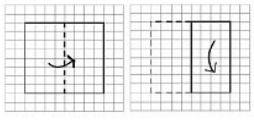
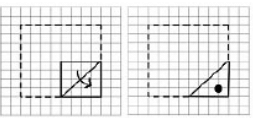
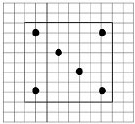
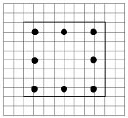

Which one of the following is not an instrument of Fiscal policy?- a)Open Market Operations
- b)Taxation
- c)Public borrowing
- d)Public expenditure
Correct answer is option 'A'. Can you explain this answer?
Which one of the following is not an instrument of Fiscal policy?
a)
Open Market Operations
b)
Taxation
c)
Public borrowing
d)
Public expenditure
| | Arnav Saini answered |
Explanation:
Fiscal policy refers to the use of government spending and taxation to influence the economy. It is one of the two main components of the government's economic policy, the other being monetary policy. Fiscal policy is typically used to stabilize the economy, promote economic growth, and control inflation.
Instruments of fiscal policy are the tools or measures used by the government to implement its fiscal policy. These instruments include:
a) Open Market Operations: This is a monetary policy tool used by the central bank to control the money supply in the economy. It involves buying or selling government securities in the open market to influence interest rates and liquidity in the banking system. Open market operations are not directly controlled by the government and therefore, are not considered an instrument of fiscal policy. They fall under the purview of monetary policy.
b) Taxation: Taxation is one of the primary instruments of fiscal policy. The government uses taxes to generate revenue, redistribute income, and regulate economic activity. By adjusting tax rates and implementing tax incentives or disincentives, the government can influence consumer spending, investment, and overall economic growth.
c) Public borrowing: Public borrowing refers to the government's practice of borrowing money from domestic or foreign sources to finance its expenditures when revenue falls short. It is an instrument of fiscal policy as it allows the government to control the level of public debt, stimulate economic activity, and fund public investments.
d) Public expenditure: Public expenditure refers to the government's spending on various goods, services, and infrastructure projects. It is a crucial instrument of fiscal policy as it allows the government to allocate resources, stimulate economic growth, and provide public goods and services.
In conclusion, among the given options, open market operations are not an instrument of fiscal policy. They are a tool of monetary policy used by the central bank to regulate the money supply and interest rates in the economy.
Fiscal policy refers to the use of government spending and taxation to influence the economy. It is one of the two main components of the government's economic policy, the other being monetary policy. Fiscal policy is typically used to stabilize the economy, promote economic growth, and control inflation.
Instruments of fiscal policy are the tools or measures used by the government to implement its fiscal policy. These instruments include:
a) Open Market Operations: This is a monetary policy tool used by the central bank to control the money supply in the economy. It involves buying or selling government securities in the open market to influence interest rates and liquidity in the banking system. Open market operations are not directly controlled by the government and therefore, are not considered an instrument of fiscal policy. They fall under the purview of monetary policy.
b) Taxation: Taxation is one of the primary instruments of fiscal policy. The government uses taxes to generate revenue, redistribute income, and regulate economic activity. By adjusting tax rates and implementing tax incentives or disincentives, the government can influence consumer spending, investment, and overall economic growth.
c) Public borrowing: Public borrowing refers to the government's practice of borrowing money from domestic or foreign sources to finance its expenditures when revenue falls short. It is an instrument of fiscal policy as it allows the government to control the level of public debt, stimulate economic activity, and fund public investments.
d) Public expenditure: Public expenditure refers to the government's spending on various goods, services, and infrastructure projects. It is a crucial instrument of fiscal policy as it allows the government to allocate resources, stimulate economic growth, and provide public goods and services.
In conclusion, among the given options, open market operations are not an instrument of fiscal policy. They are a tool of monetary policy used by the central bank to regulate the money supply and interest rates in the economy.
If (x - 2 (x p) = x2 - ax+ 6, then the value of (a -p) is- a)0
- b)1
- c)2
- d)3
Correct answer is option 'C'. Can you explain this answer?
If (x - 2 (x p) = x2 - ax+ 6, then the value of (a -p) is
a)
0
b)
1
c)
2
d)
3
| | Arnav Saini answered |
Solution:
Given,
x - 2 (x p) = x2 - ax 6
We need to find the value of (a - p)
Step 1: Simplify the given equation
x - 2 (x p) = x2 - ax 6
= x - 2xp - x^2 + ax + 6 = 0
= -x^2 + (a - 2p) x + 6 = 0
Step 2: Use the quadratic formula to solve for x
The quadratic formula is given by:
x = (-b ± √(b^2 - 4ac)) / (2a)
Comparing the given equation with the standard quadratic equation ax^2 + bx + c = 0, we get:
a = -1
b = (a - 2p) = (a - p - p)
c = 6
Substituting the values of a, b, and c in the quadratic formula, we get:
x = [(p - a) ± √((a - p)^2 - 4(-1)(6))] / (2(-1))
= [(p - a) ± √(a^2 - 2ap + p^2 + 24)] / (-2)
= [(a - p) ± √(a^2 - 2ap + p^2 + 24)] / 2
Step 3: Find the discriminant
The discriminant, D = b^2 - 4ac
= (a - 2p)^2 - 4(-1)(6)
= a^2 - 4ap + 4p^2 + 24
Step 4: Condition on the discriminant
For the given equation to have real solutions, the discriminant must be non-negative. Therefore,
D ≥ 0
a^2 - 4ap + 4p^2 + 24 ≥ 0
Simplifying the above inequality, we get:
(a - 2p)^2 ≥ -8
Since the square of any real number is always non-negative, the above inequality is always true for any real value of a and p.
Step 5: Find the value of (a - p)
From Step 2, we have:
x = [(a - p) ± √(a^2 - 2ap + p^2 + 24)] / 2
If the given equation has real solutions, then the discriminant is non-negative. Therefore,
a^2 - 2ap + p^2 + 24 ≥ 0
(a - p)^2 + 24 ≥ 0
(a - p)^2 ≥ -24
Since the square of any real number is always non-negative, the above inequality is always true for any real value of a and p. Therefore,
(a - p) can take any real value.
However, we are given that the answer is a whole number. Therefore,
(a - p) = 2
Hence, the value of (a - p) is 2.
Therefore, the correct option is (C) 2.
Given,
x - 2 (x p) = x2 - ax 6
We need to find the value of (a - p)
Step 1: Simplify the given equation
x - 2 (x p) = x2 - ax 6
= x - 2xp - x^2 + ax + 6 = 0
= -x^2 + (a - 2p) x + 6 = 0
Step 2: Use the quadratic formula to solve for x
The quadratic formula is given by:
x = (-b ± √(b^2 - 4ac)) / (2a)
Comparing the given equation with the standard quadratic equation ax^2 + bx + c = 0, we get:
a = -1
b = (a - 2p) = (a - p - p)
c = 6
Substituting the values of a, b, and c in the quadratic formula, we get:
x = [(p - a) ± √((a - p)^2 - 4(-1)(6))] / (2(-1))
= [(p - a) ± √(a^2 - 2ap + p^2 + 24)] / (-2)
= [(a - p) ± √(a^2 - 2ap + p^2 + 24)] / 2
Step 3: Find the discriminant
The discriminant, D = b^2 - 4ac
= (a - 2p)^2 - 4(-1)(6)
= a^2 - 4ap + 4p^2 + 24
Step 4: Condition on the discriminant
For the given equation to have real solutions, the discriminant must be non-negative. Therefore,
D ≥ 0
a^2 - 4ap + 4p^2 + 24 ≥ 0
Simplifying the above inequality, we get:
(a - 2p)^2 ≥ -8
Since the square of any real number is always non-negative, the above inequality is always true for any real value of a and p.
Step 5: Find the value of (a - p)
From Step 2, we have:
x = [(a - p) ± √(a^2 - 2ap + p^2 + 24)] / 2
If the given equation has real solutions, then the discriminant is non-negative. Therefore,
a^2 - 2ap + p^2 + 24 ≥ 0
(a - p)^2 + 24 ≥ 0
(a - p)^2 ≥ -24
Since the square of any real number is always non-negative, the above inequality is always true for any real value of a and p. Therefore,
(a - p) can take any real value.
However, we are given that the answer is a whole number. Therefore,
(a - p) = 2
Hence, the value of (a - p) is 2.
Therefore, the correct option is (C) 2.
Which Vitamins are those, if taken in excess can be dangerous as they are stored in the body?- a)B Complex
- b)E and C
- c)B and C
- d)A and D
Correct answer is option 'D'. Can you explain this answer?
Which Vitamins are those, if taken in excess can be dangerous as they are stored in the body?
a)
B Complex
b)
E and C
c)
B and C
d)
A and D
| | Malavika Rane answered |
Excess Vitamins A and D can be dangerous as they are stored in the body
Excess intake of certain vitamins, such as Vitamins A and D, can be dangerous as they are stored in the body and can accumulate to toxic levels. Below are the reasons why excess intake of Vitamins A and D can be harmful:
Vitamin A:
- Vitamin A is a fat-soluble vitamin that is stored in the liver and fat tissues.
- Excessive intake of Vitamin A can lead to a condition called hypervitaminosis A, which can cause symptoms such as nausea, headache, dizziness, and in severe cases, liver damage and even death.
- Pregnant women should be especially cautious with Vitamin A intake as high levels can harm the developing fetus.
Vitamin D:
- Vitamin D is also a fat-soluble vitamin that is stored in the body's fat tissues.
- Excessive intake of Vitamin D can lead to a condition known as hypervitaminosis D, which can cause symptoms like nausea, vomiting, weakness, and in severe cases, kidney damage and other serious health problems.
- It is important to note that Vitamin D toxicity is rare and usually occurs from taking high doses of supplements rather than from food sources or sun exposure.
In conclusion, while vitamins are essential for overall health, it is crucial to consume them in appropriate amounts. Excessive intake of fat-soluble vitamins like A and D can lead to harmful effects due to their ability to be stored in the body. It is always recommended to consult a healthcare provider before starting any new supplement regimen to ensure that you are taking the right amount for your individual needs.
Excess intake of certain vitamins, such as Vitamins A and D, can be dangerous as they are stored in the body and can accumulate to toxic levels. Below are the reasons why excess intake of Vitamins A and D can be harmful:
Vitamin A:
- Vitamin A is a fat-soluble vitamin that is stored in the liver and fat tissues.
- Excessive intake of Vitamin A can lead to a condition called hypervitaminosis A, which can cause symptoms such as nausea, headache, dizziness, and in severe cases, liver damage and even death.
- Pregnant women should be especially cautious with Vitamin A intake as high levels can harm the developing fetus.
Vitamin D:
- Vitamin D is also a fat-soluble vitamin that is stored in the body's fat tissues.
- Excessive intake of Vitamin D can lead to a condition known as hypervitaminosis D, which can cause symptoms like nausea, vomiting, weakness, and in severe cases, kidney damage and other serious health problems.
- It is important to note that Vitamin D toxicity is rare and usually occurs from taking high doses of supplements rather than from food sources or sun exposure.
In conclusion, while vitamins are essential for overall health, it is crucial to consume them in appropriate amounts. Excessive intake of fat-soluble vitamins like A and D can lead to harmful effects due to their ability to be stored in the body. It is always recommended to consult a healthcare provider before starting any new supplement regimen to ensure that you are taking the right amount for your individual needs.
Chapter doubts & questions for Tier 1 - SSC CGL Previous Year Papers 2026 is part of SSC CGL exam preparation. The chapters have been prepared according to the SSC CGL exam syllabus. The Chapter doubts & questions, notes, tests & MCQs are made for SSC CGL 2026 Exam. Find important definitions, questions, notes, meanings, examples, exercises, MCQs and online tests here.
Chapter doubts & questions of Tier 1 - SSC CGL Previous Year Papers in English & Hindi are available as part of SSC CGL exam. Download more important topics, notes, lectures and mock test series for SSC CGL Exam by signing up for free.
SSC CGL Previous Year Papers313 docs|325 tests |
