NEET PG Exam  >  NEET PG Tests  >  Test: Nephrotic Syndrome & Nephritic Syndrome and Hematuria - NEET PG MCQ

Test: Nephrotic Syndrome & Nephritic Syndrome and Hematuria - NEET PG MCQ


Test Description

30 Questions MCQ Test - Test: Nephrotic Syndrome & Nephritic Syndrome and Hematuria

Test: Nephrotic Syndrome & Nephritic Syndrome and Hematuria for NEET PG 2025 is part of NEET PG preparation. The Test: Nephrotic Syndrome & Nephritic Syndrome and Hematuria questions and answers have been prepared according to the NEET PG exam syllabus.The Test: Nephrotic Syndrome & Nephritic Syndrome and Hematuria MCQs are made for NEET PG 2025 Exam. Find important definitions, questions, notes, meanings, examples, exercises, MCQs and online tests for Test: Nephrotic Syndrome & Nephritic Syndrome and Hematuria below.
Solutions of Test: Nephrotic Syndrome & Nephritic Syndrome and Hematuria questions in English are available as part of our course for NEET PG & Test: Nephrotic Syndrome & Nephritic Syndrome and Hematuria solutions in Hindi for NEET PG course. Download more important topics, notes, lectures and mock test series for NEET PG Exam by signing up for free. Attempt Test: Nephrotic Syndrome & Nephritic Syndrome and Hematuria | 31 questions in 30 minutes | Mock test for NEET PG preparation | Free important questions MCQ to study for NEET PG Exam | Download free PDF with solutions
Test: Nephrotic Syndrome & Nephritic Syndrome and Hematuria - Question 1

Most common nephropathy associated with malignancy? (AIIMS May 2015)

Detailed Solution for Test: Nephrotic Syndrome & Nephritic Syndrome and Hematuria - Question 1

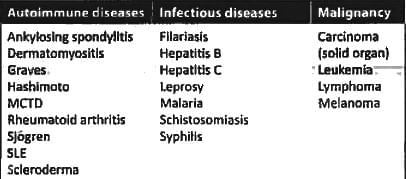
Membranous nephropathy can be associated with tumors of the colon, lungand hematological malignancies like chronic lymphocytic leukemia.

Test: Nephrotic Syndrome & Nephritic Syndrome and Hematuria - Question 2

A 10-year-old child presents with oedema and decreased urine output. On evaluation, serum albumin is 2.5 g/dL, S. Creatinine is 0.5 mg/dl, Urine protein is 3+ with no RBC casts, Pathological change expected is? (AIIMS May 2015)

Detailed Solution for Test: Nephrotic Syndrome & Nephritic Syndrome and Hematuria - Question 2

The occurrence of edema along with reduced urine output suggests a kidney lesion. All three critical diagnostic criteria for nephrotic syndrome are evident: the existence of 3 + proteinuria, serum albumin at the lower end of the normal range, and edema.

Taking into account the patient’s age and maintained kidney function, the diagnosis for this patient is minimal change disease.

Test: Nephrotic Syndrome & Nephritic Syndrome and Hematuria - Question 3

All are true about most common cause of nephrotic syndrome in children except? (Recent Question 2015-16)

Detailed Solution for Test: Nephrotic Syndrome & Nephritic Syndrome and Hematuria - Question 3
Nephrotic syndrome is a kidney disorder characterised by proteinuria, hypoalbuminaemia, and oedema. Nephrotic-range proteinuria is defined as 3 grams or more of protein per day. In a single spot urine sample, this equates to 2 grams of protein for every gram of urine creatinine. Consistently low levels of C3 are indicative of acute glomerulonephritis.
  • Common primary causes of nephrotic syndrome include kidney conditions such as minimal-change nephropathy, membranous nephropathy, and focal glomerulosclerosis.
  • Secondary causes encompass systemic illnesses such as diabetes mellitus, lupus erythematosus, and amyloidosis.
Congenital and hereditary focal glomerulosclerosis may arise from mutations in genes that encode for podocyte proteins, which include nephrin, podocin, or the cation channel 6 protein.
Test: Nephrotic Syndrome & Nephritic Syndrome and Hematuria - Question 4

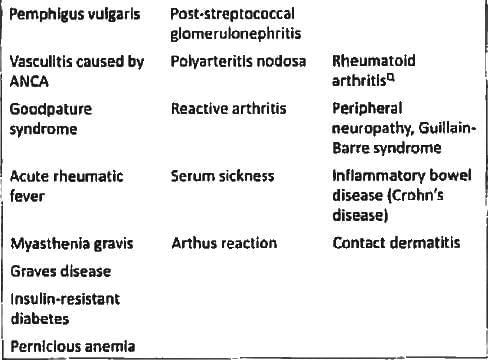
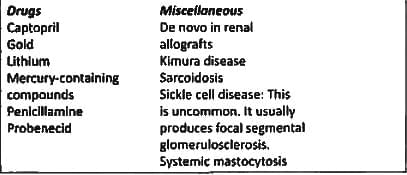
Membranous Glomerulopathy is seen in?
Detailed Solution for Test: Nephrotic Syndrome & Nephritic Syndrome and Hematuria - Question 4


Test: Nephrotic Syndrome & Nephritic Syndrome and Hematuria - Question 5

All are seen in Nephrotic syndrome except: (Recent Question 2015-16)

Detailed Solution for Test: Nephrotic Syndrome & Nephritic Syndrome and Hematuria - Question 5
  • Key characteristics for diagnosing nephrotic syndrome include:
    • Proteinuria exceeding 3.5 g per 24 hours
    • Hypo-albuminaemia below 2.5 g%
    • Edema, including peri-orbital and pedal edema
  • Non-essential features consist of:
    • Hyperlipidaemia, characterised by elevated cholesterol and triglycerides
    • Lipiduria
    • Excretion of protein C, S, or AT III in urine, resulting in a hyper-coagulable state
Test: Nephrotic Syndrome & Nephritic Syndrome and Hematuria - Question 6

Type of glomerulopathy in HIV positive patient is: (Recent Question 2015-16)

Detailed Solution for Test: Nephrotic Syndrome & Nephritic Syndrome and Hematuria - Question 6

HIV nephropathy is linked to the onset of focal segmental glomerulosclerosis, which is also observed in reflux nephropathy. Additionally, it is the most prevalent cause of nephrotic syndrome in adults.

Test: Nephrotic Syndrome & Nephritic Syndrome and Hematuria - Question 7

Nephrotic syndrome patient after a bout of diarrhea presented with acute kidney injury and serum creatinine 4.5. All are possible reasons except? (AIIMS Nov 14)

Detailed Solution for Test: Nephrotic Syndrome & Nephritic Syndrome and Hematuria - Question 7

In nephrotic syndrome, the intravascular volume is already diminished due to hypoalbuminaemia. When accompanied by diarrhoea and dehydration, there is an additional risk of further reduction in intravascular volume and renal vein thrombosis, which makes the patient more susceptible to acute kidney injury.

  • Children with nephrotic syndrome are also at a higher risk for thromboembolic incidents.
  • The occurrence of this complication in children ranges from 2% to 5%.
  • Both arterial and venous thromboses can occur, such as:
    • renal vein thrombosis
    • pulmonary embolus
    • sagittal sinus thrombosis
    • thrombosis of indwelling arterial and venous catheters

The likelihood of thrombosis is linked to elevated prothrombotic factors (fibrinogen, thrombocytosis, hemoconcentration, and relative immobilisation) and reduced fibrinolytic factors (urinary losses of antithrombin III, proteins C and S).

Test: Nephrotic Syndrome & Nephritic Syndrome and Hematuria - Question 8

Leprosy causes: (Recent Pattern 2014-15)

Detailed Solution for Test: Nephrotic Syndrome & Nephritic Syndrome and Hematuria - Question 8

Renal involvement in leprosy is associated with the level of bacteria, as the kidney serves as the primary organ during splanchic localisation. The most frequent renal complications include:

  • Focal segmental glomerulosclerosis (FSGS)
  • Mesangioproliferative glomerulonephritis
Test: Nephrotic Syndrome & Nephritic Syndrome and Hematuria - Question 9
Nephrotic syndrome is the hall mark of the following primary kidney diseases except: (Recent Pattern 2014-15)
Detailed Solution for Test: Nephrotic Syndrome & Nephritic Syndrome and Hematuria - Question 9

IgA nephropathy is characterised by the presence of microscopic or gross haematuria, rather than nephrotic syndrome.

Test: Nephrotic Syndrome & Nephritic Syndrome and Hematuria - Question 10
Muehrcke lines in nails are seen in: (Recent Pattern 2014-15)
Detailed Solution for Test: Nephrotic Syndrome & Nephritic Syndrome and Hematuria - Question 10
Muehrcke's lines are white streaks (leukonychia) that run completely across the nail and are aligned with the lunula. Their appearance is nonspecific, but they are frequently linked to reduced protein synthesis, which can happen during times of metabolic stress (for instance, following chemotherapy) and in hypoalbuminaemic conditions like nephrotic syndrome. It is important not to confuse this with Half-and-half nail syndrome, also referred to as Lindsay nails. This condition is among the most distinctive, although not definitively diagnostic, onychopathies observed in chronic renal failure. While the precise mechanism is not fully understood, it is thought that acidosis and an accumulation of toxic uremic substances following sudden renal decompensation may trigger melanin production by the melanocytes in the nail matrix. Approximately 20% to 50% of patients with chronic renal failure experience half-and-half nails, yet no definitive pattern has been established concerning sex, age, or the underlying cause of the kidney disease.
Test: Nephrotic Syndrome & Nephritic Syndrome and Hematuria - Question 11

Non-selective proteinuria is seen in: (Recent Pattern 2014-15)

Detailed Solution for Test: Nephrotic Syndrome & Nephritic Syndrome and Hematuria - Question 11

In composite forms of glomerular inflammatory reactions, such as membranous glomerulonephritis or diffuse proliferative glomerulonephritis, the loss of size selectivity and possibly also charge selectivity may account for the pattern of non-selective proteinuria observed in these conditions. The primary defect in glomeruli associated with minimal change nephropathy is the loss of charge selectivity in the glomerular capillary wall. As the size selectivity of the glomerular capillary wall remains intact:

  • Molecules the size of IgG or larger are excluded,
  • while albumin can pass through the small pores, leading to a preferential albuminuria, meaning that the proteinuria is highly selective.

By comparing the clearance of high-molecular-weight proteins to that of albumin, the pattern of glomerular proteinuria can be categorised as either selective or non-selective. The protein commonly utilised as the high-molecular-weight marker is IgG, although other proteins such as haptoglobin, ceruloplasmin, and α2-macroglobulin (α2M) have also been employed. Patients with an IgG selectivity index (SI) of 0.2 or above are deemed to have non-selective proteinuria, whereas those with a ratio below 0.2 are classified as having selective proteinuria.

Test: Nephrotic Syndrome & Nephritic Syndrome and Hematuria - Question 12

Membranous GN with reduced complement level is seen in? (Recent Pattern 2014-15)

Detailed Solution for Test: Nephrotic Syndrome & Nephritic Syndrome and Hematuria - Question 12
  • Infectious diseases include Hepatitis B and C, syphilis, malaria, schistosomiasis, leprosy, and filariasis.
  • Cancers encompass colon cancer, lung cancer, breast cancer, renal cancer, esophageal cancer, and neuroblastoma.
Test: Nephrotic Syndrome & Nephritic Syndrome and Hematuria - Question 13

Regarding complications of nephrotic syndrome incorrect is: (Recent Pattern 2014-15)

Detailed Solution for Test: Nephrotic Syndrome & Nephritic Syndrome and Hematuria - Question 13

Metabolic effects associated with nephrotic syndrome encompass the following:

  • Infection
  • Hyperlipidaemia and atherosclerosis
  • Hypocalcaemia and bone irregularities
  • Hypercoagulability
  • Hypovolaemia
Test: Nephrotic Syndrome & Nephritic Syndrome and Hematuria - Question 14
In bronchogenic carcinoma patient presenting as a case of nephrotic syndrome, if kidney biopsy is done the most likely lesion will be? (Recent Pattern 2014-15)
Detailed Solution for Test: Nephrotic Syndrome & Nephritic Syndrome and Hematuria - Question 14
Neoplasms and nephrotic syndrome can occur simultaneously, but the duration between their onset may span a year or longer. When nephrotic syndrome manifests in an adult patient, the possibility of an underlying malignancy should be investigated. This is found in approximately 10-22% of cases, with a higher incidence in older individuals. Bronchogenic carcinoma is infrequently linked to nephrotic syndrome, appearing in about 3% of patients who initially present with it. Although both minimal change nephropathy (MCN) and membranoproliferative glomerulonephritis (MPGN) can be associated with lung cancers, MGN is more commonly observed, making it the preferred answer in this context.
Test: Nephrotic Syndrome & Nephritic Syndrome and Hematuria - Question 15

Renal vein thrombosis is associated with which underlying disease of kidney: (Recent Pattern 2014-15)

Detailed Solution for Test: Nephrotic Syndrome & Nephritic Syndrome and Hematuria - Question 15

Although renal vein thrombosis (RVT) has various causes, it is most frequently observed in individuals with nephrotic syndrome (i.e., >3 g/d of protein loss in urine, hypoalbuminaemia, hypercholesterolaemia, and oedema). This syndrome induces a hypercoagulable state. The significant loss of urinary protein is linked to:

  • Reduced levels of antithrombin III
  • A relative increase in fibrinogen
  • Alterations in other clotting factors

All these factors contribute to a higher tendency to develop clots.

Test: Nephrotic Syndrome & Nephritic Syndrome and Hematuria - Question 16

All of the following are decreased in Nephrotic syndrome except (Recent Pattern 2014-15)

Detailed Solution for Test: Nephrotic Syndrome & Nephritic Syndrome and Hematuria - Question 16

Venous thrombosis and pulmonary embolism are recognised complications of nephrotic syndrome. The hypercoagulable state in these instances seems to stem from the loss of anticoagulant proteins in urine, such as antithrombin III and plasminogen, alongside a concurrent rise in clotting factors, particularly factors I, VII, VIII, and X.

  • Furthermore, the risk appears to be significantly heightened during the initial 6 months of nephrotic syndrome, reaching nearly 10%.
  • This elevated incidence may warrant the routine implementation of preventive anticoagulation therapy during the first half-year of persistent nephrotic syndrome.

Additionally, there is an increased likelihood of arterial thrombotic incidents, including those affecting the coronary and cerebrovascular systems, in individuals with nephrotic syndrome.

Test: Nephrotic Syndrome & Nephritic Syndrome and Hematuria - Question 17

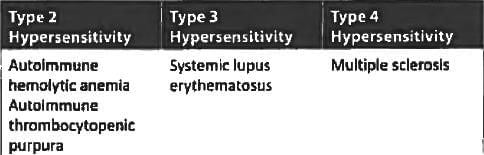
Which of the following immunological reactions occurs in Good-pasture syndrome? (UPSC 2015)
Detailed Solution for Test: Nephrotic Syndrome & Nephritic Syndrome and Hematuria - Question 17


Test: Nephrotic Syndrome & Nephritic Syndrome and Hematuria - Question 18

Chronic reflux nephropathy causes: (Recent Pattern 2014-15)

Detailed Solution for Test: Nephrotic Syndrome & Nephritic Syndrome and Hematuria - Question 18
  • Drugs: Intravenous heroin, analgesics, pamidronate, lithium, anabolic steroids
  • Viruses: Hepatitis B, HIV, parvovirus
  • Hemodynamic factors - With reduced renal mass:
    • Solitary kidney
    • Renal allograft
    • Renal dysplasia
    • Renal agenesis
    • Oligomeganephronia
    • Segmental hypoplasia
    • Vesicoureteric reflux
  • Hemodynamic causes - Without reduced renal mass: Massive obesity, sickle cell nephropathy
  • Malignancies: Lymphomas, other malignancies
Test: Nephrotic Syndrome & Nephritic Syndrome and Hematuria - Question 19

Henoch schonlein purpura is characterized by the following except: (APPG 2015 Medicine)

Detailed Solution for Test: Nephrotic Syndrome & Nephritic Syndrome and Hematuria - Question 19

Henoch schonlein purpura is known as non- thrombocytopenic purpura.
Clinical features of HSP

  • Hallmark of HSP is rash, beginning as pinkish maculo-papules which later develop into petechiae or purpura, They present clinically as palpable purpura that evolve From red to purple.
  • Arthritis, present In more than 2/3 of children with HSP, Is usually localized to the knees and ankles
  • Edema and damage to the vasculature of the gastrointestinal tract may also lead to Intermittent colicky abdominal pain. There may be enlarged mesenteric lymph nodes and hemorrhage Into the bowel.
  • Renal involvement occurs In 25-50% of children and may manifest with hematuria, proteinuria, or both; nephritis or nephrosis; or acute renal failure.
  • Hepatosplenomegaly and lymphadenopathy
  • Neurological Involvement is the development of seizures, paresis, or coma.
  • Other rare complications include rheumatoid-llke nodules, cardiac and/or eye involvement, mononeuropathies, pancreatitis, and pulmonary or Intramuscular hemorrhage.
Test: Nephrotic Syndrome & Nephritic Syndrome and Hematuria - Question 20

True statement regarding post streptococcal glomerulonephritis is? (JIPMER Nov 2014)

Detailed Solution for Test: Nephrotic Syndrome & Nephritic Syndrome and Hematuria - Question 20

Renal biopsy In P.S.G.N should be considered only in-

  1. Presence of acute renal failure
  2. Absence of evidence of streptococcal infections or normal complement levels
  3. When hematuria and proteinuria leads to diminished renal function
  4. Low C3 levels persist more than 2 months

In the first week of symptoms 90% of patients will have a depressed CH50 and decreased levels of C3 with normal levels of C4

  • Resolution of the hematuria and proteinuria in the majority of children occurs within 3-6 weeks of the onset of nephritis but 3-10% of children may have persistent microscopic hematuria non nephritic proteinuria or hypertensions
  • Serum triglyceride levels are increased in nephrotic syndrome not in nephritis
Test: Nephrotic Syndrome & Nephritic Syndrome and Hematuria - Question 21

True statement regarding post streptococcal glomerulonephritis is? (JIPMER Nov 2014)

Detailed Solution for Test: Nephrotic Syndrome & Nephritic Syndrome and Hematuria - Question 21

Renal biopsy In P.S.G.N should be considered only in-

  1. Presence of acute renal failure
  2. Absence of evidence of streptococcal infections or normal complement levels
  3. When hematuria and proteinuria leads to diminished renal function
  4. Low C3 levels persist more than 2 months

In the first week of symptoms 90% of patients will have a depressed CH50 and decreased levels of C3 with normal levels of C4

  • Resolution of the hematuria and proteinuria in the majority of children occurs within 3-6 weeks of the onset of nephritis but 3-10% of children may have persistent microscopic hematuria non nephritic proteinuria or hypertensions
  • Serum triglyceride levels are increased in nephrotic syndrome not in nephritis
Test: Nephrotic Syndrome & Nephritic Syndrome and Hematuria - Question 22

Feature of RPGN are A/E: (Recent Pattern 2014-15)

Detailed Solution for Test: Nephrotic Syndrome & Nephritic Syndrome and Hematuria - Question 22
  • Rapidly progressive glomerulonephritis (RPGN) is characterized by a rapid loss of renal function (usually a 50% decline in the glomerular fdtration rate (GFR) within 3 months with glomerular crescent formation seen in at least 50% or 75% of glomeruli seen on kidney biopsies.
  • If left untreated, it rapidly progresses into acute renal failure and death within months.
  • In 50% of cases, RPGN is associated with an underlying disease such as Goodpasture syndrome, systemic lupus erythematosus, or Wegener granulomatosis; the remaining cases are idiopathic.
  • Most types of RPGN are characterized by severe and rapid loss of kidney function featuring severe hematuria, red blood cell casts in the urine, and proteinuria, sometimes exceeding 3 g protein/24 h, a range associated with nephrotic syndrome. Hypertension and edema is also seen. Severe disease is characterized by pronounced oliguria or anuria, which indicates a poor prognosis.
  • The clinical picture is consistent with nephritic syndrome, although the degree of proteinuria may occasionally exceed 3 g/24 h, a range associated with nephrotic syndrome
Test: Nephrotic Syndrome & Nephritic Syndrome and Hematuria - Question 23

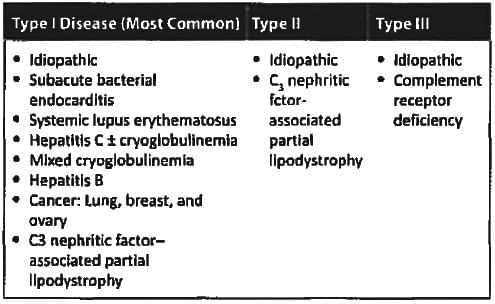
Type I membrano proliferative Glomerulo-nephritis is commonly associated with all except; (Recent Pattern 2014-15)
Detailed Solution for Test: Nephrotic Syndrome & Nephritic Syndrome and Hematuria - Question 23

Membranaproliferative Glomerulonephritis

Test: Nephrotic Syndrome & Nephritic Syndrome and Hematuria - Question 24

Characteristic finding in AGN;

Detailed Solution for Test: Nephrotic Syndrome & Nephritic Syndrome and Hematuria - Question 24

RBC casts indicate glomerular bleeding and are seen with acute glomerulonephritis. Hematuria can be seen with even kidney stones or bladder cancer and hence not a characteristic finding of AGN.

Test: Nephrotic Syndrome & Nephritic Syndrome and Hematuria - Question 25

RBC cast in the microscopic examination of the urine is an indicator of: (Recent Pattern 2014-15)

Detailed Solution for Test: Nephrotic Syndrome & Nephritic Syndrome and Hematuria - Question 25

Casts—These urinary sediments are formed by coagulation of albuminous material in the kidney tubules. Casts are cylindrical and vary in diameter Casts in the urine always indicate some form of kidney disorder and should always be reported. If casts are present in large numbers, the urine is almost sure to be positive for albumin.
There are seven types of casts. They are as follows:

  • Hyaline casts are the most frequently occurring casts in urine. Hyaline casts can be seen in even the mildest renal disease. They are colorless, homogeneous, transparent, and usually have rounded ends.
  • Red cell casts indicate renal hematuria. Red cell casts may appear brown to almost colorless and are usually diagnostic of glomerular disease. White cell casts are present in renal infection and in noninfectious inflammation. The majority of white cells that appear in casts are hyper-segmented neutrophils.
  • Granular casts almost always indicate significant renal disease. However, granular casts may be present in the urine for a short time following strenuous exercise. Granular casts that contain fine granules may appear grey or pale yellow in color. Granular casts that contain larger coarse granules are darker. These casts often appear black because of the density of the granules.
  • Epithelial casts are rarely seen in urine because renal disease that primarily affects the tubules is infrequent. Epithelial casts may be arranged in parallel rows or haphazardly.
  • Waxy casts result from the degeneration of granular casts. Waxy casts have been found in patients with severe chronic renal failure, malignant hypertension, and diabetic disease of the kidney. Waxy casts appear yellow, grey, or colorless. They frequently occur as short, broad casts, with blunt or broken ends, and often have cracked or serrated edges.
  • Fatly casts are seen when there is fatty degene-ration of the tubular epithelium, as in degene-rative tubular disease. Fatty casts also result from lupus and toxic renal poisoning. A typical fatty cast contains both large and small fat droplets. The small fat droplets are yellowish- brown in color.
  • Broad casts seen in C.K.D.
Test: Nephrotic Syndrome & Nephritic Syndrome and Hematuria - Question 26

What is the minimum number of red blood cells per microliter of urine required for diagnosis of hematuria? (APPG2014)

Detailed Solution for Test: Nephrotic Syndrome & Nephritic Syndrome and Hematuria - Question 26

>5 RBC/μL of centrifuged specimen
There are two cut off for hematuria

  • > 3RBC/HPF
  • > 5RBC/μL
Test: Nephrotic Syndrome & Nephritic Syndrome and Hematuria - Question 27

Essential feature of nephritic syndrome is: (Recent Pattern 2014-15)

Detailed Solution for Test: Nephrotic Syndrome & Nephritic Syndrome and Hematuria - Question 27

Nephritic syndrome is characterized by inflammation of the kidney leading to hematuria with hypertension and sub-nephrotic proteinuria.

Test: Nephrotic Syndrome & Nephritic Syndrome and Hematuria - Question 28

Manifestation of acute glomerulonephritis includes each of the following except: (Recent Pattern 2014-15)

Detailed Solution for Test: Nephrotic Syndrome & Nephritic Syndrome and Hematuria - Question 28

Sudden onset hypertension in AGN may be associated with LVF, hypertensive encephalopathy and papilledema but not optic neuritis.

Test: Nephrotic Syndrome & Nephritic Syndrome and Hematuria - Question 29

A female patient presents with upper respiratory tract infection. Two days after, she develops hematuria. Probable diagnosis: (Recent Pattern 2014-15) 

Detailed Solution for Test: Nephrotic Syndrome & Nephritic Syndrome and Hematuria - Question 29
  • Eighty percent of episodes in IgA nephropathy are associated with upper respiratory tract infections, mainly acute pharyn- gotonsillitis. This synchronous association of pharyngitis and macroscopic hematuria is known as synpharyngitic nephritis.
  • Gross hematuria usually appears simultaneously or within the first 48-72 hours after the infection begins; persists less than 3 days; and, in about a third of patients, is accompanied by loin pain, presumably due to renal capsular swelling.
  • Urine is usually brown rather than red, and clots are unusual.
  • The presenting illness of episodic, grossly visible hematuria is more common in younger people, whereas that of abnormal urine sediment is more frequent in older individuals.
Test: Nephrotic Syndrome & Nephritic Syndrome and Hematuria - Question 30

Triad of glomerulonephritis pulmonary hemorrhages and antibody to basement membrane is called: (Recent Pattern 2014-15)

Detailed Solution for Test: Nephrotic Syndrome & Nephritic Syndrome and Hematuria - Question 30

Good pasture syndrome is a rare autoimmune disease in which antibodies attack the lungs and kidneys, leading to bleeding from the lungs and to kidney failure. It may quickly result in permanent lung and kidney damage, often leading to death. It is treated with immuno-suppressant drugs such as corticosteroids and cyclophosphamide, and with plasmapheresis, in which the antibodies are removed from the blood.

View more questions
Information about Test: Nephrotic Syndrome & Nephritic Syndrome and Hematuria Page
In this test you can find the Exam questions for Test: Nephrotic Syndrome & Nephritic Syndrome and Hematuria solved & explained in the simplest way possible. Besides giving Questions and answers for Test: Nephrotic Syndrome & Nephritic Syndrome and Hematuria, EduRev gives you an ample number of Online tests for practice
Download as PDF