


 | INFINITY COURSE L’Art en Question – artworks, themes & interpretation451 students learning this week · Last updated on Apr 14, 2026 |
L’Art en Question – artworks, themes Study Material
|



Trending Courses for Art & Craft

What is L'Art en Question: Complete Guide to the Art Masterpiece Series
L'Art en Question is a renowned French educational video series that provides comprehensive analysis of world-famous artworks spanning from the Renaissance period through the Post-Impressionist era. This particular course, "L'Art en Question (nouvelles versions) - 10 œuvres," is an exceptional resource for students appearing for Art & Craft examinations and art history enthusiasts alike. The series breaks down complex artistic concepts into digestible, engaging lessons that help viewers understand not just what they're looking at, but why these paintings matter.
For Indian students preparing for competitive examinations or seeking to develop a deeper appreciation for classical art, this L'Art en Question masterpiece analysis course offers structured learning that goes beyond textbook definitions. Each lesson combines visual examination with historical context, enabling learners to grasp artistic techniques, symbolism, and cultural significance in a way that sticks with them.
Why Art History Matters for Students
- Develops critical thinking skills through visual analysis
- Enhances cultural awareness and global perspective
- Improves ability to interpret symbolism and hidden meanings
- Provides context for understanding human civilization and values
- Strengthens performance in Art & Craft and related examinations
Van Gogh's Starry Night Analysis: Understanding the Iconic Masterpiece
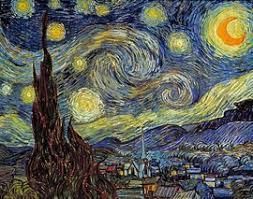
Vincent van Gogh's "La Nuit étoilée" (The Starry Night), created in 1889, stands as one of the most recognizable paintings globally. This Post-Impressionist masterpiece currently resides at the Museum of Modern Art (MoMA) in New York and offers tremendous educational value for understanding artistic expression and emotional depth in painting. The Van Gogh Starry Night analysis reveals how technical skill combines with emotional intensity to create something transcendent.
The painting depicts a swirling night sky over a village, showcasing van Gogh's distinctive brushwork and use of color. Rather than representing the scene realistically, van Gogh used exaggerated swirls and vivid blues to convey his emotional state. This approach revolutionized how artists thought about painting-prioritizing feeling over photographic accuracy. For students studying masterpiece analysis techniques, this work demonstrates how personal vision can transform a simple landscape into something profound.
Explore our detailed guide on Van Gogh's Starry Night final version analysis to understand the intricate details that make this Post-Impressionist art so compelling.
Botticelli's Birth of Venus: Symbolism and Renaissance Art Interpretation
Sandro Botticelli's "The Birth of Venus" (circa 1484-1486) is a quintessential Italian Renaissance masterpiece housed in the Uffizi Gallery, Florence. Understanding Botticelli Birth of Venus meaning requires examining both classical mythology and Renaissance artistic conventions. The painting depicts the goddess Venus emerging from the sea on a shell, representing not just physical beauty but also philosophical ideals of harmony and perfection central to Renaissance thought.
The symbolism in Renaissance art evident in this work is particularly rich. The figure of Venus embodies humanistic ideals; her pose suggests both vulnerability and confidence. The surrounding figures-wind gods, flora, and attendants-each carry specific symbolic weight. When analyzing Botticelli Birth of Venus, students discover how Renaissance artists encoded multiple meanings into single compositions, rewarding careful observation with layers of significance.
Dive deeper into Renaissance art analysis with our comprehensive resource on Botticelli's Birth of Venus complete interpretation.
Rembrandt's Return of the Prodigal Son: Baroque Painting Analysis
Rembrandt van Rijn's "The Return of the Prodigal Son" (circa 1661-1669) represents the pinnacle of Baroque painting and demonstrates why this Dutch master deserves study. Currently at the Hermitage Museum in St. Petersburg, this biblical painting showcases Rembrandt's masterful use of light, shadow, and emotional depth. The Rembrandt biblical paintings series includes this work as perhaps his most spiritually profound achievement.
The composition uses dramatic chiaroscuro-the contrast between light and dark-to create both visual drama and spiritual meaning. The father's embrace of his wayward son occurs in warm, golden light, while surrounding figures remain partially shadowed. This technique transforms a simple narrative of forgiveness into something transcendent. For students undertaking classical art interpretation, this painting exemplifies how technical mastery serves emotional and philosophical expression.
Explore the depths of this Baroque masterpiece through our detailed analysis at Rembrandt's Return of the Prodigal Son from St. Petersburg.
Manet's Dans la Serre (In the Conservatory): Impressionist Art Study Guide
Édouard Manet's "Dans la Serre" (In the Conservatory), painted in 1879 and housed at the Alte Nationalgalerie in Berlin, bridges Impressionist and modern painting traditions. The Manet Dans la Serre composition presents an intimate scene of two figures in a garden setting, exemplifying how Impressionist painting techniques revolutionized artistic practice. Understanding this Manet In the Conservatory analysis helps students grasp the transition from traditional to modern art.
Manet's approach combines loose brushwork with careful compositional balance. The painting captures momentary light effects typical of Impressionism while maintaining structural integrity. The mysterious relationship between the figures invites interpretation, demonstrating how Impressionist artists prioritized subjective experience over narrative clarity. This work is essential for anyone studying famous paintings and art history comprehensively.
Access our complete Impressionist painting techniques guide featuring Manet's In the Conservatory detailed analysis.
Holbein's The Ambassadors: Hidden Symbolism and Anamorphic Art
Hans Holbein the Younger's "The Ambassadors" (1533), displayed at the National Gallery in London, stands as one of the most intellectually complex paintings in Western art. The Holbein anamorphic skull in this work represents a revolutionary artistic technique that demands active viewer participation. This painting exemplifies how Renaissance artists could embed multiple layers of meaning through symbols and technical innovation.
The composition depicts two Renaissance men surrounded by objects symbolizing various branches of knowledge-mathematics, music, geography, and theology. However, the stretched object in the foreground reveals itself as a skull only when viewed at a sharp angle-a memento mori reminding viewers of mortality beneath surface accomplishment. This technique, called anamorphism, fascinated Renaissance thinkers and continues to engage modern viewers. Studying how to analyze classical paintings using works like this develops sophisticated visual literacy.
Learn about the hidden symbolism and techniques in Holbein's The Ambassadors comprehensive analysis.
Vigée-Lebrun's Marie-Antoinette Portrait: Royal Portraiture Analysis
Élisabeth Vigée-Lebrun's portrait of "Marie-Antoinette and Her Children" (1787), located at the Palace of Versailles, represents a pivotal moment in royal portraiture and feminist art history. This Vigée-Lebrun Marie Antoinette portrait was specifically commissioned to rehabilitate the queen's public image during the pre-Revolutionary period. Understanding royal portraiture analysis through this work reveals how art served political purposes in 18th-century France.
Vigée-Lebrun employed remarkable skill to present Marie-Antoinette as both a powerful monarch and devoted mother-a delicate balance given contemporary criticism. The composition uses warm tones and intimate gestures to humanize royalty. The presence of the empty cradle symbolizes dynastic continuity and mourning, adding emotional depth. This Versailles Marie Antoinette painting demonstrates how portrait artists navigated complex social and political demands through their craft.
Examine the nuances of royal portraiture through Vigée-Lebrun's Marie-Antoinette portrait analysis.
Understanding Renaissance and Baroque Art Through 10 Masterpieces
This L'Art en Question course encompasses approximately 10 iconic works representing distinct artistic periods and movements. Rather than isolated studies, these paintings form a coherent narrative of Western art development from early Renaissance through Post-Impressionism. Understanding Renaissance and Baroque art requires examining how artists responded to their historical moments while building upon predecessors' achievements.
| Artwork | Artist | Period | Museum Location |
|---|---|---|---|
| La Nuit étoilée | Vincent van Gogh | Post-Impressionist | MoMA, New York |
| The Birth of Venus | Sandro Botticelli | Renaissance | Uffizi Gallery, Florence |
| The Return of the Prodigal Son | Rembrandt van Rijn | Baroque | Hermitage, St. Petersburg |
| Dans la Serre | Édouard Manet | Impressionist | Alte Nationalgalerie, Berlin |
Each artwork teaches specific lessons about artistic development, cultural values, and technical innovation. For students undertaking classical painting analysis or preparing for Art & Craft examinations, this comprehensive approach develops deeper understanding than memorizing isolated facts.
Best Resources for Studying Famous Paintings and Art History
Effective preparation for Art & Craft examinations and genuine art appreciation requires quality resources that go beyond surface-level information. The L'Art en Question series stands out as one of the best free art history courses available, offering masterpiece interpretation that engages serious students. When searching for art history study guides or famous paintings analysis resources, prioritize materials that combine visual examination with historical context.
A well-structured famous paintings course should include:
- High-quality images allowing detailed visual analysis
- Historical background information about artists and their times
- Explanation of artistic techniques and technical innovations
- Discussion of symbolism and cultural significance
- Connections between artworks and broader movements
- Material that supports critical thinking rather than rote memorization
How to Analyze Classical Paintings: Techniques and Methods
Learning how to analyze classical paintings represents one of the most valuable skills for art history students. Rather than passive observation, effective art appreciation requires systematic analysis examining multiple dimensions of each work. Here are proven techniques for classical art interpretation:
Formal Visual Analysis
Begin by examining composition, color, line, texture, and light. Ask yourself: Where do your eyes naturally travel? What colors dominate? How does the artist use light and shadow? Does the composition feel balanced or deliberately unstable? These formal observations reveal how artists structure meaning through visual elements.
Historical and Cultural Context
Understand when the artwork was created, who commissioned it, and what social circumstances surrounded its creation. Art masterpiece study improves dramatically when you recognize how historical events and cultural values shaped artistic choices. The same subject painted in different periods will look dramatically different because artists responded to contemporary concerns.
For instance, explore how different artists approached similar themes in our detailed studies on Bellini's St. Francis in the Desert and Carpaccio's Young Knight.
Symbolism and Meaning
Renaissance and medieval paintings particularly employ symbolic visual language. Objects, colors, and gestures often carry significance beyond their literal appearance. Developing skill at recognizing and interpreting these symbols deepens engagement with art.
Carpaccio and Bellini: Venetian Renaissance Art Appreciation
Venetian Renaissance painting produced some of Europe's most distinctive artworks. Vittore Carpaccio's "Young Knight in a Landscape" (1510) and Giovanni Bellini's "St. Francis in the Desert" (circa 1480) exemplify how Venetian artists approached portraiture and religious subject matter with particular sensibility. These works currently reside in Madrid's Thyssen-Bornemisza Museum and New York's Frick Collection respectively, making them accessible to serious students worldwide.
Bellini's approach to religious themes emphasizes contemplative spirituality and landscape integration. His figures exist harmoniously within natural settings rather than dominating them. Carpaccio's portraiture demonstrates Renaissance ideals of refined nobility and courtly virtue. Together, these Venetian Renaissance art examples show how regional schools developed distinctive approaches within broader Italian Renaissance movements.
Bruegel's The Harvesters: Northern Renaissance Landscape Painting
Pieter Bruegel the Elder's "The Harvesters" (1565), displayed at the Metropolitan Museum of Art in New York, represents a watershed moment in landscape painting history. Unlike Renaissance paintings where landscape served merely as background, Bruegel's Northern Renaissance landscape painting makes human activity within nature the primary subject. The Bruegel peasant scenes series demonstrates how Northern Renaissance artists developed interest in vernacular life and seasonal cycles.
The painting depicts summer harvest activities with remarkable detail and compositional sophistication. Bruegel uses the elevated viewpoint to organize numerous human figures into coherent composition while suggesting vast, continuous landscape. This approach influenced landscape painting for centuries. For students studying Northern Renaissance painting or preparing comprehensive masterpiece examinations, Bruegel's work represents essential study material.
Deepen your understanding through our complete resource on Bruegel's The Harvesters at the Metropolitan Museum.
Free Art History Course: Learning Through Masterpiece Analysis
Students preparing for Art & Craft examinations or seeking genuine art appreciation can access exceptional free art education resources through the L'Art en Question series. Unlike conventional textbooks presenting facts in isolation, learning through masterpiece analysis develops contextual understanding that supports both examination performance and lasting cultural knowledge.
| Learning Approach | Benefits | Best For |
|---|---|---|
| Masterpiece Analysis | Develops critical thinking, contextual understanding | Deep learning, exams requiring interpretation |
| Chronological Study | Shows artistic evolution, cause-and-effect relationships | Understanding movements and periods |
| Thematic Comparison | Reveals how different artists approached similar subjects | Analyzing artistic choices and variations |
| Technical Examination | Builds appreciation for skill and innovation | Understanding how artists achieved effects |
Additional resources worth exploring include Holbein's Georg Gisze portrait analysis, which demonstrates portrait painting techniques and Renaissance merchant culture. For comprehensive study covering multiple versions and perspectives, consider both Van Gogh's Starry Night beta version and Manet's In the Conservatory beta version, which offer alternative perspectives on these masterpieces.
Additionally, explore the Vigée-Lebrun Marie-Antoinette portrait at Versailles and Rembrandt's Return of the Prodigal Son in their complete versions for exhaustive study.
The L'Art en Question series provides an excellent foundation for Art & Craft examination preparation and genuine cultural enrichment. By engaging seriously with masterpiece analysis, students develop skills applicable far beyond examinations-critical thinking, cultural literacy, and aesthetic sensitivity that enhance lifelong learning and appreciation.
L'Art en Question (nouvelles versions) - 10 œuvres for Art & Craft Exam Pattern 2026-2027
L'Art en Question (nouvelles versions) - 10 œuvres Exam Pattern for Art & Craft
In the field of Art & Craft, it is essential to understand the various artistic works and their significance. To assess students' knowledge and skills in this subject, an exam pattern has been designed that focuses on 10 specific artworks. These artworks represent different styles, periods, and mediums, allowing students to showcase their understanding and interpretation of art. Let's explore the exam pattern and the key features it encompasses:
1. Multiple Choice Questions (MCQs)
The exam includes multiple-choice questions that test students' factual knowledge about the selected artworks. This section aims to assess their understanding of the artists, techniques used, and historical context associated with each piece.
2. Identification Questions
Students are required to identify the artist, title, and medium of specific artworks from a given set of options. This section tests their ability to recognize and recall details about the selected pieces accurately.
3. Visual Analysis
The exam pattern includes visual analysis questions, where students are provided with an image of an artwork and asked to analyze its composition, use of colors, lines, and forms. This section evaluates their critical thinking and observation skills.
4. Essay Questions
Essay questions allow students to express their opinions, interpretations, and evaluations of the selected artworks. They are required to provide a detailed analysis of the themes, symbolism, and artistic techniques used, demonstrating their ability to analyze and articulate their thoughts effectively.
5. Comparisons
This section requires students to compare two or more artworks based on their style, subject matter, or artistic movement. It tests their ability to identify similarities and differences and analyze the influences and context that shaped each piece.
6. Artist Biographies
Students may be asked to write brief biographies of the artists associated with the selected artworks. This section assesses their knowledge of art history, including the background and contributions of various artists.
7. Interpretation of Art
This segment focuses on the students' interpretation of the selected artworks. They are encouraged to analyze the meanings, emotions, and messages conveyed by the artists through their creations.
8. Application of Techniques
The exam pattern may include practical questions that require students to demonstrate their understanding and application of various artistic techniques. They may be asked to create a sketch or replicate a specific element from one of the selected artworks.
9. Historical Context
Students are expected to have knowledge of the historical context in which the artworks were created. This section tests their understanding of the social, cultural, and political influences that shaped the artists' works.
10. Art Appreciation
The final section of the exam pattern evaluates students' ability to appreciate and critique art. They may be asked to provide their personal opinions and reflections on the selected artworks, discussing their aesthetic appeal and significance.
In conclusion, the exam pattern for Art & Craft focuses on 10 specific artworks and encompasses multiple-choice questions, identification questions, visual analysis, essay questions, comparisons, artist biographies, interpretation of art, application of techniques, historical context, and art appreciation. This comprehensive approach ensures that students develop a well-rounded understanding of art and its various aspects.


L'Art en Question (nouvelles versions) - 10 œuvres Syllabus 2026-2027 PDF Download
Course Title: Art & Craft L'Art en Question (nouvelles versions) - 10 œuvres
Course Description: This course aims to provide students with an in-depth understanding of various art and craft techniques and concepts. Through the exploration of 10 different artworks, students will learn about the history, cultural significance, and technical aspects of each piece. They will also have the opportunity to develop their own artistic skills and creativity through hands-on projects and discussions.
Course Objectives:
- To introduce students to a variety of art and craft techniques
- To explore the history and cultural significance of different artworks
- To develop students' creativity and artistic skills through hands-on projects
- To encourage critical thinking and analysis of art and craft
- To foster an appreciation for different art forms and styles
Course Outline:
1. Week 1: Introduction to Art & Craft
- Overview of the course and its objectives
- Introduction to art and craft techniques
- Discussion on the importance of art in society
2. Week 2: Artwork 1 - Painting
- Analysis of a renowned painting
- Exploration of painting techniques and materials
- Hands-on painting project
3. Week 3: Artwork 2 - Sculpture
- Study of a famous sculpture
- Introduction to sculpting techniques and materials
- Hands-on sculpting project
4. Week 4: Artwork 3 - Printmaking
- Examination of a significant printmaking piece
- Overview of printmaking techniques and tools
- Hands-on printmaking project
5. Week 5: Artwork 4 - Photography
- Analysis of a notable photograph
- Introduction to photography techniques and equipment
- Hands-on photography project
6. Week 6: Artwork 5 - Collage
- Study of a renowned collage artwork
- Exploration of collage techniques and materials
- Hands-on collage project
7. Week 7: Artwork 6 - Pottery
- Examination of a significant pottery piece
- Overview of pottery techniques and tools
- Hands-on pottery project
8. Week 8: Artwork 7 - Textile Art
- Analysis of a notable textile artwork
- Introduction to textile art techniques and materials
- Hands-on textile art project
9. Week 9: Artwork 8 - Glassblowing
- Study of a renowned glassblowing piece
- Exploration of glassblowing techniques and materials
- Hands-on glassblowing project
10. Week 10: Artwork 9 - Jewelry Making
- Examination of a significant jewelry artwork
- Overview of jewelry making techniques and tools
- Hands-on jewelry making project
11. Week 11: Artwork 10 - Paper Mache
- Analysis of a notable paper mache artwork
- Introduction to paper mache techniques and materials
- Hands-on paper mache project
12. Week 12: Final Project
- Integration of learned techniques and concepts
- Creation of a final artwork using preferred medium
- Presentation and critique of final projects
Assessment:
- Active participation in class discussions and activities
- Completion of hands-on projects
- Written reflections on each artwork studied
- Final project presentation and critique
Resources:
- Course materials provided by the instructor
- Recommended readings and online resources for further exploration
- Access to art and craft supplies and equipment
Note: The course syllabus is subject to change at the instructor's discretion.
This course is helpful for the following exams: Art & Craft
How to Prepare L'Art en Question (nouvelles versions) - 10 œuvres for Art & Craft?
If you're interested in exploring the world of art and craft, then the course "L'Art en Question (nouvelles versions) - 10 œuvres" offered by EduRev is perfect for you. This course provides a comprehensive overview of ten different artworks, allowing you to delve into the fascinating world of art and craft. Whether you're a beginner or an experienced artist, this course will expand your knowledge and inspire your creative journey.
Key Points:
1. Introduction to L'Art en Question (nouvelles versions) - 10 œuvres: This section provides an overview of the course, highlighting its objectives and the skills you'll gain upon completion.
2. Understanding Art & Craft: Learn about the significance of art and craft in various cultures and societies. Explore different art movements and their impact on the world of creativity.
3. Analyzing Artworks: Dive deep into the analysis of ten different art pieces, each representing a unique style, medium, and theme. Explore the techniques used by artists and understand the messages conveyed through their work.
4. Artistic Techniques: Gain insights into various artistic techniques employed in these artworks. From painting and sculpture to collage and mixed media, discover the versatility of different art forms.
5. Historical Context: Understand the historical, social, and cultural contexts in which these artworks were created. Explore the connections between art and its surrounding environment.
6. Art Appreciation: Develop your ability to appreciate and critique art. Learn how to analyze composition, color, texture, and other elements that contribute to the overall aesthetic appeal of an artwork.
7. Creative Inspiration: Get inspired by the works of renowned artists and apply their techniques to your own art and craft projects. Discover new ways to express yourself creatively.
8. Interactive Learning: Engage in interactive activities, quizzes, and discussions to enhance your understanding of the course material. Connect with fellow learners and exchange ideas and perspectives.
9. Self-paced Learning: Enjoy the flexibility of self-paced learning, allowing you to study at your own convenience. Access course materials anytime, anywhere, and revisit them as needed.
10. Certificate of Completion: Receive a certificate of completion from EduRev upon successfully finishing the course. Showcase your newfound knowledge and skills to potential employers or clients.
With the "L'Art en Question (nouvelles versions) - 10 œuvres" course by EduRev, you'll embark on a captivating journey through the world of art and craft. Expand your artistic horizons, develop a deeper appreciation for art, and unleash your creativity. Enroll today and unlock a world of artistic possibilities!
Importance of L'Art en Question (nouvelles versions) - 10 œuvres for Art & Craft
Art & Craft is an integral part of our cultural heritage and plays a significant role in expressing emotions, ideas, and creativity. To enhance your artistic skills and broaden your understanding of various art forms, the L'Art en Question (nouvelles versions) - 10 œuvres Course offered by EduRev is an excellent opportunity for art enthusiasts.
1. Diversify your knowledge:
This course covers ten different artworks, providing you with a diverse range of artistic styles and techniques. By studying these artworks, you will gain a deeper understanding of various art movements, historical contexts, and cultural significance.
2. Explore renowned masterpieces:
The course focuses on iconic artworks from renowned artists, allowing you to explore their masterpieces in detail. You will have the opportunity to analyze and interpret these artworks, discovering the artist's intentions and the messages conveyed through their creative expressions.
3. Enhance your critical thinking skills:
Studying and analyzing artworks requires critical thinking skills. The L'Art en Question course encourages you to think critically about the techniques, symbolism, and cultural influences present in each artwork. This process helps you develop a more refined and nuanced perspective on art.
4. Expand your artistic vocabulary:
Art has its own language, and this course will help you expand your artistic vocabulary. You will learn how to describe and discuss artworks using appropriate terminology, enabling you to communicate effectively about art and craft.
5. Gain inspiration for your own creations:
By studying various art forms and techniques, you can gain inspiration for your own artistic creations. The L'Art en Question course exposes you to different styles, mediums, and artistic approaches, which can spark your own creativity and help you develop your unique artistic voice.
6. Connect with a community of art enthusiasts:
Taking this course allows you to connect with a community of fellow art enthusiasts. You can engage in discussions, share your thoughts and interpretations, and learn from others' perspectives. This sense of community fosters a supportive and inspiring environment for learning and growth.
7. Develop a deeper appreciation for art:
Through this course, you will develop a deeper appreciation for the power and beauty of art. By studying various artworks and understanding the artistic process, you will gain a greater understanding of the immense talent and dedication required to create meaningful and impactful art.
8. Learn at your own pace:
EduRev offers a flexible learning platform, allowing you to study the L'Art en Question course at your own pace. You can access the course materials anytime, anywhere, making it convenient for individuals with busy schedules or those who prefer self-paced learning.
9. Access expert guidance:
The course is designed by experts in the field of art and craft, ensuring that you receive high-quality education and guidance. You can benefit from their expertise and insights, gaining a deeper understanding of the artworks and their significance.
10. Boost your artistic career:
Whether you aspire to become a professional artist, work in the creative industry, or simply want to enhance your artistic skills as a hobbyist, the L'Art en Question course can provide you with valuable knowledge and skills. This can open up new opportunities and avenues for your artistic career.
In conclusion, the L'Art en Question (nouvelles versions) - 10 œuvres Course offered by EduRev is a valuable resource for individuals passionate about art and craft. By studying these ten artworks, you can broaden your artistic horizons, develop critical thinking skills, and gain inspiration for your own artistic journey. Start your artistic exploration today with EduRev's L'Art en Question course.
L'Art en Question (nouvelles versions) - 10 œuvres for Art & Craft FAQs
| 1. What are the 10 artworks analysed in L'Art en Question and why are they important for the Art & Craft exam? |  |
| 2. How do I analyse an artwork's composition and structure for Art & Craft exam answers? | |
| 3. What is the difference between traditional and contemporary art approaches covered in L'Art en Question? | |
| 4. How should I write about an artist's intention and artistic style in exam questions? | |
| 5. What role does cultural context play in understanding artworks for the Art & Craft exam? | |
| 6. How do I identify and explain symbolism and metaphor in visual artworks? | |
| 7. What techniques should I use to compare two artworks effectively in Art & Craft exam essays? | |
| 8. How does colour theory and palette choice communicate meaning in the artworks studied? | |
| 9. What is the importance of perspective and spatial representation in evaluating classical versus modern artworks? | |
| 10. How can I prepare effectively for L'Art en Question artwork descriptions and visual analysis questions? | |
- A la manière d'une enquête policière, elle soumet 10 chefs-d'œuvre, de 10 grands musées mondiaux, au filtre du doute cartésien et de l'investigation scientifique.
 | View your Course Analysis |  |
 | Create your own Test | |



|
 Videos
 Ratings
 | Explore Courses for Art & Craft exam |  |
Course Speciality
- A la manière d'une enquête policière, elle soumet 10 chefs-d'œuvre, de 10 grands musées mondiaux, au filtre du doute cartésien et de l'investigation scientifique.


