


 | INFINITY COURSE Recreation and Healthy Living for Grade 12 – Activities & LessonsLearnever Education · Last updated on Apr 13, 2026 |
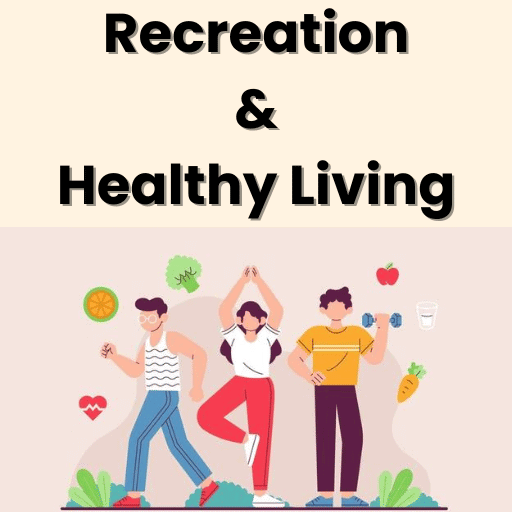
EduRev's Recreation and Healthy Living for Grade 12 Course is designed to provide students in Grade 12 with a comprehensive understanding of the impor ... view more tance of recreation and healthy living. This course will cover various aspects of recreation, including sports, fitness, and leisure activities, along with focusing on the significance of maintaining a healthy lifestyle. With engaging content and interactive learning materials, this course aims to equip Grade 12 students with the knowledge and skills needed to lead a balanced and fulfilling life. Join EduRev's Recreation and Healthy Living for Grade 12 Course today and embark on a journey towards a healthier and happier future.
Recreation and Healthy Living for Grade Study Material
|

Trending Courses for Grade 12

Recreation and Healthy Living for Grade 12 Exam Pattern 2026-2027
Recreation and Healthy Living for Grade 12 Exam Pattern for Grade 12
Introduction
Recreation and healthy living play a vital role in the overall well-being of individuals, especially for Grade 12 students who are preparing for their exams. Engaging in recreational activities and adopting healthy habits not only helps in relieving stress but also enhances academic performance. Understanding the exam pattern for Grade 12 is equally important to ensure effective preparation.
Importance of Recreation
- Recreation provides a break from academic pressures and allows students to relax and rejuvenate.
- Engaging in recreational activities such as sports, hobbies, and creative pursuits promotes physical and mental well-being.
- Recreation helps in developing crucial life skills like teamwork, leadership, and problem-solving.
Benefits of Healthy Living
- Following a healthy lifestyle contributes to improved focus, concentration, and memory.
- Regular exercise and a balanced diet enhance overall physical fitness, leading to better academic performance.
- Adequate sleep and stress management techniques are essential for maintaining mental well-being.
Exam Pattern for Grade 12
- Familiarize yourself with the exam pattern, including the number of subjects, marking scheme, and duration of the exams.
- Understand the weightage of each subject and allocate study time accordingly.
- Practice solving previous years' question papers to get a better understanding of the exam format and time management.
Tips for Balancing Recreation and Exam Preparation
- Prioritize your study schedule, allocating specific time slots for both recreation and exam preparation.
- Choose recreational activities wisely, opting for those that provide mental relaxation and physical exercise.
- Avoid excessive screen time and engage in activities like reading, painting, or playing a musical instrument during recreation breaks.
- Incorporate healthy habits such as regular exercise, nutritious meals, and sufficient sleep in your daily routine.
Conclusion
Recreation and healthy living are essential components of a successful Grade 12 journey. By striking a balance between recreation and exam preparation, students can improve their overall well-being and excel in their exams. It is important to understand the exam pattern and manage time effectively to ensure effective preparation. Remember to prioritize self-care and make time for recreational activities to enhance your academic performance and lead a healthy lifestyle.


Recreation and Healthy Living for Grade 12 Syllabus 2026-2027 PDF Download
Grade 12 Recreation and Healthy Living Syllabus
I. Course Description:
This course aims to promote the importance of recreation and healthy living in the lives of Grade 12 students. It covers a wide range of topics including physical fitness, mental wellness, nutrition, stress management, and the benefits of recreational activities. Students will engage in various practical exercises, discussions, and research to develop a comprehensive understanding of the importance of recreation and healthy living.
II. Course Objectives:
1. To understand the significance of recreation and healthy living in maintaining a balanced lifestyle.
2. To develop knowledge and skills related to physical fitness, mental wellness, and nutrition.
3. To explore different recreational activities and their benefits.
4. To learn effective stress management techniques.
5. To promote positive attitudes towards personal well-being and self-care.
III. Course Outline:
Unit 1: Introduction to Recreation and Healthy Living
- Definition and importance of recreation and healthy living
- Relationship between recreation, health, and well-being
- Identifying personal goals for recreation and healthy living
Unit 2: Physical Fitness
- Components of physical fitness (cardiovascular endurance, muscular strength, flexibility, etc.)
- Fitness assessment and goal-setting
- Developing a personalized fitness plan
- Engaging in physical activities to improve fitness levels
Unit 3: Mental Wellness
- Understanding mental health and well-being
- Strategies for managing stress and anxiety
- Promoting positive mental health through mindfulness and relaxation techniques
- Seeking support and resources for mental wellness
Unit 4: Nutrition
- Basic principles of nutrition and its impact on overall health
- Understanding macronutrients and micronutrients
- Developing healthy eating habits and meal planning
- Exploring common nutritional disorders and their prevention
Unit 5: Recreational Activities
- Exploring a variety of recreational activities (sports, hobbies, outdoor activities, etc.)
- Benefits of engaging in recreational activities for physical and mental well-being
- Planning and organizing recreational events or outings
Unit 6: Healthy Relationships and Social Connections
- Importance of healthy relationships and social connections in overall well-being
- Effective communication skills and conflict resolution strategies
- Building and maintaining positive relationships
- Promoting inclusion and diversity in recreational settings
IV. Evaluation Methods:
- Class participation and engagement in discussions and activities
- Assignments and projects related to the course topics
- Quizzes and tests to assess understanding of key concepts
- Practical demonstrations of physical fitness and recreational skills
V. Resources:
- Textbooks and reference materials provided by the school
- Online resources and articles related to recreation and healthy living
- Guest speakers or experts in the field of recreation and wellness
Note: This syllabus is subject to change at the discretion of the course instructor or educational institution.
I. Course Description:
This course aims to promote the importance of recreation and healthy living in the lives of Grade 12 students. It covers a wide range of topics including physical fitness, mental wellness, nutrition, stress management, and the benefits of recreational activities. Students will engage in various practical exercises, discussions, and research to develop a comprehensive understanding of the importance of recreation and healthy living.
II. Course Objectives:
1. To understand the significance of recreation and healthy living in maintaining a balanced lifestyle.
2. To develop knowledge and skills related to physical fitness, mental wellness, and nutrition.
3. To explore different recreational activities and their benefits.
4. To learn effective stress management techniques.
5. To promote positive attitudes towards personal well-being and self-care.
III. Course Outline:
Unit 1: Introduction to Recreation and Healthy Living
- Definition and importance of recreation and healthy living
- Relationship between recreation, health, and well-being
- Identifying personal goals for recreation and healthy living
Unit 2: Physical Fitness
- Components of physical fitness (cardiovascular endurance, muscular strength, flexibility, etc.)
- Fitness assessment and goal-setting
- Developing a personalized fitness plan
- Engaging in physical activities to improve fitness levels
Unit 3: Mental Wellness
- Understanding mental health and well-being
- Strategies for managing stress and anxiety
- Promoting positive mental health through mindfulness and relaxation techniques
- Seeking support and resources for mental wellness
Unit 4: Nutrition
- Basic principles of nutrition and its impact on overall health
- Understanding macronutrients and micronutrients
- Developing healthy eating habits and meal planning
- Exploring common nutritional disorders and their prevention
Unit 5: Recreational Activities
- Exploring a variety of recreational activities (sports, hobbies, outdoor activities, etc.)
- Benefits of engaging in recreational activities for physical and mental well-being
- Planning and organizing recreational events or outings
Unit 6: Healthy Relationships and Social Connections
- Importance of healthy relationships and social connections in overall well-being
- Effective communication skills and conflict resolution strategies
- Building and maintaining positive relationships
- Promoting inclusion and diversity in recreational settings
IV. Evaluation Methods:
- Class participation and engagement in discussions and activities
- Assignments and projects related to the course topics
- Quizzes and tests to assess understanding of key concepts
- Practical demonstrations of physical fitness and recreational skills
V. Resources:
- Textbooks and reference materials provided by the school
- Online resources and articles related to recreation and healthy living
- Guest speakers or experts in the field of recreation and wellness
Note: This syllabus is subject to change at the discretion of the course instructor or educational institution.
This course is helpful for the following exams: Grade 12
How to Prepare Recreation and Healthy Living for Grade 12?
How to Prepare Recreation and Healthy Living for Grade 12?
Recreation and healthy living are essential aspects of a student's life, especially in Grade 12. As a student, it is crucial to strike a balance between academics and personal well-being. This article will guide you on how to prepare for recreation and healthy living in Grade 12.
1. Time Management:
Effective time management is the key to maintaining a healthy lifestyle. Plan your schedule in advance, allocating specific time slots for studying, extracurricular activities, and recreation. This will help you stay organized and ensure you have enough time for relaxation and leisure activities.
2. Physical Exercise:
Regular physical exercise is vital for maintaining good health. Engage in activities such as jogging, cycling, swimming, or playing a sport of your choice. Physical exercise not only keeps you fit but also helps alleviate stress and boosts concentration levels, which are essential for academic success.
3. Healthy Eating:
Eating a balanced and nutritious diet is crucial for optimal health and well-being. Include a variety of fruits, vegetables, whole grains, lean proteins, and healthy fats in your daily meals. Avoid excessive consumption of processed and junk food, as they can negatively impact your energy levels and overall health.
4. Adequate Sleep:
Getting enough sleep is essential for cognitive function and overall well-being. Aim for at least 7-8 hours of quality sleep every night. Establish a regular sleep routine by going to bed and waking up at the same time each day. Avoid using electronic devices before bedtime, as they can disrupt your sleep patterns.
5. Stress Management:
Grade 12 can be a stressful year with exams, assignments, and college applications. It is crucial to develop effective stress management techniques. Practice mindfulness, deep breathing exercises, or engage in activities that help you relax, such as listening to music, reading, or spending time in nature.
6. Social Interaction:
Maintaining a healthy social life is important for overall well-being. Interact with friends, classmates, and family members regularly. Join clubs or organizations that align with your interests and hobbies. Engaging in social activities helps reduce stress, improve mood, and develop interpersonal skills.
7. Recreation Activities:
Incorporate recreational activities into your routine to relax and rejuvenate. Find hobbies or activities that bring you joy and allow you to unwind. It could be painting, dancing, playing a musical instrument, or simply spending time outdoors. Make time for these activities regularly to ensure a healthy work-life balance.
In conclusion, preparing for recreation and healthy living in Grade 12 requires effective time management, regular physical exercise, healthy eating habits, adequate sleep, stress management techniques, social interaction, and engaging in recreational activities. By prioritizing your well-being alongside your academics, you can achieve success and maintain a healthy and fulfilling life in Grade 12.
Recreation and healthy living are essential aspects of a student's life, especially in Grade 12. As a student, it is crucial to strike a balance between academics and personal well-being. This article will guide you on how to prepare for recreation and healthy living in Grade 12.
1. Time Management:
Effective time management is the key to maintaining a healthy lifestyle. Plan your schedule in advance, allocating specific time slots for studying, extracurricular activities, and recreation. This will help you stay organized and ensure you have enough time for relaxation and leisure activities.
2. Physical Exercise:
Regular physical exercise is vital for maintaining good health. Engage in activities such as jogging, cycling, swimming, or playing a sport of your choice. Physical exercise not only keeps you fit but also helps alleviate stress and boosts concentration levels, which are essential for academic success.
3. Healthy Eating:
Eating a balanced and nutritious diet is crucial for optimal health and well-being. Include a variety of fruits, vegetables, whole grains, lean proteins, and healthy fats in your daily meals. Avoid excessive consumption of processed and junk food, as they can negatively impact your energy levels and overall health.
4. Adequate Sleep:
Getting enough sleep is essential for cognitive function and overall well-being. Aim for at least 7-8 hours of quality sleep every night. Establish a regular sleep routine by going to bed and waking up at the same time each day. Avoid using electronic devices before bedtime, as they can disrupt your sleep patterns.
5. Stress Management:
Grade 12 can be a stressful year with exams, assignments, and college applications. It is crucial to develop effective stress management techniques. Practice mindfulness, deep breathing exercises, or engage in activities that help you relax, such as listening to music, reading, or spending time in nature.
6. Social Interaction:
Maintaining a healthy social life is important for overall well-being. Interact with friends, classmates, and family members regularly. Join clubs or organizations that align with your interests and hobbies. Engaging in social activities helps reduce stress, improve mood, and develop interpersonal skills.
7. Recreation Activities:
Incorporate recreational activities into your routine to relax and rejuvenate. Find hobbies or activities that bring you joy and allow you to unwind. It could be painting, dancing, playing a musical instrument, or simply spending time outdoors. Make time for these activities regularly to ensure a healthy work-life balance.
In conclusion, preparing for recreation and healthy living in Grade 12 requires effective time management, regular physical exercise, healthy eating habits, adequate sleep, stress management techniques, social interaction, and engaging in recreational activities. By prioritizing your well-being alongside your academics, you can achieve success and maintain a healthy and fulfilling life in Grade 12.
Importance of Recreation and Healthy Living for Grade 12
Importance of Recreation and Healthy Living for Grade 12 Course for Grade 12
Recreation and healthy living play a crucial role in the overall development and success of Grade 12 students. As part of the Grade 12 course offered by EduRev, emphasis is placed on incorporating recreation and healthy living practices into the curriculum. This ensures that students not only excel academically but also maintain a well-balanced lifestyle.
1. Physical Well-being:
Engaging in recreational activities and adopting healthy habits promote physical well-being among Grade 12 students. Regular exercise, sports, and outdoor activities not only improve physical fitness but also help in managing stress and boosting energy levels. By incorporating these activities into the Grade 12 course, EduRev ensures that students prioritize their physical health.
2. Mental Well-being:
Recreation and healthy living are vital for maintaining optimal mental health. Grade 12 can be a stressful period with the pressure of exams, college applications, and future planning. By incorporating recreational activities such as meditation, mindfulness, and relaxation techniques into the curriculum, EduRev helps students manage stress, improve focus, and enhance their overall mental well-being.
3. Enhancing Social Skills:
Recreational activities provide opportunities for Grade 12 students to interact and develop essential social skills. Group activities, team sports, and collaborative projects foster teamwork, communication, and leadership skills. By including such activities in the Grade 12 course, EduRev ensures that students not only excel academically but also develop important social skills necessary for future endeavors.
4. Work-Life Balance:
In today's fast-paced world, achieving a work-life balance is crucial for overall well-being. The Grade 12 course offered by EduRev emphasizes the importance of recreation and healthy living to help students develop strategies for managing their time effectively. By incorporating activities that promote relaxation, self-care, and hobbies, students learn to prioritize their personal well-being alongside their academic pursuits.
5. Long-term Health Benefits:
By introducing Grade 12 students to the concept of recreation and healthy living, EduRev equips them with essential knowledge and skills that can positively impact their lives in the long run. Instilling healthy habits at a young age sets the foundation for a lifetime of well-being, reducing the risk of chronic diseases and promoting a healthier lifestyle overall.
In conclusion, the inclusion of recreation and healthy living in the Grade 12 course offered by EduRev is of utmost importance. By prioritizing physical and mental well-being, enhancing social skills, promoting work-life balance, and instilling long-term healthy habits, EduRev ensures that Grade 12 students are well-prepared not only academically but also for a healthy and successful future.
Recreation and healthy living play a crucial role in the overall development and success of Grade 12 students. As part of the Grade 12 course offered by EduRev, emphasis is placed on incorporating recreation and healthy living practices into the curriculum. This ensures that students not only excel academically but also maintain a well-balanced lifestyle.
1. Physical Well-being:
Engaging in recreational activities and adopting healthy habits promote physical well-being among Grade 12 students. Regular exercise, sports, and outdoor activities not only improve physical fitness but also help in managing stress and boosting energy levels. By incorporating these activities into the Grade 12 course, EduRev ensures that students prioritize their physical health.
2. Mental Well-being:
Recreation and healthy living are vital for maintaining optimal mental health. Grade 12 can be a stressful period with the pressure of exams, college applications, and future planning. By incorporating recreational activities such as meditation, mindfulness, and relaxation techniques into the curriculum, EduRev helps students manage stress, improve focus, and enhance their overall mental well-being.
3. Enhancing Social Skills:
Recreational activities provide opportunities for Grade 12 students to interact and develop essential social skills. Group activities, team sports, and collaborative projects foster teamwork, communication, and leadership skills. By including such activities in the Grade 12 course, EduRev ensures that students not only excel academically but also develop important social skills necessary for future endeavors.
4. Work-Life Balance:
In today's fast-paced world, achieving a work-life balance is crucial for overall well-being. The Grade 12 course offered by EduRev emphasizes the importance of recreation and healthy living to help students develop strategies for managing their time effectively. By incorporating activities that promote relaxation, self-care, and hobbies, students learn to prioritize their personal well-being alongside their academic pursuits.
5. Long-term Health Benefits:
By introducing Grade 12 students to the concept of recreation and healthy living, EduRev equips them with essential knowledge and skills that can positively impact their lives in the long run. Instilling healthy habits at a young age sets the foundation for a lifetime of well-being, reducing the risk of chronic diseases and promoting a healthier lifestyle overall.
In conclusion, the inclusion of recreation and healthy living in the Grade 12 course offered by EduRev is of utmost importance. By prioritizing physical and mental well-being, enhancing social skills, promoting work-life balance, and instilling long-term healthy habits, EduRev ensures that Grade 12 students are well-prepared not only academically but also for a healthy and successful future.
Recreation and Healthy Living for Grade 12 FAQs
| 1. What are the main components of physical fitness for Grade 12 students? |  |
Ans. Physical fitness comprises five key components: cardiovascular endurance, muscular strength, muscular endurance, flexibility, and body composition. Cardiovascular endurance involves aerobic capacity through activities like running and cycling. Muscular strength develops through resistance training, while flexibility improves through stretching routines. Body composition focuses on healthy weight management through balanced nutrition and exercise combined.
| 2. How can I create a personal fitness plan for recreation and healthy living? | |
Ans. Start by assessing current fitness levels using tests like the beep test or flexibility assessments. Set SMART goals-specific, measurable, achievable, relevant, time-bound. Choose activities matching interests: sports, yoga, or resistance training. Include warm-up and cool-down phases. Track progress weekly and adjust intensity based on performance improvements and recovery needs.
| 3. What is the difference between aerobic and anaerobic exercise in Grade 12 PE? | |
Ans. Aerobic exercise uses oxygen continuously, building cardiovascular endurance through activities like jogging, swimming, and dancing. Anaerobic exercise works without sufficient oxygen, developing muscular power through sprints, weightlifting, and high-intensity interval training. Both are essential: aerobic builds stamina; anaerobic builds strength and speed for athletic performance.
| 4. Why is nutrition planning important for teenage health and fitness? | |
Ans. Proper nutrition supports growth, energy levels, muscle development, and disease prevention in adolescence. A balanced diet includes carbohydrates for energy, proteins for muscle repair, healthy fats for hormone production, and micronutrients for immunity. Hydration aids performance and recovery. Poor nutrition increases risks of obesity, nutritional deficiencies, and metabolic disorders during critical developmental years.
| 5. What are common lifestyle diseases and how can Grade 12 students prevent them? | |
Ans. Lifestyle diseases include obesity, type 2 diabetes, hypertension, and cardiovascular disease-often caused by sedentary habits and poor diet. Prevention involves regular physical activity (150 minutes weekly), balanced nutrition rich in whole grains and vegetables, stress management through meditation or yoga, adequate sleep, and avoiding tobacco and excessive screen time.
| 6. How does mental health connect to recreation and healthy living practices? | |
Ans. Physical activity releases endorphins, reducing anxiety and depression while improving mood and cognitive function. Recreation provides stress relief and social connection. Mindfulness practices like yoga and meditation enhance emotional regulation. Sleep quality improves with exercise. Holistic healthy living-combining fitness, nutrition, social interaction, and rest-creates resilience against mental health challenges and builds emotional well-being.
| 7. What safety precautions should students follow during sports and recreational activities? | |
Ans. Essential precautions include proper warm-up routines, using appropriate protective equipment like helmets and padding, following game rules and techniques, staying hydrated, recognizing personal physical limits, and reporting injuries immediately. Proper training under qualified coaches prevents technique-related injuries. Cool-down exercises reduce muscle soreness. Understanding activity-specific risks-such as heat exhaustion in outdoor sports-ensures safer participation throughout training seasons.
| 8. How can I manage stress through physical activity and relaxation techniques? | |
Ans. Regular exercise like jogging, dancing, or team sports releases stress hormones naturally. Deep breathing exercises, progressive muscle relaxation, and yoga calm the nervous system. Meditation and mindfulness reduce racing thoughts. Recreational hobbies provide mental breaks from academic pressure. Combining cardiovascular activity with flexibility training and adequate sleep creates comprehensive stress management, improving focus and emotional balance.
| 9. What role does teamwork and social interaction play in healthy living? | |
Ans. Team sports build communication skills, trust, and cooperation while reducing isolation. Social recreation strengthens relationships and provides emotional support networks. Group fitness classes boost motivation and accountability. Collaborative activities enhance mental well-being and sense of belonging. Community involvement through recreation promotes civic responsibility. Strong social connections reduce anxiety, increase life satisfaction, and encourage sustained healthy behaviours through shared accountability.
| 10. How should Grade 12 students balance academics with recreation and fitness routines? | |
Ans. Schedule exercise as a non-negotiable commitment, similar to classes. Start with 30-45 minutes daily, incorporating activities that energize rather than exhaust. Use recreation as active stress relief between study sessions. Prioritize sleep and nutrition to support both learning and recovery. Time management tools and realistic planning prevent burnout. Balanced routines improve concentration, academic performance, and sustained well-being throughout the demanding final year.
Course Description
Recreation and Healthy Living for Grade 12 for Grade 12 2026-2027 is part of Grade 12 preparation. The notes and questions for Recreation and Healthy Living for Grade 12 have been prepared according to the Grade 12 exam syllabus. Information about Recreation and Healthy Living for Grade 12 covers all important topics for Grade 12 2026-2027 Exam. Find important definitions, questions, notes,examples, exercises test series, mock tests and Previous year questions (PYQs) below for Recreation and Healthy Living for Grade 12.
Preparation for Recreation and Healthy Living for Grade 12 in English is available as part of our Grade 12 preparation & Recreation and Healthy Living for Grade 12 in Hindi for Grade 12 courses. Download more important topics related with Recreation and Healthy Living for Grade 12, notes, lectures and mock test series for Grade 12 Exam by signing up for free.
Course Speciality
Recreation and Healthy Living for Grade 12
Recreation & Healthy Living for Grade 12 course of Grade 12 with EduRev's study material as per the latest curriculum (2026) curated by EduRev experts. 481+ have already joined.
Course Options
 | View your Course Analysis |  |
 | Create your own Test | |



Related Exams
|
Join course for Free
 Ratings
 | Explore Courses for Grade 12 exam |  |
Signup for Free!
Signup to see your scores go up within 7 days! Learn & Practice with 1000+ FREE Notes, Videos & Tests.
Course Speciality
Recreation and Healthy Living for Grade 12
Recreation & Healthy Living for Grade 12 course of Grade 12 with EduRev's study material as per the latest curriculum (2026) curated by EduRev experts. 481+ have already joined.


