with EduRev
IIT JAM Chemistry syllabus


Study Material for IIT JAM Chemistry Syllabus












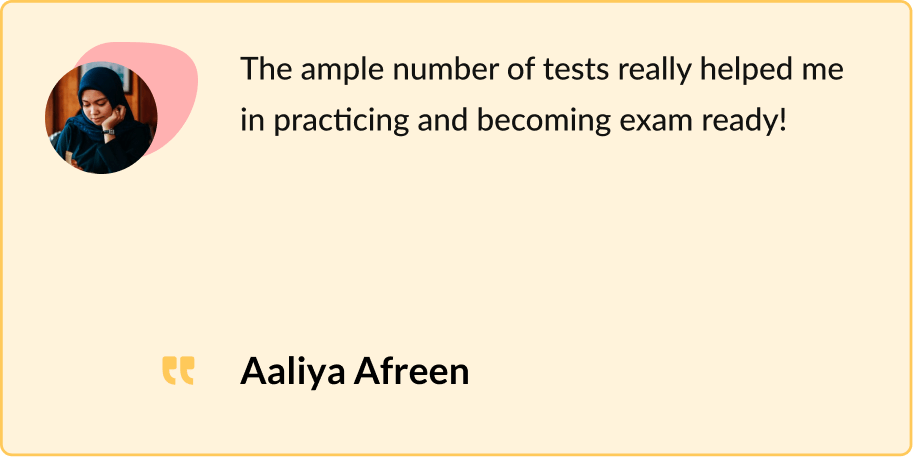
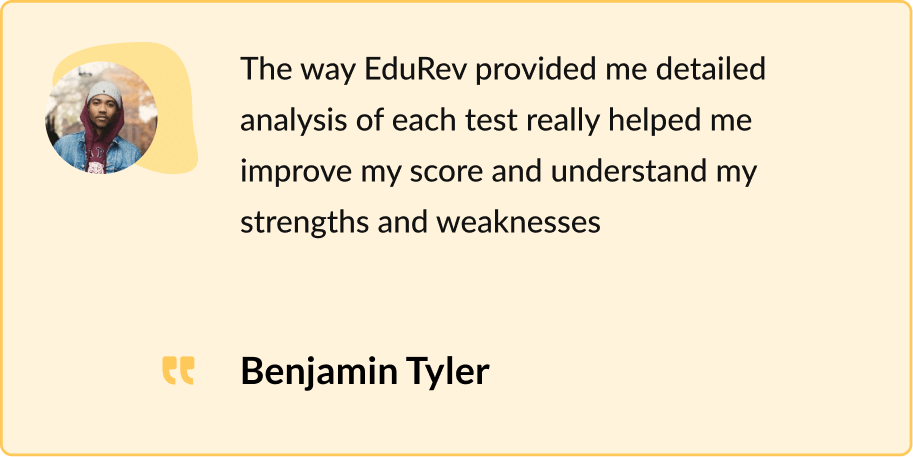
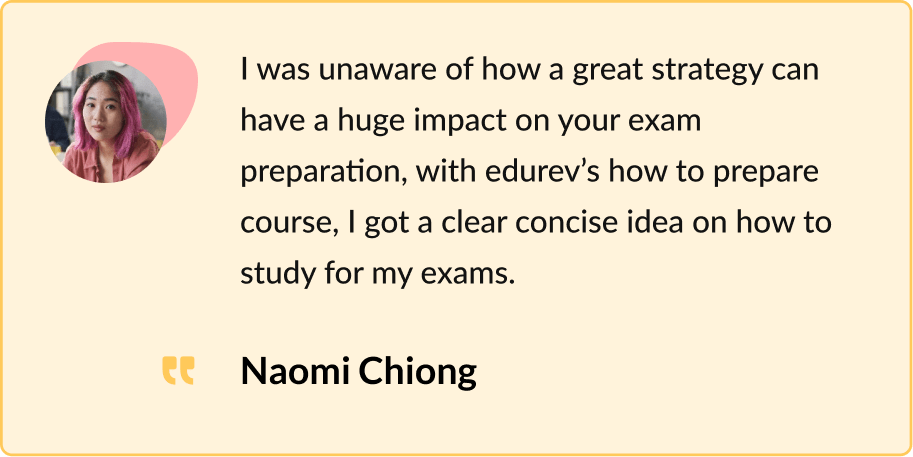
| Why students choose EduRev for their IIT JAM Chemistry Exam |
4.6
 (150K+ ratings)
|
 (150K+ ratings)



One subscription to unlock all
IIT JAM Chemistry Courses
View Pricing Plans
Starting @ $1 per month
|
|


IIT JAM Chemistry Exam preparation at EduRev
1. IIT JAM Chemistry:
IIT JAM Chemistry is an entrance examination conducted by the Indian Institutes of Technology (IITs) for admissions into their postgraduate Chemistry programs. It is a highly competitive exam that tests the knowledge and understanding of various concepts in Chemistry. Aspirants need to prepare thoroughly for the exam to secure a good rank and increase their chances of getting admission into their desired institute.
2. IIT JAM Chemistry syllabus:
The IIT JAM Chemistry syllabus is designed to cover various topics from different branches of Chemistry, including physical, organic, and inorganic chemistry. The syllabus includes subjects such as atomic and molecular structure, chemical thermodynamics, organic reaction mechanisms, coordination chemistry, and more. It is important for candidates to carefully go through the syllabus and plan their preparation accordingly to ensure comprehensive coverage of all the topics.
3. IIT JAM Chemistry previous year papers:
Solving previous year papers is an essential part of the preparation for the IIT JAM Chemistry exam. It helps candidates get familiar with the exam pattern, understand the types of questions asked, and assess their level of preparation. By solving these papers, candidates can identify their strengths and weaknesses and work on improving them. Additionally, practicing previous year papers also enhances time management skills and boosts confidence.
4. Best books for IIT JAM Chemistry:
Choosing the right books for IIT JAM Chemistry is crucial for effective preparation. Some recommended books for IIT JAM Chemistry include "Organic Chemistry" by Morrison and Boyd, "Physical Chemistry" by Peter Atkins, "Inorganic Chemistry" by JD Lee, and "Concepts of Organic Chemistry" by OP Tandon. It is advisable for candidates to refer to multiple books for each topic to gain a comprehensive understanding and clarity of concepts.
5. IIT JAM Chemistry online coaching:
Online coaching for IIT JAM Chemistry is a popular choice among candidates who prefer the flexibility and convenience of studying from home. Online coaching platforms offer video lectures, study materials, mock tests, and doubt-solving sessions, providing comprehensive guidance and support. It allows candidates to learn at their own pace and revise topics as per their convenience. Online coaching also saves time and eliminates the need for travel, making it a convenient option for aspirants.
6. IIT JAM Chemistry preparation tips:
Effective preparation for IIT JAM Chemistry requires a strategic approach. Some essential preparation tips include creating a study schedule, understanding the exam pattern and syllabus, preparing short notes for quick revision, solving previous year papers and mock tests, seeking guidance from teachers or mentors, and staying updated with current trends in Chemistry. Regular practice, self-discipline, and perseverance are key to success in the exam.
7. IIT JAM Chemistry study material:
Choosing the right study material is crucial for scoring well in the IIT JAM Chemistry exam. Candidates can refer to textbooks recommended by experts, study materials provided by coaching institutes, online resources, and reference books for in-depth understanding. It is important to select study material that is comprehensive, easy to understand, and covers the entire syllabus. Regular revision of the study material is also essential to reinforce concepts and retain information.
8. IIT JAM Chemistry mock test:
Taking mock tests is an integral part of the preparation process for the IIT JAM Chemistry exam. Mock tests simulate the actual exam environment and help candidates assess their level of preparation. They provide an opportunity to practice time management, improve accuracy, and identify areas that require further attention. Analyzing the performance in mock tests helps candidates understand their strengths and weaknesses, enabling them to focus on specific topics and improve their overall score.
9. IIT JAM Chemistry question bank:
A question bank is a valuable resource for IIT JAM Chemistry preparation. It contains a collection of practice questions categorized according to the different topics in the syllabus. Candidates can use the question bank to solve a variety of questions, test their understanding of concepts, and improve their problem-solving skills. Regular practice with a question bank helps in building speed and accuracy, thereby enhancing performance in the actual exam.
10. IIT JAM Chemistry cutoff:
The IIT JAM Chemistry cutoff refers to the minimum marks or rank required to qualify for admission into the Chemistry programs offered by the IITs. The cutoff varies each year and is determined based on factors such as the number of applicants, the difficulty level of the exam, and the availability of seats. Candidates need to secure a rank above the cutoff to be eligible for counseling and seat allocation.
11. IIT JAM Chemistry exam pattern:
Understanding the exam pattern is essential for effective preparation for the IIT JAM Chemistry exam. The exam consists of multiple-choice questions (MCQs), multiple-select questions (MSQs), and numerical answer type (NAT) questions. The duration of the exam is three hours, and it is divided into three sections - Section A, Section B, and Section C. Familiarizing oneself with the exam pattern helps candidates in planning their time and approaching the questions strategically.
12. IIT JAM Chemistry eligibility criteria:
To be eligible for the IIT JAM Chemistry exam, candidates must have a bachelor's degree in Chemistry or a related discipline from a recognized university. The eligibility criteria may vary for different categories, and candidates are advised to carefully read the official notification for the specific requirements. Meeting the eligibility criteria is essential for appearing in the exam and seeking admission to the Chemistry programs offered by the IITs.
13. IIT JAM Chemistry result:
The IIT JAM Chemistry result is declared by the conducting institute on its official website. Candidates can check their result by entering their registration number and password. The result displays the candidate's score, rank, and qualifying status. Based on the result, candidates are called for counseling and seat allocation. It is important to regularly check the official website for updates regarding the result declaration.
14. IIT JAM Chemistry coaching institutes:
Several coaching institutes offer specialized coaching for the IIT JAM Chemistry exam. These institutes provide guidance, study materials, regular mock tests, and doubt-solving sessions to help candidates prepare effectively. It is important to choose a reputed coaching institute with experienced faculty and a track record of successful results. Candidates can research and compare different coaching institutes to find the one that best suits their requirements.
15. IIT JAM Chemistry online application form:
The IIT JAM Chemistry online application form is available on the official website of the conducting institute. Candidates need to fill in their personal details, academic qualifications, and upload the required documents as per the instructions provided. It is important to carefully fill in the application form and review the entered information before submitting it. Candidates should also pay the application fee within the specified time to complete the application process.
IIT JAM Chemistry Exam Pattern 2025-2026
IIT JAM Chemistry Syllabus 2025-2026 PDF Download
IIT JAM Chemistry Books
IIT JAM Chemistry Study Material and Notes PDF Download
IIT JAM Chemistry Previous Year Papers
Important Questions for IIT JAM Chemistry
|
© EduRev
|
Education Revolution
|


|







within 7 days!