All Exams   >   Communication Exam

Prepare for Communication Exam
with EduRev

All you need for Communication Exam Exam preparation covering complete
Communication syllabus
10000+
Students on EduRev
4.6/5/5
500+ ratings on Google Play
3000+
Docs & Videos viewed
19000+
MCQs attempted in Tests
Everything you need for your Exam at one place
EduRev features
2500+ Notes
With relevant content to help you prepare for exams in the best way
EduRev features
600+ Tests
Practice every topic with over 15M+ questions in 75K+ tests
EduRev features
850+ Videos
With 100K+ videos & 250K+ notes clear all your concepts
EduRev features
80+ Courses
With 1000+ courses you can prepare for every exam!
EduRev features
10k+ Doubts
The best teachers and fellow students to help you out
Awards & Mentions

What is Business Communication and Why Does It Matter for Your Career?

Communication is the process of exchanging information, ideas, thoughts, or feelings between individuals through verbal, non-verbal, written, or visual channels. In a professional context, business communication refers to the sharing of information between people within and outside an organisation for its commercial benefit. Whether you are a fresher appearing for your first job interview or a seasoned professional aiming for a leadership role, strong business communication skills are absolutely non-negotiable in today's workplace.

Poor communication leads to misunderstandings, reduced productivity, and missed opportunities - outcomes no professional can afford. On the other hand, individuals with effective communication skills are consistently viewed as more competent, confident, and promotable. If you want to build a solid foundation, start with the Business Communication: The Ultimate Guide on EduRev.

Key Forms of Business Communication

  • Internal communication: team meetings, memos, internal emails
  • External communication: client presentations, proposals, vendor correspondence
  • Written communication: reports, business emails, meeting minutes
  • Verbal and non-verbal communication: face-to-face discussions, body language, tone

How to Improve Communication Skills: A Complete Beginner's Guide

If you are just starting out, improving your communication skills may feel overwhelming. But the good news is that communication is a learnable skill - with the right approach and consistent practice, anyone can become an effective communicator. Here is a simple beginner's roadmap:

  1. Start with self-awareness: Identify whether your weakest area is verbal, written, or non-verbal communication.
  2. Read regularly: Reading books, articles, and professional content builds vocabulary and comprehension.
  3. Practice daily writing: Maintain a journal or draft emails even when not required - writing frequently sharpens clarity.
  4. Seek feedback: Ask peers, mentors, or colleagues to review your communication style honestly.
  5. Enrol in a structured course: A guided learning path is the fastest route to improvement.

For a structured start, the Complete Business Communication Course on EduRev covers everything from interpersonal communication to professional writing, making it ideal for beginners and working professionals alike.

Best Business Communication Courses to Learn Online

With so many options available today, choosing the best business communication course online can be confusing. The ideal course should cover verbal, non-verbal, and written communication, include practical exercises, and be accessible in your preferred language. EduRev offers several well-structured courses that cater to learners across India.

CourseBest ForLanguage
Business Communication: The Ultimate GuideComprehensive overviewEnglish
Complete Business Communication CourseEnd-to-end skill buildingEnglish
Public Speaking and Presentation Skills (Hindi)Hindi-medium learnersHindi

These courses are designed with Indian workplace scenarios in mind, making them highly relevant for professionals and students across the country.

Public Speaking Tips: How to Boost Your Confidence and Speak Effectively

Glossophobia - the fear of public speaking - is one of the most common social fears reported globally. Whether it is speaking in a team meeting, presenting to a client, or addressing a large audience, most people experience some level of anxiety. The key is not to eliminate nervousness but to manage it effectively.

Proven Tips to Improve Public Speaking Skills

  • Prepare thoroughly: Know your content inside out so anxiety does not derail your delivery.
  • Practice controlled breathing: Slow, deep breaths calm your nervous system before you speak.
  • Maintain eye contact: This builds trust and keeps your audience engaged.
  • Use structured content: A clear beginning, middle, and end makes your message memorable.
  • Record yourself: Watching playback reveals habits you may not notice otherwise.

To develop genuine public speaking confidence in English, explore the Public Speaking: Learn and Boost your Confidence (English) course on EduRev. For those who prefer learning in Hindi, the Public Speaking and Presentation Skills course in Hindi is an excellent choice.

How to Enhance Your Writing Skills and Become a Better Writer

Strong writing skills go far beyond correct grammar. They involve vocabulary range, sentence structure, coherence, and the ability to adapt your tone for different audiences. In professional settings, writing clearly and concisely is a skill that directly impacts your credibility and career growth.

Whether you want to craft compelling emails, write impactful reports, or simply express your ideas more clearly, writing is a skill worth investing in. The Become a Writer: Enhance your Writing Skills course on EduRev is designed to take learners from basic to advanced writing proficiency through practical exercises and real-world examples.

Habits That Make You a Better Writer

  • Write every day - even short paragraphs count
  • Read widely across genres and formats
  • Edit your work ruthlessly - clarity comes from cutting, not adding
  • Study examples of effective professional writing

Presentation Skills Training: Key Techniques Every Professional Should Know

Presentation skills are applicable across virtually every industry - from education and healthcare to business and technology. A well-structured presentation follows a clear introduction, a focused body with key points, and a strong conclusion that leaves a lasting impression.

Non-verbal cues such as posture, hand gestures, and eye contact significantly influence how your audience receives your message. Visual aids - when used appropriately - enhance understanding and retention. EduRev offers dedicated presentation skills training in multiple languages to suit diverse learners across India.

CourseLanguage
Presentation Skills: An Essential Training (English)English
Presentation Skills: An Essential Training (Tamil)Tamil

Business Writing Essentials: Emails, Reports, and Professional Documents

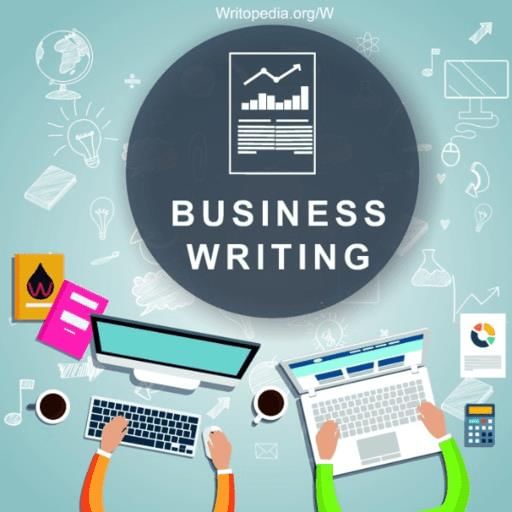
Business writing is a distinct form of professional communication that covers emails, reports, proposals, memos, and meeting minutes. Effective business writing is characterised by four qualities: clarity, conciseness, correct grammar, and a professional tone. In 2025, the ability to write clear and impactful business emails remains one of the most sought-after skills in Indian workplaces.

Whether you are drafting a project proposal or sending a follow-up email to a client, your writing reflects your professionalism. If you want to master this skill, the Learn and Master: Business Writing course and the writing skills course on EduRev are excellent starting points for learning how to write professionally.

Core Elements of Effective Business Writing

  • Use simple, direct language - avoid jargon unless necessary
  • Keep emails short and action-oriented
  • Always proofread before sending
  • Structure reports with clear headings and summaries
  • Match your tone to your audience and context

Hindi Vyakaran Basics: A Foundation for Effective Communication in Hindi

Hindi is the most widely spoken language in India and one of the official languages of the Government of India. A strong foundation in Hindi Vyakaran (Hindi grammar) is essential for effective written and spoken communication - not just in daily life but also for competitive government exams where Hindi is a core component.

Key areas of Hindi Vyakaran include Varnmala (alphabet), Shabd Vichar (word formation), Vakya Rachna (sentence construction), Sandhi, Samas, Karak, and Kal (tenses). Whether you are a school student or preparing for a government exam, getting your grammar right is the first step to confident Hindi communication. Explore the Hindi Vyakaran: Basics and Advanced course on EduRev to build both foundational and advanced grammar skills.

Communication Skills for the Workplace: Verbal, Non-Verbal, and Written

Workplace communication is multi-dimensional. Verbal communication involves what you say; non-verbal communication covers how you say it through body language, facial expressions, and tone; and written communication encompasses everything from emails to formal reports. Mastering all three is what separates average professionals from truly effective ones.

Effective communication fosters better teamwork, smoother conflict resolution, and stronger professional relationships. In India's diverse workforce, the ability to communicate across languages - in English, Hindi, Tamil, or other regional languages - gives professionals a significant edge. Learning communication skills in regional languages alongside English broadens your reach considerably.

Why Investing in Communication Skills Pays Off

  • Employers consistently rank communication among the top soft skills for career growth
  • Strong communicators are more likely to be considered for leadership and managerial roles
  • Effective workplace communication reduces errors, saves time, and boosts team productivity
  • Interpersonal communication skills improve client relationships and business outcomes

Start building your complete communication skill set today on EduRev - from public speaking confidence to business writing mastery - and take a meaningful step forward in your professional journey.

Communication FAQs

1. What are the main types of communication and how do they differ?
Ans. Communication divides into verbal, non-verbal, and written forms. Verbal communication uses spoken words and tone of voice, non-verbal relies on body language, facial expressions, and gestures, while written communication includes emails, letters, and messages. Each type serves different purposes-verbal works best for immediate feedback, non-verbal conveys emotions, and written creates permanent records. Understanding these distinctions helps students choose the right approach for different situations.
2. How can I improve my listening skills for better communication?
Ans. Active listening involves focusing completely on the speaker without interrupting, maintaining eye contact, and asking clarifying questions. Students should avoid distractions, resist planning responses while others talk, and summarise what they've heard to confirm understanding. Practising empathetic listening-understanding emotions behind words-strengthens relationships. Regular practice through conversations and group discussions naturally builds stronger listening habits and communication effectiveness.
3. What does effective communication in the workplace actually mean?
Ans. Workplace communication effectiveness requires clarity, professionalism, and mutual respect between team members and supervisors. Employees must express ideas concisely, respond promptly to colleagues, adapt their tone to audiences, and provide constructive feedback. Barriers like poor listening, unclear messaging, and cultural misunderstandings must be overcome. Strong workplace communication reduces conflicts, improves productivity, and builds trust among team members across all organisational levels.
4. Why is body language so important in face-to-face interaction?
Ans. Body language communicates 55-93% of messages through posture, gestures, and facial expressions-often louder than words themselves. Open posture suggests confidence and receptiveness, while crossed arms may indicate defensiveness or disinterest. During presentations or interviews, maintaining eye contact and appropriate hand movements reinforces verbal messages and builds credibility. Misalignment between words and body signals confuses listeners, making physical awareness crucial for genuine communication.
5. What are the biggest barriers to effective communication I should know?
Ans. Communication barriers include noise, language differences, lack of feedback, and emotional interference. Physical noise disrupts message transmission; language gaps create misunderstandings; absent feedback prevents confirmation of understanding; emotional distress clouds clarity. Assumptions, prejudices, and poor listening also obstruct effective exchange. Recognising these obstacles allows students to minimise distractions, seek clarification, maintain emotional control, and actively engage-transforming potentially failed conversations into successful dialogues.
6. How should I structure a formal presentation for maximum impact?
Ans. Effective presentations follow a three-part structure: introduction stating purpose and outline, body organised by key points with supporting evidence, and conclusion summarising takeaways with a call-to-action. Each section requires smooth transitions and logical flow. Visual aids should support rather than overwhelm content. Practising delivery, maintaining audience engagement through questions, and speaking at a measured pace ensure the message resonates. Preparation builds confidence and professionalism.
7. What's the difference between assertive and aggressive communication styles?
Ans. Assertive communication expresses needs and opinions respectfully while honouring others' perspectives-maintaining balance and mutual respect. Aggressive communication dominates, intimidates, or disrespects the listener, creating tension and defensiveness. Assertive individuals use "I" statements, listen actively, and seek compromise. Aggressive speakers interrupt, blame, and demand compliance. Developing assertiveness helps students advocate for themselves appropriately in relationships, classrooms, and professional settings without harming connections.
8. Why do miscommunications happen so often and how do I prevent them?
Ans. Miscommunications arise from unclear messaging, selective listening, different interpretations, and unspoken assumptions about shared understanding. Prevention requires confirming assumptions explicitly, asking clarifying questions, restating key points, and ensuring both parties hold identical meaning. Written follow-ups solidify agreements. Slowing conversations, eliminating distractions, and approaching discussions with curiosity rather than judgment significantly reduce misunderstandings. Consistent clarification prevents costly mistakes in academics, relationships, and professional contexts.
9. How can I communicate better during group discussions and meetings?
Ans. Contribute meaningfully by preparing points beforehand, listening before speaking, and building on others' ideas rather than dominating. Use inclusive language, respect turn-taking, and avoid interrupting. Ask questions to clarify confusion and encourage quieter members to participate. Provide constructive feedback focused on ideas, not individuals. Summarising decisions ensures collective understanding. These skills strengthen group dynamics, foster collaboration, and produce higher-quality outcomes in classroom projects and workplace teams alike.
10. What are the key communication skills employers actually look for?
Ans. Employers prioritise clear writing and speaking, active listening, teamwork capability, and conflict resolution skills. Candidates must adapt communication to audiences, present ideas persuasively, and provide thoughtful feedback. Problem-solving through dialogue and emotional intelligence-understanding others' perspectives-matter equally. Digital communication proficiency across emails and platforms is essential. Students building these competencies gain competitive advantages in job interviews and workplace advancement, making communication development crucial for career success.
ad-image
One subscription to unlock
all Communication Courses
Starting @ $1 /month View Pricing Plans
All you need for your Communication exam, get it in your pocket now
Trusted by 10000+ students
CONNECT WITH US ON
EduRev stands for Education Revolution.
Made with Love ❤️
Copyright © 2026 EduRev Inc