CBSE Class 10  >  Class 10   >  Social Studies (SST)   >  Flashcards: The Rise of Nationalism in Europe- 1
The Rise of Nationalism in Europe- 1
20 Flashcards
Start
Start

Flashcards: The Rise of Nationalism in Europe- 1

20 Flashcards

FAQs on Flashcards: The Rise of Nationalism in Europe- 1

1. What exactly is nationalism and why did it rise so dramatically across Europe during the 19th century?
Ans. Nationalism is the belief that people sharing a common language, culture, or history should form an independent nation-state. It rose in Europe due to Enlightenment ideas, industrialisation, and reaction against foreign domination. The French Revolution spread nationalist sentiments across the continent, inspiring people to unite based on shared identity rather than dynastic rule.
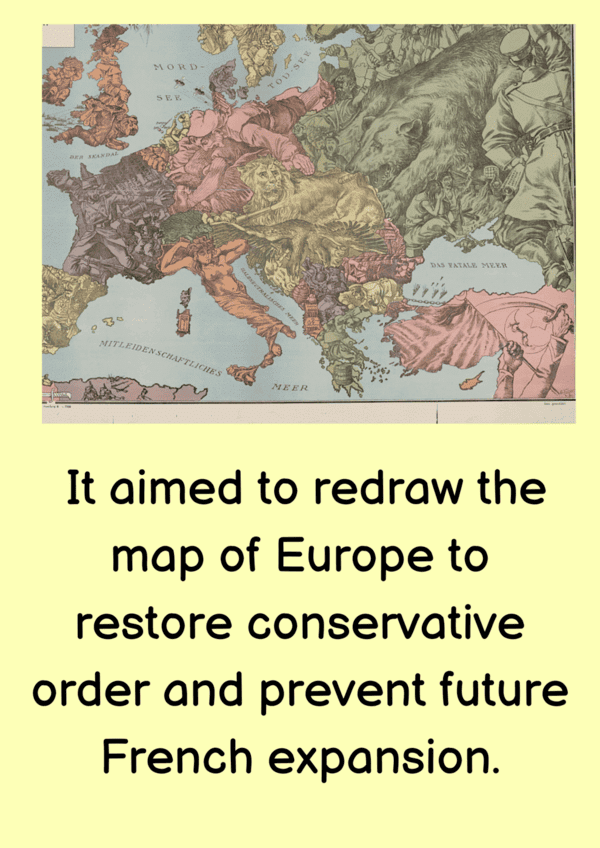
2. How did the Congress of Vienna in 1815 actually try to stop nationalism from spreading, and did it work?
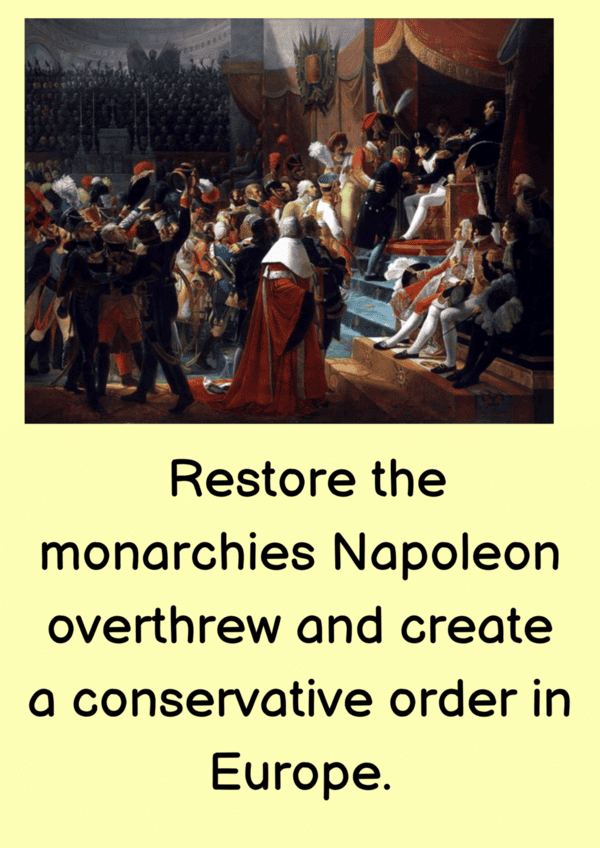
Ans. The Congress of Vienna aimed to restore absolute monarchy and suppress nationalist movements by redrawing European boundaries without consulting local populations. It temporarily contained nationalism through repression and conservative policies, but ultimately failed-nationalist uprisings erupted across Europe in the 1820s-1840s. The Congress inadvertently strengthened nationalist sentiment by ignoring people's desires for self-determination.
3. What's the difference between liberal nationalism and aggressive nationalism in early 19th century Europe?
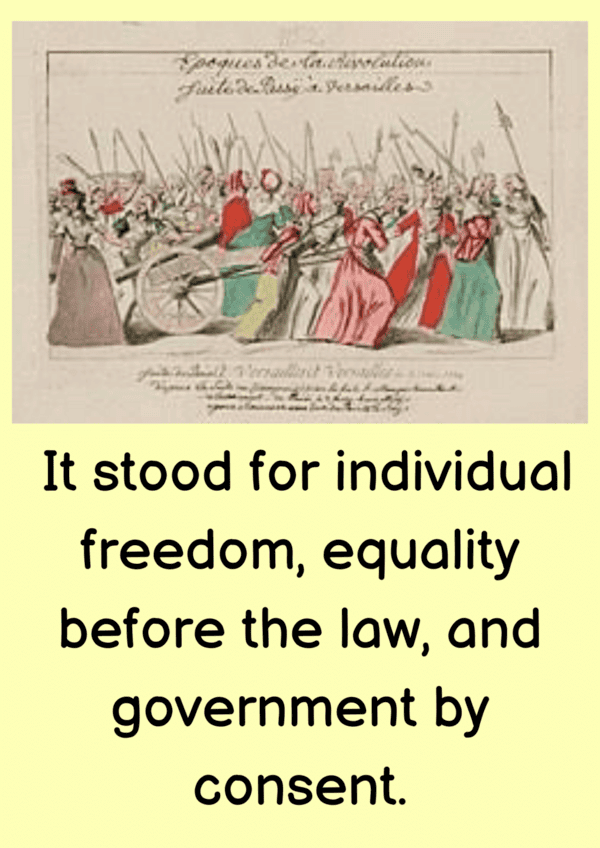
Ans. Liberal nationalism sought democratic governance, individual rights, and national unification based on popular sovereignty and constitutional rule. Aggressive nationalism, by contrast, pursued military expansion, ethnic supremacy, and imperial dominance. While liberals wanted freedom within unified nations, aggressive nationalists used nationalism to justify conquest and colonisation across Europe.
4. Why did Italian and German unification happen so late compared to other European nations, and what role did nationalism play?
Ans. Italy and Germany remained fragmented into multiple kingdoms and principalities until the 1870s because powerful neighbours opposed their unification. Nationalist movements in both regions united diverse populations under shared historical and linguistic identity. Leaders like Cavour and Bismarck weaponised nationalism to mobilise support, ultimately achieving unification through war and strategic politics rather than popular uprising alone.
5. Which flashcards and mind maps help explain the key figures and movements behind European nationalism most effectively?
Ans. Visual study tools like flashcards and mind maps on EduRev effectively break down major nationalist figures-Napoleon, Mazzini, Cavour, Bismarck-and movements like the Carbonari and Young Italy. These resources illustrate cause-and-effect relationships between Enlightenment ideas, the French Revolution, and nationalist revolutions across 1815-1870. They're particularly useful for retaining interconnected events and timelines for CBSE Class 10 examinations.
Explore Courses for Class 10 exam
Related Searches
study material, practice quizzes, mock tests for examination, Previous Year Questions with Solutions, Sample Paper, Flashcards: The Rise of Nationalism in Europe- 1, Flashcards: The Rise of Nationalism in Europe- 1, Viva Questions, shortcuts and tricks, Exam, pdf , Important questions, video lectures, Semester Notes, Objective type Questions, ppt, Flashcards: The Rise of Nationalism in Europe- 1, MCQs, past year papers, Summary, Extra Questions, Free;