|  Theory of Consumer Behaviour- 1 45 Flashcards |  Start |
 | What does the demand function represent? |  Card: 1 / 45 |
| The demand function is a mathematical representation of the relationship between the quantity demanded (X) of a good and its price (P), assuming other factors remain constant. 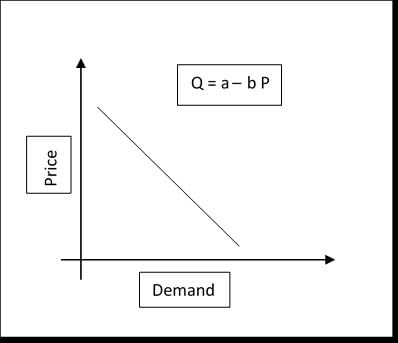 | Card: 2 / 45 |
| Fill in the blank: The demand curve typically slopes ___ from left to right. | Card: 3 / 45 |
| Downward 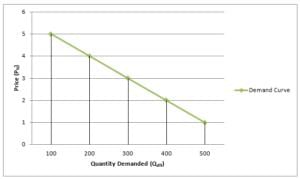 | Card: 4 / 45 |
| True or False: An increase in the price of a commodity will typically lead to an increase in the quantity demanded. | Card: 5 / 45 |
| False. An increase in price usually leads to a decrease in quantity demanded. 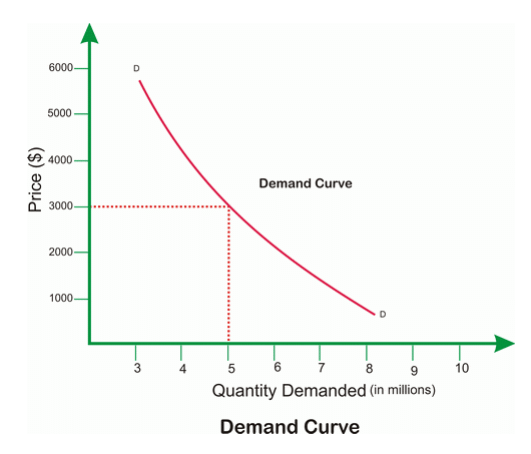
| Card: 6 / 45 |
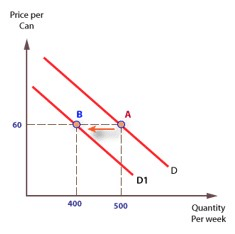
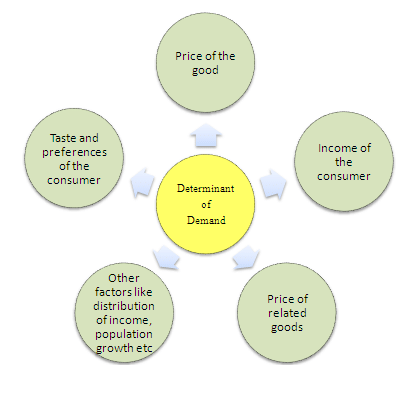
| Which factors, apart from price, can influence demand? | Card: 7 / 45 |
| The factors include prices of other goods (substitutes and complements), consumer income, and consumer's tastes and preferences.
| Card: 8 / 45 |
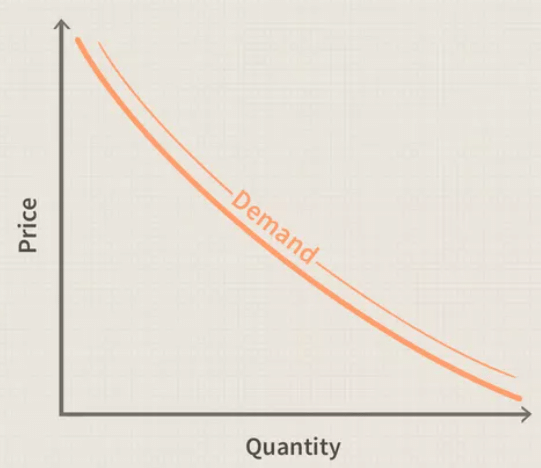
| Riddle: I am a curve that shows how price affects quantity, sloping downwards, I help understand demand. What am I? | Card: 9 / 45 |
| The demand curve
| Card: 10 / 45 |
| In the equation X = f(P), what does each variable represent? | Card: 11 / 45 |
| X represents the quantity demanded, and P represents the price of the good.
| Card: 12 / 45 |
| Fill in the blank: Demand refers to the quantity that a consumer is both ___ and ___ to buy. | Card: 13 / 45 |
| Willing; able  | Card: 14 / 45 |
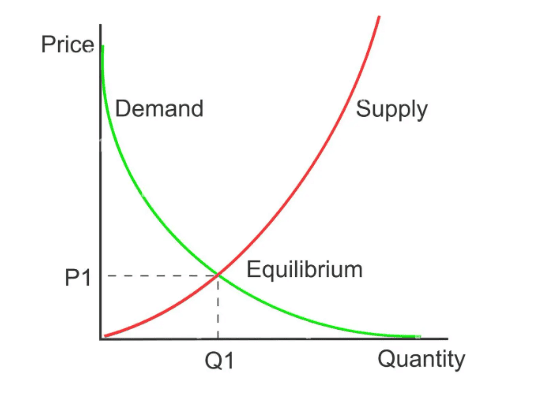
| What is the graphical representation of the relationship between price and quantity demanded called? | Card: 15 / 45 |
| The demand curve | Card: 16 / 45 |
| MCQ: Which of the following factors does NOT directly affect the demand for a good? A) Consumer income B) Price of substitutes C) The weather D) Consumer preferences | Card: 17 / 45 |
| C) The weather | Card: 18 / 45 |
| What is a function in mathematics? | Card: 19 / 45 |
| A function is a relationship between two variables, x and y, denoted as y=f(x), where each value of x corresponds to a unique value of y. | Card: 20 / 45 |
| The demand function is represented as ___ and indicates the relationship between ___ and ___? | Card: 21 / 45 |
| X = f(P); it indicates the relationship between quantity demanded X and price P. 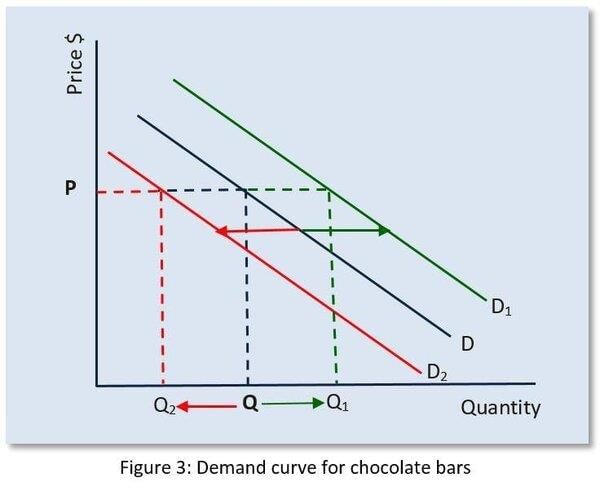 | Card: 22 / 45 |
|  Unlock all Flashcards with EduRev Infinity Plan Starting from @ ₹99 only | |
| True or False: An increasing function is characterized by the value of y decreasing as x increases. | Card: 23 / 45 |
| False. An increasing function is characterized by the value of y not decreasing as x increases. 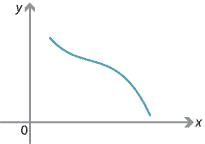 | Card: 24 / 45 |
| Fill in the blank: A function is decreasing if the value of y does not ___ with an increase in x. | Card: 25 / 45 |
| Increase | Card: 26 / 45 |
| What does the graphical representation of a function y=f(x) indicate? | Card: 27 / 45 |
| It visually represents the relationship between the independent variable x and the dependent variable y. | Card: 28 / 45 |
| Riddle: I can be increasing or decreasing, my values depend on your choice. What am I? | Card: 29 / 45 |
| A function | Card: 30 / 45 |
| In economics, the independent variable is often plotted on the ___ axis and the dependent variable on the ___ axis. | Card: 31 / 45 |
| Vertical; horizontal | Card: 32 / 45 |
| How would you describe the graphical representation of an increasing function? | Card: 33 / 45 |
| It is depicted as an upward-sloping line. 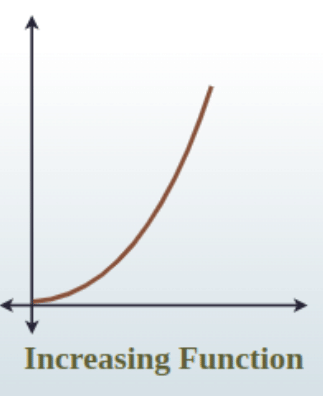 | Card: 34 / 45 |
| If the function is represented by y = 50 - x, what type of function is this? | Card: 35 / 45 |
| What determines whether a function is classified as increasing or decreasing? | Card: 36 / 45 |
| A function is increasing if the value of y does not decrease with an increase in x; it is decreasing if the value of y does not increase with an increase in x. | Card: 37 / 45 |
| The Law of Demand states that when the price of a commodity increases, the quantity demanded ___, assuming other factors remain constant. | Card: 38 / 45 |
| Decreases | Card: 39 / 45 |
| Fill in the blanks: A drop in the price of bananas results in an increase in the quantity demanded due to the ___ effect and the ___ effect. | Card: 40 / 45 |
| Substitution; income | Card: 41 / 45 |
| True or False: A linear demand curve can be represented by the formula Q = a - bP, where Q is quantity demanded, P is price, a is the intercept, and -b is the slope. | Card: 42 / 45 |
| True | Card: 43 / 45 |
| If the price of bananas is reduced from P1 to P2, what happens to the consumer's budget set? | Card: 44 / 45 |
| The budget set expands, allowing the consumer to purchase more bananas and fewer mangoes. | Card: 45 / 45 |
| Completed! Keep practicing to master all of them. |  Restart |