CBSE Class 1  >  Class 1   >  Mental Maths  >  Flashcards: Geometry
Geometry
21 Flashcards
Start
Start

Flashcards: Geometry

21 Flashcards

FAQs on Flashcards: Geometry

1. What are the basic 2D shapes I need to know for Class 1 geometry flashcards?
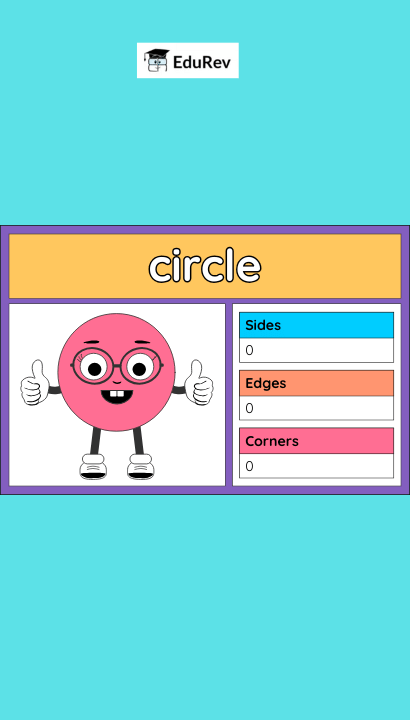
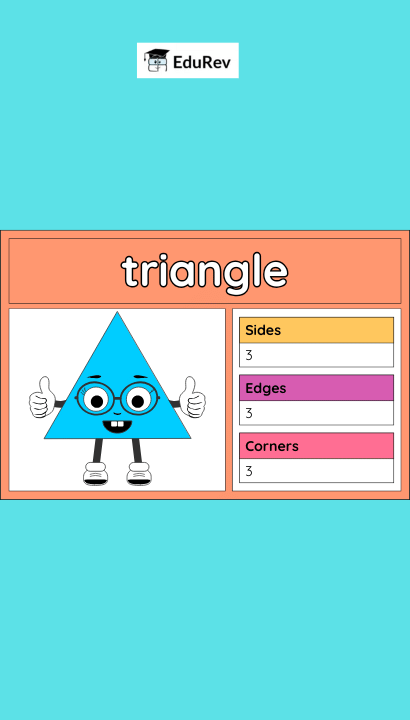
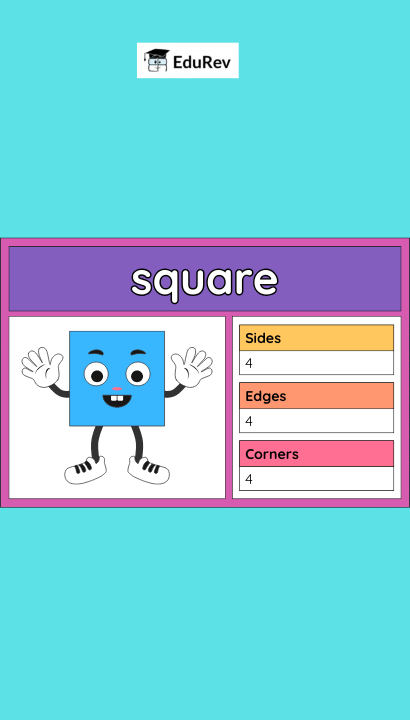
Ans. Basic 2D shapes for Class 1 include circles, squares, rectangles, and triangles. These fundamental geometric figures form the foundation of early geometry learning. Circles are round with no corners, squares have four equal sides, rectangles have two pairs of equal sides, and triangles have three sides. Learning to identify and name these shapes helps develop spatial awareness and visual recognition skills essential for progressing in mathematics.
2. How do I remember the difference between a square and a rectangle using flashcards?
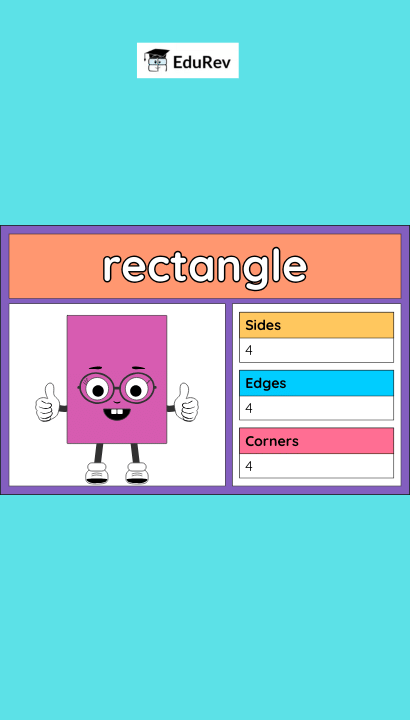
Ans. A square has all four sides equal in length, while a rectangle has two longer sides and two shorter sides. Geometry flashcards visually display this distinction clearly-square flashcards show equal dimensions, whereas rectangle cards highlight the length-width difference. Practising with these flashcards helps students instantly recognise shape properties. Visual learning through flashcard comparisons strengthens memory retention better than text-based definitions alone.
3. What shape properties should I focus on for Class 1 mental maths geometry practice?
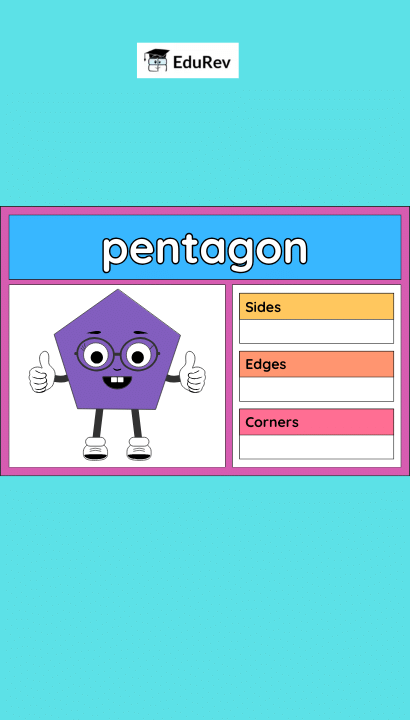
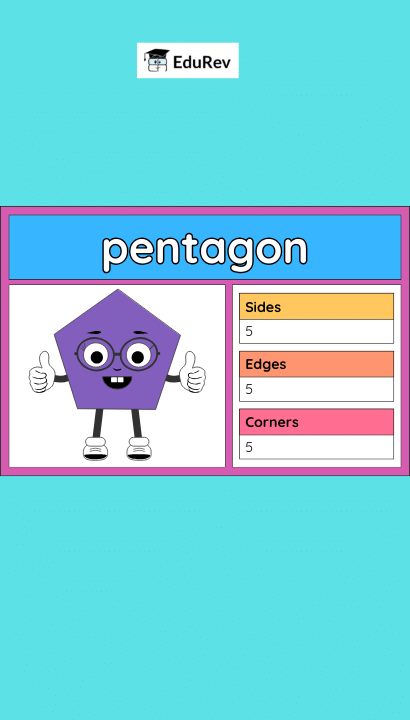
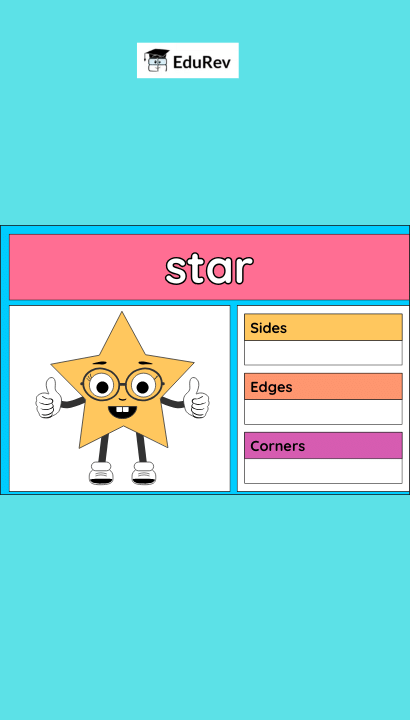
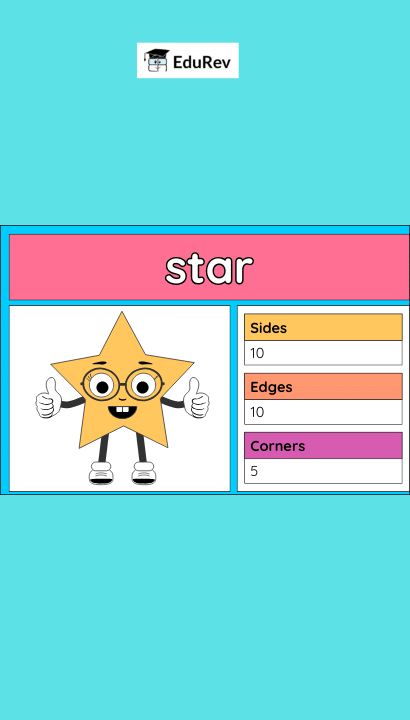
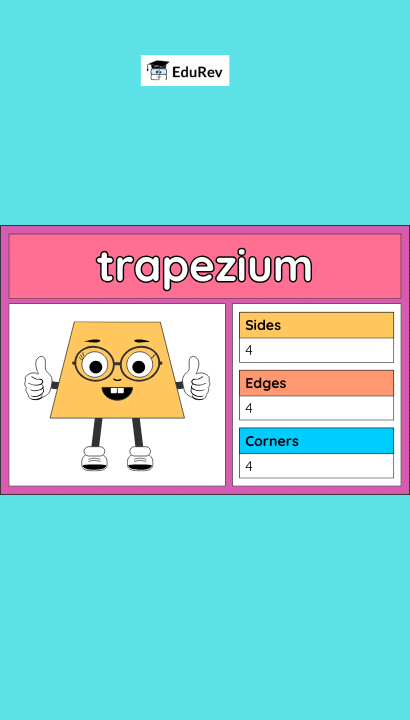
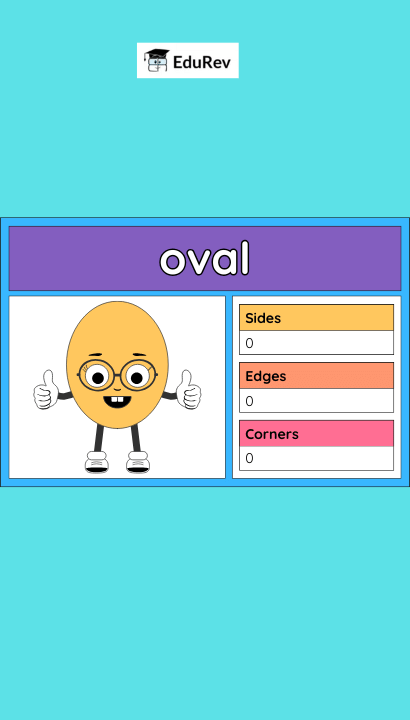
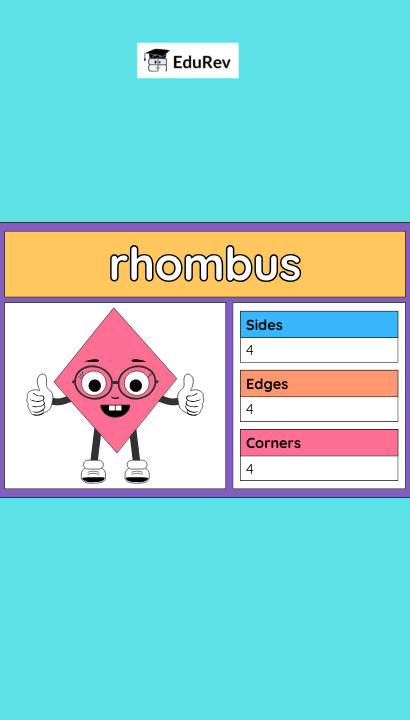
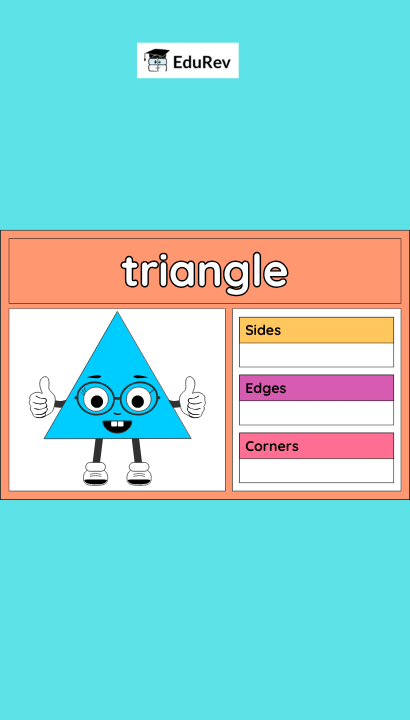
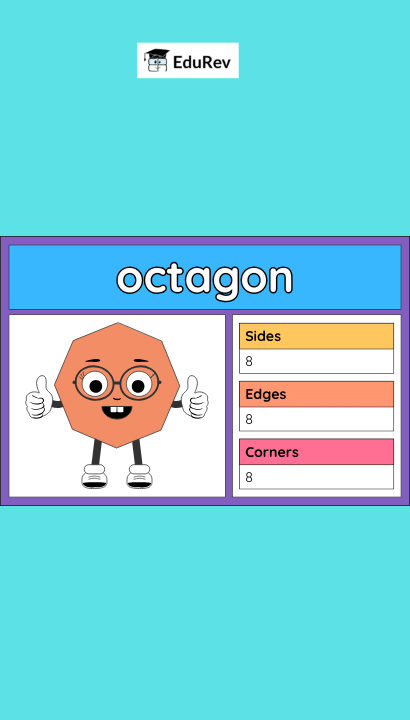
Ans. Focus on counting sides, corners (vertices), and identifying shapes by their defining characteristics. Class 1 geometry emphasises recognising corners and edges as key shape identifiers. Flashcards for mental maths typically highlight these observable properties: circles have no corners, squares and rectangles have four corners each, and triangles have three corners. Mastering these properties enables quick mental shape identification during problem-solving.
4. Can I use geometry flashcards to learn about 3D shapes at Class 1 level?
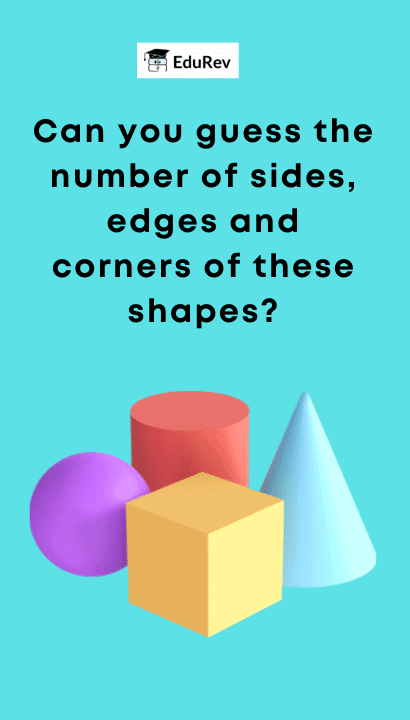
Ans. Yes, introductory 3D shapes like cubes, spheres, and cuboids can be introduced through flashcards at Class 1. These three-dimensional geometric solids extend flat shape learning. Flashcards display 3D shape visualisations with labels for faces, edges, and vertices. However, detailed 3D geometry typically receives deeper focus in higher classes; Class 1 flashcards introduce basic recognition and naming only.
5. How many times should I review geometry flashcards to master shape recognition for exams?
Ans. Regular, spaced repetition-reviewing flashcards three to four times weekly-strengthens shape recognition and retention. Consistent practice with geometry flashcards builds automaticity in identifying and naming shapes during mental maths assessments. Short, focused flashcard sessions (5-10 minutes) prove more effective than lengthy cramming. Interleaving flashcard review with other geometry activities reinforces learning and boosts exam confidence significantly.
Explore Courses for Class 1 exam
Related Searches
video lectures, Flashcards: Geometry, Free, ppt, study material, practice quizzes, MCQs, mock tests for examination, pdf , Exam, Objective type Questions, Semester Notes, Flashcards: Geometry, shortcuts and tricks, Sample Paper, Important questions, Summary, Viva Questions, Flashcards: Geometry, Previous Year Questions with Solutions, Extra Questions, past year papers;