


Electrical Engineering (EE) Exam > Electrical Engineering (EE) Questions > The characteristic life-cycle of a product co... Start Learning for Free
The characteristic life-cycle of a product consists of four periods. The rate of consumption increases rapidly at the beginning of the.
- a)Incubation period
- b)Growth period
- c)Maturity period
- d)Decline period
Correct answer is option 'B'. Can you explain this answer?

Most Upvoted Answer
The characteristic life-cycle of a product consists of four periods. T...
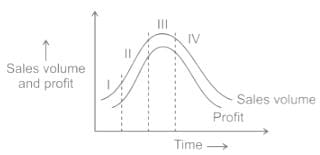
There are four stages of the Product Life cycle are:
Stage 1 Introduction
- In this stage, a new product is launched in a target market where the intended consumers are not well aware of its presence.
- Customers who acknowledge the presence of the product may be willing to pay a higher price in the greed to acquire high-quality goods or services. With this consistent change in manufacturing methods, production completely relies on skilled laborers.
- Competition at the international level is absent during the introduction stage of the international product lifecycle. Competition comes into the picture during the growth stage when developed markets start copying the product and sell it in the domestic market.
- These competitors may also transform from being importers to exporters to the same country that once introduced the product.
Stage 2 Growth
- An effectively marketed product meets the requirements in its target market. The exporter of the product conducts market surveys, analyze and identify the market size and composition. At this stage, the competition is still low.
- Sales volume grows rapidly in the growth stage. This stage of the product lifecycle is marked by fluctuating increases in prices, high profits, and promotion of the product on a huge scale.
Stage 3 Maturity
- At this level of the product lifecycle, the level of product demand and sales volumes increase slowly.
- Duplicate products are reported in foreign markets marking a decline in export sales.
- In order to maintain market share and accompany sales, the original exporter reduces prices.
- There is a decrease in profit margins, but the business remains tempting as sales volumes soar high.
Stage 4 Decline
- This is the final stage of the product lifecycle. In this stage sales volumes decrease and many such products are removed or their usage is discontinued.
- The economies of other countries that have developed similar and better products than the original one export their products to the original exporter's home market.
- This has a negative impact on the sales and price structure of the original product. The original exporter can play a safe game by selling the remaining products at discontinued items' prices.
When a product is in the maturity stage the sales will increase at a decreasing rate.
Free Test
FREE
| Start Free Test |
Community Answer
The characteristic life-cycle of a product consists of four periods. T...
Understanding Product Life-Cycle
The product life-cycle is a crucial concept in marketing and business strategy, consisting of four distinct periods: Incubation, Growth, Maturity, and Decline. Each period has its unique characteristics and implications for product management.
Growth Period Characteristics
- Rapid Increase in Consumption: The growth period is marked by a significant surge in sales and market acceptance. Consumers begin to recognize the value of the product, leading to increased demand.
- Market Penetration: During this phase, businesses typically invest in marketing and promotional activities aimed at expanding market penetration. The focus is on attracting new customers and retaining existing ones.
- Economies of Scale: As production ramps up to meet growing demand, companies often benefit from economies of scale, which can lead to reduced costs and increased profitability.
- Competitive Response: The success of a product during the growth period often attracts competitors, leading to increased market competition. Companies may need to innovate or differentiate to maintain their market position.
Importance of the Growth Period
- Foundation for Maturity: The growth phase sets the foundation for the subsequent maturity period. Effective management during this time can ensure long-term success and sustainability.
- Consumer Loyalty Development: Establishing strong brand loyalty during this phase is crucial, as it can help navigate the challenges of maturity and decline.
In summary, the growth period is vital for a product's success, characterized by rapid consumption increase, significant market expansion, and competitive dynamics. Understanding this phase is essential for effective product strategy and management.
The product life-cycle is a crucial concept in marketing and business strategy, consisting of four distinct periods: Incubation, Growth, Maturity, and Decline. Each period has its unique characteristics and implications for product management.
Growth Period Characteristics
- Rapid Increase in Consumption: The growth period is marked by a significant surge in sales and market acceptance. Consumers begin to recognize the value of the product, leading to increased demand.
- Market Penetration: During this phase, businesses typically invest in marketing and promotional activities aimed at expanding market penetration. The focus is on attracting new customers and retaining existing ones.
- Economies of Scale: As production ramps up to meet growing demand, companies often benefit from economies of scale, which can lead to reduced costs and increased profitability.
- Competitive Response: The success of a product during the growth period often attracts competitors, leading to increased market competition. Companies may need to innovate or differentiate to maintain their market position.
Importance of the Growth Period
- Foundation for Maturity: The growth phase sets the foundation for the subsequent maturity period. Effective management during this time can ensure long-term success and sustainability.
- Consumer Loyalty Development: Establishing strong brand loyalty during this phase is crucial, as it can help navigate the challenges of maturity and decline.
In summary, the growth period is vital for a product's success, characterized by rapid consumption increase, significant market expansion, and competitive dynamics. Understanding this phase is essential for effective product strategy and management.
 | Explore Courses for Electrical Engineering (EE) exam |  |
Top Courses for Electrical Engineering (EE)View all




Top Courses for Electrical Engineering (EE)
Question Description
The characteristic life-cycle of a product consists of four periods. The rate of consumption increases rapidly at the beginning of the.a)Incubation periodb)Growth periodc)Maturity periodd)Decline periodCorrect answer is option 'B'. Can you explain this answer? for Electrical Engineering (EE) 2026 is part of Electrical Engineering (EE) preparation. The Question and answers have been prepared according to the Electrical Engineering (EE) exam syllabus. Information about The characteristic life-cycle of a product consists of four periods. The rate of consumption increases rapidly at the beginning of the.a)Incubation periodb)Growth periodc)Maturity periodd)Decline periodCorrect answer is option 'B'. Can you explain this answer? covers all topics & solutions for Electrical Engineering (EE) 2026 Exam. Find important definitions, questions, meanings, examples, exercises and tests below for The characteristic life-cycle of a product consists of four periods. The rate of consumption increases rapidly at the beginning of the.a)Incubation periodb)Growth periodc)Maturity periodd)Decline periodCorrect answer is option 'B'. Can you explain this answer?.
The characteristic life-cycle of a product consists of four periods. The rate of consumption increases rapidly at the beginning of the.a)Incubation periodb)Growth periodc)Maturity periodd)Decline periodCorrect answer is option 'B'. Can you explain this answer? for Electrical Engineering (EE) 2026 is part of Electrical Engineering (EE) preparation. The Question and answers have been prepared according to the Electrical Engineering (EE) exam syllabus. Information about The characteristic life-cycle of a product consists of four periods. The rate of consumption increases rapidly at the beginning of the.a)Incubation periodb)Growth periodc)Maturity periodd)Decline periodCorrect answer is option 'B'. Can you explain this answer? covers all topics & solutions for Electrical Engineering (EE) 2026 Exam. Find important definitions, questions, meanings, examples, exercises and tests below for The characteristic life-cycle of a product consists of four periods. The rate of consumption increases rapidly at the beginning of the.a)Incubation periodb)Growth periodc)Maturity periodd)Decline periodCorrect answer is option 'B'. Can you explain this answer?.
Solutions for The characteristic life-cycle of a product consists of four periods. The rate of consumption increases rapidly at the beginning of the.a)Incubation periodb)Growth periodc)Maturity periodd)Decline periodCorrect answer is option 'B'. Can you explain this answer? in English & in Hindi are available as part of our courses for Electrical Engineering (EE). Download more important topics, notes, lectures and mock test series for Electrical Engineering (EE) Exam by signing up for free.
Here you can find the meaning of The characteristic life-cycle of a product consists of four periods. The rate of consumption increases rapidly at the beginning of the.a)Incubation periodb)Growth periodc)Maturity periodd)Decline periodCorrect answer is option 'B'. Can you explain this answer? defined & explained in the simplest way possible. Besides giving the explanation of The characteristic life-cycle of a product consists of four periods. The rate of consumption increases rapidly at the beginning of the.a)Incubation periodb)Growth periodc)Maturity periodd)Decline periodCorrect answer is option 'B'. Can you explain this answer?, a detailed solution for The characteristic life-cycle of a product consists of four periods. The rate of consumption increases rapidly at the beginning of the.a)Incubation periodb)Growth periodc)Maturity periodd)Decline periodCorrect answer is option 'B'. Can you explain this answer? has been provided alongside types of The characteristic life-cycle of a product consists of four periods. The rate of consumption increases rapidly at the beginning of the.a)Incubation periodb)Growth periodc)Maturity periodd)Decline periodCorrect answer is option 'B'. Can you explain this answer? theory, EduRev gives you an ample number of questions to practice The characteristic life-cycle of a product consists of four periods. The rate of consumption increases rapidly at the beginning of the.a)Incubation periodb)Growth periodc)Maturity periodd)Decline periodCorrect answer is option 'B'. Can you explain this answer? tests, examples and also practice Electrical Engineering (EE) tests.
| Explore Courses for Electrical Engineering (EE) exam | |
Top Courses for Electrical Engineering (EE)
Explore Courses
Signup for Free!
Signup to see your scores go up within 7 days! Learn & Practice with 1000+ FREE Notes, Videos & Tests.


