


Electrical Engineering (EE) Exam > Electrical Engineering (EE) Questions > Which is the most serious problem in vacuum c... Start Learning for Free
Which is the most serious problem in vacuum circuit breaker?
- a)Poor arc quenching
- b)Low thermal stability
- c)Current chopping
- d)All of the above
Correct answer is option 'C'. Can you explain this answer?

Verified Answer
Which is the most serious problem in vacuum circuit breaker?a)Poor arc...
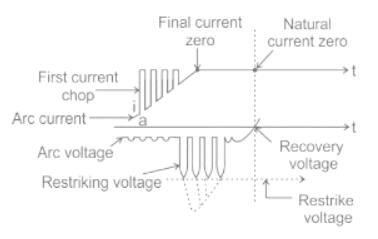
Current chopping in circuit breaker is defined as a phenomenon in which current is forcibly interrupted before the natural current zero.
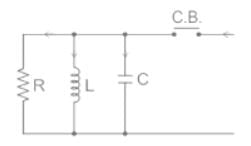
We can derive the voltage across the capacitor during current chopping
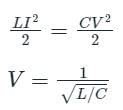
Current Chopping is mainly observed in the vacuum circuit breaker and air blast circuit breaker. There is no such phenomenon in oil circuit breaker.
Most Upvoted Answer
Which is the most serious problem in vacuum circuit breaker?a)Poor arc...
Current chopping is the most serious problem in vacuum circuit breakers (VCBs). Current chopping refers to the interruption of a high current flow in the circuit, resulting in the creation of an arc. This phenomenon can have several adverse effects on the performance and reliability of the VCB.
1. Definition of current chopping:
Current chopping occurs when the contacts of the circuit breaker start to separate, causing the current to be interrupted. Due to the high dielectric strength of the vacuum, the arc is initially unable to sustain itself. However, as the contacts move further apart, the arc starts to elongate and sustain itself. This can lead to several issues.
2. Adverse effects of current chopping:
- Overvoltages: The sudden interruption of current can result in overvoltages in the circuit. These overvoltages can damage the insulation of the equipment connected to the circuit, leading to insulation breakdown and equipment failure.
- Electromagnetic interference (EMI): The arc created during current chopping can generate electromagnetic radiation. This radiation can interfere with nearby electronic devices or communication systems, causing malfunctions or disruptions.
- Damage to circuit breaker contacts: The repeated occurrence of current chopping can cause excessive heating and erosion of the circuit breaker contacts. This leads to increased contact resistance and reduced performance of the circuit breaker.
- Reduced arc quenching capability: Current chopping can also impact the arc quenching capability of the VCB. The elongated arc can be difficult to extinguish, resulting in delayed or incomplete arc quenching. This can compromise the ability of the circuit breaker to safely interrupt the fault current.
- Increased wear and tear: The repeated occurrence of current chopping can accelerate the wear and tear of the circuit breaker components. This can reduce the lifespan of the VCB and increase the maintenance requirements.
3. Mitigation measures:
To mitigate the problem of current chopping, various techniques can be employed, such as:
- Pre-insertion resistors: These resistors are connected in series with the circuit breaker contacts to limit the rate of rise of recovery voltage (RRRV) during current interruption.
- Snubber circuits: Snubber circuits can be used to suppress the overvoltages generated during current interruption.
- Arc control devices: These devices, such as arc chutes or magnetic blowout coils, are designed to improve the arc quenching capability of the VCB and facilitate faster and more reliable current interruption.
Overall, current chopping is a critical problem in vacuum circuit breakers that can have several adverse effects on the performance and reliability of the circuit breaker and the connected equipment. Therefore, it is essential to understand and mitigate this issue to ensure the safe and efficient operation of the electrical system.
1. Definition of current chopping:
Current chopping occurs when the contacts of the circuit breaker start to separate, causing the current to be interrupted. Due to the high dielectric strength of the vacuum, the arc is initially unable to sustain itself. However, as the contacts move further apart, the arc starts to elongate and sustain itself. This can lead to several issues.
2. Adverse effects of current chopping:
- Overvoltages: The sudden interruption of current can result in overvoltages in the circuit. These overvoltages can damage the insulation of the equipment connected to the circuit, leading to insulation breakdown and equipment failure.
- Electromagnetic interference (EMI): The arc created during current chopping can generate electromagnetic radiation. This radiation can interfere with nearby electronic devices or communication systems, causing malfunctions or disruptions.
- Damage to circuit breaker contacts: The repeated occurrence of current chopping can cause excessive heating and erosion of the circuit breaker contacts. This leads to increased contact resistance and reduced performance of the circuit breaker.
- Reduced arc quenching capability: Current chopping can also impact the arc quenching capability of the VCB. The elongated arc can be difficult to extinguish, resulting in delayed or incomplete arc quenching. This can compromise the ability of the circuit breaker to safely interrupt the fault current.
- Increased wear and tear: The repeated occurrence of current chopping can accelerate the wear and tear of the circuit breaker components. This can reduce the lifespan of the VCB and increase the maintenance requirements.
3. Mitigation measures:
To mitigate the problem of current chopping, various techniques can be employed, such as:
- Pre-insertion resistors: These resistors are connected in series with the circuit breaker contacts to limit the rate of rise of recovery voltage (RRRV) during current interruption.
- Snubber circuits: Snubber circuits can be used to suppress the overvoltages generated during current interruption.
- Arc control devices: These devices, such as arc chutes or magnetic blowout coils, are designed to improve the arc quenching capability of the VCB and facilitate faster and more reliable current interruption.
Overall, current chopping is a critical problem in vacuum circuit breakers that can have several adverse effects on the performance and reliability of the circuit breaker and the connected equipment. Therefore, it is essential to understand and mitigate this issue to ensure the safe and efficient operation of the electrical system.
 | Explore Courses for Electrical Engineering (EE) exam |  |
Top Courses for Electrical Engineering (EE)View all


Top Courses for Electrical Engineering (EE)
Question Description
Which is the most serious problem in vacuum circuit breaker?a)Poor arc quenchingb)Low thermal stabilityc)Current choppingd)All of the aboveCorrect answer is option 'C'. Can you explain this answer? for Electrical Engineering (EE) 2026 is part of Electrical Engineering (EE) preparation. The Question and answers have been prepared according to the Electrical Engineering (EE) exam syllabus. Information about Which is the most serious problem in vacuum circuit breaker?a)Poor arc quenchingb)Low thermal stabilityc)Current choppingd)All of the aboveCorrect answer is option 'C'. Can you explain this answer? covers all topics & solutions for Electrical Engineering (EE) 2026 Exam. Find important definitions, questions, meanings, examples, exercises and tests below for Which is the most serious problem in vacuum circuit breaker?a)Poor arc quenchingb)Low thermal stabilityc)Current choppingd)All of the aboveCorrect answer is option 'C'. Can you explain this answer?.
Which is the most serious problem in vacuum circuit breaker?a)Poor arc quenchingb)Low thermal stabilityc)Current choppingd)All of the aboveCorrect answer is option 'C'. Can you explain this answer? for Electrical Engineering (EE) 2026 is part of Electrical Engineering (EE) preparation. The Question and answers have been prepared according to the Electrical Engineering (EE) exam syllabus. Information about Which is the most serious problem in vacuum circuit breaker?a)Poor arc quenchingb)Low thermal stabilityc)Current choppingd)All of the aboveCorrect answer is option 'C'. Can you explain this answer? covers all topics & solutions for Electrical Engineering (EE) 2026 Exam. Find important definitions, questions, meanings, examples, exercises and tests below for Which is the most serious problem in vacuum circuit breaker?a)Poor arc quenchingb)Low thermal stabilityc)Current choppingd)All of the aboveCorrect answer is option 'C'. Can you explain this answer?.
Solutions for Which is the most serious problem in vacuum circuit breaker?a)Poor arc quenchingb)Low thermal stabilityc)Current choppingd)All of the aboveCorrect answer is option 'C'. Can you explain this answer? in English & in Hindi are available as part of our courses for Electrical Engineering (EE). Download more important topics, notes, lectures and mock test series for Electrical Engineering (EE) Exam by signing up for free.
Here you can find the meaning of Which is the most serious problem in vacuum circuit breaker?a)Poor arc quenchingb)Low thermal stabilityc)Current choppingd)All of the aboveCorrect answer is option 'C'. Can you explain this answer? defined & explained in the simplest way possible. Besides giving the explanation of Which is the most serious problem in vacuum circuit breaker?a)Poor arc quenchingb)Low thermal stabilityc)Current choppingd)All of the aboveCorrect answer is option 'C'. Can you explain this answer?, a detailed solution for Which is the most serious problem in vacuum circuit breaker?a)Poor arc quenchingb)Low thermal stabilityc)Current choppingd)All of the aboveCorrect answer is option 'C'. Can you explain this answer? has been provided alongside types of Which is the most serious problem in vacuum circuit breaker?a)Poor arc quenchingb)Low thermal stabilityc)Current choppingd)All of the aboveCorrect answer is option 'C'. Can you explain this answer? theory, EduRev gives you an ample number of questions to practice Which is the most serious problem in vacuum circuit breaker?a)Poor arc quenchingb)Low thermal stabilityc)Current choppingd)All of the aboveCorrect answer is option 'C'. Can you explain this answer? tests, examples and also practice Electrical Engineering (EE) tests.
| Explore Courses for Electrical Engineering (EE) exam | |
Top Courses for Electrical Engineering (EE)
Explore Courses
Signup for Free!
Signup to see your scores go up within 7 days! Learn & Practice with 1000+ FREE Notes, Videos & Tests.


